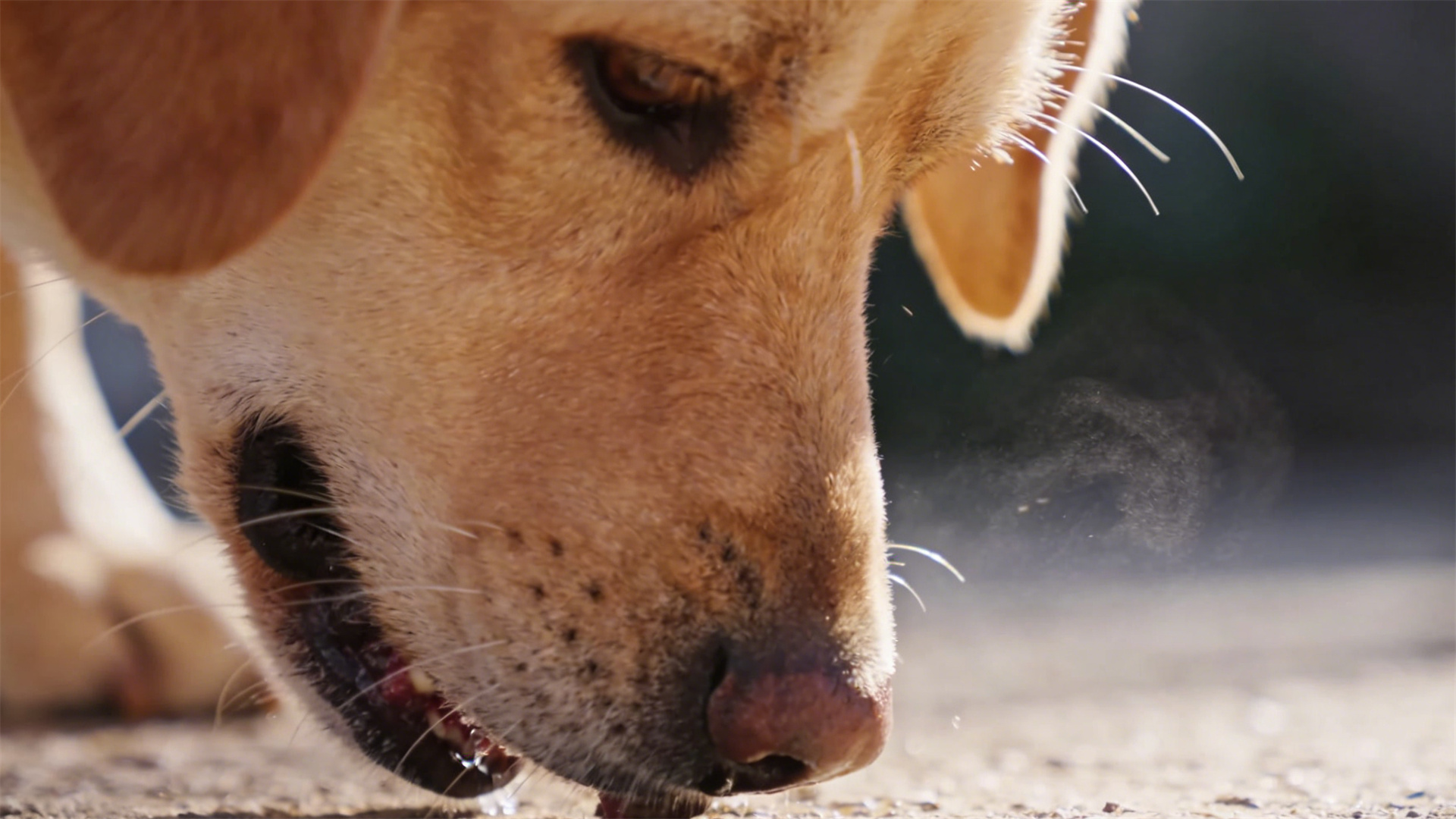
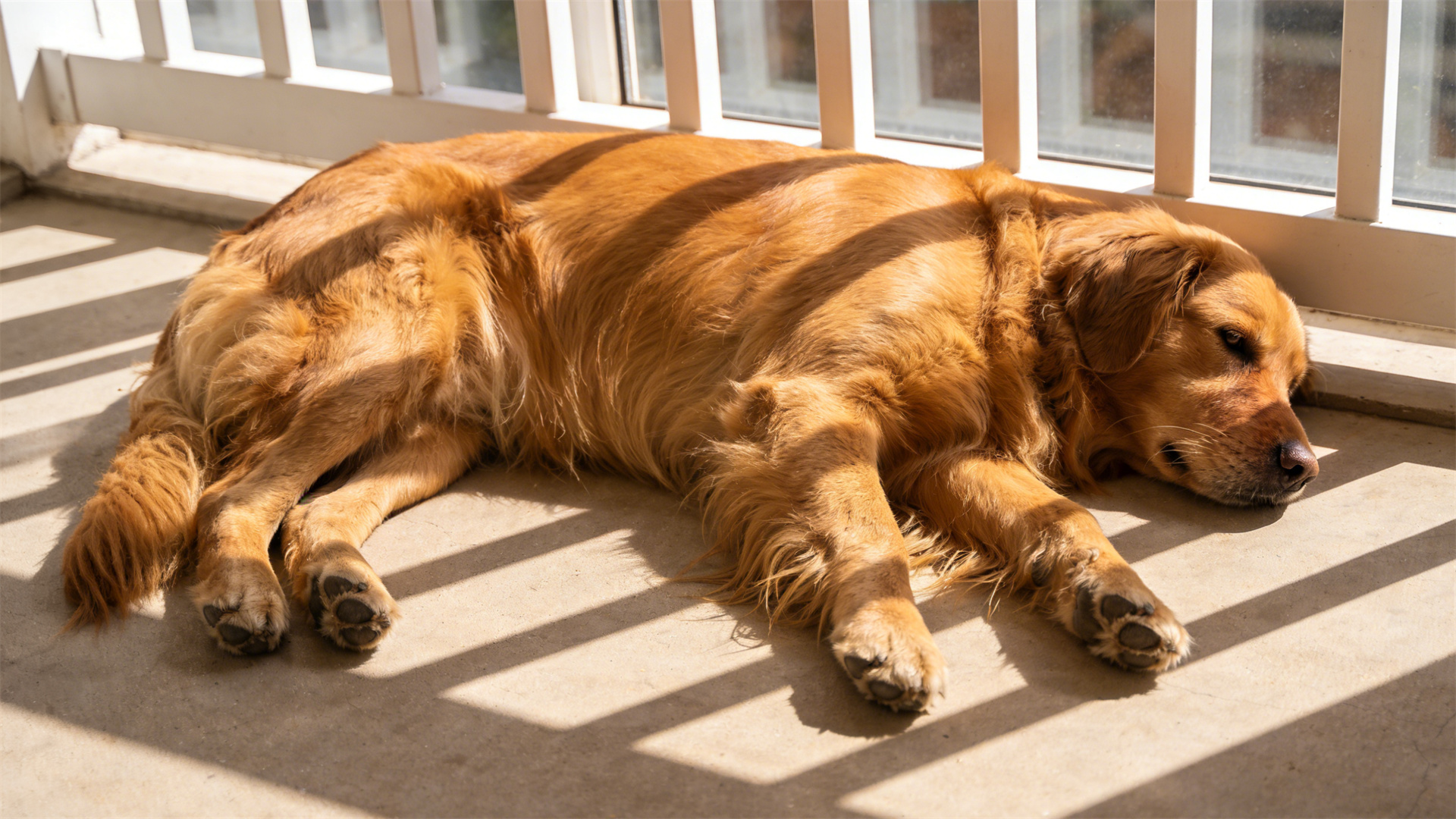
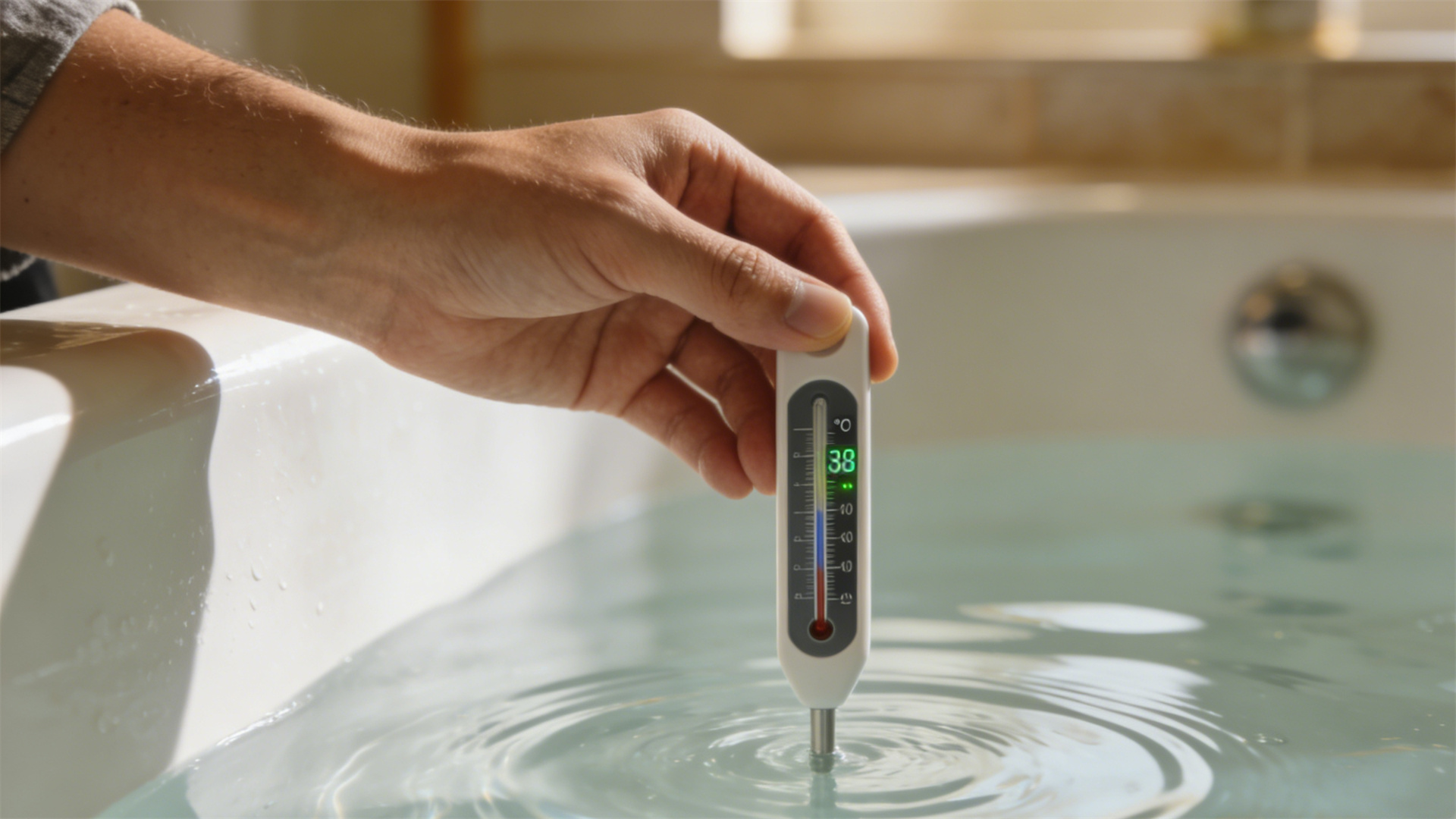
The golden years with a senior dog are a precious time, filled with shared memories and a deepened bond. As our canine companions age, we naturally seek ways to keep them comfortable, mobile, and engaged with life. Witnessing a once-sprightly dog slow down due to arthritis, muscle loss, or general stiffness can be heart-wrenching for any pet owner. The desire to help is strong, yet the fear of causing further injury with traditional exercise is real. This is where modern veterinary rehabilitation offers a transformative solution: the indoor water treadmill program. Tailored specifically for the needs of aging canines, this therapy provides a gateway to gentle exercise, pain relief, and improved quality of life. This comprehensive guide will explore the profound benefits, practical process, and hopeful future of indoor water treadmill rehabilitation for your cherished senior dog.
🏠 Introduction to Canine Hydrotherapy: A Lifeline for Senior Dogs
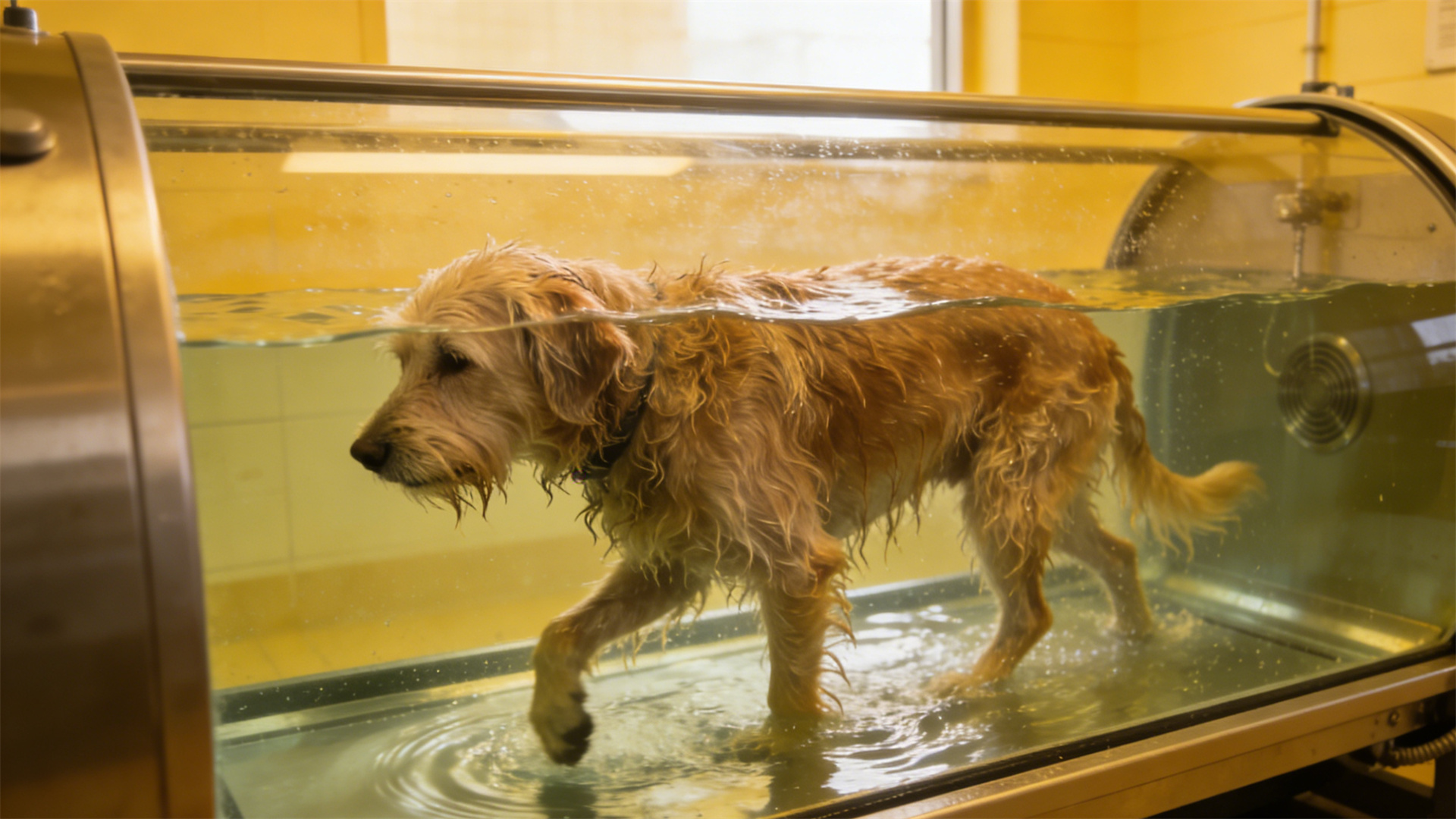
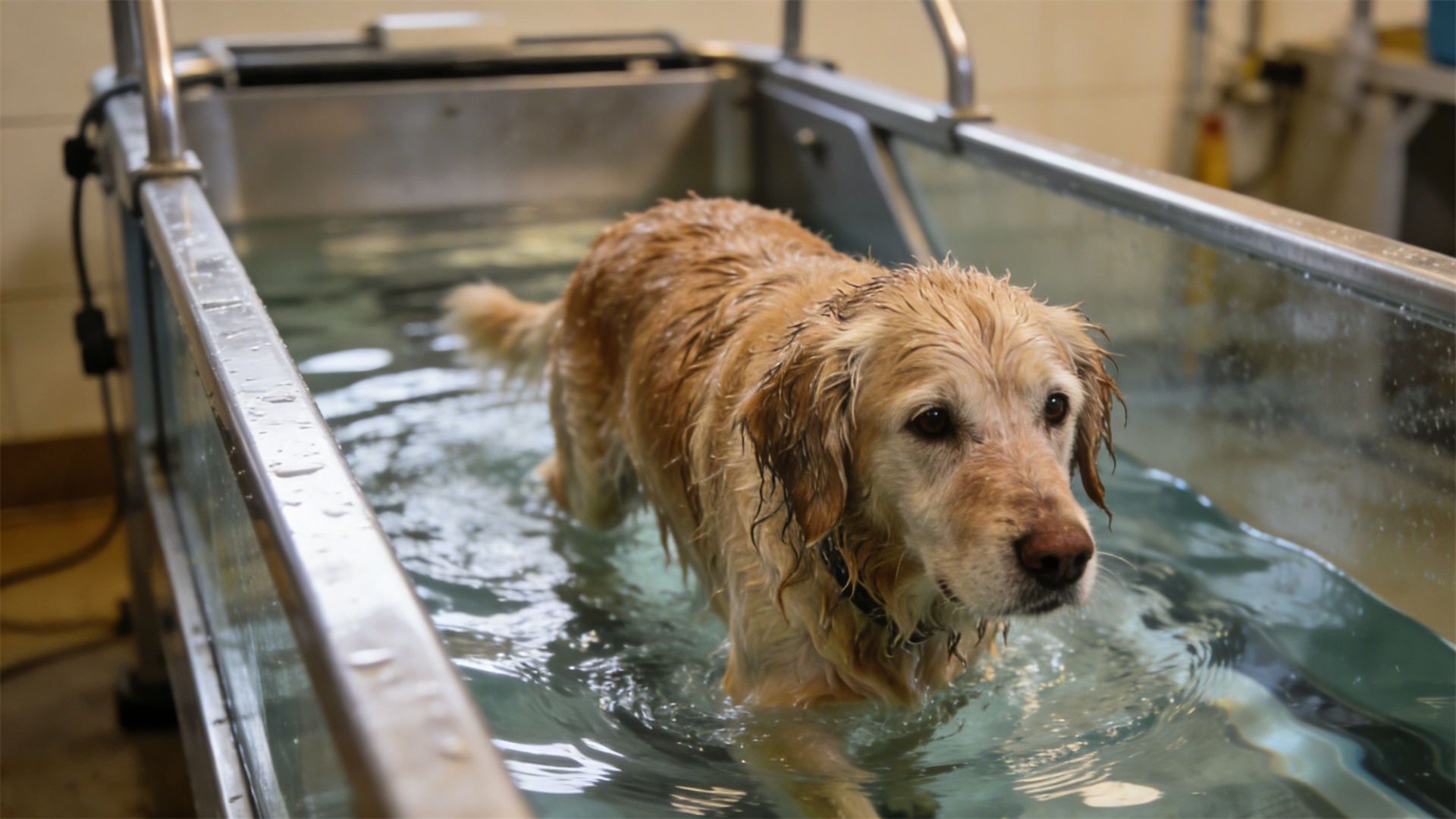
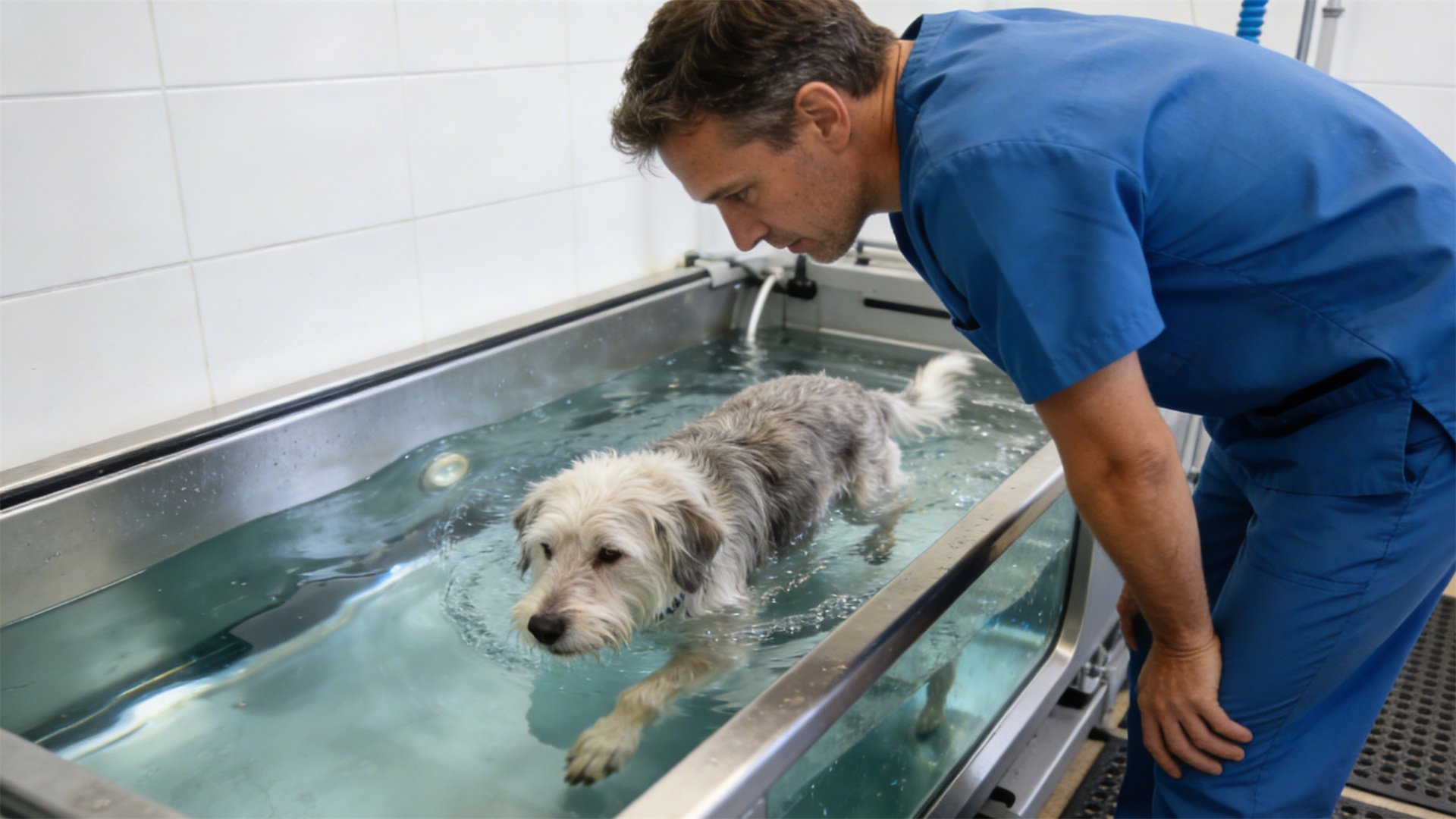
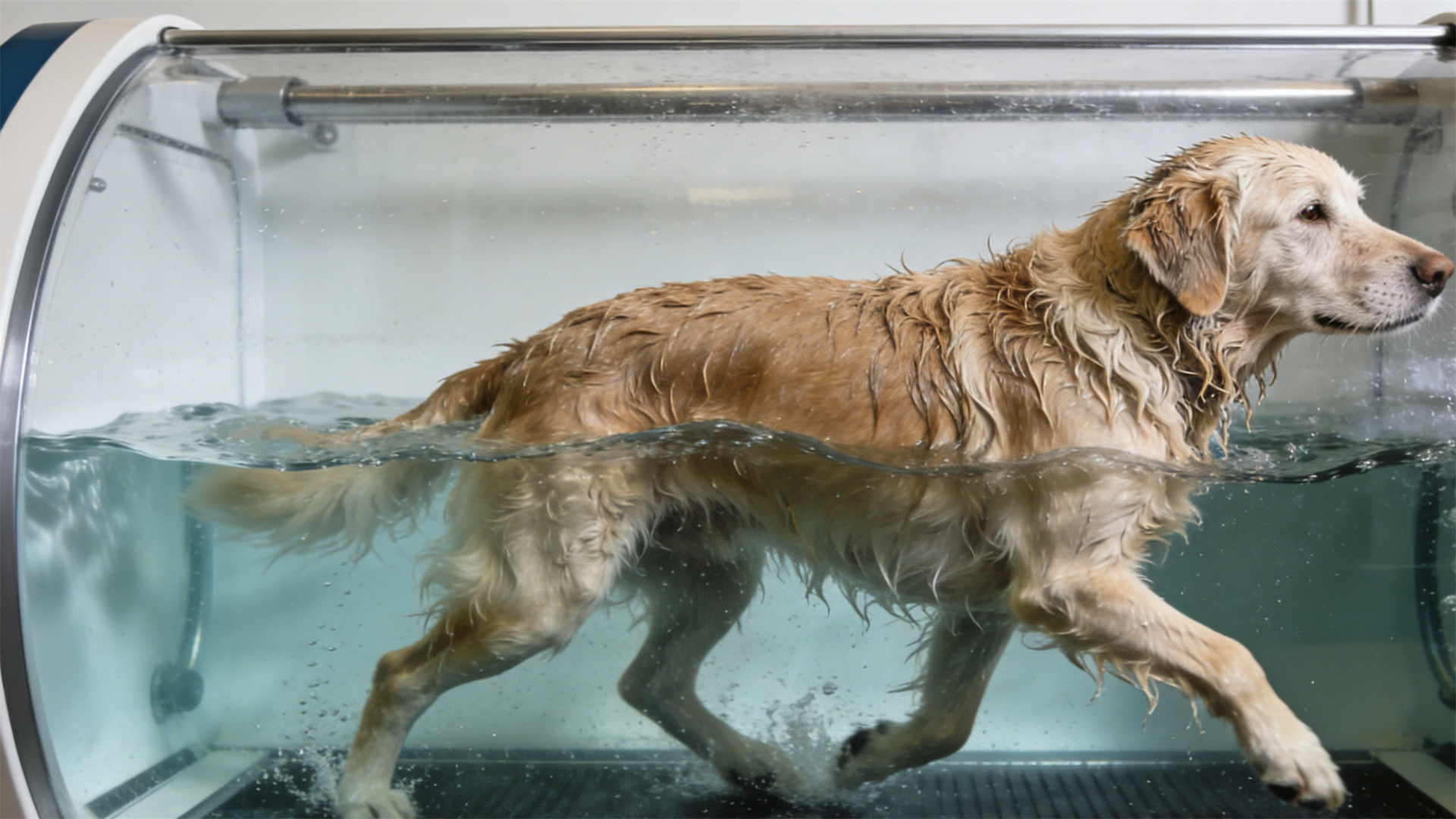
Canine hydrotherapy, specifically indoor water treadmill therapy, represents a cornerstone of modern veterinary rehabilitation. Unlike swimming, which can be strenuous and less controlled, a water treadmill offers a controlled, measurable, and highly adaptable environment. The dog walks on a submerged treadmill belt within a temperature-controlled tank, allowing for precise adjustment of water height, current, and belt speed. For senior dogs, this modality is revolutionary. It directly addresses the core challenges of aging: joint degeneration, pain, and decreased mobility, by leveraging the unique physical properties of water to support, resist, and heal. It is a proactive and restorative approach, moving beyond mere pain management to actively enhancing strength and vitality.
Gentle Exercise Principles: Why Water is the Ideal Medium
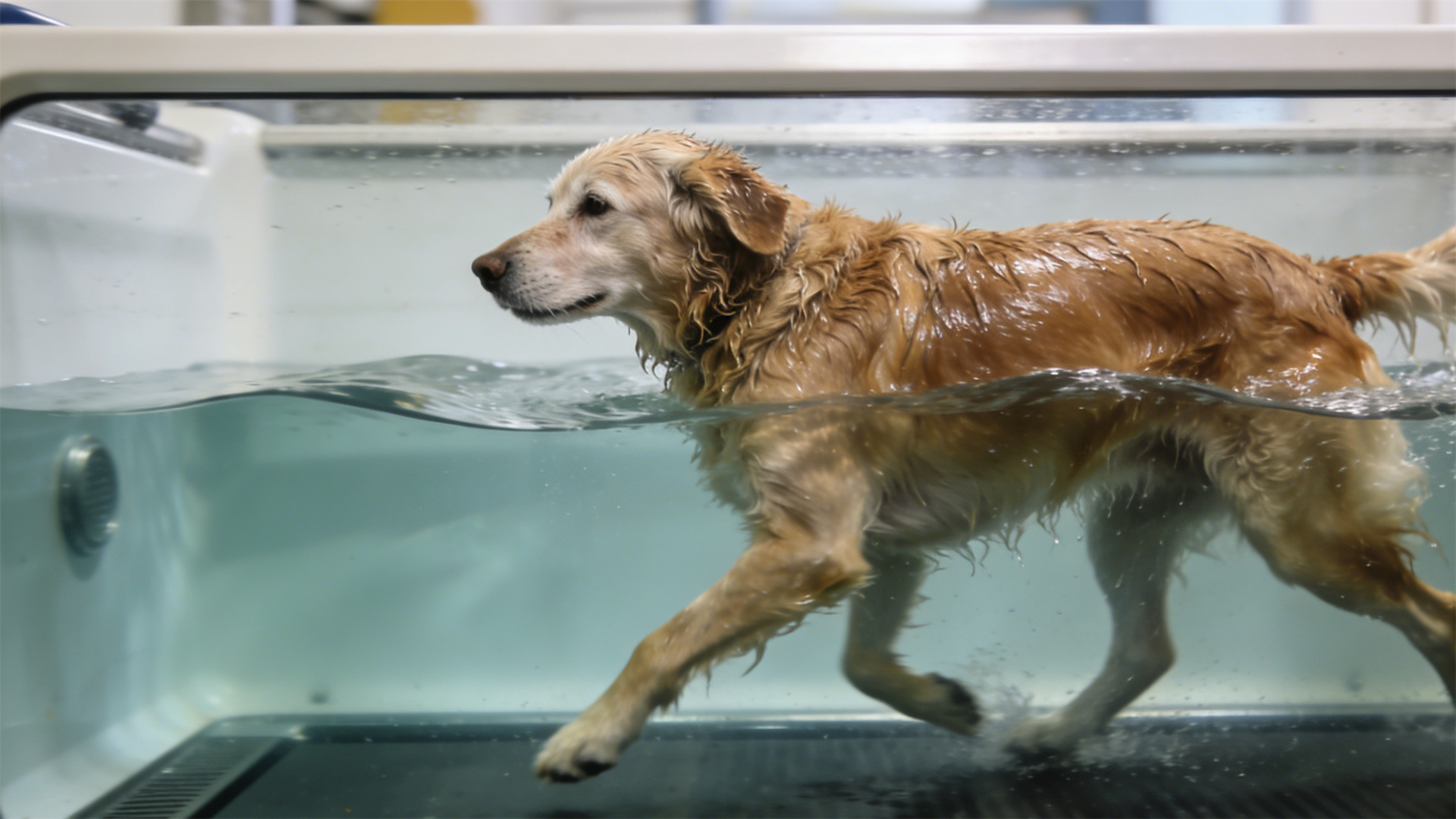
The fundamental principle of any senior dog exercise program is to maximize benefit while minimizing risk. The water treadmill excels at this through three key physical principles. Buoyancy reduces weight-bearing stress, effectively allowing a dog to exercise while supporting a significant percentage of its body weight. This is crucial for arthritic joints. Viscosity provides gentle, omnidirectional resistance, which strengthens muscles without the jarring impact of ground exercise. Finally, hydrostatic pressure aids in reducing swelling and improving cardiovascular and lymphatic circulation. Together, these principles create a safe harbor for exercise, where movement becomes therapeutic rather than taxing.
💙 Detailed Benefits of Indoor Water Treadmill Therapy for Aging Dogs
The advantages of a structured indoor water treadmill program extend far beyond simple exercise. They touch every aspect of a senior dog's physical health, contributing to a more comfortable and engaged life.
Benefit One: Low-Impact Movement and Joint Preservation.
This is the cornerstone benefit. By buoyancy reducing effective body weight, painful joints are unloaded. A dog with hip dysplasia or osteoarthritis can achieve a full range of motion without the bone-on-bone pressure of a hard floor. This encourages freer movement, helps maintain joint flexibility, and can slow the progression of degenerative changes.
Benefit Two: Pain Relief and Management.
The combination of warm water and gentle movement acts as a natural analgesic. Warmth soothes stiff muscles and joints, while the improved circulation flushes out inflammatory by-products. Many owners report their dogs are visibly more relaxed and comfortable for hours or even days after a session, reducing their reliance on medication alone.
Benefit Three: Improved Circulation and Cardiovascular Health.
The hydrostatic pressure of the water gently compresses the body, aiding venous return and lymphatic drainage. This enhanced circulation delivers more oxygen and nutrients to tissues while removing waste, promoting overall cellular health and organ function, which is vital for the aging canine body.
Benefit Four: Muscle Maintenance and Strengthening.
Age-related muscle loss, or sarcopenia, is a major contributor to weakness in senior dogs. The water's resistance provides an ideal strength-training environment. Muscles work through a full range of motion against gentle resistance, helping to rebuild and maintain lean muscle mass, which in turn better supports the skeletal frame.
📋 Program Structure: What to Expect from a Rehabilitation Session
A professional canine rehabilitation program is never a one-size-fits-all endeavor. It is a carefully crafted journey tailored to your dog's individual needs.
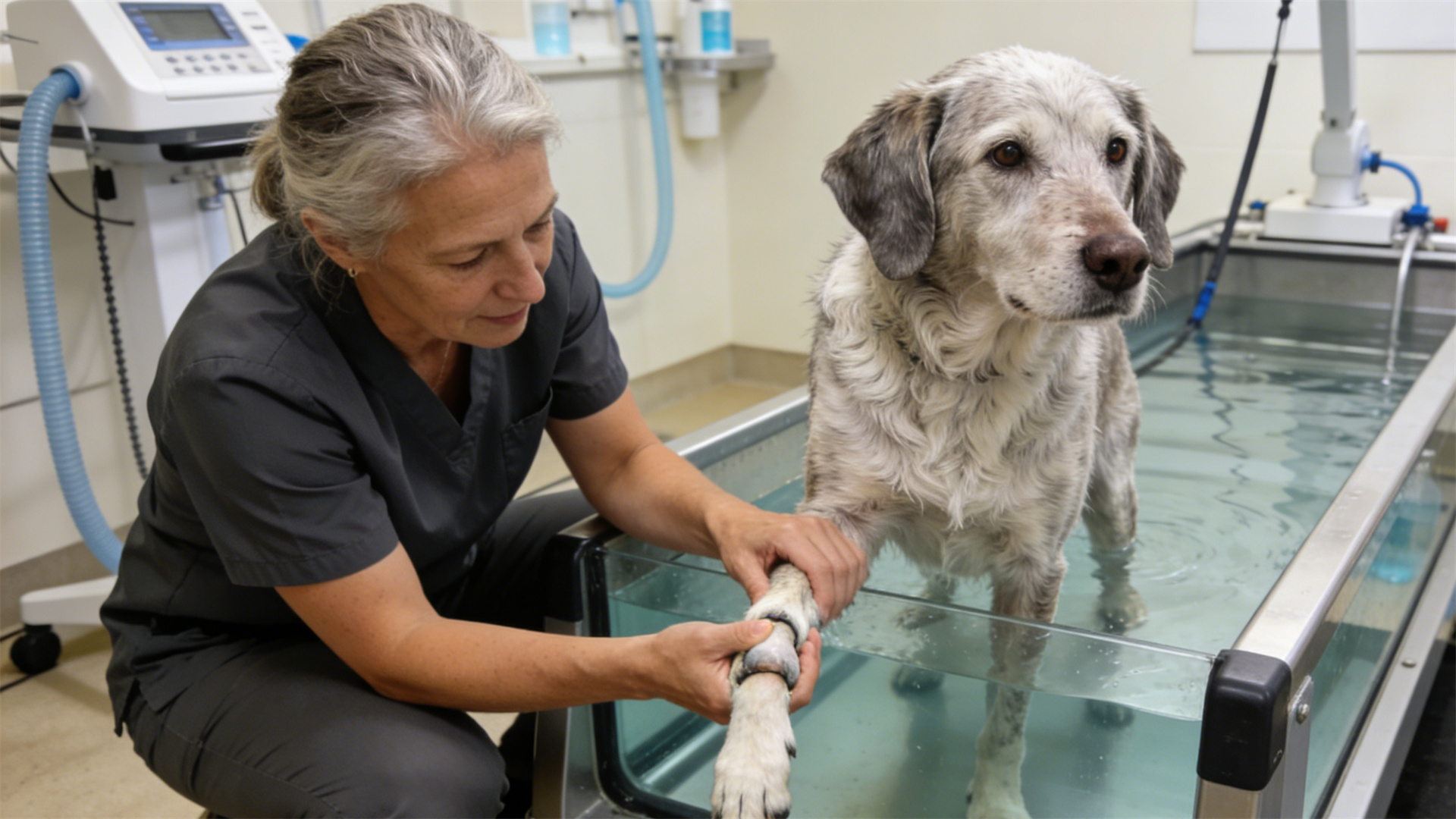
1. Initial Veterinary Assessment and Goal Setting. Before any hydrotherapy begins, a thorough examination by a veterinarian or certified canine rehabilitation therapist is mandatory. This includes a gait analysis, pain assessment, range-of-motion measurements, and a review of medical history. Clear, measurable goals are established, whether it's to increase walking distance at home, reduce stiffness after resting, or improve hind leg strength.
2. Session Length, Frequency, and Progression. An initial session may last only 10-15 minutes, focusing on acclimation and very gentle movement. Frequency typically starts at 1-2 times per week. As the dog builds tolerance and strength, duration and the intensity via water current or slight incline may be gradually increased under constant supervision. The program is always adaptive, based on the dog's weekly response.
🛡️ Safety Protocols and the Necessity of Professional Supervision
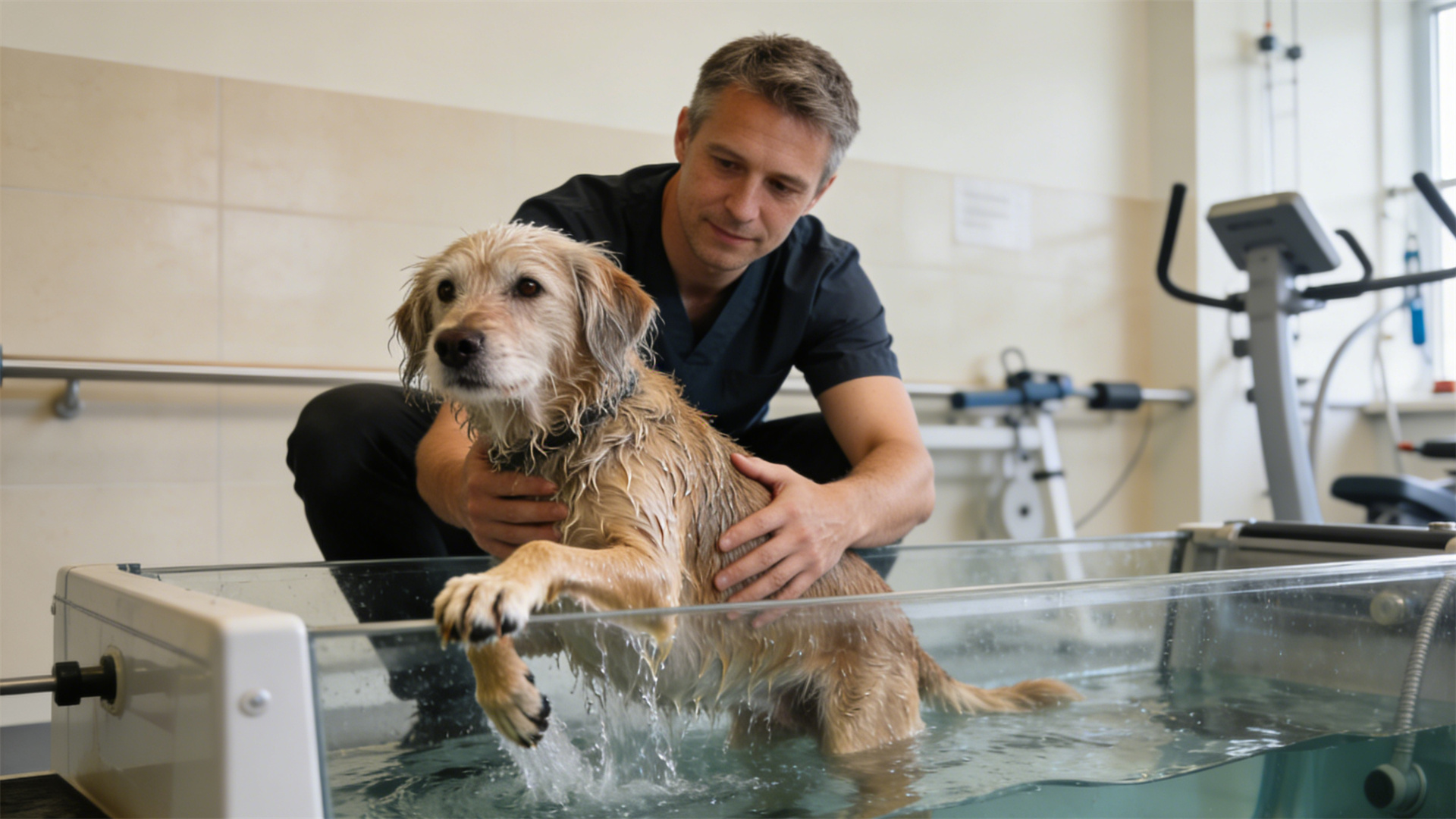
Safety is paramount. An indoor water treadmill session should always be conducted by a certified canine rehabilitation professional. Key protocols include. Constant one-on-one supervision inside the tank to ensure proper positioning, prevent slipping, and monitor fatigue. Meticulous water quality management with filtration and sanitation systems to prevent infection. Use of a non-slip harness for full support and control. Precise temperature control, usually between 25-30°C, to keep muscles warm without causing overheating. Immediate cessation if the dog shows signs of distress, fatigue, or discomfort. This level of professional oversight is what distinguishes therapeutic rehabilitation from casual water play.
💲 Cost Considerations and Navigating Insurance Possibilities
Investing in a senior dog rehabilitation program is an investment in their quality of life. Costs vary by region and facility but generally range per session. It is important to view this as a course of treatment, not a single activity. Critically, more and more pet insurance providers are offering coverage for rehabilitation and hydrotherapy, especially when prescribed by a veterinarian for a specific condition like arthritis or post-operative recovery. Pet owners must thoroughly review their policy or speak to their provider to understand their coverage limits and requirements for pre-authorization.
🔍 How to Locate a Certified Canine Rehabilitation Center
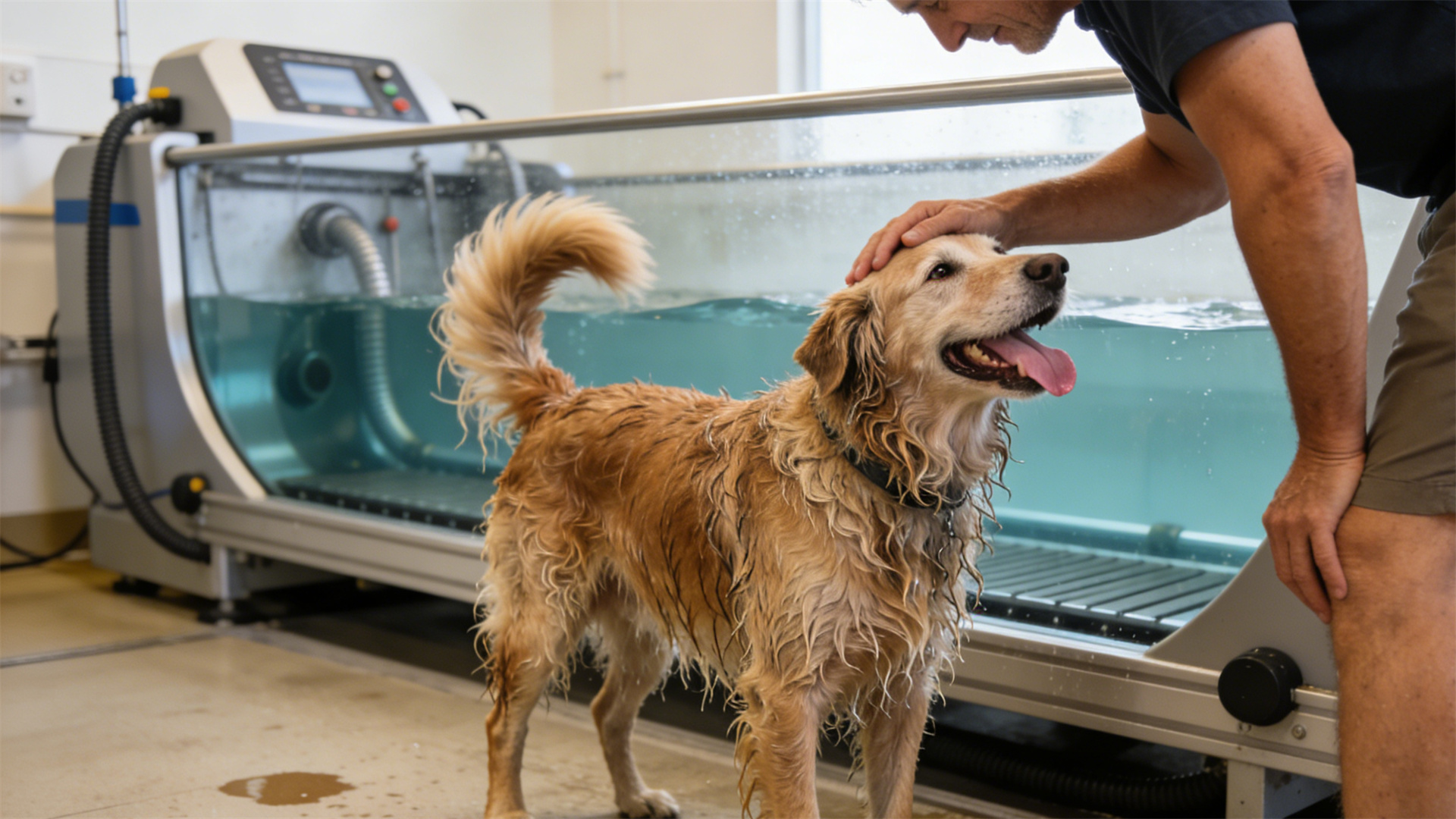
Finding the right facility is crucial. Start by asking your primary veterinarian for a referral. You can also search for professionals certified by organizations such as the American Association of Rehabilitation Veterinarians or the Canine Rehabilitation Institute. When evaluating a center, ask to tour the facility, meet the therapist, and inquire about their certification, experience with senior dogs, and safety protocols. A reputable center will be transparent and welcome your questions.
❤️ A Success Story: Max's Journey Back to Joyful Walks
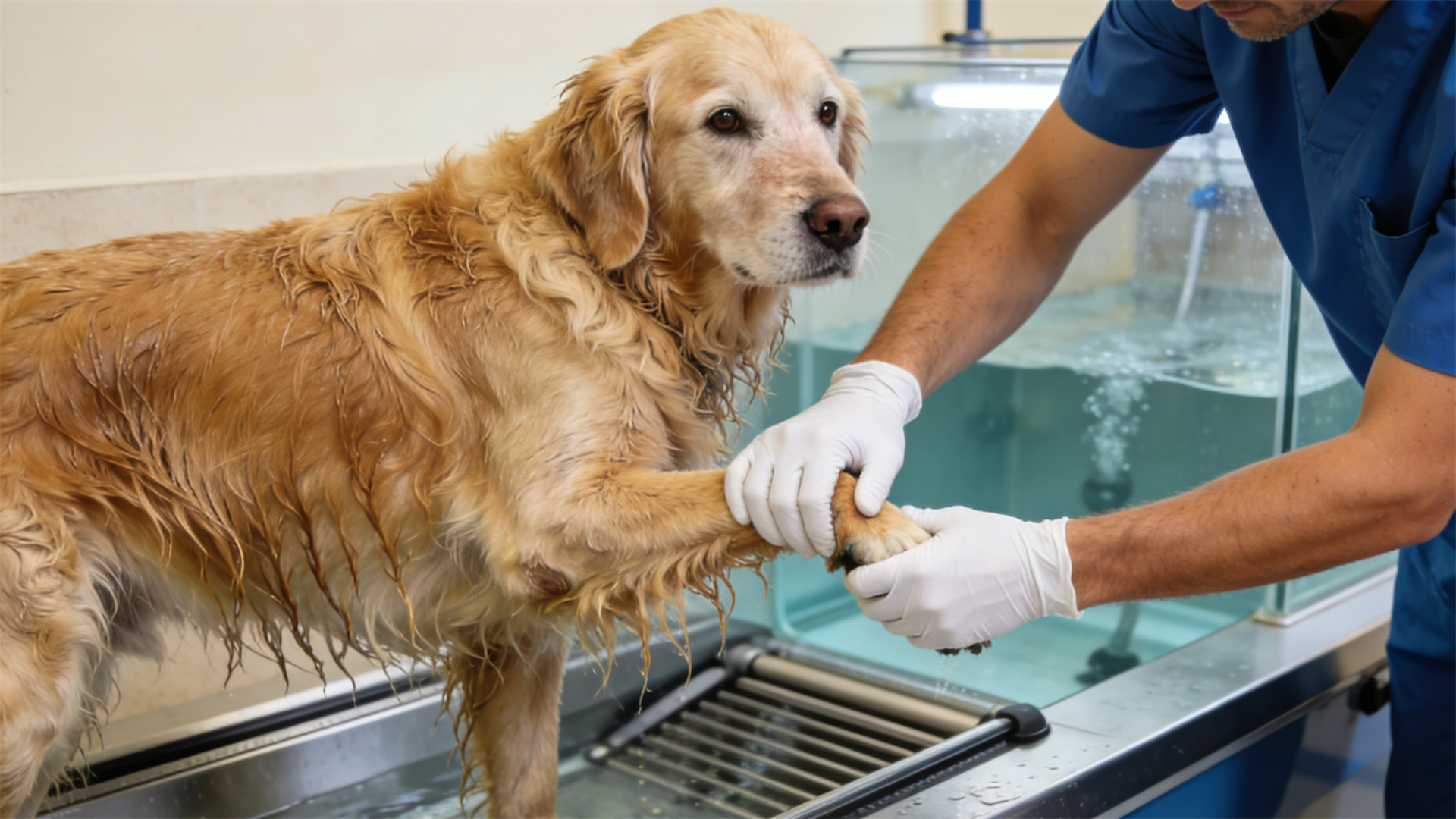
Consider Max, a 12-year-old Labrador Retriever with severe osteoarthritis in his elbows and hips. His walks had dwindled to mere minutes, and he struggled to rise from his bed. His veterinarian recommended an indoor water treadmill program. After a comprehensive assessment, Max began twice-weekly sessions. Initially, he was cautious, but with gentle encouragement, he soon began walking confidently in the buoyant water. Within six weeks, his owners reported a dramatic change. Max was rising more easily, his morning stiffness was reduced, and his walk duration had doubled. The therapy gave him not just physical relief, but a renewed spark for his favorite activities, showcasing the profound impact of this gentle exercise modality.
❌ Addressing Common Misconceptions About Canine Hydrotherapy
Misconception One. It's only for dogs recovering from surgery. While excellent for post-op rehab, it is equally powerful for managing chronic conditions like arthritis and age-related deconditioning. Misconception Two. My dog hates water, so he'll never tolerate it. Certified therapists are experts in positive, stress-free introduction. Many skeptical dogs become eager participants once they associate the tank with pain relief and positive attention. Misconception Three. It's too expensive and not worth the cost. When viewed against the long-term costs of increased medication, managing secondary health issues from inactivity, and the priceless value of improved quality of life, it is often a very worthwhile investment.
🚀 Future Trends in Canine Hydrotherapy and Senior Care
The field of canine rehabilitation is rapidly evolving. Future trends likely to enhance indoor water treadmill therapy include. Integration of underwater cameras and motion analysis software for even more precise gait assessment and progress tracking. Use of wearable technology to monitor vital signs and activity levels before and after sessions. Development of more personalized programs using data analytics to optimize water resistance, speed, and duration for each individual dog's physiology and condition. These advancements promise an even brighter future for maintaining senior dog health and mobility.
✨ Conclusion and Your Next Step Toward Helping Your Senior Dog
The journey of caring for a senior dog is one of compassion and adaptation. An indoor water treadmill rehabilitation program offers a scientifically-backed, gentle, and profoundly effective path to enhancing their well-being. It empowers them to move with greater ease, experience less pain, and participate more fully in the life they share with you. If your loyal companion is showing signs of age-related slowdown, do not dismiss it as inevitable. Proactive, gentle intervention can make a world of difference.
We encourage you to take the first step today. Schedule a consultation with a certified canine rehabilitation specialist to discuss whether a water treadmill program could benefit your senior dog. Share your experiences or questions in the comments below. To help you further on this journey, consider downloading our comprehensive guide to creating a holistic senior dog exercise plan. Your dog's golden years can still be filled with comfort, movement, and joy.