You’ve seen it a hundred times: your beloved dog curled up, intently focused on licking or chewing at their paws. It might seem like a harmless, quirky habit. But what if that persistent nibbling is a distress signal, a plea for help written in the language of discomfort? The spaces between your dog’s toes—the interdigital spaces—are more than just gaps; they are sensitive, vital health monitors. Ignoring their signals can lead your pet down a path of pain and chronic infection. This guide will empower you to become an expert in recognizing, preventing, and tackling interdigital dermatitis, one of the most common yet misunderstood canine ailments.
🔍 What Exactly is Interdigital Dermatitis?
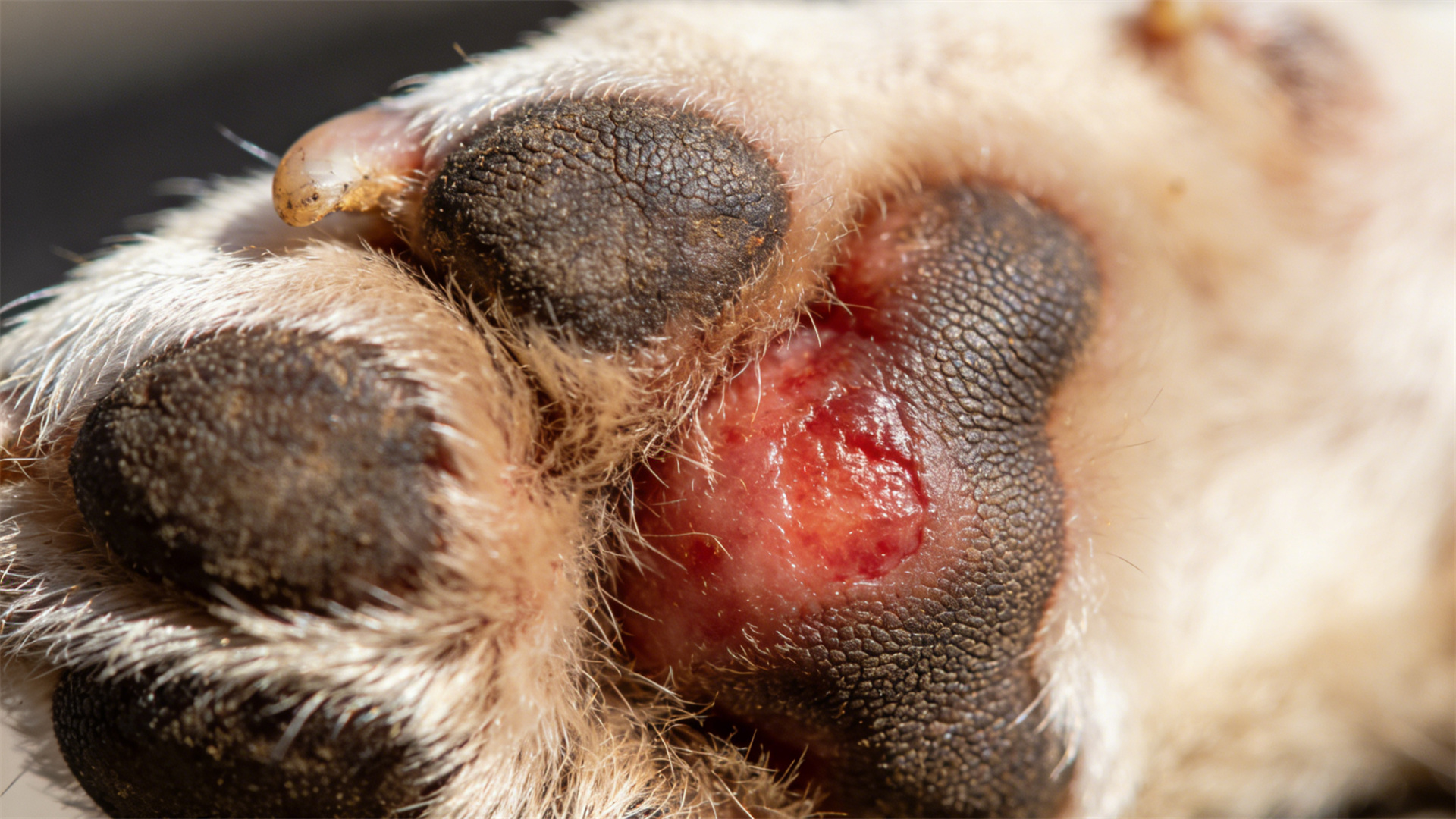
In simple terms, interdigital dermatitis (often grouped under the broader term pododermatitis) is inflammation of the skin between the toes and on the footpads. It is a symptom, not a final diagnosis. Think of it as a "check engine" light on your car's dashboard—it tells you something is wrong, but you need to investigate to find the root cause. Left unchecked, simple inflammation can escalate into deep, painful infections and stubborn interdigital cysts.
Recognizing the Signs: Visual and Behavioral Clues
Your dog can’t tell you their paws hurt, but their body and behavior shout it. Be vigilant for these symptoms:
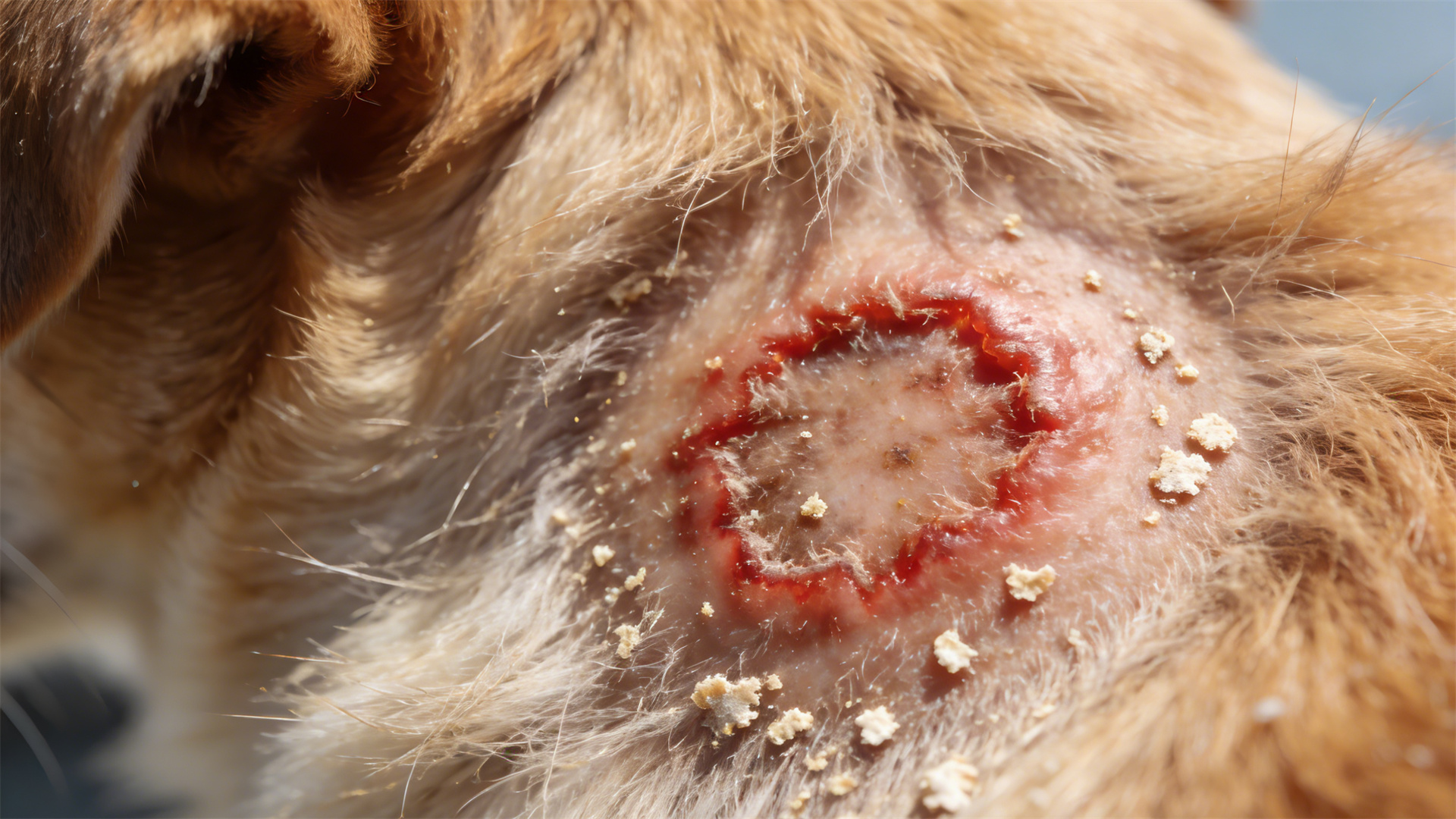
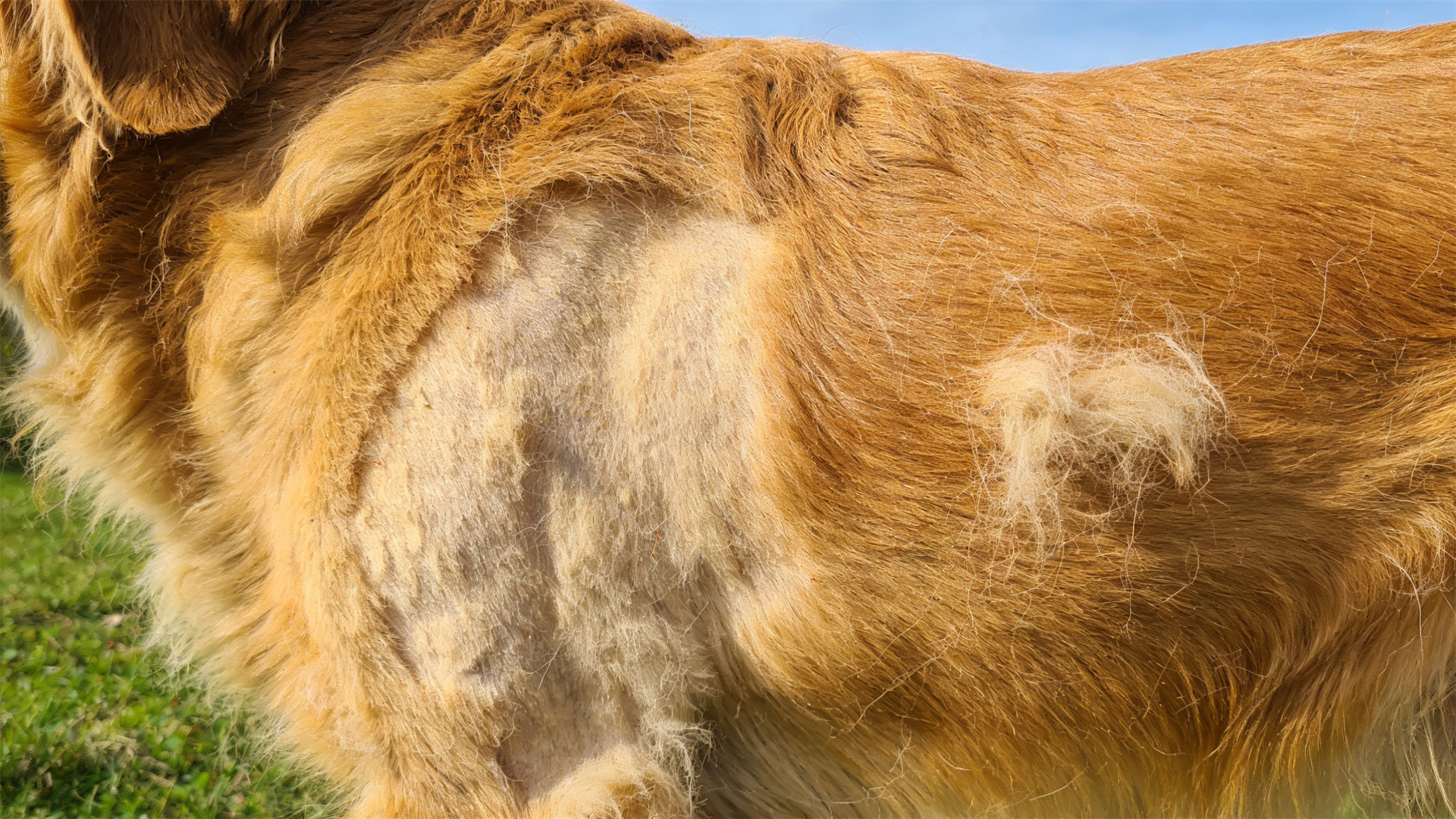
Visual Signs: Redness or pinkness between the toes. Swelling of the paw or individual pads. Hair loss in the webbing. Presence of nodules or cysts (often red, fluid-filled bumps). Crusting, scaling, or oozing of pus. A distinctly foul, cheesy, or yeasty odor. Dark reddish-brown saliva staining on lighter fur.
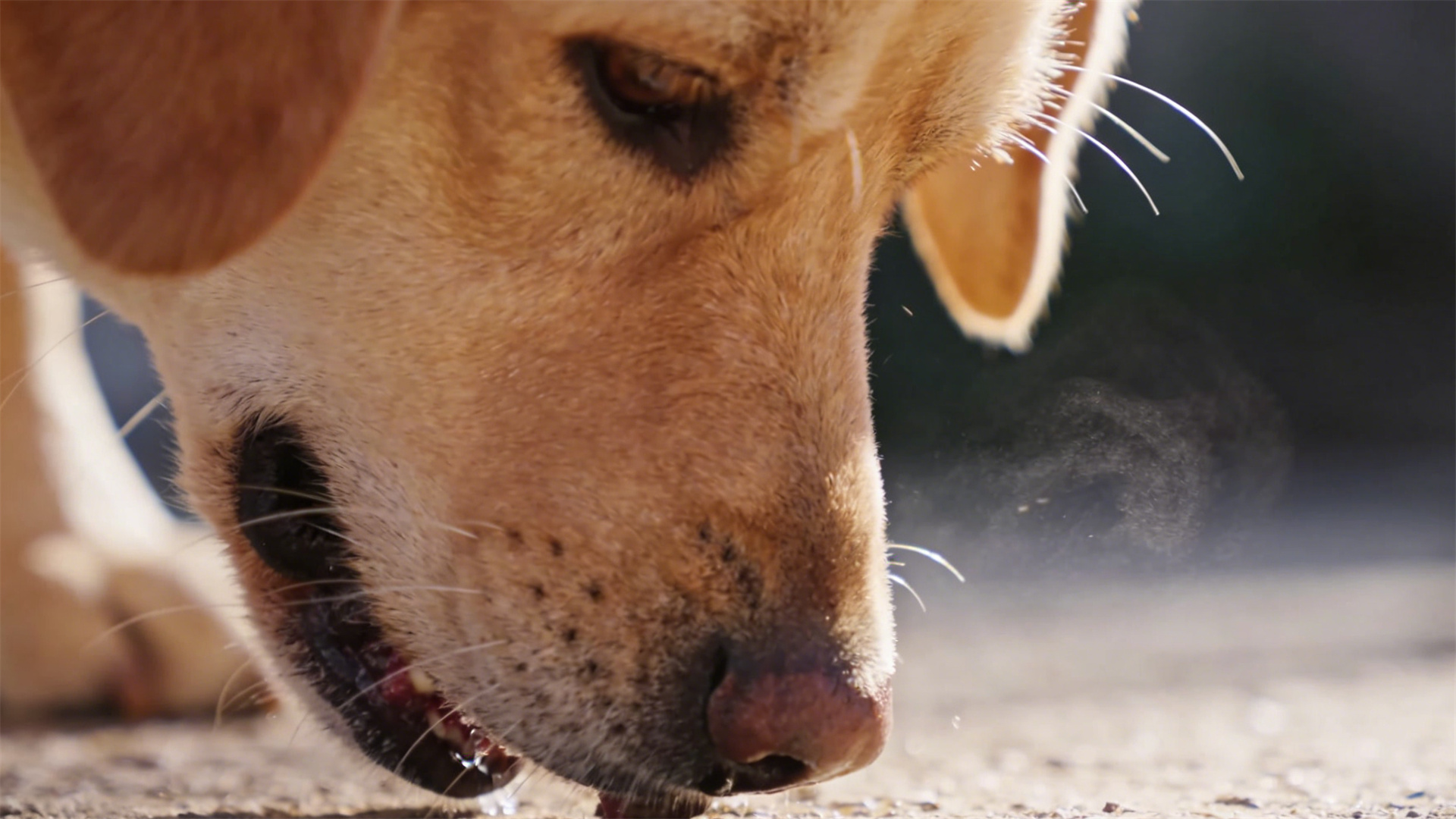
Behavioral Signs: Persistent licking, chewing, or nibbling at the paws. Sudden interest in one specific paw. Limping or favoring a leg. Reluctance to walk, run, or play. Whining or pulling away when you touch their feet.
🩺 Unraveling the Root Causes: Why Are My Dog’s Paws Inflamed?
Effective treatment depends entirely on identifying the underlying trigger. The causes generally fall into these distinct categories.
Allergies: The Most Common Culprit
Allergies are a leading cause of paw irritation. The inflammation often starts here because paws have less fur and constant contact with allergens.
Environmental Allergies (Atopy): Pollen, mold, dust mites, and grass can all trigger a reaction. Dogs absorb these allergens through their paw pads, leading to itchy inflammation.
Food Allergies: Proteins like beef, chicken, dairy, or wheat can manifest as itchy paws. This is rarely an immediate reaction but a chronic, building inflammation.
Contact Allergies: Harsh lawn chemicals, de-icing salts, certain floor cleaners, or even the rubber in a new toy can cause direct irritation.
Foreign Bodies and Trauma
Small objects can easily become lodged. A single grass seed or awn, a tiny splinter, or a piece of gravel can pierce the skin, creating a painful entry point for infection and causing acute, sudden limping.
Infections: Bacterial and Fungal Invaders
Inflammation creates a warm, moist environment perfect for pathogens. Bacterial infections (like pyoderma) often cause pustules and pus. Yeast infections (Malassezia) are notoriously itchy and produce a characteristic musty, foul odor and brown discharge. Often, an infection is secondary to another cause like allergies.
Anatomical and Systemic Issues
Some dogs are simply built in a way that predisposes them to paw problems. Breeds with wide, splayed feet or deep skin folds (like Bulldogs) trap moisture and debris. Underlying hormonal diseases (e.g., hypothyroidism, Cushing's) or autoimmune disorders can also manifest as skin and paw issues.
🛡️ Your Proactive Prevention Protocol: A Step-by-Step Checklist
An ounce of prevention is worth a pound of cure, especially with paw health. Integrate these habits into your routine.
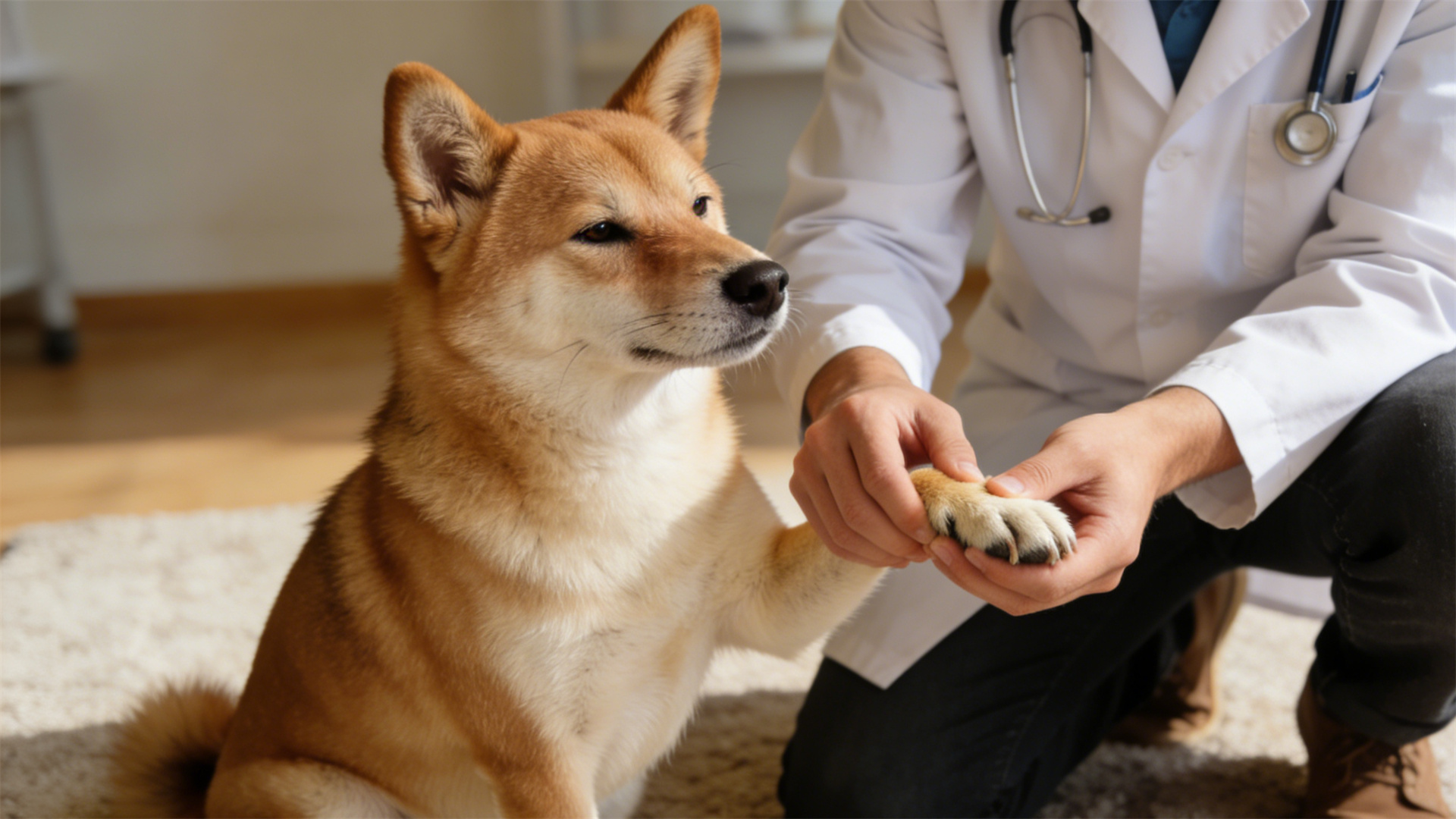
Daily Paw Inspections: The 60-Second Health Check
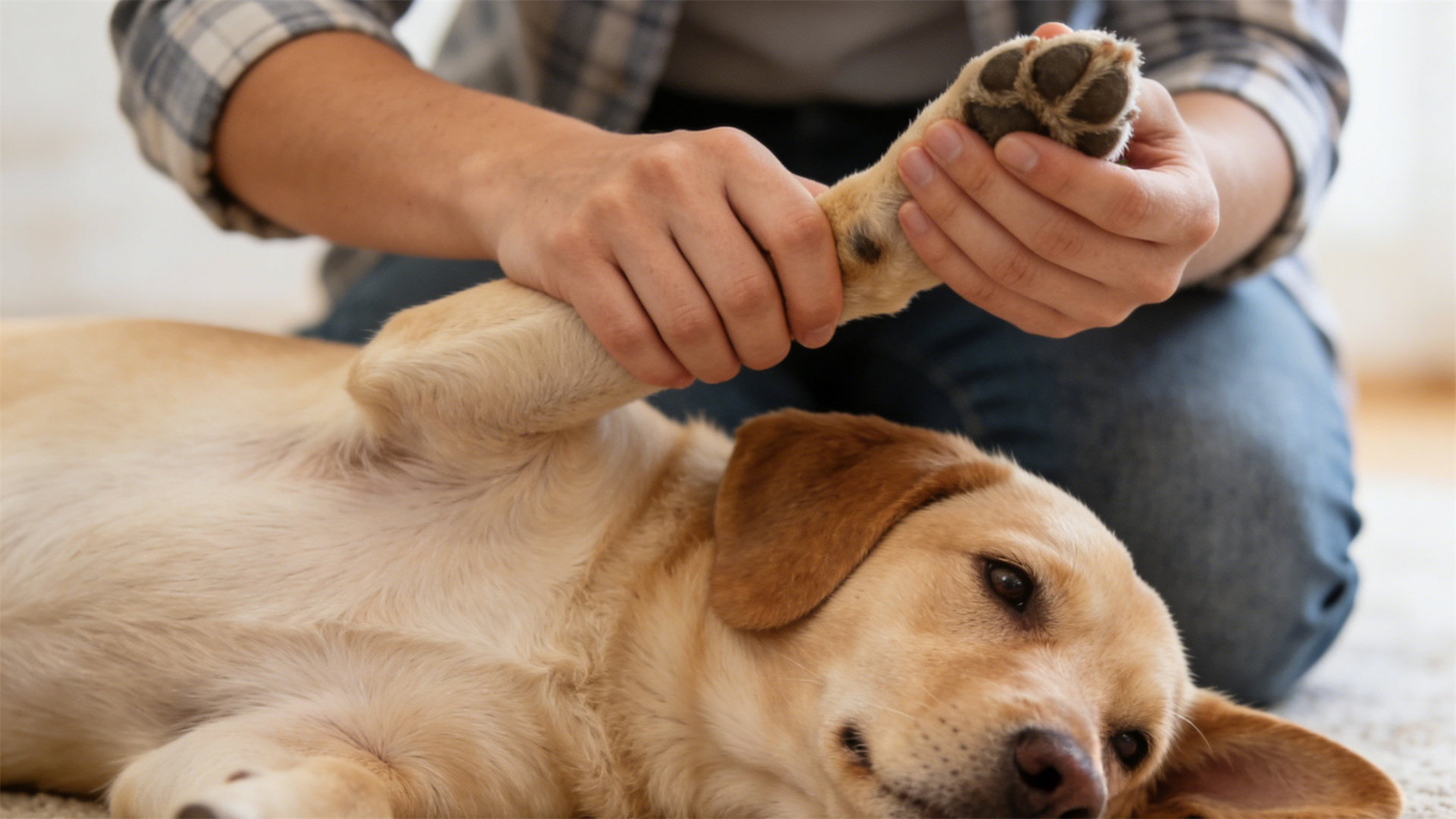
Make this a daily ritual after walks. Gently spread each toe apart. Look for the visual signs mentioned earlier: redness, debris, cysts, or cuts. Feel for any swelling or heat. Special Reminder: This is also prime time to check for ticks.
Post-Walk Paw Care: Clean and Dry is the Rule
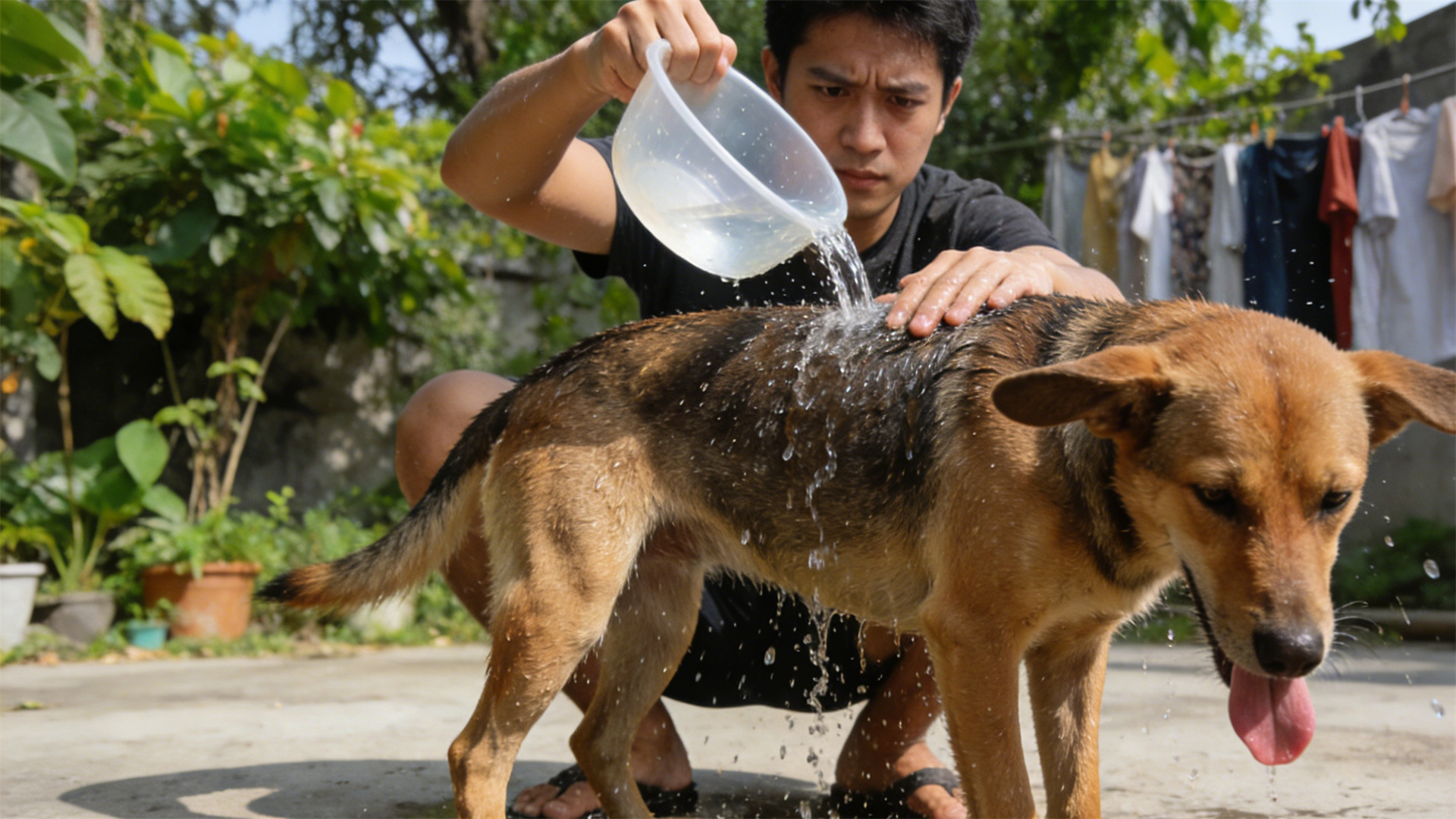
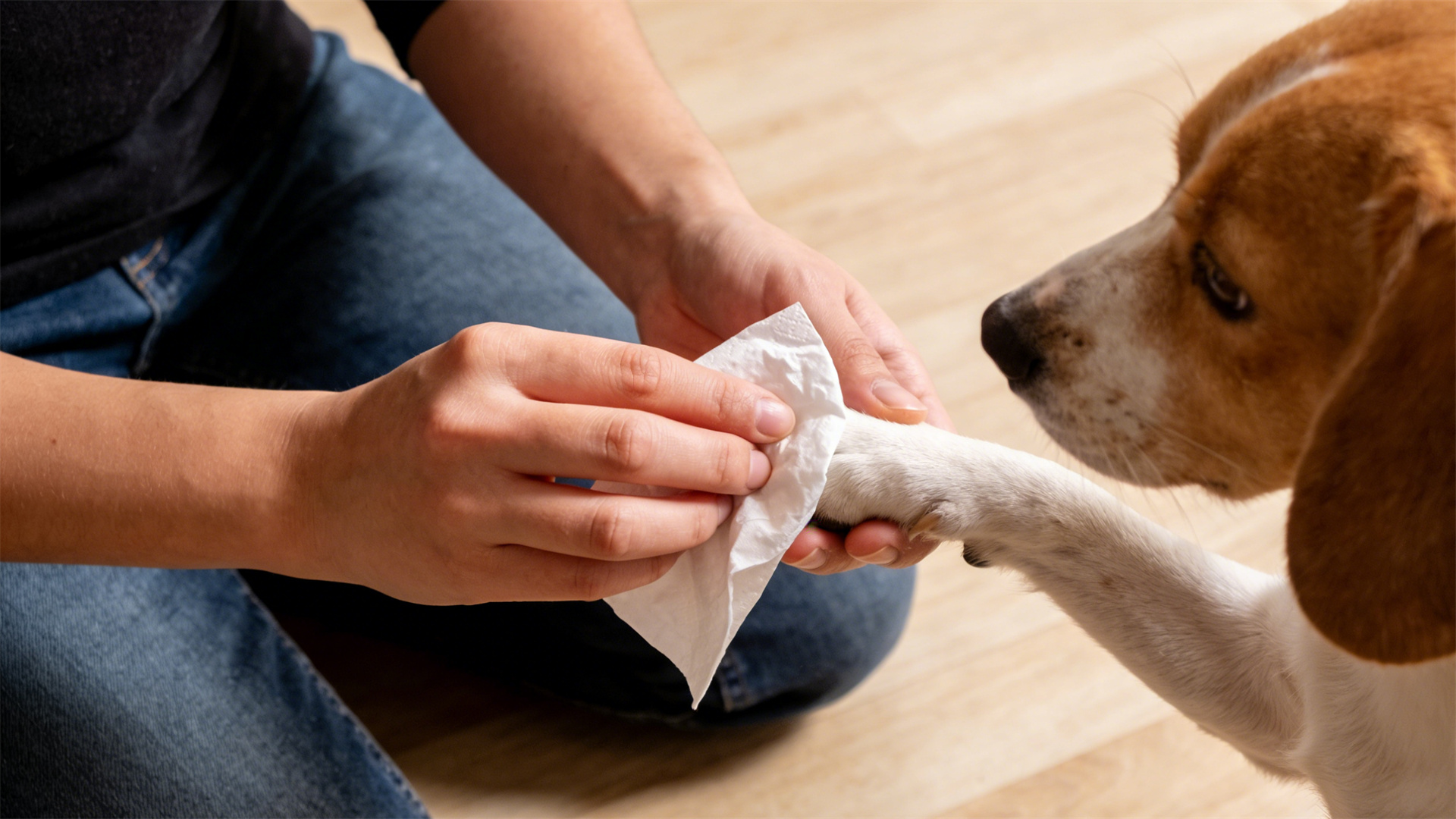
This is non-negotiable. Wipe paws with a damp cloth or use a gentle, vet-approved dog paw wipe to remove allergens, salts, and chemicals. Then, dry them thoroughly, especially between the toes. A hairdryer on a cool, low setting can help.
Environmental Management
Keep your dog’s living area clean and dry. Wash their bedding frequently in hypoallergenic detergent. Consider using washable hallway runners if you have hard floors treated with chemicals.
Dietary Considerations for Allergy-Prone Dogs
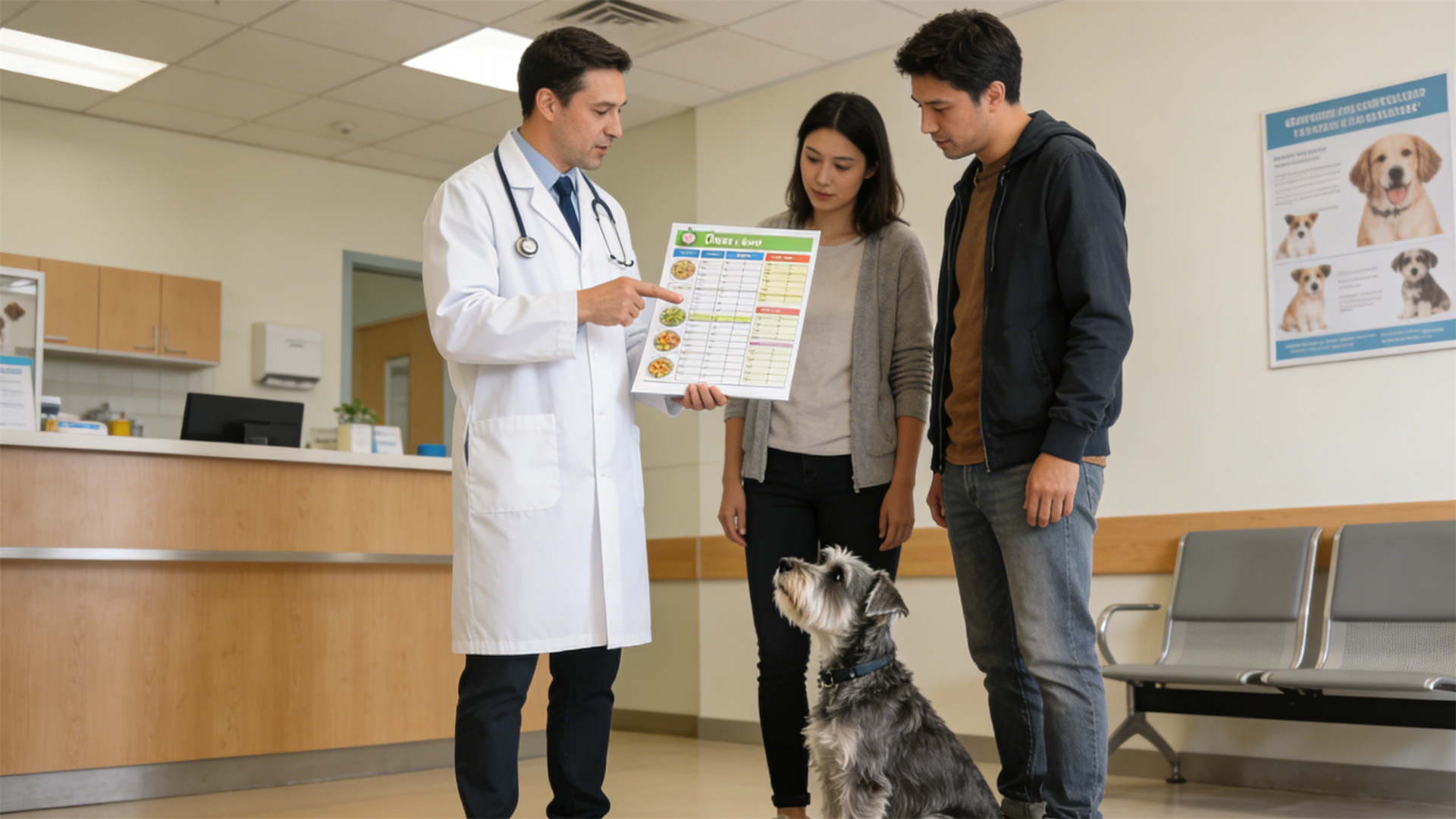
If you suspect food is an issue, discuss an elimination diet trial with your veterinarian. A diet with novel or hydrolyzed proteins can be transformative for some dogs with allergies dog paws.
Regular Grooming: Fur Trimming Matters
Keep the hair between the paw pads neatly trimmed. This reduces moisture retention, prevents matting that can hide problems, and makes inspection easier. This is a key part of dog grooming paws.
Seasonal Awareness and Protection
In winter, protect paws from ice-melting salts with dog booties or a protective wax. In hot summer, walk during cooler hours to prevent burns on asphalt. During high pollen seasons, be extra diligent with post-walk cleaning.
🚑 Intervention and Treatment: Your Action Plan When Problems Arise
Despite your best efforts, problems can still occur. Here is a clear pathway to resolution.
Step One: Seek a Professional Veterinary Diagnosis
This is the most critical step. Your vet will perform a thorough examination. They may recommend skin scrapings, cytology (looking at cells under a microscope), bacterial/fungal cultures, allergy testing, or even a biopsy to rule out more serious conditions. Accurate diagnosis is the only way to effective treatment.
Step Two: Common Treatment Modalities
Treatment is tailored to the root cause. Your vet may prescribe: Medicated wipes or shampoos with chlorhexidine or antifungal agents. Topical sprays or creams with antibiotics, antifungals, or steroids. Oral medications like antibiotics (for bacterial infection between dog toes), antifungals (for yeast infection dog paws), anti-inflammatories, or long-term allergy meds (e.g., Apoquel, Cytopoint). In severe cases, surgical intervention may be needed to remove a persistent interdigital cyst.
Step Three: Strict Home Care Compliance
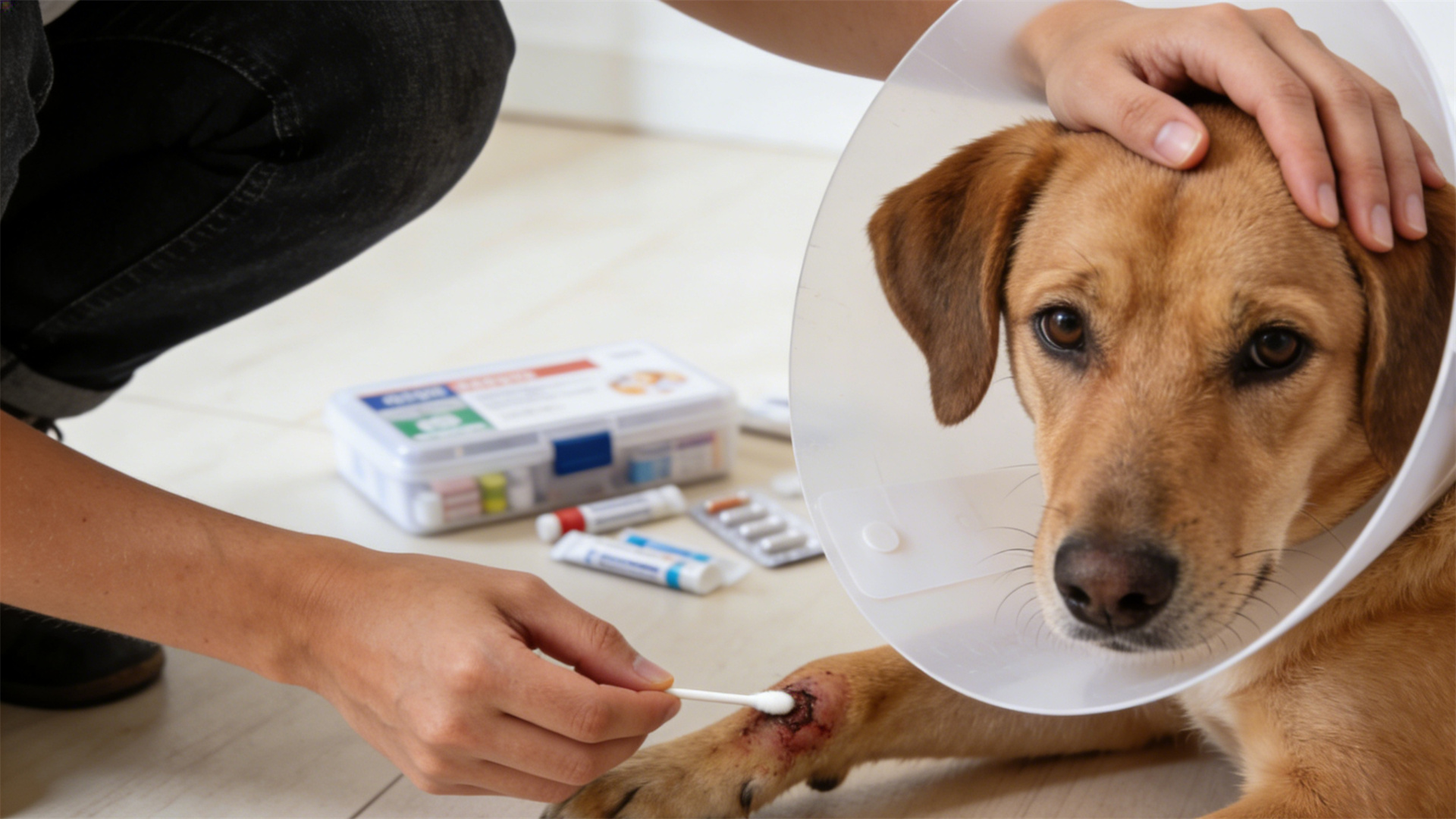
Follow your vet’s instructions exactly. Complete the full course of antibiotics even if things look better. Apply medications as directed. You may be advised to use soothing dog paw soaks (e.g., with Epsom salts or diluted chlorhexidine).
Step Four: The Non-Negotiable Elizabethan Collar
If your dog is licking, you must prevent it. Licking introduces more bacteria and moisture, creating a vicious cycle of self-trauma that sabotages all healing. An E-collar (cone) or a soft recovery collar is essential until the skin is fully healed.
Step Five: Diligent Monitoring and Follow-Up
Keep a log of your dog’s progress. Attend all follow-up vet appointments. Recurrence is common, especially with allergic causes, so ongoing management is often part of the long-term plan.
💪 Conclusion: You Are Your Dog’s First Line of Defense
The humble paw is a marvel of engineering and a window into your dog’s overall health. By understanding the critical health signals from between the toes, you transition from a concerned observer to an empowered guardian. Remember the cycle: Vigilance through daily checks, Prevention through consistent care, and Timely Action by partnering with your veterinarian at the first sign of trouble. The next time you see your dog chewing their paw, you’ll know it’s not just a habit—it’s a conversation starter. Listen closely, act wisely, and you’ll keep those precious paws happy and healthy for all the adventures to come.
Prompt for Engagement: Before you finish reading this, take a moment to gently check your own dog’s paws. Make it a loving part of your routine. And if you see any signs of redness, swelling, or discomfort, do not delay—schedule a visit with your veterinarian. Your proactive care makes all the difference.