Welcome to your essential guide for safeguarding your furry family and yourself! If your home is blessed with the pitter-patter of both canine and feline paws, you're part of a vibrant multi-pet household. However, this wonderful coexistence comes with a heightened responsibility: managing the risk of zoonotic diseases. These are infections that can transfer from animals to humans, and parasites are often the culprits. The close quarters of a shared home create perfect conditions for parasite cross infection. But fear not—with knowledge and proactive steps, you can create a fortress of safety. This article will equip you with everything you need to know about common threats and actionable zoonosis prevention tips.
 🐾
🐾 Understanding Common Zoonotic Parasites: The Invisible Adversaries in Your Home
Knowledge is your first line of defense. Several parasites that live comfortably on or in your pets can pose significant risks to human health. Understanding their lifecycles and transmission methods is crucial for effective parasite control for pets.
🐛 Roundworms and Hookworms: The Soil-Dwelling Threats
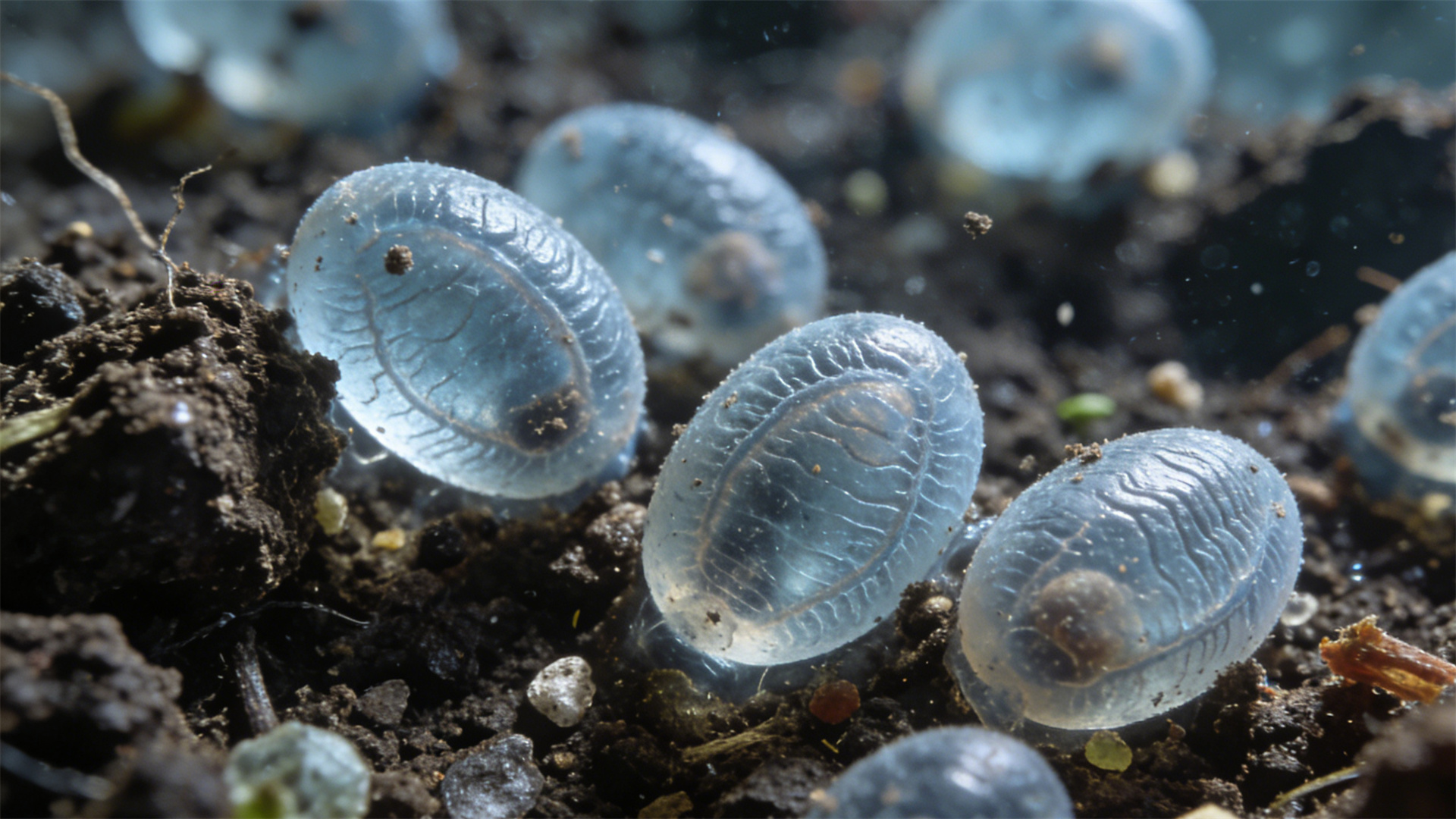
These intestinal nematodes are among the most common parasites. Toxocara species (roundworms) and Ancylostoma species (hookworms) produce eggs that are shed in pet feces and can persist in soil for years. Humans, especially children, can become infected through accidental ingestion of these eggs from contaminated soil, sandboxes, or even from unwashed hands after gardening. According to the Centers for Disease Control and Prevention (CDC), each year an estimated 10,000 human cases of toxocariasis occur in the United States. Hookworm larvae can even penetrate bare skin, causing a condition called cutaneous larva migrans, resulting in itchy, serpentine rashes.
🦟 Fleas: More Than Just an Itchy Nuisance
A flea infestation is a triple threat. First, their bites cause allergic dermatitis in pets and humans. Second, fleas act as intermediate hosts for the tapeworm Dipylidium caninum. Pets ingest infected fleas during grooming, and humans—particularly children—can do the same. Third, fleas can transmit bacterial diseases like murine typhus. In a multi-pet household, fleas jump readily between cats, dogs, and their environment, making control a unified effort.
🕷️ Ticks: Stealthy Vectors of Serious Disease
Ticks are external parasites that latch onto both pets and people during outdoor activities. They are notorious for transmitting pathogens that cause Lyme disease, ehrlichiosis, anaplasmosis, and Rocky Mountain spotted fever. The Special Reminder is that just one tick brought inside by your dog can find its way to your cat or a human family member. The Companion Animal Parasite Council (CAPC) reports that tick-borne diseases are expanding geographically, with Lyme disease risk counties increasing by nearly 45% in recent years.
🐈 Toxoplasmosis: Beyond the Litter Box Myth
Caused by the protozoan Toxoplasma gondii, this parasite is often misunderstood. Cats are the definitive host, shedding oocysts in their feces. Humans primarily become infected through ingesting undercooked meat or contaminated water, but handling cat litter is a recognized risk. While healthy adults may have flu-like symptoms or none at all, the infection can be severe for pregnant women (potentially affecting the fetus) and immunocompromised individuals. In rare, severe disseminated cases, it can affect the liver, brain, and eyes. Important note: Indoor cats that do not hunt or eat raw meat are unlikely to be newly infected.
💧 Giardia: The Stealthy Waterborne Invader
This single-celled parasite causes giardiasis, leading to foul-smelling diarrhea, cramps, and nausea in pets and people. Giardia cysts are shed in feces and spread through contaminated water, surfaces, or direct contact. A multi-pet home with shared water bowls, grooming stations, or play areas is a potential hotspot. A study in the Journal of the American Veterinary Medical Association found a prevalence of Giardia in up to 30% of puppies and 10% of adult dogs in some regions, often without clinical signs, making them silent shedders.
 🛡️
🛡️ Essential Prevention Strategies for Multi-Pet Households: Your Action Plan
Implementing a layered defense strategy is non-negotiable for multi pet household safety. Consistency and comprehensiveness are key—protecting one pet but not another leaves a gap in your defenses.
1. Veterinary Partnership: The Cornerstone of Prevention
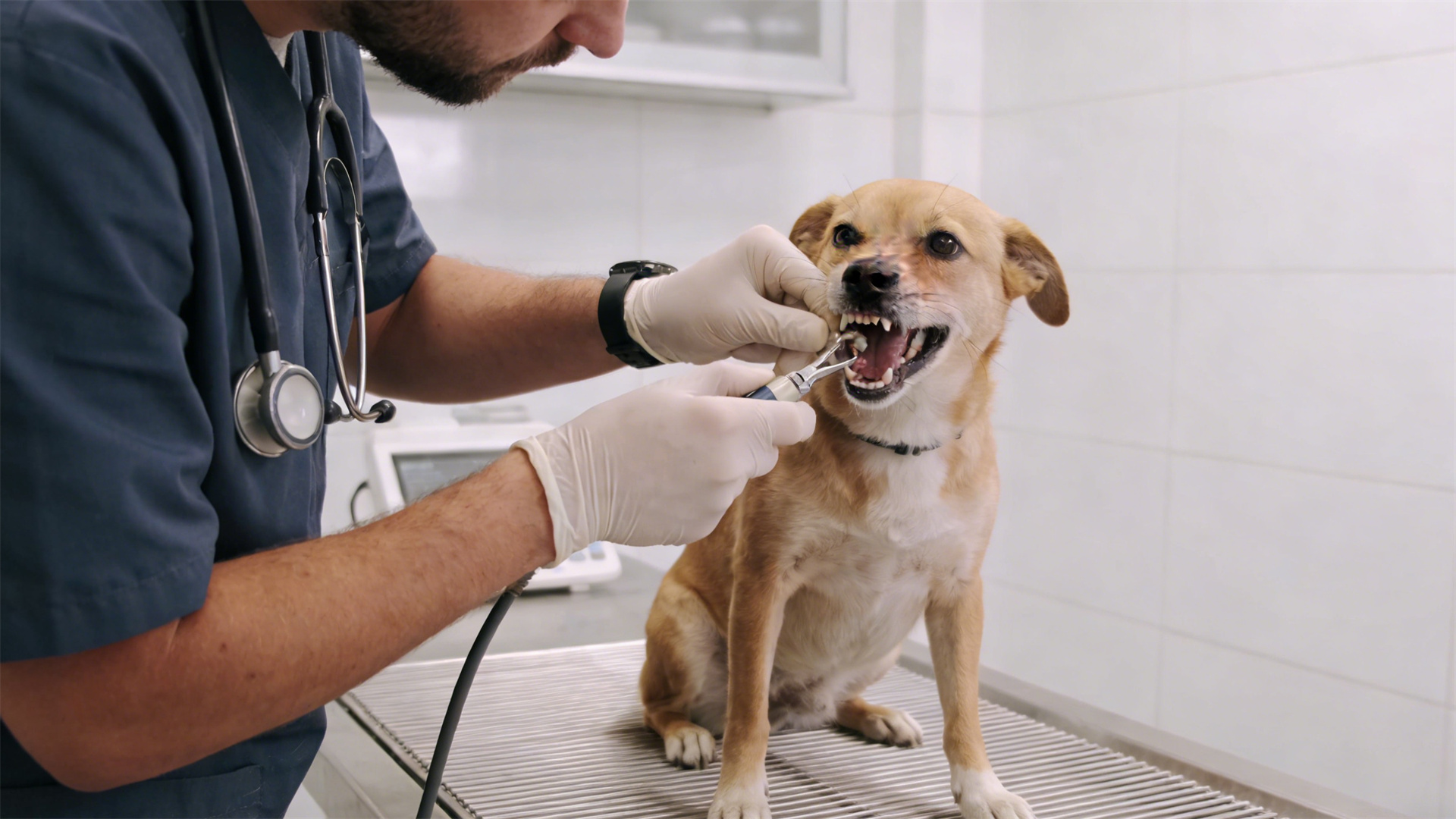
Consult your veterinarian for regular check-ups and parasite screenings for all pets, at least annually. This should include fecal exams (using methods like centrifugation for higher accuracy) and discussions about regional parasite risks. Your vet can design a tailored cat and dog parasite management program, considering each pet's age, health status, and lifestyle (indoor vs. outdoor).
2. Unwavering Parasite Prevention Protocol
Adhere strictly to a year-round schedule for broad-spectrum parasite control. This includes:
• Deworming: Use products effective against roundworms, hookworms, tapeworms, and whipworms. Frequency may vary from monthly to quarterly.
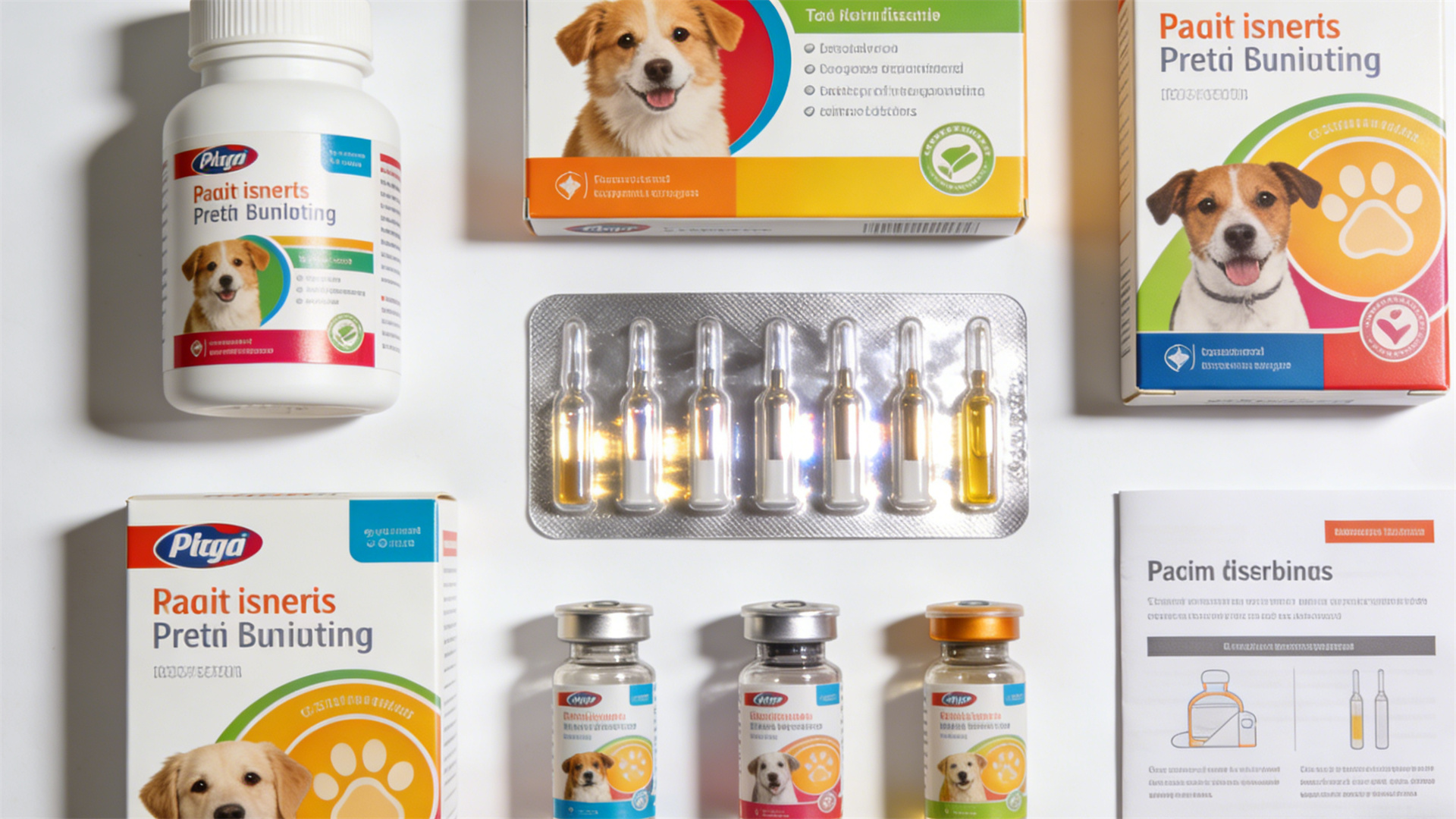
• Flea and Tick Control: Apply or administer veterinarian-recommended topical, oral, or collar preventatives monthly to every pet. This breaks the life cycle and prevents re-infestation.
Critical Tip: Never use dog-specific products on cats, as some ingredients (like permethrin) are highly toxic to felines.
3. Hygiene: Your Daily Shield
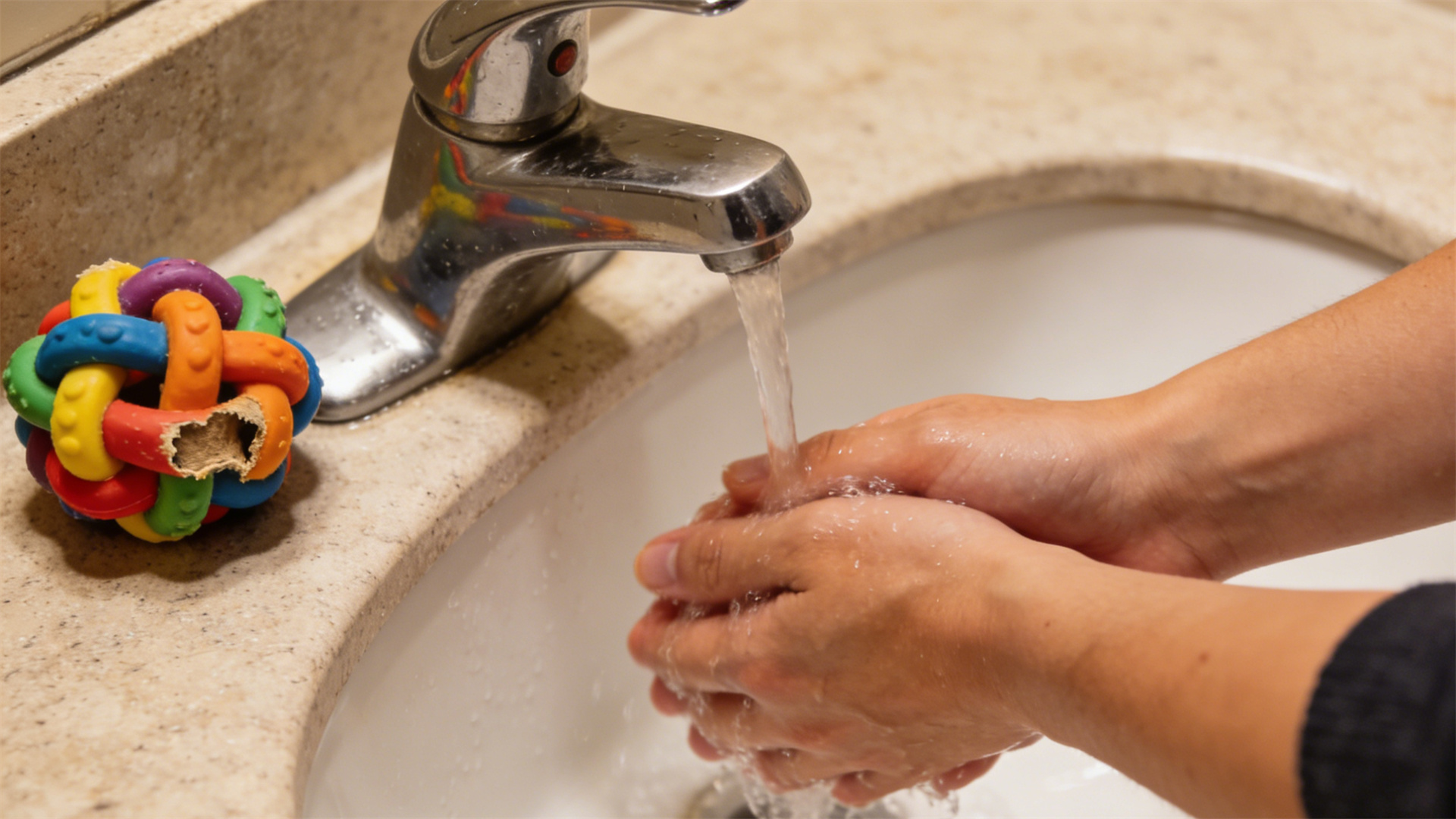
Wash your hands thoroughly with soap and water after handling pets, cleaning up waste, or touching their belongings. This is the single most effective human behavioral practice for preventing zoonotic diseases from pets. Instill this habit in children. Also, consider wearing gloves when gardening in areas where pets may defecate.
4. Environmental Decontamination
Clean and disinfect pet bedding, toys, crates, and common areas weekly. Wash bedding in hot water (at least 130°F or 54°C). Vacuum carpets and upholstery frequently, immediately disposing of the vacuum bag in an outdoor bin. Use disinfectants proven effective against parasites (like those containing accelerated hydrogen peroxide) on hard surfaces.
5. Manage Behavior and Diet
Discourage hunting through interactive play and keeping cats indoors. Prevent pets from consuming raw prey, scavenging, or drinking from stagnant outdoor water sources. If you feed a raw meat diet, understand the elevated parasite risks and source meat from reputable suppliers that follow safety protocols, including deep-freezing.
6. Swift and Sanitary Waste Management
Dispose of pet feces promptly and safely. Scoop litter boxes daily, and pick up yard waste immediately. Use sealed bags and gloves. This removes parasite eggs and larvae from the environment before they can become infective, directly reducing the risk of cross infection warning for pet owners.
 💚
💚 Conclusion: Proactive Management for a Healthier, Happier Home
The bond we share with our pets is priceless, and protecting it requires vigilance. Warning about pet zoonotic diseases is not about fostering fear, but about empowering with knowledge. By embracing the comprehensive strategies outlined—forging a strong veterinary partnership, maintaining unwavering parasite prevention, practicing rigorous hygiene for multi pet households, keeping the environment clean, managing pet behavior, and disposing of waste promptly—you build an invisible shield around your home. This proactive approach to safe practices for multi pet homes ensures that the only thing spreading between your family members is joy, not parasites. Stay informed, stay consistent, and enjoy the wonderful chaos of your multi-pet family with peace of mind.