For every dog owner, the sight of tufts of fur clinging to the sofa, floating across the floor, or decorating your black pants is a familiar reality. While often jokingly called "dog glitter," this shedding can sometimes spark a wave of worry: Is this normal, or is my dog sick? Understanding the difference between a natural biological process and a sign of an underlying health issue is a cornerstone of responsible pet care. Not all hair loss is created equal. This guide will demystify canine seasonal shedding and pathological hair loss, arming you with the knowledge and a remarkably simple, hands-on trick to tell them apart with confidence.
🔄 Understanding the Natural Rhythm: Canine Seasonal Hair Loss
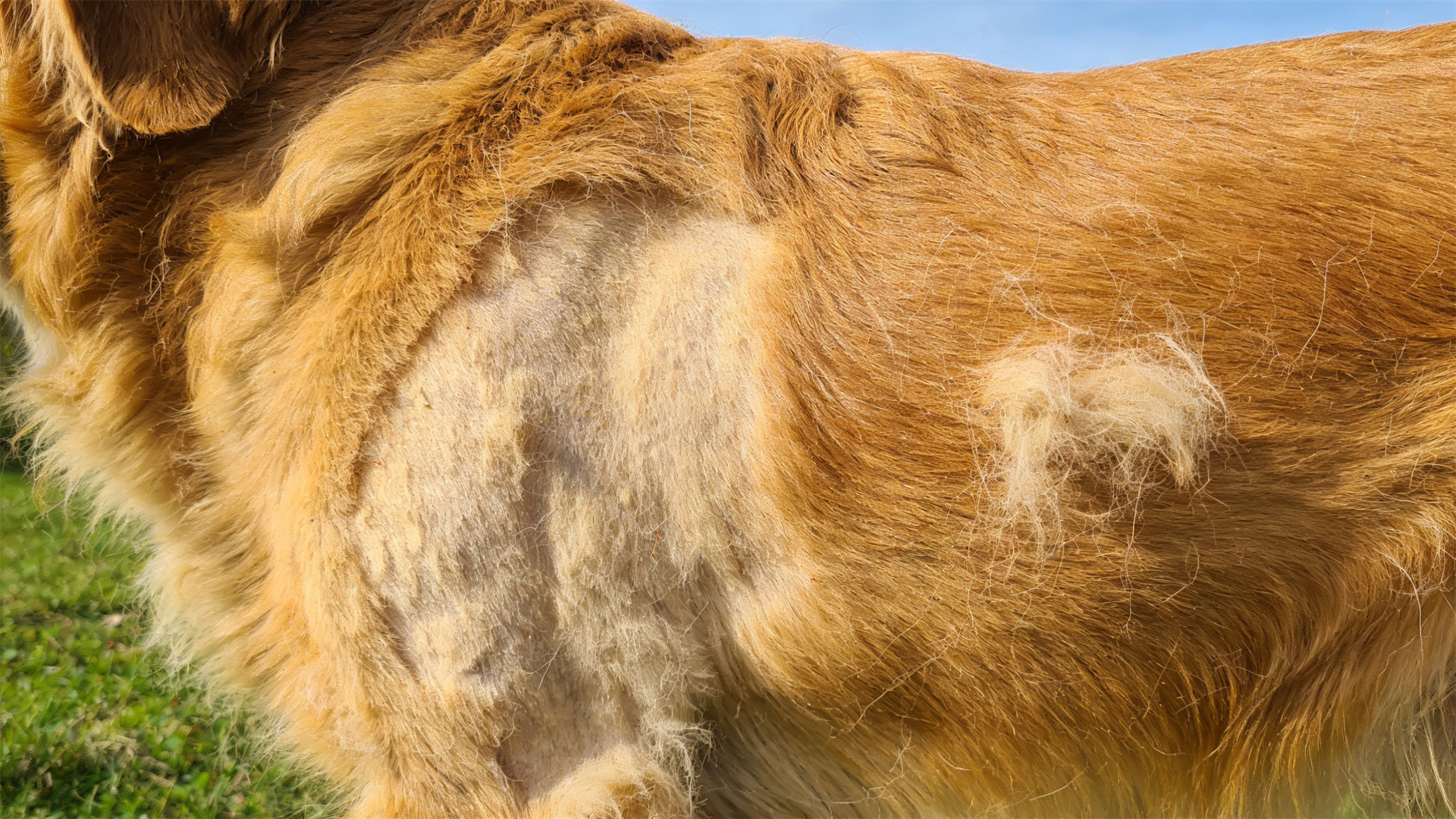
Seasonal hair loss, commonly known as shedding or moulting, is as normal for dogs as the changing of the leaves. It is a physiological process driven by changes in daylight hours (photoperiod) and temperature, which signal your dog's body to adapt its coat for optimal thermoregulation.
🐕 The "Why" Behind the Shed
Think of your dog's coat as a dynamic, living insulator. In preparation for warmer months, dogs shed their dense, insulating undercoat to allow for better heat dissipation and a lighter summer coat. Conversely, as cooler weather approaches, they shed the lighter summer hair to make way for a thicker, warmer undercoat. Breeds with a double coat—like Huskies, Golden Retrievers, and German Shepherds—are famously prolific shedders during these transitions, typically in spring and autumn.
✅ Key Hallmarks of Normal Seasonal Shedding:
- Even, Widespread Pattern: The hair loss is generally diffuse and symmetrical across the body, often most noticeable on the torso, hindquarters, and neck. It results in an overall "thinning" of the coat, not defined bald spots.
- Healthy Underlying Skin: This is the most critical visual indicator. When you look at the skin beneath the shedding fur, it should appear clean, smooth, and normal in color (pink or pigmented), with no signs of irritation.
- Presence of New Growth: Closely inspect the shedding areas. You will often see short, new hair stubble (often darker or lighter at the tips) already emerging. This is a sure sign of healthy regeneration.
- Normal Canine Behavior: Your dog may groom itself more during this time, but there should be no excessive, frantic scratching, licking, biting, or rubbing against furniture. Their energy, appetite, and demeanor remain unchanged.
🚨 When Fur Loss Signals Trouble: Understanding Pathological Hair Loss
Pathological hair loss, or alopecia, is not a disease itself but a symptom of an underlying health problem. The hair follicle is disrupted, and hair growth stops due to a specific insult or systemic imbalance. Ignoring these signs can allow the primary condition to worsen.
🔍 Common Culprits Behind Unusual Hair Loss:
- Parasites: Sarcoptic or demodectic mange mites, fleas, and cheyletiella mites cause intense itching and inflammation, leading to hair breakage and loss.
- Fungal & Bacterial Infections: Ringworm (a fungus) creates classic circular, scaly bald patches. Bacterial folliculitis causes pustules and patchy hair loss.
- Allergies: Environmental (atopy), food, or flea allergy dermatitis leads to severe pruritus (itching). The trauma from constant scratching, licking, and biting damages the hair shaft and follicle.
- Endocrine Disorders: Hormonal imbalances like hypothyroidism or Cushing's disease cause symmetrical, non-itchy hair loss, often starting on the trunk, tail, and hind legs.
- Stress & Anxiety: Psychological factors can lead to Acral Lick Dermatitis (lick granulomas) or compulsive over-grooming, creating self-induced bald spots.
⚠️ Red Flags of Pathological Hair Loss:
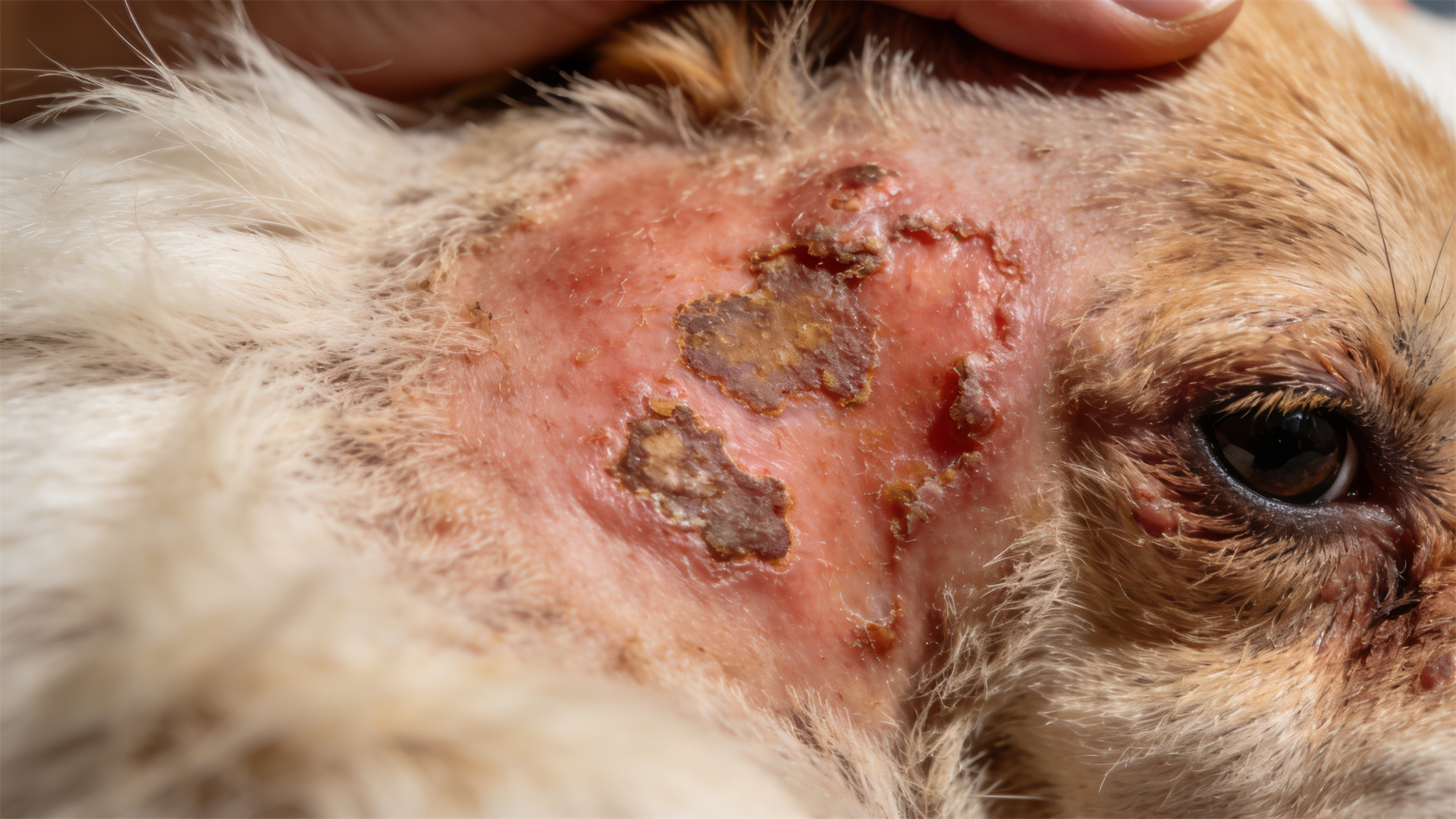
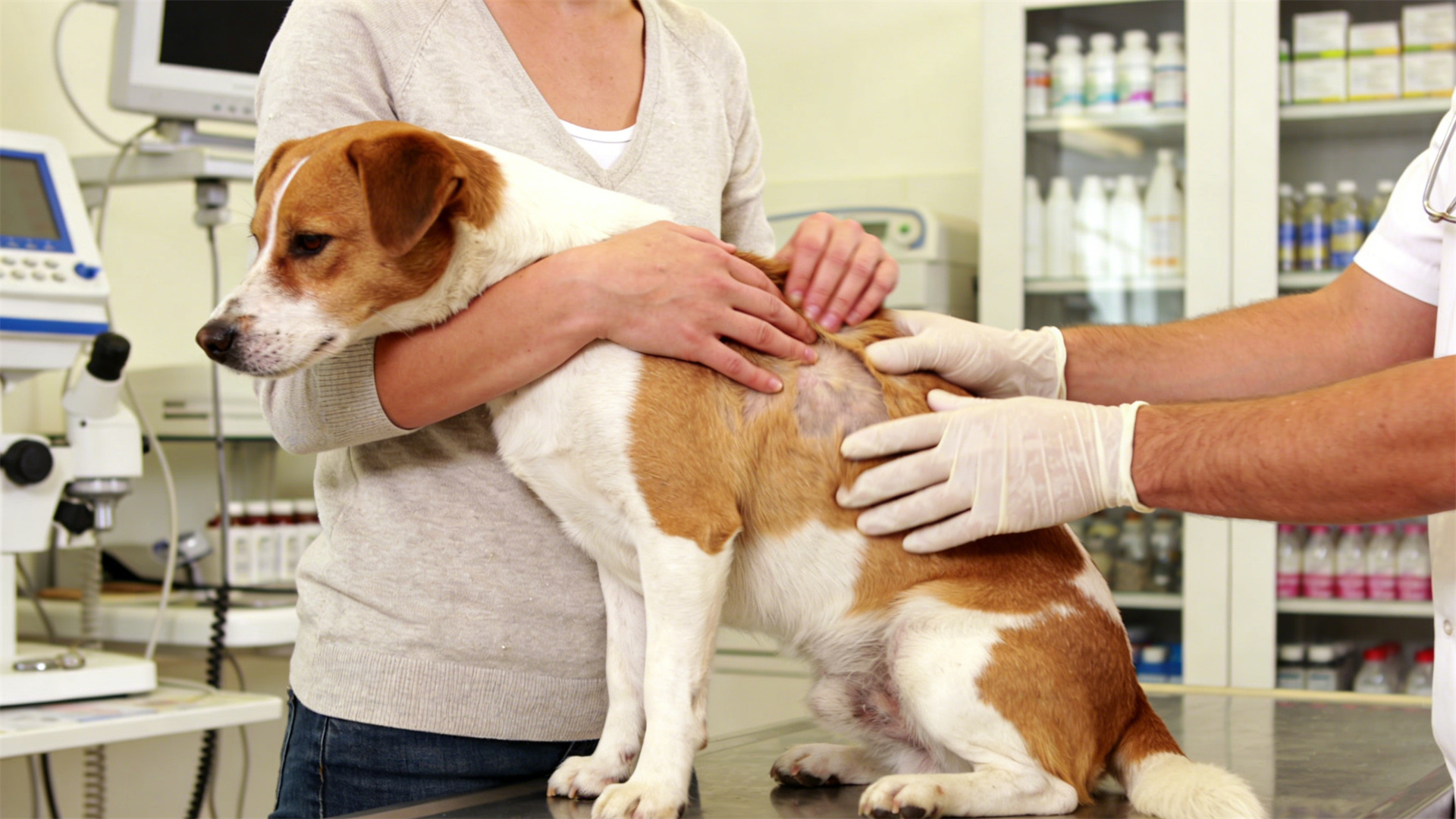
- Patchy, Asymmetrical, or Localized Loss: Look for irregular bald spots, "moth-eaten" appearance, or hair loss confined to specific areas like the paws, ears, or around the eyes.
- Abnormal Skin Appearance: The skin within the balding area is rarely normal. It may be red, inflamed, scaly, crusty, hyperpigmented (darkened), or have papules/pustules.
- Absence of New Hair: The bald area shows no signs of regrowth—just smooth, often abnormal-looking skin.
- Behavioral Changes: Significant itching, licking, chewing, or scratching at the area. Your dog may seem restless, irritable, or in discomfort.
🔬 The Simple Distinguishing Trick: The "Part & Peek" Method
Now for the practical, vet-approved trick that puts the power of preliminary assessment in your hands. This method focuses on direct observation of what matters most: the skin and the hair follicle itself.
Special Reminder: Always perform this check gently on a calm, comfortable dog. Have good lighting. If your dog shows pain when you touch a specific area, stop and consult your veterinarian immediately.
📝 Step-by-Step Guide:
- Choose the Area: Focus on a spot where hair loss seems noticeable.
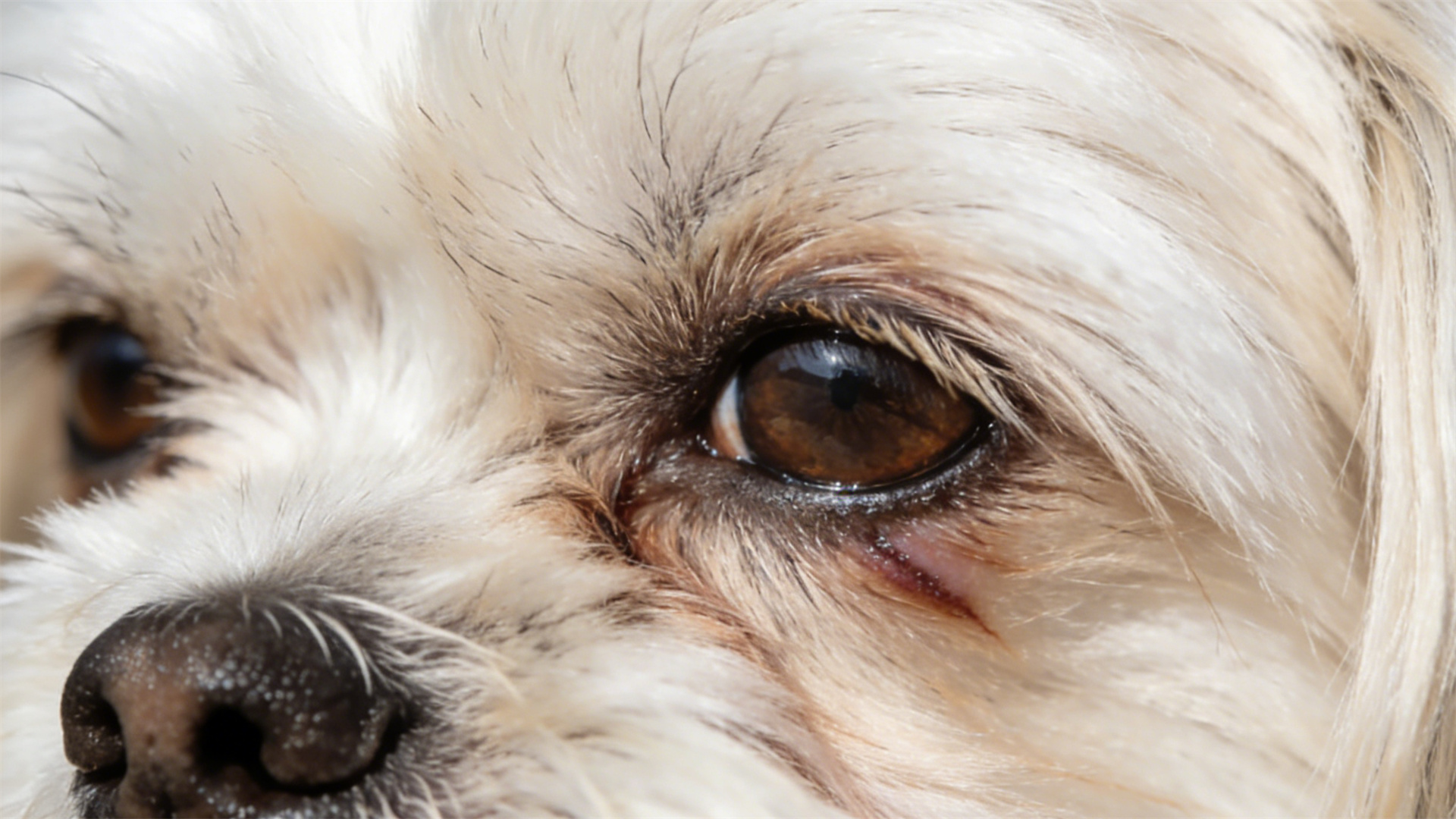
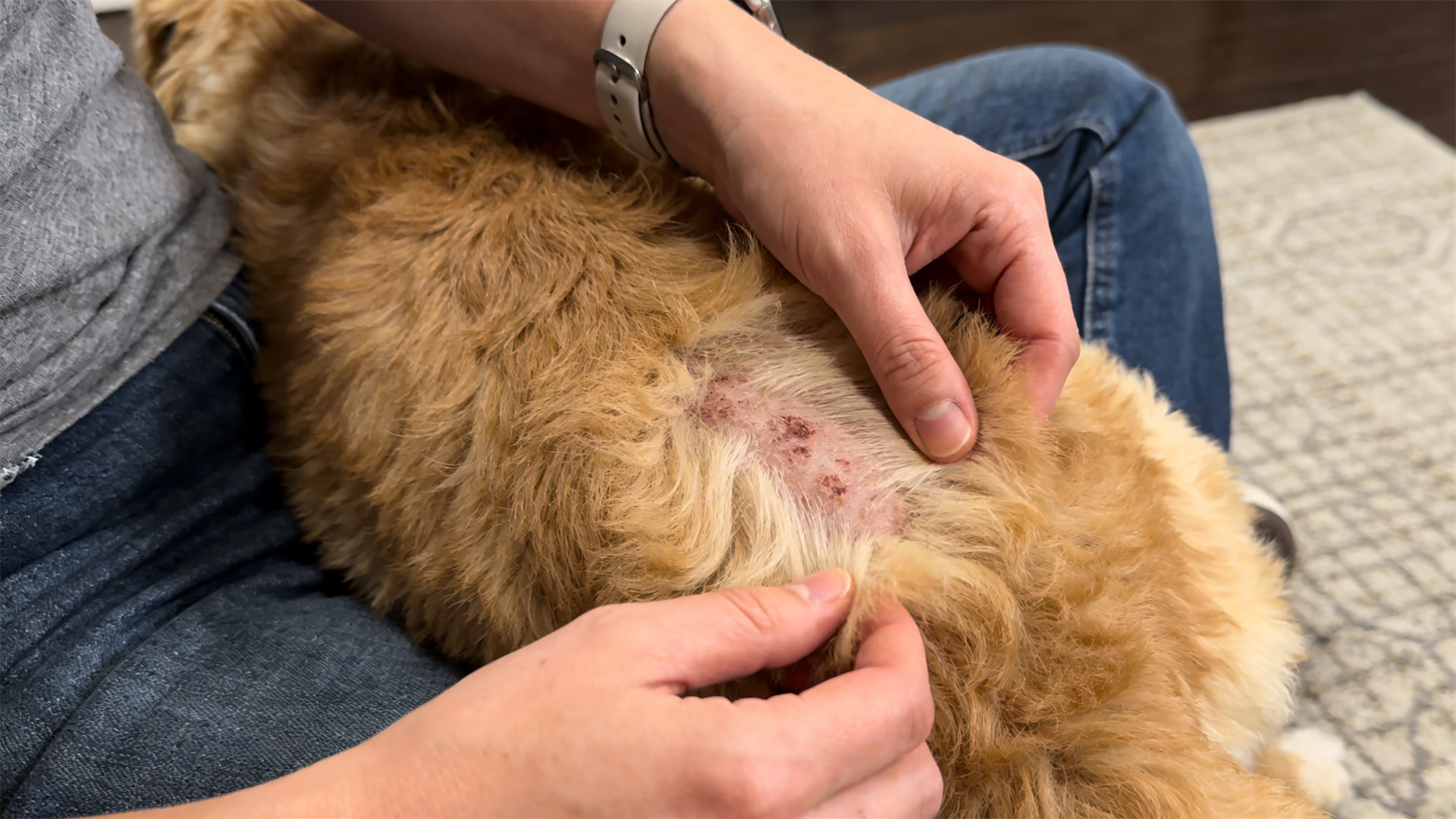
- Part the Fur: Using your fingers, gently but firmly part the fur down to the skin, creating a clear "part line" to see the base of the hairs and the skin surface.
- Peek & Analyze: This is the crucial diagnostic moment. Bring your eyes close and observe two key things:
- The Skin: Is it clean, smooth, and a normal color? Or is it red, flaky, scabbed, or darkened?
- The Hair Follicles: Can you see uniform, short, emerging hair stubble? Or are the follicles empty, with no visible new growth?
🔍 Interpreting Your Findings:
- If you see healthy skin + new hair stubble: You are most likely observing seasonal shedding. The cycle is proceeding as nature intended.
- If you see abnormal skin + no new growth: This strongly suggests pathological hair loss. The follicle is compromised, and the skin condition needs addressing.
Pattern Assessment is Your Second Clue: Combine your "Part & Peek" findings with the pattern of loss. Even, widespread thinning points to seasonal change. Irregular, localized patches with abnormal skin point to pathology. This dog hair loss diagnosis trick effectively bridges observation and understanding.
🚑 Action Steps & Proactive Care Insights
As an informed owner, your next steps are clear and vital for your dog's skin and coat health.
🛡️ If It's Seasonal Shedding:
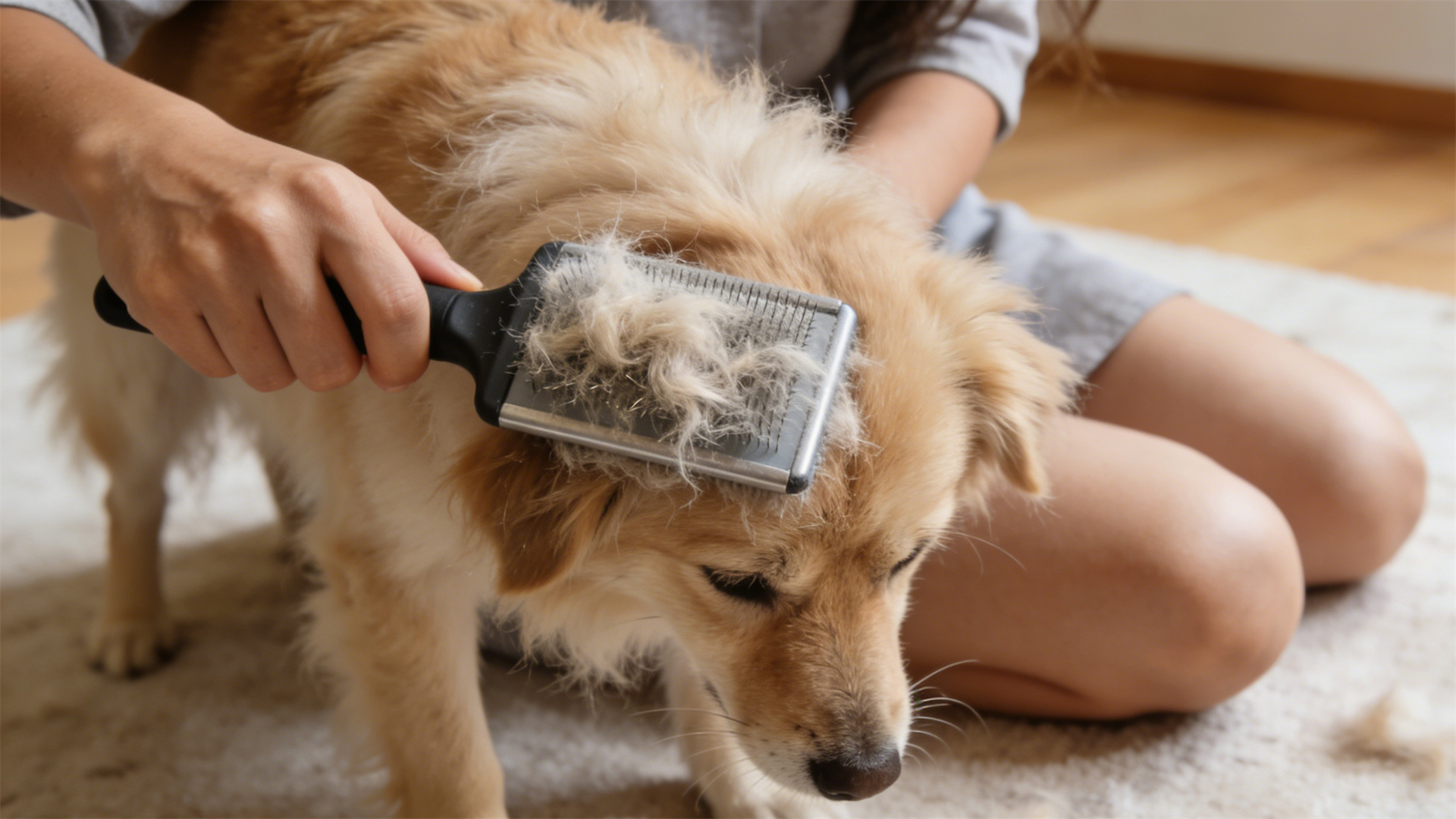
- Increase Grooming: Use an undercoat rake, deshedding tool, or slicker brush daily during peak shedding periods. This removes dead hair before it hits your floor and stimulates healthy skin.
- Nutritional Support: Ensure a high-quality diet rich in omega-3 and omega-6 fatty acids (from fish oil, flaxseed) to support a strong, healthy coat from the inside out.
- Bathing: A bath with a moisturizing, deshedding shampoo can help loosen dead undercoat. Follow with thorough drying and brushing.
⛑️ If You Suspect Pathological Loss:
- Consult Your Veterinarian Promptly: This is non-negotiable. Share your "Part & Peek" observations. Diagnosis may involve skin scrapings, fungal cultures, blood tests for hormonal levels, allergy testing, or a food trial.
- Do Not Self-Medicate: Applying random creams or supplements without a diagnosis can mask symptoms or worsen the condition.
- Document the Progression: Take clear photos of the affected areas over time to show your vet the rate of change.
🎯 Conclusion: Empowerment Through Observation
Mastering the simple "Part & Peek" trick transforms you from a worried owner into an observant caregiver. It demystifies the complex world of canine hair loss types and provides a clear, actionable first step. Remember, seasonal moulting is a testament to your dog's amazing biological adaptability, while pathological loss is a call for investigative care. Always prioritize your dog's comfort and well-being. When in doubt, or whenever your "peek" reveals anything other than healthy skin and new growth, let your veterinarian be your partner. By sharing this knowledge, we foster a more informed, proactive, and compassionate community of dog lovers, ensuring our furry friends live their most comfortable and vibrant lives.