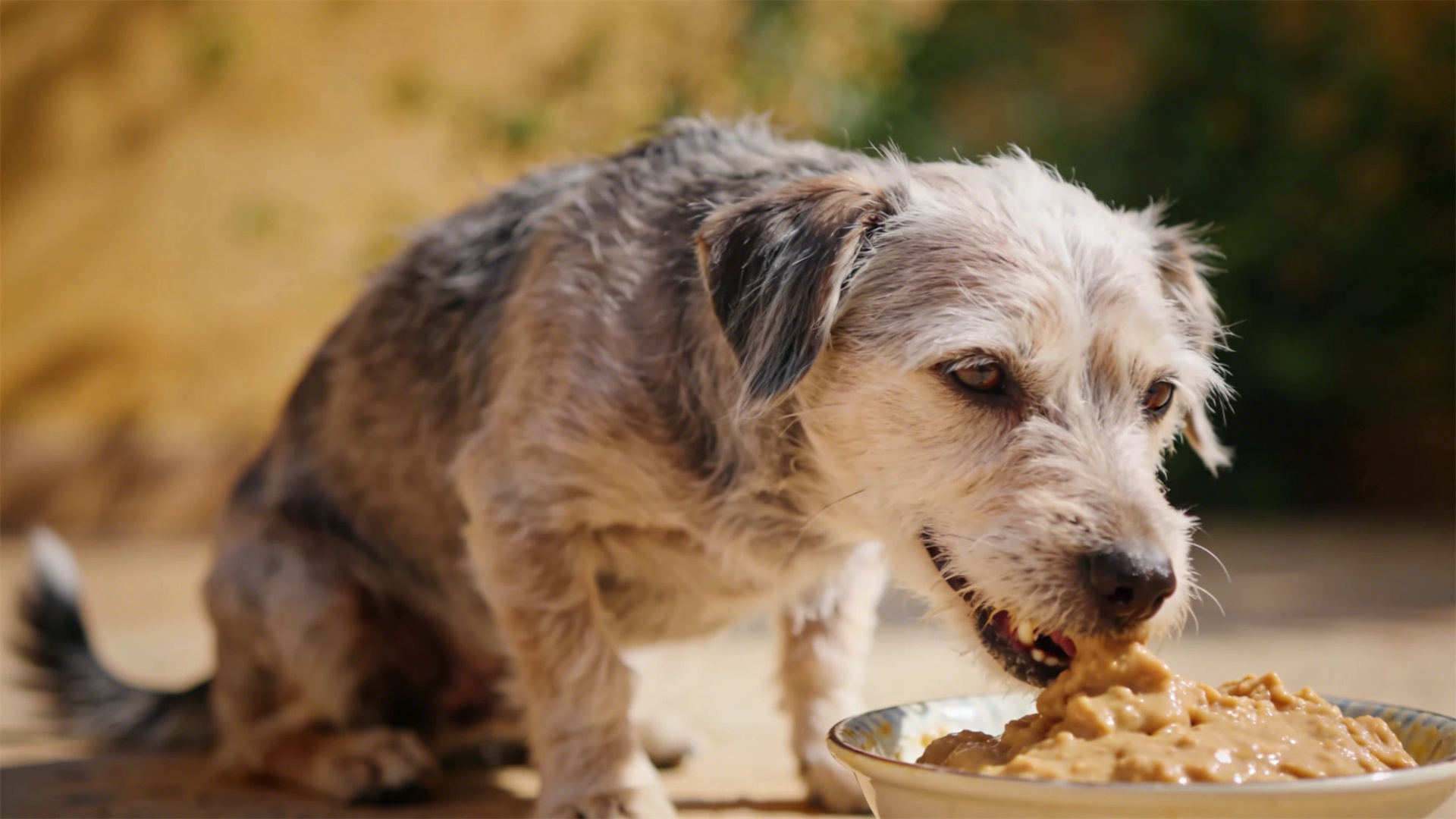
You stand in the pet store aisle, holding two bags of dog food. Both promise complete nutrition, shiny coats, and boundless energy. You flip the bags over, intent on being a conscientious pet parent, only to be met with a dizzying wall of text: "Poultry by-product meal, corn gluten meal, animal digest, natural flavors..." Your eyes glaze over. Which one is truly better? You’re not alone in this confusion. For millions of dog owners, the ingredient list on a pet food bag is a cryptic puzzle, often designed to appeal to the buyer rather than reveal the full nutritional story for the dog. This article will serve as your decoder ring, empowering you to look beyond the marketing on the front and master the fine print on the back. We will shine a light on the hidden "appetizer traps"—those ingredients added primarily to manipulate palatability artificially—and teach you how to choose a food that nourishes your dog from the inside out. 🐕
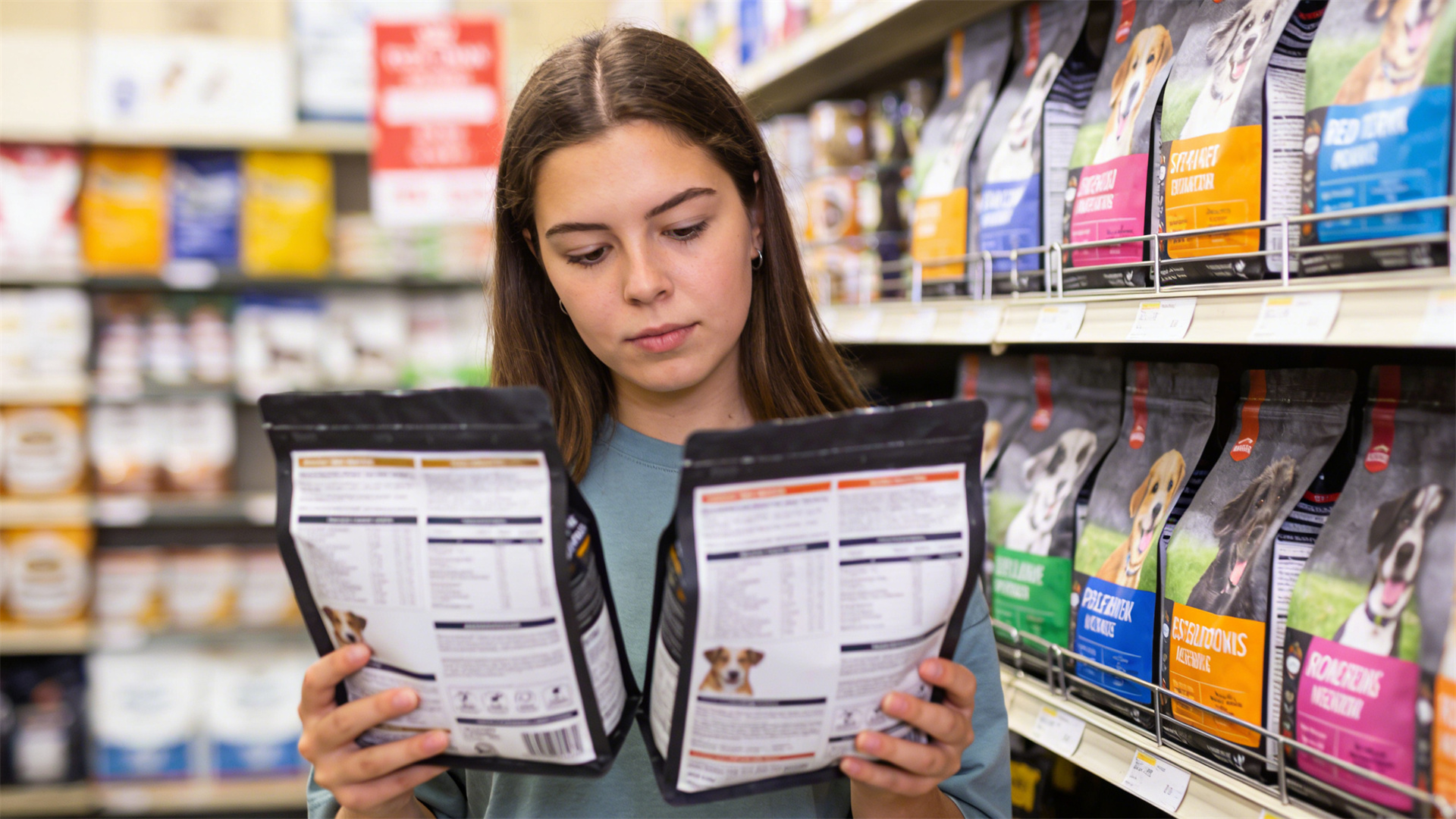
🎯 Who This Guide Is For: The Informed Dog Caregiver
This article is crafted for dog owners, pet caregivers, and canine enthusiasts who have moved beyond the question of "What should I feed my dog?" to the more nuanced inquiry of "What am I actually feeding my dog?" You are motivated by a desire to improve your companion's health, longevity, and vitality through informed nutritional choices. You suspect that not everything on the label is as it seems, and you're ready to learn the language of dog food ingredient lists to become your pet's best advocate.
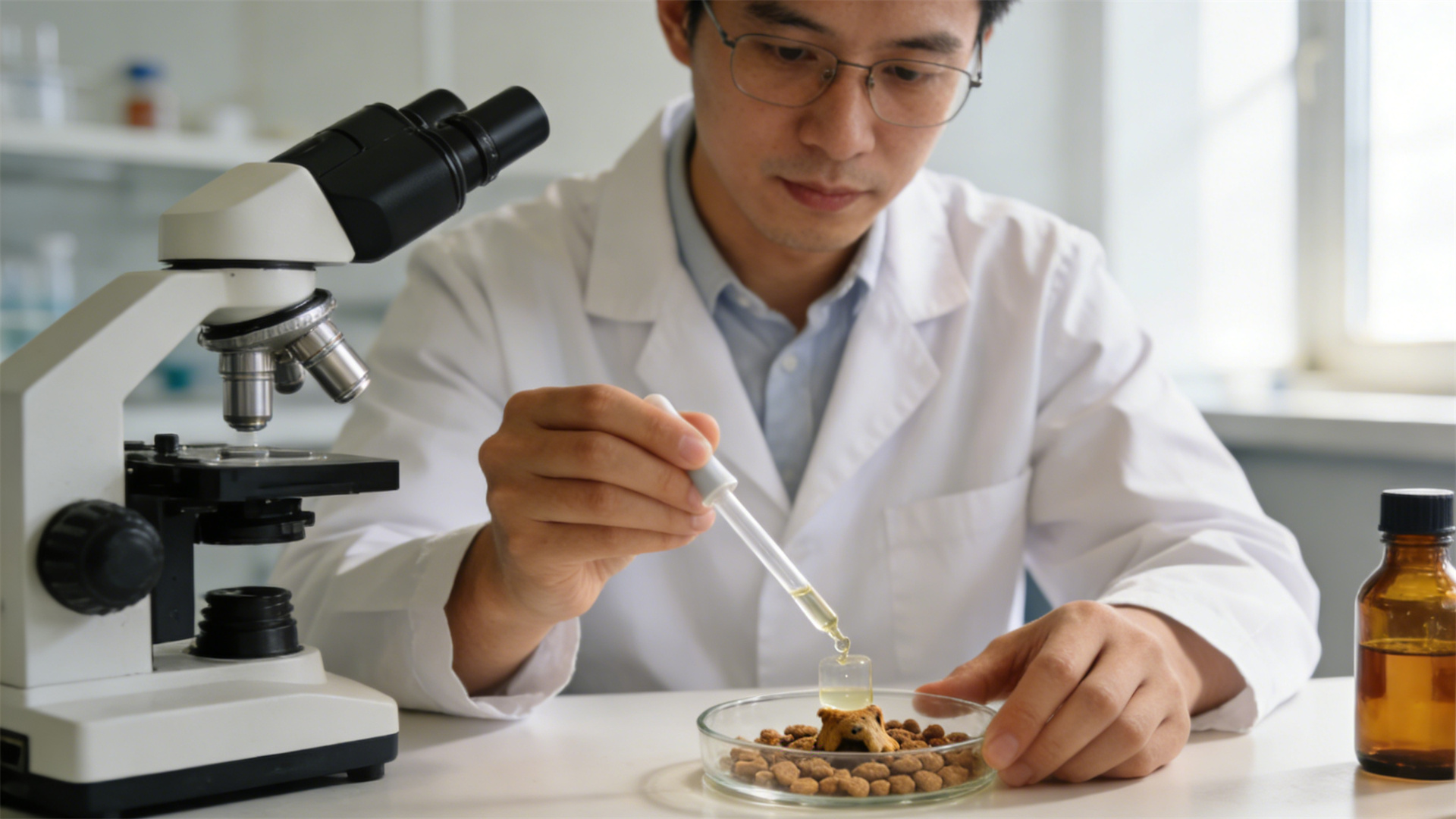
🔍 Decoding the Jargon: What Are "Appetizer Traps"?
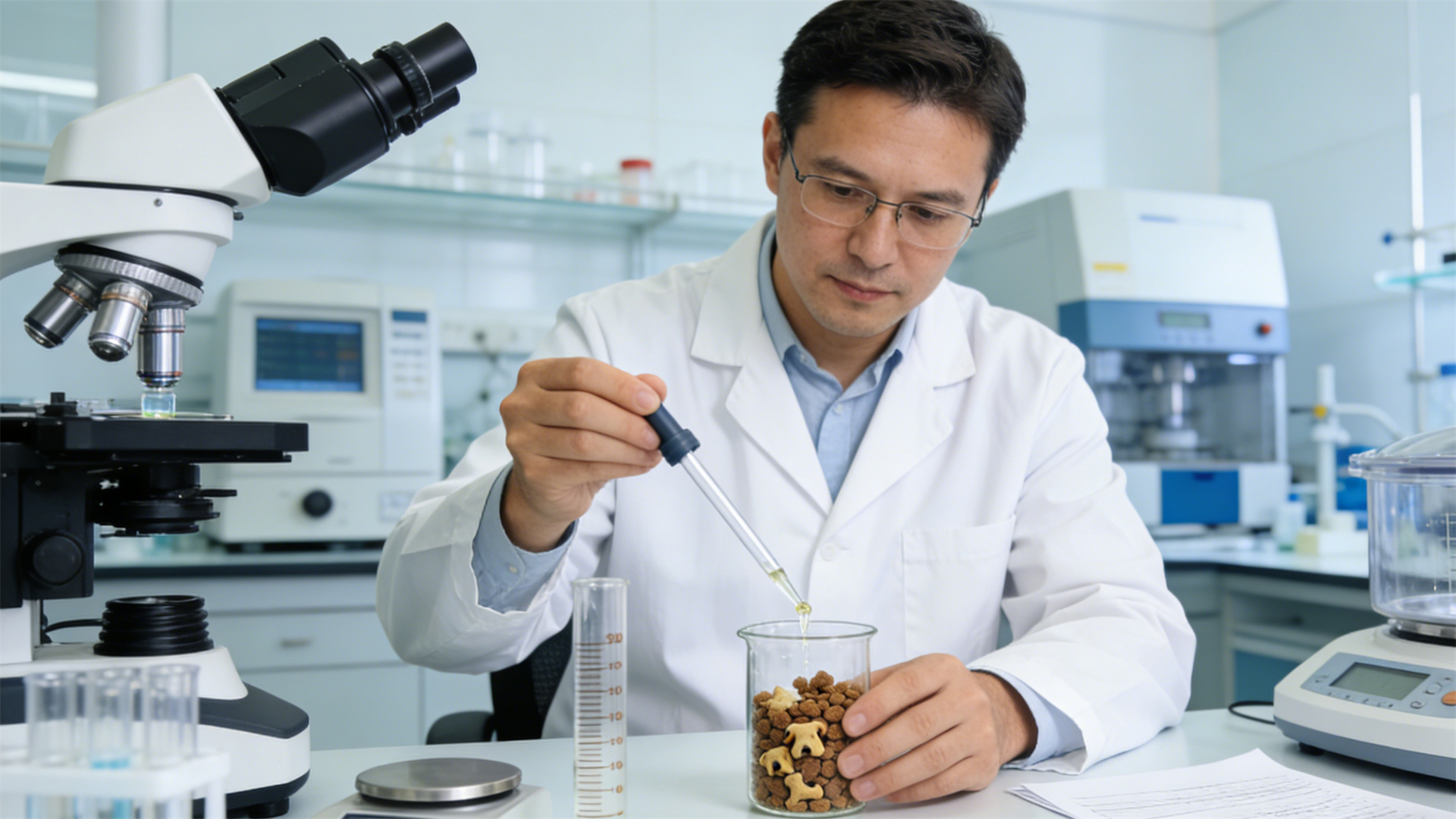
An "appetizer trap" is any ingredient whose primary function in dog food is to enhance palatability artificially while contributing little to no substantive nutritional value. Think of them as the canine equivalent of MSG or excessive salt in human junk food—they make the food irresistible, often masking lower-quality core ingredients. While not inherently toxic in regulated amounts, their consistent use can lead to picky eating, weight management issues, and can distract from the presence of more wholesome nutrients. Their danger lies in their ability to make a mediocre or poor-quality diet seem highly desirable to your dog.
The Illusion of Flavor vs. Real Nutrition
High-quality foods derive their palatability from the inherent flavors and fats of natural dog food ingredients like real chicken, beef, or fish. Appetizer traps in dog food, however, create a potent, often uniform flavor profile through processed additives. This can make a kibble made mostly of fillers taste as exciting as one made with premium meats, tricking both your dog's senses and your perception of value.
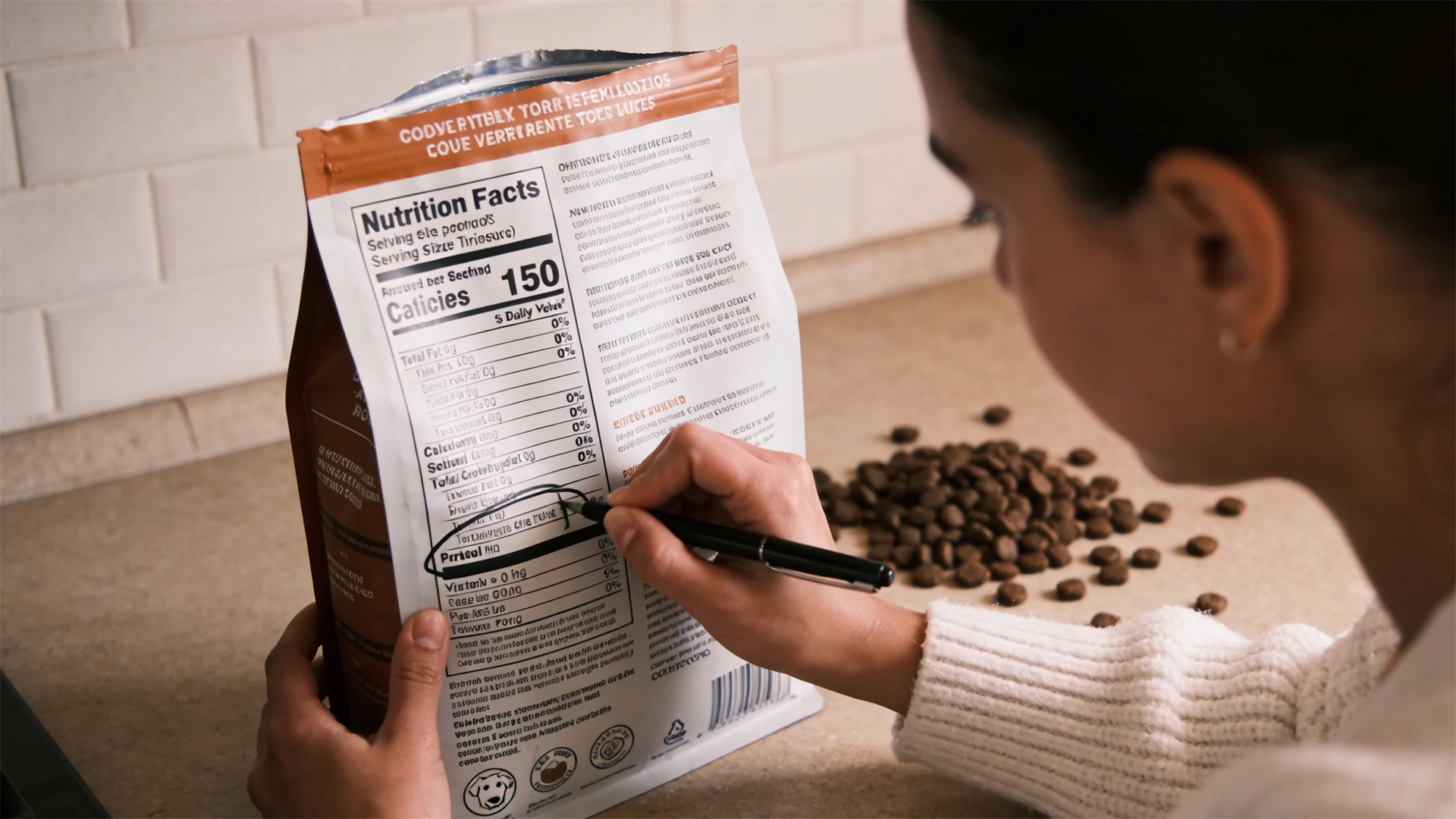
🧫 Common Hidden Appetizer Traps & Red Flag Ingredients
Let's put names to these stealthy additives. Learning to spot these terms is the first step in identifying harmful dog food ingredients.
1. Animal Digest: The Ultimate Mystery Flavor Spray
Defined by the Association of American Feed Control Officials (AAFCO) as a material resulting from chemical and/or enzymatic hydrolysis of clean animal tissue. In simpler terms, it's a broth or paste made by "pre-digesting" parts of animals (which can be unspecified) using heat, acids, or enzymes. This concentrated flavoring is then sprayed onto kibble surfaces. It's a powerful hidden dog food ingredient that guarantees most dogs will devour the food, regardless of its core nutritional quality. Special Reminder: The source animal is rarely named ("animal" vs. "chicken"), making it a major potential common dog food allergen for sensitive pets.
2. "Natural Flavors" and Artificial Flavors
While "natural flavors" sound benign, the term is a broad catch-all. It can mean extracts from real meat, but it can also refer to derivatives of vegetables, spices, or even yeast. The lack of specificity is the issue. More concerning are outright artificial flavors (like artificial beef or bacon flavor), which are chemically synthesized to mimic meat. Both are used as cost-effective flavor enhancers over using more real meat.
3. Certain By-Products and By-Product Meals
This is a nuanced category. Not all by-products are bad; AAFCO defines them as non-rendered, clean parts other than meat (e.g., liver, heart, kidneys). These can be excellent nutrient sources. The appetizer trap arises with non-specific, low-quality by-products (e.g., "meat by-products," "poultry by-products") and their "meal" versions. When used as a primary protein source instead of named meats (chicken, lamb), they are often less digestible and are included with flavor enhancement as a key goal.
4. Palatability Enhancers: Glyceryl Monostearate, Phosphoric Acid, etc.
These are the food science wizardry behind the scenes. Ingredients like glyceryl monostearate (a fat coating) and phosphoric acid (a flavor sharpener) are added solely to make the kibble more enticing. They have no significant nutritional role and are hallmarks of dog food fillers and additives aimed at taste manipulation.
📜 The Rule of Order: How to Read Dog Food Labels Like a Pro
Ingredient lists are mandated to be in descending order by pre-cooked weight. This is your most powerful tool in pet food label decoding.
Understanding Dog Food Ingredient Order
The first five ingredients typically constitute the majority of the food. In a high-quality food, you want to see named animal proteins and whole foods at the top.
Example A (Concerning List): "Corn, Meat and Bone Meal, Corn Gluten Meal, Animal Fat (preserved with BHA/BHT), Animal Digest, Wheat, Soybean Meal..."
❌ Analysis: Dominated by grains and vague meals. Animal digest appears early, acting as a potent appetizer trap to mask the low-quality primary ingredients.
Example B (Preferred List): "Deboned Chicken, Chicken Meal, Brown Rice, Oatmeal, Chicken Fat (preserved with Mixed Tocopherols), Peas, Dried Chicken Liver..."
✅ Analysis: Named animal proteins (Chicken, Chicken Meal) are the #1 and #2 ingredients. Fats are named (Chicken Fat). The liver provides natural flavor enhancement with nutritional benefit.
⚠️ The Health Impact: Why Avoiding Traps Matters for Canine Health
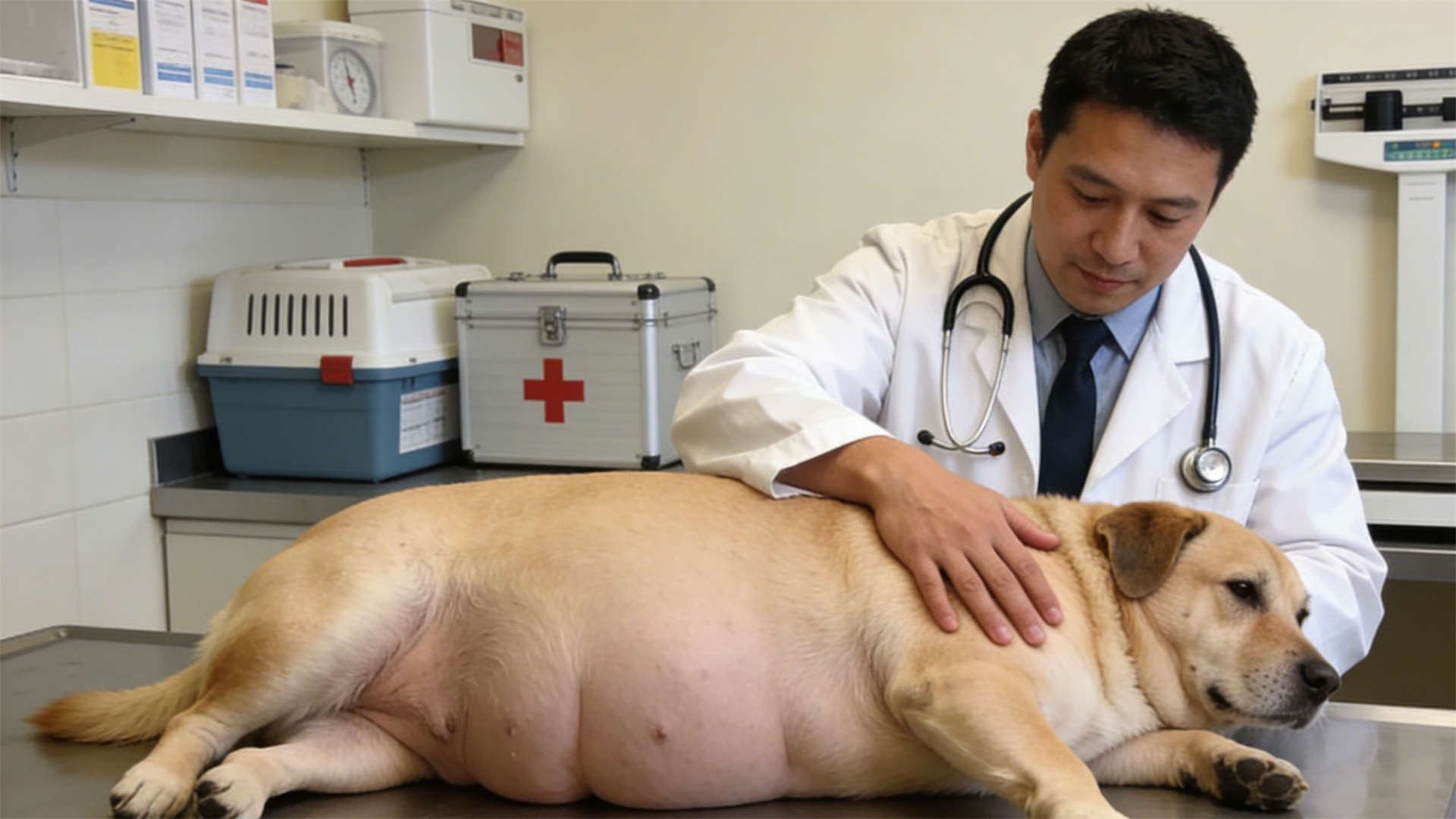
Feeding a diet reliant on appetizer traps isn't just about "empty calories." It has tangible effects on your dog's health.
- Weight Gain & Obesity: High palatability can lead to overconsumption. Combined with diets high in fillers (corn, wheat), it's a recipe for weight issues.
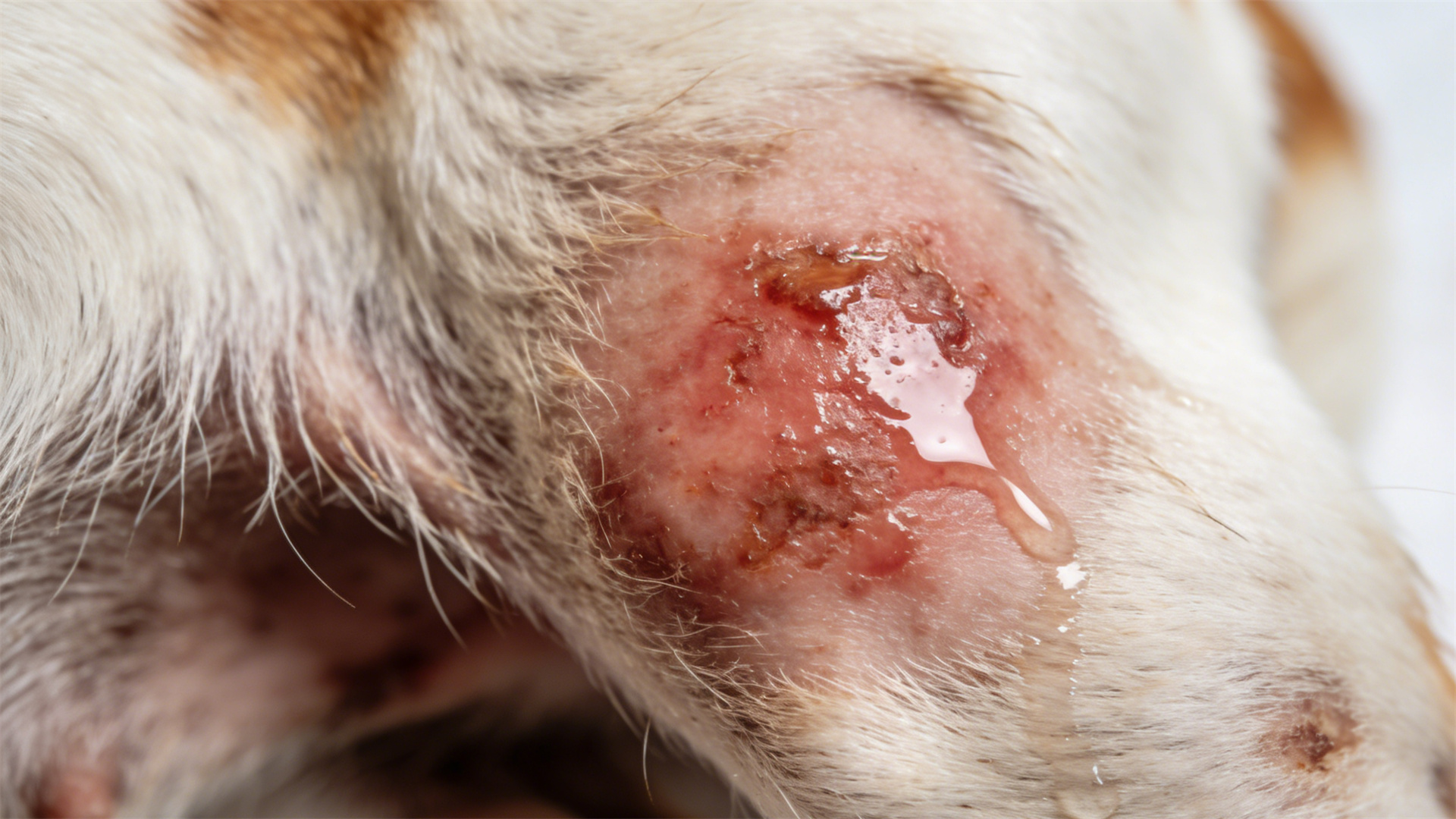
- Allergic Reactions & Sensitivities: Vague ingredients like "animal digest" or "meat by-products" can contain proteins your dog is allergic to, making it impossible to identify the culprit.
- Picky Eating Syndrome: Dogs fed hyper-palatable foods can become conditioned to expect that intense flavor profile, rejecting healthier, less artificially enhanced options.
- Long-Term Nutritional Deficiencies: When calories are filled with flavorings and low-nutrient fillers, there's less room for bioavailable vitamins, minerals, and high-quality proteins essential for muscle maintenance, immune function, and organ health.
Contrast this with diets built on whole food ingredients like real meats, wholesome grains or vegetables, and healthy fats. These provide not just energy but the building blocks for cellular repair, a shiny coat, strong joints, and a robust immune system—true canine health and diet synergy.
🔬 Your Step-by-Step Guide to Analyzing Any Dog Food Bag
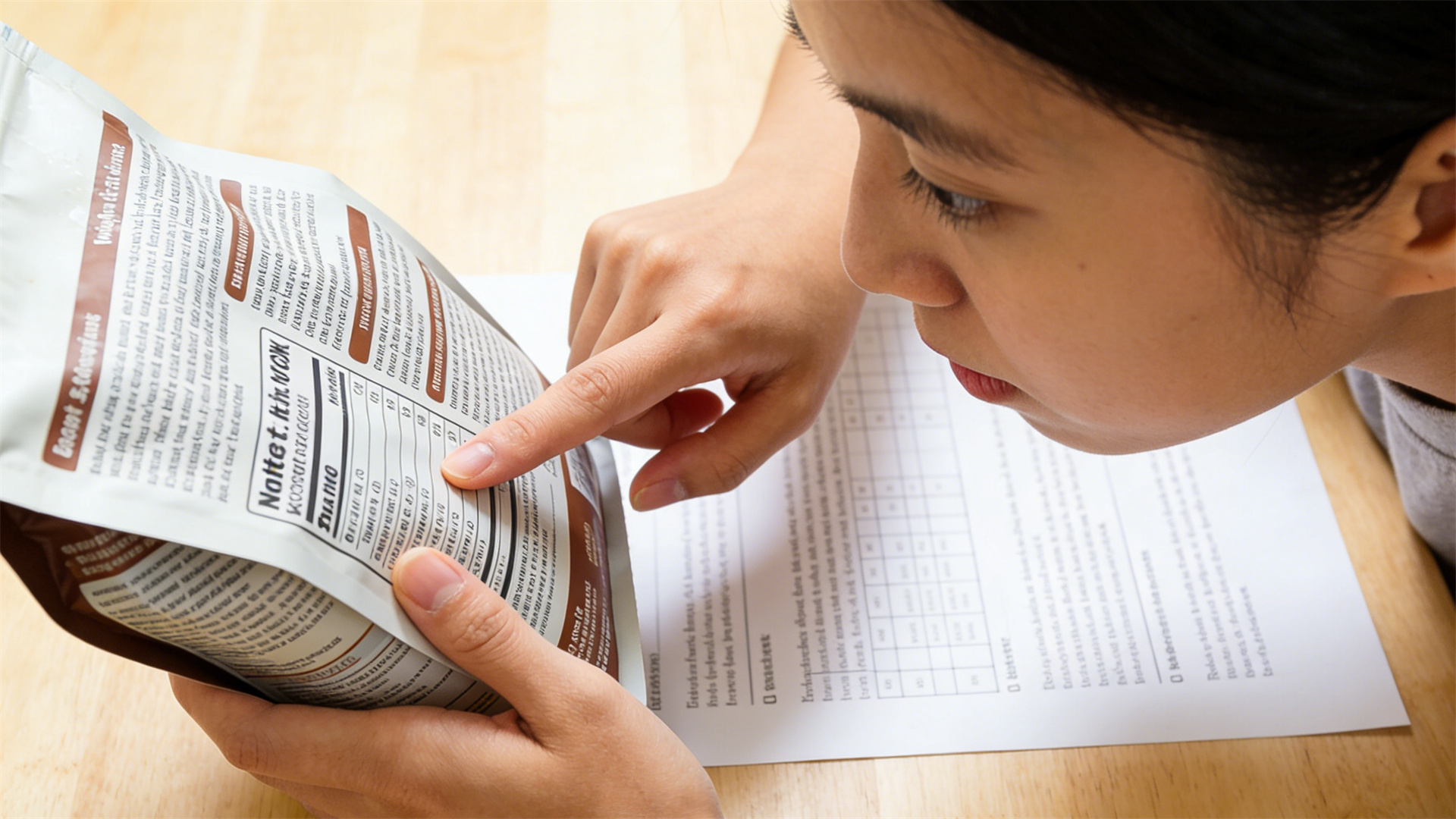
Let's apply this knowledge. Take your current dog food bag and follow this checklist.
Step 1: The First Five Ingredient Test
Look at the first five items. Are they specific, recognizable whole foods? Ideally, two should be named animal proteins (e.g., "Salmon," "Lamb Meal").
Step 2: Hunt for the Hidden Traps
Scan the entire list for our red flags:
Red Flag Ingredients Checklist:
• Animal Digest
• Artificial Flavors/Colors
• Non-Specific By-Products (e.g., "meat by-products")
• Propylene Glycol (a humectant and palatability enhancer)
• Corn Syrup, Sucrose, or Sugars
• Vague Fat Sources ("animal fat" vs. "chicken fat")
Step 3: Decode the Scientific Names
Don't be intimidated. "Pyridoxine Hydrochloride" is just Vitamin B6. "Ascorbic Acid" is Vitamin C. These are usually fortifications, not appetizer traps. Focus your scrutiny on the flavor-related additives.
Step 4: Consider the "Guaranteed Analysis" Holistically
While ingredients tell the "what," the guaranteed analysis tells the "how much" (protein, fat, fiber, moisture). Cross-reference: A food with 30% protein from corn gluten meal is less ideal than one with 28% protein from chicken and fish meals.
💎 Conclusion & Your Call to Action
Navigating dog food ingredient lists is a learned skill that empowers you to cut through marketing hype. You now know that appetizer traps in dog food like animal digest and vague flavors are often signals of a formula prioritizing taste-bud appeal over dense nutrition. You understand the critical importance of ingredient order and can spot the red flags that signify dog food fillers and additives.
Your journey towards optimal canine nutrition analysis doesn't end here. Take this article, grab your dog's food bag, and conduct your first audit. Compare it to two other brands in the store or online. Look for the patterns. Make a more informed choice on your next purchase.
Share this knowledge! Many dog owners want to do better but don't know where to start. By sharing this guide, you help create a community of informed pet parents advocating for healthier, more transparent pet food manufacturing processes. Remember, when you choose a food based on wholesome ingredients rather than artificial enticements, you're investing in more than just a meal—you're investing in your dog's vitality, longevity, and tail-wagging well-being. 🐾