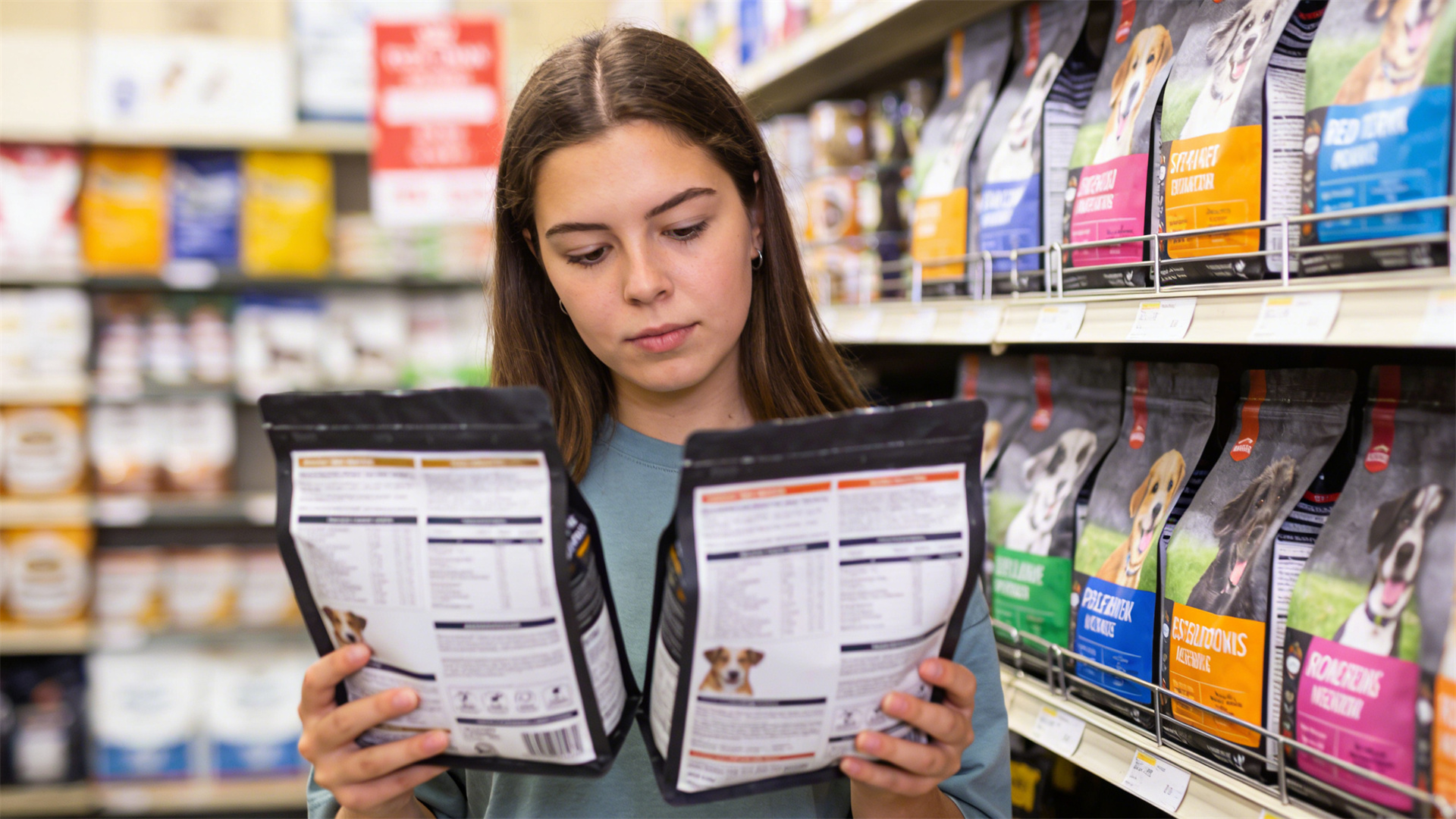
With their iconic beards, bushy eyebrows, and spirited personalities, Schnauzers have captured the hearts of dog lovers worldwide. Whether it’s the spunky Miniature, the standard-bearer Standard, or the regal Giant, this breed family is renowned for its intelligence and loyalty. However, beneath that wiry coat lies a hidden, breed-specific metabolic quirk that demands vigilant attention from owners: a profound predisposition to hyperlipidemia. This condition makes a tailored, low-fat Schnauzer diet less oil not just a recommendation, but a critical component of lifelong health. This article delves into the genetic reasons, the potential health fallout, and the practical Schnauzer dietary requirements to manage this silent threat.
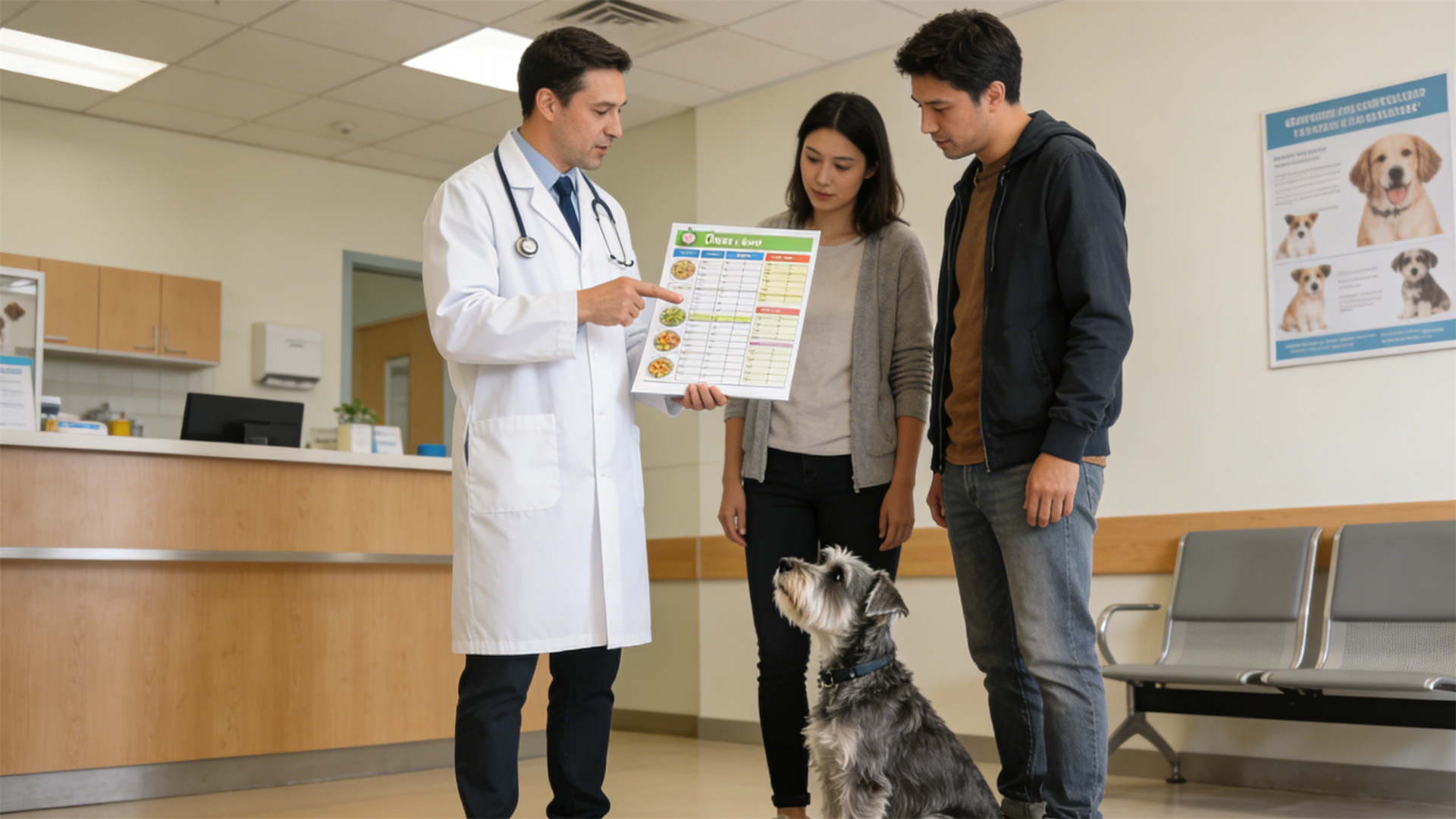
🐾 Understanding the Condition: What is Canine Hyperlipidemia?
Hyperlipidemia, in simple terms, refers to an abnormally high concentration of lipids (fats) in the bloodstream. These lipids primarily include triglycerides and cholesterol. In a healthy dog, dietary fats are broken down, utilized for energy, or stored appropriately. However, in a dog with hyperlipidemia, this fat metabolism is disrupted, leading to a milky, lipid-rich plasma that can wreak havoc on internal systems. While it can be secondary to other diseases (like hypothyroidism or diabetes), the focus here is on the primary, idiopathic form, which is strongly heritable and prevalent in the Schnauzer breed.
The Schnauzer's Genetic Blueprint: A Breed-Specific Predisposition
So, why do Schnauzers need a strict diet? The answer is written in their DNA. Veterinary research has consistently identified Miniature Schnauzers, in particular, as having the highest prevalence of primary hyperlipidemia among all dog breeds. Studies suggest that up to 30-40% of Miniature Schnauzers may have elevated fasting triglyceride levels, even when at a lean body weight. This points to a genetic mutation affecting lipid metabolism—essentially, their bodies are inefficient at clearing triglycerides from the blood after eating. This inherent trait is the core reason why a generic dog food formula is often unsuitable and why a proactive, low fat diet for Schnauzers is a cornerstone of preventive care.
⚠️ The Silent Storm: Health Consequences of Unmanaged Hyperlipidemia
Elevated lipids are more than just a number on a blood test; they are a systemic irritant. Chronic hyperlipidemia acts like abrasive sludge circulating through delicate vessels and organs, leading to severe complications:
- Pancreatitis: This is the most common and dangerous acute risk. The pancreas becomes inflamed, often triggered by a high-fat meal, causing severe pain, vomiting, and can be life-threatening. Schnauzers are already a breed at risk for pancreatitis, and hyperlipidemia significantly amplifies that risk.
- Neurological Issues: In extreme cases, extremely high lipid levels can cause seizures, disorientation, and other neurological signs, a condition known as lipid encephalopathy.
- Liver and Gallbladder Disease: The liver works overtime to process the excess fat, which can lead to hepatic lipidosis. It also increases the risk of painful gallstones (cholelithiasis).
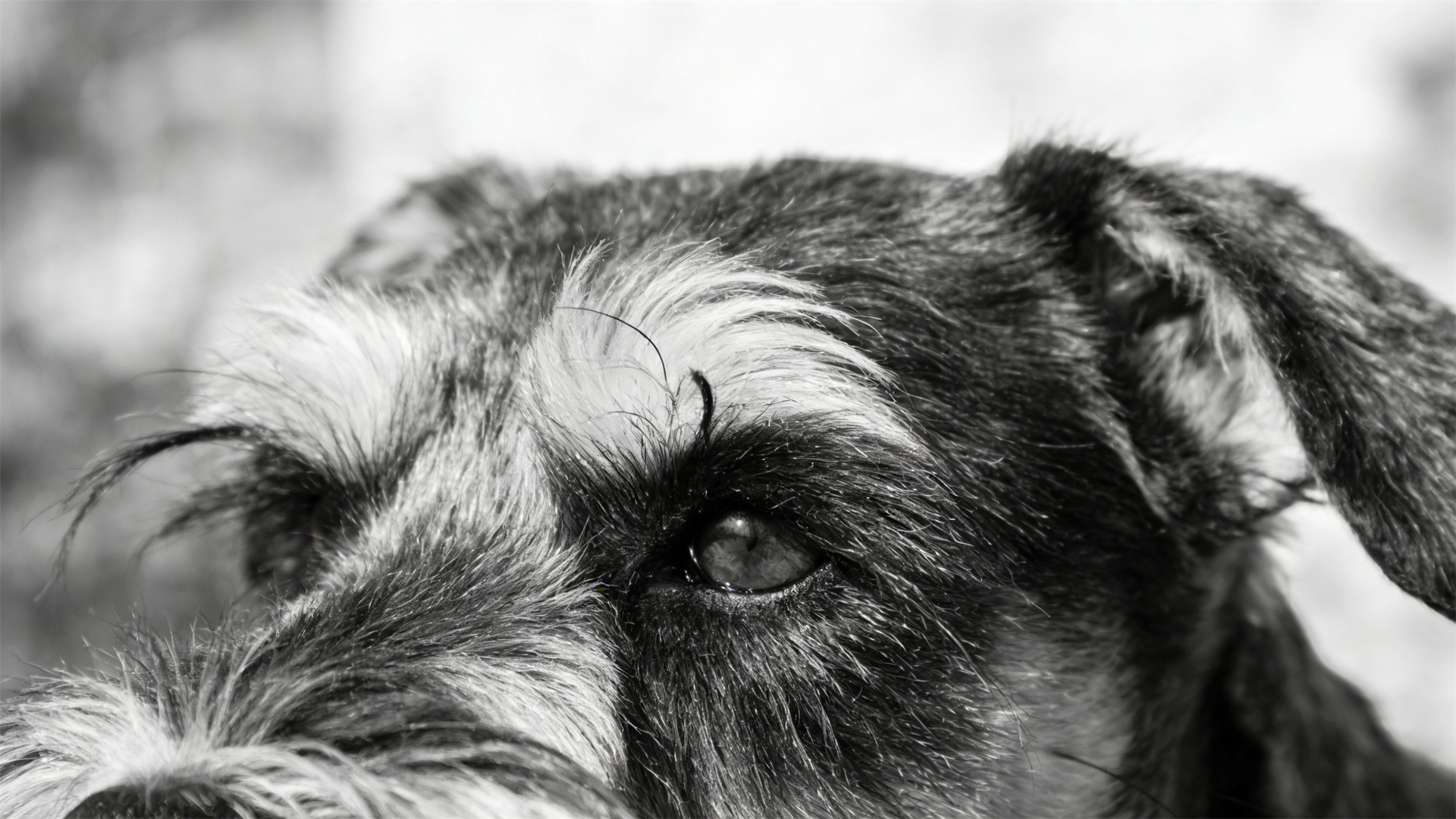
- Atherosclerosis & Vision Problems: While less common in dogs than humans, chronic high cholesterol can contribute to fatty deposits in blood vessels and corneal lipid deposits, affecting eyesight.
Clearly, managing Schnauzer hyperlipidemia is a non-negotiable aspect of responsible ownership.
🔬 The Science of "Less Oil": Why Dietary Restriction is the First Line of Defense
The logic behind Schnauzer oil restriction is straightforward: If the body cannot efficiently clear triglycerides from the blood, the solution is to reduce the amount of triglycerides entering the system. Dietary fat is the primary source of blood triglycerides. By significantly reducing fat intake, you lower the metabolic burden on a Schnauzer's compromised lipid-clearing machinery. This isn't about weight management alone (though obesity exacerbates the issue); it's about directly managing a metabolic disease. A therapeutic canine hyperlipidemia diet aims to keep post-meal lipid spikes to a minimum, preventing the inflammatory and damaging cascade throughout the body.
Evidence-Based Authority: What the Experts Say
Veterinary nutritionists and internal medicine specialists universally champion dietary management as the cornerstone of treatment. Dr. Susan G. Wynn, a renowned veterinary nutritionist, emphasizes that "for breeds predisposed like the Miniature Schnauzer, a low-fat diet should be considered a lifelong preventive measure, not just a treatment after problems arise." Research published in the Journal of Veterinary Internal Medicine has demonstrated that targeted nutritional intervention can successfully normalize lipid levels in affected Schnauzers, reducing the risk of associated diseases.
🍲 Practical Dietary Guidance: Building a Low-Fat Life for Your Schnauzer
Translating science into everyday practice is key. Here’s how to implement an effective Schnauzer hyperlipidemia diet.
📗 Foods to Embrace: The Safe List
Focus on high-quality, lean proteins and highly digestible carbohydrates. Always consult your vet, but generally safe options include:
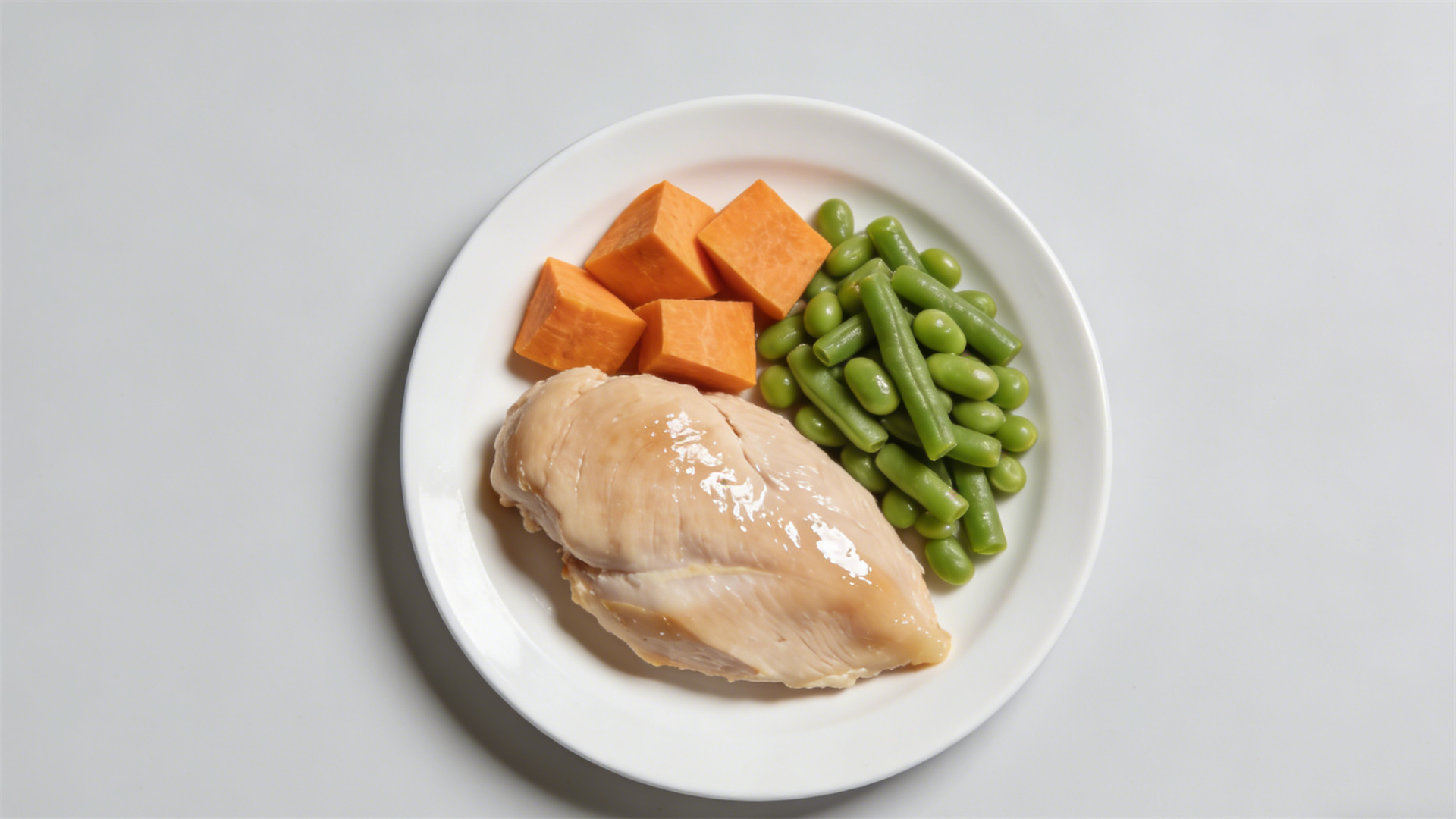
- Proteins: Skinless chicken or turkey breast, lean ground beef (93/7 or leaner), white fish (cod, tilapia), and egg whites.
- Carbohydrates: Canned plain pumpkin (fiber-rich), sweet potato, green beans, brown rice, and oatmeal.
- Commercial Diets: Prescription veterinary diets formulated for pancreatitis or gastrointestinal health are often excellent choices as they are scientifically designed to be very low in fat. Your veterinarian can recommend the best one.
🚫 Foods to Strictly Avoid: The Danger Zone
Vigilance is required to keep these high-fat hazards away from your Schnauzer:
- Fatty Meats: Bacon, sausage, pork, lamb, duck, and any meat with visible fat or skin.
- Dairy: Cheese, butter, cream, whole milk, and high-fat yogurts.
- Oils & Fried Foods: Table scraps like fried chicken, french fries, potato chips, and foods cooked in heavy oil or grease.
- Certain Treats: Pig ears, rawhides, marrow bones, and most commercial dog biscuits/biscuits. Always check the guaranteed analysis for fat content.
- Nuts and Nut Butters: Peanut butter, while a popular treat, is very high in fat. Opt for a powdered peanut butter with fat removed if needed.
📝 Meal Planning and Treat Alternatives
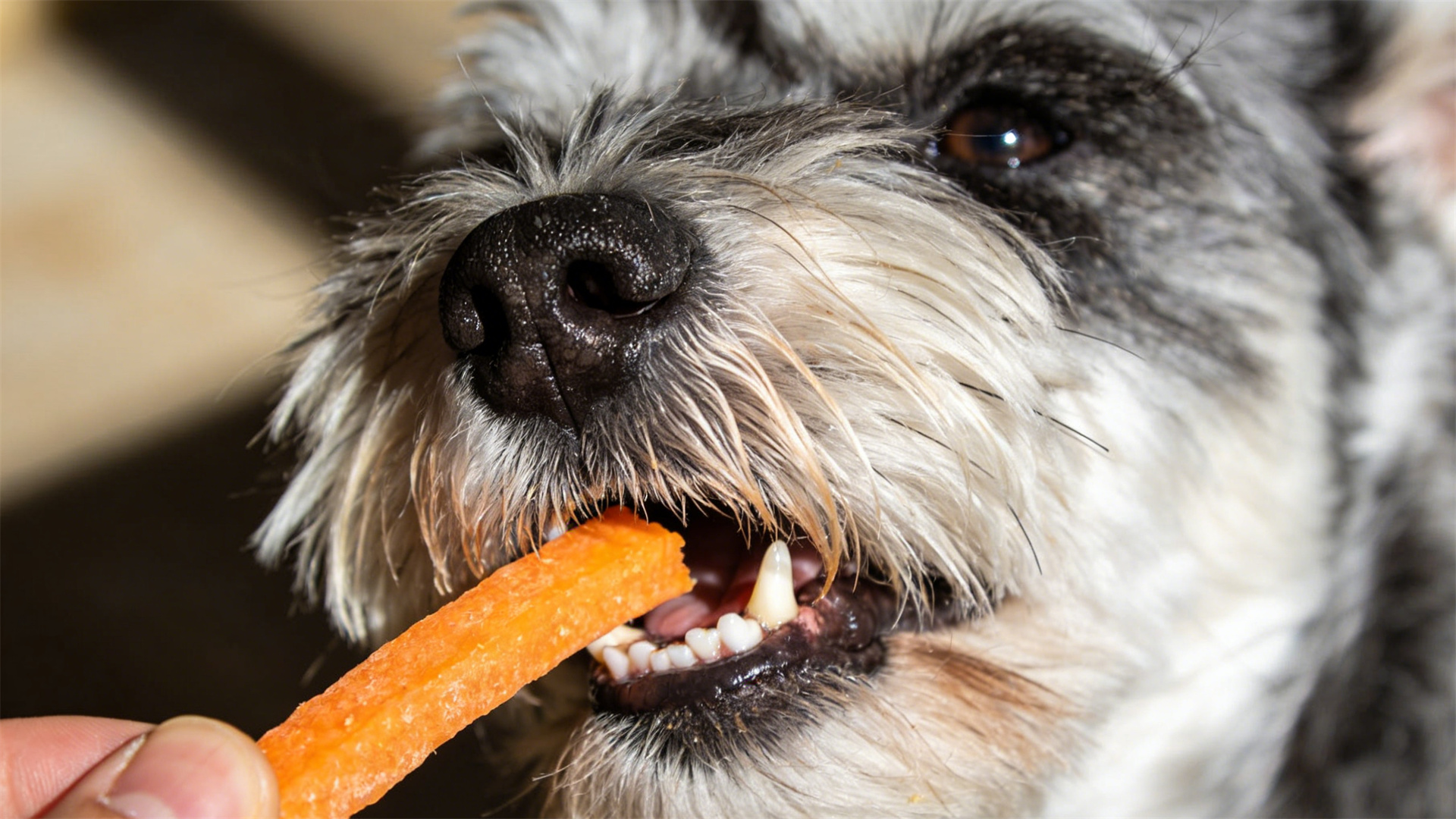
Consistency is crucial. Measure meals precisely to maintain ideal body weight. For treats, get creative with low-fat options: a slice of apple (no seeds), a carrot stick, a piece of green bean, or a commercial treat specifically labeled as "low-fat." You can also use pieces of their prescribed kibble as training rewards. When in doubt, the treat should be no larger than the size of your thumbnail.
✨ Conclusion: Empowerment Through Proactive Nutrition
Understanding your Schnauzer's genetic predisposition to hyperlipidemia is the first step toward ensuring a long, vibrant, and healthy life. By embracing a proactive low fat diet for Schnauzers, you are directly countering their primary metabolic challenge. This commitment to Schnauzer nutrition is one of the most profound acts of care you can offer. It’s not about deprivation; it’s about intelligent, loving managing dog cholesterol naturally through targeted dietary choices. Your vigilance at the food bowl is your best defense against pancreatitis and other serious Schnauzer health issues.