Canine nutrition is undergoing a revolution. Gone are the days of one-size-fits-all kibble. As research accelerates, we're moving from simply feeding dogs to precision-nourishing them. The question for discerning dog owners and forward-thinking professionals is no longer just "what to feed," but what precise nutritional architecture will optimize health, longevity, and vitality in the years to come. Enter the forward-looking 2026 canine nutrition standards, centered on a refined, dynamic macronutrient balance known as the Golden Ratio. This isn't a fleeting trend; it's the scientific culmination of decades of research, pointing toward a future of personalized canine wellness.
🐕🦺 Defining the "Golden Ratio" in Canine Nutrition
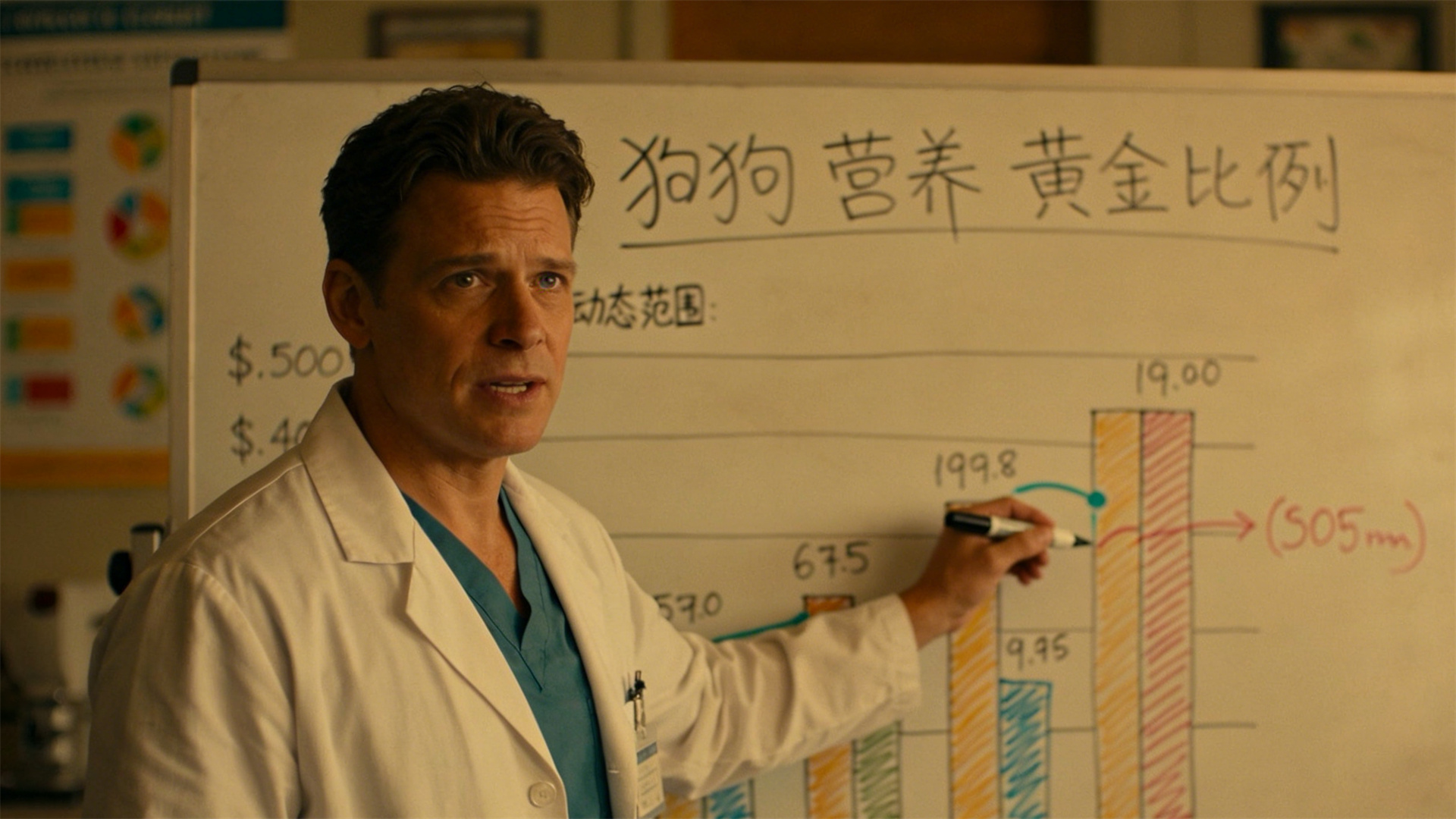
In this context, the dog food golden ratio refers to the optimal proportional relationship between the three primary macronutrients—protein, fat, and carbohydrates—in a dog's diet. Crucially, it is not a single, magic number (like 30:20:50). Instead, it represents a spectrum of ideal ranges that can be tailored to an individual dog's physiology. This dynamic approach is the cornerstone of the evolving canine dietary standards. Factors such as life stage (puppy, adult, senior), activity level (couch companion vs. working K9), breed size, and specific health status (e.g., renal issues, obesity) all shift the ideal point within the Golden Ratio framework. The 2026 perspective champions this flexibility over rigid formulas.
🔬 The 2026 Standard: The Proposed Macronutrient Ratios
The emerging consensus among dog nutrition experts suggests a shift toward more nuanced, life-stage-specific benchmarks. Below is a hypothetical overview of the proposed optimal dog food macronutrient ratios for healthy dogs, reflecting the latest dog nutrition research 2026.
Hypothetical 2026 Golden Ratio Ranges (Dry Matter Basis)*
Adult Maintenance (Typical): Protein: 28-35% | Fat: 14-20% | Carbohydrates: 30-40%
Growth & Reproduction: Protein: 30-38% | Fat: 18-25% | Carbohydrates: 25-35%
Performance & High Activity: Protein: 32-40% | Fat: 20-30% | Carbohydrates: 20-30%
Senior & Less Active: Protein: 30-35% | Fat: 12-16% | Carbohydrates: 35-45%
*These ranges are for educational illustration, based on current trends. Always consult your veterinarian for individual advice.
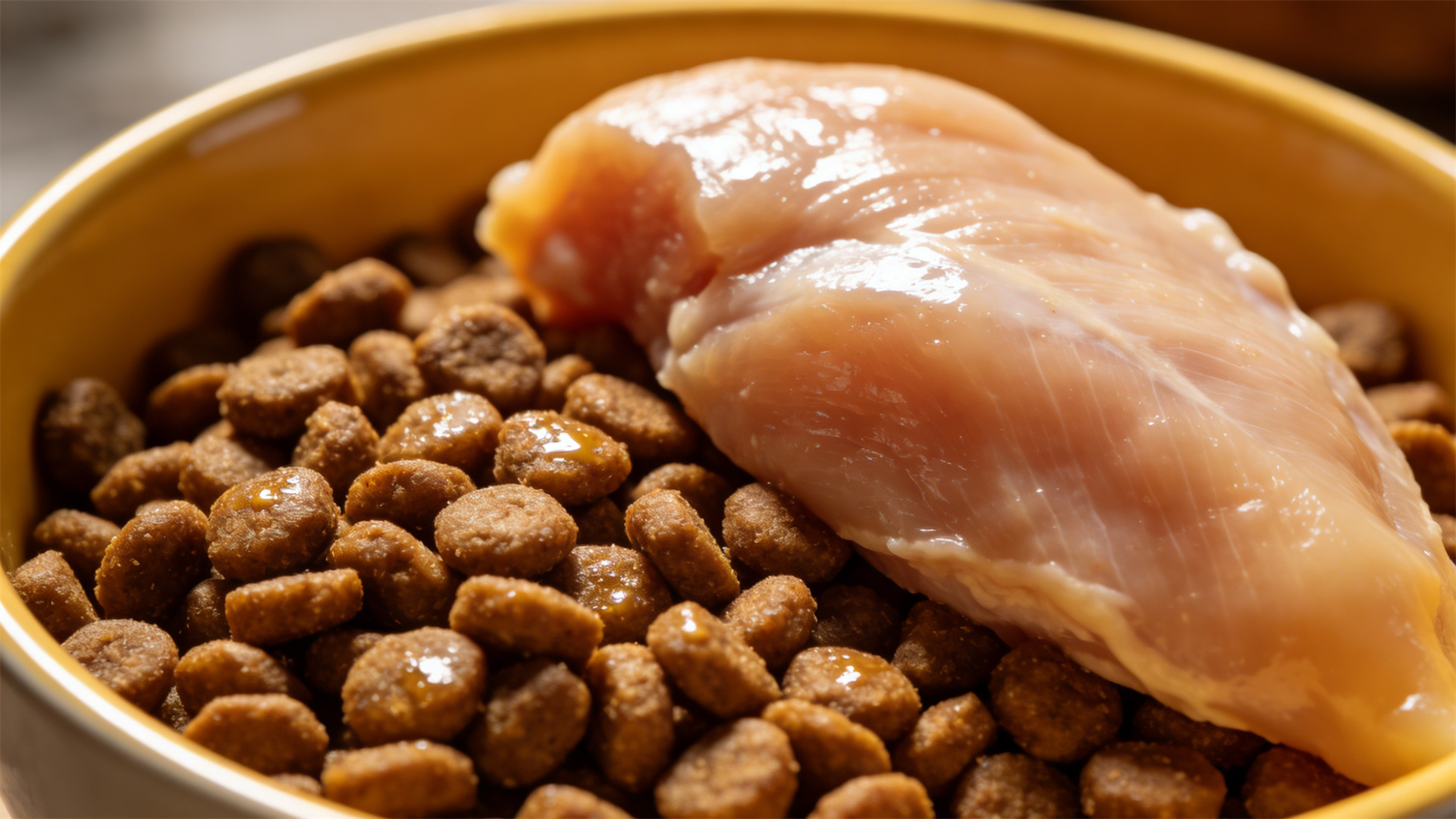
💪 Protein: The Cornerstone of Canine Vitality
The 2026 standard elevates the conversation from mere protein percentage to protein quality and amino acid profile. Protein provides the essential amino acids that are the building blocks for muscles, skin, coat, enzymes, hormones, and immune cells. The new focus is on bioavailability—how efficiently a dog's body can use the protein provided.
The proposed range for a typical adult dog is 28-35% on a dry matter basis. However, special reminder: a highly active working dog may thrive at 35%+ with superior animal-based sources, while a senior dog might do best at 30% with highly digestible proteins to support lean mass without overburdening aging kidneys. The canine health macronutrient requirements for protein are about supporting the body's ongoing repair and renewal processes for a longer, healthier healthspan.
⚡ Fat: The Concentrated, Intelligent Energy Source
Fat is the most energy-dense macronutrient, but its role in the balanced canine diet ratios goes far beyond calories. The 2026 understanding deeply values essential fatty acids (Omega-3 and Omega-6) and their sources. These fats are critical for brain function, cognitive health in aging dogs, skin and coat integrity, and managing systemic inflammation.
The recommended fat range of 14-20% for maintenance balances energy needs with calorie density. The key innovation is the emphasis on the ratio of Omega-6 to Omega-3, aiming for a narrower, more anti-inflammatory balance (closer to 5:1) than found in many historical diets. This precision directly impacts cellular health and longevity.
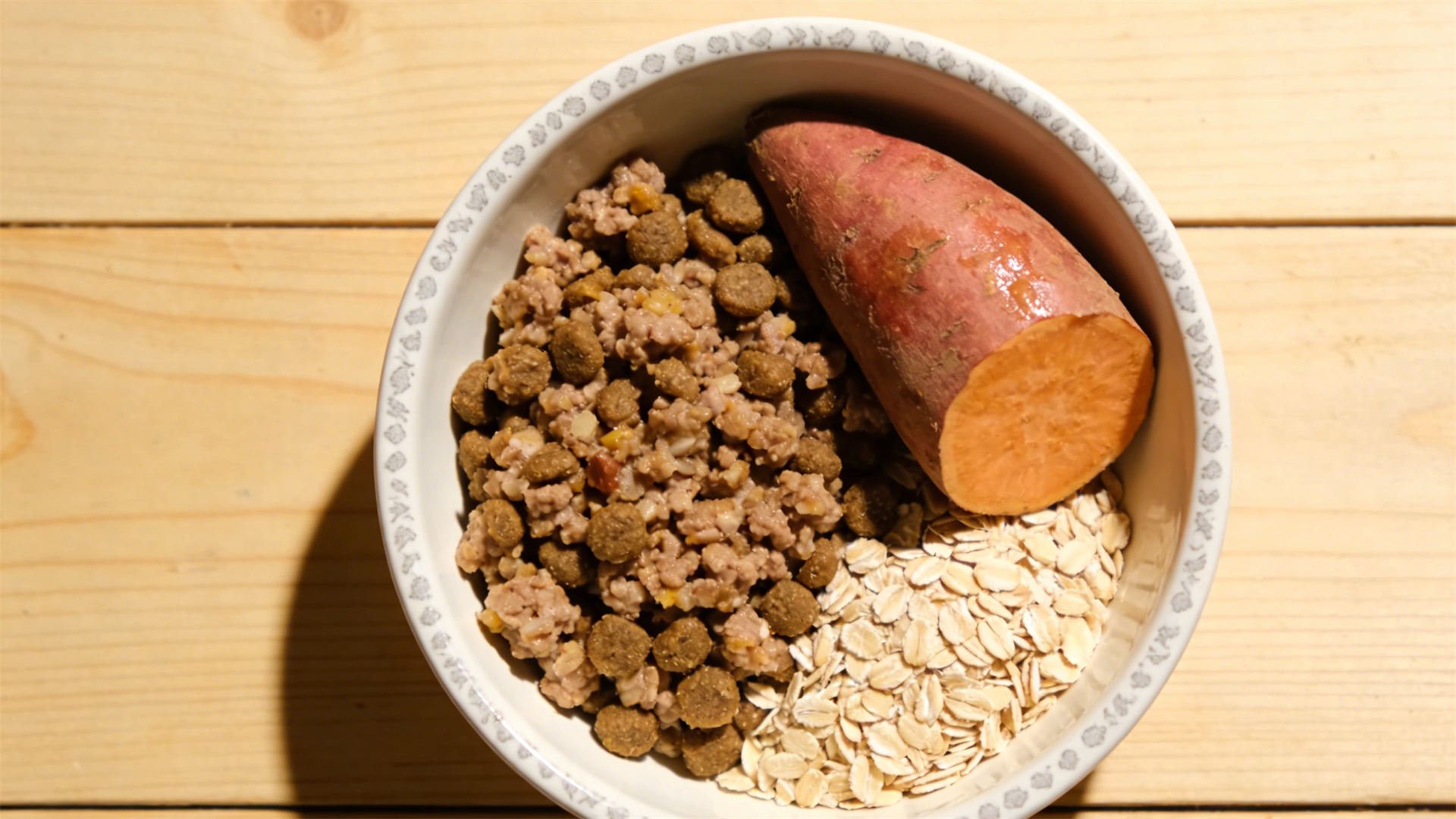
🌾 Carbohydrates: The Misunderstood Macronutrient, Redefined
Future dog nutrition moves past labeling all carbs as "fillers." While dogs have no strict dietary carbohydrate requirement, the right carbohydrates serve vital functions. The focus is on highly digestible sources and functional fibers. Carbohydrates like sweet potato, oats, and peas provide steady glucose for energy, while fermentable fibers (prebiotics) act as fuel for a healthy gut microbiome.
The carbohydrate range of 30-40% (for typical adults) acknowledges this supportive role. The quality and glycemic index of the carb sources are paramount. This component of the protein fat carbohydrate balance in dog food is crucial for digestive health, stable energy, and supporting the billions of beneficial bacteria in the gut—a key area of modern health research.
🔄 The Synergy: How the Golden Ratio Works in Concert
The magic of the golden ratio of protein fat and carbohydrates for dogs lies in the metabolic synergy. This specific balance ensures:
• Efficient Energy Metabolism: Fat and carbs provide energy, sparing protein for its vital structural and functional roles.
• Satiety and Weight Management: Adequate protein and fiber promote fullness, helping maintain an ideal body condition and supporting a healthy liver by preventing fat accumulation.
• Systemic Health: The combined action supports robust immunity, optimal organ function (including liver and kidney health), and sustained vitality. It’s a holistic system where each macronutrient empowers the others.
🏷️ Practical Application: Reading 2026 Labels... Today
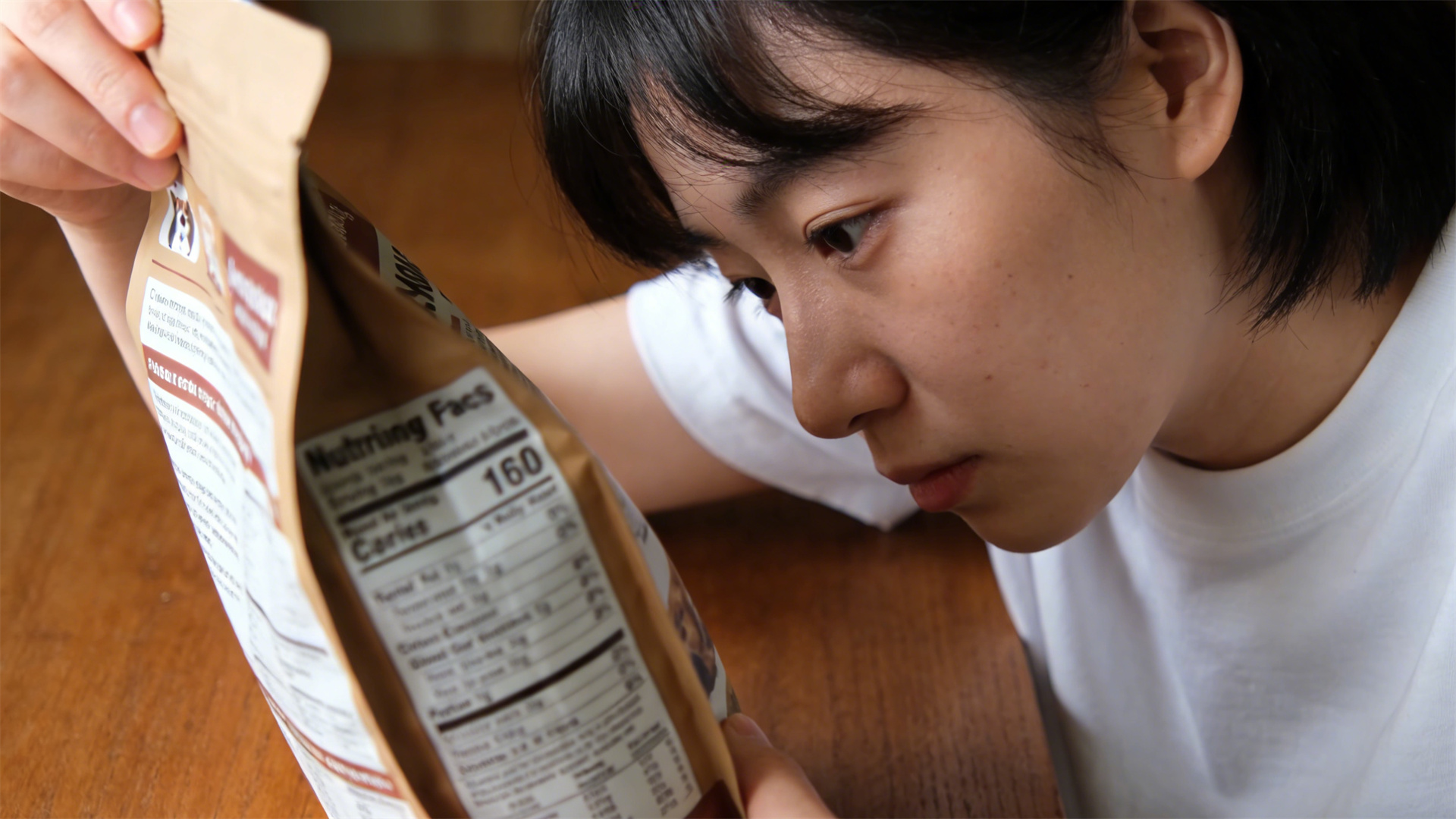
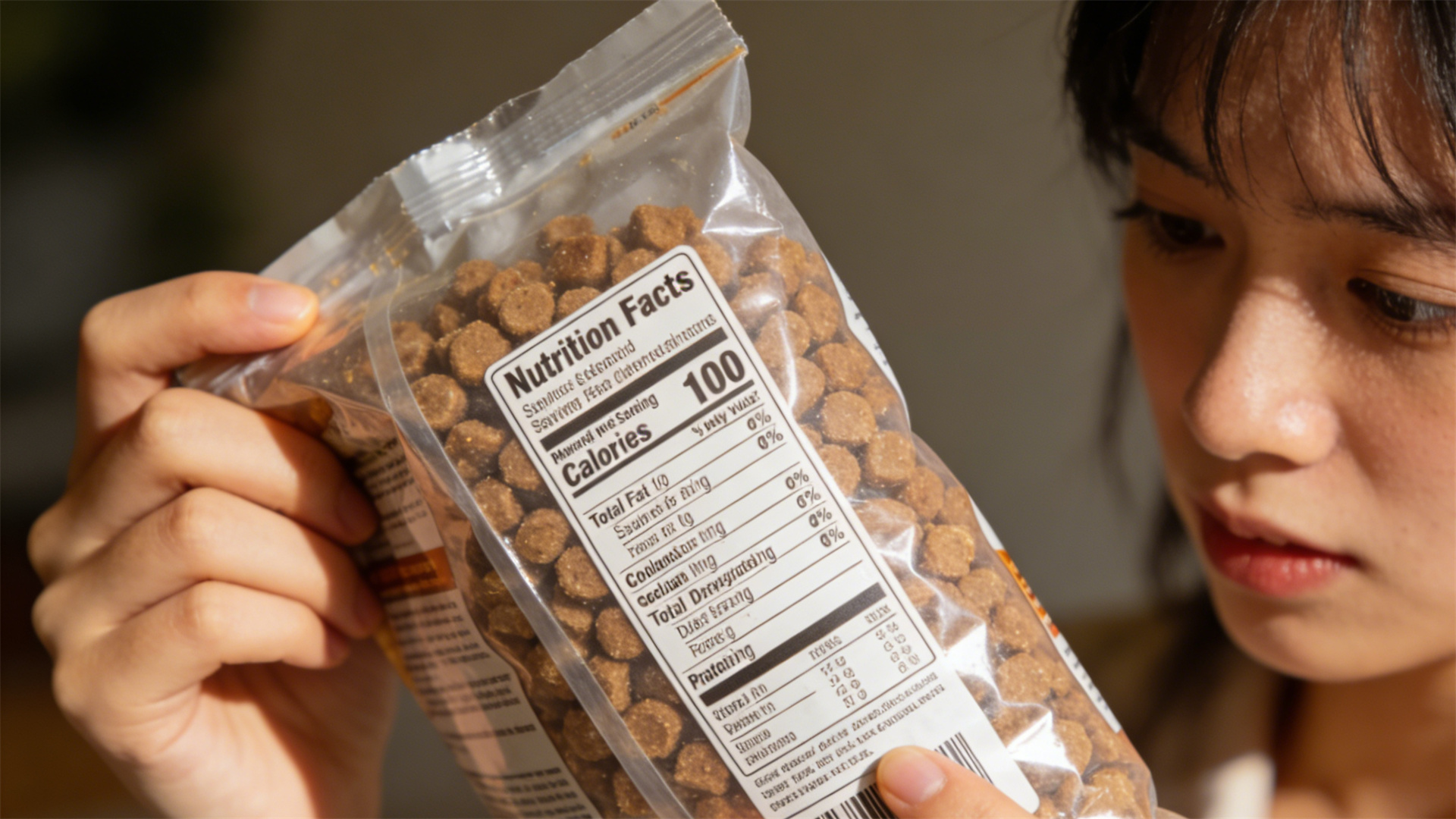
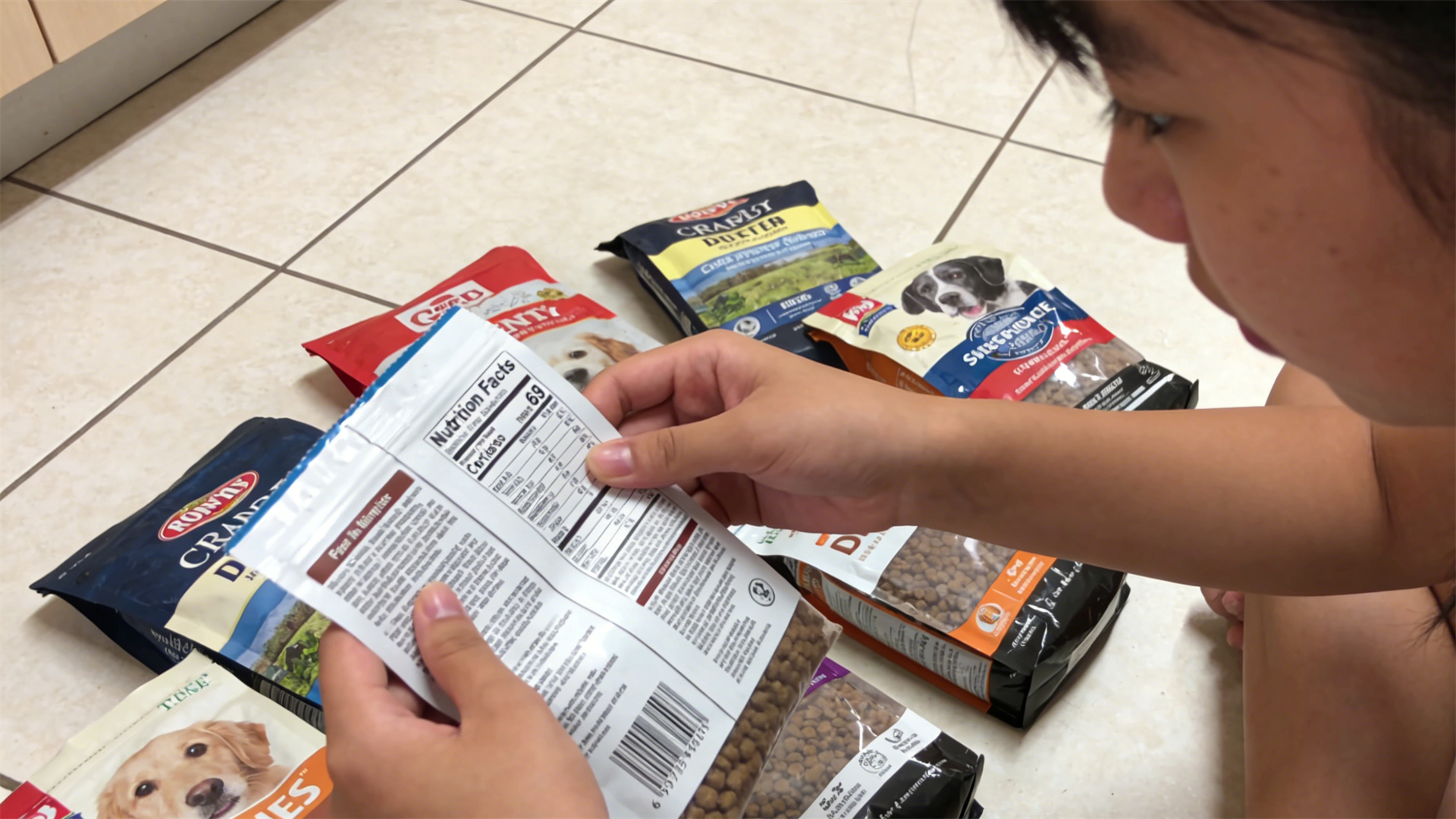
How can you apply these canine nutrition guidelines 2026 now? Start by becoming a label detective. First, find the Guaranteed Analysis. To compare different foods, you must convert the "as-fed" percentages to a dry matter basis (especially important for comparing wet and dry food).
What to look for: A named animal protein as the first ingredient. Specific, high-quality fat sources (e.g., chicken fat, salmon oil). Recognizable, whole-food carbohydrate sources. Ask: Does the overall macronutrient profile align with my dog's life stage and lifestyle? This is the essence of practical dog feeding ratios.
🍎 Beyond the Ratio: The Holistic 2026 Plate
The Golden Ratio is the foundation, but the advanced canine diet planning of 2026 doesn't stop there. It encompasses:
• Hydration: Promoting moisture-rich diets for renal and overall health.
• Micronutrient Density: Ensuring vitamins, minerals, and phytonutrients from diverse sources.
• Fresh Food Inclusions: The pet food industry trends 2026 show a move toward incorporating fresh, gently cooked elements into the dietary regimen for enhanced palatability and nutrient integrity.
✨ Conclusion: Embracing the Future of Canine Wellness
The emerging 2026 canine nutrition standards and their Golden Ratio framework represent a transformative leap toward personalized, precision nutrition. By understanding the dynamic interplay of protein, fat, and carbohydrates, we can make profoundly informed choices that go beyond sustenance to actively promote longevity and vibrant health. This knowledge empowers you to be a proactive advocate for your dog's well-being.
Engagement Element: Does your dog's current food align with these future-focused ratios? What's one change you might consider after reading this?
Special Reminder & Call to Action: This article is an educational resource based on projected trends. The most critical step you can take is to discuss your individual dog's nutritional needs with your veterinarian or a board-certified veterinary nutritionist. Use this guide on the dog food formulation standards 2026 as a framework for that essential conversation, and together, you can build a dietary plan that ensures your companion thrives today and in the future.