If you're a dog parent, you've likely seen those rusty-red streaks under your furry friend's eyes. Tear stains are a common Grooming concern, but they can also be a window into your dog's health. While countless wipes and potions promise miracles, the cornerstone of effective management is a simple, vet-approved canine eye wash and a proper technique. This comprehensive guide will empower you with the knowledge and step-by-step process for safe, effective at home dog eye care, turning a potentially stressful task into a bonding ritual that promotes comfort and ocular health.
🐶 Understanding Tear Stains: More Than Just a Grooming Issue
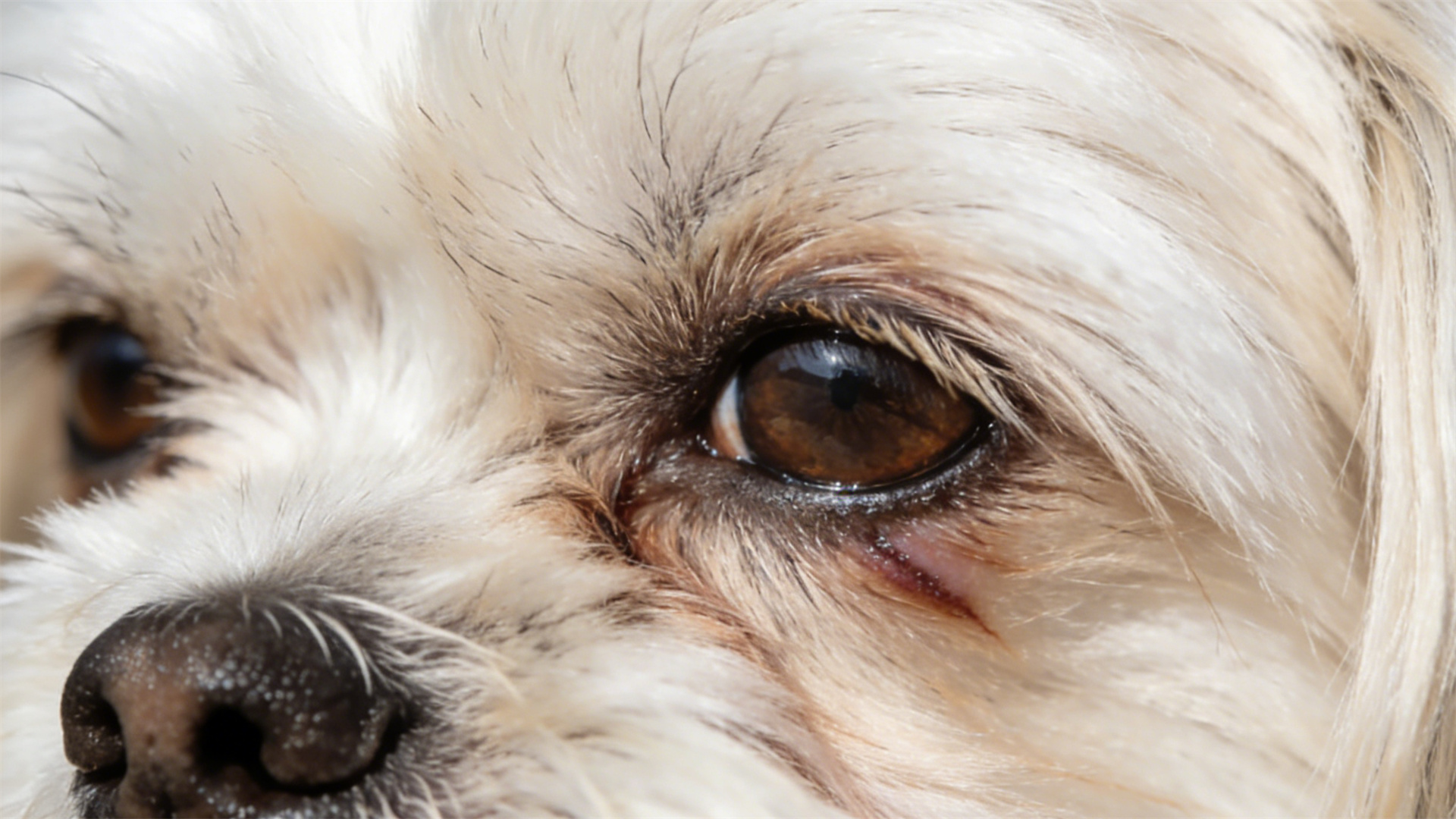
Before diving into cleaning, it's crucial to understand what you're dealing with. Those reddish-brown streaks, most noticeable on white or light-colored fur, are not dirt. They are tear stains caused primarily by porphyrins.
What Are Porphyrins?
Porphyrins are iron-containing molecules naturally excreted in bodily fluids like tears, saliva, and urine. When tears overflow from the eye (epiphora), the water evaporates, leaving these pigmented molecules behind to oxidize and stain the fur. The moisture also creates a perfect environment for yeast and bacteria, which can worsen the discoloration and odor.
Why Does My Dog Have Excessive Tearing?
Persistent tearing has multiple potential causes. Identifying the root is key for long-term management:
- Anatomy: Breeds with short noses (brachycephalic) like Shih Tzus, Pugs, and Bulldogs, or those with prominent eyes, often have shallow eye sockets or hair that grows into the eye, physically irritating it.
- Blocked Tear Ducts: Just like humans, a dog's tear ducts can become blocked, preventing normal drainage into the nose.
- Eye Irritation: Foreign bodies (dust, hair), entropion (inward-rolling eyelids), or distichiasis (extra eyelashes) can cause constant irritation.
- Allergies: Environmental or food allergies are a very common culprit, leading to inflammation and increased tear production.
- Diet & Water: High mineral content in water (iron) or certain ingredients in food can influence porphyrin levels. Some studies suggest a link between synthetic additives and increased staining.
- Infection: Conjunctivitis (pink eye) or other infections cause discharge and tearing.
Regular, gentle cleaning with a proper dog tear stain removal wash is the first and most important line of defense, often addressing mild cases caused by simple overflow.
🧰 Preparation is Key: Setting the Stage for Success
Rushing into eye cleaning can make your dog anxious and the process ineffective. Thoughtful preparation ensures safety and builds positive associations.
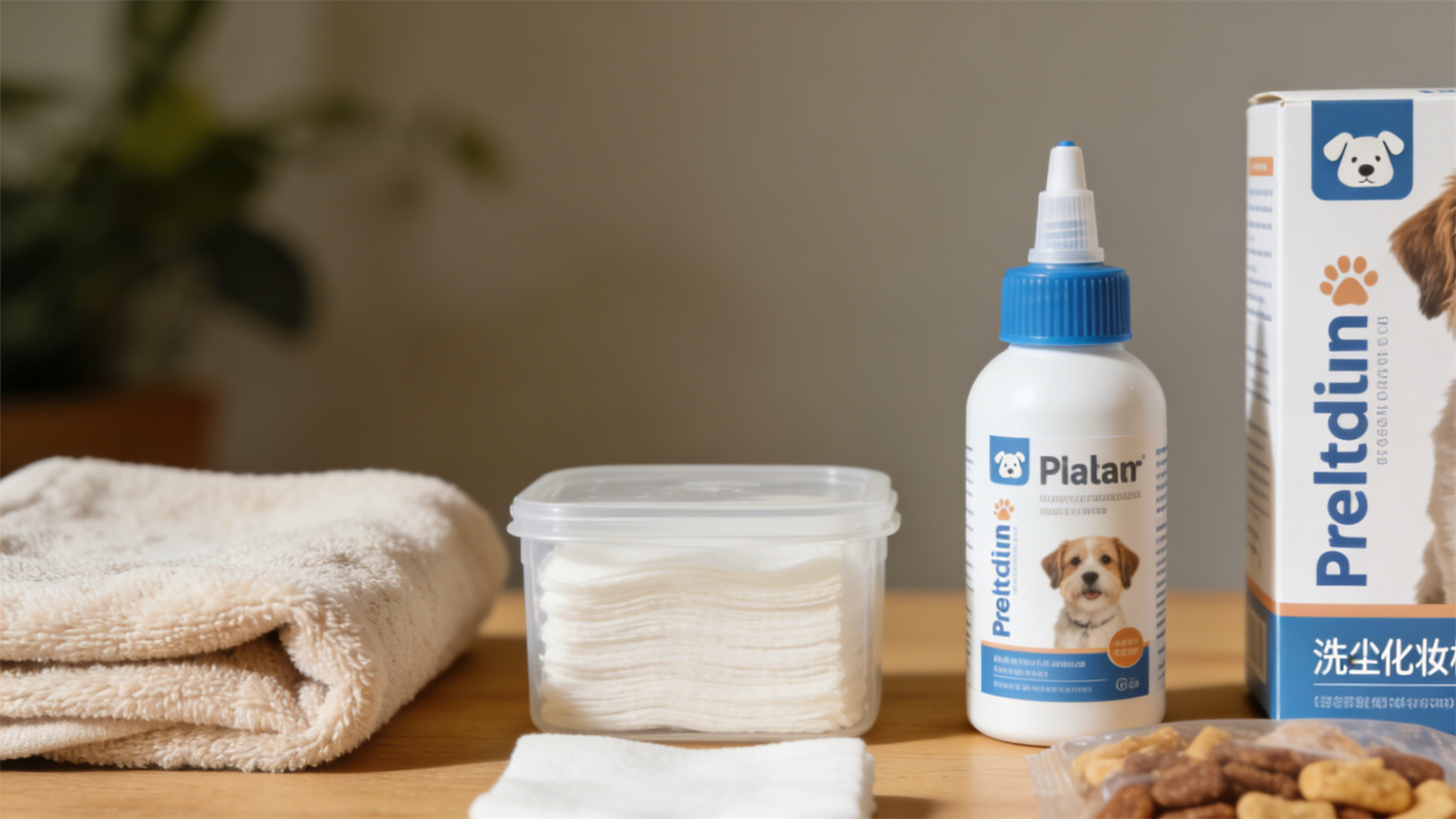
Gather Your Supplies
- Vet-Approved Canine Eye Wash: This is non-negotiable. Use only solutions made for dogs, like sterile saline or specially formulated tear stain remedy washes. Special Reminder: Never use human contact lens solution, hydrogen peroxide, makeup removers, or homemade salt water. These can disrupt the eye's pH, introduce harmful chemicals, or cause severe irritation.
- Soft Cleaning Materials: Opt for lint-free cotton pads, gauze squares, or soft microfiber cloths. Avoid cotton balls, as loose fibers can stray into the eye.
- Dry Towel or Pads: For gentle blotting after the wash.
- High-Value Treats: Small, delicious rewards are essential for positive reinforcement.
- Well-Lit, Comfortable Space: Choose a quiet area where your dog feels secure, like a grooming table or a non-slip floor mat.
Mental Preparation for You and Your Dog
Your energy sets the tone. Stay calm and confident. If this is a new experience, spend a few days simply touching your dog's face and offering treats near the eyes before introducing any products. For wiggly or anxious dogs, enlisting a second person to offer treats and provide gentle restraint is a game-changer.
👁️ The Step-by-Step Cleaning Procedure: A Gentle Technique
Follow these steps precisely for safe and effective proper eye wash technique. Consistency is more important than frequency; daily cleaning may be needed for some breeds, while others may only require weekly maintenance.
Step 1: Sanitize Your Hands
Always wash your hands thoroughly with soap and water before beginning. This prevents transferring bacteria to your dog's sensitive eye area.
Step 2: Position Your Dog Comfortably
Have your dog sit or lie down in a stable position. If you have a helper, they can stand opposite you, offering treats and gently holding your dog's body still. Speak in a soothing, cheerful voice throughout.
Step 3: Prepare the Cleaning Pad
Shake the canine eye wash bottle well. Soak a clean cotton pad until it is damp but not dripping. Critical Tip: Never let the tip of the bottle touch your dog's eye, fur, or the used pad. This contaminates the entire solution.
Step 4: Secure the Head Gently
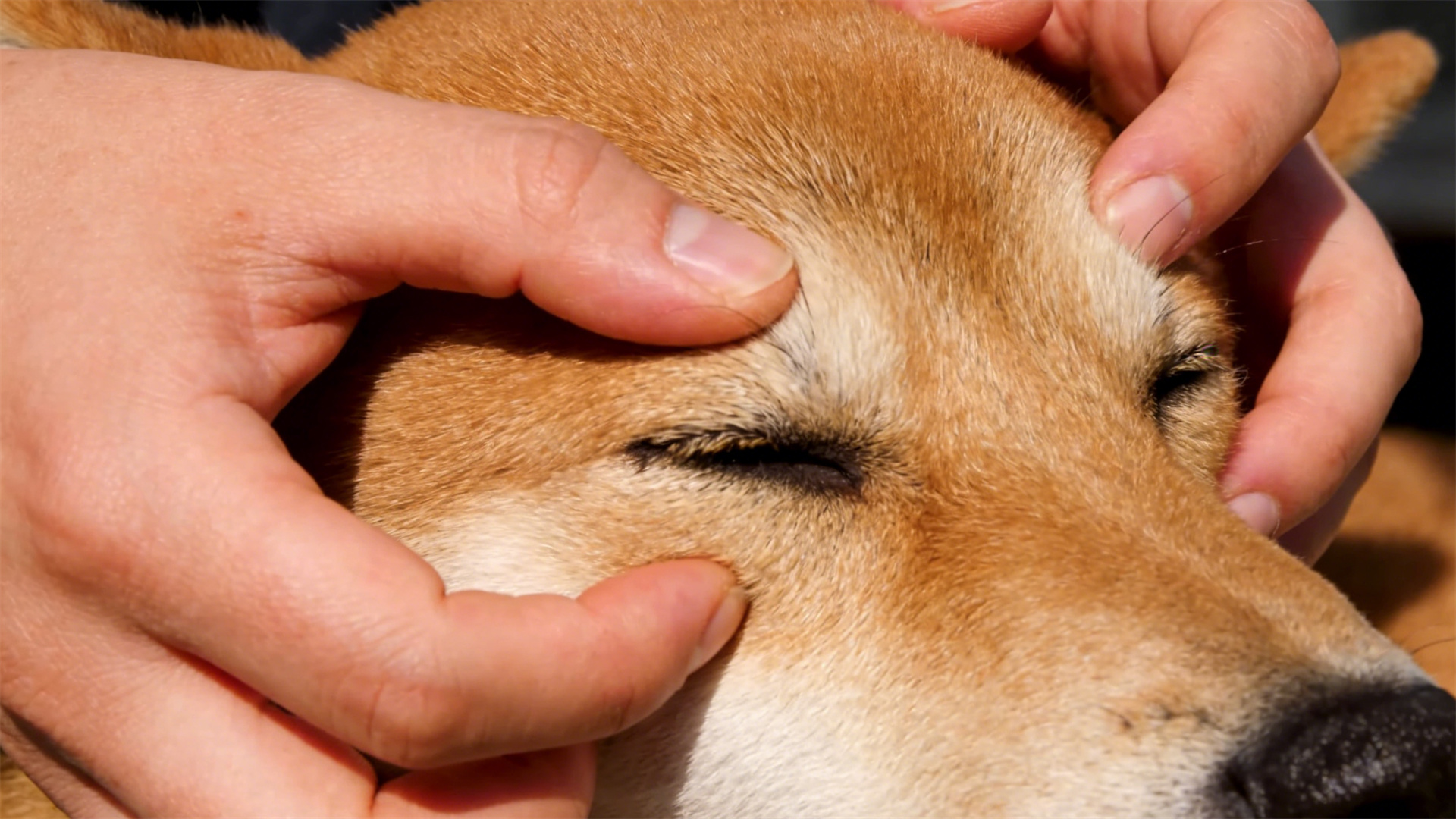
With your non-dominant hand, gently cradle your dog's head from under the jaw. Use your thumb or fingers to lightly lift the chin, providing mild, steady control. Avoid putting pressure on the throat or restraining too tightly.
Step 5: Wipe from the Inner Corner Outward
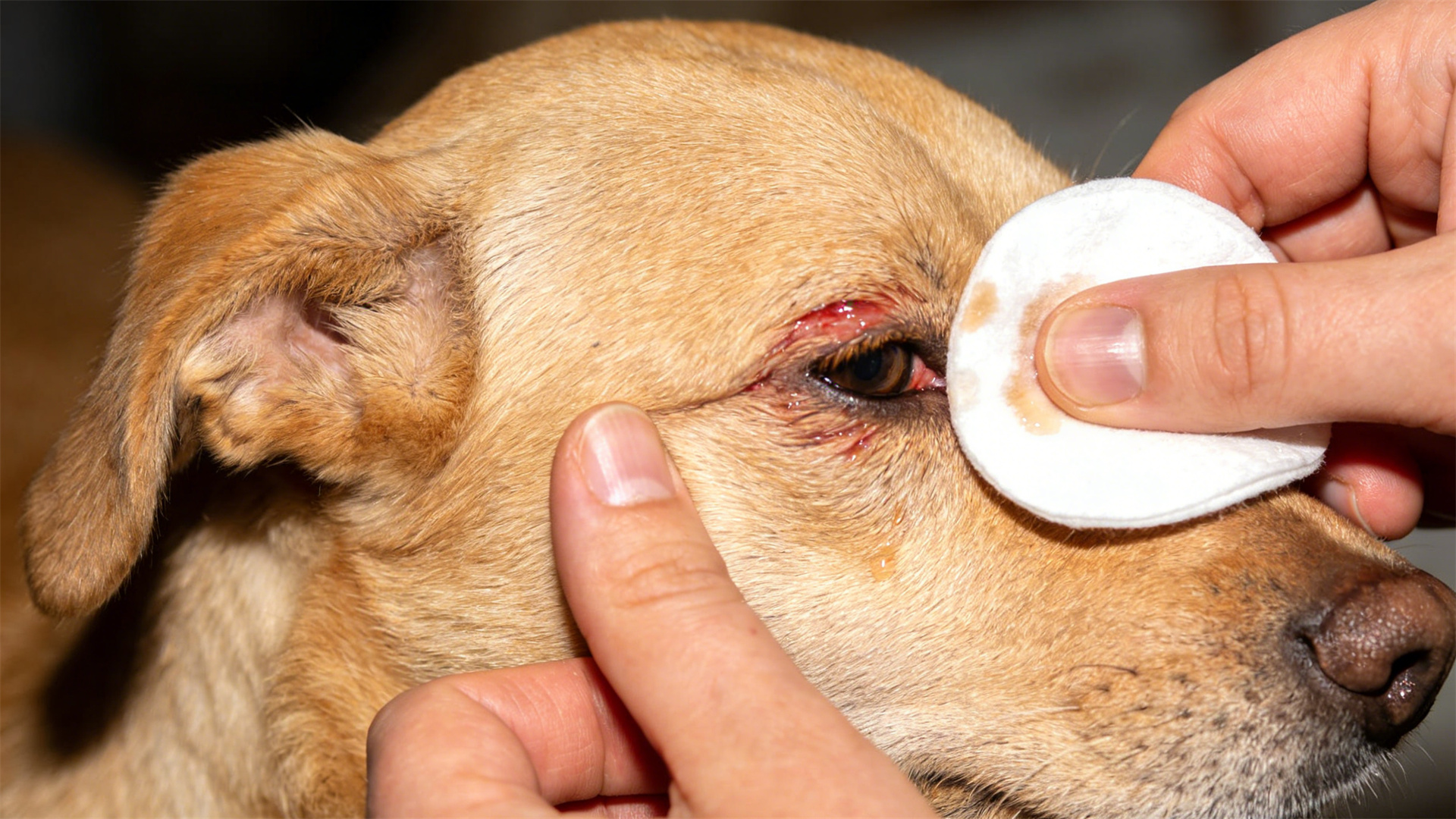
This is the golden rule of dog eye hygiene. With the damp pad in your dominant hand, wipe once—softly and slowly—from the inner corner of the eye (near the nose) outward toward the ear. Follow the natural contour of the eye. Use a fresh section of the pad or a brand-new pad for each wipe. Never wipe back toward the inner corner, as this can drag debris and bacteria into the tear duct.
Step 6: Gentle Flushing (Optional but Effective)
For a deeper clean or to flush out mild irritants, you can apply the eye wash directly. Holding the bottle about half an inch to an inch above the eye, squeeze one or two drops onto the eyeball's surface. Let your dog blink naturally to distribute the solution. It's normal for them to shake their head afterward.
Step 7: Dry the Surrounding Fur
Take a separate, dry cotton pad and gently blot (don't rub) the damp fur under and around the eye. Removing excess moisture helps prevent the warm, wet environment that yeast and bacteria love.
Step 8: Immediate Reward!
The instant you finish, shower your dog with praise and give a high-value treat. This positive reinforcement ensures they associate eye cleaning with good things, making future sessions easier.
⚠️ Aftercare and Important Warnings: Reading the Signs
Post-cleaning observation is part of responsible at home tear stain solution care. Some mild blinking or a few extra tears are normal as the eye clears.
When to Stop and Call the Vet
Discontinue use and contact your veterinarian immediately if you notice any of the following after cleaning:
- Increased Redness or Swelling: The whites of the eye (sclera) or eyelids look more red or puffy.
- Signs of Pain: Squinting, pawing at the eye, or excessive blinking.
- Abnormal Discharge: Yellow, green, or thick mucus-like discharge indicates a likely infection.
- Cloudiness or Change in Eye Appearance: This could signal a corneal ulcer or other serious condition.
Remember: At-home eye washing is for maintenance and mild stain removal. It is not a treatment for medical conditions. For severe, persistent, or suddenly appearing tear stains, a veterinary exam is essential to rule out infections, glaucoma, or anatomical issues requiring medical or surgical intervention.
🔮 Preventing Future Tear Stains: A Holistic Approach
While cleaning manages the symptom, prevention addresses the cause. A multi-faceted strategy yields the best results.
1. Veterinary Consultation
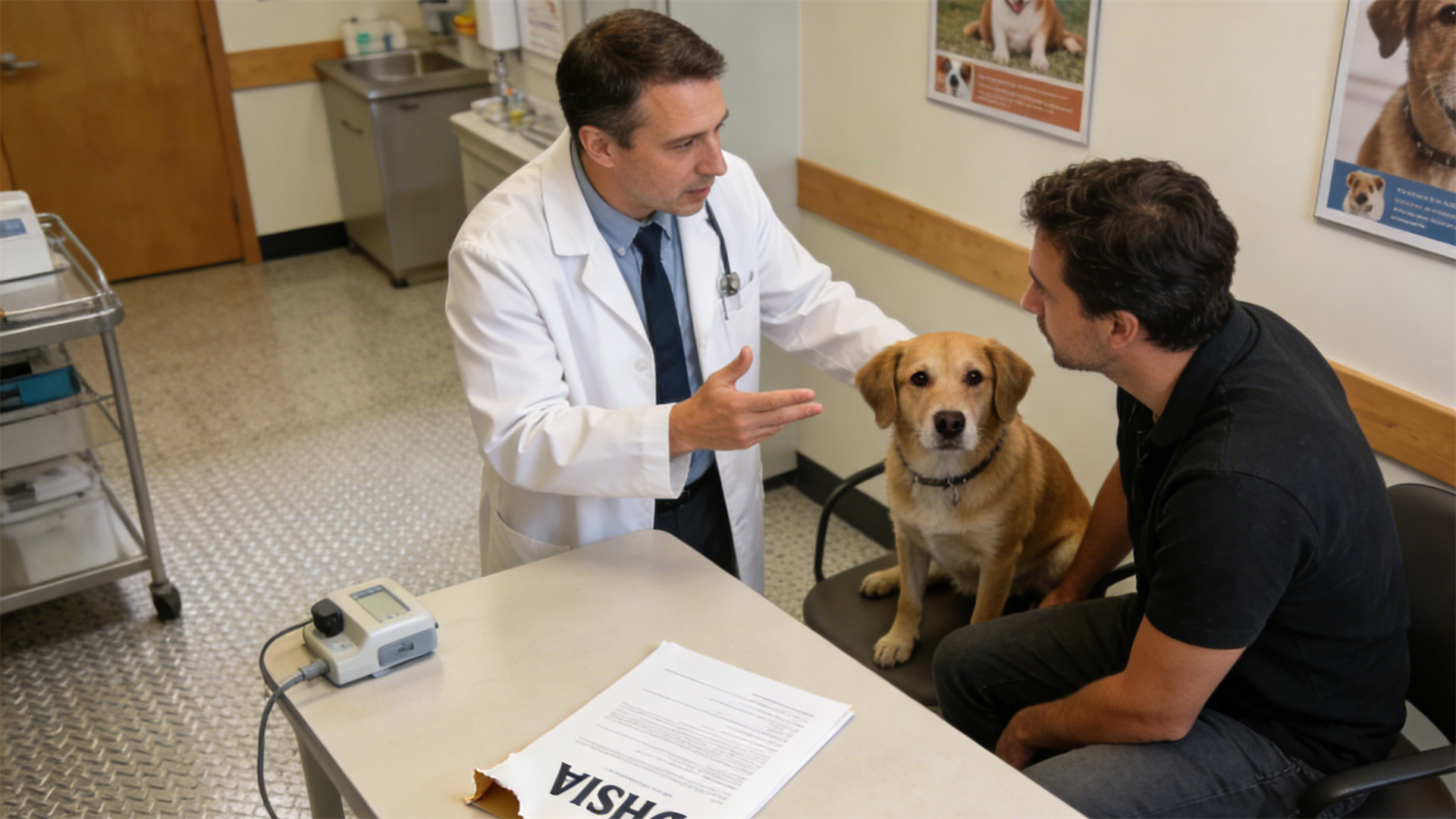
Schedule a check-up to rule out medical causes like allergies, infections, or dental issues (pain can cause increased tearing). Your vet can recommend specific diagnostic tests or treatments.
2. Grooming and Hygiene
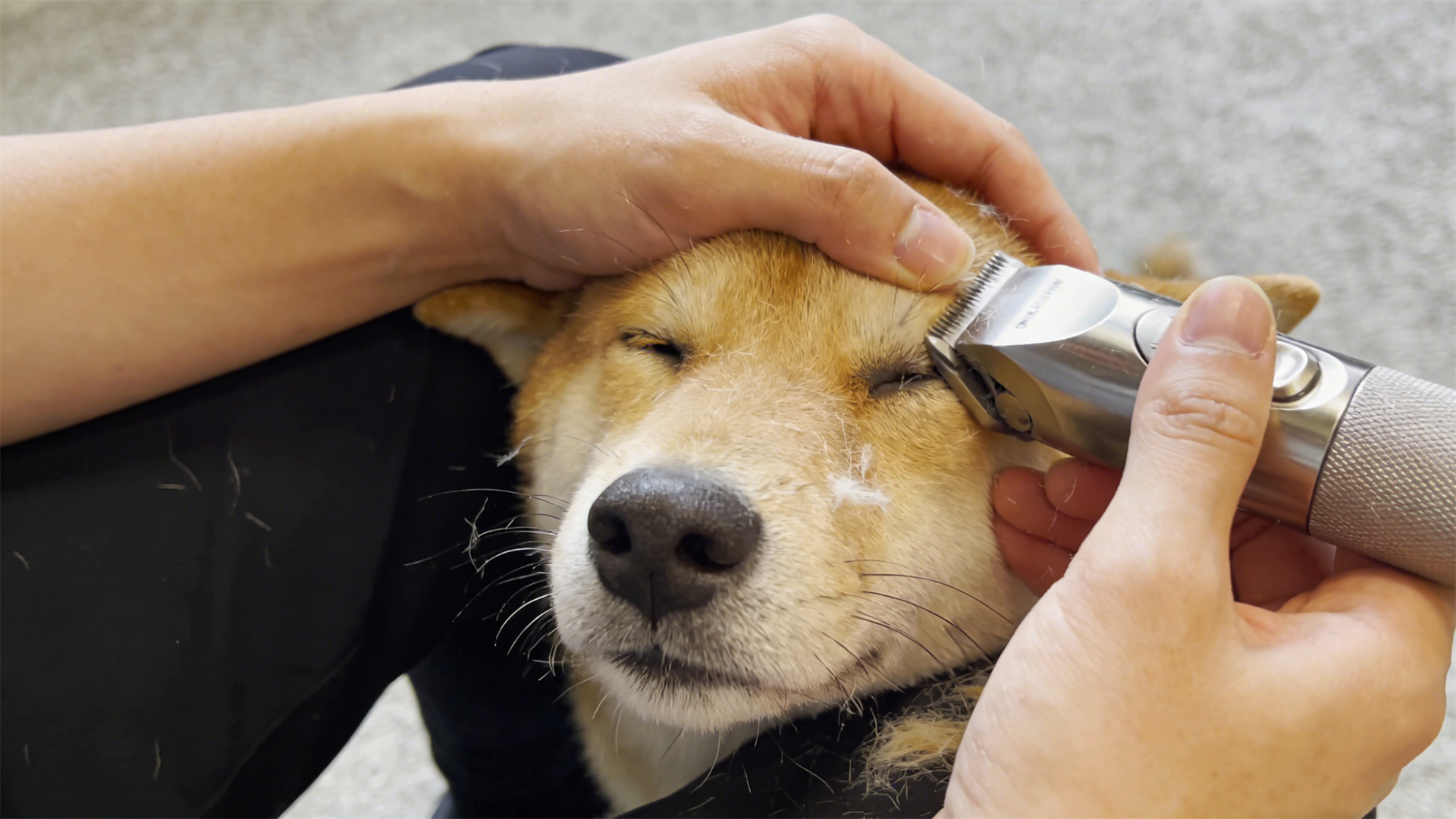
- Regular Trimming: Keep the hair around the eyes meticulously trimmed short. Consider having a groomer do this to avoid accidents.
- Bowl Hygiene: Switch to stainless steel or ceramic bowls and wash them daily with hot, soapy water. Plastic bowls can harbor bacteria that migrate to the face.
3. Dietary and Environmental Considerations
- Filtered Water: Providing filtered or distilled water can reduce the intake of iron and minerals that contribute to porphyrin staining.
- High-Quality Diet: Feed a balanced, high-quality diet free from unnecessary fillers, artificial colors, and additives. Some dogs benefit from a diet formulated for sensitive skin or allergies. Probiotics may also support gut and immune health, potentially reducing allergic tearing.
- Allergy Management: If allergies are suspected, work with your vet on an elimination diet or appropriate medications (like antihistamines or immunotherapy).
💖 Conclusion: Clear Eyes, Happy Dog
Mastering how to use eye wash for dogs is a simple yet profoundly impactful skill in your pet care toolkit. By understanding the causes of tear stains, preparing properly, and executing a gentle, consistent cleaning routine, you do more than just improve your dog's appearance—you actively safeguard their ocular comfort and health. This routine, built on patience and positive reinforcement, strengthens your bond. Always let your dog's comfort guide you, and partner with your veterinarian for any concerns beyond basic maintenance. Here's to many more days of seeing the world through your dog's bright, clear, and happy eyes!