You come home to your two dogs, and instead of a joyful, wiggling greeting, you're met with a subtle tension. One dog is on the couch, stiffening as the other walks by. The younger dog quickly grabs a toy and scurries to another room when the older one glances over. There's no growling, no fights—just a quiet, palpable strain in the air. This is the often-overlooked reality of resource competition in a multi-dog household, and it extends far beyond squabbles over food bowls. Resources include prime sleeping spots, your attention, doorways, and even a clear path to walk through a room. When dogs live in a state of low-grade, perpetual negotiation for these assets, it leads to long-term social stress, a serious health and welfare issue that can manifest in behavioral and physical decline. The good news? This guide provides actionable, evidence-based strategies to transform your home into a more peaceful, predictable, and low-stress environment for every canine member of your family.

🐕🦺 Section One: Recognizing the Signs of Chronic Stress
It's crucial to distinguish between an acute, one-time conflict and the erosive drip of chronic stress. The former is a obvious event; the latter is a silent background condition. Recognizing the subtle signs is the first step toward intervention.
Subtle Behavioral & Body Language Indicators
Dogs communicate discomfort long before a snap occurs. Watch for:
"Whale eye" (showing the whites of the eyes), frequent lip licks (when not hungry), and tense, stiff body postures.
Avoidance behaviors, such as one dog consistently choosing to sleep in a separate room or leaving when another enters.
Hyper-vigilance: A dog that can't seem to relax, constantly tracking the movements of the other(s) even during rest.
Behavioral and Physical Manifestations
Chronic stress wears down both mind and body. Key signs include:
Decreased or altered play: Play becomes choppy, one-sided, or stops altogether.
Changes in appetite or unexplained weight loss.
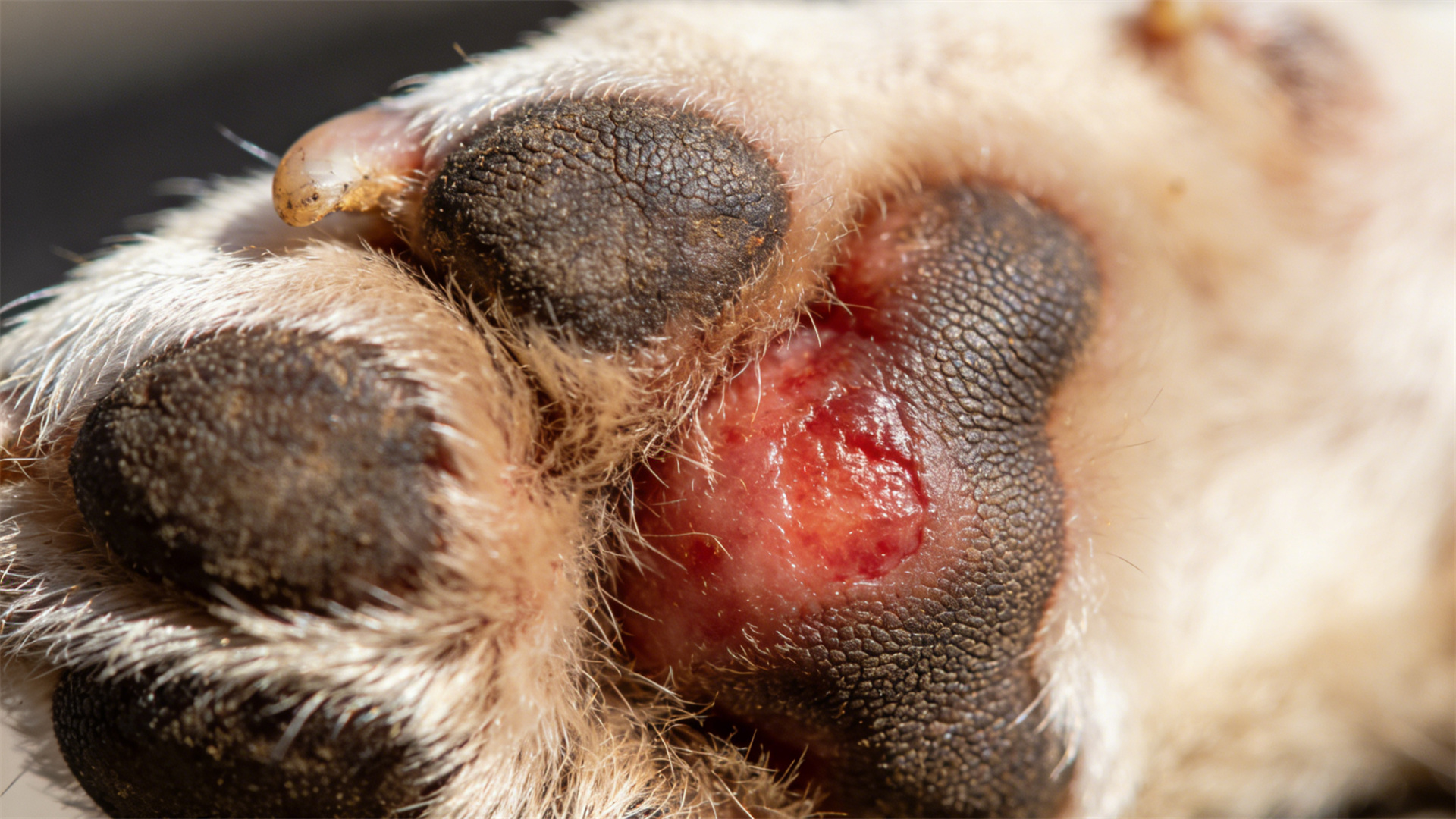
Over-grooming, leading to bald spots or hot spots.
A weakened immune system, resulting in recurrent skin or ear infections, or digestive issues.
These are not just "personality quirks"; they are red flags signaling that your dogs' social stress needs management.
🏡 Section Two: Foundational Strategies for Harmony (The Non-Negotiables)
Creating a low-competition environment starts with these essential, non-negotiable practices. They build a framework of predictability and security.
Consistent Routine & Predictability
Uncertainty breeds anxiety. Establish and maintain consistent times for feeding, walks, and quiet time. Predictability tells each dog, "Your turn will come," reducing the need to jockey for position.
Supervised, Separate Feeding Zones
Never feed dogs in close proximity. This is the cornerstone of preventing resource guarding. Use separate rooms, crates, or gated areas. Pick up bowls after meals to remove any objects of contention.
Individualized Attention & One-on-One Time
Counteract competition for your affection by scheduling dedicated time with each dog alone. This could be a solo walk, a short training session, or quiet cuddles. It reinforces your individual bond and provides a mental break from the group dynamic.
Multiple, Separated Resource Stations
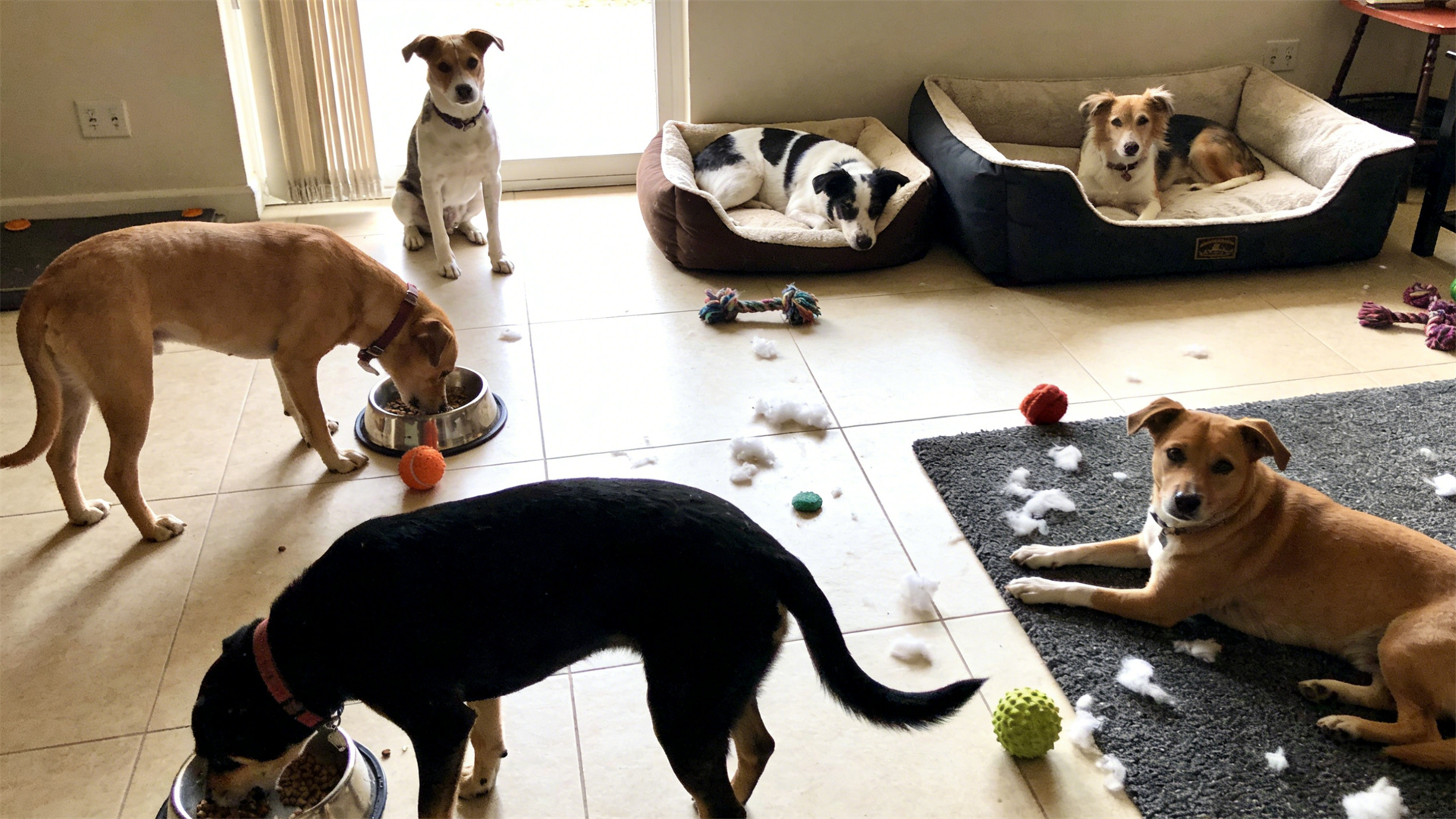
A single water bowl or coveted bed is a competition trigger. Implement the "Rule of N+1": provide one more of every resource than you have dogs. Place water bowls in multiple, low-traffic locations. Offer several beds and resting areas in different rooms. This is a fundamental strategy for managing multi-dog home tension.
🎓 Section Three: Advanced Management and Training Techniques
With the foundations in place, these proactive techniques further promote calm and teach dogs how to coexist peacefully.
Structured Separate Spaces: Crates & Place Command
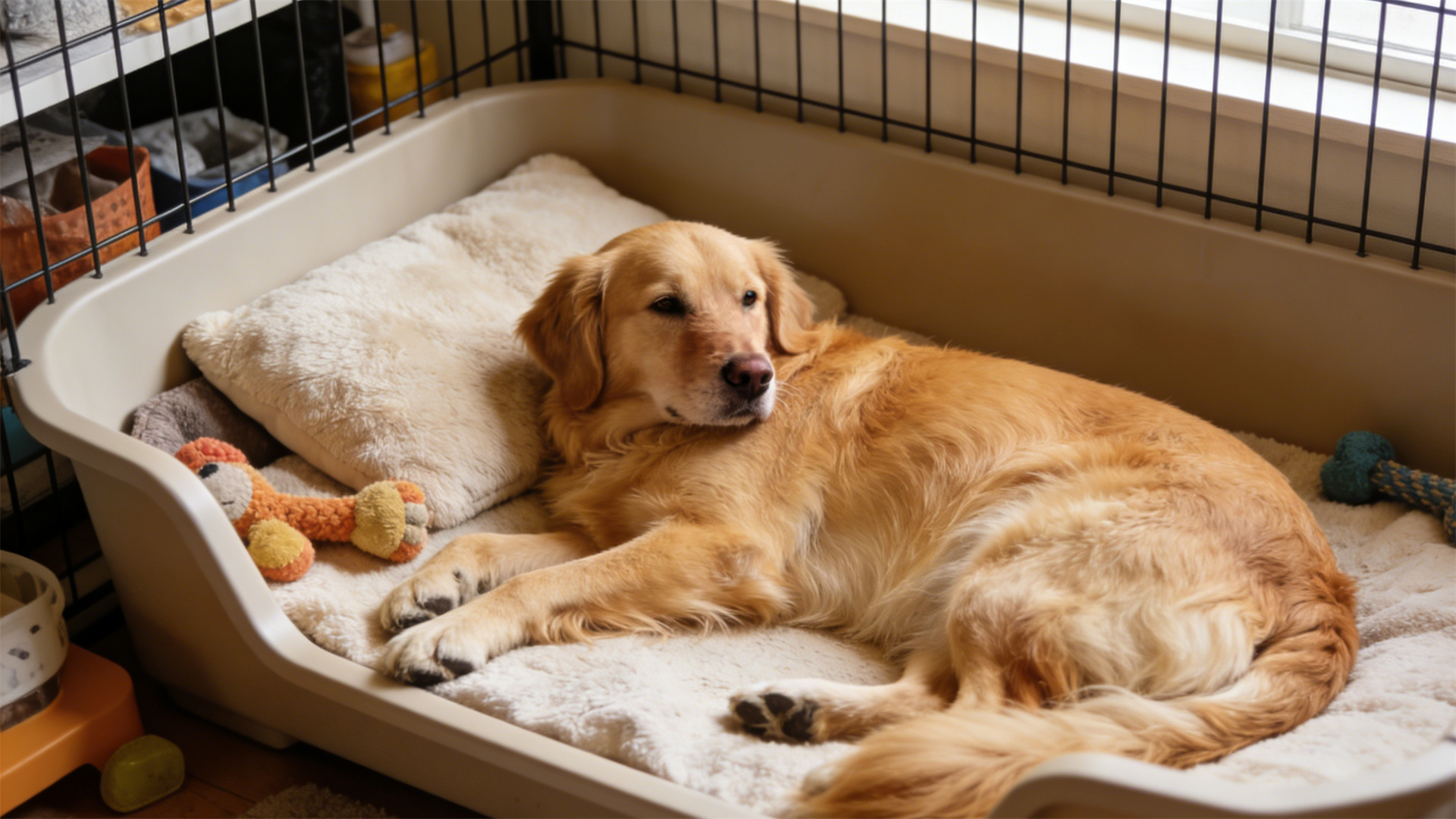
Crates and "place" mats (like a raised cot) are not punishments; they are safe, personal retreats. Train each dog to relax in their own designated space. This allows you to give one dog undivided attention or a chew toy without the other hovering.
The Practice of Dog Rotations
Formalize breaks. One dog enjoys free time in the living room with you while the other relaxes in a bedroom with a chew, then swap. This prevents constant togetherness, which can be a source of long-term anxiety in dogs.
Implementing "Nothing in Life is Free" (NILIF)
This protocol reinforces calm, polite behavior. Ask each dog to perform a simple command (like "sit" or "down") before receiving anything they value: meals, treats, leash attachment, petting. It promotes impulse control and clarifies that all good things come from you, not from stealing from each other.
Environmental Management with Gates & Clear Passageways
Use baby gates to create separate zones and manage interactions, especially when you cannot supervise. Ensure doorways and narrow hallways are kept clear to prevent confrontations over passageways.
⚡ Section Four: Addressing Specific Competition Triggers
Target these common flashpoints with tailored strategies to defuse tension before it escalates.
Entry & Exit Protocols
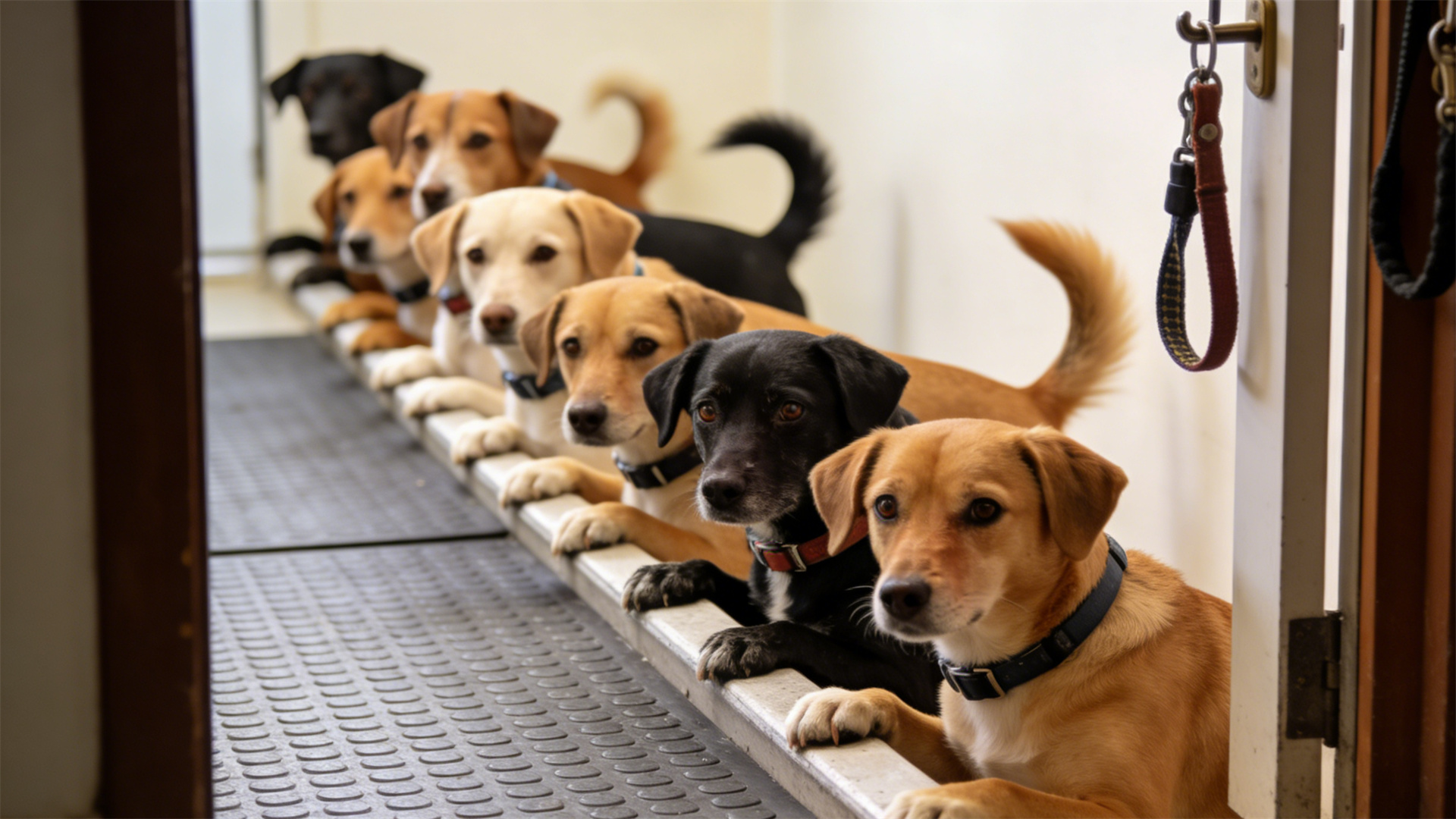
The frenzy of walks and homecomings is a major trigger. Train dogs to wait calmly behind a gate or on their "place" mats before leashing up or being released to greet. This prevents rushing, tangling, and conflict over who goes first—a key tactic for creating harmony with multiple dogs.
Managing High-Value Items
Bones, stuffed Kongs, and special treats should always be given in separate, secured areas (crates, rooms). Never leave high-value items out in shared spaces. For affection, call dogs to you individually rather than letting them crowd and push for pets.
Shared Space Etiquette
For furniture access, establish a clear rule (e.g., "invitation only"). Teach a reliable "off" command. To prevent doorway standoffs, teach a "wait" or "back up" cue, creating space for calm movement.
External Triggers (e.g., Squirrels at the Window)
Shared arousal can turn into conflict. Manage this by blocking window access with film or blinds, or redirecting the dogs to separate, settled activities before their excitement peaks.
🆘 Section Five: When to Seek Professional Help
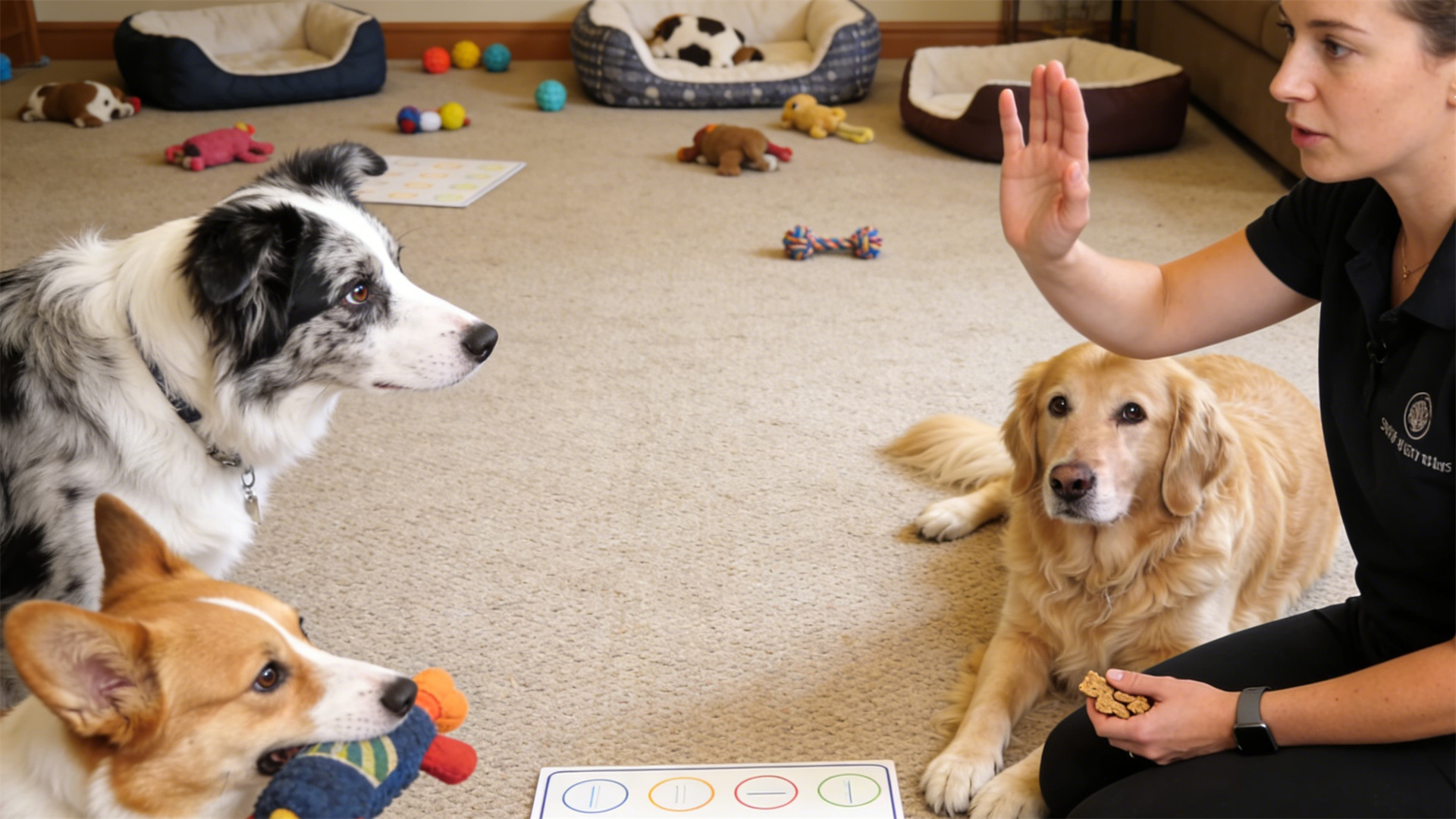
Despite your best efforts, some situations require expert intervention. Special Reminder: Do not wait until a serious injury occurs.
Clear Red Flags
Seek a certified force-free behavior consultant or a veterinary behaviorist if you observe:
Overt aggression or frequent fights that break skin.
Extreme anxiety, fearfulness, or dramatic weight loss in one dog.
No improvement after 4-6 weeks of consistent implementation of the above management strategies.
Professional guidance is invaluable for assessing complex dynamics and creating a customized behavior modification plan. You can find credible experts through organizations like the International Association of Animal Behavior Consultants or the American College of Veterinary Behaviorists.
Conclusion: Harmony is a Managed Journey
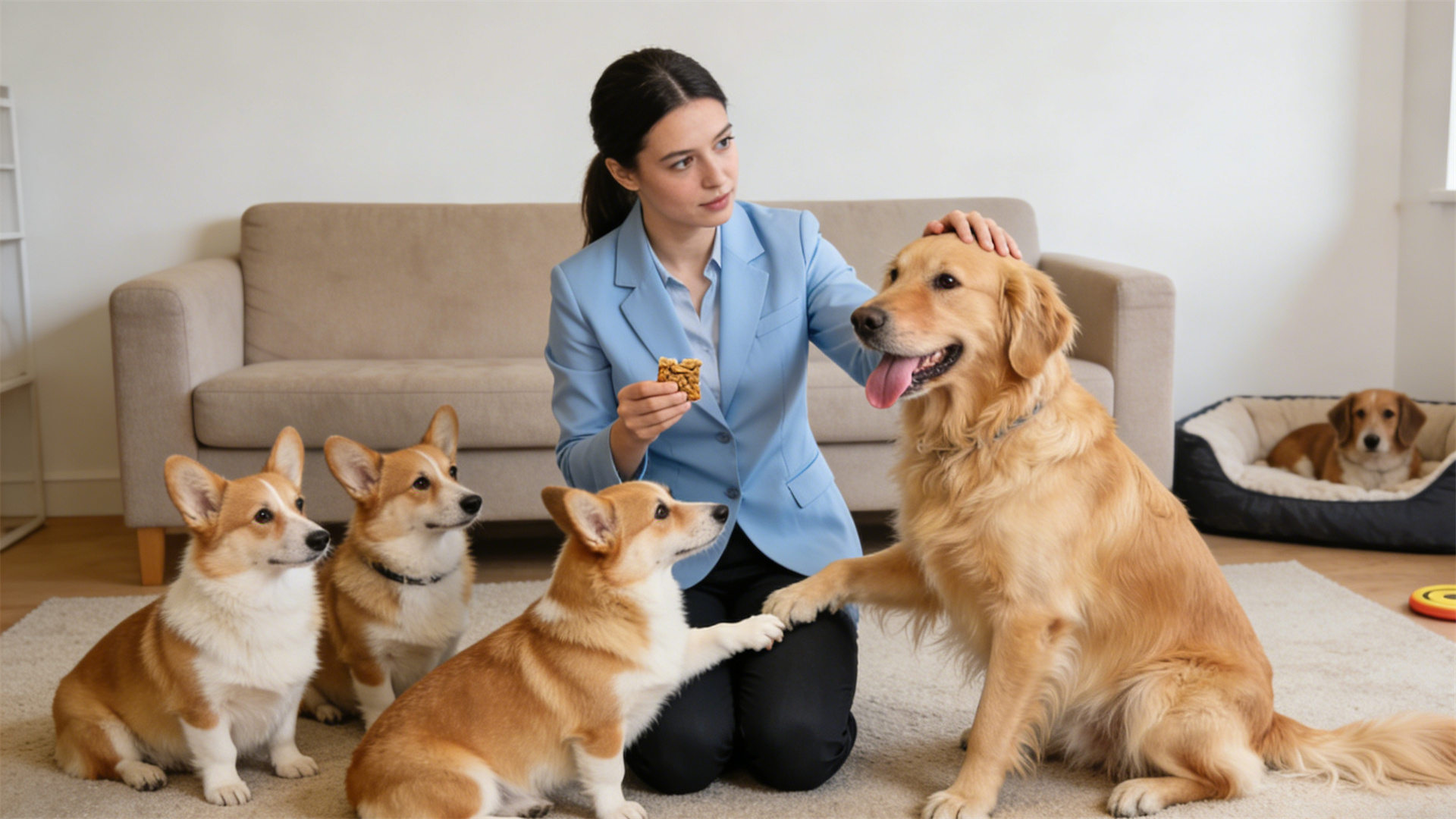
Achieving peace in a multi-dog household is not about reaching a perfect, conflict-free destination. It is an ongoing process of thoughtful management, keen observation, and patient adaptation. By understanding the pervasive nature of resource competition and proactively implementing these strategies, you directly combat the root causes of long-term social stress in dogs. The reward is a home where each dog feels secure, valued, and free to relax—a true vision of canine companionship. For more on understanding your dog's communication, see our internal guide on canine body language.