You notice the shredded couch cushion, the anxious whining as you grab your keys, the frantic greeting when you return—even from a quick grocery run. Most dog owners recognize these as classic signs of separation anxiety. But what many fail to see is the invisible, internal storm brewing beneath the surface. This isn't just a behavioral issue; it's a profound physiological crisis that systematically dismantles your dog's health from the inside out. The chronic stress of separation anxiety doesn't just hurt your dog's feelings; it inflicts measurable, long-term damage to your dog's immune system, opening the door to a host of serious illnesses. Understanding this link is the first, most critical step in protecting your loyal companion's long-term vitality.
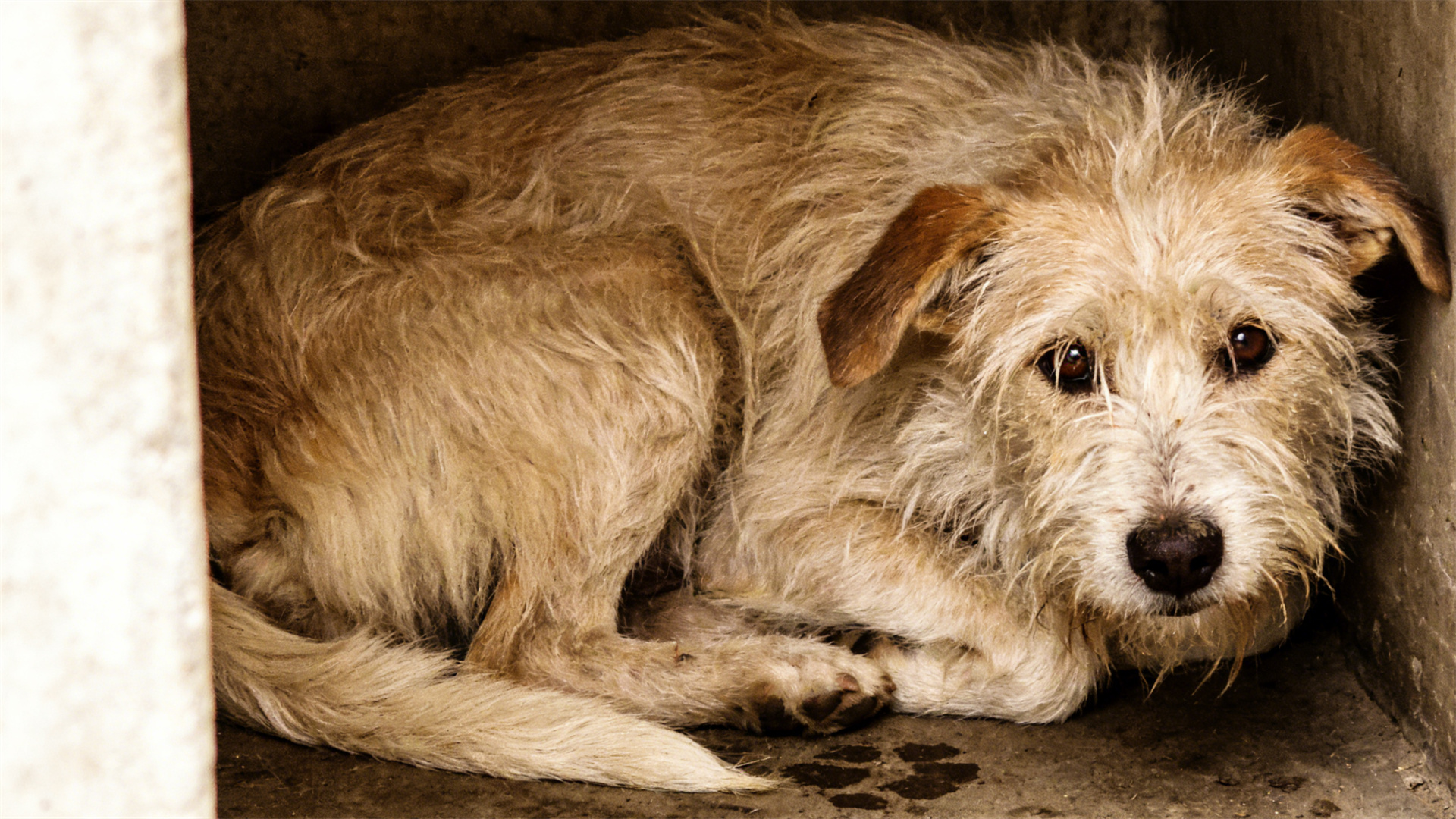
🔬 Decoding the Distress: Physiological Manifestations of Separation Anxiety in Dogs
When a dog with separation anxiety is left alone, its body doesn't just feel sad—it shifts into a primal survival mode, activating the hypothalamic-pituitary-adrenal (HPA) axis. This cascade of hormonal changes results in concrete, measurable physiological symptoms of dog anxiety that are far more than "bad behavior."
🏃♂️ The Immediate Stress Response: Fight, Flight, or Freeze
As you walk out the door, your dog's body is flooded with adrenaline and cortisol. Key physiological signs include:
- Elevated Heart Rate & Blood Pressure: The heart pumps furiously to prepare muscles for action, a state unsustainable for hours.
- Excessive Salivation & Panting: A sign of acute stress and overheating from heightened metabolic activity.
- Dilated Pupils: Maximizing light intake to enhance vigilance for perceived threats.
- Trembling or Shaking: Uncontrollable muscle activity driven by nervous system overload.
⏳ The Chronic Physical Toll: When Stress Becomes Embedded
If the anxiety is unresolved, these acute responses morph into chronic, damaging conditions:
- Digestive System Disruption: Stress hormones shunt blood away from the digestive tract, leading to nausea, diarrhea, or irritable bowel syndrome. "Stress colitis is a very common presentation in dogs with separation anxiety," notes Dr. Amy Learn, a veterinary behaviorist.
- Persistent Elevated Cortisol: This is the keystone hormone of stress. While essential in short bursts, chronically high levels become toxic.
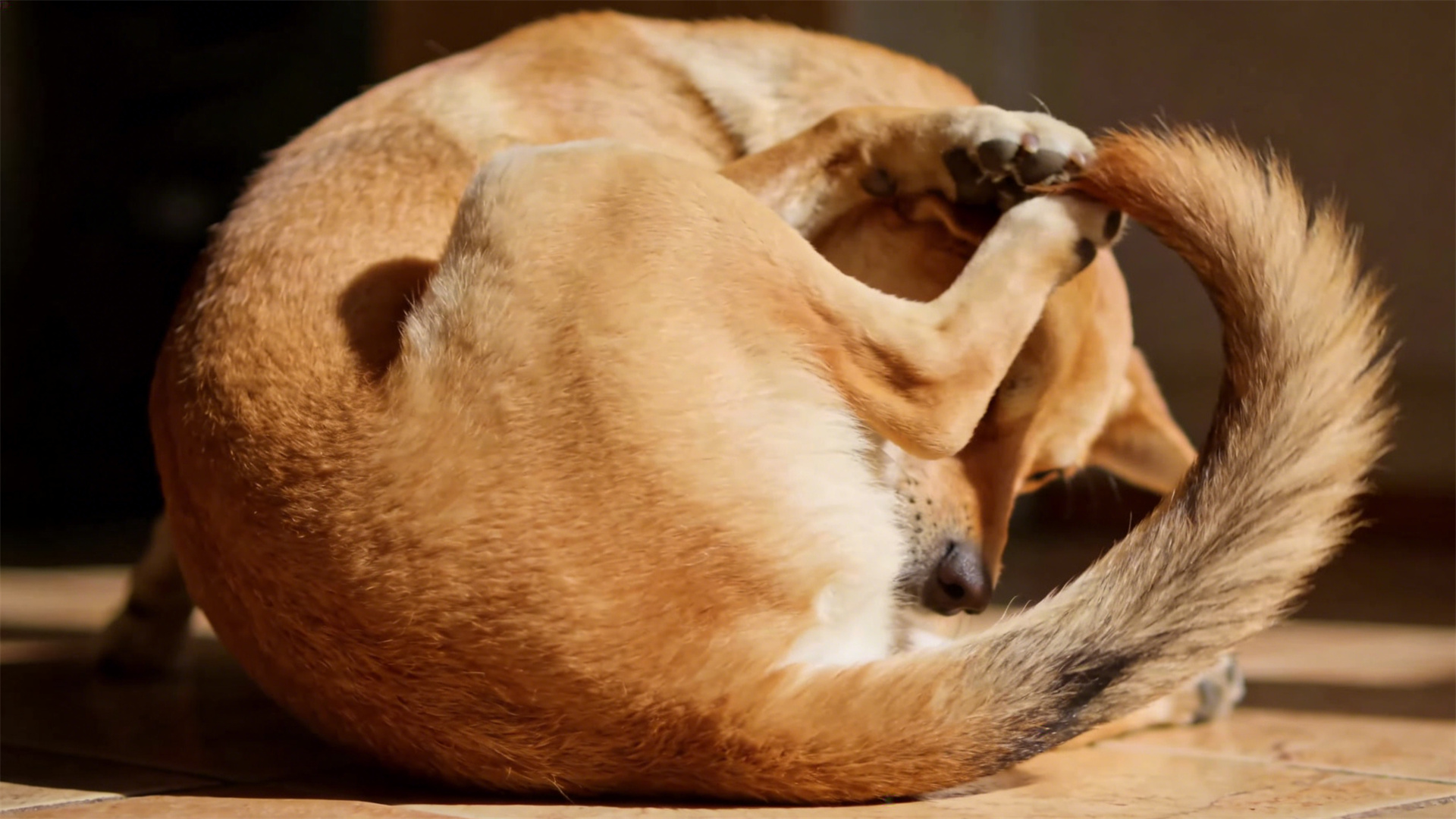
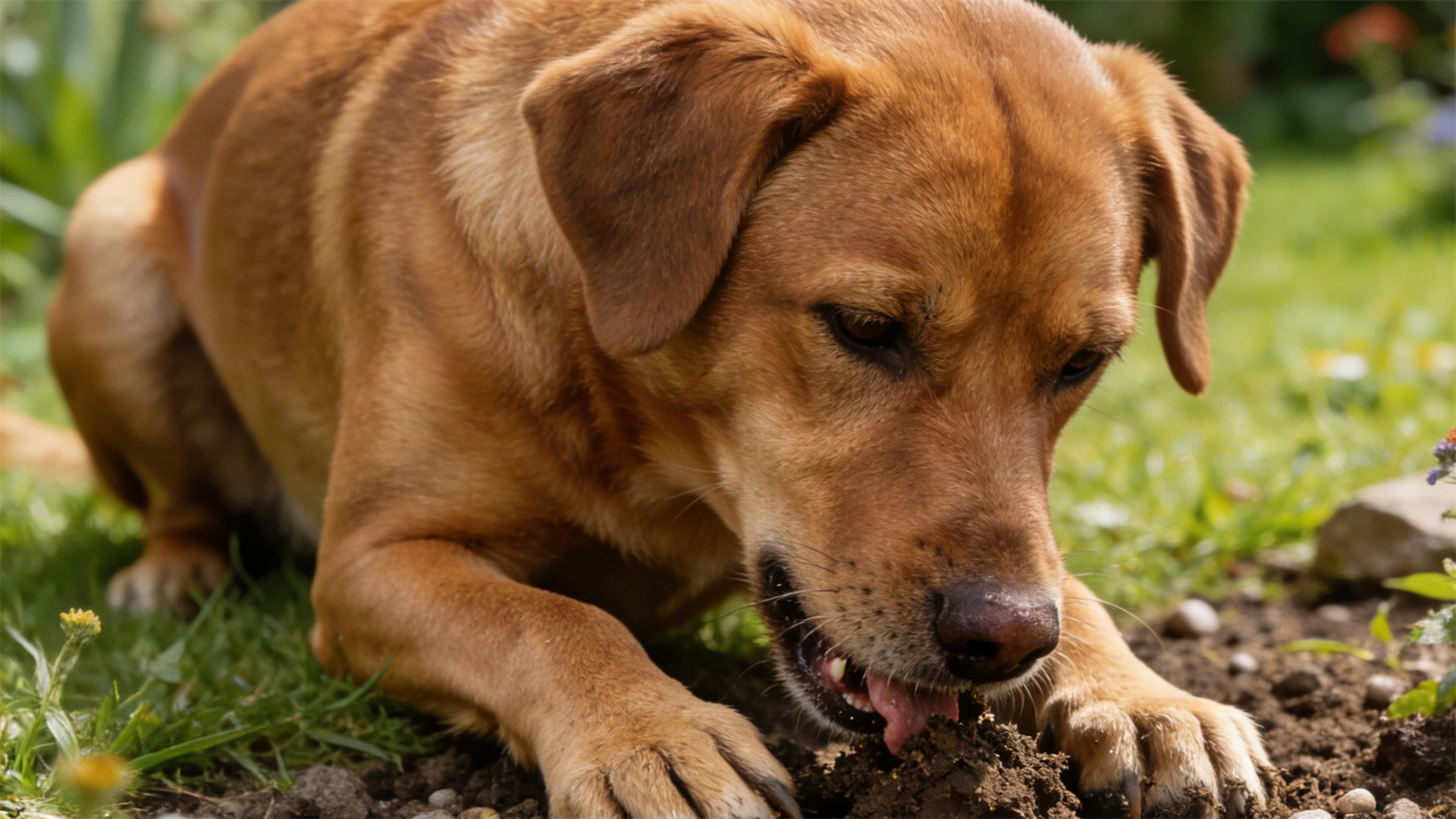
- Destructive Behavior as a Physical Outlet: Chewing, digging, and scratching are not acts of vengeance but maladaptive coping mechanisms to burn anxious energy and self-soothe.
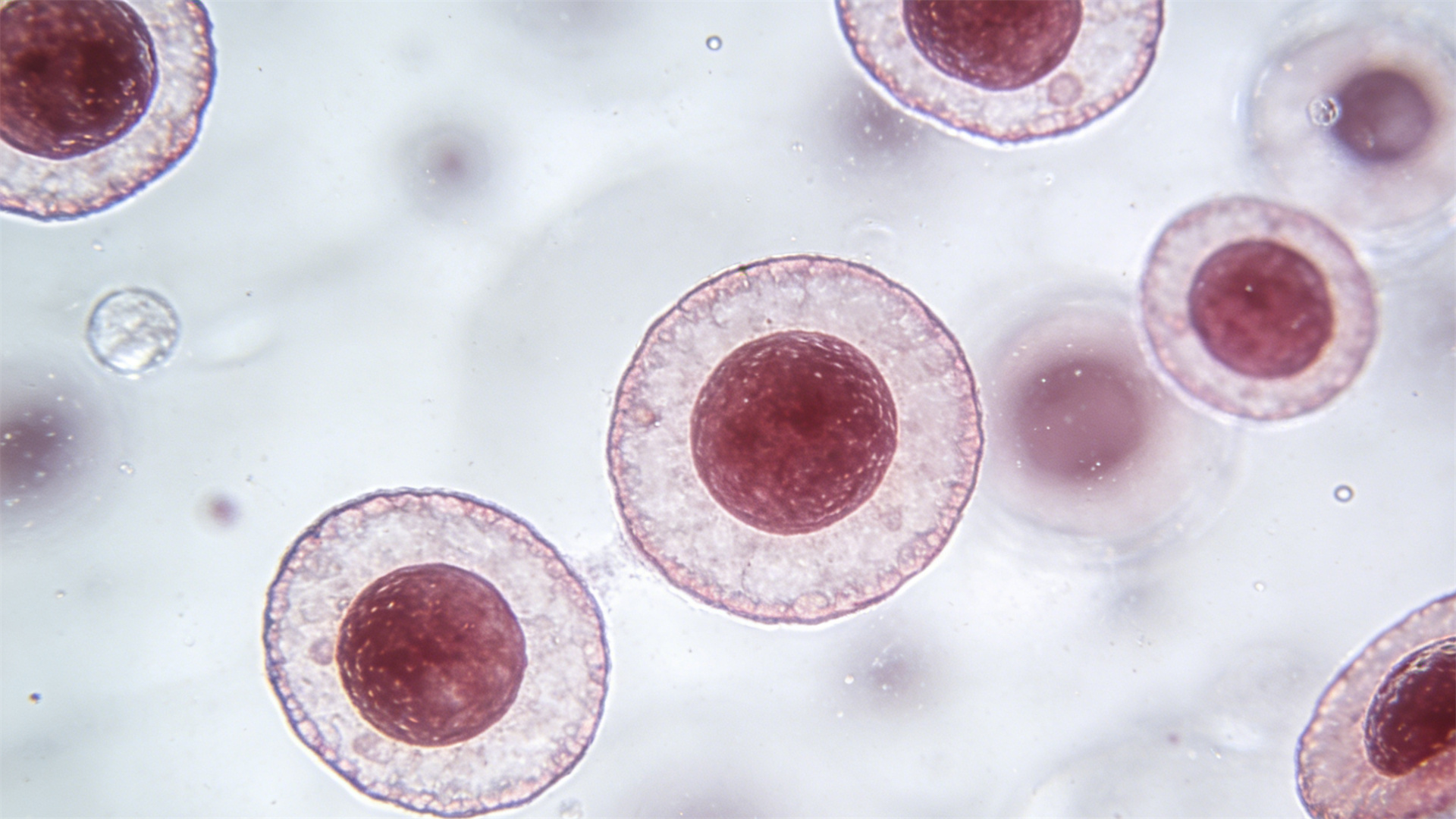
🛡️⚔️ The Breaking Shield: How Chronic Stress Damages a Dog's Immune System
The immune system is a dog's defense army, but chronic stress is a relentless siege that weakens its walls and confuses its soldiers. The primary weapon in this siege is sustained high cortisol.
🧬 The Cortisol Conundrum: A Double-Edged Sword
Cortisol has anti-inflammatory properties, which is helpful briefly. However, when cortisol is constantly elevated due to chronic stress in dogs, it begins to suppress vital immune functions. A landmark study published in the Journal of Veterinary Behavior found that dogs with behavioral anxiety showed significant alterations in immune parameters compared to calm dogs.
🔬 Specific Mechanisms of Immune System Damage
- Reduced Lymphocyte Production & Function: Lymphocytes (T-cells and B-cells) are the intelligence and special forces of the immune system. Chronic cortisol shrinks the thymus gland (where T-cells mature) and inhibits lymphocyte proliferation, leaving the body vulnerable to viruses and cancers.
- Dysregulated Inflammatory Response: The body loses its ability to regulate inflammation properly. This can lead to either excessive inflammation (contributing to allergies, dermatitis, and autoimmune diseases) or inadequate inflammation, failing to wall off infections.
- Suppressed Phagocytic Activity: The "clean-up crew" cells (macrophages and neutrophils) become less efficient at engulfing and destroying bacteria and debris.
⚠️ The Real-World Health Consequences
This stress-induced immune suppression is not theoretical. It translates to a dog that is:
- More susceptible to frequent infections: Skin, ear, and urinary tract infections become recurrent battles.
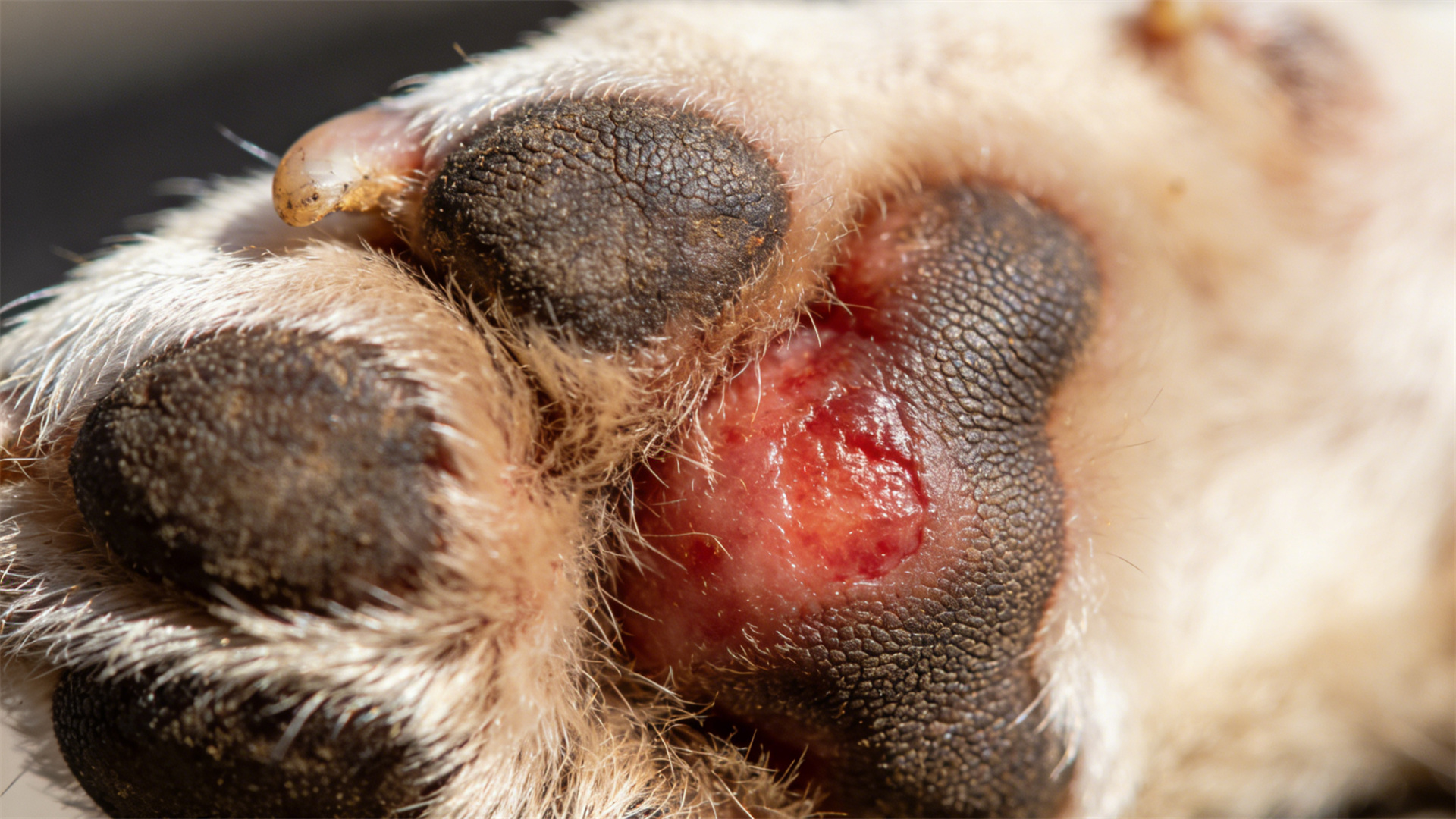
- Slower to heal from wounds or surgeries: Recovery times are prolonged due to impaired tissue repair.
- At higher risk for chronic degenerative diseases: The constant inflammatory state can accelerate conditions like arthritis.
- Less responsive to vaccines: A weakened immune system may not mount an adequate antibody response following vaccination.
Special Reminder: The physiological impact of separation anxiety on dogs creates a vicious cycle: anxiety weakens immunity, sickness causes more anxiety, further crippling immunity.
💡 A Path to Peace: Practical Steps to Mitigate Stress and Heal Immunity
Recognizing the problem is half the battle. The other half is taking compassionate, evidence-based action to break the cycle of anxiety and rebuild immune resilience.
🛠️ 1. Behavior Modification: Desensitization & Counter-Conditioning
This is the gold standard. The goal is to change your dog's emotional response to being alone.
- Start Microscopically: Pick up your keys, then immediately put them down and stay. Gradually increase the intensity (stepping out the door for 1 second) and duration of pre-departure cues.
- Create Positive Associations: Give a long-lasting, high-value treat (like a stuffed Kong) only when you leave. Your departure predicts something wonderful, not panic.
🌿 2. Environmental & Lifestyle Enrichment
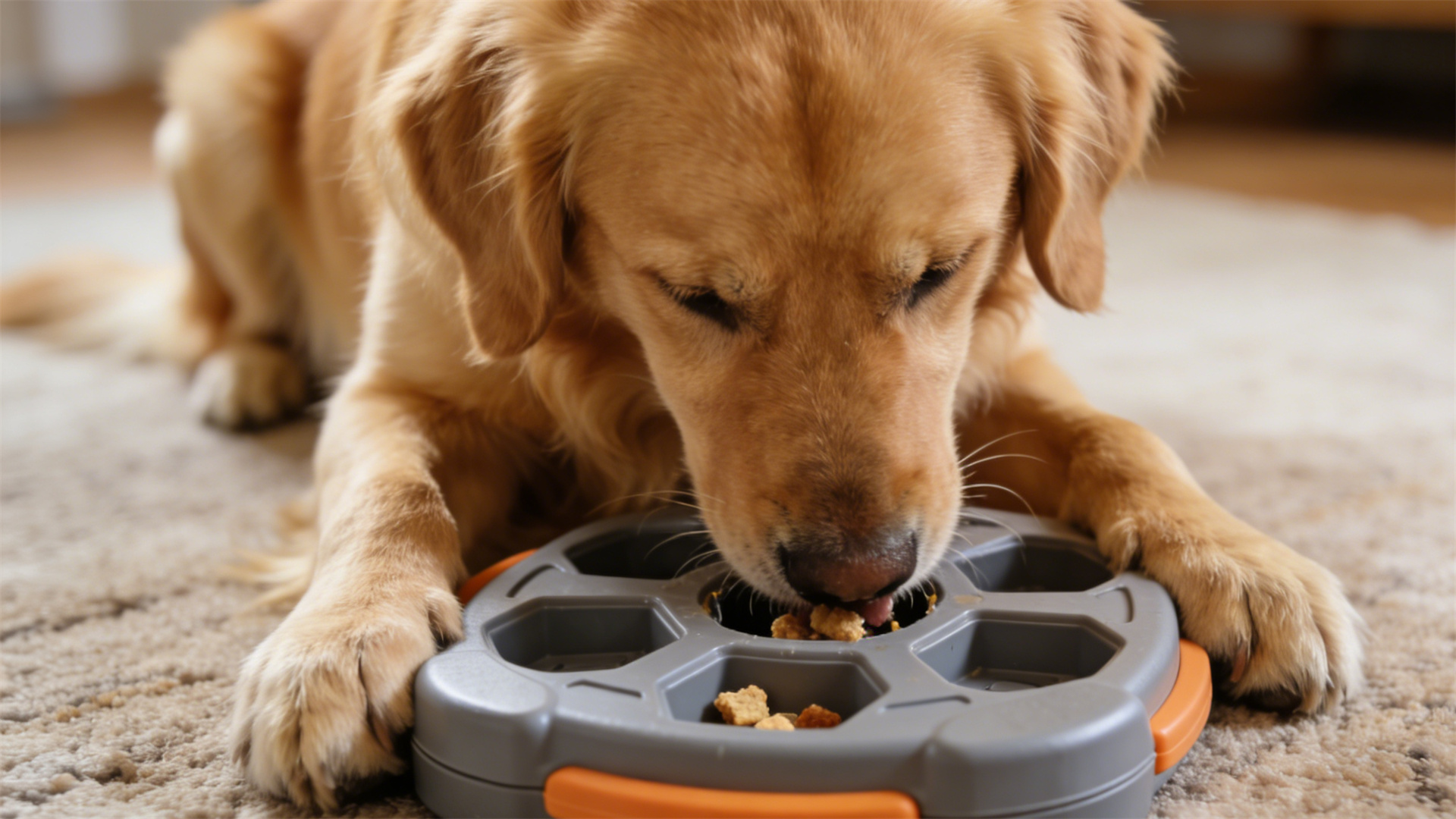
- Mental Stimulation: A tired mind is a calm mind. Use puzzle feeders, snuffle mats, and training games.
- Safe Spaces: Create a cozy, den-like crate or area (never use the crate as punishment).
- Adaptil or Calming Products: Synthetic dog-appeasing pheromone diffusers or collars can take the edge off for some dogs.
- Consistent Exercise: Adequate physical activity is a potent natural stress reliever.
⚕️ 3. Seek Professional Help
Do not hesitate to enlist experts. This is a medical issue as much as a behavioral one.
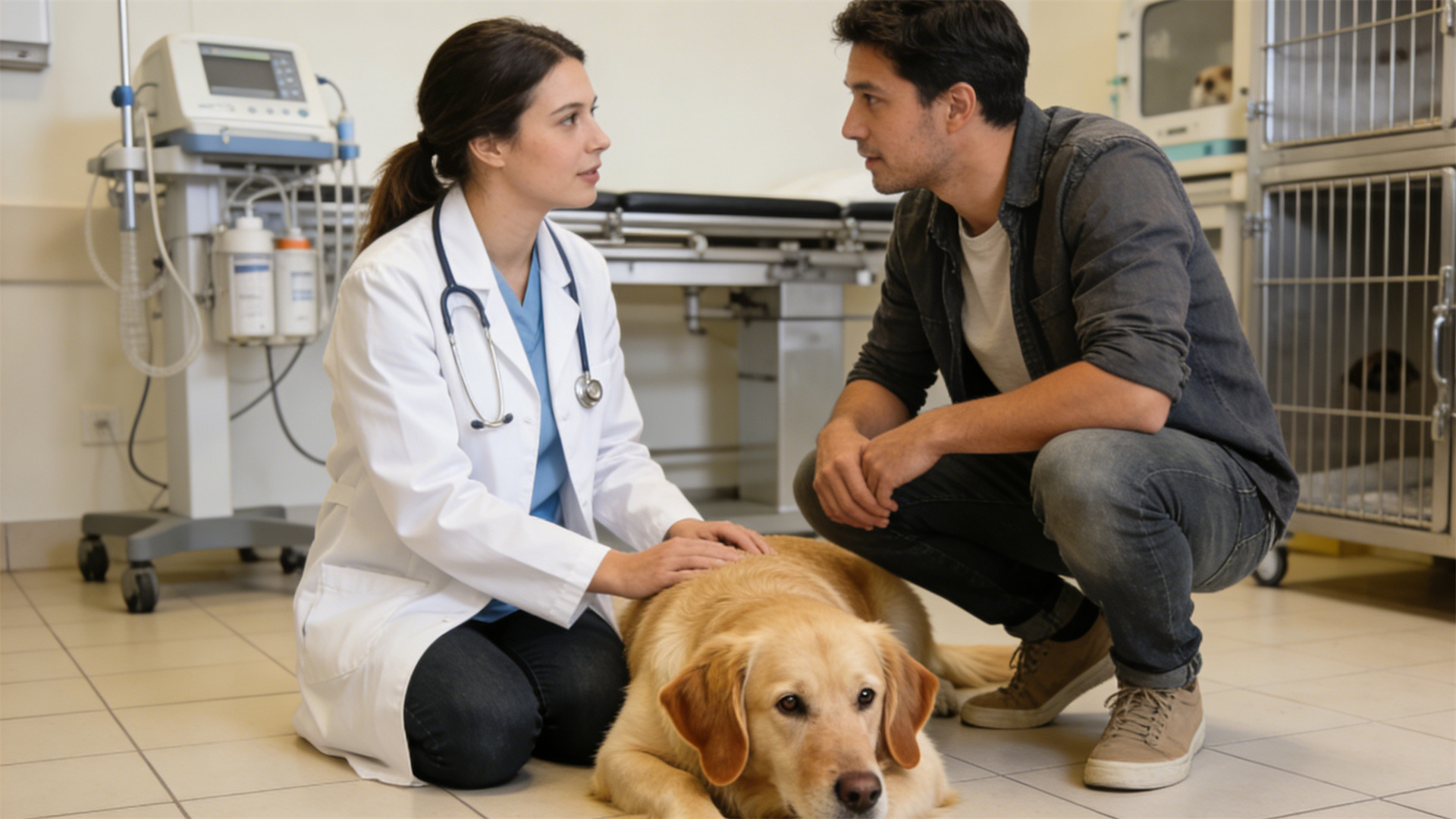
- Your Veterinarian: Rule out other medical problems and discuss options. In moderate to severe cases, short-term or long-term anti-anxiety medication can be a game-changer. It can lower cortisol to a level where behavior training can actually work.
- Certified Professional Dog Trainer (CPDT) or Veterinary Behaviorist (Dip ACVB): These professionals can create a customized, step-by-step treatment plan for your dog.
🔚 Conclusion: Protecting the Whole Dog
The canine stress response and immune function are inextricably linked. The chronic stress of separation anxiety is a direct assault on your dog's physiological well-being, leading to measurable damage to the dog's immune system. By viewing destructive acts not as "misbehavior" but as symptoms of a body in distress, we can shift our response from frustration to compassion and science-backed action. Proactively managing your dog's anxiety is not spoiling them—it is a critical component of preventative healthcare, safeguarding their physical health as earnestly as their vaccinations and nutrition. Your diligence can restore not just their peace of mind, but the very integrity of their immune defenses.