The car is packed, the route is mapped, and the adventure awaits. You look in the rearview mirror, excited to share this journey with your furry best friend. But instead of a happy pant, you see wide eyes, a tucked tail, or hear a persistent whine. It’s a moment every traveling dog owner knows: is this just normal travel nerves, or is my dog in real distress? Understanding the difference is the cornerstone of being a responsible, empathetic pet parent on the road. This guide moves beyond simple "calming tips" to provide you with a practical, proactive framework for assessing your dog's mental wellbeing during travel. By learning to distinguish between adaptive stress and overwhelming anxiety, you become your dog's most powerful advocate for a happier, healthier journey.
🐾 Section 1: Understanding the Canine Stress Spectrum: It's Not All Bad
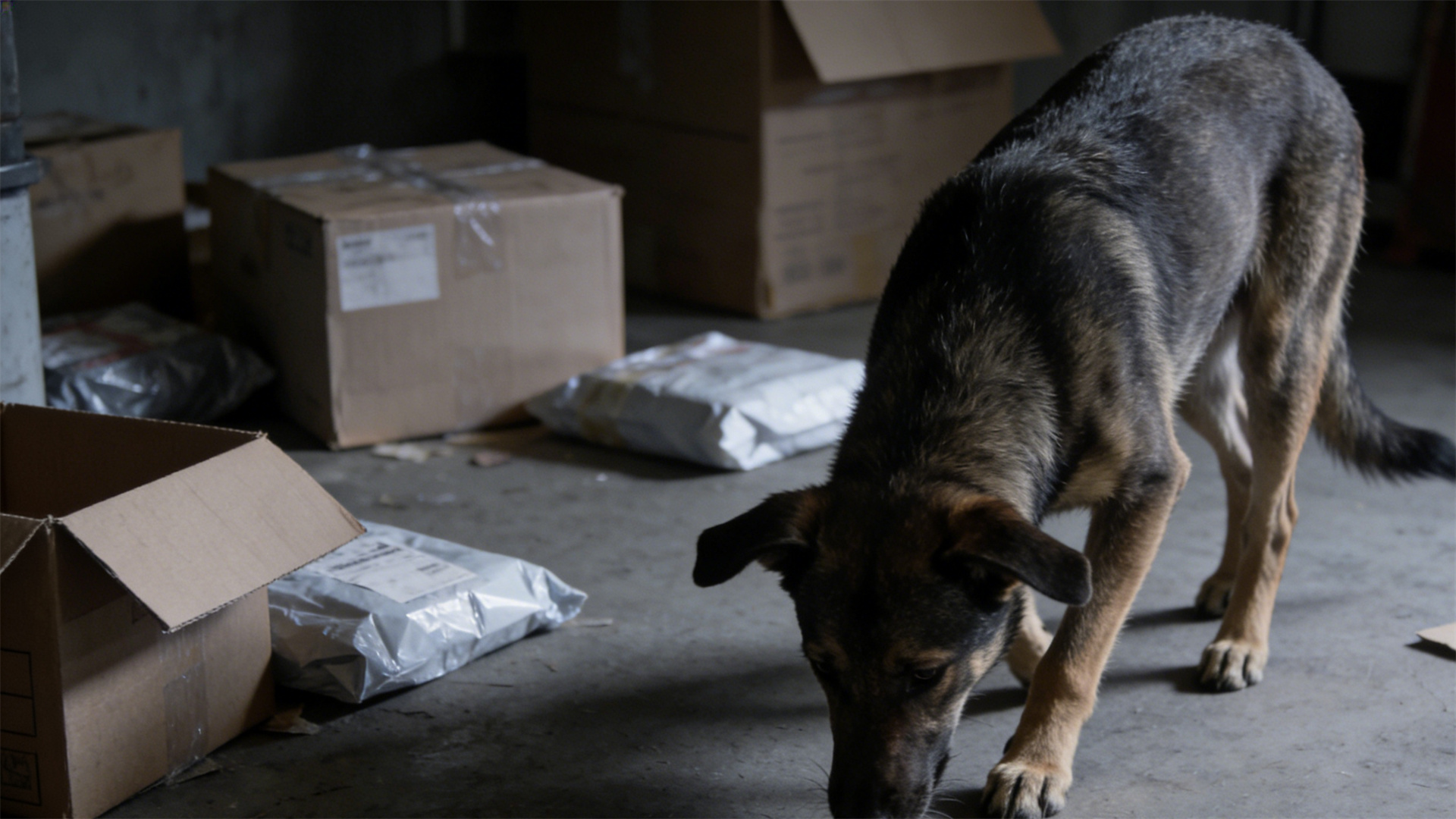
First, let's reframe stress. Not all stress is harmful. For dogs, as for humans, a moderate stress response is a normal, biological reaction to new stimuli. It's their system's way of heightening awareness to navigate unfamiliar territory. The goal isn't to eliminate all stress, but to manage it and prevent it from tipping into the harmful zone of excessive or chronic stress.
What is Moderate (Adaptive) Stress?
Think of this as your dog's "engagement mode." Their body and mind are alert, processing new information to adapt. This is a healthy and temporary state.
Common Signs of Moderate Stress:
: Alert posture: Ears forward, body poised, tail held mid-level or slightly raised. : Brief vocalization: A few whines or barks when first entering the car or a new room. : Temporary appetite change: Might skip a meal but will take high-value treats. : Investigative sniffing: Actively gathering information about the new environment. : Mild clinginess: Staying closer to you than usual for reassurance.
What is Excessive (Maladaptive) Stress?
This is where the mental health concern begins. The stress response has become so intense or prolonged that it hinders your dog's ability to cope, learn, or experience wellbeing. It's no longer adaptive; it's debilitating.
Critical Signs of Excessive Stress:
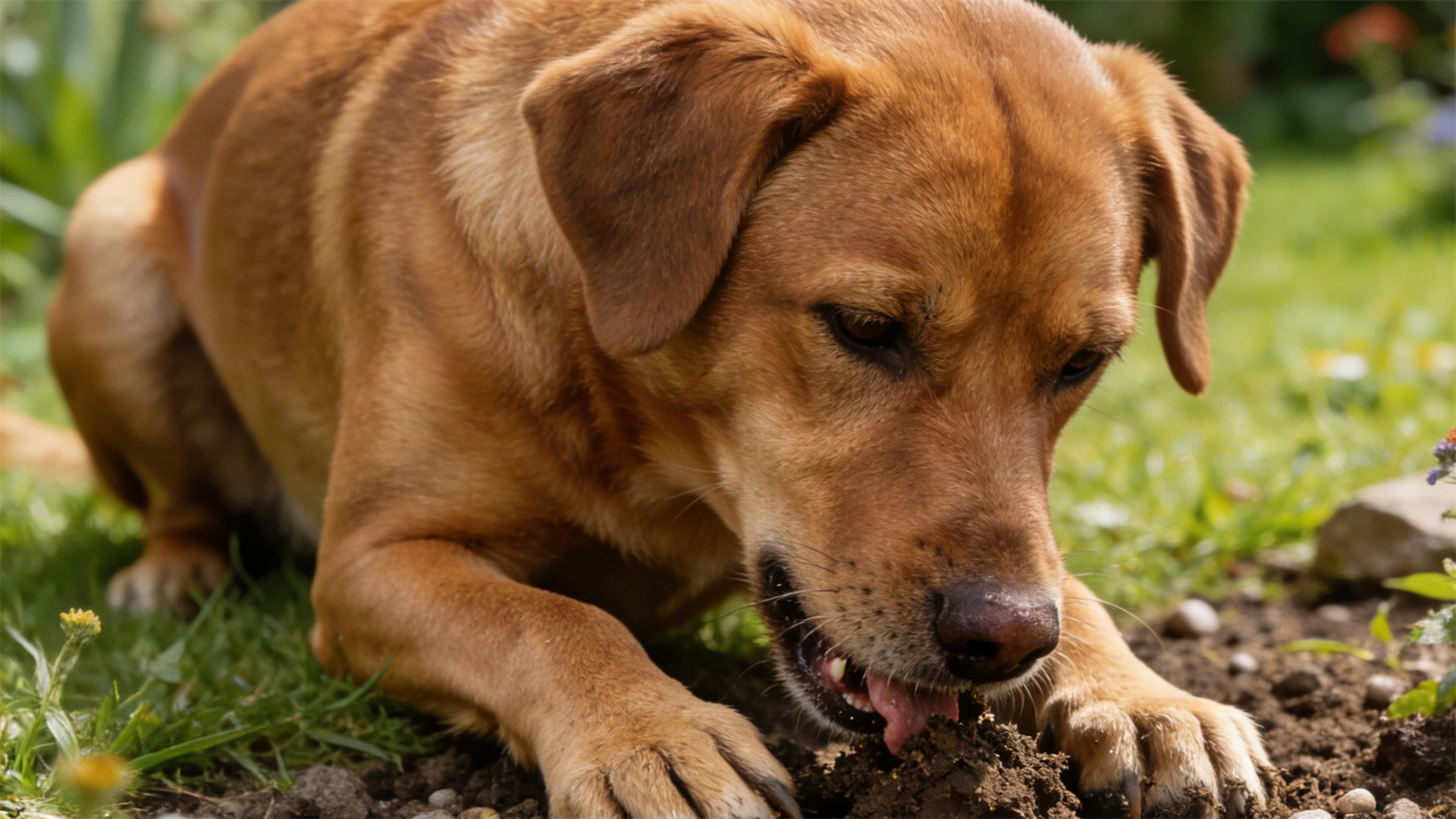
: Prolonged panting: Heavy, rapid panting when not hot or exercised. : Trembling or shaking: Constant shaking that doesn't subside with comfort. : Excessive drooling/salivation: Strings of saliva, a classic sign of nausea and high anxiety. : Withdrawal or hiding: Actively trying to get under furniture or making themselves as small as possible. : Refusal to eat/drink: Ignoring even favorite treats or water for many hours. : Destructive behavior: Attempting to chew through seatbelts, crates, or hotel doors. : Repetitive behaviors: Compulsive pacing, spinning, or licking. : Uncharacteristic aggression: Growling, snapping, or biting when approached. : Escape attempts: Frantically trying to bolt from the car or room.
🔍 Section 2: The On-the-Road Assessment Toolkit
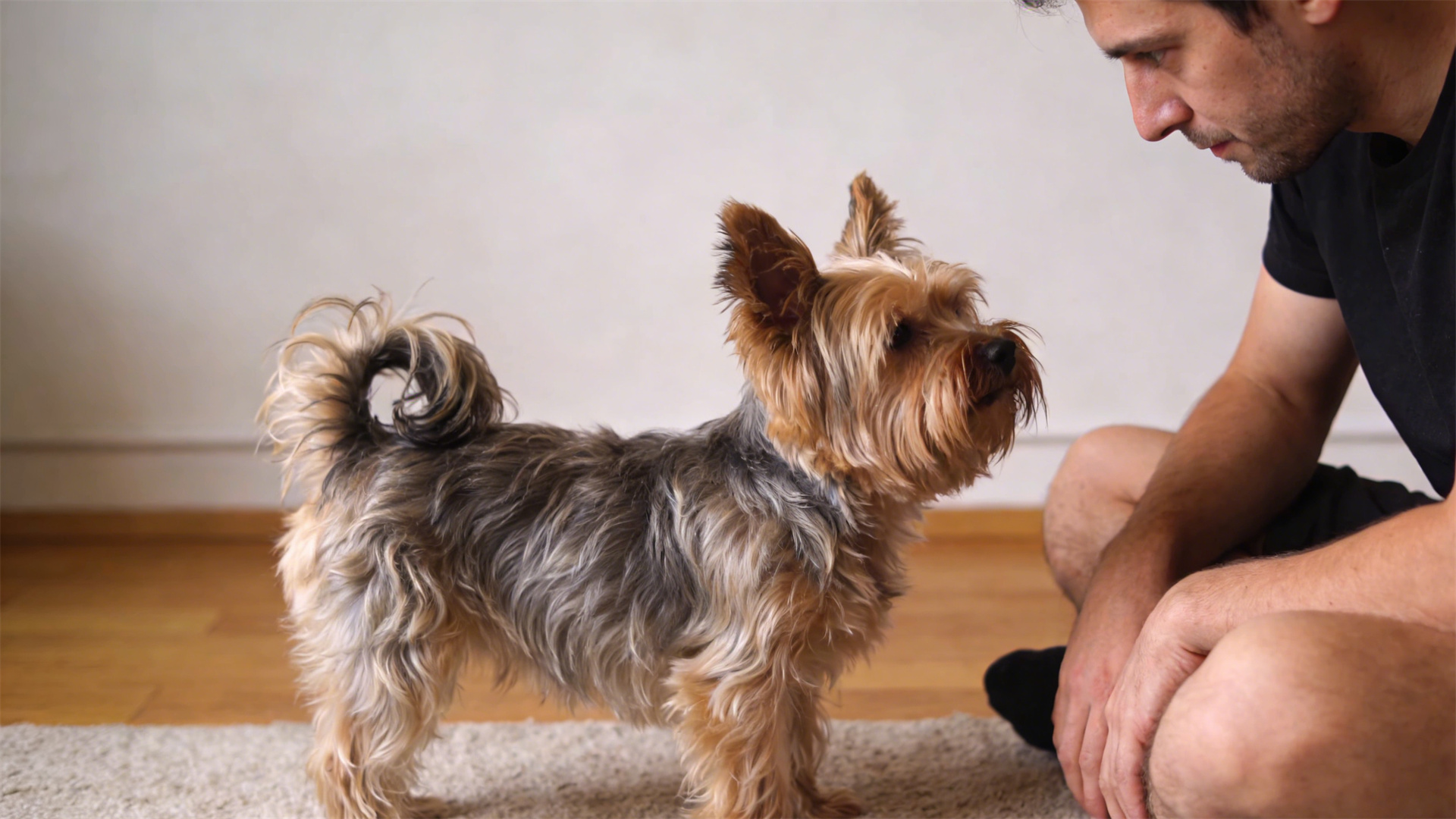
You can't manage what you don't measure. This three-part method turns you from a worried owner into an observant caregiver.
Part A: Pre-Travel Baseline
Before any trip, spend time noting your dog's normal, relaxed behavior at home. How do they breathe when napping? What is their resting ear and tail position? How quickly do they eat a meal? This "baseline" is your crucial comparison point for everything you see on the road.
Part B: Real-Time Check-Ins
During your journey, practice quiet observation. During a rest stop or after settling into a hotel, take five minutes to just watch. Use this mental checklist:
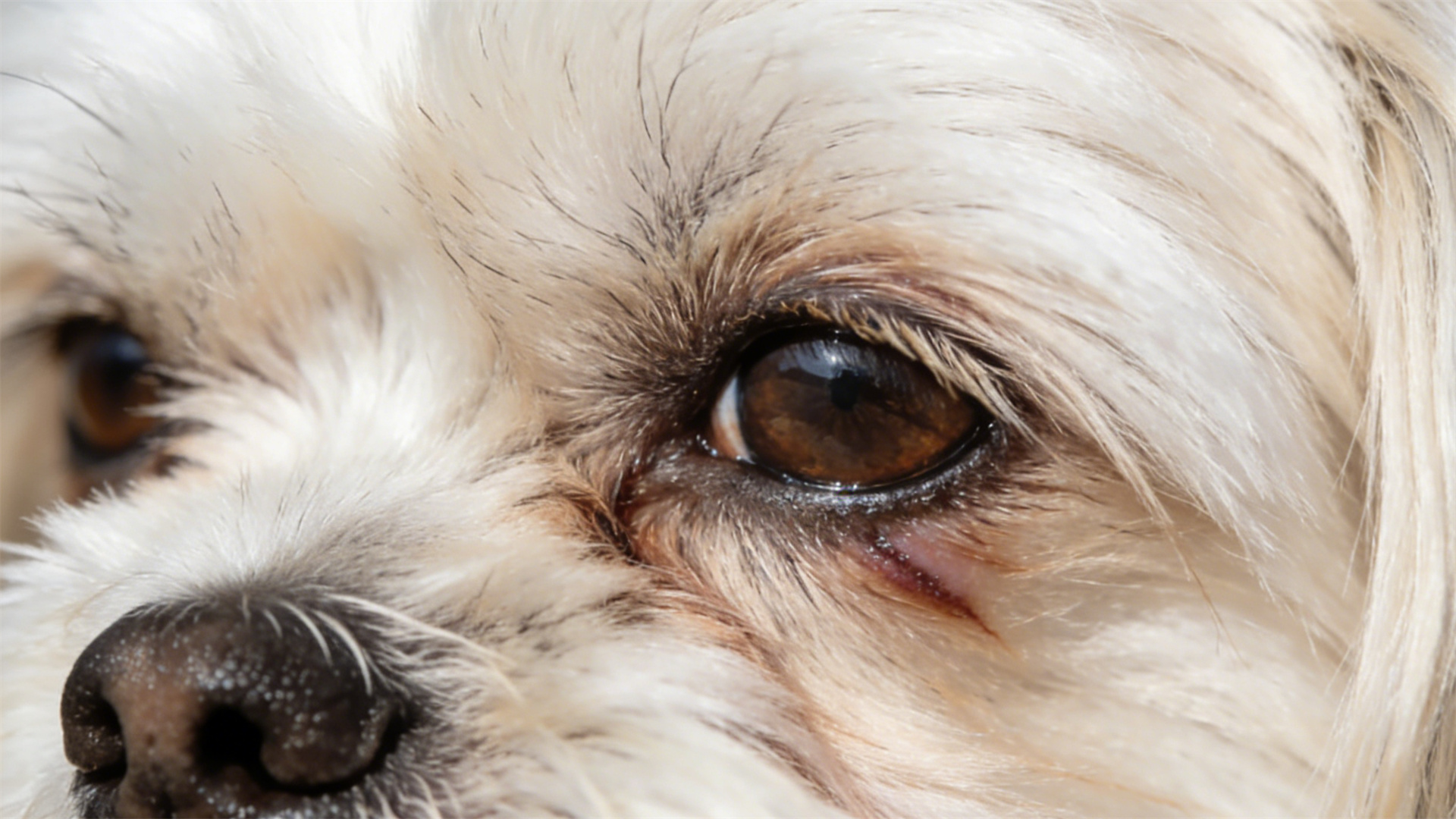
Body: Panting? Trembling? Tense muscles? Eyes: Wide and showing whites ("whale eye")? Squinty? Ears: Pinned back or constantly swiveling? Mouth: Lips pulled back, excessive yawning, or drooling? Behavior: Able to take a treat? Respond to their name? Settle?
Part C: Post-Activity Recovery
This is the most telling metric. After a potential stressor (e.g., a noisy truck passing, checking into a busy hotel), time how long it takes for visible stress signs to diminish. A dog experiencing moderate stress will recover in minutes once the trigger passes. A dog experiencing excessive stress may remain in a heightened state for an hour or more, indicating the experience was profoundly overwhelming.
🌍 Section 3: Contextual Factors in Your Assessment
A one-size-fits-all assessment doesn't work. You must filter your observations through these key contexts.
Travel Stage Matters
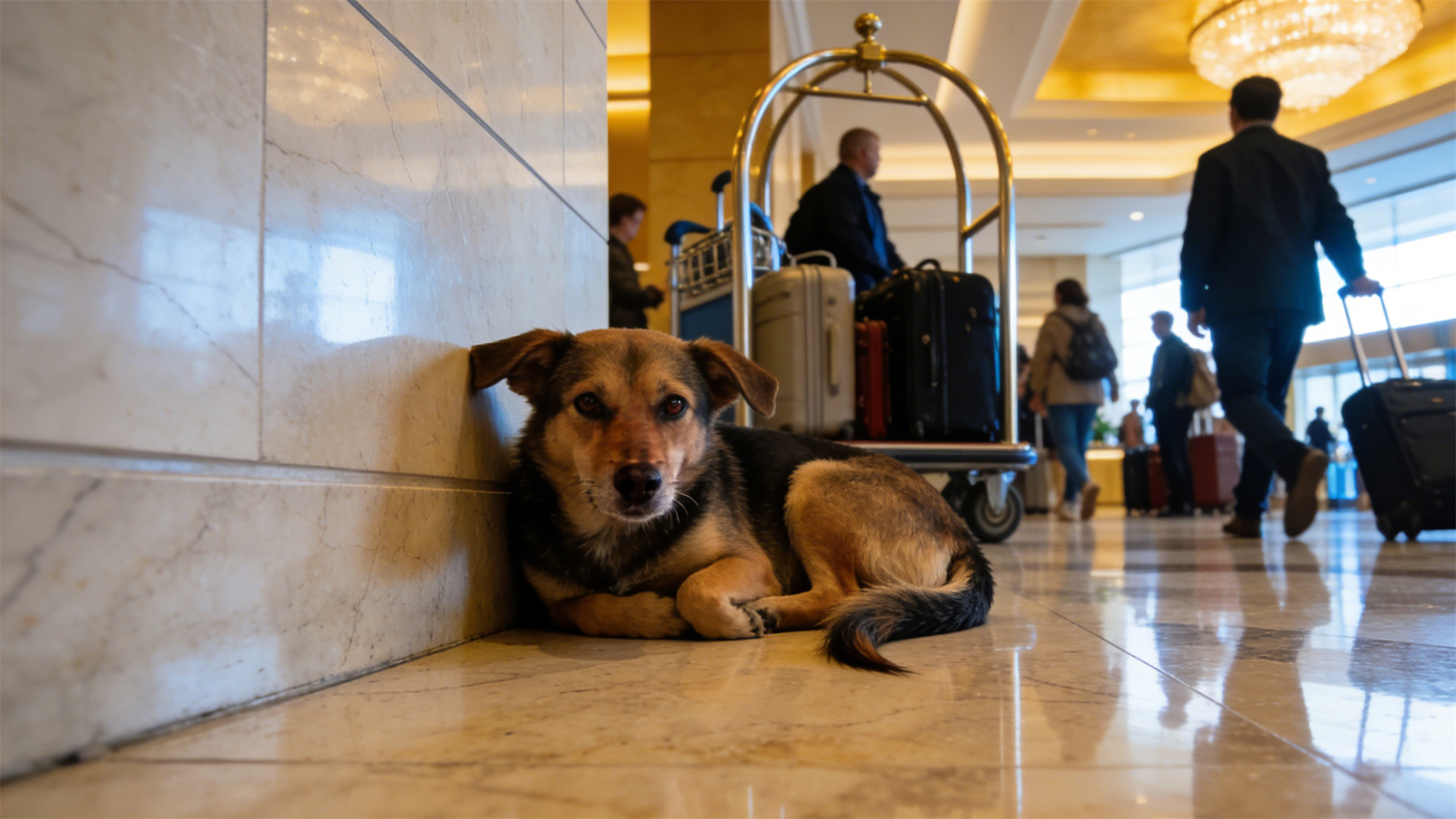
Stress manifests differently across the journey: : The Car Ride: Stressors are motion, confinement, and noise. Look for drooling, panting, or restlessness. : Hotel Check-in: Stressors are novel smells, sounds, and surfaces. Look for freezing, cautious movement, or refusal to enter. : The New Park/Hike: Stressors are wide-open space, wildlife, and strangers. Look for hyper-vigilance, scanning, or sticking excessively close to your legs.
Individual Dog Factors
Age, temperament, and breed play huge roles. A senior dog may be more easily overwhelmed. A naturally cautious breed may need more time to adjust than a bold, outgoing one. A dog with negative past travel experiences will have a lower threshold for stress. Always assess your dog as an individual against their own baseline.
Environmental Amplifiers
These factors can turn moderate stress into excessive stress rapidly: extreme heat or cold, overwhelming crowd noise, long duration of confinement without breaks, or chaotic, unpredictable environments.
🛠️ Section 4: Actionable Strategies for Each Level
For Managing Moderate Stress
Your goal here is to support adaptation and provide comfort.
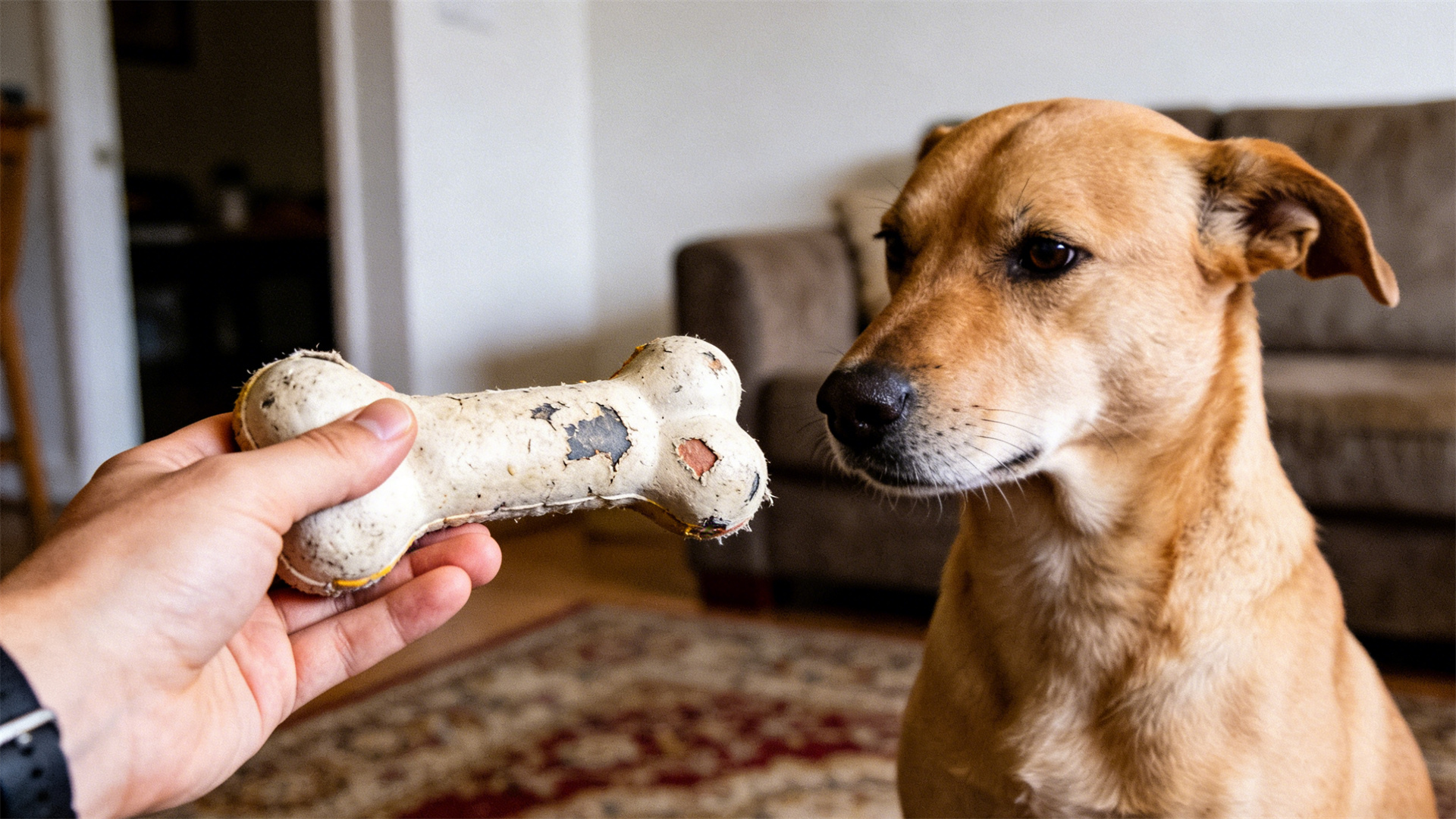
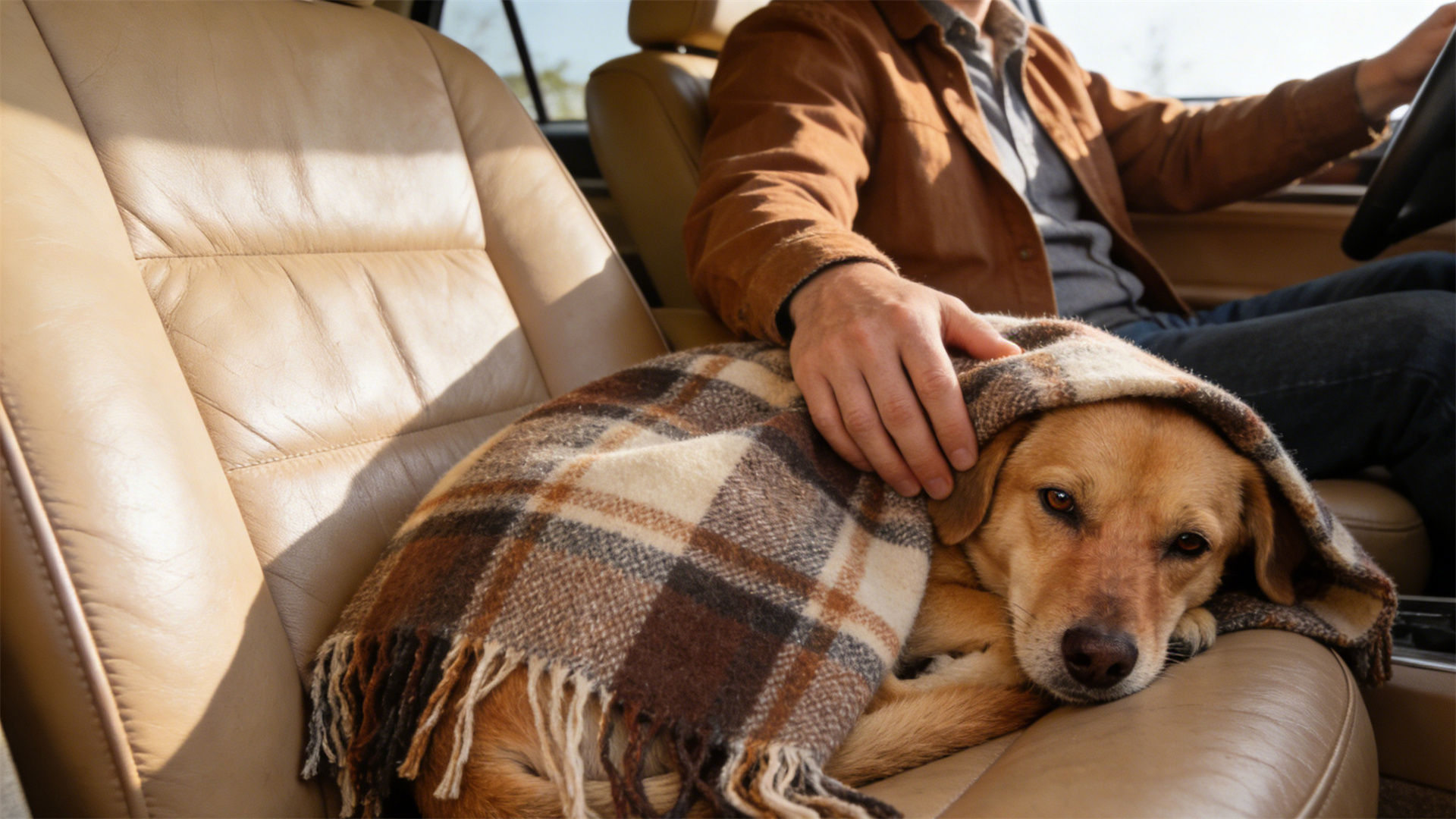
: Create Micro-Routines: Keep feeding, walk, and bedtime rituals consistent, even on the road. : Provide a Safe Harbor: A familiar, covered crate or a designated "mat" becomes a portable safe space. : Use Familiar Scents: Bring their bed blanket and a favorite toy from home. : Offer Engaging Distractions: A long-lasting chew, a frozen Kong, or a sniffari (exploratory walk) can redirect nervous energy. : Practice Calm Reinforcement: Reward relaxed behavior (lying down calmly) with gentle praise and treats.
For Addressing Excessive Stress
Special Reminder: This level of stress is a veterinary and behavioral health issue. Your action plan must be phased.
Immediate Intervention: 1. Remove your dog from the triggering situation as safely and calmly as possible. 2. Seek a quiet, secure environment (e.g., a bathroom in the hotel, back in the covered crate in a quiet car). 3. If your dog tolerates it, apply gentle, deep pressure (a calming vest, a snug t-shirt, or steady hand pressure) which can have a soothing effect. Do not force interaction.
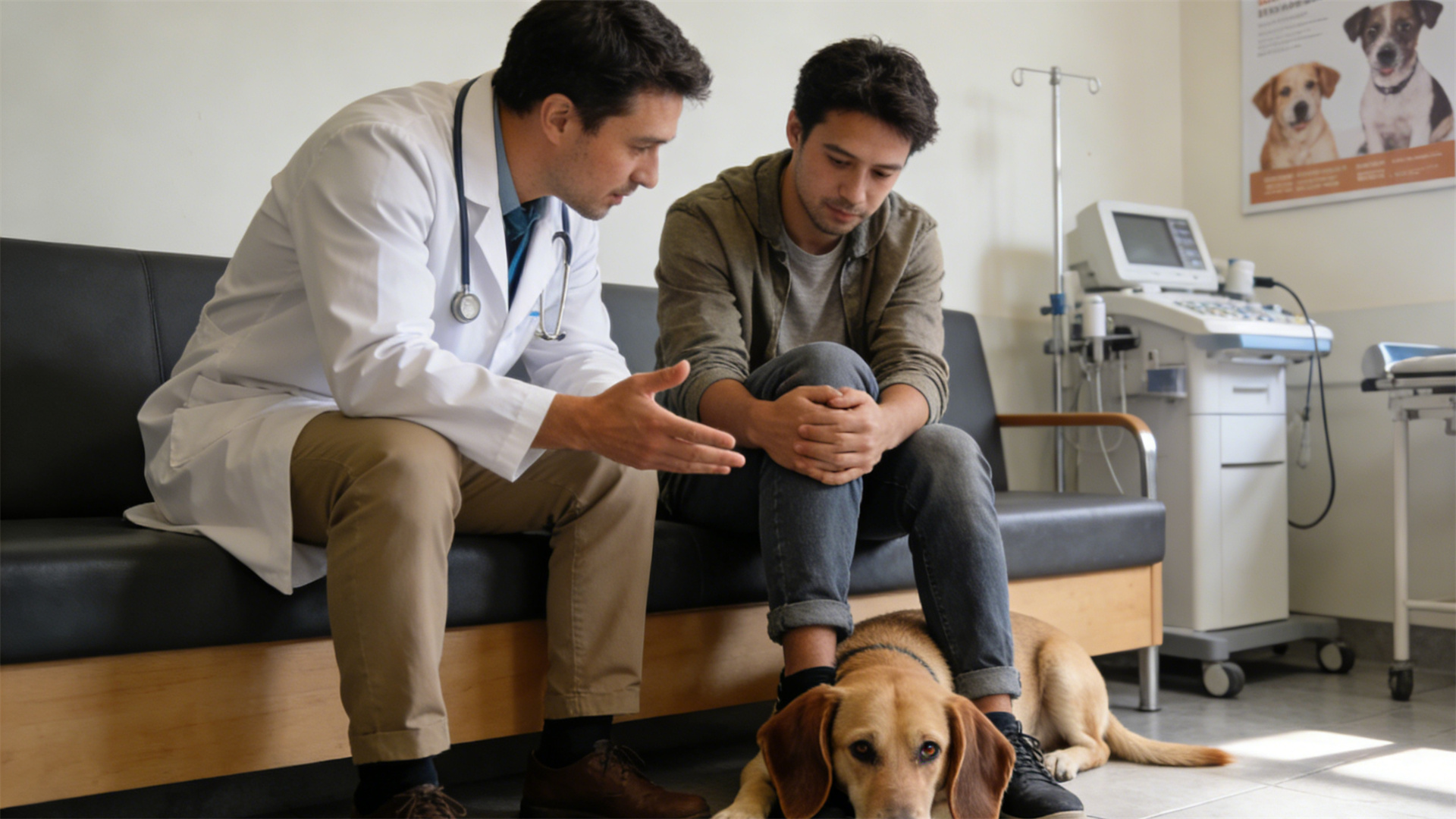
Professional Consultation is NON-NEGOTIABLE: Schedule a visit with your veterinarian to rule out underlying pain or illness that could exacerbate anxiety. Then, seek a referral to a veterinary behaviorist or certified dog behavior consultant. They can create a long-term health plan, which may include:
: A structured desensitization and counterconditioning program for travel components. : The possible use of anti-anxiety medications or supplements (e.g., Sileo, trazodone, or evidence-backed calming supplements) under strict professional guidance. : Recommendations for proven anxiety-relieving products like Adaptil (pheromone) diffusers or collars.
Conclusion: Your Role as a Canine Mental Health Advocate
The journey of traveling with a dog is as much about navigating their internal landscape as it is about navigating new roads. The core distinction is between manageable adaptation and overwhelming distress. By wielding the assessment toolkit—knowing your dog's baseline, conducting real-time check-ins, and measuring recovery—you move from guesswork to informed insight. This knowledge empowers you to intervene early, seek help when needed, and ultimately make travel decisions that prioritize your dog's mental wellbeing. Travel should enrich your shared life, not undermine their sense of safety. With preparation, observation, and empathy, you can pave the way for adventures that are happy and healthy for you both. Pack your bags, your patience, and this guide—and hit the road with confidence.