As a doting dog parent, you’ve probably wondered, while slicing a watermelon or snacking on blueberries, if your furry friend can join in. That hopeful gaze is hard to resist! The question "can dogs eat fruit" is incredibly common, and the answer is a careful, conditional yes. 🐶 Many fruits are packed with beneficial vitamins, minerals, fiber, and hydration. However, the canine digestive system is not the same as ours, and significant, even lethal, dangers exist with certain fruits. Navigating this fruity landscape requires a clear map. This definitive 2026 guide provides exactly that: a vet-reviewed "Black List" of safe options, a critical "Red List" of toxic hazards, and precise, size-based serving recommendations. Your first and most important rule? Always consult your veterinarian before introducing any new food to your dog's diet.
🍎 The Black List: Safe & Recommended Fruits for Dogs
These fruits are generally considered safe for canine consumption when prepared properly. "Proper preparation" is non-negotiable and typically involves removing all seeds, pits, stems, cores, and rinds to prevent choking and avoid exposure to natural toxins. Even with safe fruits, moderation is the cornerstone of safety. Treats, including fruits, should never disrupt their balanced, primary diet.
🔵 Blueberries: The Antioxidant Powerhouse
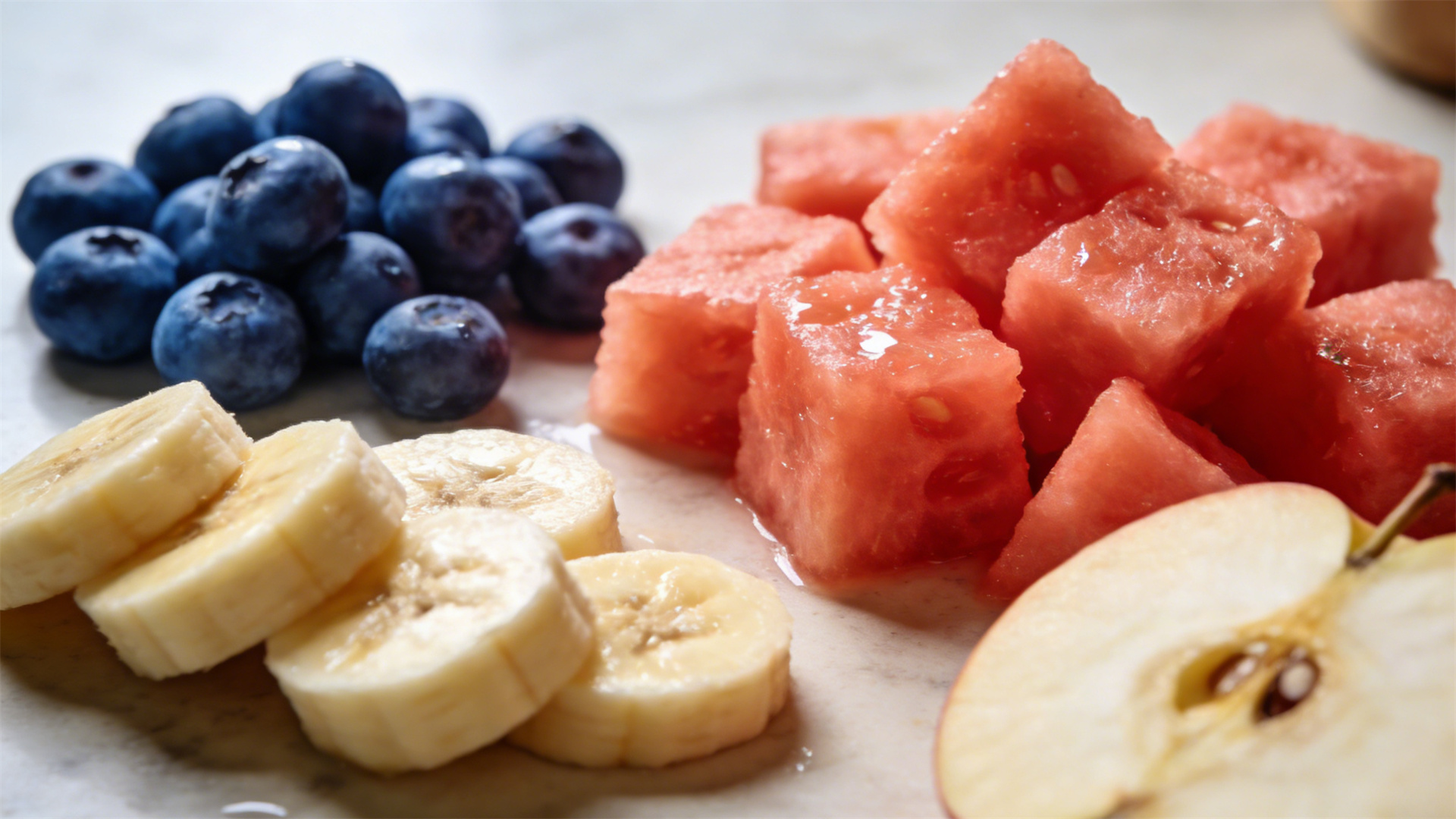
Often dubbed a superfood, blueberries are an excellent choice. They are rich in antioxidants, which combat free radicals, low in calories, and high in fiber and Vitamin C. Their small size makes them a convenient treat, but to prevent gulping, consider mashing them for smaller breeds.
Serving Size: A few berries for small dogs (under 20 lbs). A small handful (6-10) for large dogs.
🍉 Watermelon: The Hydration Hero
Perfect for a hot summer day, watermelon is over 90% water, making it fantastic for hydration. It's also a source of vitamins A, B6, and C. Critical Preparation: You must remove all seeds (to avoid intestinal blockage) and the hard rind (which can cause severe gastrointestinal upset).
Serving Size: 1-2 small, bite-sized cubes for small dogs. 3-4 cubes for large dogs.
🍌 Bananas: The Potassium-Rich Snack
Bananas are high in potassium, vitamins, biotin, and fiber. However, they are also high in sugar and carbohydrates. They should be given as an occasional treat, not a daily staple, especially for dogs with weight issues or diabetes.
Serving Size: One or two thin slices for small dogs. Up to half of a medium banana for large dogs.
🍏 Apples: The Crunchy Fiber Boost
Apples are a great source of fiber and vitamins A and C. They can help clean residue off a dog's teeth. The core and seeds are hazardous—apple seeds contain trace amounts of cyanide.
Serving Size: 1-2 thin, peeled slices for small dogs. A few slices for large dogs.
🍈 Cantaloupe: The Low-Calorie Sweet Treat
This melon is low in calories, high in water content, and packed with nutrients like vitamins A and C. Its sweet taste is often a canine favorite. Remove the rind and seeds completely before serving.
Serving Size: 1-2 small cubes for small dogs. A few cubes for large dogs.
🍓 Strawberries: The Vitamin C Boost
Strawberries contain a healthy dose of vitamin C and an enzyme that can help whiten your dog's teeth. They are also high in sugar, so offer sparingly. Always cut them into appropriate sizes to prevent choking.
Serving Size: Half a strawberry for small dogs. 2-3 berries for large dogs.
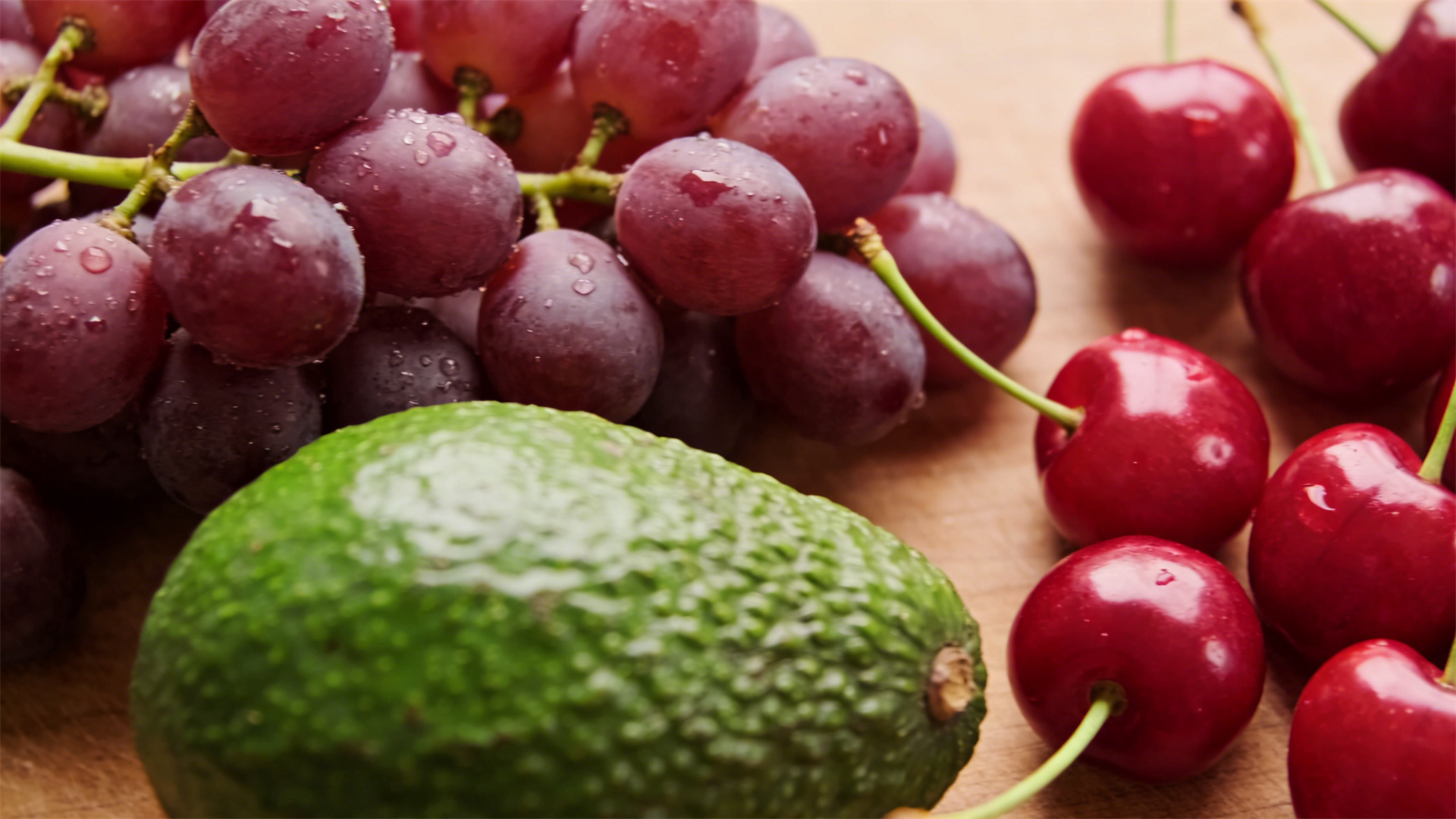
🚫 The Red List: Unsafe & Toxic Fruits for Dogs
This list is paramount. The following fruits must be avoided entirely. They contain toxins that can cause reactions ranging from severe stomach upset to acute kidney failure or even death. No amount is considered safe.
🍇 Grapes & Raisins: The Kidney Destroyers
This is one of the most severe toxicities. Grapes and raisins (dried grapes) are highly toxic to dogs. The exact toxic substance is unknown, but ingestion can lead to sudden, acute kidney failure. Symptoms include vomiting, lethargy, and dehydration within hours. Immediate veterinary attention is critical.
🥑 Avocado: The Persin Problem
Avocados contain persin, a fungicidal toxin that can cause vomiting and diarrhea in dogs. The high-fat content can also lead to pancreatitis. The large pit is a major choking hazard and can cause intestinal obstruction.

🍒 Cherries: The Cyanide Risk
The pit, stem, and leaves of the cherry plant contain cyanide, which is poisonous. Even if you pit them, the risk of accidental ingestion of a pit is high, and the flesh can cause stomach upset. The pits also pose a serious choking and intestinal blockage hazard.
🍋 Citrus Fruits (Lemons, Limes, Grapefruit): The Acidic Irritants
The stems, leaves, peels, and seeds of citrus plants contain high concentrations of citric acid and essential oils (like psoralens) that can cause central nervous system depression and significant gastrointestinal irritation. While small amounts of the fleshy part might not be fatal, the risk and potential for stomach upset make them best avoided.
🍑 Persimmons, Peaches & Plums: The Pitfall Fruits
The primary danger lies in the seeds or pits. These contain cyanide-producing compounds. If ingested, they can cause cyanide poisoning and present a severe choking or intestinal blockage risk. The flesh of persimmons can cause inflammation of the small intestine.
🍅 Tomatoes: The Solanine Hazard
Tomato plants (the green parts—stems, leaves, vines) and unripe, green tomatoes contain solanine, which is toxic to dogs. While the ripe red flesh is often considered non-toxic in tiny amounts, it's acidic and can cause upset. Given the risk of confusing safe and unsafe parts, it's simplest to avoid them altogether.
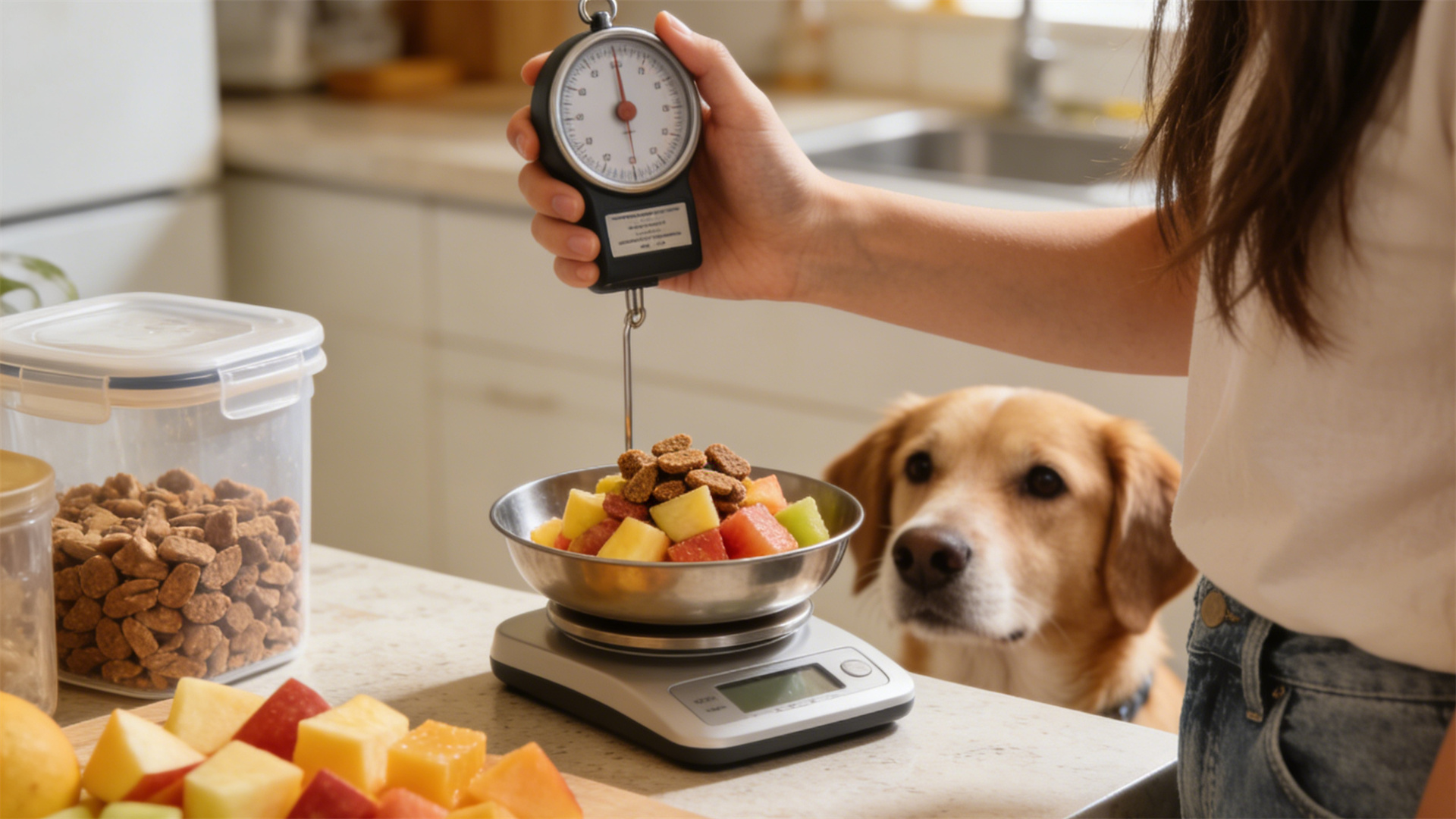
⚖️ Recommended Intake Levels & The Golden Rules
Even with safe fruits, how much is too much? Follow these scientifically-backed guidelines to keep your dog's treat time both happy and healthy.
📏 The Ten Percent Rule: The Caloric Cap
This is the gold standard in canine nutrition 2026. All treats—including fruits, vegetables, and commercial snacks—should not exceed 10% of your dog's total daily caloric intake. The remaining 90% should come from their complete and balanced dog food. For example, if your dog eats 600 calories a day, only 60 calories should come from treats.
✨ The Golden Rules of Fruit Feeding
1. Introduce Slowly: Always offer one new fruit at a time. Start with a tiny piece and monitor for 24-48 hours for any signs of allergy or gastrointestinal distress (itching, vomiting, diarrhea).
2. Preparation is Key: Wash all fruit thoroughly to remove pesticides. Always remove seeds, pits, stems, cores, and rinds as specified.
3. Keep it Plain: Serve fruit raw and plain. Never give your dog fruit canned in syrup, or with added sugar, artificial sweeteners (like xylitol, which is deadly), spices, or chocolate dips.
4. Size Matters: Cut fruits into bite-sized pieces appropriate for your dog's mouth to prevent choking.
5. Know Your Dog: Dogs with diabetes, weight issues, or sensitive stomachs may need a stricter diet. Your vet knows best.

✅ Conclusion: Snacking Smart in 2026 and Beyond
Fruits can undoubtedly be a tasty, nutritious, and enriching supplement to your dog's diet when chosen wisely from the Black List and served with meticulous care. By strictly avoiding the Red List and adhering to the recommended intake levels, you turn a simple snack into an act of love that supports their well-being. Remember, this guide is an informational resource. Your veterinarian remains your most trusted partner for personalized dietary advice tailored to your dog's unique age, breed, weight, and health status. Here's to many more years of happy, safe, and healthy snacking with your beloved canine companion! 🐾