As a loving dog owner, you provide the best food, cozy beds, and endless playtime. But what about when the unexpected happens? A sudden limp, a curious encounter with a bee, or an upset stomach can turn an ordinary day into a moment of panic. Preparedness is the cornerstone of responsible pet ownership. Having a well-stocked dog first aid kit and a clear understanding of common medicines for dogs can empower you to act swiftly and effectively in minor situations, bridging the gap between incident and veterinary care. This guide is your comprehensive, actionable resource to build your kit, understand safe medication basics, and always know when to call the vet.
🩹 Building Your Canine First Aid Kit: Essential Supplies Checklist
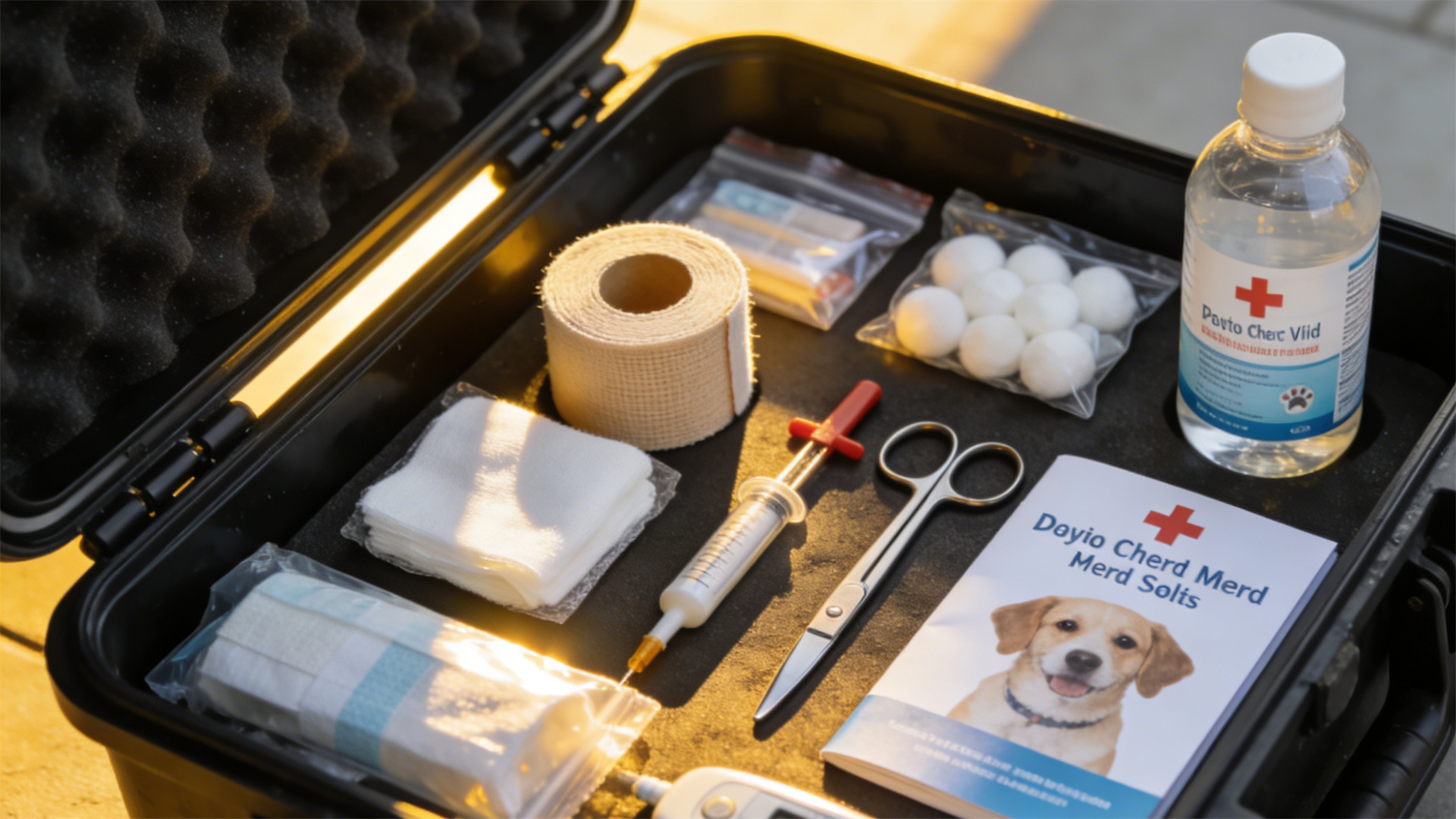
A dedicated pet emergency kit is not just a collection of items; it's a tool for stabilization and comfort. Store it in a durable, waterproof container and keep one at home and a smaller version in your car. Here is a detailed breakdown of dog first aid kit essentials.
📝 Wound Care & Bandaging
- Gauze Pads and Rolls: For cleaning wounds and applying pressure to stop bleeding. Non-stick pads are ideal.
- Self-Adhering Vet Wrap (e.g., PetFlex): Essential. Sticks to itself but not to fur, perfect for seCare bandages without adhesive trauma.
- Medical Adhesive Tape: For seCare the very ends of bandages.
- Blunt-End Scissors: Safely cut bandage materials and trim fur around wounds.
- Antiseptic Solution or Wipes: Chlorhexidine or povidone-iodine solutions (diluted as directed) are superior to hydrogen peroxide for wound cleaning, as peroxide can damage healthy tissue.
- Antibiotic Ointment: A dog antibiotic ointment like triple antibiotic without pain relievers (e.g., no "plus pain relief" variants).
- Sterile Saline Solution: For flushing debris from eyes or wounds.
🛠️ Tools & Instruments
- Digital Thermometer & Lubricant: A pet-specific thermometer. A dog's normal rectal temperature is 101-102.5°F (38.3-39.2°C).
- Tweezers & Tick Remover: Fine-point tweezers for splinters; a tick remover tool is best for intact extraction.
- Disposable Gloves: Protect both you and your dog from contamination.
- Flashlight or Penlight: For examining ears, mouth, or wounds in low light.
- Syringe or Eyedropper: For administering liquid medication or flushing wounds.
🚨 Emergency & Support Items
- Emergency Contact Card: Your vet's number, the nearest emergency vet clinic, and the ASPCA Animal Poison Control Center (888-426-4435).
- Muzzle: Even the gentlest dog may bite when in pain. A soft muzzle or a length of gauze to fashion one is crucial for safety.
- Emergency Blanket: A foil blanket to prevent shock and maintain body temperature.
- Soft Towel or Blanket: For comfort, restraint, or creating a makeshift stretcher.
💊 Understanding Common Medicines for Dogs: Safety First!
This section is CRITICAL. Never administer any human medication to your dog without explicit direction from your veterinarian. Dosages, tolerances, and toxicities are vastly different. Here’s a guide to common dog medications you might discuss with your vet.

🦟 For Allergies: Antihistamines
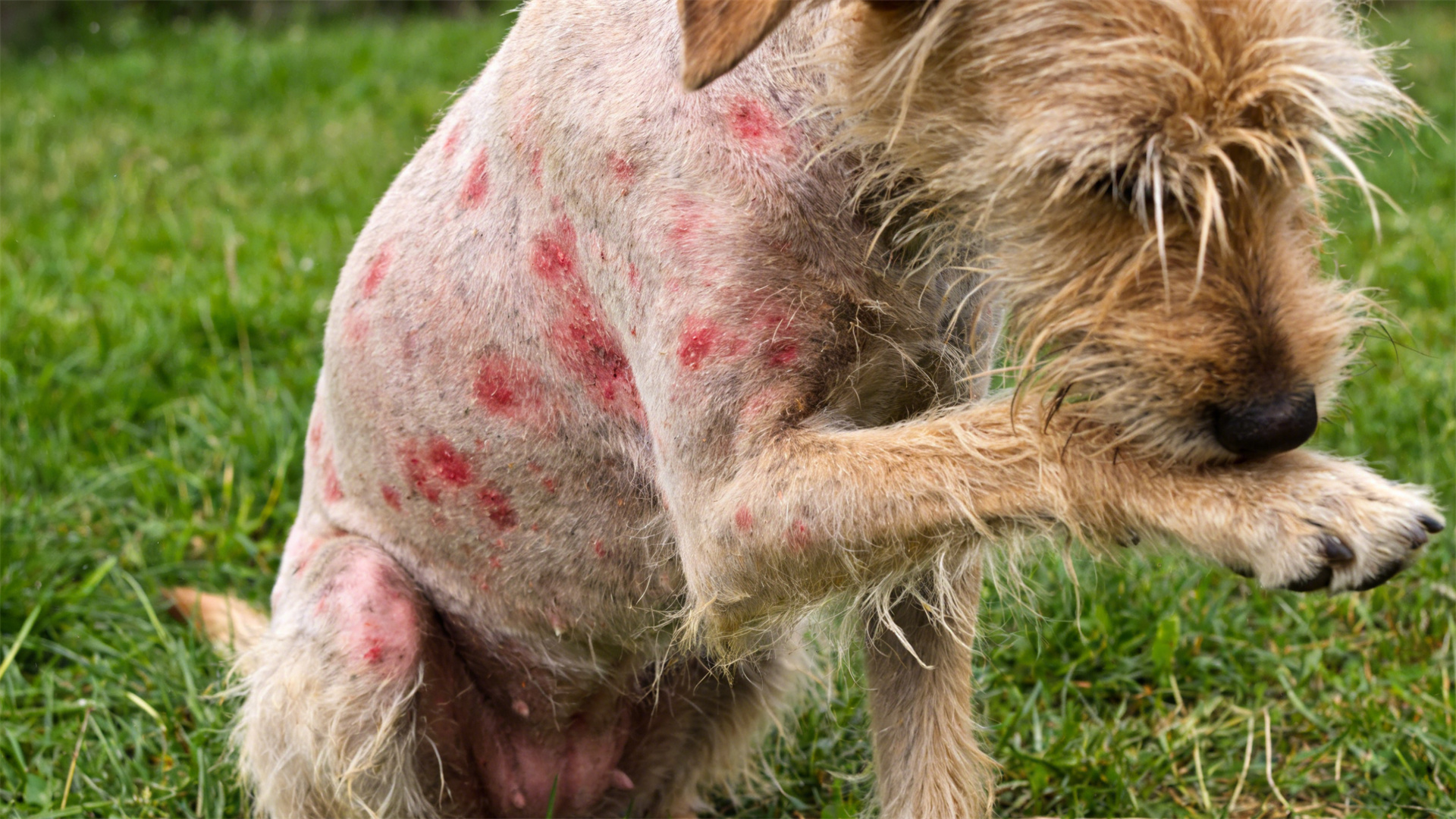
For mild allergic reactions (e.g., insect bites, hives), some dog allergy medicine options include diphenhydramine (Benadryl). Dosage is weight-specific and must be confirmed by your vet. Ensure the product contains only diphenhydramine, with no added decongestants or pain relievers, which can be fatal.
🤢 For Gastrointestinal Upset
Hydrogen Peroxide (3%): Special Reminder: This is only for inducing vomiting when specifically instructed by a vet or poison control, typically after recent ingestion of a known toxin. Incorrect use can cause severe complications.
Gastro-Protectants: Medications like famotidine (Pepcid) may be recommended for temporary stomach acid reduction. Again, vet consultation for dosage is non-negotiable.
🚫 The "Never-Ever" List: Human Medications Toxic to Dogs
- NSAIDs (Ibuprofen, Naproxen): Cause severe gastrointestinal ulcers and kidney failure.
- Acetaminophen (Tylenol): Extremely toxic, damaging red blood cells and causing liver failure. A single tablet can be dangerous.
- Aspirin: While sometimes used under strict veterinary supervision, never give it without guidance. It can cause bleeding disorders and stomach ulcers.
⚠️ Step-by-Step: Handling Common Minor Issues
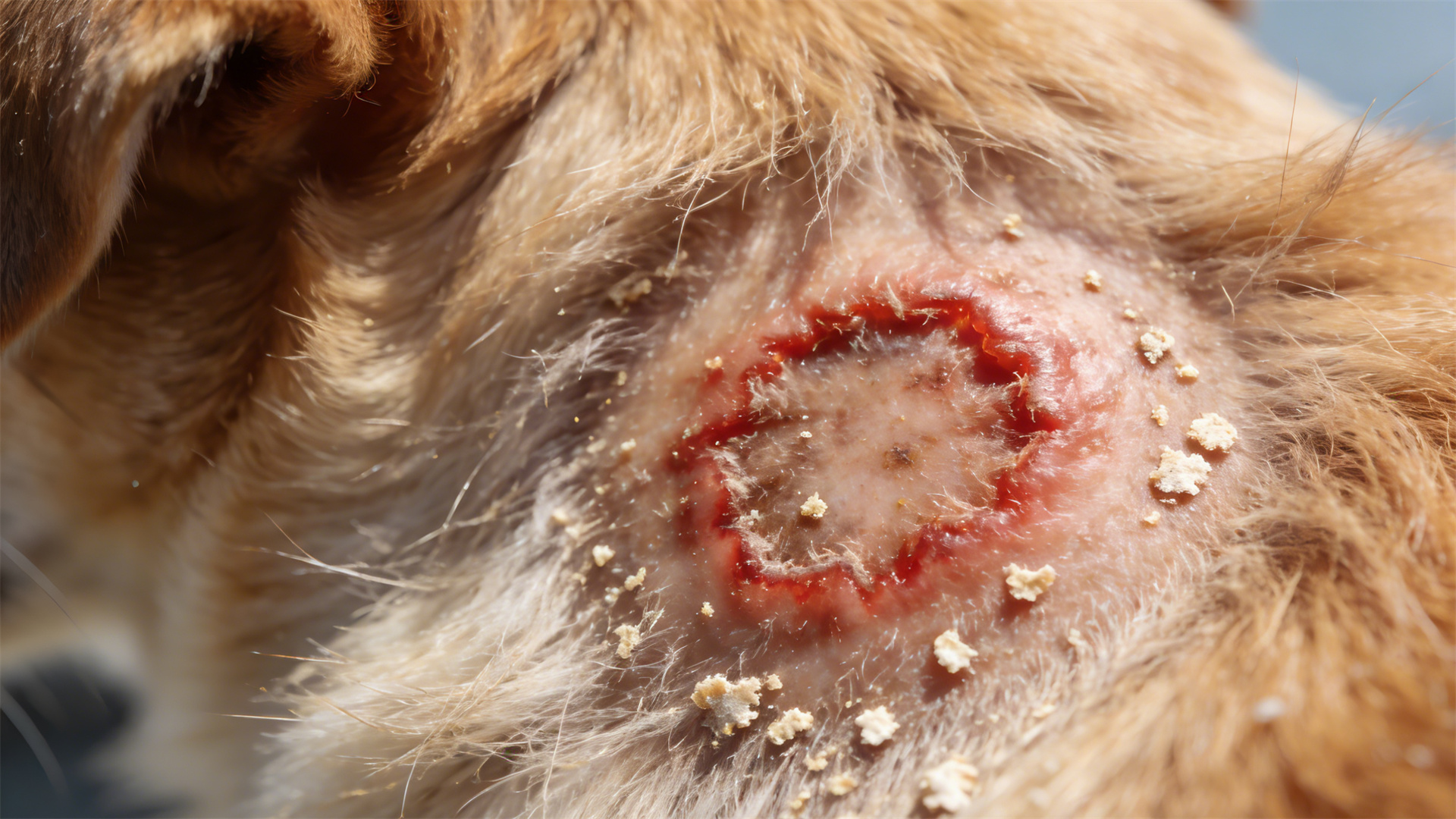
🔪 Minor Cuts & Scrapes
- Muzzle your dog for safety.
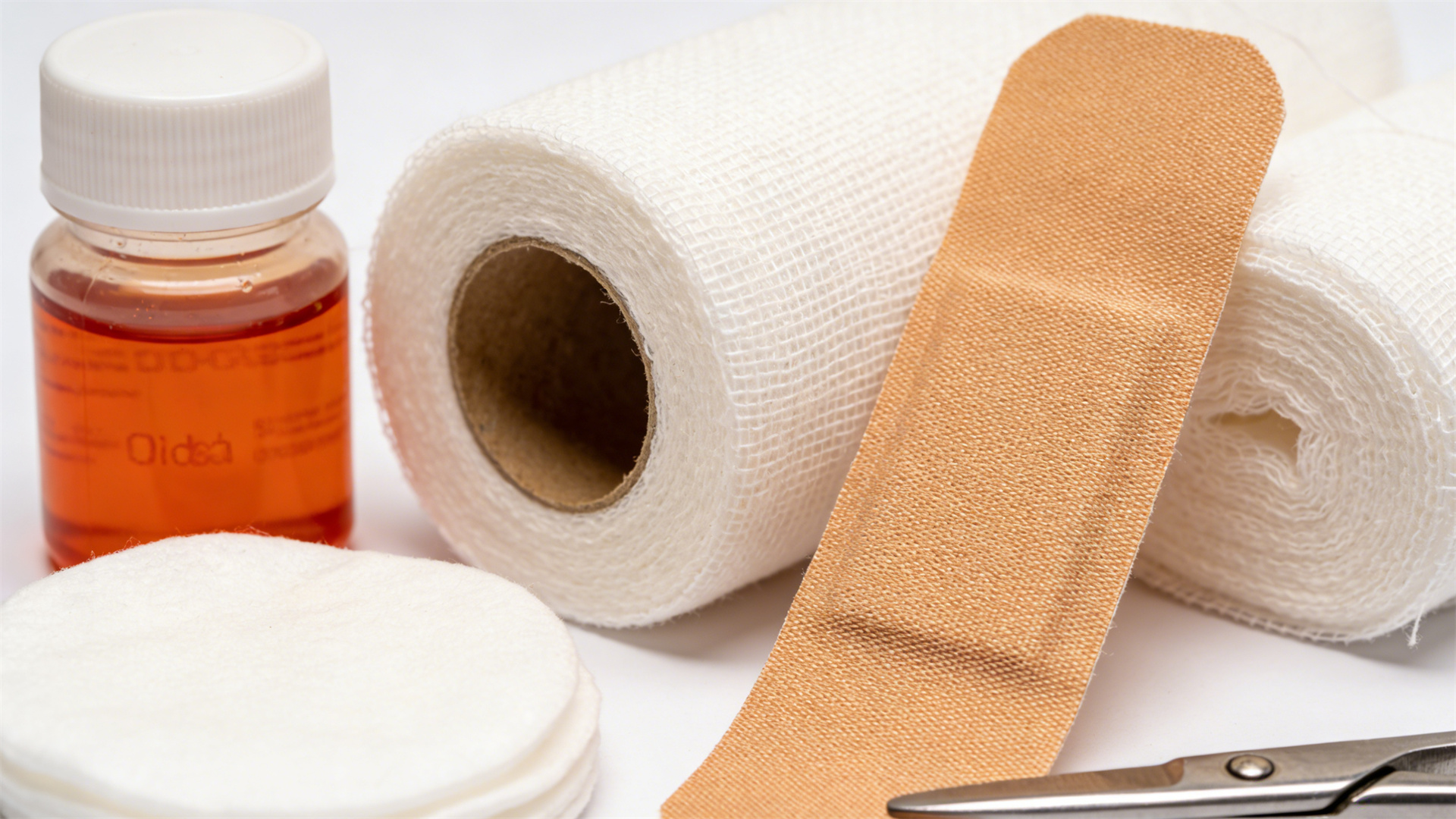
- Apply gentle pressure with a gauze pad to stop bleeding.
- Gently flush the wound with sterile saline or dilute chlorhexidine.
- Apply a thin layer of antibiotic ointment.
- Cover with a non-stick pad and secure with vet wrap.
🐝 Insect Stings
If you can see the stinger, scrape it out with a credit card. Apply a cold compress to reduce swelling. Monitor closely for signs of a severe allergic reaction (facial swelling, difficulty breathing, collapse)—this is an immediate veterinary emergency.
🚨 When to Immediately Contact Your Veterinarian
Your first aid kit and knowledge are for minor issues and stabilization. Seek professional veterinary care immediately if your dog shows any of the following:
- Difficulty breathing, excessive coughing, or choking.
- Severe bleeding that doesn't stop within 5-10 minutes of direct pressure.
- Suspected poisoning (from plants, chemicals, human foods like chocolate/xylitol, or human medications).
- Trauma, such as being hit by a car or a high fall, even if they seem okay initially.
- Heatstroke signs: heavy panting, glazed eyes, rapid heartbeat, vomiting, collapse.
- Seizures, loss of consciousness, or sudden inability to stand.
- Bloated, distended, or painfully hard abdomen.
- Profuse vomiting or diarrhea, especially if containing blood.
✅ Conclusion & Your Action Plan
Being prepared transforms fear into capable action. By assembling your dog first aid kit and educating yourself on safe medicines for dogs, you take a proactive step in safeguarding your furry family member's health.