Kennels, shelters, and boarding facilities are essential pillars of canine care, providing safety and temporary refuge. However, for many dogs, these environments—despite their best intentions—can be hotbeds of stress and anxiety. The cacophony of unfamiliar sounds, the presence of unknown dogs, and the separation from familiar people and routines trigger a profound physiological response. One of the most direct and measurable markers of this stress is an increased heart rate, which, when sustained, can negatively impact overall health and well-being. In the search for innovative, non-invasive tools to combat this issue, music therapy has emerged as a surprisingly powerful ally. This article delves deep into the science and practice of using specific frequency music in kennel settings, exploring its demonstrable, calming effect on the canine cardiovascular system and its role as a cornerstone of modern, compassionate animal welfare.
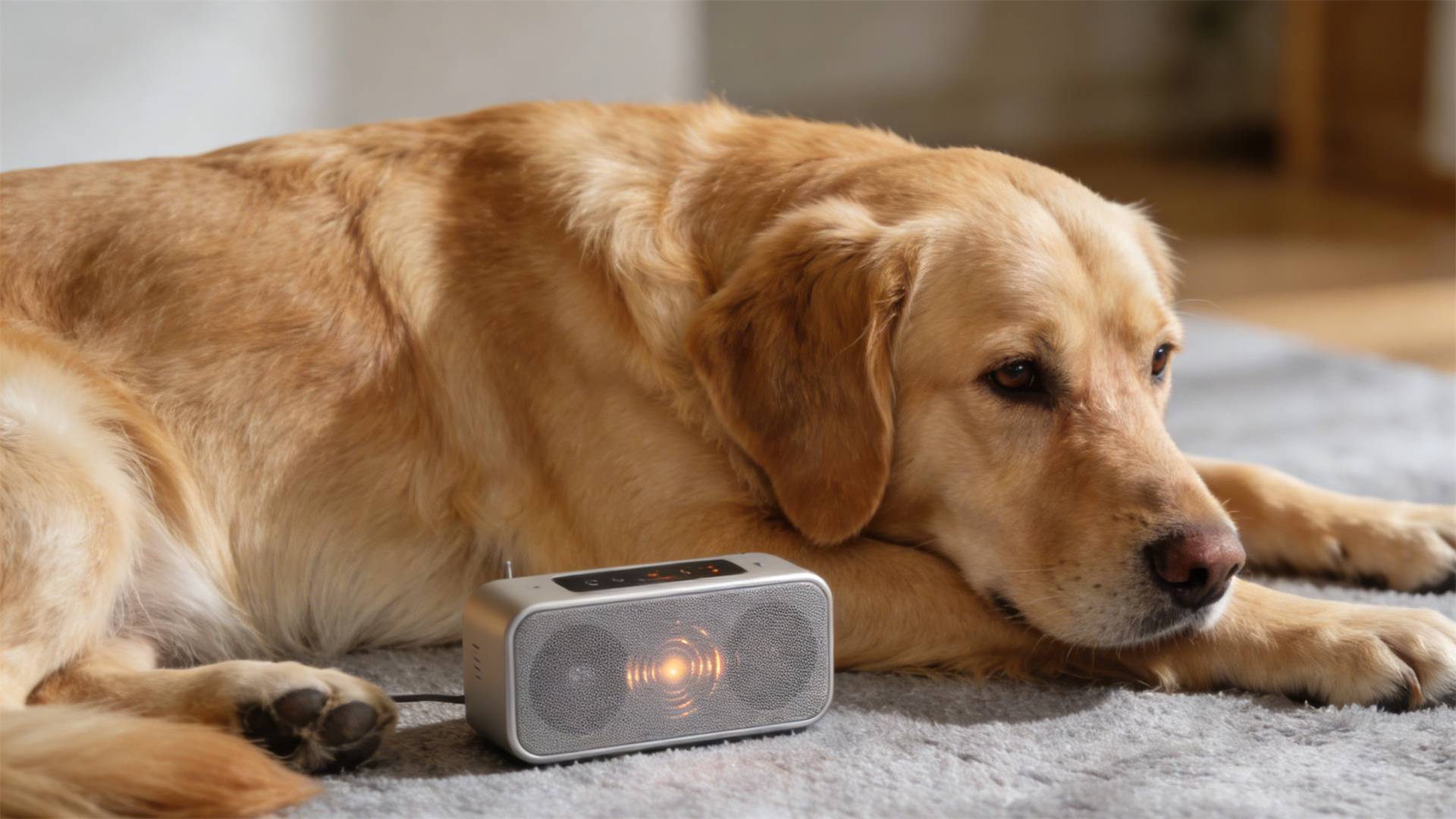
🎵 The Science of Sound: How Music Affects the Canine Brain and Body
The concept of music therapy for dogs is not merely anthropomorphic wishful thinking; it is grounded in compelling biological and neurological science. Dogs hear a different range of frequencies than humans, but their auditory system is highly sensitive and directly wired to their autonomic nervous system—the system that controls heart rate, respiration, and the stress response.
Brainwaves and Frequencies: The Pathway to Calm
When a dog is stressed, its brain is dominated by beta waves, associated with alertness and anxiety. Calming auditory stimuli can help shift brainwave activity towards alpha and even theta states, which are linked to relaxation and rest. This is where specific frequency music comes into play. For instance:
- Classical & Regal Music: Studies, notably those conducted by researchers like Dr. Deborah Wells at Queen's University Belfast, have consistently shown that classical music leads to dogs spending more time resting and less time vocalizing. The complex, structured harmonies and slower tempos (typically 50-60 beats per minute) seem to mirror a resting heart rate, encouraging physiological synchronization.
- The 432 Hz Phenomenon: Often called the "scientific tuning" or "heartbeat of the Earth," music tuned to 432 Hz is argued by sound therapists to be more naturally resonant and calming than the standard 440 Hz. While more research is needed specifically in canines, anecdotal and preliminary data suggest tones at this frequency may promote a deeper sense of peace by reducing nervous tension.
- Simple Audio Landscapes: Beyond formal music, simple, repetitive soundscapes like soft rain, gentle streams, or even specifically engineered dog anxiety reduction with music tracks that use layered, soothing tones can effectively mask jarring kennel noises (barks, gate clangs, etc.) that contribute to stress.

📊 Measurable Calm: The Direct Link Between Music and Heart Rate Stabilization
The ultimate proof of any canine music therapy application lies in hard data. Modern technology, such as heart rate monitoring sensors and hormone assays, allows us to move beyond behavioral observation and into the realm of quantifiable physiology.
Concrete Evidence from Kennel Studies
Controlled studies in shelter environments provide compelling evidence. Dogs exposed to classical music have shown:
- A significant decrease in resting heart rate (often by 10-15 beats per minute) compared to periods of silence or exposure to heavy metal/pop music.
- Reduced levels of cortisol, the primary stress hormone.
- Improved heart rate variability (HRV) in dogs. HRV is a key indicator of autonomic nervous system balance; higher variability is associated with better stress resilience and cardiovascular health.
The process is a beautiful biological cascade: the calming auditory environment created by the music signals the brain to downregulate the "fight-or-flight" response. This, in turn, slows the respiratory rate, which directly encourages a slower, more stable heart rate. This stabilizing effect of music is not just momentary; consistent exposure can help kenneled dogs maintain a lower baseline stress level.

🔧 Harmony in Practice: Implementing Music Therapy in Your Kennel
Understanding the science is the first step; applying it effectively is what transforms theory into tangible shelter dog stress relief. A haphazard approach can be ineffective or even counterproductive. Here’s a practical guide to implementation.
Step 1: Curating the Perfect Playlist
Selection is critical. Avoid music with erratic rhythms, loud percussion, or complex vocalizations.
- Genres to Use: Classical (e.g., Mozart, Beethoven, Bach), soft piano solos, ambient music, or playlists specifically designed for canine relaxation.
- Technical Aspects: Aim for a tempo of 50-80 BPM. Seek out music available in 432 Hz tuning. Volume should be consistent and background-level—loud enough to mask sudden noises but soft enough to allow for normal rest.
Step 2: Strategic Scheduling for Maximum Impact
Timing playback during peak stress hours maximizes the stress reduction through music.
- Morning & Evening Transition Times: When kennel activity is highest (cleaning, feeding, tours).
- Afternoon "Quiet Hours": To encourage rest and digestion.
- Overnight: To combat the loneliness and silence that can be particularly stressful in shelters.
Step 3: Monitoring and Adaptation
Special Reminder: Every dog population is different. Use both behavioral observation and, if possible, simple dog heart rate monitoring tools (like pulse oximeters used during vet checks) to gather data.
- Look for behavioral cues of success: less barking/whining, more relaxed postures (sphinx position, sleeping on side), and increased time resting.
- Be prepared to adapt the playlist. Some dogs may respond better to harp music than to piano, for example. Audio therapy for kenneled dogs is most effective when it's tailored.
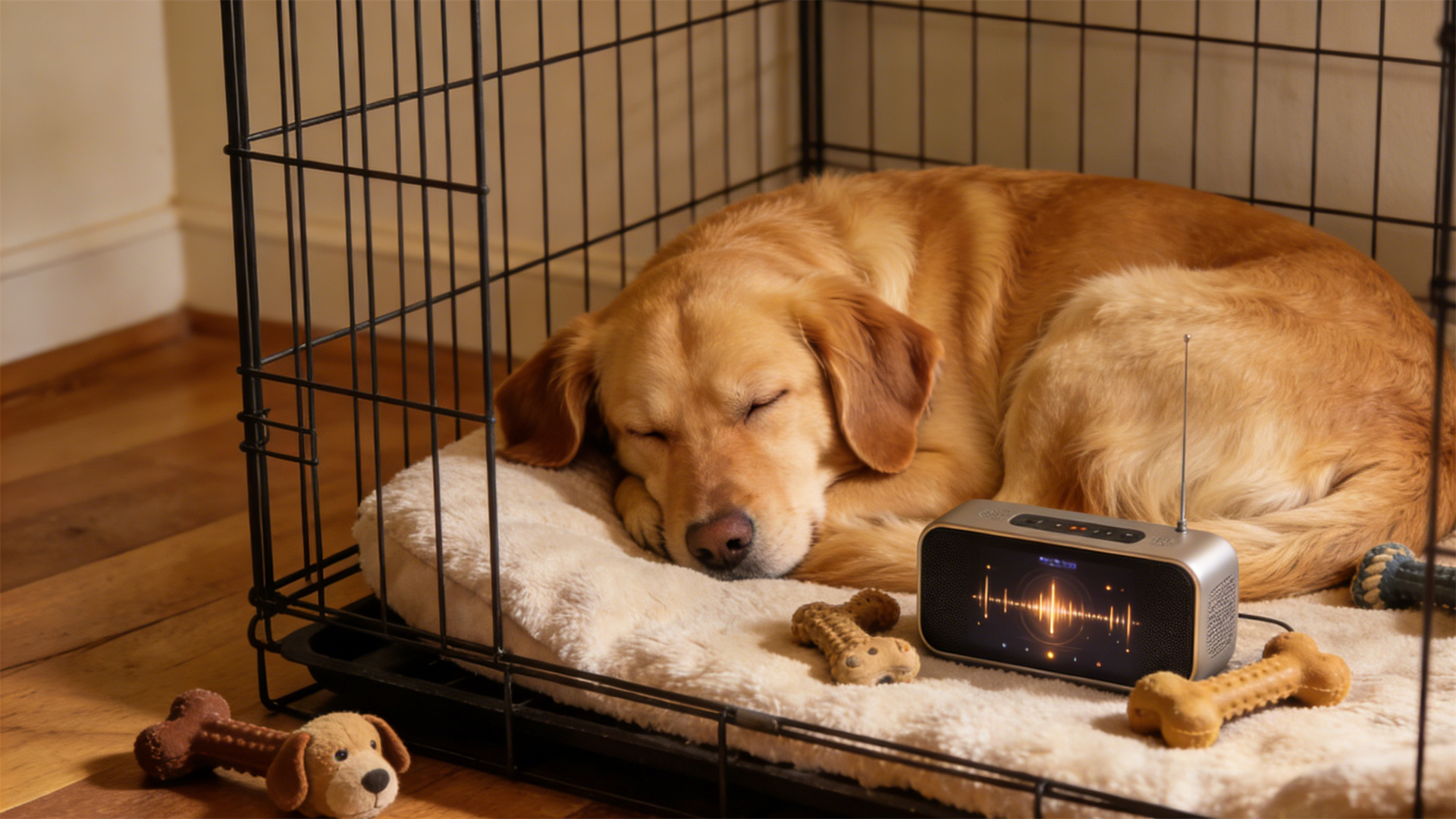
💚 The Ripple Effect: Broader Benefits of a Musical Kennel Environment
The primary goal is heart rate stabilization in canines, but the benefits of this kennel enrichment with sound cascade throughout the entire facility.
- Improved Animal Welfare: Reduced chronic stress means stronger immune systems, better appetite, and a lower incidence of stress-related behaviors like pacing or self-mutilation.
- Enhanced Adoptability: A calm, quiet dog is more likely to show its true personality to potential adopters, making positive interactions more frequent and successful.
- Positive Staff Environment: A quieter, more peaceful kennel reduces burnout for staff and volunteers, creating a virtuous cycle of better care.
- Community Perception: Facilities that employ such innovative, science-backed welfare tools are often viewed as more progressive and compassionate, boosting community support.
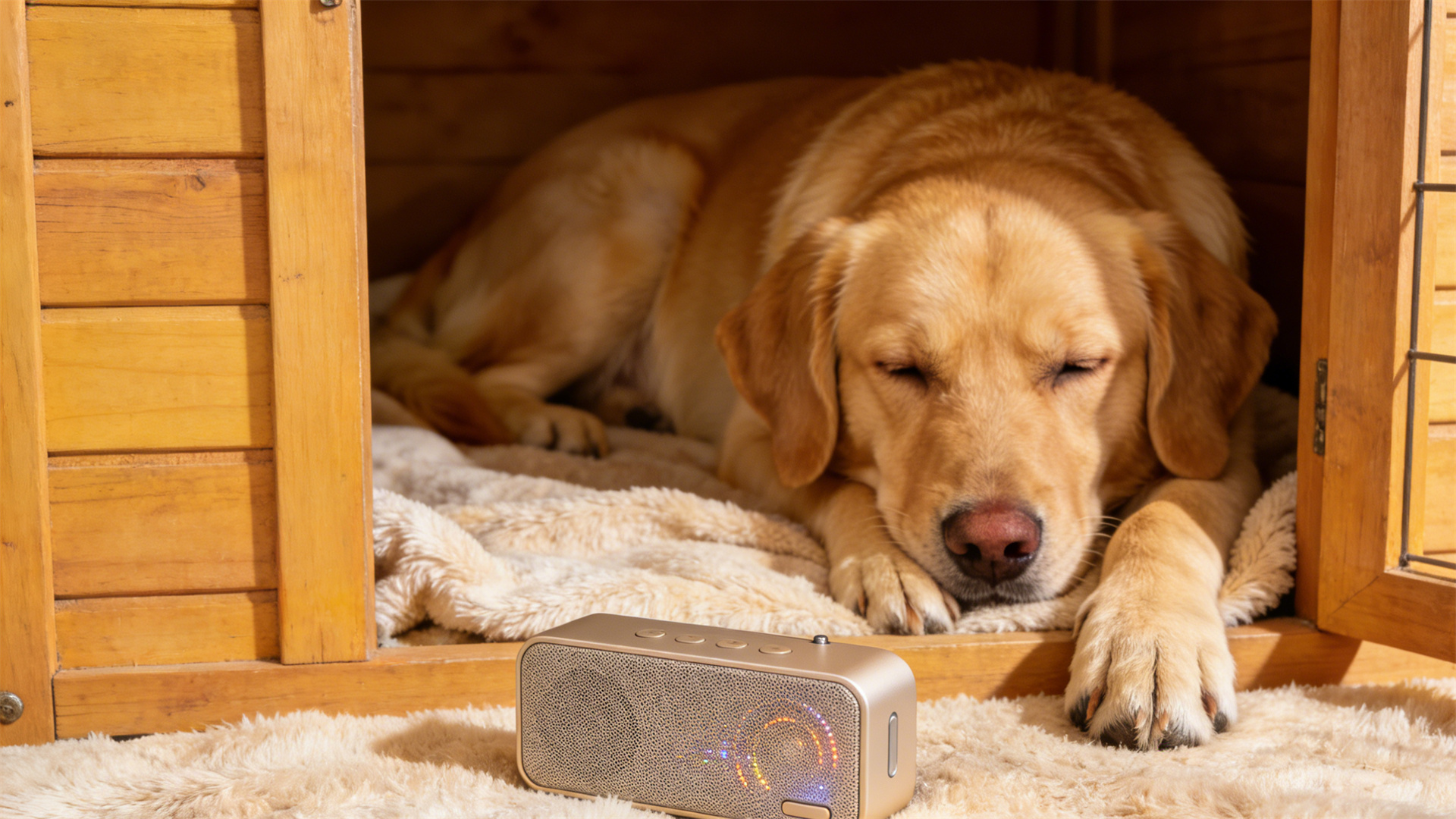
🎶 Conclusion: A Symphony of Science and Compassion
Adopting music therapy in kennels is a forward-thinking, evidence-based approach to modern canine management. The stabilizing effect of specific frequency music on heart rate is a clear, measurable phenomenon that offers a direct path to reduced anxiety and dramatically improved animal welfare. This practice is far more than just "playing nice music"; it is a deliberate canine music therapy application that leverages an understanding of neurology, physiology, and animal behavior. Kennels that integrate this thoughtful, non-invasive therapy report not just data points on a chart, but visible, tangible results: happier, healthier dogs resting more peacefully in their kennels, awaiting their forever homes in a state of dignified calm. It represents the perfect, harmonious blend of science and compassion in the ongoing mission to provide the best possible care for our canine companions.

❓ Frequently Asked Questions (FAQs)
What type of music is absolutely NOT recommended for kennels?
Avoid music with heavy, driving bass, aggressive percussion (like heavy metal or hard rock), complex opera vocals, or sudden, loud changes in dynamics. These can increase agitation and heart rate, counteracting all benefits.
How long does it take to see the effects of music therapy on a dog's heart rate?
Physiological changes can be relatively quick. Studies have noted observable heart rate stabilization within 15-30 minutes of exposure to appropriate calming music. However, for long-term behavioral change and baseline stress reduction, consistent, daily application over weeks is key.
Can I use a regular radio station for kennel music therapy?
It is strongly discouraged. Radio stations include jarring advertisements, talk radio, and a highly variable genre mix that can cause more stress than relief. Using a dedicated device with a curated, controlled playlist or a specialized service for animal calming is far more effective and reliable.
Is music therapy a substitute for human interaction and other enrichment?
Absolutely not. Music therapy is a powerful tool within a comprehensive welfare strategy. It should be used to enhance and create a better backdrop for essential human socialization, physical exercise, tactile enrichment (like snuffle mats), and positive training sessions.