Watching your loyal companion grow older is a journey filled with love, but it can also bring new challenges. If your senior dog seems to be "acting differently," it might not just be normal aging. Canine Cognitive Dysfunction, often called dog dementia, is a common but under-recognized condition affecting older dogs. Similar to dementia or Alzheimer's in humans, CCD is a progressive, age-related decline in cognitive abilities caused by physical changes in the brain. This article will guide you through recognizing the signs, understanding the condition, and most importantly, learning actionable strategies to support your dog's quality of life. You are not alone in this journey.
🫀 What is Canine Cognitive Dysfunction (CCD)?
Canine Cognitive Dysfunction is a medical syndrome resulting from the aging of a dog's brain. It involves a gradual degeneration of brain tissue, including the accumulation of abnormal proteins called beta-amyloid plaques, reduced blood flow, and changes in neurotransmitter levels. These physical alterations lead to a decline in mental faculties, impacting memory, learning, perception, and awareness. It's crucial to understand that CCD is not a normal part of aging but a specific pathological process. While it is more common in dogs over the age of nine, its prevalence increases significantly with each passing year. Recognizing it early is the first step toward effective management.
🔍 Recognizing the Signs: The DISHA Acronym
Veterinarians often use the DISHA acronym to categorize the primary symptoms of CCD. These changes are typically gradual, so being an observant pet parent is key. Here is a detailed breakdown of what to look for.
Disorientation and Spatial Confusion
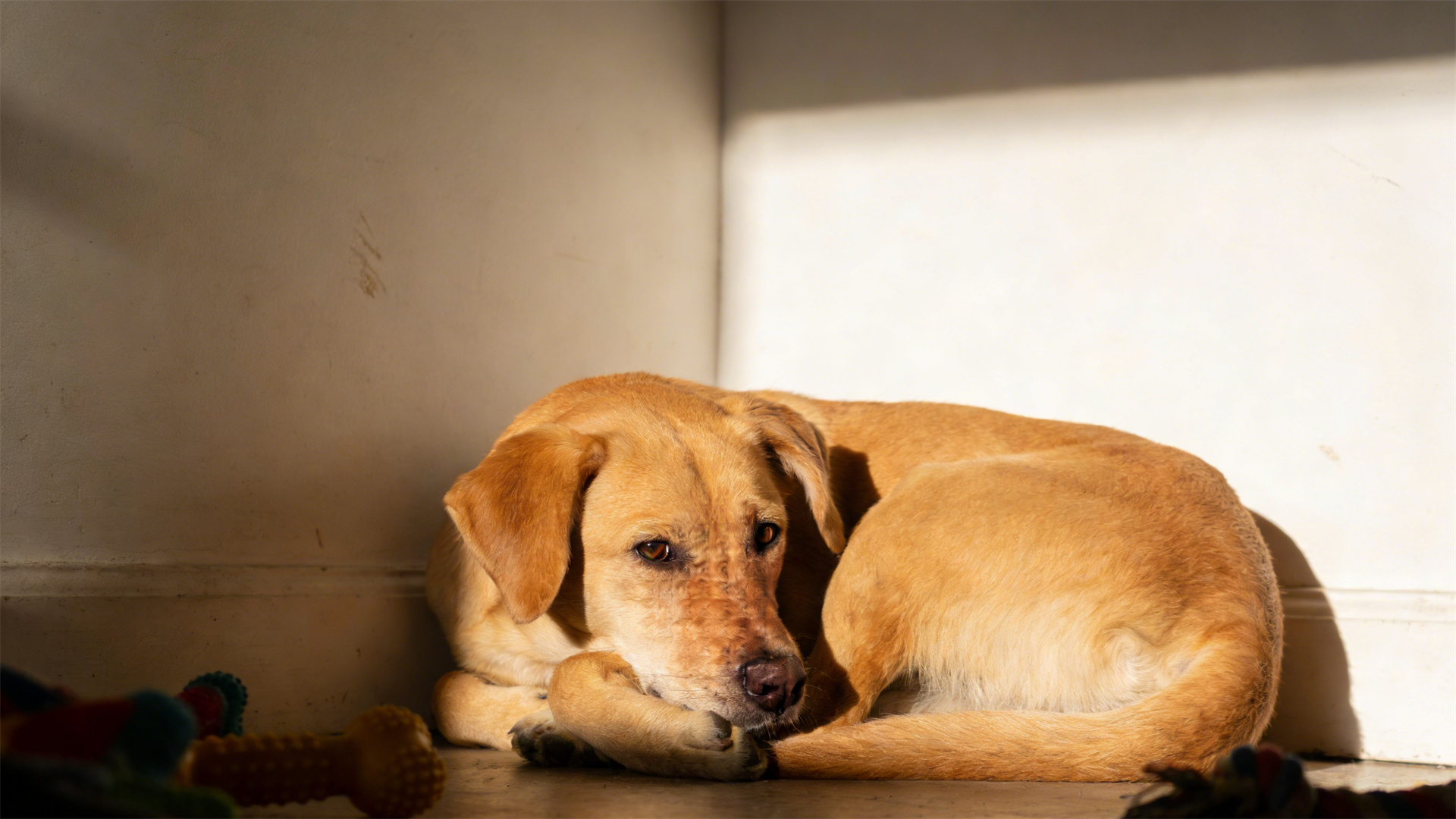
This is one of the most telling signs. Your dog may seem lost or confused in once-familiar environments. You might observe them getting stuck in corners or behind furniture, staring blankly at walls or into space, having difficulty finding the door (even when it's open), or wandering aimlessly without purpose. They may even fail to recognize familiar people or places momentarily.
Changes in Social Interactions
CCD can profoundly alter how your dog relates to you, your family, and other pets. A once affectionate dog may become withdrawn, indifferent, or less interested in being petted. Conversely, some dogs may become unusually clingy and anxious when separated. You might notice a decreased enthusiasm for greetings when you come home, or they may interact less with their canine siblings. In some cases, they may even show uncharacteristic irritability or aggression.
Disruption of the Sleep-Wake Cycle
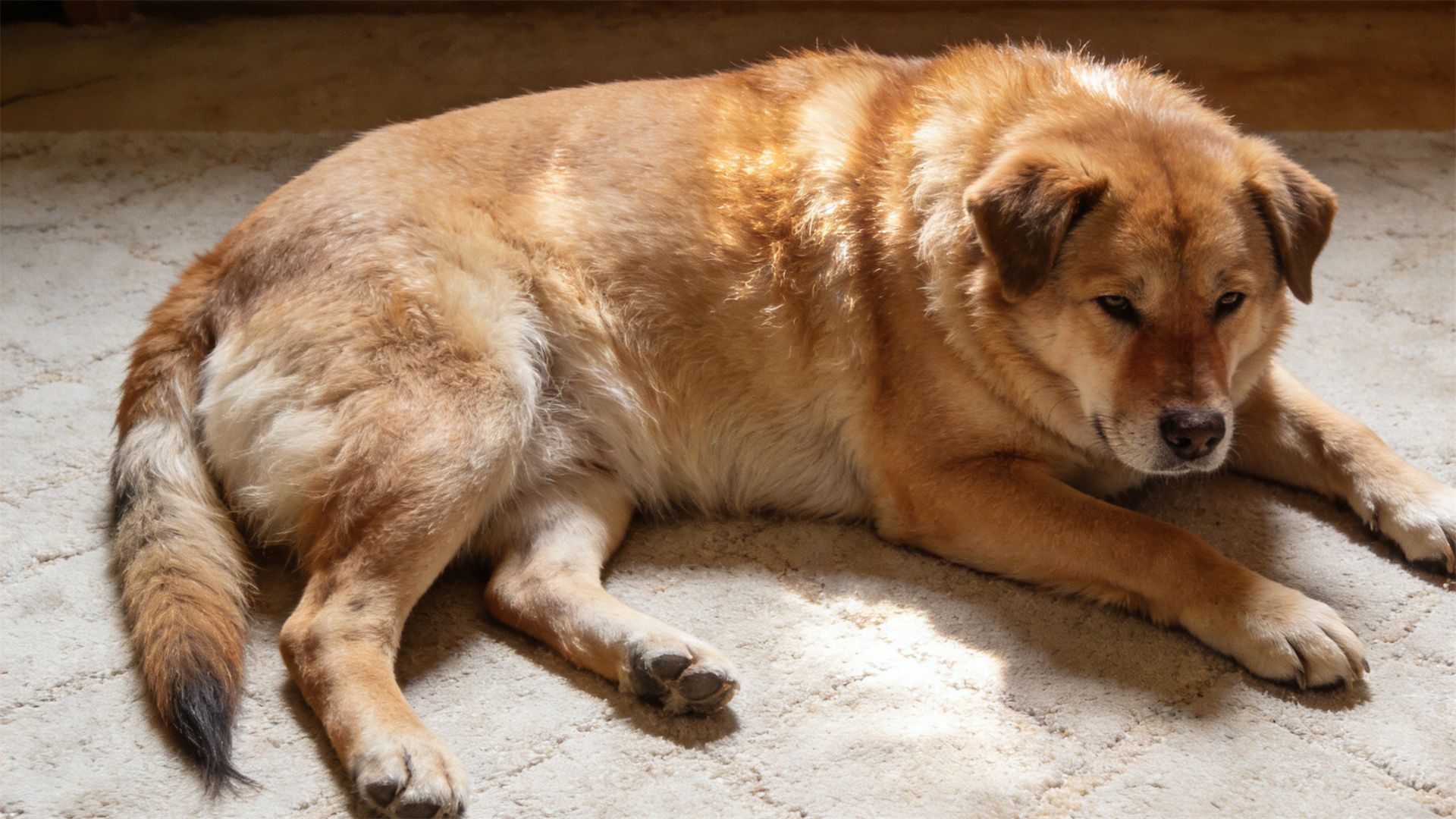
Many dogs with CCD experience a reversal of their normal sleep patterns. This often manifests as nighttime restlessness, pacing, or whining for no apparent reason, while they sleep excessively during the day. This phenomenon, sometimes called "dog sundowning," can be particularly taxing for both the dog and the owner, leading to sleep deprivation for all.
House Soiling and Loss of Housetraining
A previously well-housetrained dog may begin having accidents indoors. This is not an act of defiance or a simple bladder infection, but rather a sign they have forgotten their training or the signal to go outside. They may even eliminate in unusual places or appear confused about what they are doing while it's happening.
Changes in Activity Level and Increased Anxiety
Look for shifts in overall engagement with life. This can include a noticeable decrease in interest in play, walks, or exploring their environment. Conversely, some dogs may develop repetitive behaviors like pacing, licking, or barking. New and unexplained anxieties are common, often in response to things that never bothered them before, or they may seem generally more fearful and less confident.
🩺 Causes and Getting a Proper Diagnosis
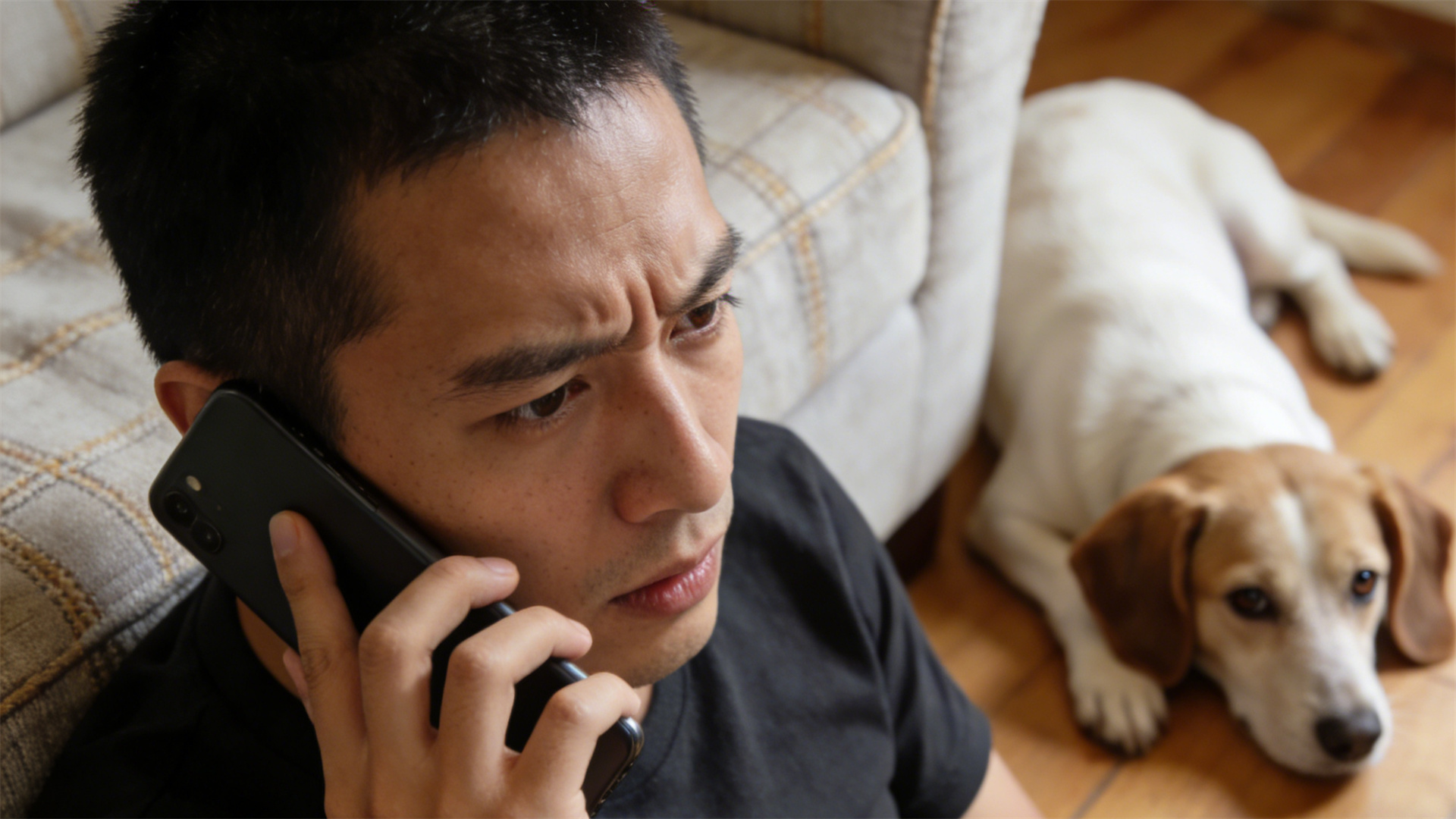
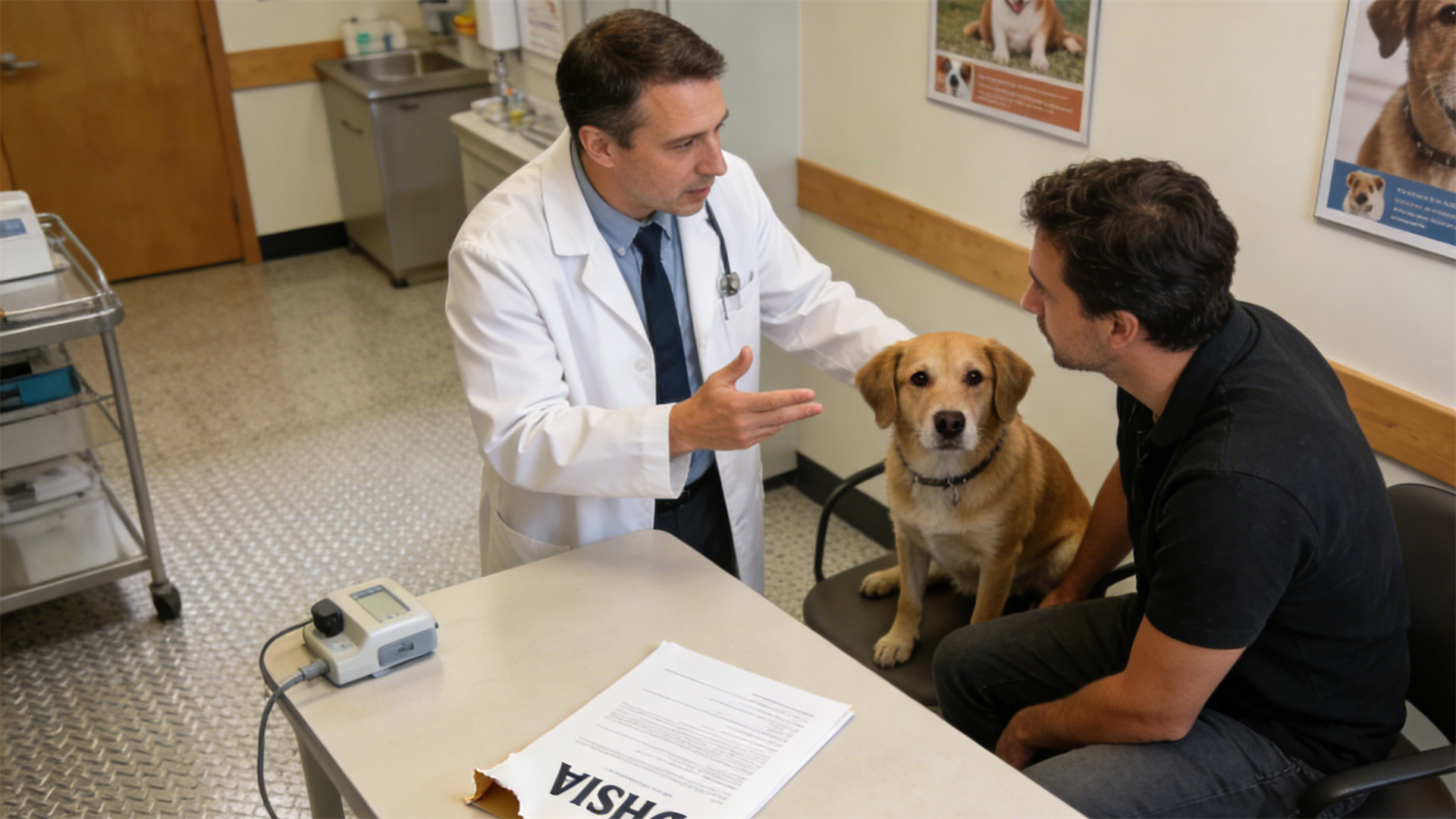
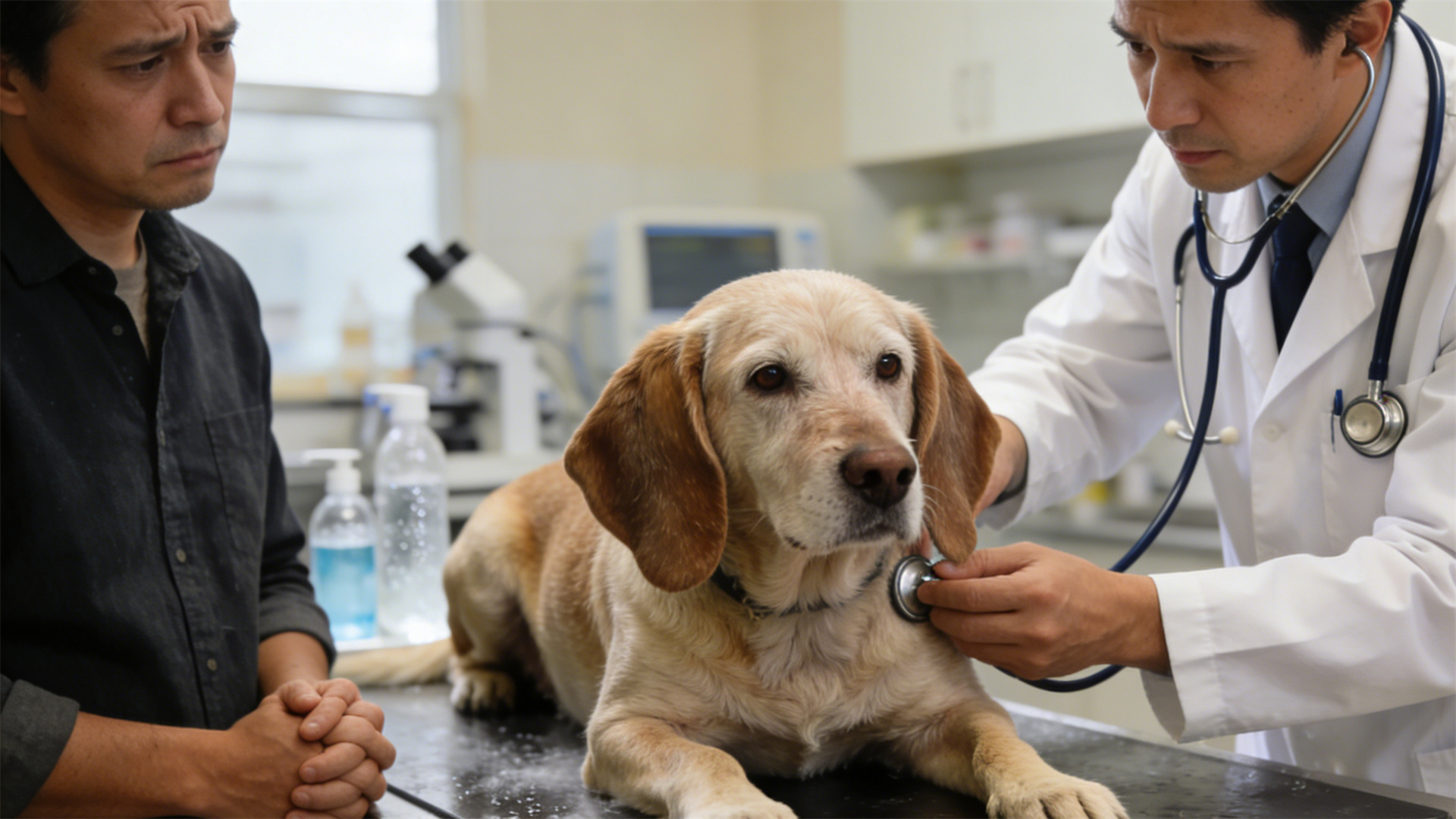
The root cause of CCD is the biological aging of the brain. As dogs age, their brain cells can accumulate damage from free radicals, blood flow may decrease, and those beta-amyloid plaques can disrupt communication between neurons. This leads to the symptoms we observe. The most critical step if you notice any DISHA signs is to consult your veterinarian immediately. There is no single test for CCD. Instead, diagnosis is reached by ruling out other medical conditions that can mimic dementia, such as vision/hearing loss, arthritis pain, urinary tract infections, kidney disease, or brain tumors. Your vet will conduct a thorough physical and neurological exam, and likely recommend blood work, urinalysis, and possibly advanced imaging.
💝 Management and Support: A Multi-Pronged Approach
While there is no cure for CCD, a proactive management plan can slow its progression and dramatically improve your dog's quality of life. Think of it as building a support system that addresses their mental, physical, and environmental needs.
1. Veterinary Partnership and Medical Options
Your veterinarian is your primary ally. They may discuss prescription diets specifically formulated with antioxidants, medium-chain triglycerides (MCTs), and other nutrients to support brain health. Medications like selegiline (Anipryl) can help regulate neurotransmitters. For anxiety and sleep disturbances, they might recommend safe anti-anxiety medications or supplements. Always follow your vet's guidance and never use human medications. For more on senior veterinary care, you can read our guide on essential senior dog care.
2. Nutritional Support and Brain-Boosting Supplements
Diet is a cornerstone of management. In addition to therapeutic veterinary diets, certain supplements have shown promise. These may include:
Omega-3 fatty acids (like DHA from fish oil) for anti-inflammatory brain support.
Antioxidants like Vitamins E and C to combat free radical damage.
Supplements such as S1-adenosylmethionine (SAMe), phosphatidylserine, or resveratrol.
Always consult your vet before adding any supplement to your dog's regimen to ensure safety and appropriateness.
3. Environmental Enrichment and Mental Stimulation
Keeping the mind active is crucial. Introduce new, gentle challenges that engage their senses without causing frustration.
Use interactive puzzle toys and slow feeders to make mealtime a brain game.
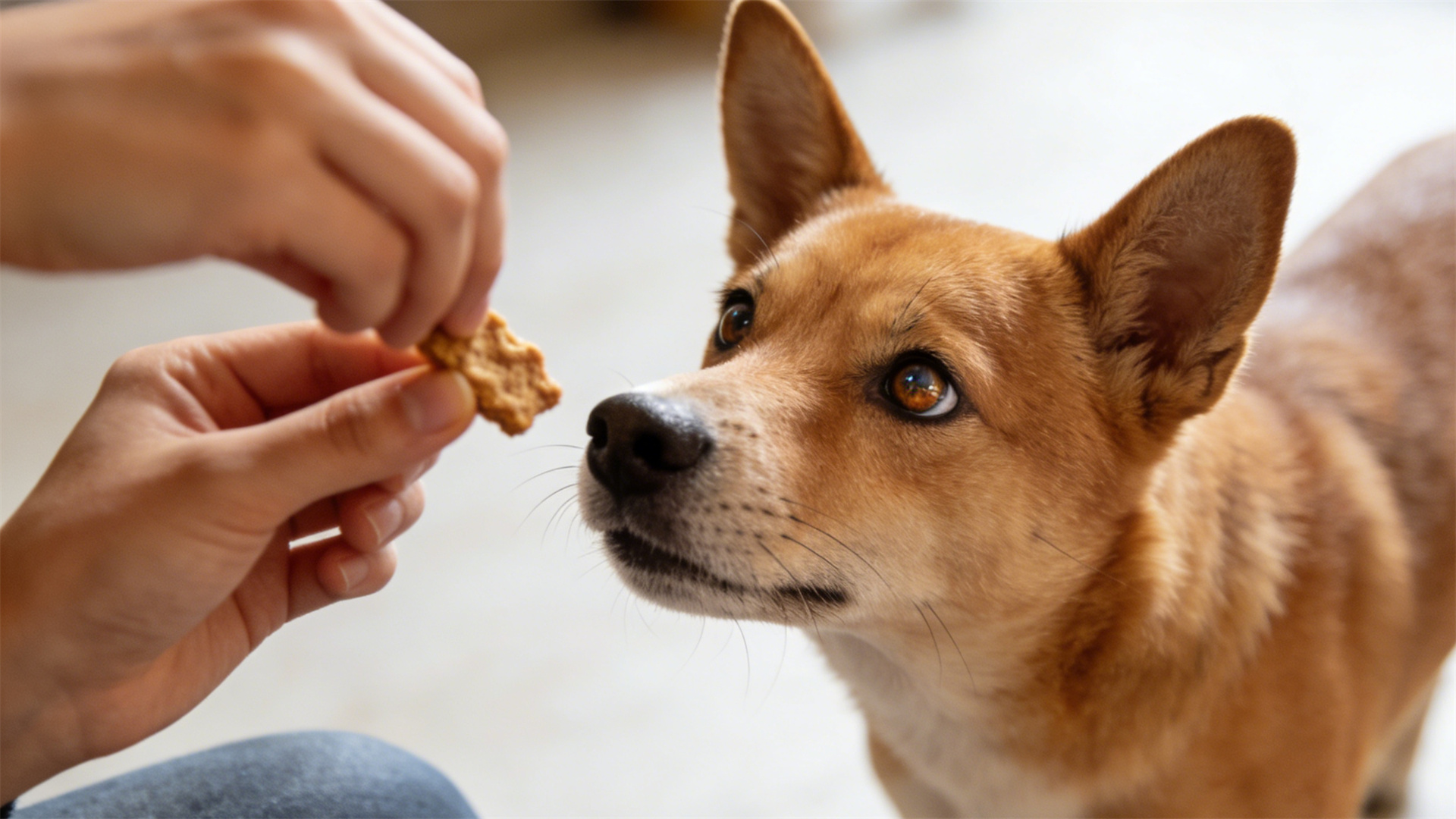
Practice short, positive reinforcement training sessions to learn new, simple tricks or reinforce old commands.
Provide safe, novel experiences like short walks in new (calm) environments or "sniffari" walks where they can explore smells.
For a deep dive into activities, explore our article on brain games for dogs of all ages.
4. Consistency, Routine, and Environmental Modifications
A predictable world is a less confusing world for a dog with CCD. Maintain a strict routine for feeding, walks, and bedtime. Minimize changes to your home layout to prevent disorientation. Use baby gates to block off unsafe areas like stairs. Provide easy access to water, food, and a comfortable bed. For anxiety-related symptoms, consider products like adaptive wraps (thundershirts) or pheromone diffusers (Adaptil). More strategies can be found in our resource on canine anxiety solutions.
5. Physical Exercise and Compassionate Care
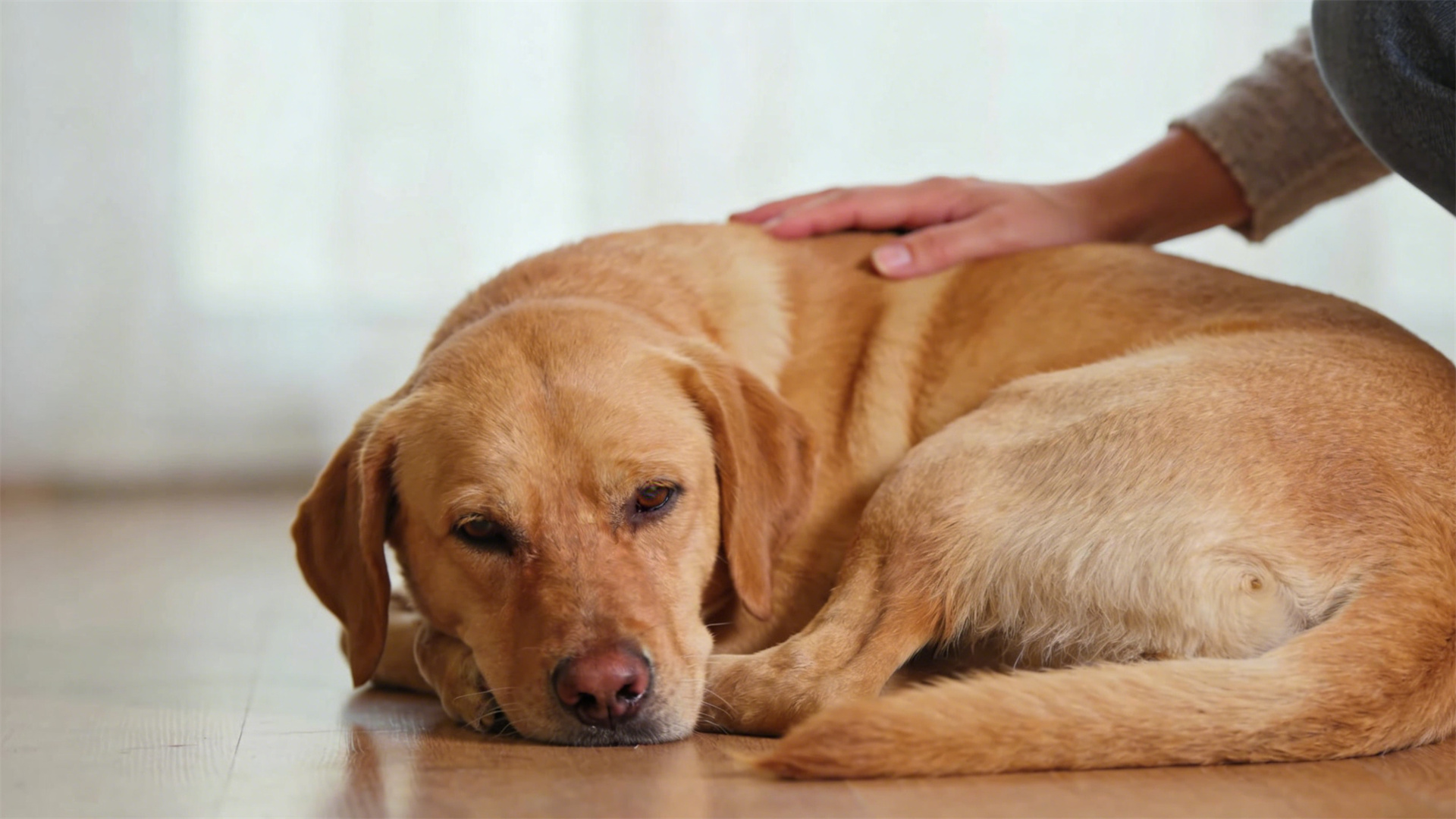
Tailor physical activity to your dog's ability. Gentle, regular exercise like short leashed walks helps maintain cardiovascular health, which supports brain function, and can reduce restlessness. Most importantly, shower them with patience and love. Respond to accidents with understanding, not punishment. Your calm, supportive presence is their greatest comfort.
🌈 Conclusion: A Path Forward with Hope
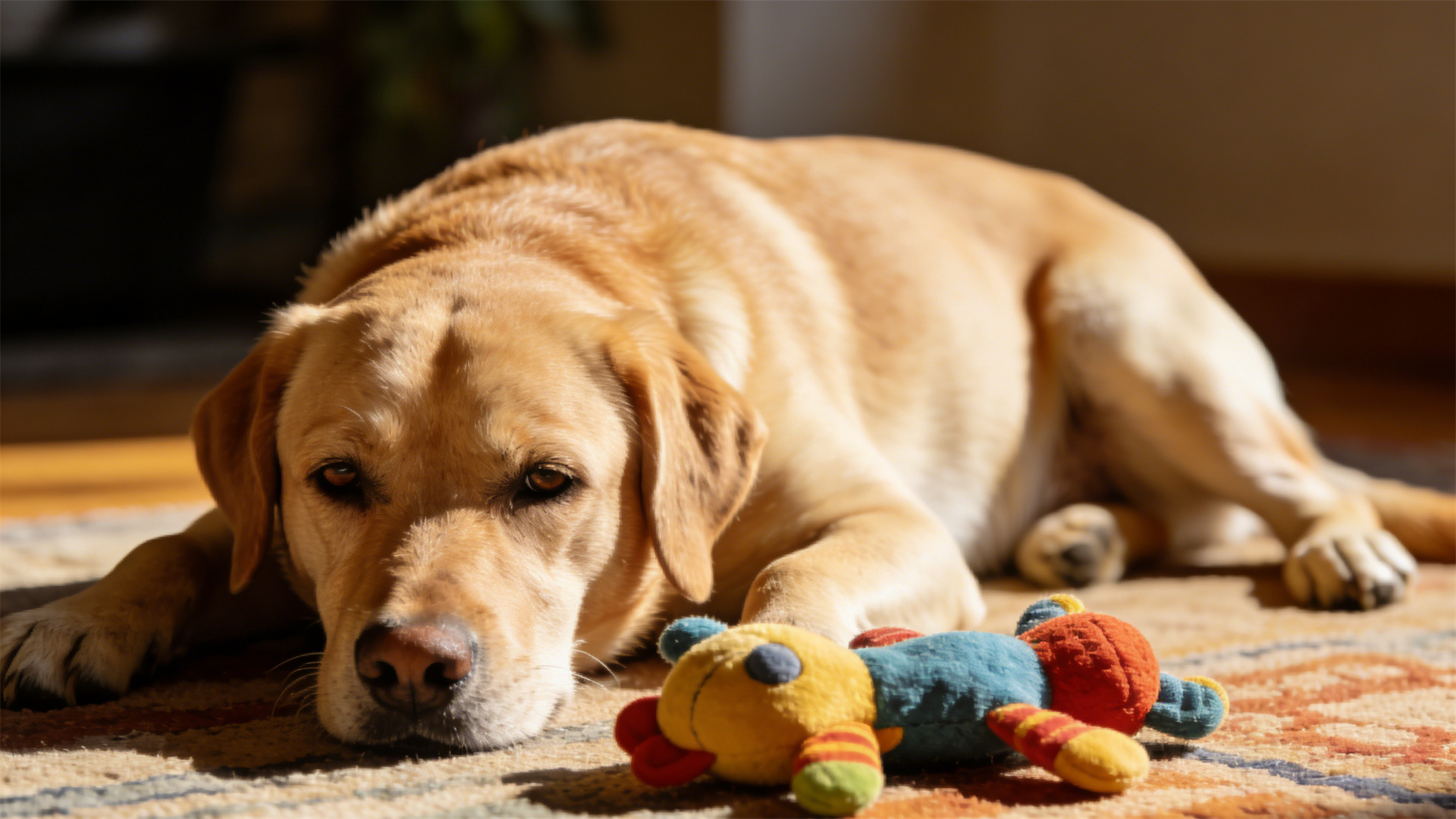
A diagnosis of Canine Cognitive Dysfunction can feel overwhelming, but it is not an immediate end. It is a change in the journey you share with your beloved dog. By partnering with your veterinarian and implementing a comprehensive management plan centered on brain health, routine, and enrichment, you can help slow the progression of symptoms and ensure your senior companion continues to experience joy, comfort, and connection. Your dedication to their well-being is the greatest gift you can give. Remember, these behavior changes are not your dog's fault, nor are they a reflection of their love for you. They are signs of a disease that, with your support, can be managed. Start the conversation with your vet today, and take the first step toward enhancing your dog's golden years.