For many dog owners, bath time is a routine chore—a necessary step in the journey of pet parenthood. We lather, we rinse, we dry, hoping for a cleaner, fresher-smelling companion. Yet, nestled within this simple ritual is a critical variable that often goes overlooked: the temperature of the water. Far from being a minor detail, the water temperature you choose is a pivotal factor in your dog’s dermatological health. Using water that is too hot can be as damaging as neglecting the bath altogether, stripping away the very foundation of healthy skin. This guide delves into the scientific rationale behind the perfect bath water temperature, offering actionable advice to transform bath time from a potential hazard into a cornerstone of proactive canine wellness.
🐾 The Delicate Ecosystem of Canine Skin: More Than Meets the Eye
A dog's skin is a marvel of biological engineering, serving as the primary barrier against the outside world. Unlike human skin, it is generally thinner and has a different pH balance. Its most crucial defensive component is the natural oil layer, scientifically referred to as sebum.
Sebum: The Invisible Shield
Sebum is a complex mixture of lipids (fats), waxes, and cellular debris produced by microscopic sebaceous glands located in the hair follicles. Think of it as a built-in, continuously replenishing conditioner and protective coat. Its functions are multifaceted and essential:
- Barrier Function: It creates a hydrophobic (water-repellent) layer that helps prevent excessive water loss from the skin (transepidermal water loss) and blocks environmental pollutants and allergens from penetrating.
- Moisture Retention: By locking in natural moisture, sebum keeps the skin supple and elastic, preventing cracks and fissures that could lead to infection.
- Antimicrobial Protection: The acidic mantle formed by sebum and other skin secretions inhibits the overgrowth of harmful bacteria, yeast, and fungi on the skin's surface.
- Coat Health: It lends a natural, healthy sheen to the coat and helps prevent tangles and mats.
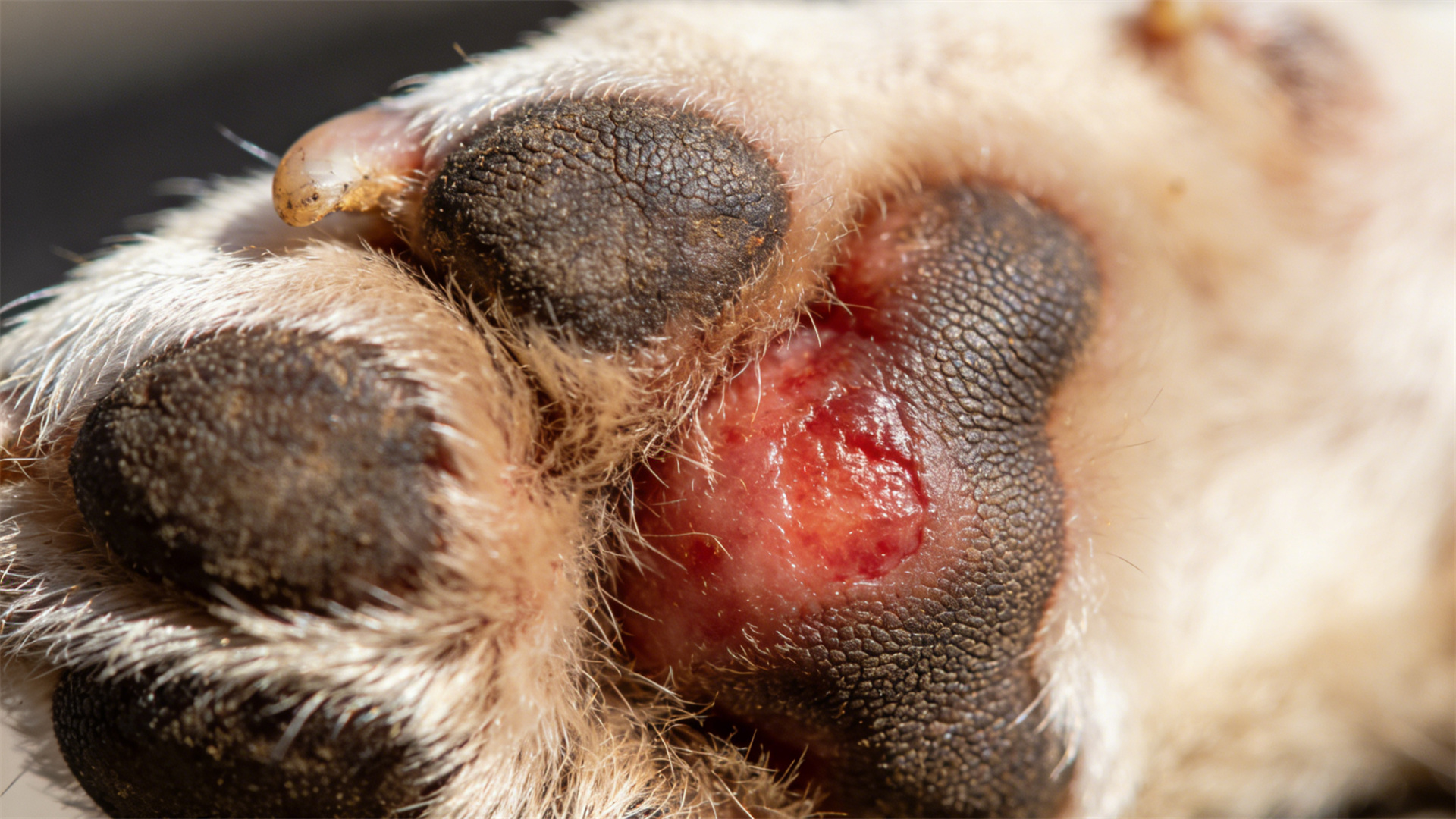
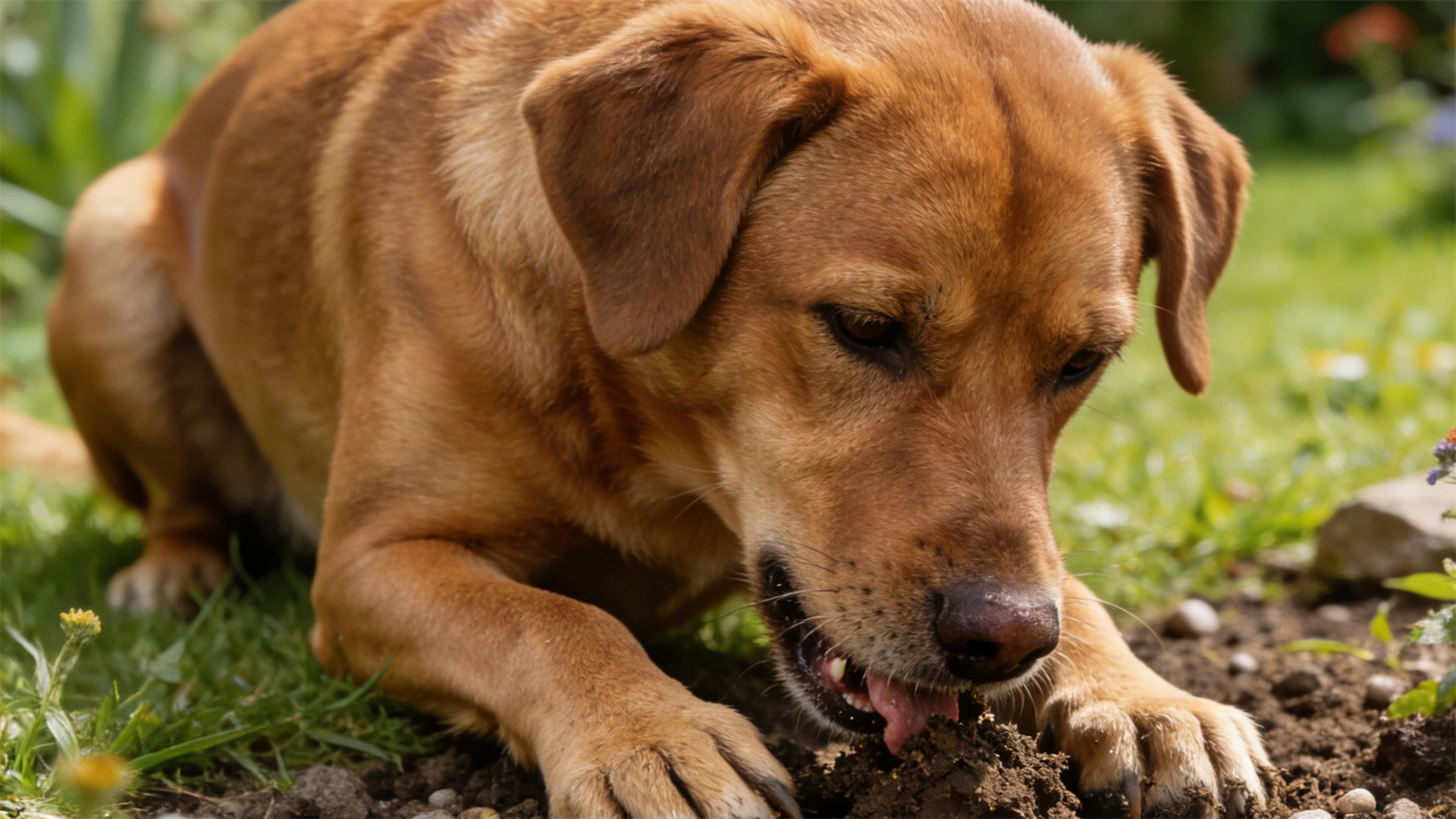
Disrupting this delicate skin barrier is the primary risk of improper bathing. Water that is too hot acts as a potent degreaser, effectively washing away this vital sebum. The result is akin to washing your hands with harsh soap dozens of times a day: the skin becomes dry, tight, flaky, and intensely itchy. This condition, known as xerosis, can trigger a vicious cycle of scratching, leading to inflammation (dermatitis), bacterial infections, and a compromised quality of life.
🌡️ The Goldilocks Zone: Finding the "Perfect" Temperature
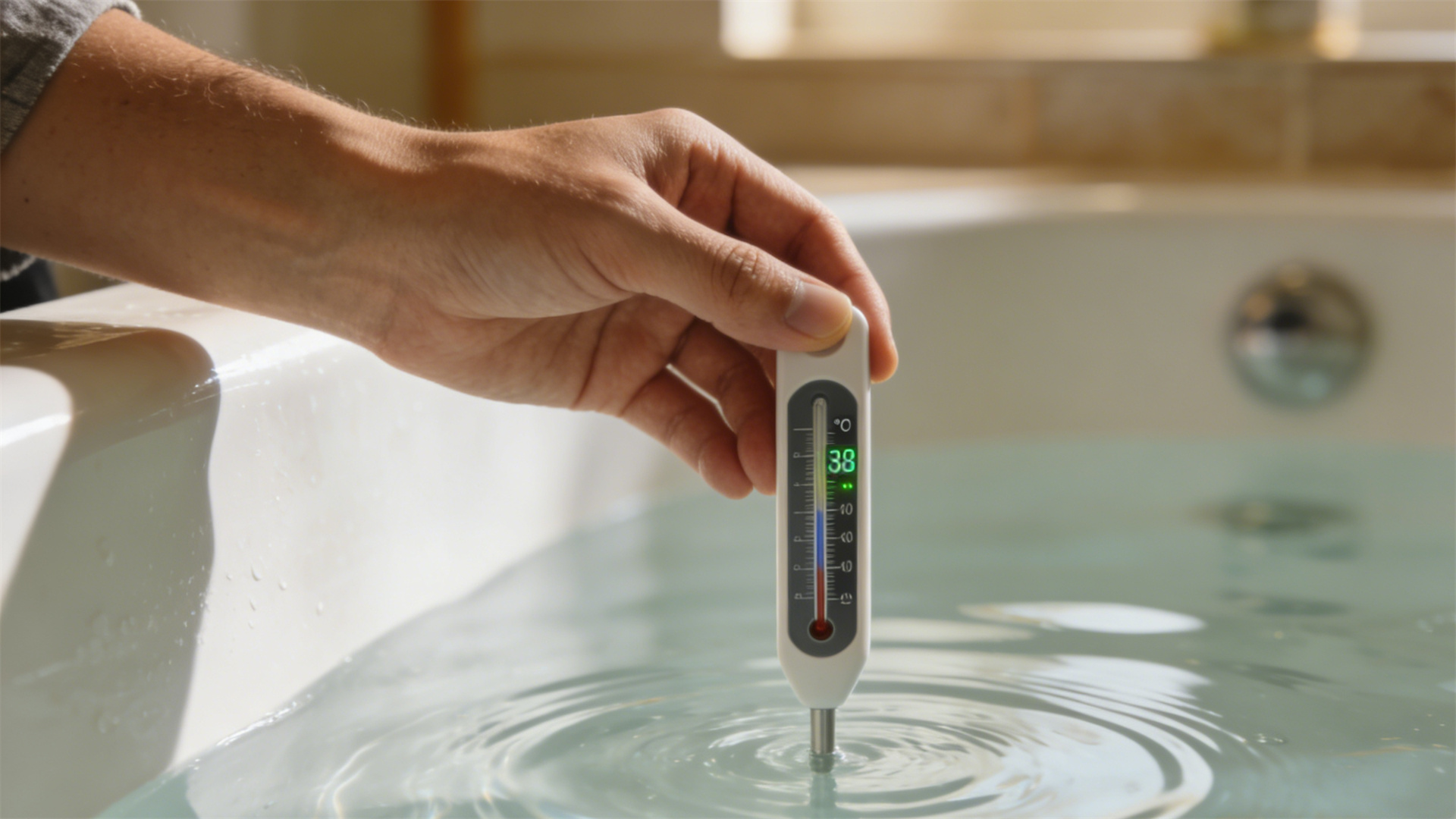
So, what is the ideal temperature? Veterinary dermatologists and professional groomers consistently advocate for lukewarm water. The precise, scientifically-supported range is:
98.6°F to 102.2°F (37°C to 39°C)
This range is not arbitrary. It closely mirrors a dog's average internal body temperature, which typically falls between 101°F and 102.5°F. Why is this overlap so important?
- Physiological Compatibility: Water in this range feels neutral to a dog's skin receptors. It is warm enough to be comfortable and to cause pores to dilate slightly, aiding in the release of dirt and debris, but not so hot as to shock the system or scald the skin.
- Sebum Preservation: This temperature is sufficient to solubilize (loosen) dirt and excess oils for removal without completely emulsifying and stripping away all the protective sebum.
- Shampoo Activation: Most veterinary and quality dog shampoos are formulated to lather and work effectively within this warm temperature range.
Special Reminder: The skin on a dog's belly, inner thighs, and ears is even more sensitive. Water that feels "just warm" on their back may feel hot on these areas. Always err on the side of slightly cooler when in doubt.
🚫 The Dangers of Extremes: Too Hot vs. Too Cold
Hot Water (>104°F / 40°C): This is the most common and damaging mistake. Beyond immediate discomfort and risk of burns, hot water aggressively strips sebum, leading to dryness, irritation, and a potential increase in oil production as the skin scrambles to overcompensate. It can also exacerbate existing skin conditions like allergies.
Cold Water (<95°F / 35°C): While less harmful to the skin barrier, cold water is uncomfortable and can cause stress, making future baths more difficult. It is also less effective at loosening dirt and grime, potentially leading to less effective cleaning and requiring more shampoo or scrubbing, which can itself be irritating.
🛁 Practical Application: Your Step-by-Step Guide to a Perfect Bath
Knowing the science is one thing; applying it is another. Here’s how to ensure every bath is a skin-safe experience.
🔬 Step 1: The Pre-Bath Preparation & Temperature Test
Never trust your tap dial or your hands. The skin on your palms is toughened and less sensitive.
- Gather all supplies (shampoo, towels, brush) beforehand to avoid leaving your dog unattended.
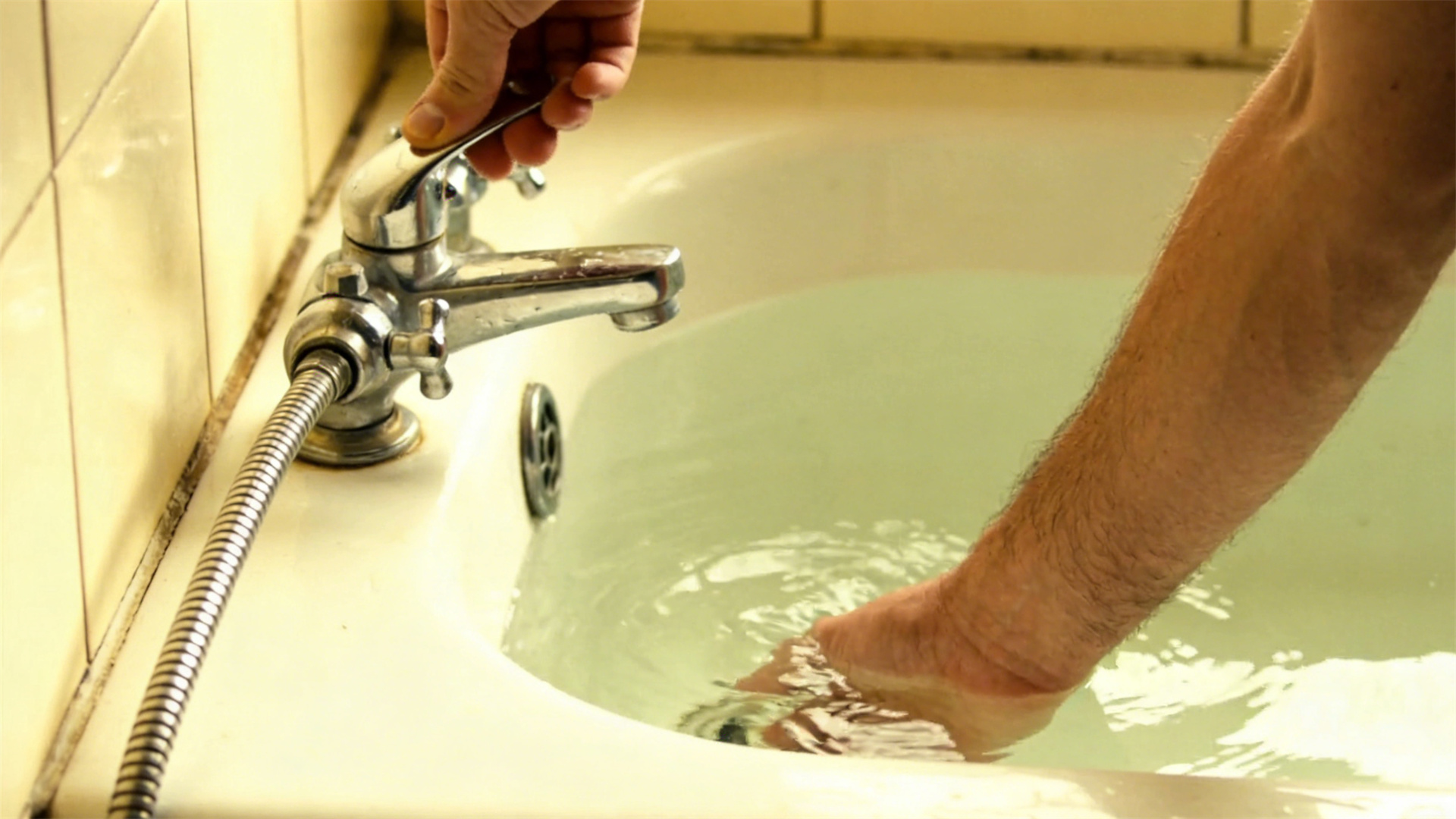
- Turn on the water and allow it to run, mixing thoroughly in your shower, tub, or sprayer.
- The Gold Standard Test: Use the inside of your wrist or your elbow. These areas have thin skin, much closer to your dog's sensitivity. The water should feel pleasantly warm and neutral—not hot, not cold. If it feels hot to you, it's definitely too hot for your dog.
🚿 Step 2: The Bathing Technique
Methodology is key to ensuring even coverage and minimal stress.
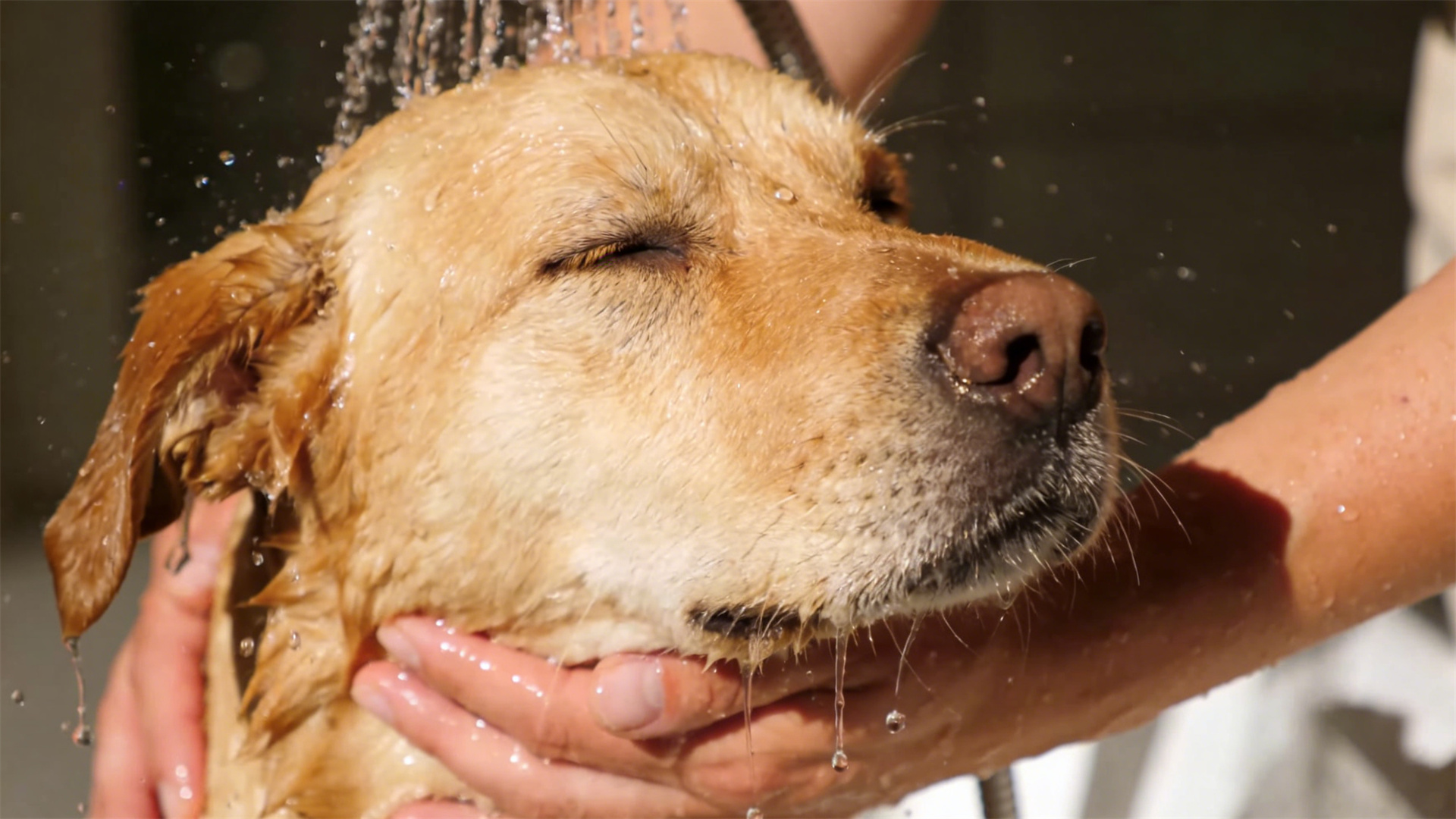
- Wet Thoroughly: Use a handheld sprayer or a pitcher to soak the coat completely with your pre-tested lukewarm water, starting from the neck and working down. Avoid the head initially.
- Face Care: Never spray water directly into the face. Use a well-wrung, lukewarm washcloth to gently wipe the face, being careful around the eyes and ears. A drop of ophthalmic ointment can protect eyes if recommended by your vet.
- Lathering: Dilute shampoo as directed and massage it into the coat, creating a rich lather. Focus on dirty areas but be gentle. Use this time for a quick tactile check for any lumps, bumps, or parasites.
💧 Step 3: The Non-Negotiable: The Thorough Rinse
This is arguably the most critical step. Shampoo residue is a leading cause of post-bath itchiness and dryness.
- Rinse for at least twice as long as you lathered.
- Use the same lukewarm temperature for rinsing. Switching to cooler water can be a shock.
- Run your fingers through the coat down to the skin. The coat should feel squeaky-clean, with no slippery residue. Pay special attention to the underbelly, armpits, and under the chin.
⚕️ Advanced Considerations for Optimal Canine Skin Health
Beyond temperature, several other factors interplay to protect that precious natural oil layer.
🩺 Frequency Matters: Don't Overwash
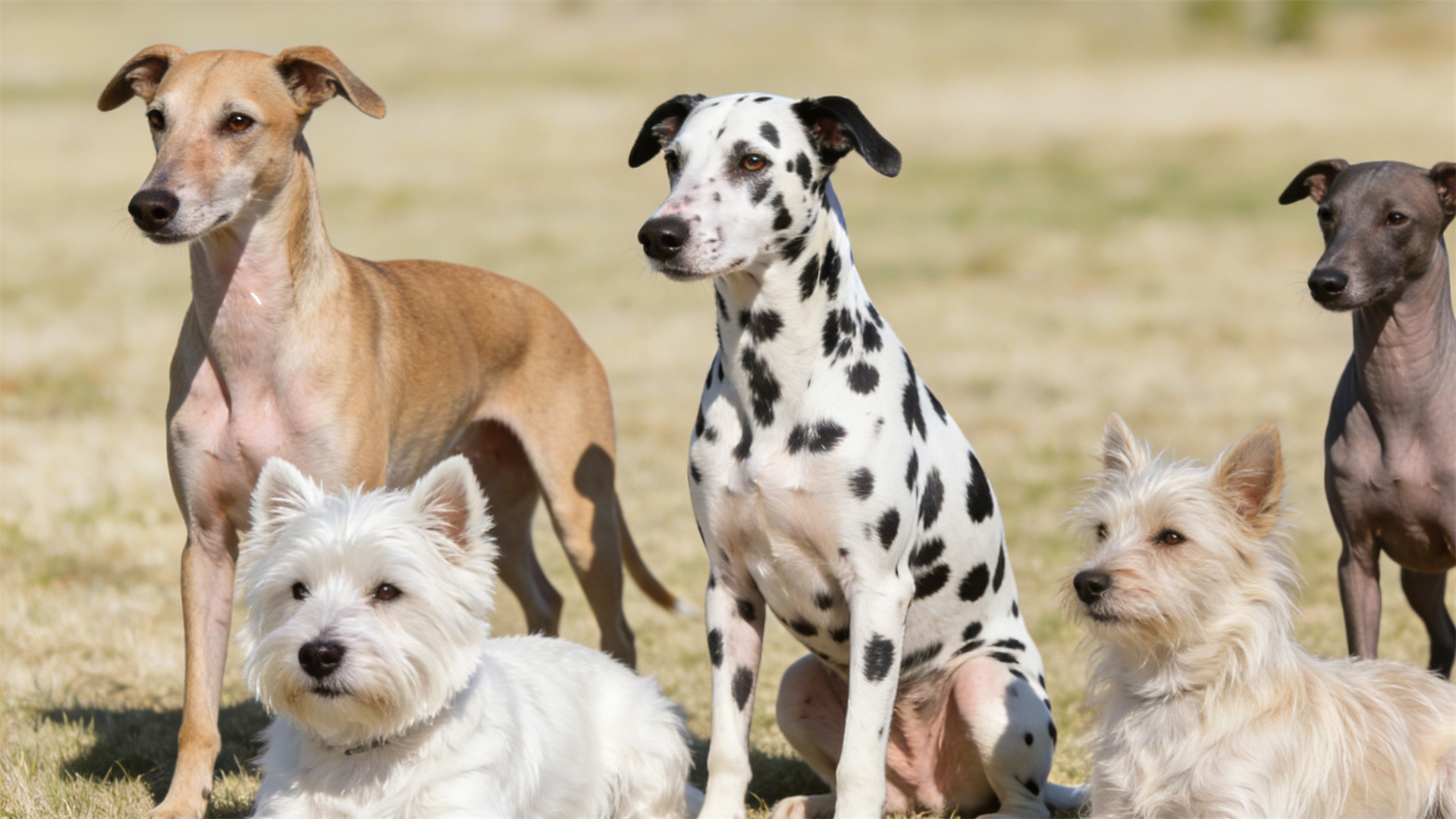
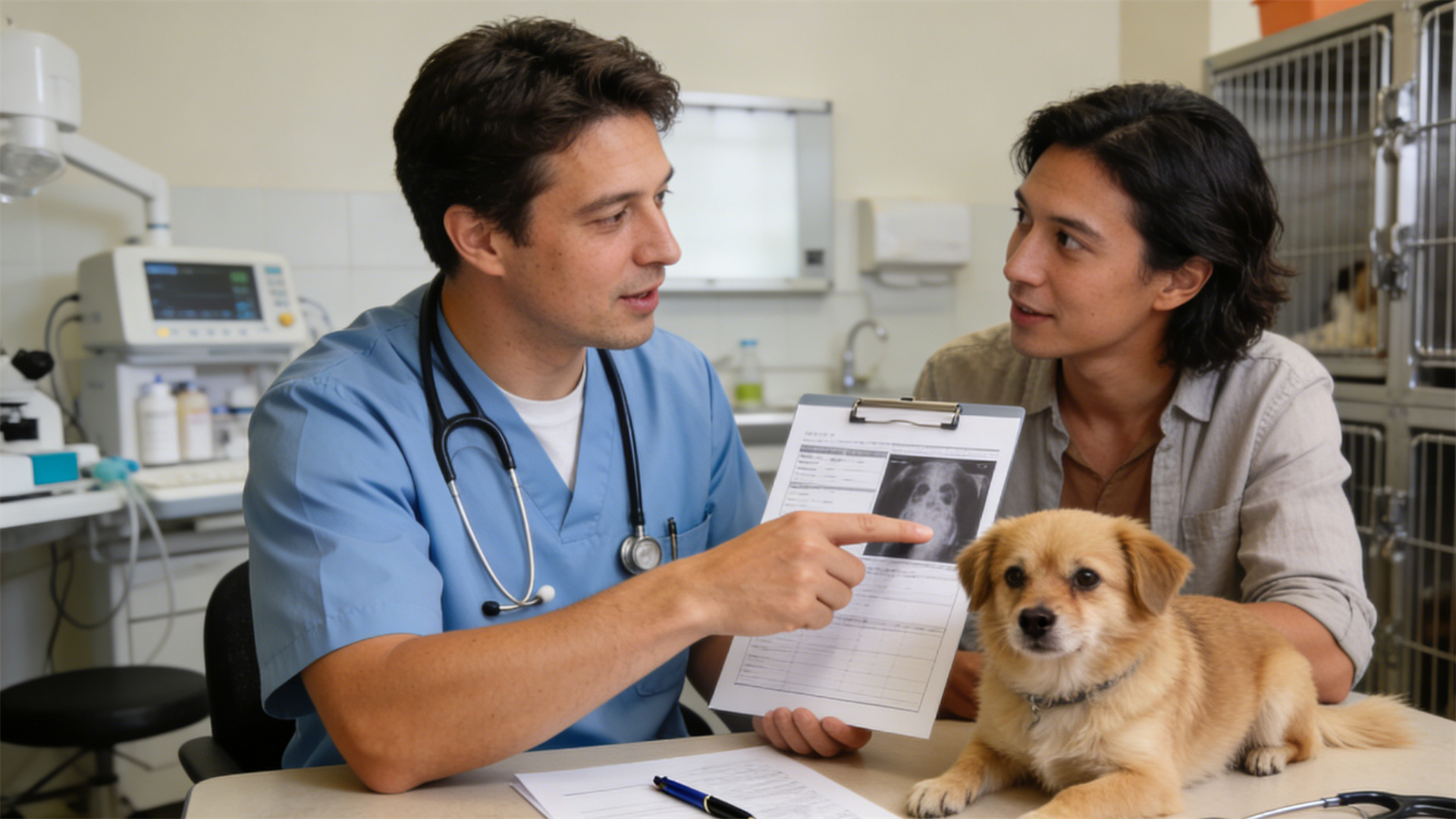
Even with perfect temperature, bathing too often will deplete sebum. For most dogs, a bath every 4-6 weeks is sufficient unless they have a medical condition or get into something messy. Breeds with oily coats (like Basset Hounds) or those prone to skin issues may need specific schedules set by a veterinary dermatologist.
🧪 Product Selection: pH-Balanced & Mild
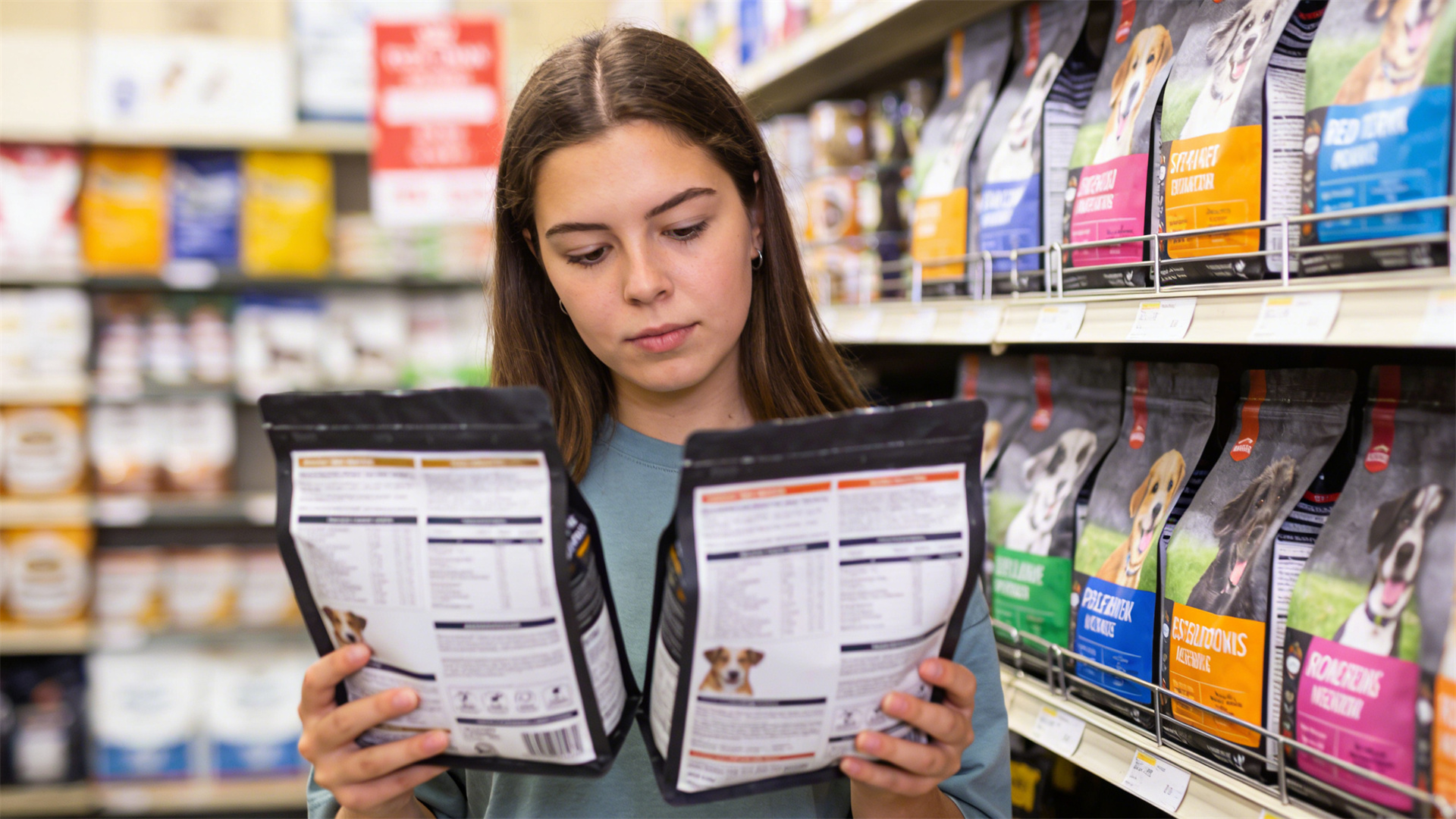
Always use a shampoo formulated specifically for dogs. Canine skin has a more neutral pH (around 6.5-7.5) compared to human skin (which is more acidic at ~5.5). Human shampoo can disrupt this balance. Opt for oatmeal-based, hypoallergenic, or moisturizing formulas unless a medicated shampoo is prescribed.
🌬️ Post-Bath Protocol: Drying & Brushing
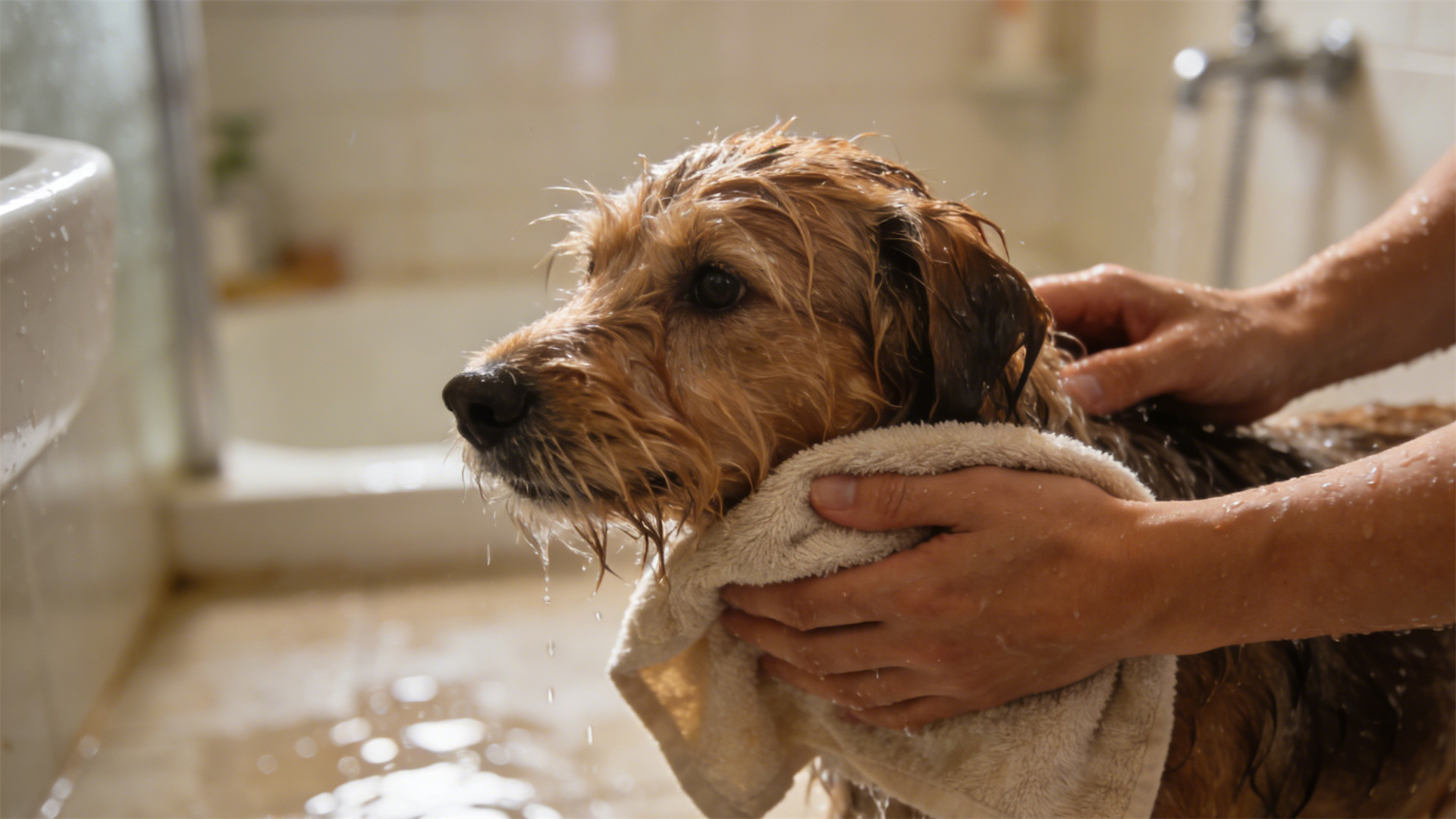
After the bath, gently squeeze excess water from the coat. Use a highly absorbent microfiber towel to blot—not rub—the coat. If using a blow dryer, only use it on the coolest setting and keep it moving continuously, held at least 12 inches away from the skin. Heat from dryers can cause thermal damage and dryness just as hot water can. Follow drying with a gentle brush to distribute any naturally produced oils along the hair shafts.
✅ Conclusion: A Simple Step for Lifelong Wellness
Protecting your dog’s skin health is an integral part of preventative care, and it begins with something as simple as bath water temperature. By committing to the scientifically recommended lukewarm range of 98.6°F to 102.2°F (37°C to 39°C), you accomplish a vital balance: you clean effectively while preserving the essential natural oil barrier. This practice prevents dryness, reduces the risk of irritation and secondary infections, and promotes a lustrous, healthy coat. Ultimately, it transforms bath time from a mundane task into an act of nurturing, contributing profoundly to your dog’s comfort, health, and overall well-being. Your furry friend will not only be cleaner but truly healthier, thanks to your informed and caring approach.