If you share your life with a Labrador Retriever, you know the look all too well. The soulful, unwavering stare at your sandwich. The impressive "counter-surfing" agility for a stray crumb. The profound sadness when their bowl is empty mere seconds after you fill it. You're not imagining it; your Lab's insatiable appetite is a universal struggle, backed by hard science. But what if you could hack their hunger? This article dives into the proven genetic link behind their food obsession and introduces the powerful, compassionate management tool of pseudo satiety. We promise you will leave with a complete, actionable strategy to help your beloved foodie live a healthier, leaner, and longer life.
🧬 Section One: The Science of the Canine Glutton
Why is your Labrador seemingly always hungry? The answer lies in their DNA. A landmark 2016 study identified a specific mutation in the POMC gene that is remarkably common in Labrador Retrievers and closely related Flat-Coated Retrievers.
This gene plays a critical role in signaling satiety—the feeling of being full—and regulating energy balance. Dogs with this mutation lack certain neuropeptides that normally tell the brain, "Stop eating, we have enough energy now."
The result? A Labrador's internal "hunger off-switch" is fundamentally faulty. They are genetically predisposed to feel perpetually hungry, regardless of how much they've just eaten. This isn't a lack of willpower; it's a hardwired biological drive that makes them exceptionally food-motivated and, consequently, highly prone to obesity and its associated health risks like joint problems, diabetes, and a strained liver.
🥣 Section Two: Understanding Pseudo Satiety: The Compassionate Strategy
Simply putting your Lab on a strict diet by cutting their portion size often backfires. It leaves them frustrated, increases food-seeking behaviors, and can feel punishing for both of you. This is where the art of pseudo satiety comes in.
Pseudo satiety is the practice of making your dog feel full and satisfied without consuming excessive calories. It’s about working with their biology, not just against their appetite. Instead of fighting the "I'm hungry" signal, we use smart strategies to trigger the "I'm full" sensation through means other than sheer food volume. It’s a humane, effective, and sustainable core strategy for canine weight management.
🛠️ Section Three: Practical Pseudo Satiety Techniques
Here is your actionable toolkit. Combine these methods for a synergistic effect that keeps your Labrador content and on track.
Category One: Strategic Dietary Choices
The foundation of pseudo satiety is what you put in the bowl. Look for formulations that promote fullness.
- High-Fiber & High-Protein: Fiber adds bulk and slows digestion, while protein is the most satiating macronutrient. Seek out weight management or satiety-support dog food formulas designed for this purpose.
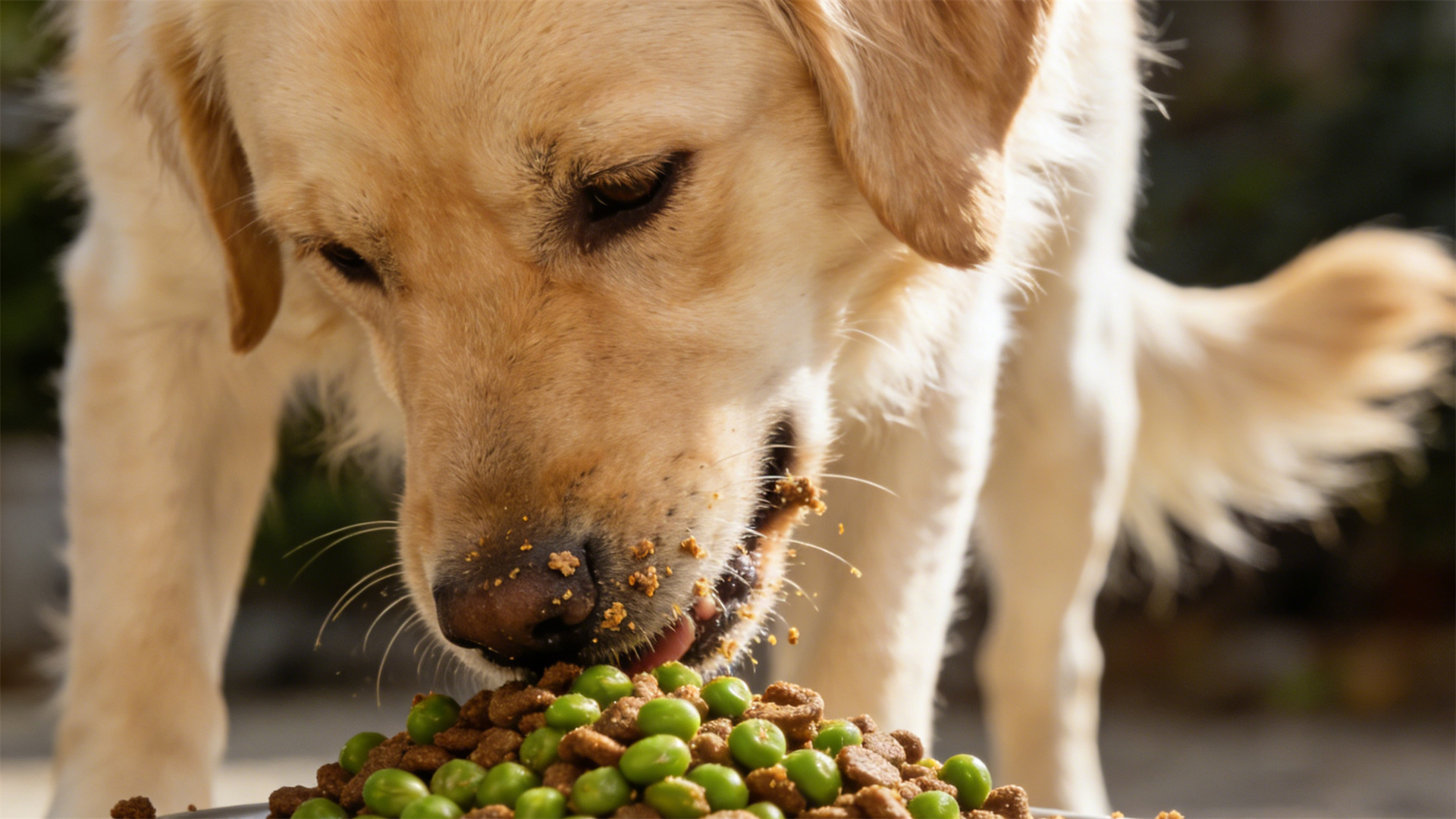
- Low-Calorie Density: This means more food volume for fewer calories. The ultimate way to achieve this is by adding safe, low-calorie vegetables to their meals. Green beans, steamed broccoli florets, canned pumpkin (pure, not pie filling), or chopped carrots are excellent choices.
Category Two: Feeding Mechanics & Mental Engagement
How you feed is just as important as what you feed. Scarfing down food in 30 seconds bypasses the body's satiety signals.
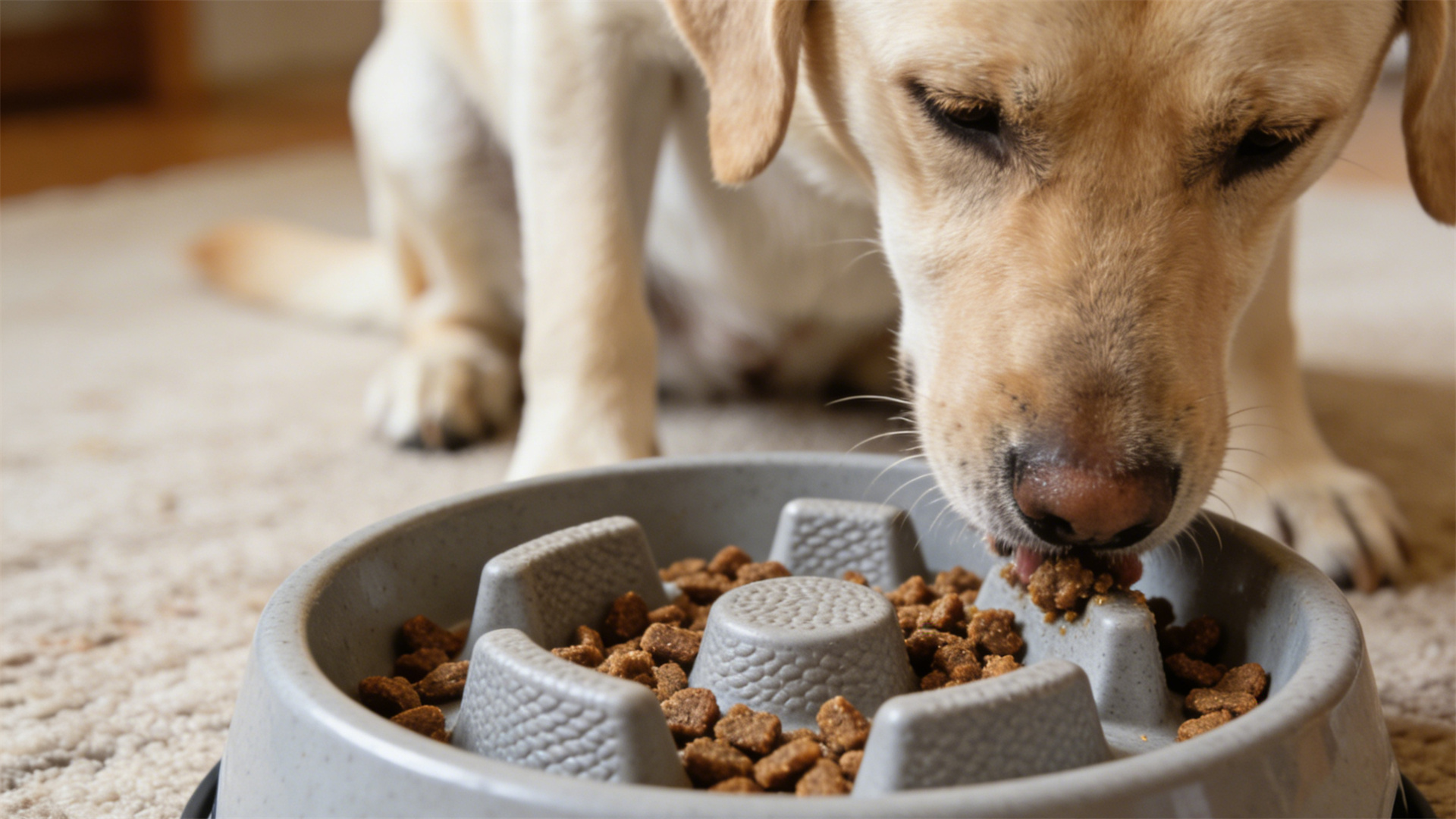
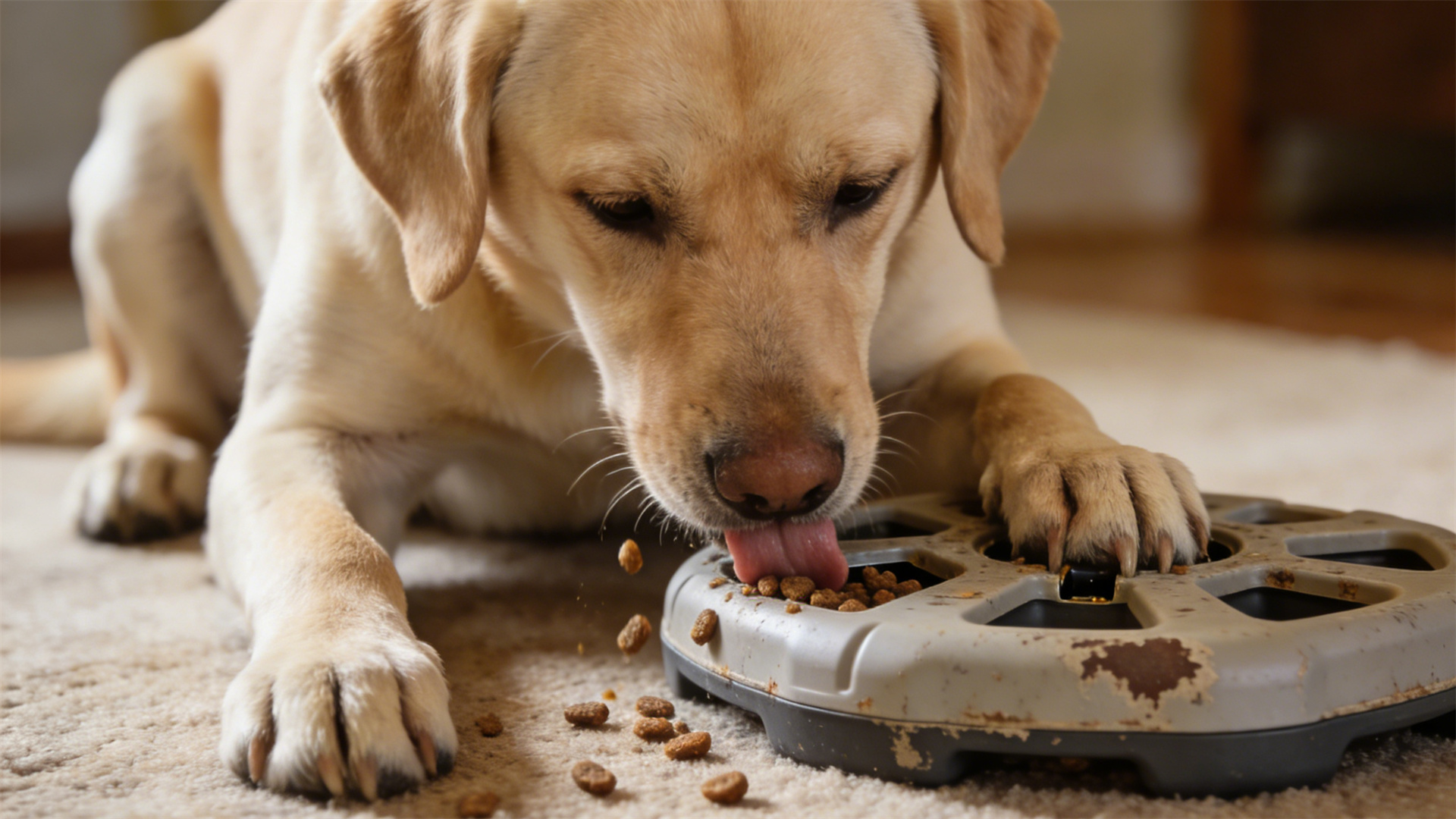
- Slow Feeder Bowls: These bowls have maze-like ridges that force your dog to eat around obstacles, dramatically slowing intake.
- Puzzle Feeders & Food Scattering: Turn mealtime into a brain game. Use a puzzle toy or simply scatter their kibble across a clean floor or in the grass. This extends the meal, provides critical mental stimulation, and allows satiety hormones time to kick in.
Category Three: The Simple Magic of Water
This is one of the easiest and most effective tricks. Add warm water or a dash of low-sodium chicken broth to your Lab's dry kibble. Let it soak for 5-10 minutes.
The kibble will expand, increasing the meal's volume visually and physically in their stomach. It also naturally slows down eating and aids in hydration.
Category Four: Strategic Snacking & Meal Frequency
Instead of two large meals, consider dividing their daily calorie allotment into three or four smaller, scheduled meals. This prevents long gaps that lead to frantic hunger.
For treats, always use low-calorie options. Pieces of their regular kibble, small bits of the vegetables mentioned above, or commercial treats specifically labeled as low-calorie are perfect. Remember, treats count toward the daily total!
⚖️ Section Four: The Holistic Weight Management Plan
Pseudo satiety is a powerful tool, but it must be part of a complete plan. It cannot succeed in a vacuum.
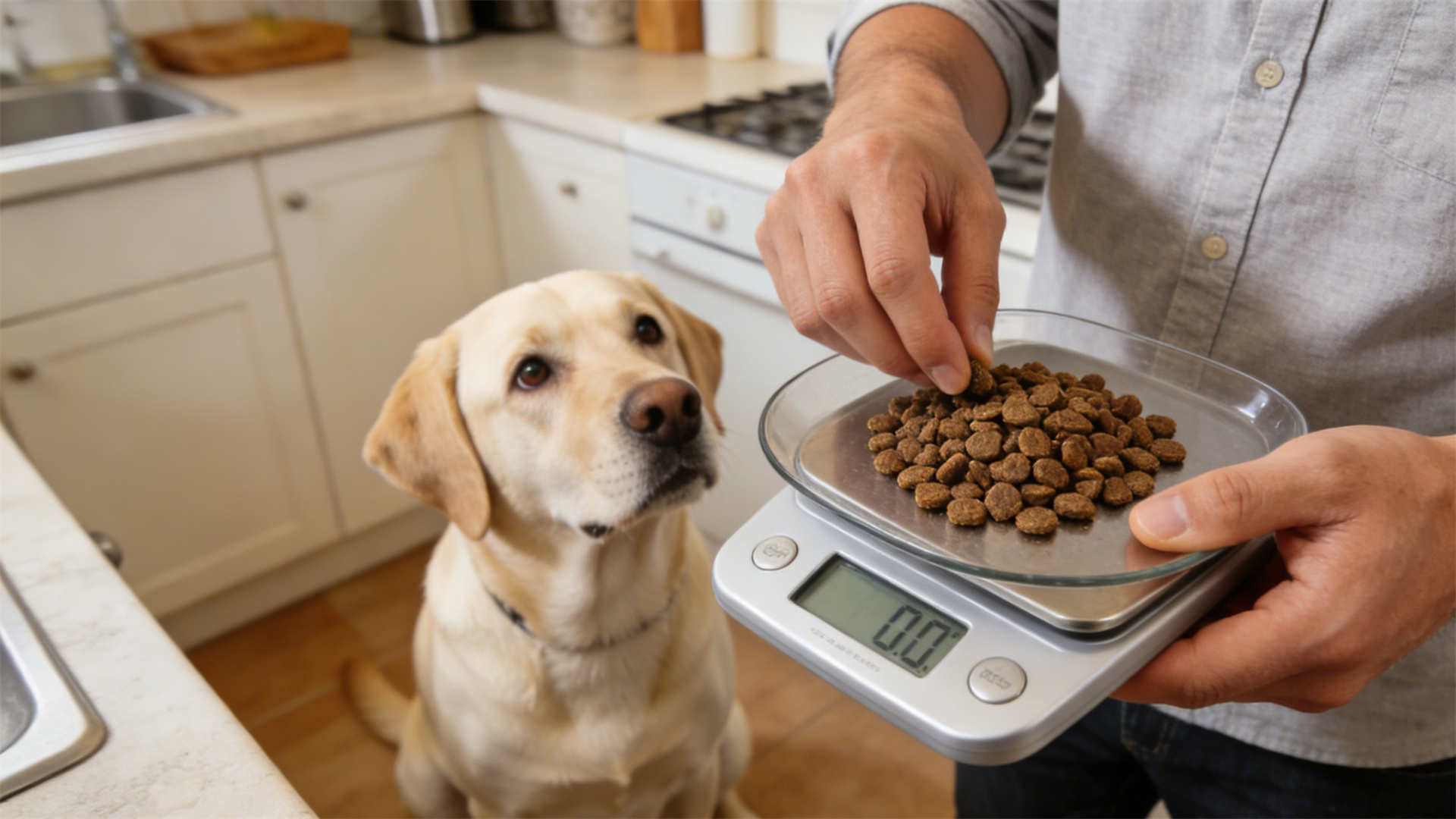
Special Reminder: You must know exactly how much you are feeding. Use a standard measuring cup or, even better, a kitchen scale for ultimate accuracy. "Eyeballing" portions is a primary cause of accidental overfeeding.
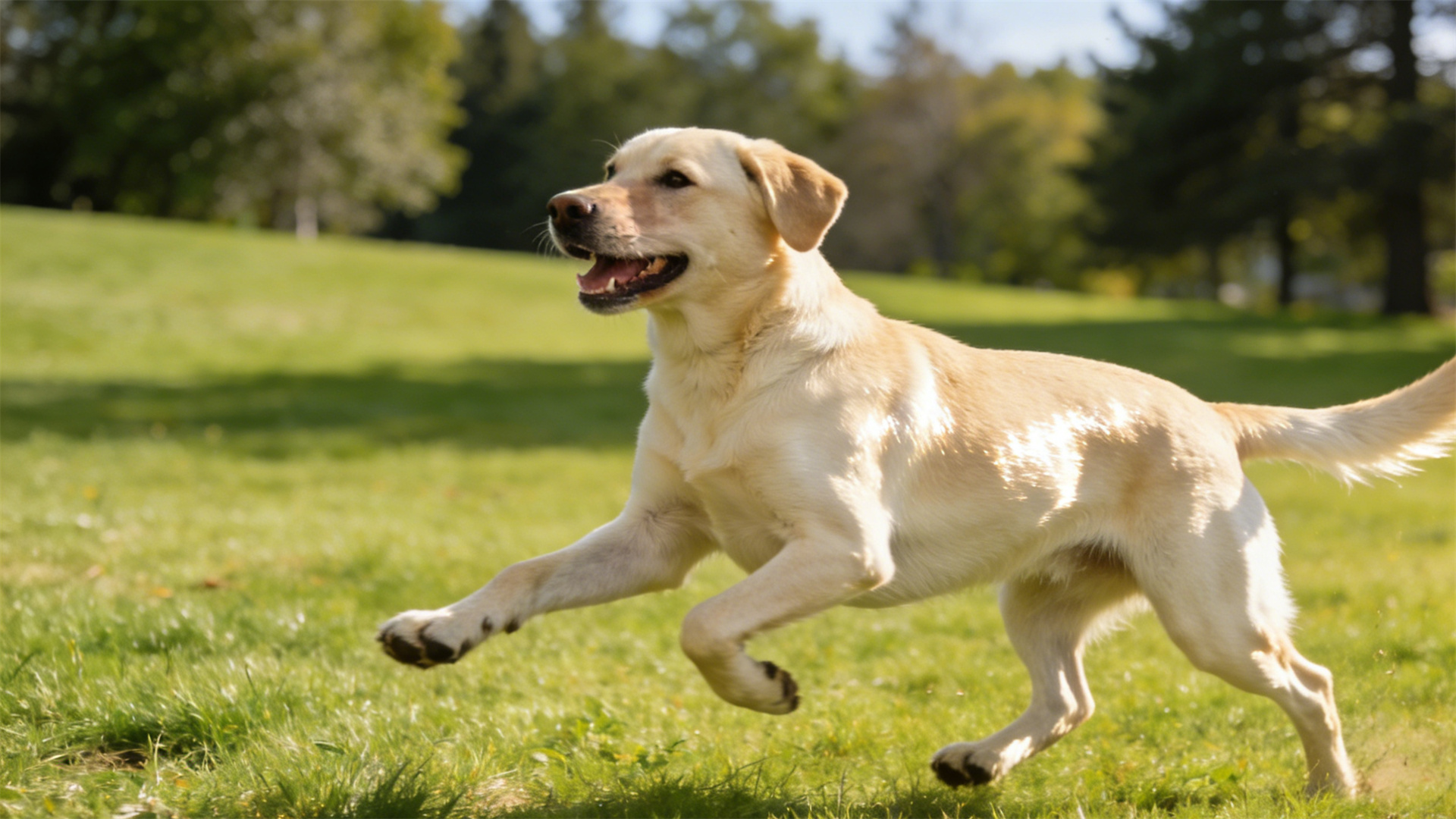
Exercise is non-negotiable. Structured, regular exercise tailored to your dog's age and joint health is critical for burning calories and building lean muscle. A brisk 30-60 minute walk daily is a great start.
Finally, always start with a veterinary consultation. Your vet can determine your Lab's ideal weight, rule out medical issues, and help you create a personalized diet plan that incorporates pseudo-satiety for dogs safely and effectively.
🎯 Conclusion: Empowering You and Your Lab
The struggle with your Labrador's gluttonous genes is real, but it is not hopeless. By understanding the POMC gene mutation, you can move from frustration to empowerment. Pseudo satiety provides the compassionate framework to manage their innate hunger, while measured portions and regular exercise form the bedrock of success.
Implement these strategies to transform your food-obsessed friend into a healthier, more energetic companion. You are not depriving them; you are gifting them more vibrant years by their side. Here's to many more happy, active, and lean adventures together!