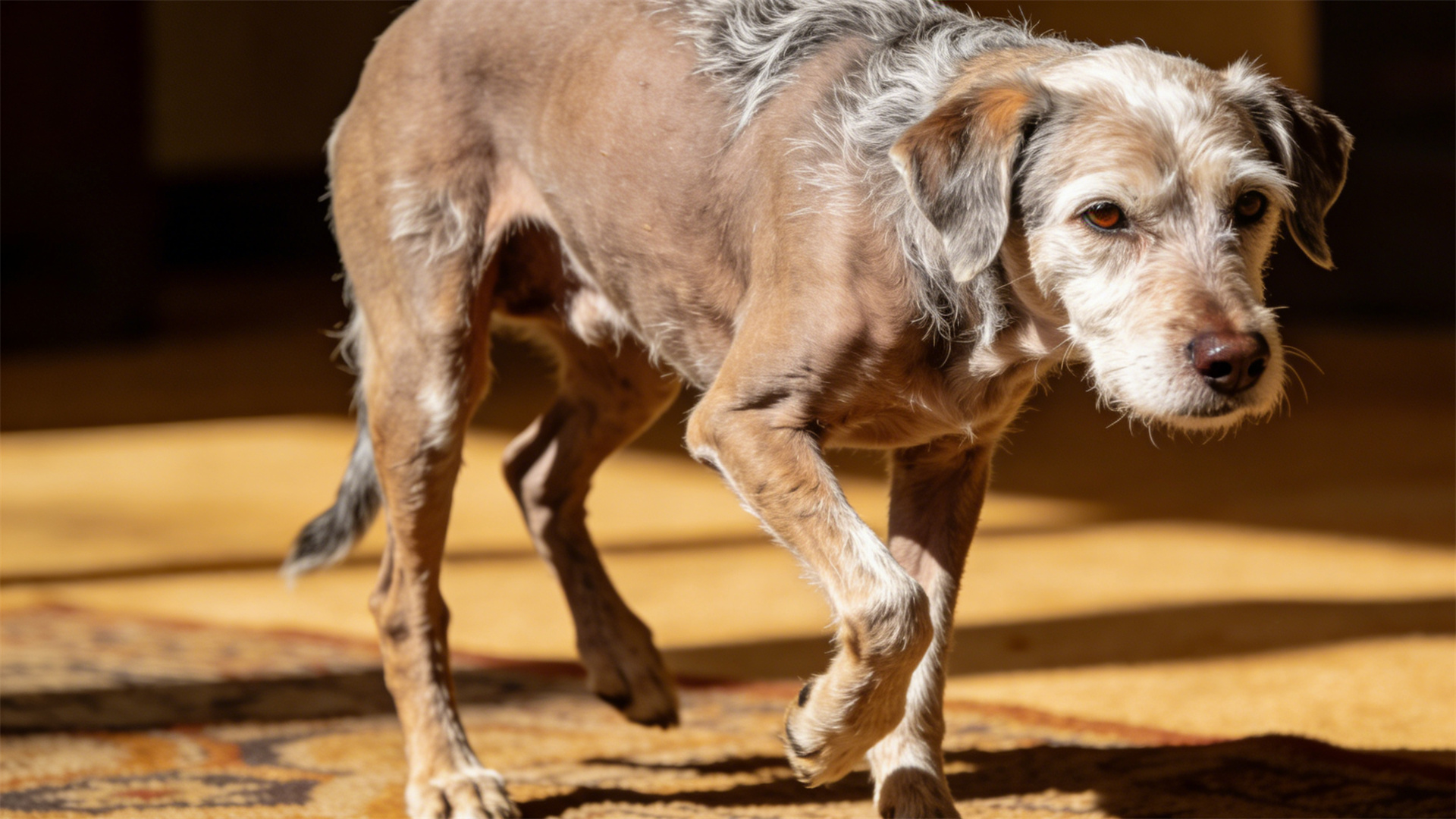
As our canine companions gracefully enter their golden years, their care requirements evolve. One of the most significant yet often overlooked changes involves their skin and coat. What was once a resilient barrier against the elements can become delicate and vulnerable. For the devoted owner, understanding and adapting to these changes isn't a matter of vanity—it's a core component of preventative health and comfort. This comprehensive guide delves into the world of hair management for senior dogs, with a specialized focus on protecting their thinning skin from two opposing threats: biting cold and harsh sunlight.
👴🐾 Understanding the Changes: Why Your Senior Dog's Skin is More Vulnerable
The plush coat and resilient skin of a dog's youth undergo a natural transformation with age. To provide effective senior dog skin care, we must first understand the physiology behind the vulnerability.
The Anatomy of Thinning
As dogs age, their skin literally becomes thinner. The epidermis (outer layer) and dermis (supportive layer beneath) lose cellular density and elasticity. Concurrently, the subcutaneous fat layer, which acts as a critical insulator and cushion, diminishes. This one-two punch means your older dog has less natural protection against temperature extremes and physical pressure.
Coat Transformations
Alongside skin changes, the coat itself evolves. You may notice a reduction in overall hair density, with the undercoat becoming sparser. The texture of the guard hairs can change, becoming coarser or more brittle. In some breeds, the coat may turn patchy or develop a "woolly" texture. This altered coat provides significantly less effective insulation and UV blockage, making dedicated grooming senior dogs with thin skin a new priority.
Special Reminder: These changes can be exacerbated by underlying health conditions common in older dogs, such as hormonal imbalances (Cushing's disease, hypothyroidism), decreased blood flow, or nutritional deficiencies. A veterinary check-up is the essential first step in any canine geriatric hair management plan.
❄️ The Cold Weather Protocol: Shielding Against Hypothermia and Discomfort
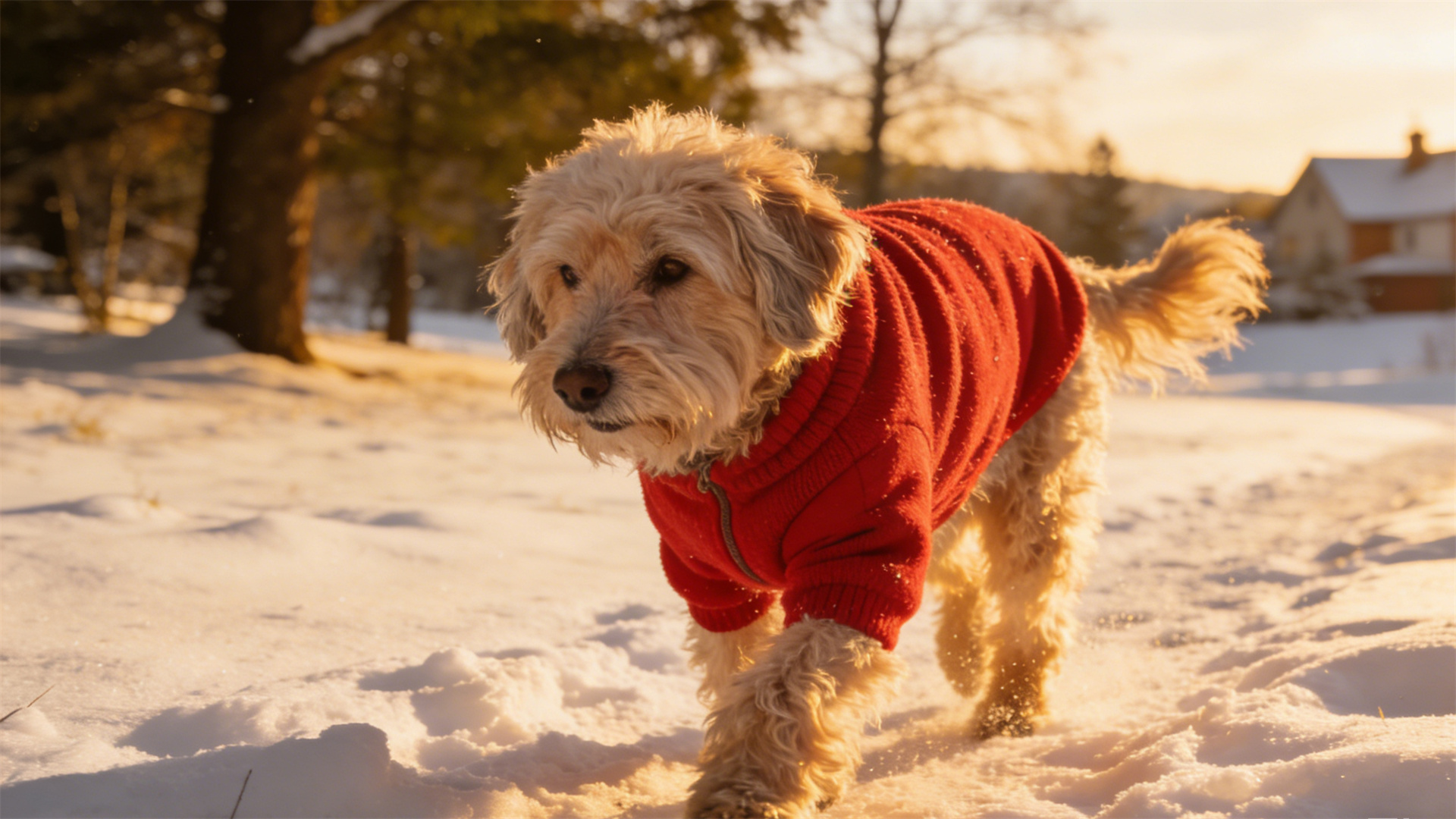
For a thin-skinned dog, a brisk walk on a chilly day is no longer a simple joy—it's a potential health risk. Reduced fat and a thinner coat mean they lose body heat rapidly, making them supremely susceptible to hypothermia in older dogs and arthritic stiffness. Here is your actionable plan for cold protection for elderly dogs.
Step 1: Assess the Risk Honestly
Forget the calendar; assess conditions based on your dog's physique. Factors like breed (a skinny Greyhound vs. a fluffy Husky), health status, and acclimation matter. A good rule of thumb: if you need a jacket, your senior dog almost certainly does. Dampness and wind exponentially increase cold stress.
Step 2: Invest in the Right Cold Weather Gear for Dogs
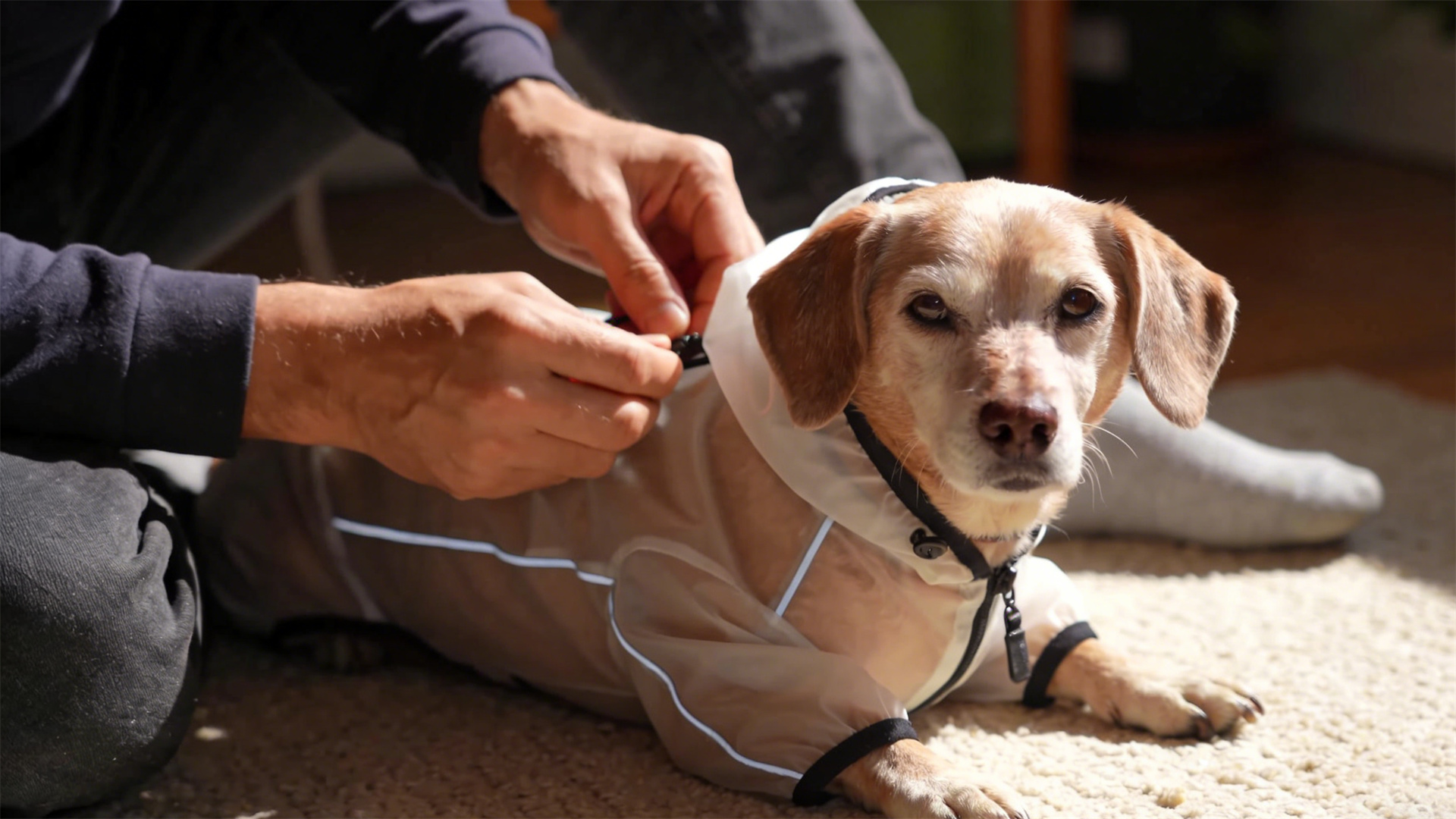
- The Senior Dog Sweater or Jacket: Opt for materials that provide warmth without weight. Look for features like a full-coverage chest and belly (key heat-loss areas), easy Velcro or snap closures for arthritic ease, and a soft, non-irritating lining. Water-resistant outer shells are ideal for damp conditions.
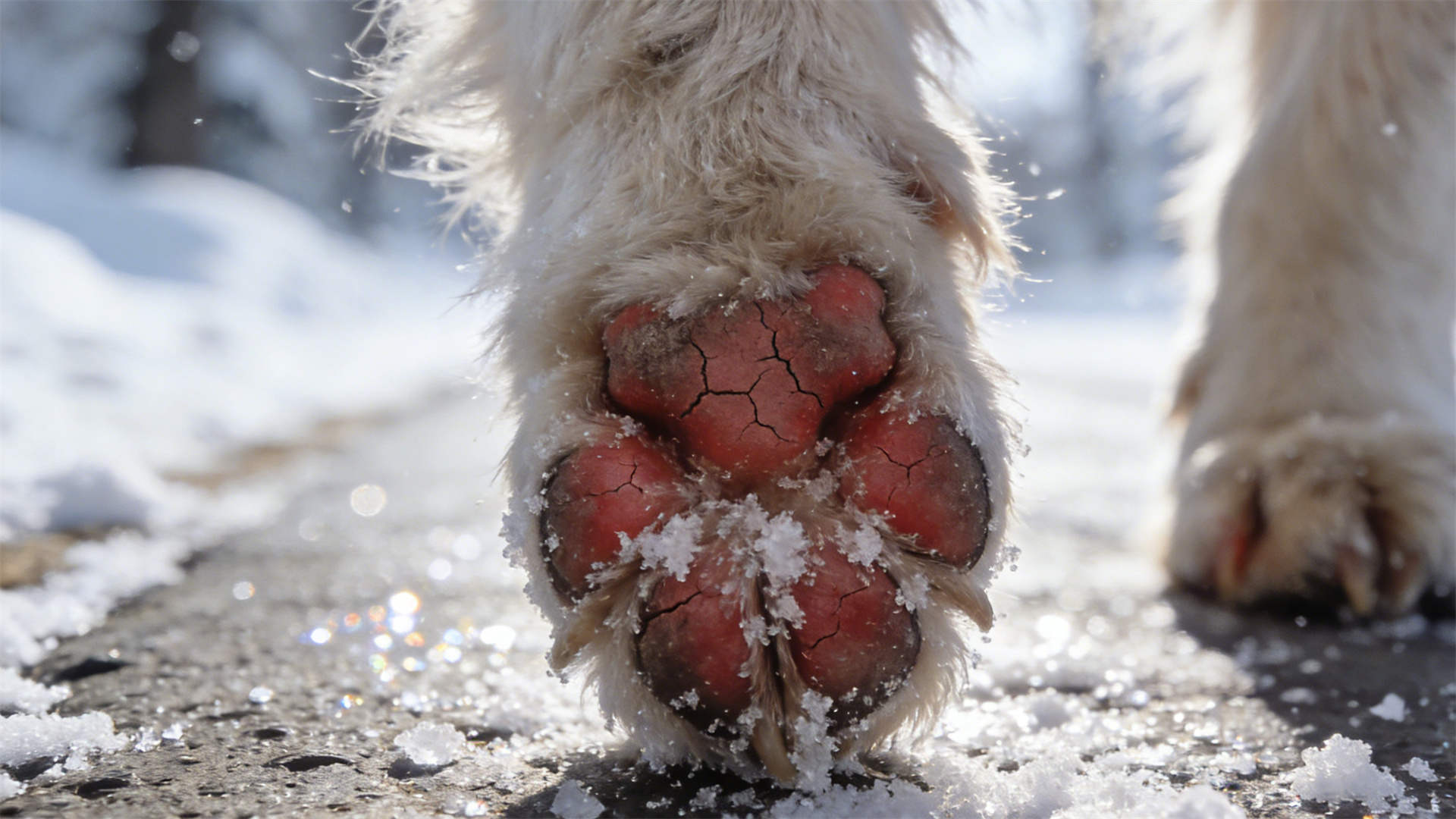
- Protective Footwear: Paw pads thin with age and are sensitive to ice, salt, and chemical de-icers. Dog boots protect against these and provide crucial traction on slippery surfaces.
- Extended Coverage: For very fragile dogs or extreme climates, consider full-body suits or insulated, waterproof jackets with high collars.
Step 3: Modify Routines for Safety
- Shorten Walk Duration: Replace one long walk with several shorter, gentler outings.
- Embrace Midday Warmth: Schedule walks during the warmest part of the day.
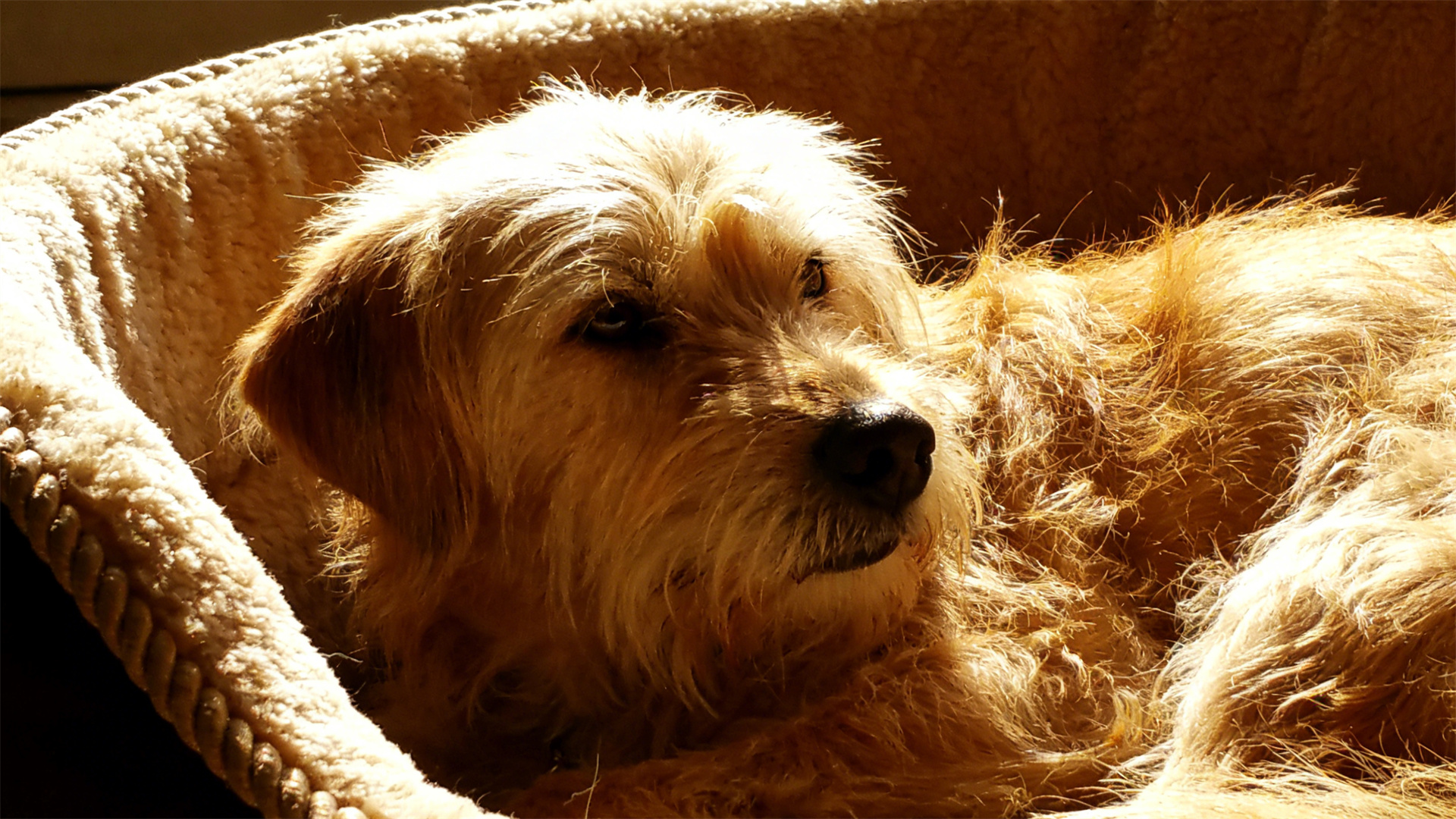
- Create Cozy Indoor Spaces: Ensure bedding is thick, orthopedic, and placed away from drafts. Heated dog beds (with safe, chew-proof cords) can be a game-changer for arthritic, cold-sensitive seniors.
Actionable Cold-Weather Checklist:
- ❍ Consult your vet on your dog's specific cold tolerance.
- ❍ Acquire a well-fitting sweater/jacket with belly coverage.
- ❍ Protect paws with booties or a protective balm (washed off after walks).
- ❍ Shorten walks and seek the warmest time of day.
- ❍ Dry your dog thoroughly after being outside in damp conditions.
- ❍ Provide draft-free, plush, warm bedding indoors.
☀️ The Sun Safety Regimen: Preventing Burns and Skin Damage
Just as thinning skin offers poor insulation, it also provides inadequate defense against ultraviolet radiation. Sun protection for aging dogs is absolutely critical, especially for light-colored, short-haired, or sparsely-coated breeds. UV exposure can lead to painful sunburn, accelerate skin aging, and significantly increase the risk of skin cancers like squamous cell carcinoma.
Step 1: Recognize the Danger Zones
Sun damage isn't just for the beach. Your dog is exposed during any daytime outing. Areas with sparse hair are most at risk: the bridge of the nose, ears (especially tips and edges), belly, groin, and any areas where the coat is naturally thin or has thinned due to age.
Step 2: Make Dog-Safe Sunscreen a Non-Negotiable Habit
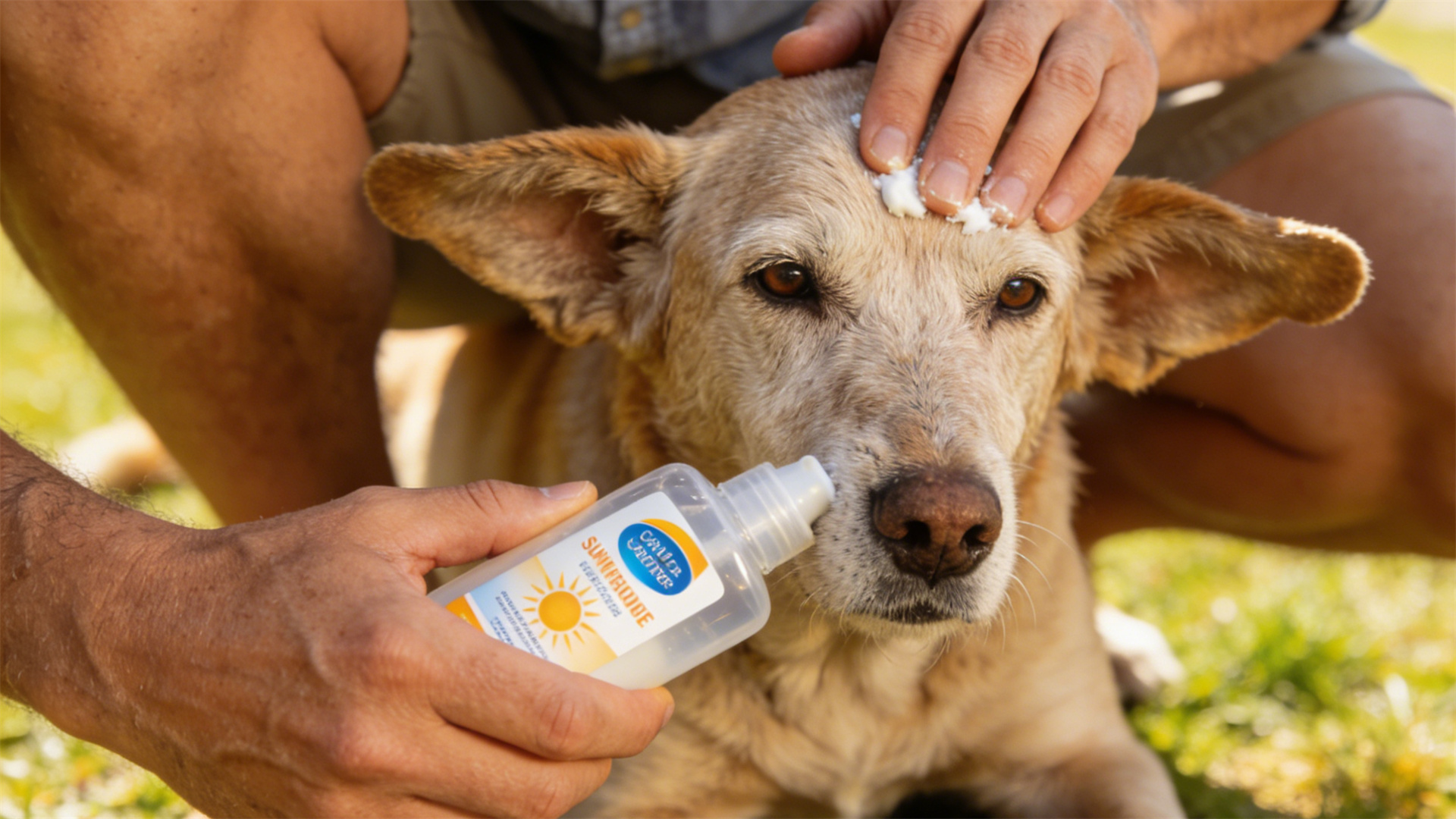
Human sunscreens often contain ingredients (like zinc oxide or PABA) that are toxic if ingested by dogs. You must use a product formulated specifically for canines.
- What to Look For: Pet-specific, non-toxic, fragrance-free, and ideally with a physical blocker like titanium dioxide or zinc oxide (in a formulation that prevents ingestion toxicity).
- Application Technique: Apply 15-20 minutes before sun exposure. Gently part the hair to get to the skin. Cover all high-risk areas. Reapply every 4-6 hours or after swimming. Accustom your dog to this slowly with treats and praise.
Step 3: Utilize Physical UV Protection for Dogs
Sunscreen is one layer of defense; physical barriers are another.
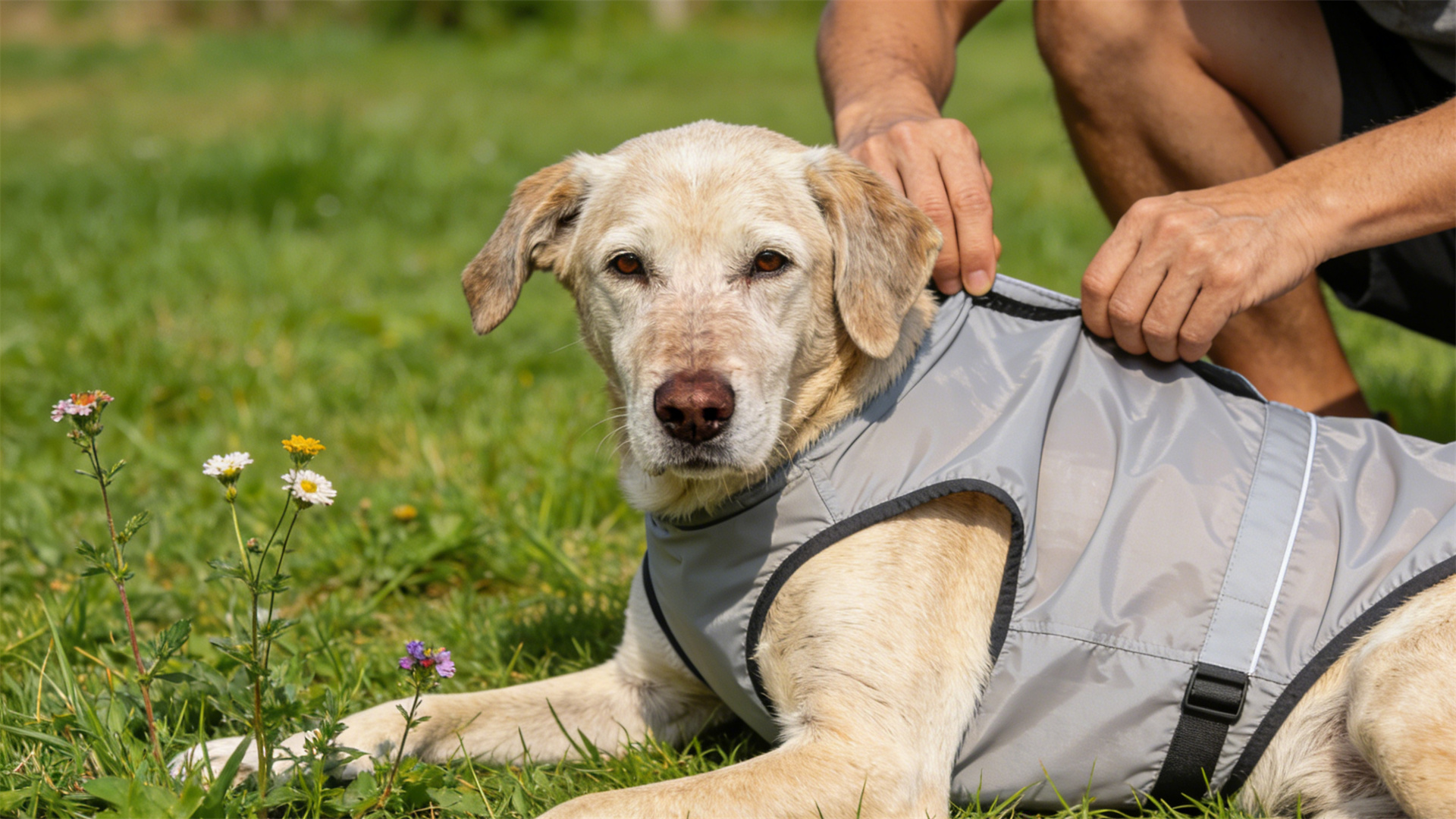
- Protective Clothing: Lightweight, UV-blocking dog shirts or "sun suits" are excellent for dogs who tolerate clothing. They protect large areas like the back and belly.
- Seek Shade Relentlessly: On walks, choose shaded routes. In the yard, ensure there is always a shady retreat available, even as the sun moves.
- Timing is Everything: Just as you walked in midday warmth in winter, avoid the peak sun intensity hours of 10 a.m. to 4 p.m. for summer strolls.
Actionable Sun-Safety Checklist:
- ❍ Purchase a veterinarian-recommended dog-safe sunscreen.
- ❍ Test sunscreen on a small patch of skin first for any reaction.
- ❍ Apply sunscreen daily to nose, ear tips, belly, and any thin-haired areas.
- ❍ Invest in a lightweight, UV-blocking sun shirt.
- ❍ Provide constant access to deep shade and fresh water outdoors.
- ❍ Schedule outdoor activities for early morning or late evening in summer.
🧥 Choosing the Right Protective Gear: Comfort is King
Introducing clothing to a dog who has never worn it requires patience, especially for a senior. The goal is to enhance comfort, not create stress.
Fit and Function First
Measure your dog carefully (chest girth, neck, length from collar to tail base). Gear should be snug but not restrictive, allowing full range of motion for potty breaks. For mobility-challenged dogs, look for side-snap or Velcro belly panels that are easier to put on than overhead styles.
Acclimation Protocol
- Let your dog sniff the new sweater or boots.
- Place it on them for just a few minutes indoors, pairing the experience with high-value treats and calm praise.
- Gradually increase wearing time over several days before attempting an outdoor excursion.
- Always monitor for signs of distress, chafing, or overheating.
♻️ Integrating Protection into the Holistic Senior Dog Routine
Effective hair management for senior dogs doesn't exist in a vacuum. It is one vital piece of the overall comfort and wellness puzzle.
Synergy with Grooming
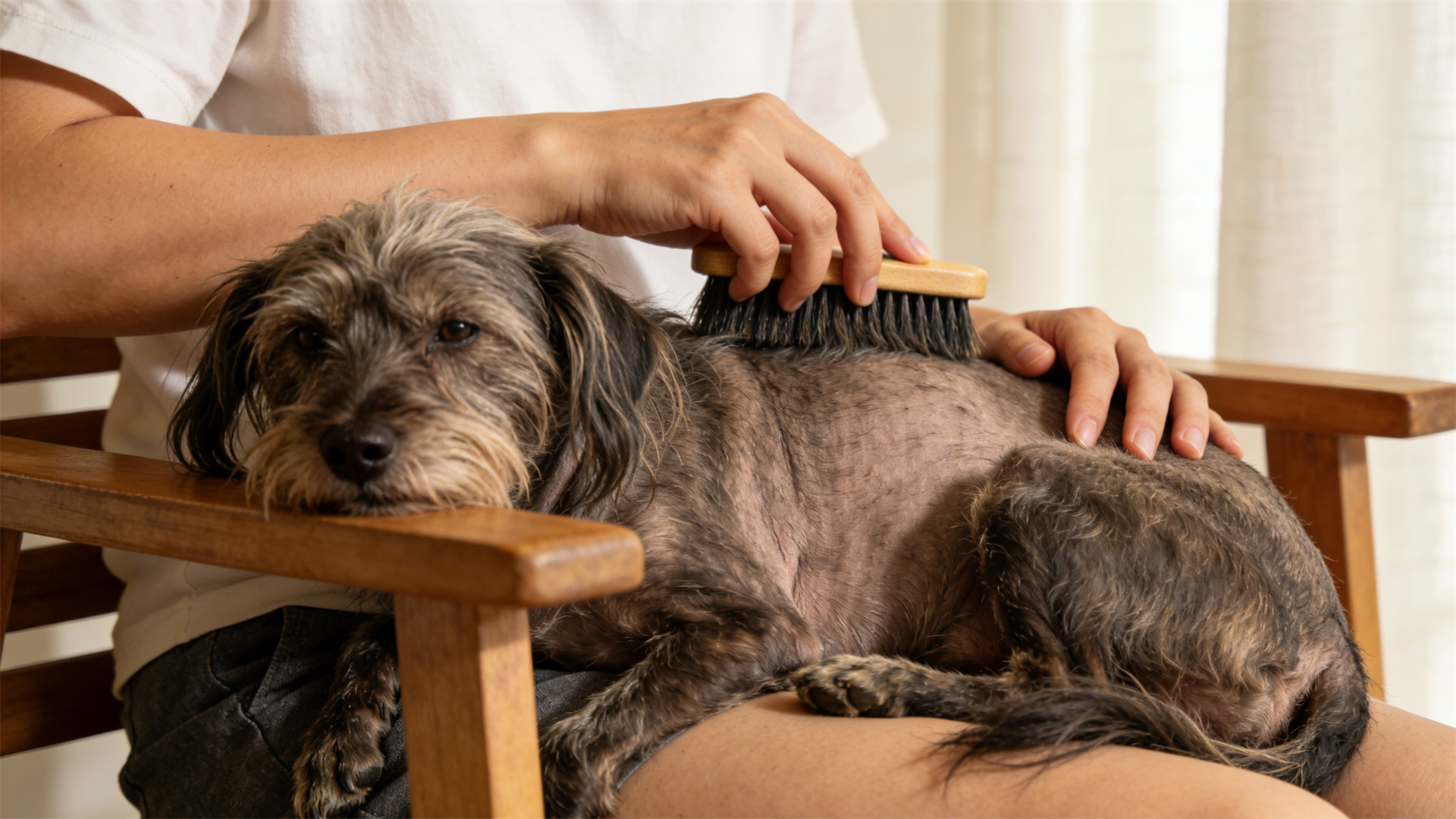
Regular, gentle brushing remains crucial. It stimulates blood flow to the skin, distributes natural oils over dry skin, and allows you to check for new lumps, bumps, sores, or signs of sunburn you might otherwise miss. Use soft-bristle brushes or grooming gloves designed for sensitive skin.
Nutritional Support
Skin and coat health is fueled from within. Discuss with your vet whether your senior's diet includes optimal levels of high-quality proteins, omega-3 and omega-6 fatty acids (like fish oil), and vitamins E and A, all of which support skin integrity and a healthy coat.
Vigilance and Veterinary Partnership
Make skin inspections a part of your daily cuddle routine. Look for redness, dry patches, scaliness, new growths, or areas of hair loss. Any persistent issue should prompt a veterinary visit. Your veterinarian is your ultimate partner in approving any sunscreen, supplement, or addressing underlying conditions affecting skin health.
By embracing these measures, you move beyond basic care into the realm of compassionate, informed stewardship. Protecting your senior dog's thinning skin from extreme temperatures is a profound act of love—one that safeguards their comfort, prevents suffering, and allows them to enjoy their golden years with vitality and peace. This dedicated senior dog skin thinning solutions approach ensures every season, from the frost of winter to the blaze of summer, is met with preparedness and gentle care.