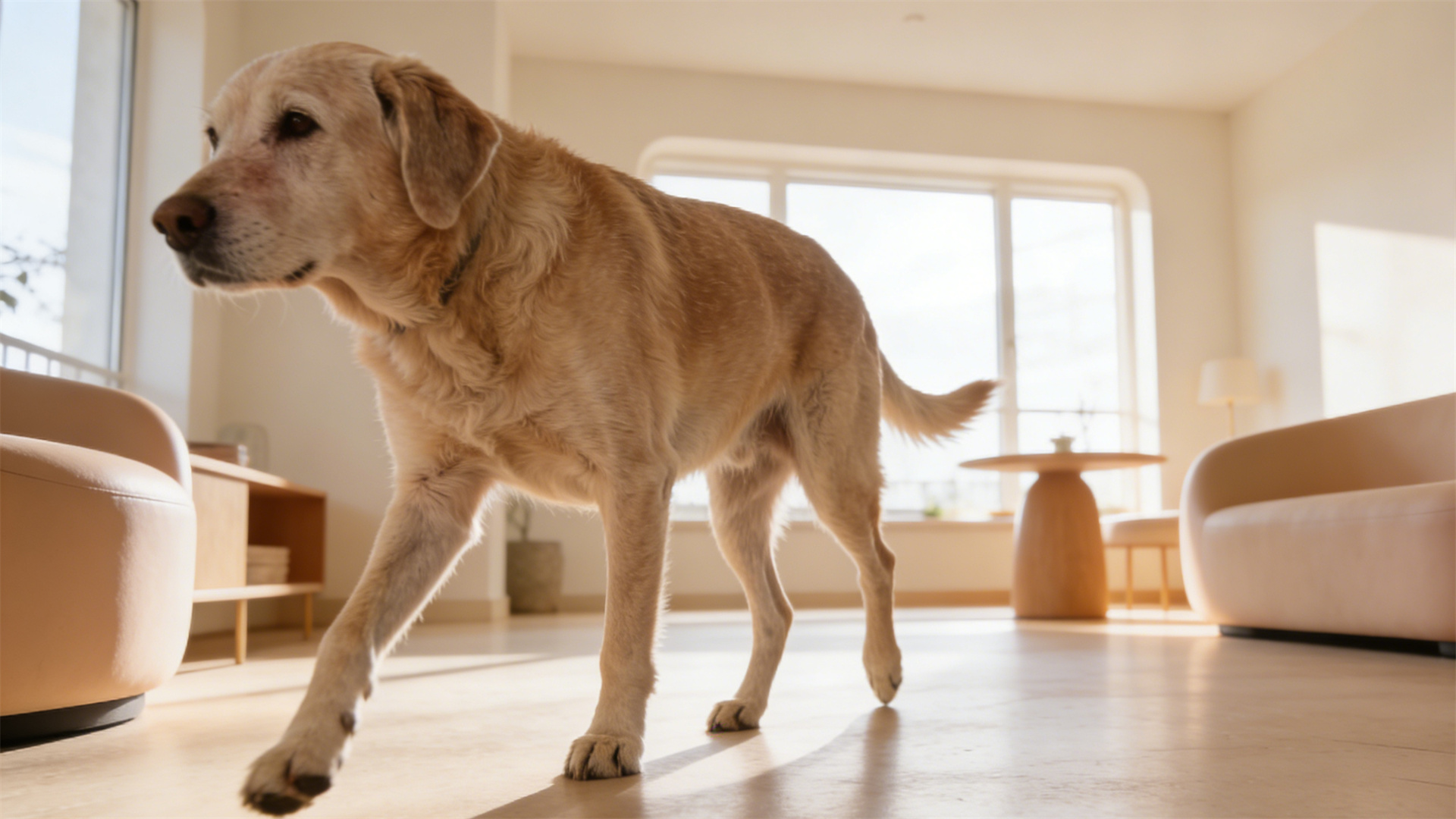
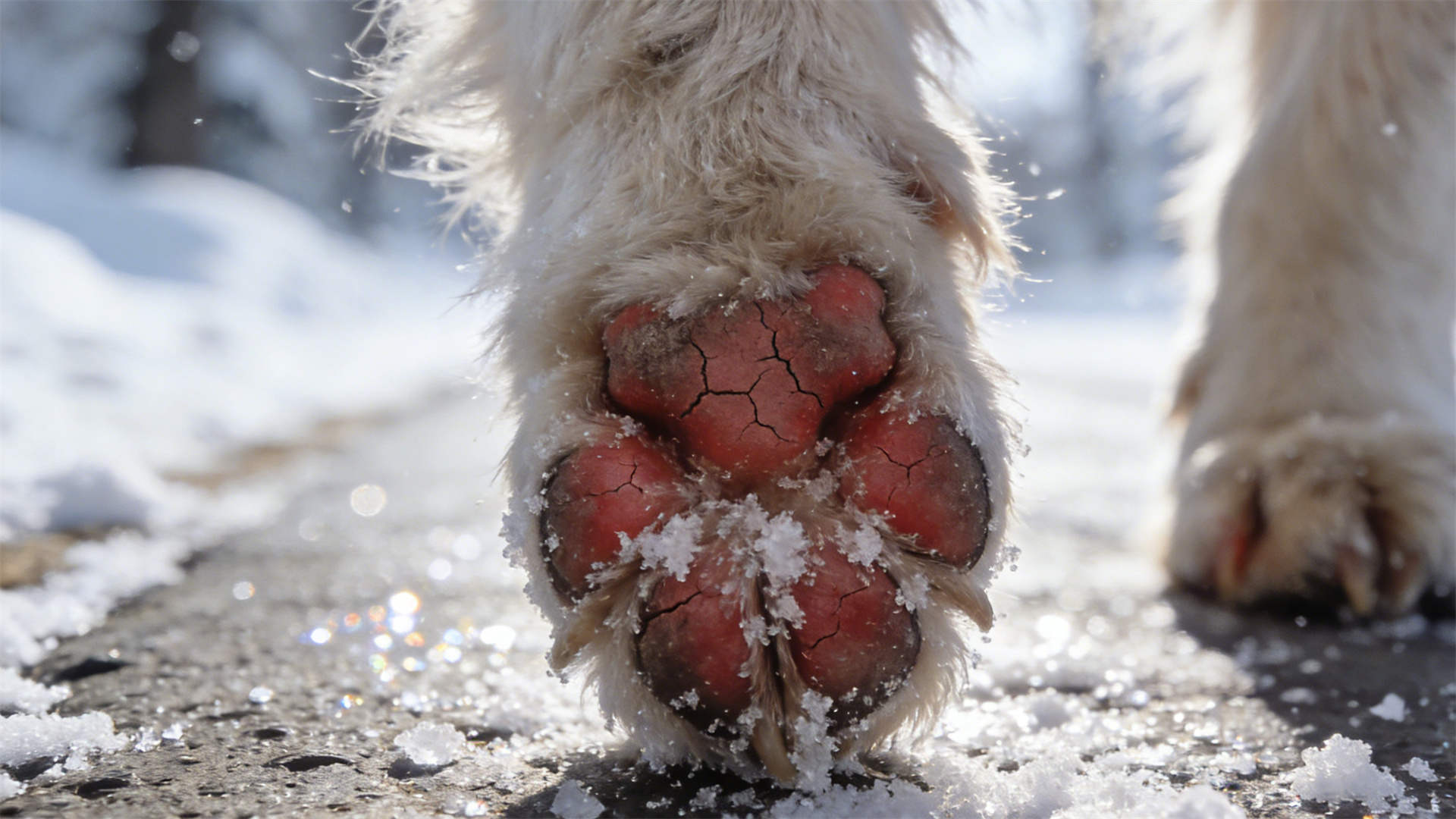
As a dog owner, you meticulously plan their diet, ensure they get plenty of exercise, and schedule regular vet visits. But how often do you consider the quality of their sleep? Just like humans, dogs require structured, restorative sleep for optimal health. This article delves into the fascinating world of canine sleep physiology, uncovering why deep sleep in dogs is non-negotiable for cellular repair, immune function, and long-term vitality. We'll translate complex science into actionable insights, helping you ensure your best friend isn't just sleeping, but healing.
🐕 Understanding the Canine Sleep Cycle: More Than Just a Nap
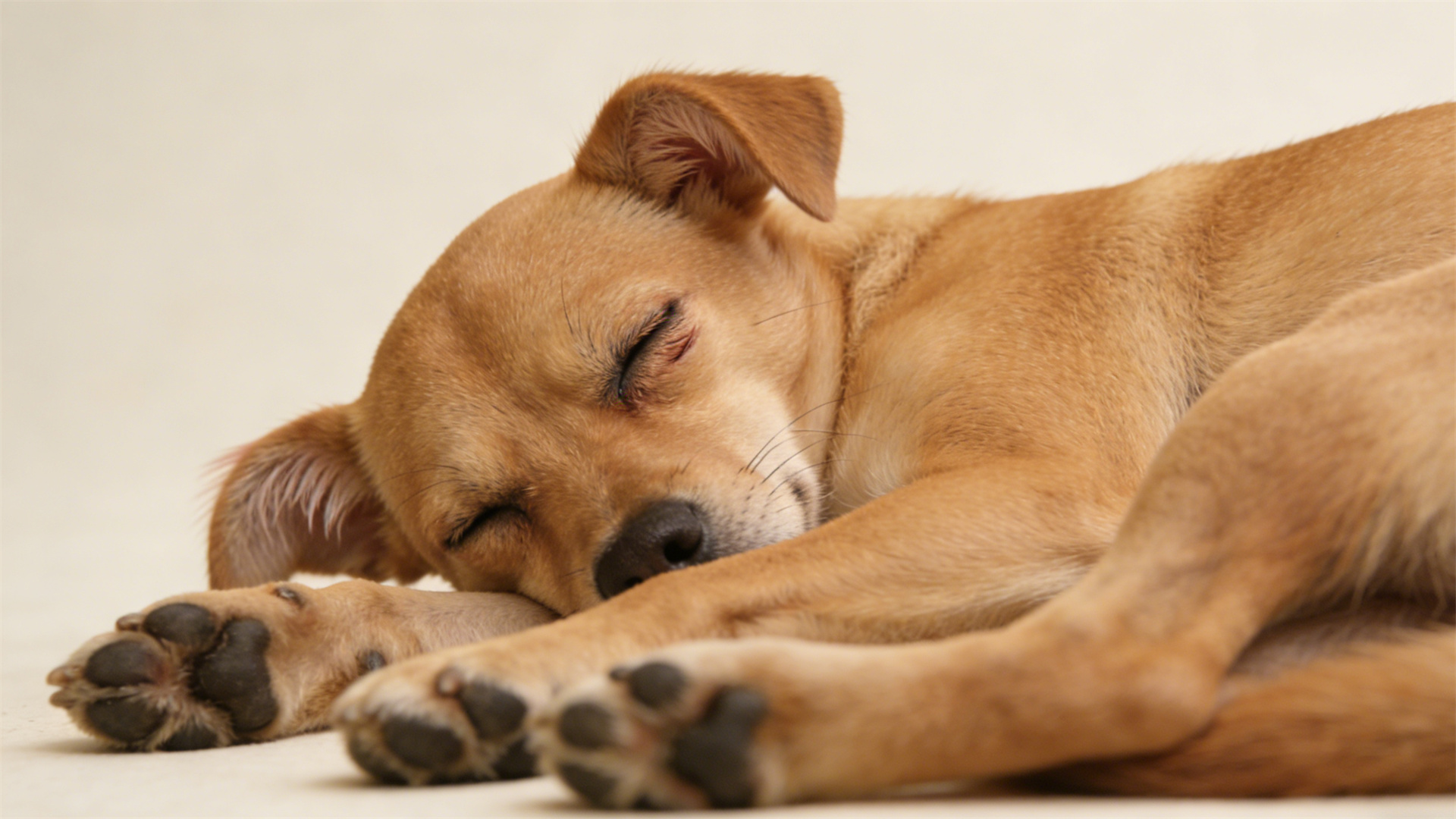
A dog's sleep is not a monolithic state of unconsciousness. It's a dynamic, cyclical process with distinct stages, each serving a critical purpose. Unlike humans, who typically have long, consolidated sleep periods, dogs are polyphasic sleepers, meaning they sleep multiple times throughout a 24-hour period, often totaling 12-14 hours for adults (and up to 20 for puppies and seniors). However, the quality and structure of that sleep are what truly matter.
The Four Stages of the Dog Sleep Cycle
The canine sleep cycle is broadly divided into two states: Non-Rapid Eye Movement (N-REM) sleep and Rapid Eye Movement (REM) sleep. The N-REM stage is further broken down into three phases, leading to the all-important deep sleep stage.
- NREM Stage 1 (Drowsiness): This is the lightest sleep, the transition from wakefulness. Muscles begin to relax, and the dog can be easily awakened. It's a brief phase.
- NREM Stage 2 (Light Sleep): The dog's heart rate and breathing slow down, body temperature drops, and they become disengaged from their surroundings. This stage accounts for a significant portion of total sleep and acts as a gateway to deeper rest.
- NREM Stage 3 (Deep Sleep or Slow-Wave Sleep): This is the most restorative phase. Characterized by very slow brain waves (delta waves), it is extremely difficult to wake a dog from this state. This is the cornerstone of body repair in dogs. During this stage, physical restoration is prioritized.
- REM Sleep (Dream Sleep): Following deep sleep, the brain becomes highly active (similar to when awake), the eyes dart under closed lids, and you may see twitching, whimpers, or paw movements. This stage is crucial for memory consolidation, learning, and emotional processing.
A complete dog sleep cycle (NREM 1 → 2 → 3 → REM) lasts about 20-45 minutes. Dogs will cycle through these stages multiple times during a sleep session, with the duration of deep sleep periods often increasing in the first half of the night or during a long, uninterrupted rest.
🔬 The Science of Restoration: What Happens During Deep Sleep?
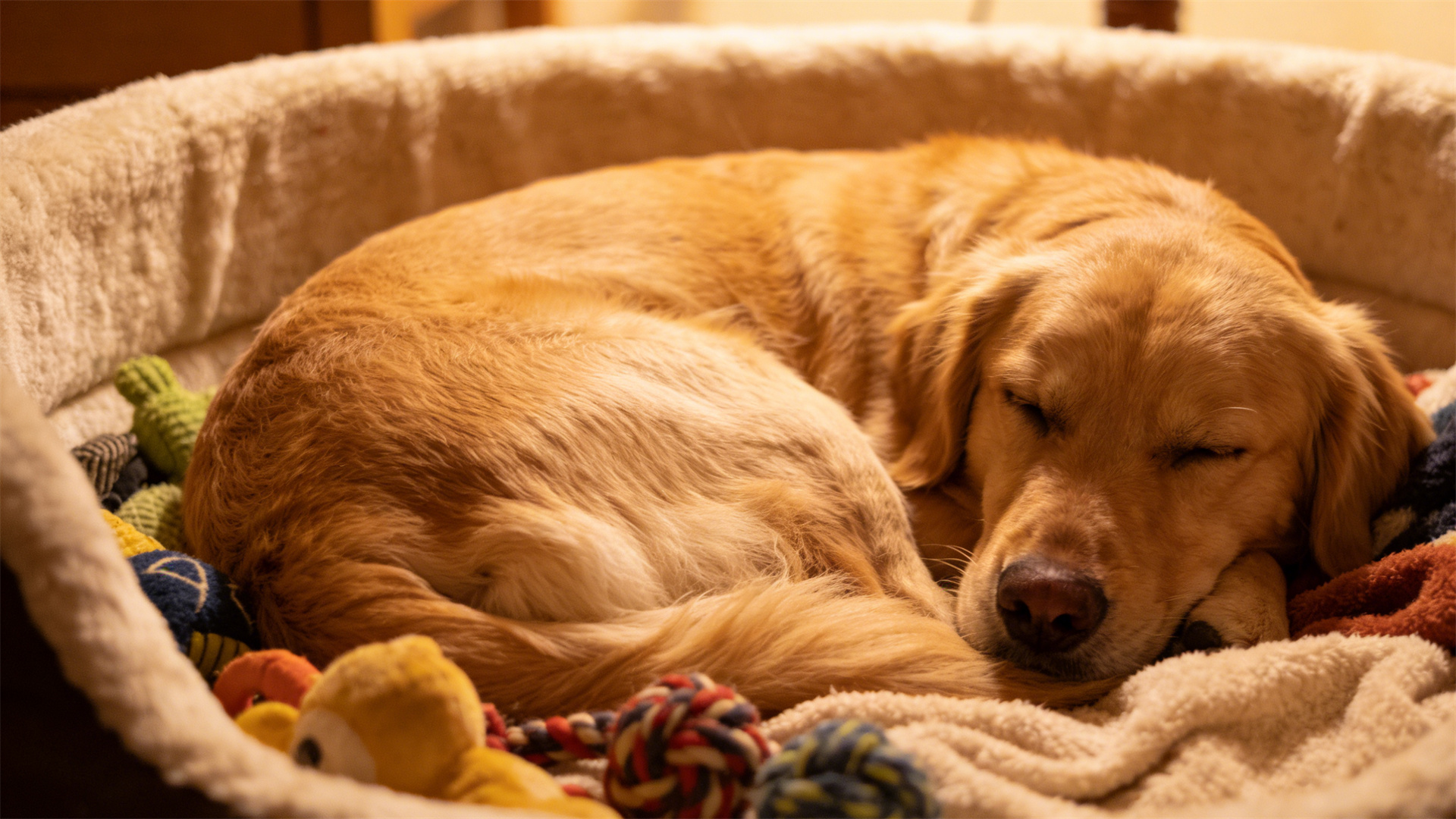
Deep sleep, or slow-wave sleep, is not passive downtime; it's a period of intense biological activity dedicated to repair and recovery. When your dog is in this phase, their body is essentially running critical maintenance programs.
Cellular Repair and Muscle Growth
Growth hormone (somatotropin) is primarily released during deep sleep. This hormone is essential for:
- Tissue growth and repair: It stimulates protein synthesis, helping to repair micro-tears in muscles caused by daily activity and exercise.
- Bone and cartilage maintenance: Crucial for growing puppies and aging dogs with joint issues like arthritis.
- Cell regeneration: It aids in the renewal of skin cells and other tissues throughout the body.
Immune System Fortification
Sleep and immunity are intimately linked. During deep sleep, the body produces and releases cytokines—a type of protein that targets infection and inflammation. These molecules act as messengers that help regulate the immune response.
- Pro-inflammatory cytokines are needed to fight illness.
- Anti-inflammatory cytokines promote sleep and help the body recover.
Brain Detoxification and Memory Consolidation
While memory processing is heavily associated with REM sleep, deep sleep plays a foundational role. The brain's glymphatic system, a waste-clearance pathway, becomes 10 times more active during deep sleep. It flushes out neurotoxic waste products that accumulate between brain cells during waking hours, including proteins linked to cognitive decline.
This "brain wash" is vital for maintaining cognitive function, especially in senior dogs. Furthermore, deep sleep helps transfer and solidify memories and learned behaviors from the day's experiences, making training more effective.
Metabolic and Organ Health
Deep sleep helps regulate hormones that control appetite (leptin and ghrelin). Poor sleep can disrupt this balance, potentially leading to weight gain. It also provides a period of reduced physiological stress, allowing the cardiovascular system and liver to perform essential maintenance functions with lower demand.
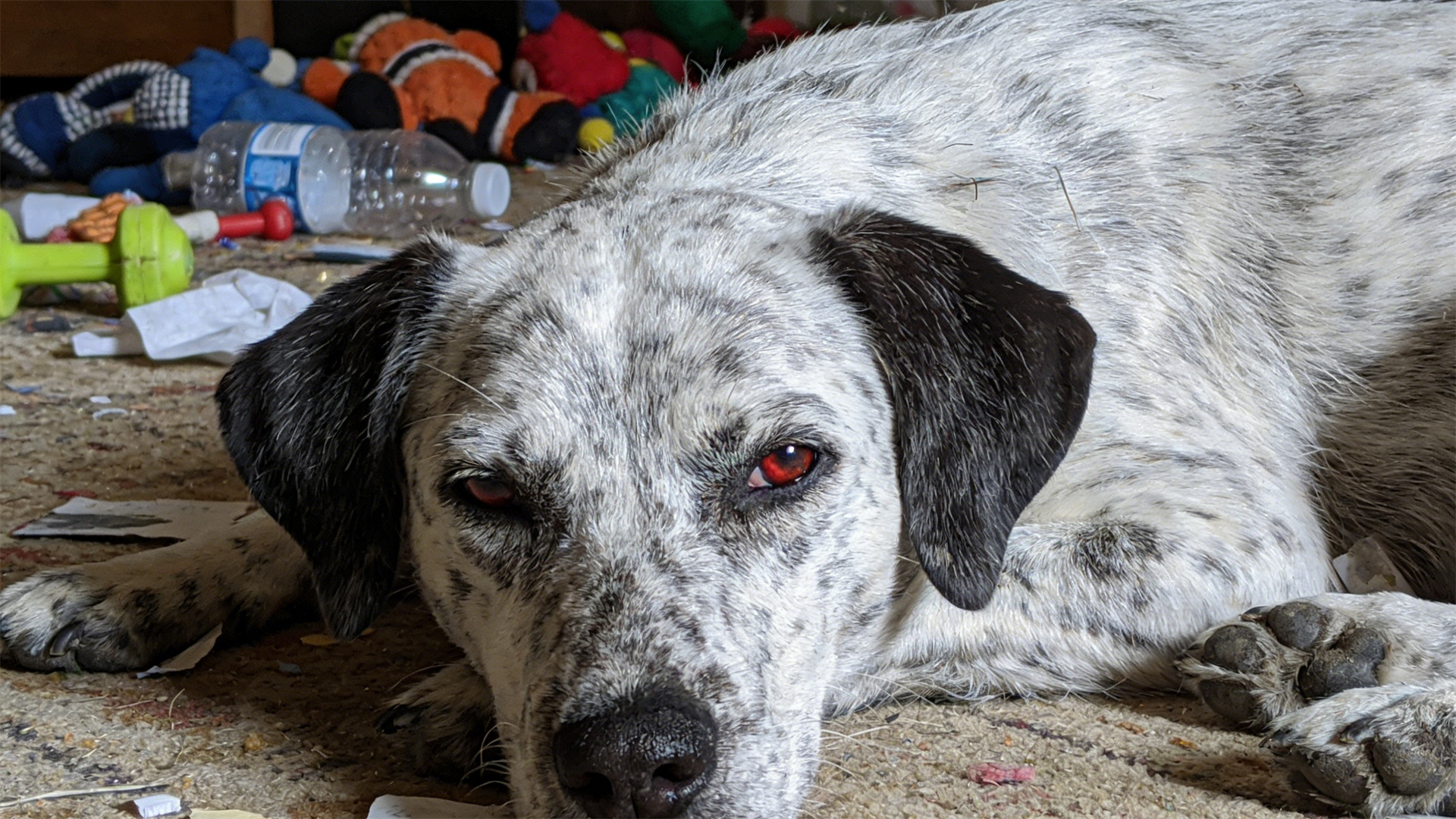
⚠️ The High Cost of Restless Nights: Consequences of Insufficient Deep Sleep
When a dog is consistently interrupted or unable to achieve and maintain deep sleep stages, the body repair mechanisms are impaired. This sleep deprivation has both immediate behavioral signs and serious long-term health ramifications.
Recognizing the Signs
How can you tell if your dog isn't getting enough restorative sleep? Look for these indicators:
- Excessive daytime sleepiness or hyperactivity: Paradoxically, a sleep-deprived dog may seem wired, as their body is flooded with stress hormones like cortisol to combat fatigue.
- Increased irritability or aggression: "Sleepy" can quickly become "snappy." Lack of recovery affects mood regulation.
- Difficulty in training and poor concentration: An inability to consolidate memories and learn new tasks.
- Slower recovery from injury or illness: Wounds heal slower; colds linger longer.
- Dull coat, poor skin condition: A direct reflection of impaired cellular repair and regeneration.
- Weight fluctuations: Hormonal dysregulation can alter metabolism and appetite.
- Compromised immune function: More frequent infections or allergies.
Long-Term Health Issues
Chronic insufficient deep sleep acts as a constant stressor on the body, contributing to:
- Weakened Immune System: Leading to chronic inflammation and increased disease risk.
- Cognitive Dysfunction: Similar to dementia in humans, linked to the accumulation of toxic proteins in the brain.
- Endocrine Disorders: Disruption in hormone production and regulation.
- Exacerbation of Chronic Conditions: Conditions like arthritis or liver disease may worsen due to the body's reduced capacity for nightly repair.
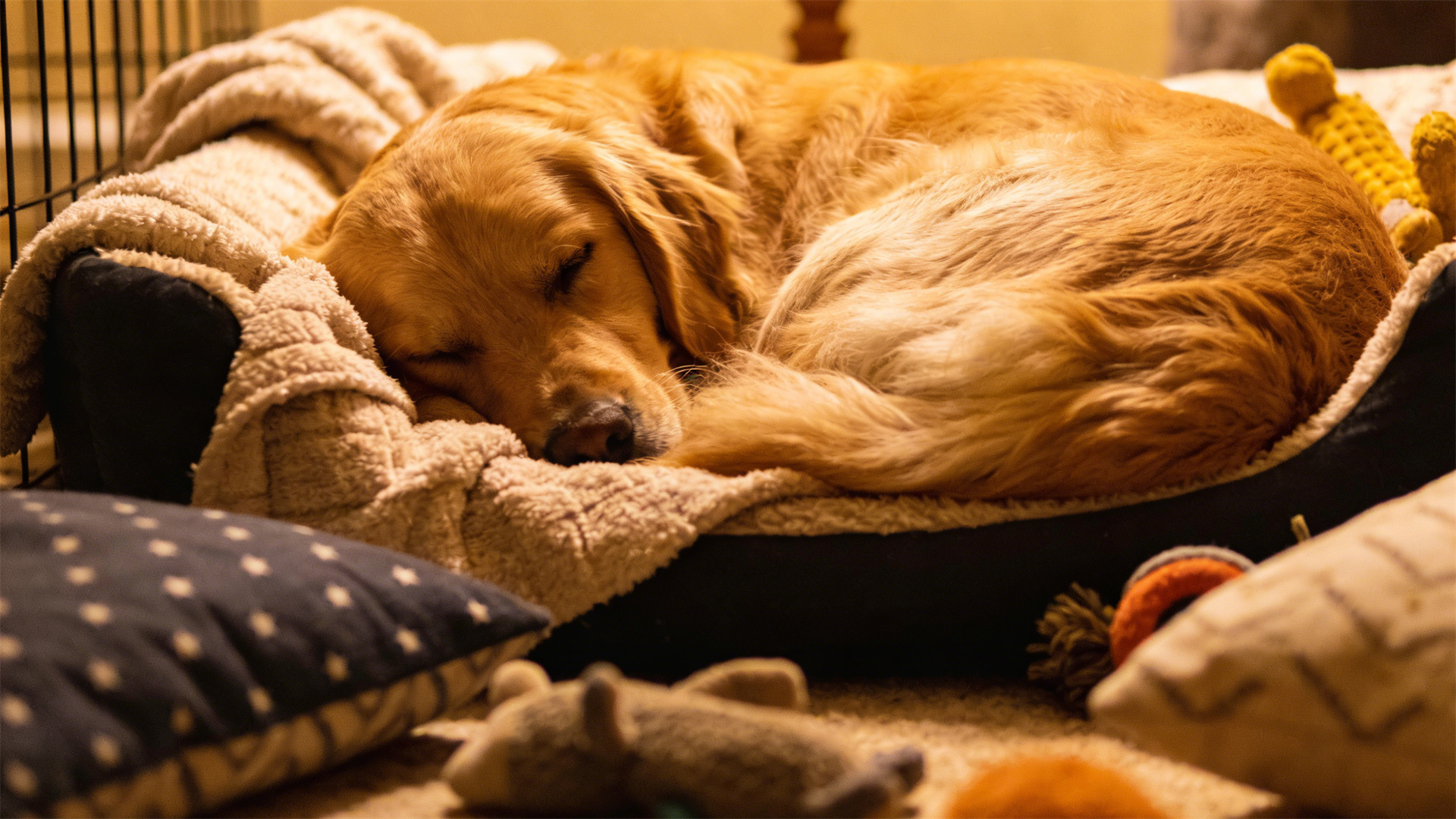
💤 Actionable Guide: How to Improve Deep Sleep in Your Dog
Promoting better sleep is one of the most profound gifts you can give your dog's health. Here are practical, evidence-based strategies to enhance sleep quality in dogs.
1. Optimize the Sleep Environment
• The Bed Matters: Invest in a high-quality, orthopedic bed that supports joints and is sized appropriately. Place it in a quiet, draft-free, dimly lit corner. Consider crate training if your dog finds a den-like environment soothing.
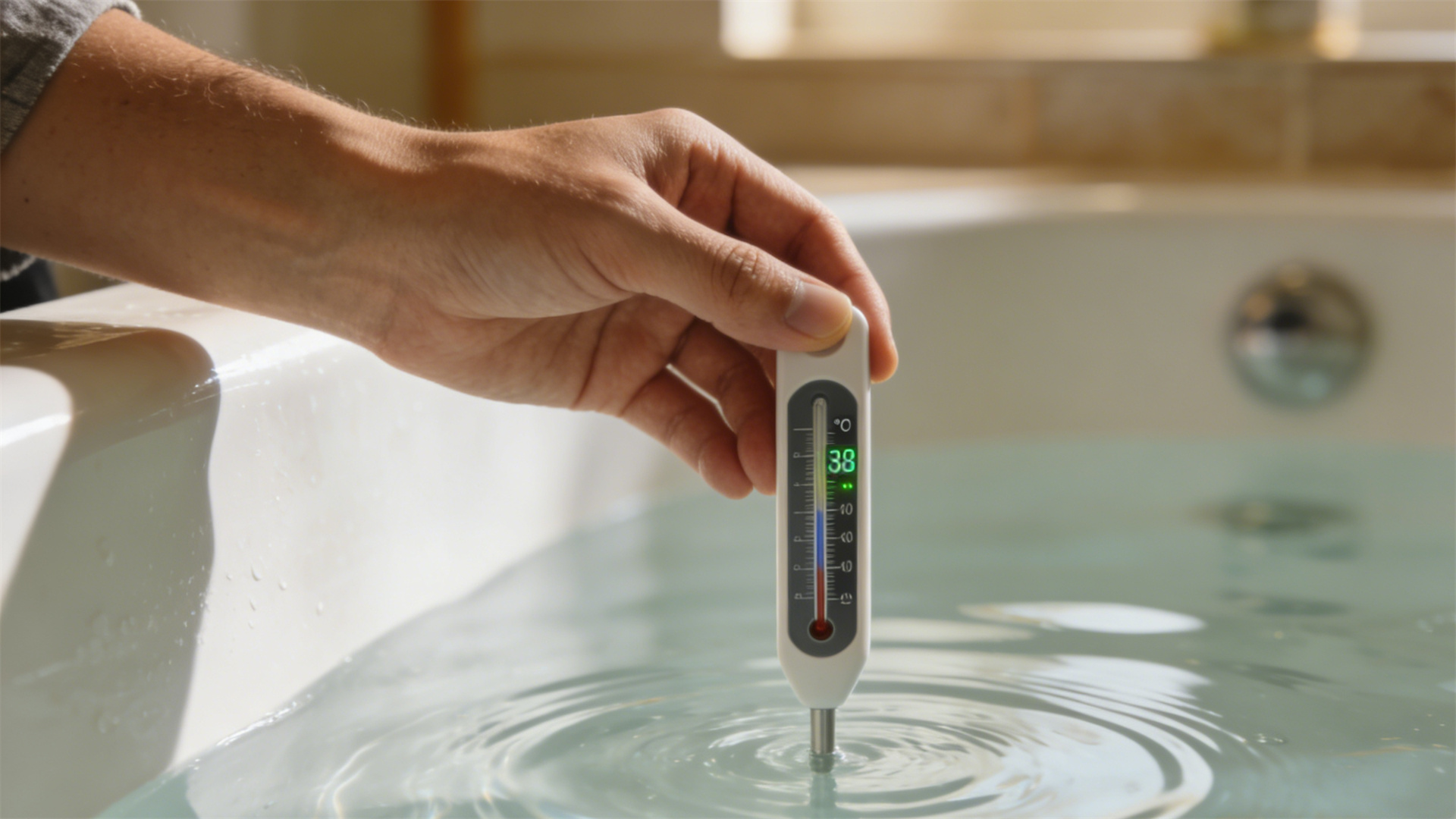
• Control Temperature and Light: Dogs sleep best in a slightly cool room. Use blackout curtains to mimic natural light/dark cycles, especially in summer or in urban areas with light pollution.
• Minimize Noise Disruption: Use white noise machines or calming music designed for dogs to mask startling sounds like traffic or thunderstorms.
2. Establish a Consistent Pre-Sleep Routine
• Regular Schedule: Feed, walk, and offer last-potty breaks at the same times each day. Predictability cues the body for sleep.
• The Evening Wind-Down: Avoid vigorous play or exciting interactions for at least an hour before bedtime. Opt for gentle petting, quiet chewing (on a safe toy), or a slow, sniff-filled stroll.
• Calming Aids: For anxious dogs, consult your vet about calming supplements (like L-Theanine or melatonin), Adaptil diffusers (pheromone therapy), or pressure wraps like Thundershirts.
3. Address Physical and Mental Needs
• Adequate Daily Exercise: A physically tired dog is more likely to sleep deeply. Tailor exercise to breed, age, and health.
• Mental Stimulation is Key: A mentally exhausted dog is equally primed for rest. Use puzzle feeders, training sessions, and nose work games to tire their brain.
• Diet and Timing: A high-quality diet supports overall health, including sleep. Avoid large meals right before bed to prevent digestive discomfort.
4. Partner with Your Veterinarian
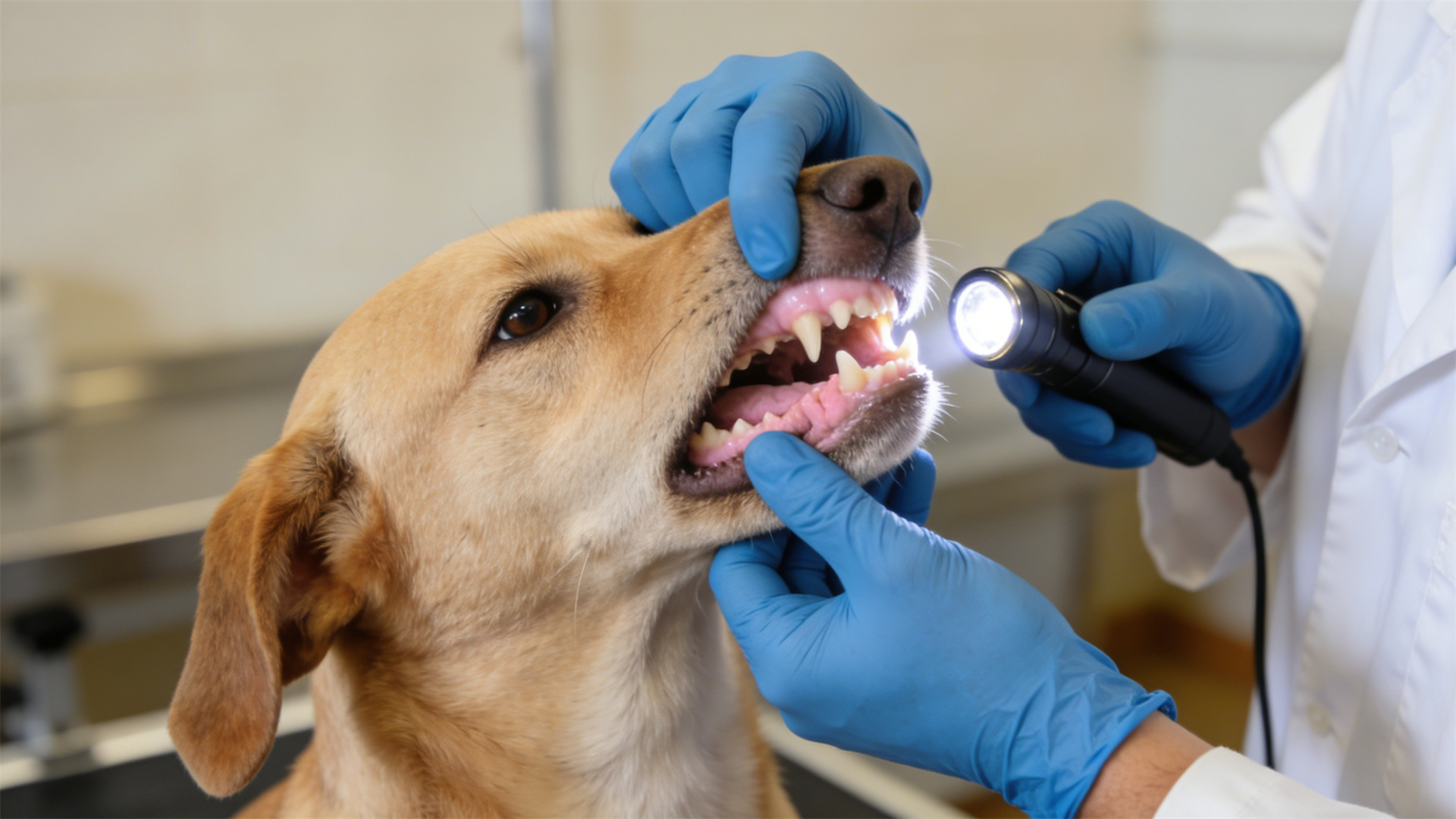
• Regular Health Checks: Pain from arthritis, dental disease, itching from allergies, or discomfort from gastrointestinal issues are major sleep disruptors. Regular vet visits can identify and manage these.
• Discuss Sleep Concerns: If you suspect a canine sleep disorder, record a video of your dog's sleep behavior and bring it to your vet. They can rule out medical causes and recommend specialists if needed.
🌟 Conclusion: Prioritizing Sleep for a Lifetime of Health
Understanding canine sleep physiology transforms how we view our dogs' downtime. Deep sleep is not a luxury; it's a biological imperative for body repair in dogs, from the cellular level to the immune system and brain. By recognizing the signs of insufficient deep sleep and proactively creating an environment and routine conducive to rest, you directly invest in your dog's resilience, longevity, and daily well-being. Remember, when your dog is peacefully sleeping, they are actively engaging in the most profound work of all—healing and rejuvenating for the adventures of tomorrow.