Healthy

First aid for nails clipped too short: essential home remedies for styptic powder and wound treatment.

A

Aubrey

Feb 13,2026 • 5 Min Read

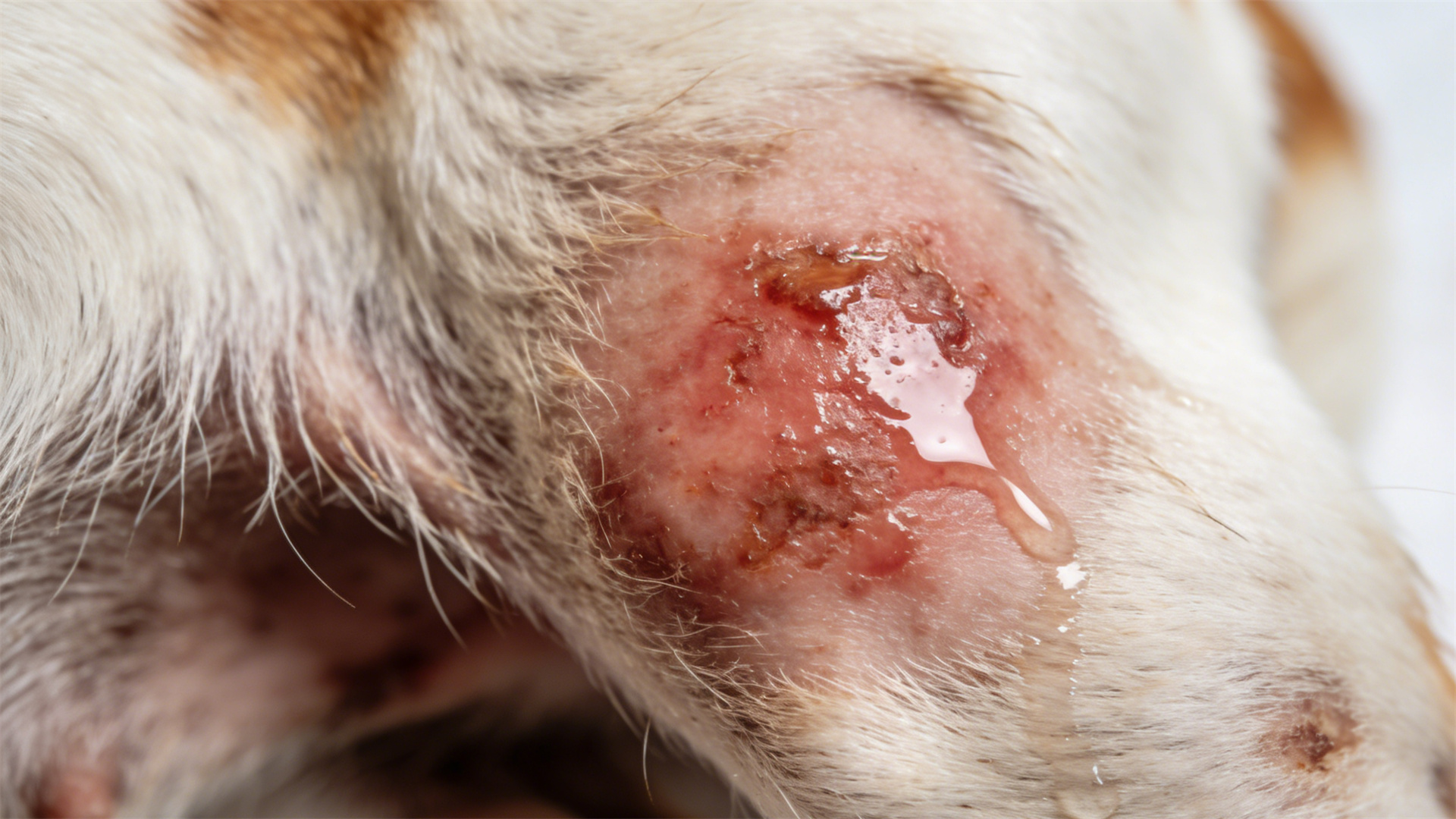
The sudden sight of blood after a nail trim can send any dog owner into a panic. Rest assured, accidentally clipping your dog's nail too short and nicking the quick is an incredibly common grooming mishap. This article provides a calm, step-by-step guide to managing this situation at home. Our immediate goals are to stop the bleeding effectively and prevent infection. Understanding a bit of anatomy helps: inside your dog's nail is a living, blood-rich nerve called the quick. In light-colored nails, it's visible as a pinkish area; in dark nails, it's hidden. Cutting into it causes bleeding and discomfort, but with the right first aid, it's a quickly solvable problem.
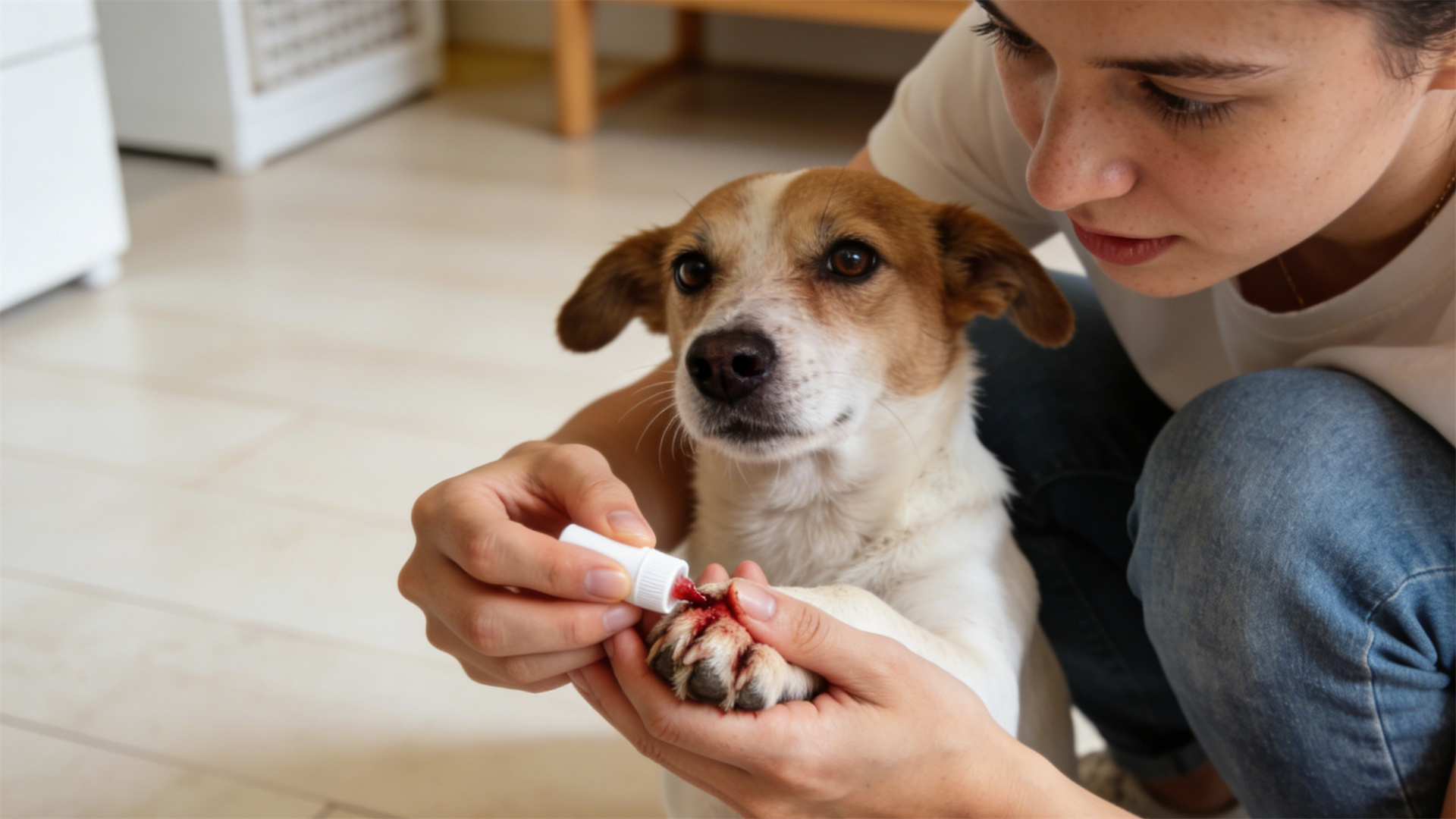
First aid for nails clipped too short: essential home remedies for styptic powder and wound treatment.

🩹 Immediate Action to Stop Bleeding

When a dog quicked nail starts to bleed, your priority is to remain composed and act swiftly. The following methods are listed in order of proven efficacy. Having the right tool on hand is the best strategy.

Using Styptic Powder or Pencil

Styptic powder is the GOLD STANDARD for stopping nail bleeding. It contains ingredients like ferric subsulfate or aluminum sulfate, which act as astringents to contract blood vessels and form a clot almost instantly. COMMERCIAL PRODUCTS like Kwik Stop or Miracle Care are formulated for pets and are essential in any grooming kit. Application is straightforward: pour a generous amount into the powder's cap or onto a clean surface. Firmly press the bleeding nail tip directly into the powder, holding constant pressure for a full one to two minutes. If using a styptic pencil, wet the tip and apply it with gentle, firm pressure to the nail's end. Do not wipe away the residue; let it form a protective seal.

Home Remedies When Styptic Powder is Not Available

If you don't have a commercial styptic powder for dogs, several common kitchen items can serve as effective home remedies. Their efficacy varies, but they can be a lifesaver in a pinch.

Cornstarch: This is the most effective household alternative. Its fine consistency helps form a physical clot. Dip the bleeding nail directly into a small pile of cornstarch or pack it against the tip. Hold pressure firmly.

Flour: All-purpose or plain flour can also work by helping to clog the small vessel. Use it in the same manner as cornstarch.

Bar of soap: A soft bar of soap (like ivory) can be gently but firmly pressed onto the bleeding tip. The soap will plug the wound temporarily.

Baking soda: You can use baking soda alone or mix it with a bit of water to create a paste for application.

Critical warning: ABSOLUTELY AVOID using human antiseptics like hydrogen peroxide or rubbing alcohol directly on the dog quick bleeding wound. These chemicals are too harsh, cause significant pain, and can damage the sensitive tissue, delaying the natural wound treatment and healing process.
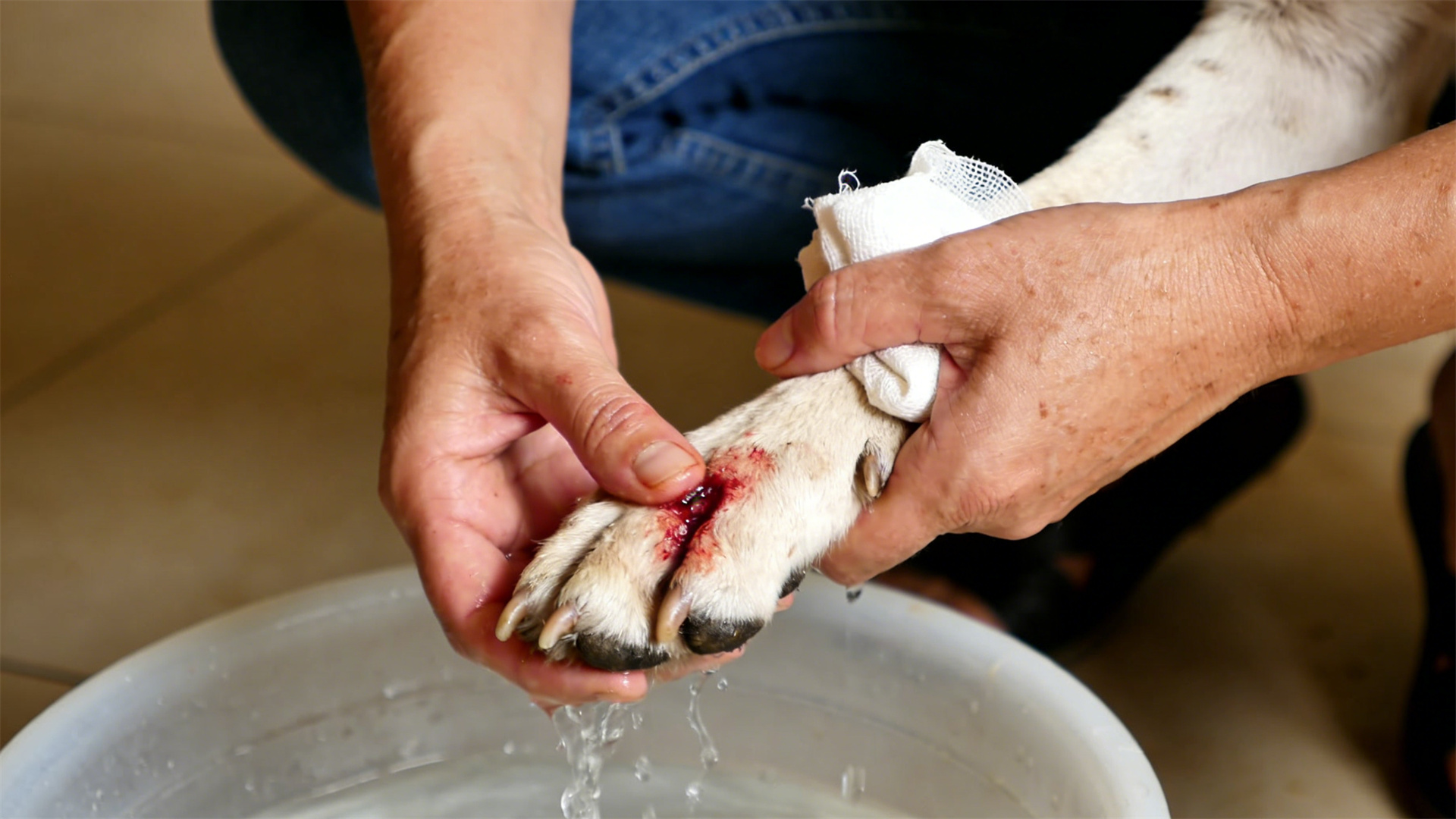
First aid for nails clipped too short: essential home remedies for styptic powder and wound treatment.

💫 Wound Treatment and Aftercare

Once the bleeding has fully ceased, the focus shifts to preventing infection and ensuring your dog's comfort. Proper aftercare is crucial for uneventful healing.

Cleaning and Protecting the Nail

After the clot is secure, gently clean the paw with lukewarm water and a soft, clean cloth. Do not soak the entire paw, as excess moisture can soften the clot and introduce bacteria. Pat the area dry thoroughly. If you choose to use an antibiotic ointment, select a PET-SAFE option like plain Neosporin (triple antibiotic ointment) and apply a tiny dab. CAUTION: Avoid any product containing pain relievers like pramoxine, as they can be toxic if licked.

If your dog is persistently licking or chewing at the nail, a temporary bandage may be necessary. Place a non-stick gauze pad over the nail and lightly wrap the paw with a self-adhering veterinary bandage (like Vetrap). The bandage must be LOOSE. You should easily slide two fingers underneath it. A bandage that is too tight can cut off circulation, leading to severe complications. CHECK THE TOES EVERY FEW HOURS for coldness, swelling, or discoloration, and remove the bandage after 12-24 hours or once the licking subsides.

Monitoring and Comfort

Vigilant monitoring is your best tool for catching problems early. Watch for these signs of infection over the next few days: increased swelling, persistent redness, warm skin, pus or foul-smelling discharge, and ongoing lameness. Any of these symptoms warrant a call to your vet.

To aid healing, limit strenuous exercise and walks on abrasive surfaces like asphalt for a day or two. Provide a quiet, soft space for your dog to rest. For dogs that won't leave the nail alone, a clean child's sock secured at the ankle with medical tape (taped to the fur, not the skin) or a commercial protective bootie can serve as an excellent barrier. This allows the quicked nail to heal undisturbed.
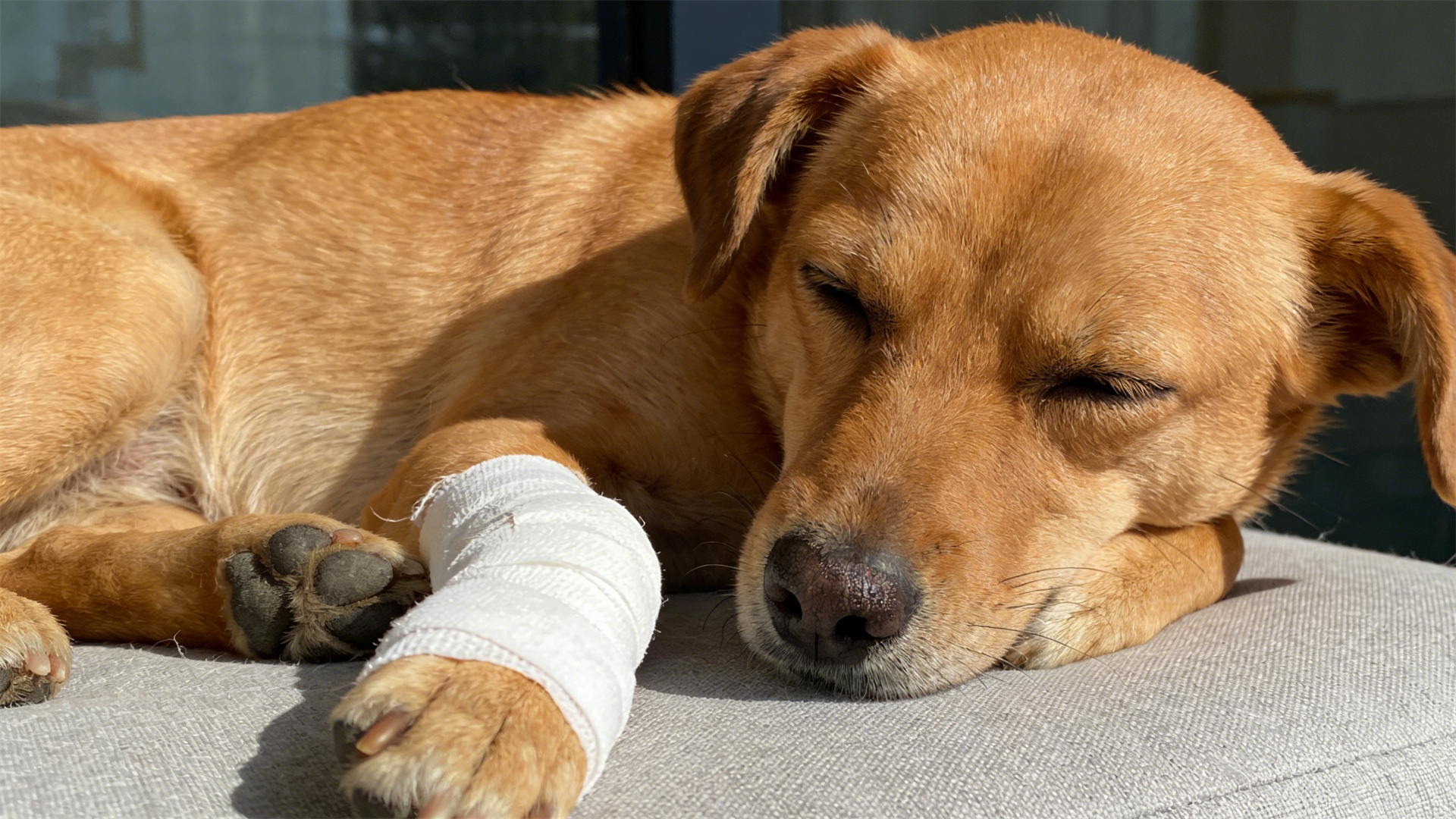
First aid for nails clipped too short: essential home remedies for styptic powder and wound treatment.

✅ Conclusion

Accidentally causing a dog nail clipped too short incident is a rite of passage for many pet owners. Your calm and confident response is the most important medicine for your dog. We cannot overstate this: include a styptic powder product in your permanent pet first-aid kit. It is the single most effective tool for this specific emergency.

If at any point the bleeding does not stop within 10-15 minutes of direct pressure, if the wound looks deep or torn, or if you observe any signs of infection, CONTACT YOUR VETERINARIAN WITHOUT DELAY. They can provide professional wound treatment and pain management if needed.
Next Article→
Advertisement

Found this article helpful?

Share it with more new dog owners and raise pets scientifically together.

You May Have Missed

2026 Canine Nutrition Standards: The Golden Ratio of Protein, Fat, and Carbohydrates
Healthy

2026 Canine Nutrition Standards: The Golden Ratio of Protein, Fat, and Carbohydrates

Canine nutrition is undergoing a revolution. Gone are the days of one-size-fits-all kibble. As research accelerates, we're moving from simply feeding dogs to precision-nourishing them. The question for discerning dog owners and forward-thinking professionals is no longer just "what to feed," but what precise nutritional architecture will optimize health, longevity, and vitality in the years to come. Enter the forward-looking 2026 canine nutrition standards, centered on a refined, dynamic macronutrient balance known as the Golden Ratio. This isn't a fleeting trend; it's the scientific culmination of decades of research, pointing toward a future of personalized canine wellness.

Peritonitis and Sepsis: First Aid and Post-Ingestion Health Management for Dogs
Healthy

Peritonitis and Sepsis: First Aid and Post-Ingestion Health Management for Dogs

In the world of canine emergencies, few situations are as stealthy and devastating as peritonitis and its deadly progression to sepsis. These conditions represent a cascade of internal catastrophe where every minute counts. Peritonitis is a severe, often painful inflammation of the abdominal lining, typically caused by a rupture or infection. Sepsis is the body's overwhelming and life-threatening response to that infection, which can spiral into septic shock, organ failure, and death with terrifying speed. This guide is your crucial resource. Its purpose is to arm you, the devoted dog owner, with the knowledge to recognize the early warning signs, administer stabilizing first aid, and navigate the critical path of post-veterinary care to give your beloved companion the best chance at survival.

Benefits of positive reinforcement training for the nervous system: Why does physical punishment lead to chronic diseases in dogs?
Healthy

Benefits of positive reinforcement training for the nervous system: Why does physical punishment lead to chronic diseases in dogs?

Every choice you make in training your dog echoes through their entire body, influencing not just their behavior but their lifelong physical health. The question is no longer simply about "what works," but about what biologically builds a robust, resilient companion or a chronically stressed, susceptible patient. This article delves into the profound science behind why positive reinforcement training fosters wellness and how methods based on physical punishment can plant the seeds for chronic diseases in dogs.

The Health Logic of Slow-Feed Bowls: A Lifeline for Preventing Gastric Toxosis (GDV) in Large Dogs
Healthy

The Health Logic of Slow-Feed Bowls: A Lifeline for Preventing Gastric Toxosis (GDV) in Large Dogs

For owners of large and giant breed dogs, there is perhaps no veterinary term more terrifying than GDV. It strikes with little warning, progresses with alarming speed, and carries a soberingly high mortality rate. Yet, one of the most powerful preventive tools is deceptively simple and sits right on your kitchen floor. This article delves into the critical, life-saving connection between your dog's eating speed and their risk of gastric toxosis, making the authoritative case that a slow-feed bowl is not a mere convenience gadget—it is an essential health intervention.

The application of music therapy in kennels: the stabilizing effect of specific frequency music on heart rate.
Healthy

The application of music therapy in kennels: the stabilizing effect of specific frequency music on heart rate.

Kennels, shelters, and boarding facilities are essential pillars of canine care, providing safety and temporary refuge. However, for many dogs, these environments—despite their best intentions—can be hotbeds of stress and anxiety. The cacophony of unfamiliar sounds, the presence of unknown dogs, and the separation from familiar people and routines trigger a profound physiological response. One of the most direct and measurable markers of this stress is an increased heart rate, which, when sustained, can negatively impact overall health and well-being. In the search for innovative, non-invasive tools to combat this issue, music therapy has emerged as a surprisingly powerful ally. This article delves deep into the science and practice of using specific frequency music in kennel settings, exploring its demonstrable, calming effect on the canine cardiovascular system and its role as a cornerstone of modern, compassionate animal welfare.

Cognitive training: Using educational toys to slow down brain degeneration in older dogs
Healthy

Cognitive training: Using educational toys to slow down brain degeneration in older dogs

You notice it in the small things. Your faithful companion, now with a frosted muzzle, might pause for a moment, seemingly confused in a familiar corner of the yard. Perhaps their sleep-wake cycle has flipped, or they seem less enthusiastic about a game they once loved. These subtle shifts can be easy to dismiss as "just getting old," but they often point to something more specific: Canine Cognitive Dysfunction (CCD), a condition akin to dementia in humans. While this reality can feel daunting, there is a powerful, positive, and profoundly bonding tool at your disposal: cognitive training. Just as physical exercise keeps the body strong, consistent mental exercise is crucial for maintaining brain health. And the best part? It can be as simple and joyful as play. This article will guide you through using educational toys as a cornerstone strategy to enrich your senior dog's life, slow cognitive decline, and strengthen your unbreakable bond.