For owners of large and giant breed dogs, there is perhaps no veterinary term more terrifying than GDV. It strikes with little warning, progresses with alarming speed, and carries a soberingly high mortality rate. Yet, one of the most powerful preventive tools is deceptively simple and sits right on your kitchen floor. This article delves into the critical, life-saving connection between your dog's eating speed and their risk of gastric toxosis, making the authoritative case that a slow-feed bowl is not a mere convenience gadget—it is an essential health intervention.
🩺 Understanding Gastric Dilatation-Volvulus (GDV): The "Bloat" That Kills
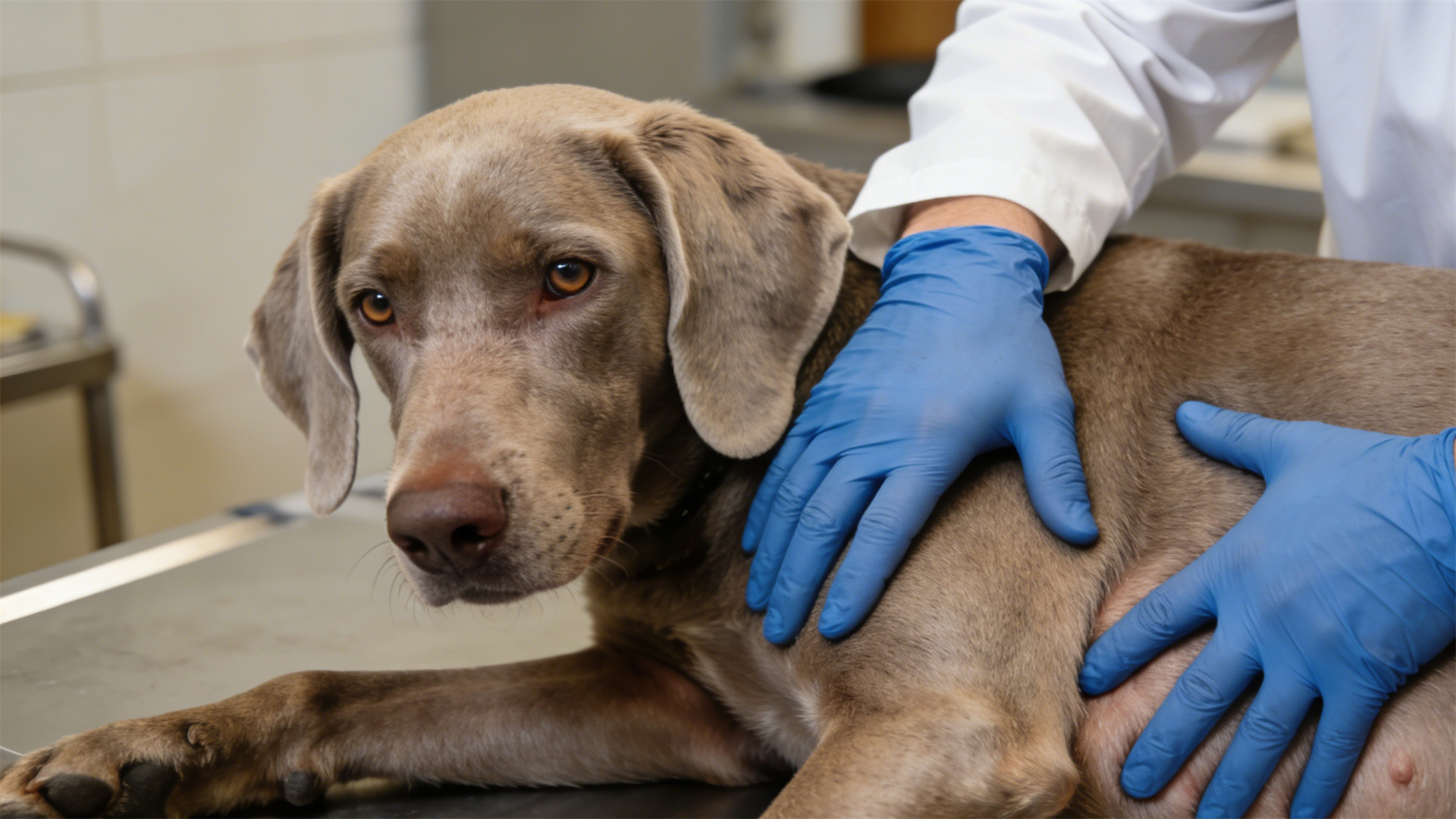
Gastric Dilatation-Volvulus is a two-part catastrophe. First, dilatation occurs: the dog's stomach fills with gas, food, and/or fluid, causing a painful and dangerous distension. This is often what people refer to as "bloat." However, the true emergency, volvulus, follows when this massively swollen stomach twists upon itself, trapping its contents and cutting off blood supply. This torsion leads to shock, tissue death, and rapid systemic collapse.
Why Large, Deep-Chested Breeds Are Most at Risk
Breeds like Great Danes, German Shepherds, Standard Poodles, Weimaraners, and Saint Bernards have a specific anatomical vulnerability: a deep, narrow chest cavity that allows the stomach more room to move and potentially twist. Combine this anatomy with other risk factors, and the danger multiplies.
Primary Risk Factors Include:
- Eating too quickly and swallowing excessive air (aerophagia).
- Consuming one large meal per day.
- Exercising vigorously before or immediately after eating.
- A familial history of GDV.
- Being underweight or having a fearful, nervous temperament.
Symptoms are acute and require immediate veterinary attention: A distended, hard abdomen, unproductive retching (trying to vomit but nothing comes up), excessive drooling, restlessness, pacing, and signs of shock like pale gums and rapid heart rate. Time is the critical factor; mortality rates increase significantly with every passing minute.
⚡ The Direct Link: How Eating Speed Fuels the GDV Crisis
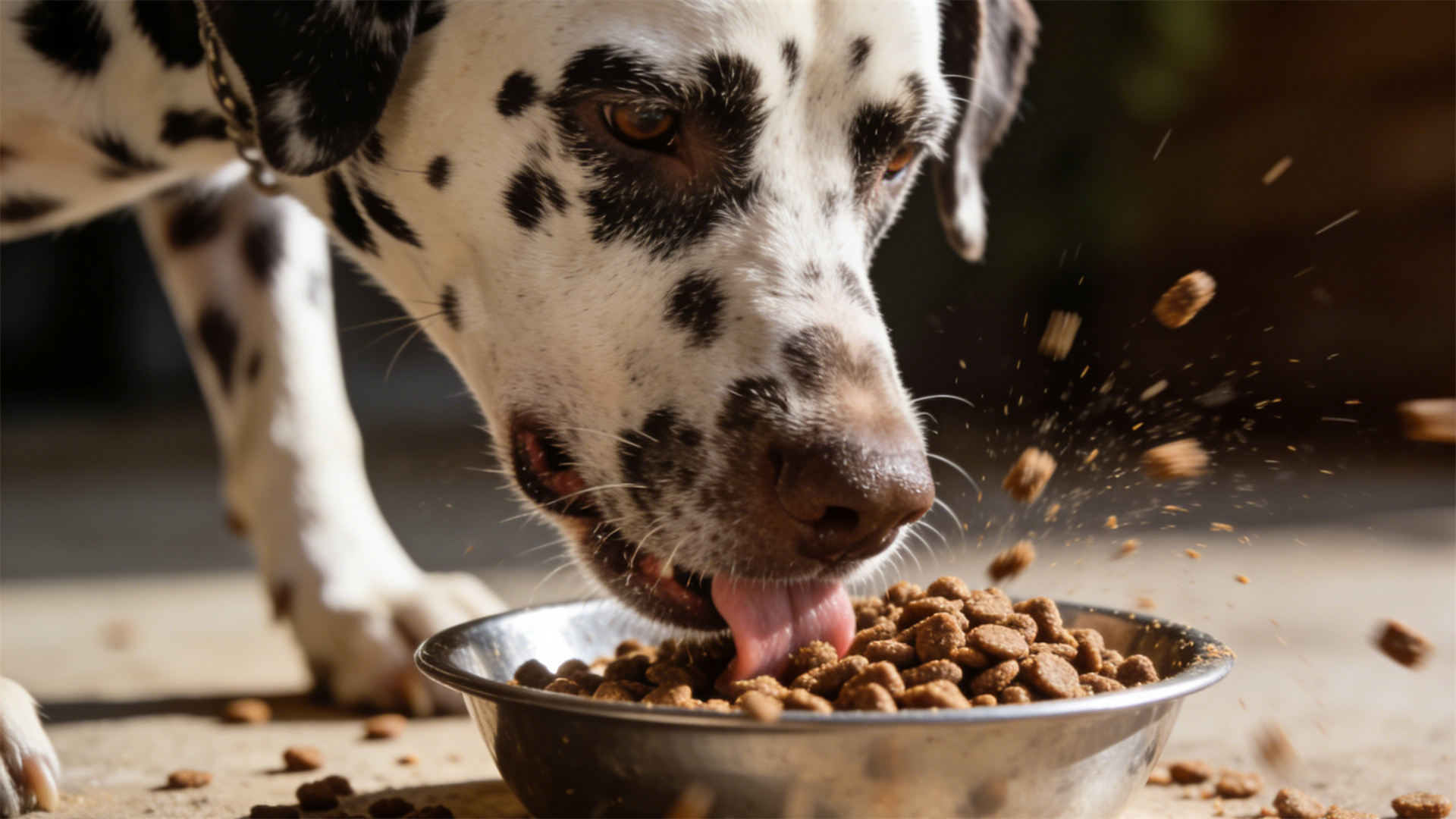
The connection between rapid ingestion and GDV prevention is firmly rooted in physiology. When a dog gulps its food, it inevitably swallows large amounts of air. This air becomes trapped in the stomach, contributing directly to the initial dilatation phase. A stomach bloated with air is heavier, more mobile, and biomechanically predisposed to the fatal twist of volvulus.
Studies, including those cited by the American College of Veterinary Surgeons, recognize rapid eating as a modifiable risk factor. By intervening in this one behavior—slowing down the pace of eating—we directly reduce the volume of air ingested, minimize sudden gastric distension, and thereby lower the statistical risk of a torsion event. This is the core health logic of slow feeding.
🧩 How Slow-Feed Bowls Work: Turning Mealtime into a Strategic Activity
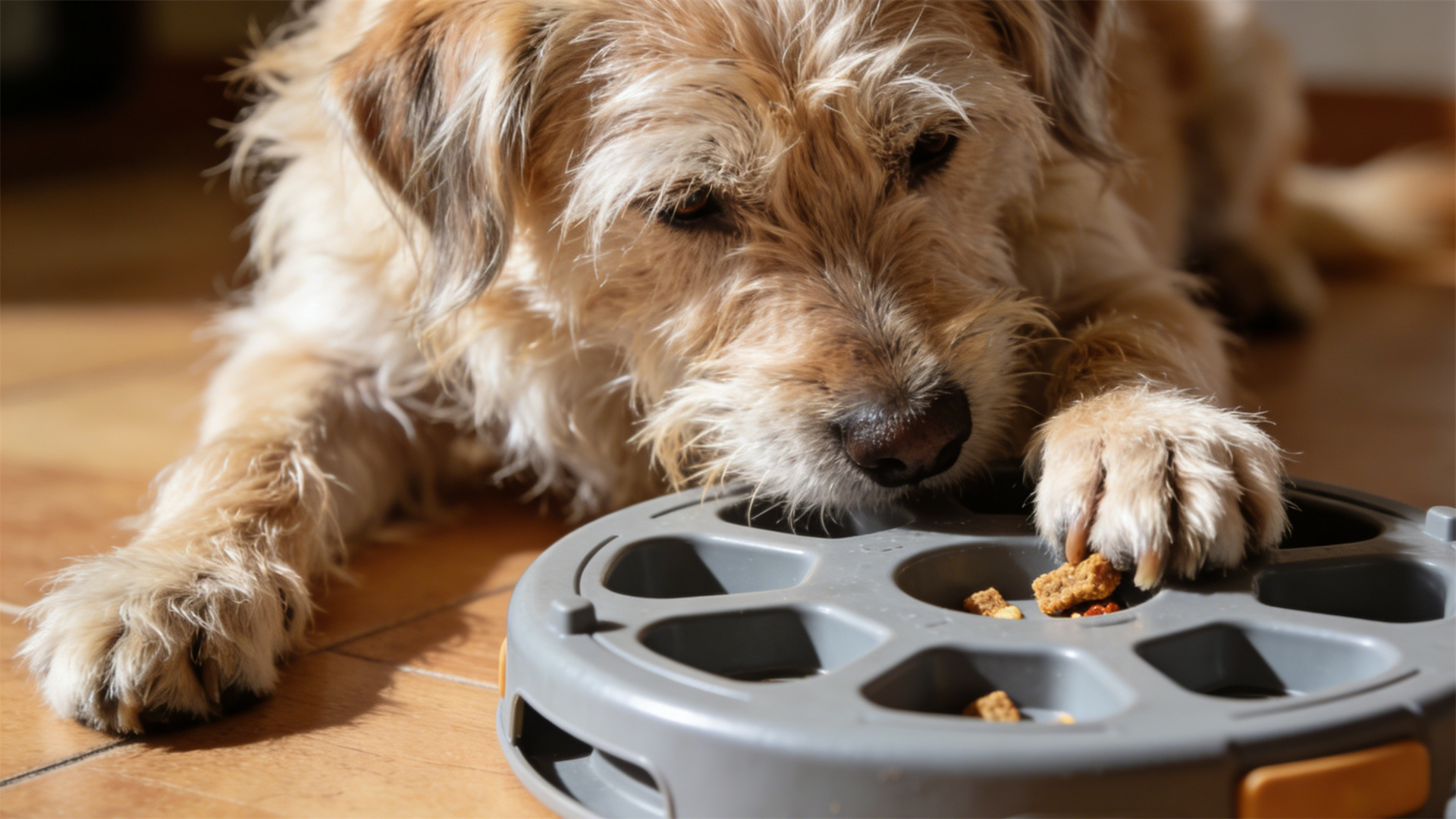
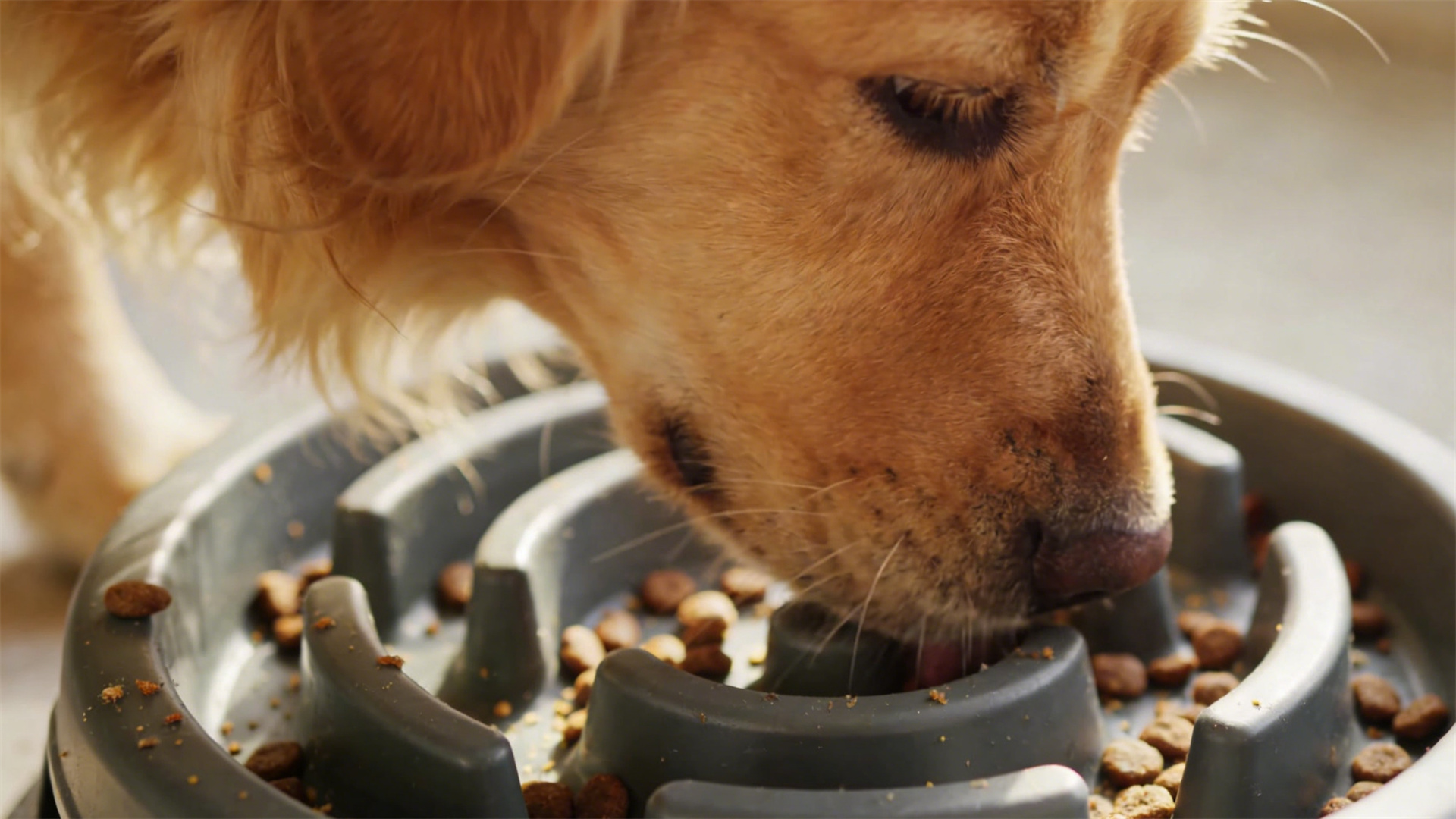
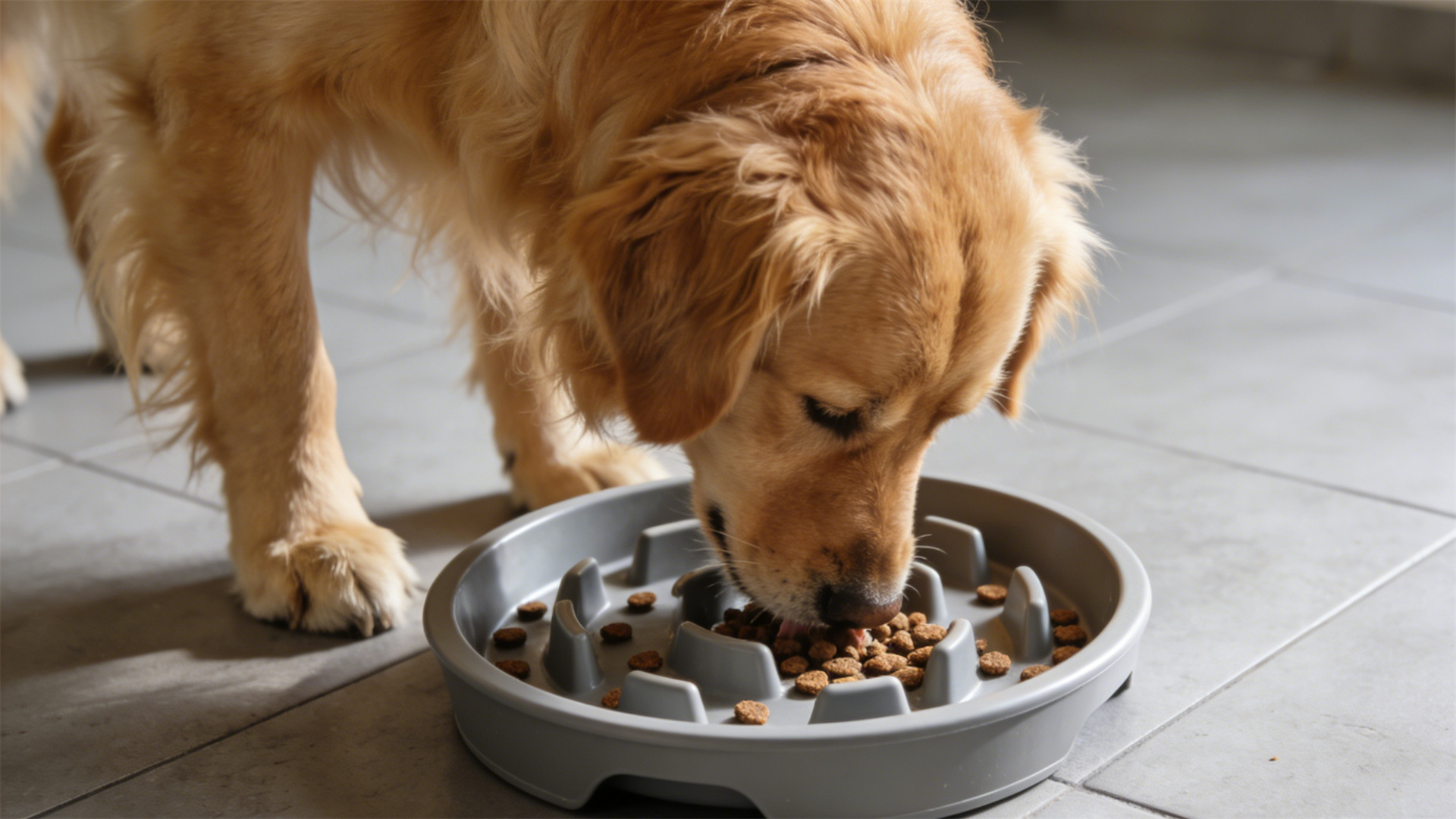
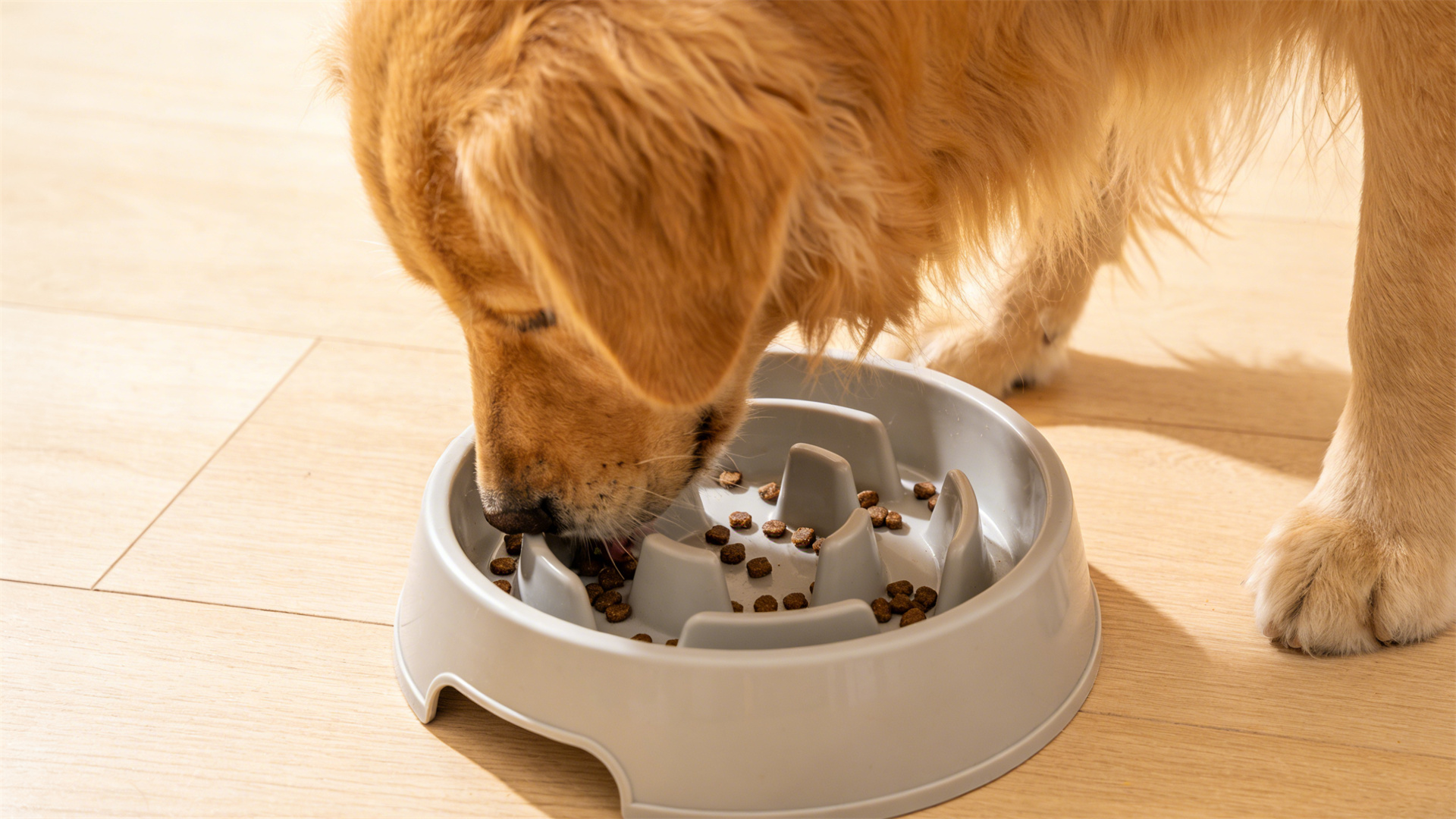
A slow-feed bowl is intelligently engineered to disrupt gulping. Instead of an open basin, it features a series of raised ridges, mazes, or puzzle-like obstacles. The dog must navigate its muzzle around these barriers to access kibble, which forces it to take smaller mouthfuls, chew more, and pause naturally. This physical design transforms a frantic, 30-second food inhalation into a mindful 5-to-10-minute activity.
Key Design Principles:
- Obstacle Complexity: The pattern's difficulty should match your dog's size and determination. More complex mazes are for seasoned fast-eaters.
- Non-Slip Base: Prevents the bowl from sliding during enthusiastic eating.
- Pet-Safe Materials: Look for high-quality, durable, and BPA-free plastics, stainless steel, or ceramic.
💚 Beyond GDV: The Multifaceted Health Benefits of Slowed Eating
While preventing gastric toxosis GDV is the most critical benefit, the advantages of a paced canine digestion process ripple throughout your dog's health.
Enhanced Digestion and Nutrient Absorption
Proper chewing allows digestive enzymes in saliva to begin breaking down food. Smaller, well-chewed food particles are easier for the stomach and intestines to process, leading to more efficient nutrient absorption and often firmer stools.
Weight Management Aid
Slower eating gives the brain time to receive "fullness" signals from the stomach, which can prevent overeating. This makes a slow-feed bowl an excellent tool in combating obesity, a common issue for large breeds.
Mental Stimulation and Anxiety Reduction
The act of "working" for food provides vital mental enrichment, combating boredom and associated destructive behaviors. For anxious dogs, the focused, repetitive action can have a calming effect, turning mealtime into a soothing ritual.
🛒 Selecting and Using a Slow-Feed Bowl: A Practical Guide
Choosing the Right Bowl:
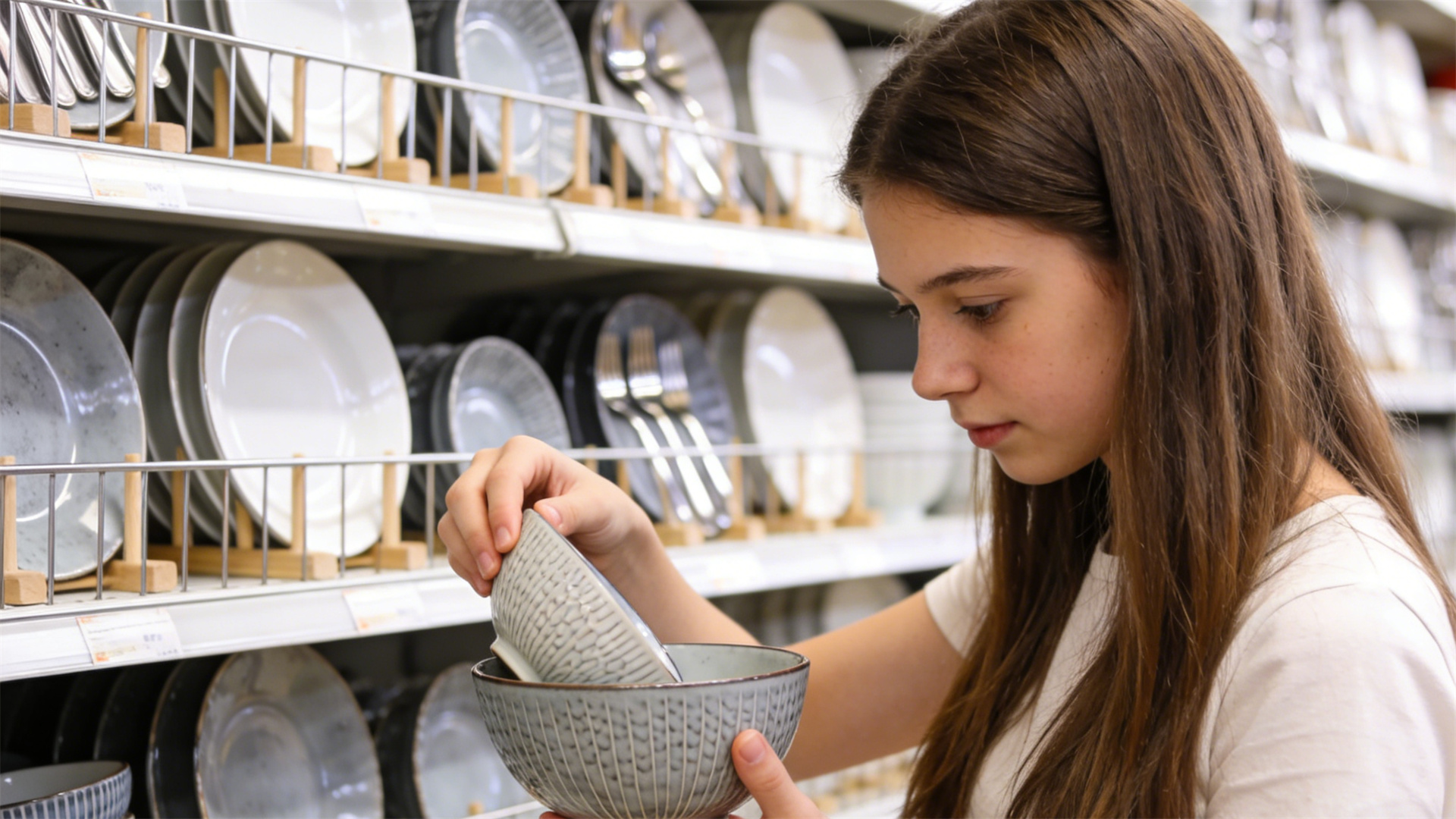
- For Size: Select a bowl large enough for your dog's muzzle to fit comfortably between obstacles. Giants may need extra-large, wide models.
- For Material: Stainless steel inserts are durable and hygienic; heavy ceramic is stable; high-quality, food-grade plastic is affordable and versatile.
- For the Dog: Start with a simpler pattern for beginners and increase complexity if your dog outsmarts it.
Transitioning Your Dog: Some dogs may be initially frustrated. Mix their old and new bowls, use tastier food initially, or hand-feed a few kibbles through the maze to demonstrate. Patience and positive reinforcement are key.
🛡️ A Holistic Approach to GDV Prevention
A slow-feed bowl is a cornerstone, but comprehensive GDV prevention requires a multi-pronged strategy. Consider this your essential checklist:
- Multiple Small Meals: Feed two or three smaller portions daily instead of one large one to avoid overwhelming the stomach.
- Enforced Rest: Prohibit vigorous exercise, play, or excitement for at least one hour before and two hours after eating.
- Stress-Free Environment: Feed in a calm, quiet location to reduce anxiety-driven gulping.
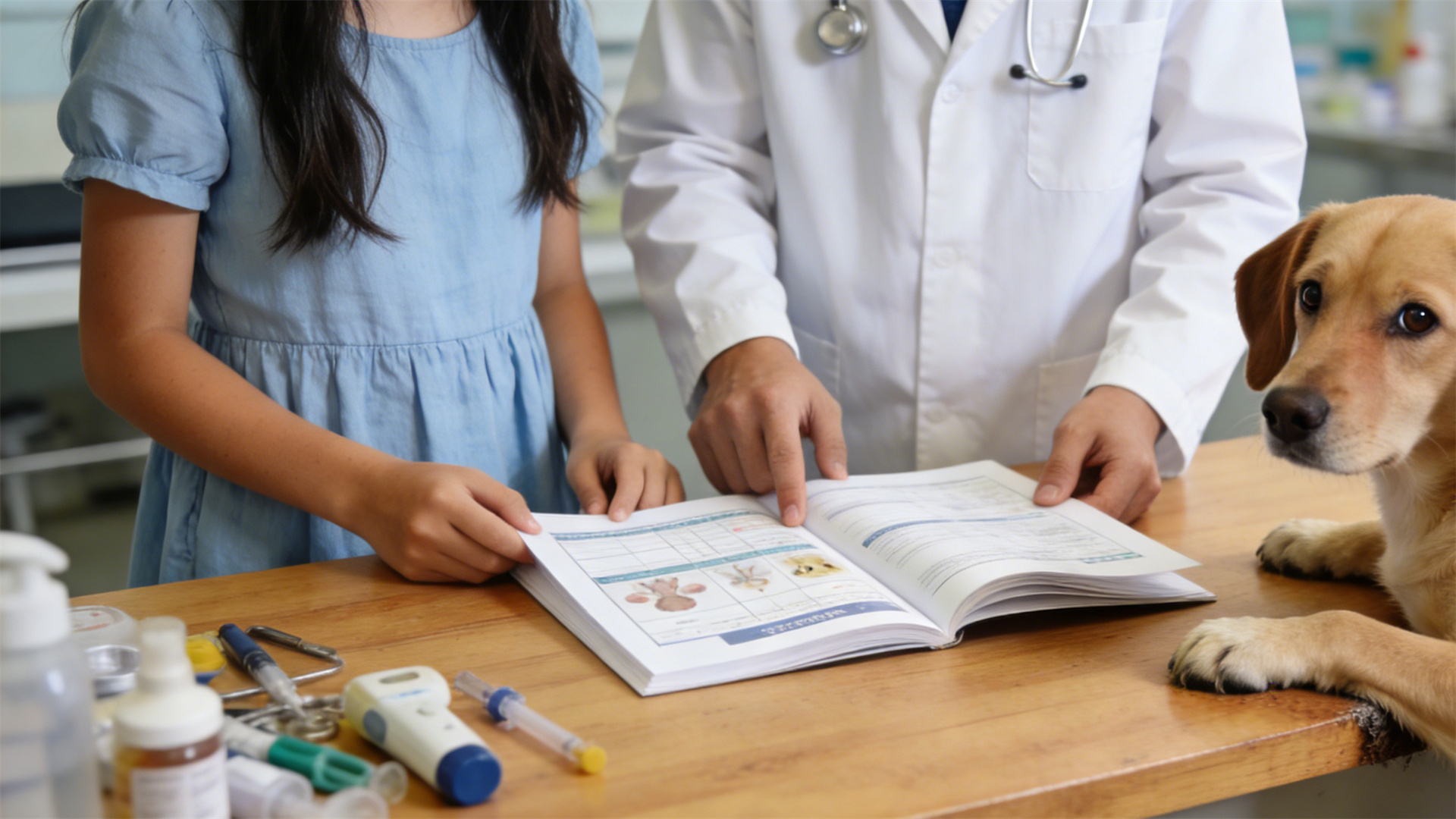
- Know Your Dog's Risk: Discuss stomach torsion history with your breeder and have regular conversations with your veterinarian about your dog's specific risk profile.
🔚 Conclusion: A Simple Bowl, A Profound Impact
The evidence is clear: the frantic speed at which many large dogs eat is not just a messy habit—it is a serious health vulnerability. By embracing the health logic of slow feeding, you proactively safeguard your dog from one of the most severe emergencies in veterinary medicine. A slow-feed bowl for large dogs is more than a tool; it is a lifeline—a simple, daily practice that fosters safer eating practices, promotes lifelong large dog health, and provides the irreplaceable peace of mind that comes from knowing you are doing everything you can to protect your beloved companion. Invest in their pace, and you invest in their future.