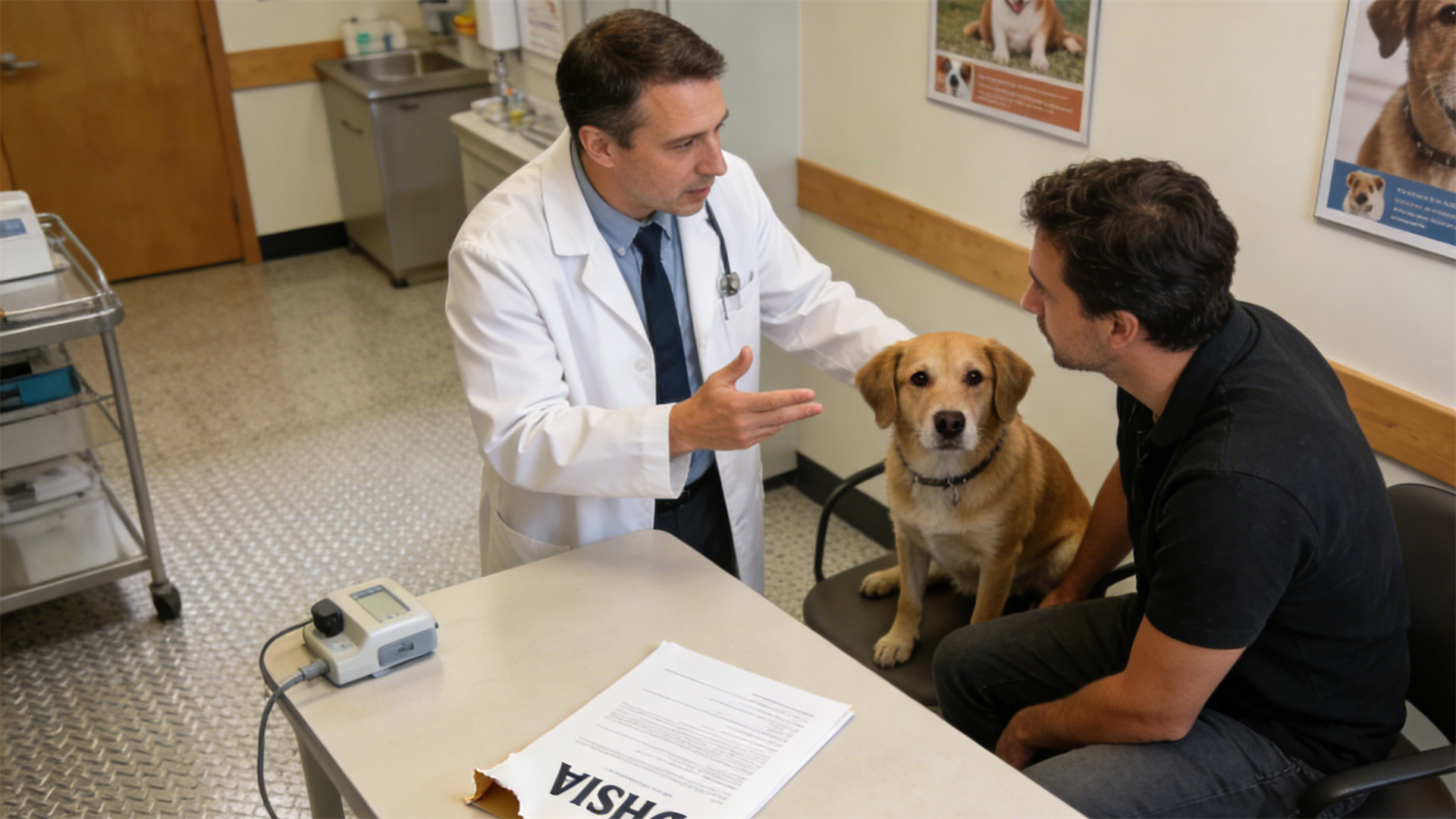
In the heart of the city, our canine companions navigate a world of concrete, schedules, and limited greenery. While we strive to meet their physical needs with brisk walks, we often overlook their most powerful sense and the brain health benefits it unlocks. The modern urban dog faces a hidden crisis: cognitive under-stimulation. This article delves into the transformative power of a simple, science-backed practice—dedicated sniffing time—and how just 15 minutes daily can serve as a potent form of cognitive enrichment and an anti-aging workout for your dog’s brain.
🧠 Section One: The Science of Sniffing and the Canine Brain
To understand why sniffing is so critical, we must first appreciate the canine olfactory system. A dog's nose isn't just superior to ours; it's a complex biological computer dedicated to processing scent.
Olfactory Processing: The Brain's Scent Superhighway
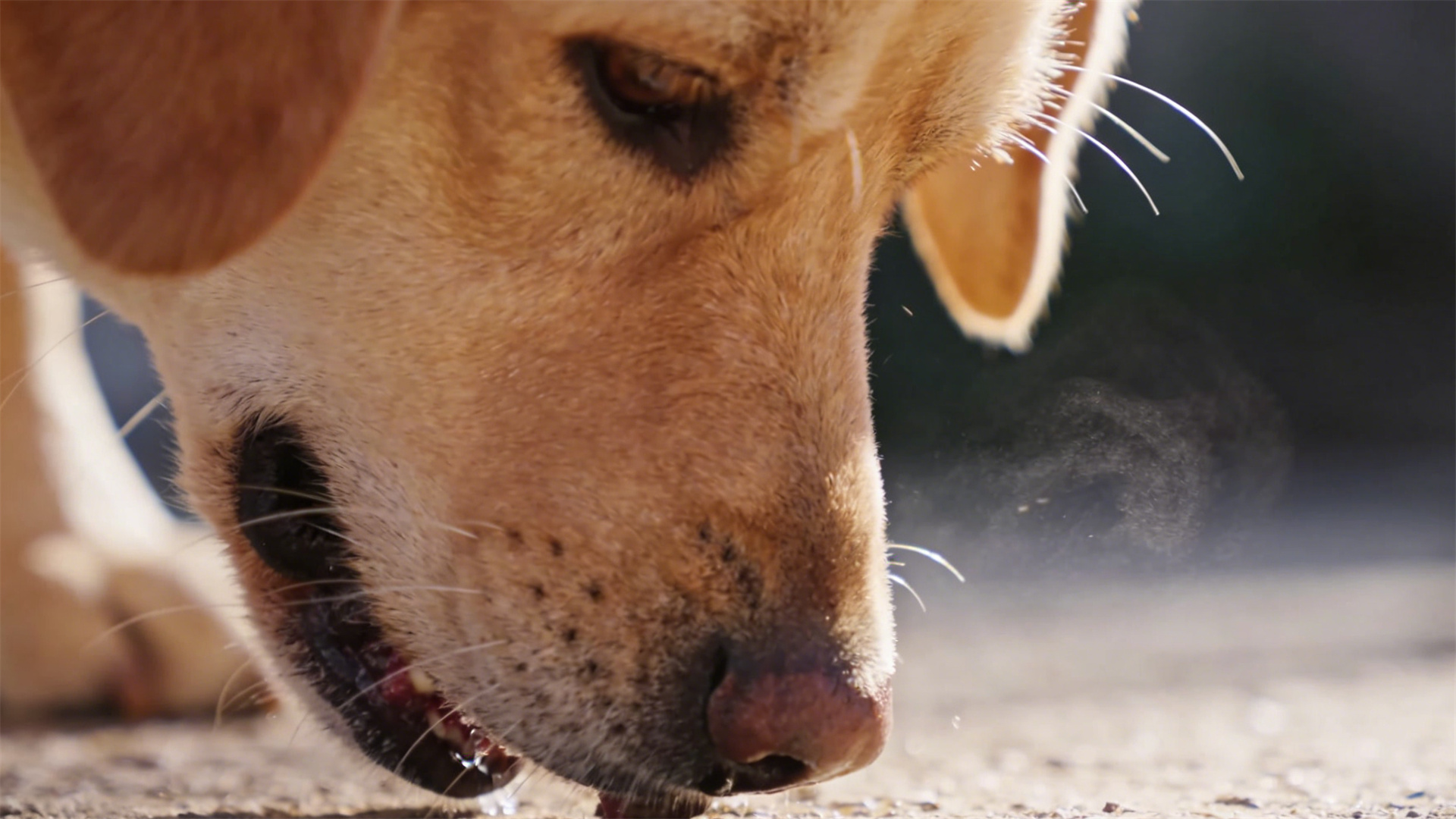
When a dog inhales, scent molecules are captured and processed by up to 300 million olfactory receptors (compared to our 6 million). These signals travel directly to the olfactory bulb, a brain structure dedicated to smell. In dogs, the olfactory bulb is 40 times larger relative to brain size than in humans. From there, scent information fans out to multiple brain regions, including the amygdala (emotion), the hippocampus (memory), and the cerebral cortex (decision-making). This massive neural activation is akin to a full-brain workout, engaging far more cognitive resources than simply trotting along on a leash.
Sniffing vs. Just Breathing: An Active Cognitive Task
It’s crucial to distinguish between passive smelling and active sniffing. Active sniffing is a deliberate, rhythmic process where the dog controls the intake of air, optimizing scent capture. This behavior is a form of mental exercise for dogs, requiring focus, analysis, and decision-making—"What is that scent? Where is it coming from? Is it new or familiar?" This turns a simple walk into a dynamic puzzle, providing profound canine mental stimulation.
⏳ Section Two: Anti-Aging Neurological Benefits of Sniffing
The brain, like a muscle, benefits from exercise. Consistent cognitive engagement through olfactory exploration can have remarkable protective effects against age-related decline.
Building Cognitive Reserve and Neuroplasticity
Regular, complex mental activity helps build a "cognitive reserve," a buffer of neural pathways and connections. This reserve allows the brain to better compensate for age-related damage. Sniffing, as a rich sensory and cognitive task, promotes neuroplasticity—the brain's ability to form and reorganize synaptic connections. This keeps the brain adaptable and resilient, potentially delaying the onset of symptoms associated with canine cognitive decline, often compared to dementia in humans.
Combating Oxidative Stress and Supporting Vitality
Mental stimulation increases blood flow and metabolic activity in the brain, which supports overall brain health in dogs. Furthermore, engaging in satisfying, species-specific behaviors like sniffing reduces stress and cortisol levels. Chronic stress is a known contributor to cellular aging and brain cell damage. By providing an outlet for natural behavior, sniffing sessions lower stress and may reduce oxidative stress in neural tissues, contributing to the anti-aging effects of sniffing. Studies suggest that dogs provided with regular olfactory enrichment show improved problem-solving abilities and maintain alertness longer into their senior years, acting as a powerful tool for dog dementia prevention.
🕒 Section Three: The 15-Minute Daily Sniffing Protocol
Implementing this brain-boosting routine is straightforward and requires no special equipment, just a shift in mindset. Here is your step-by-step guide to the 15-minute daily sniffing protocol.
Step 1: Dedicate the Time & Choose Your Location
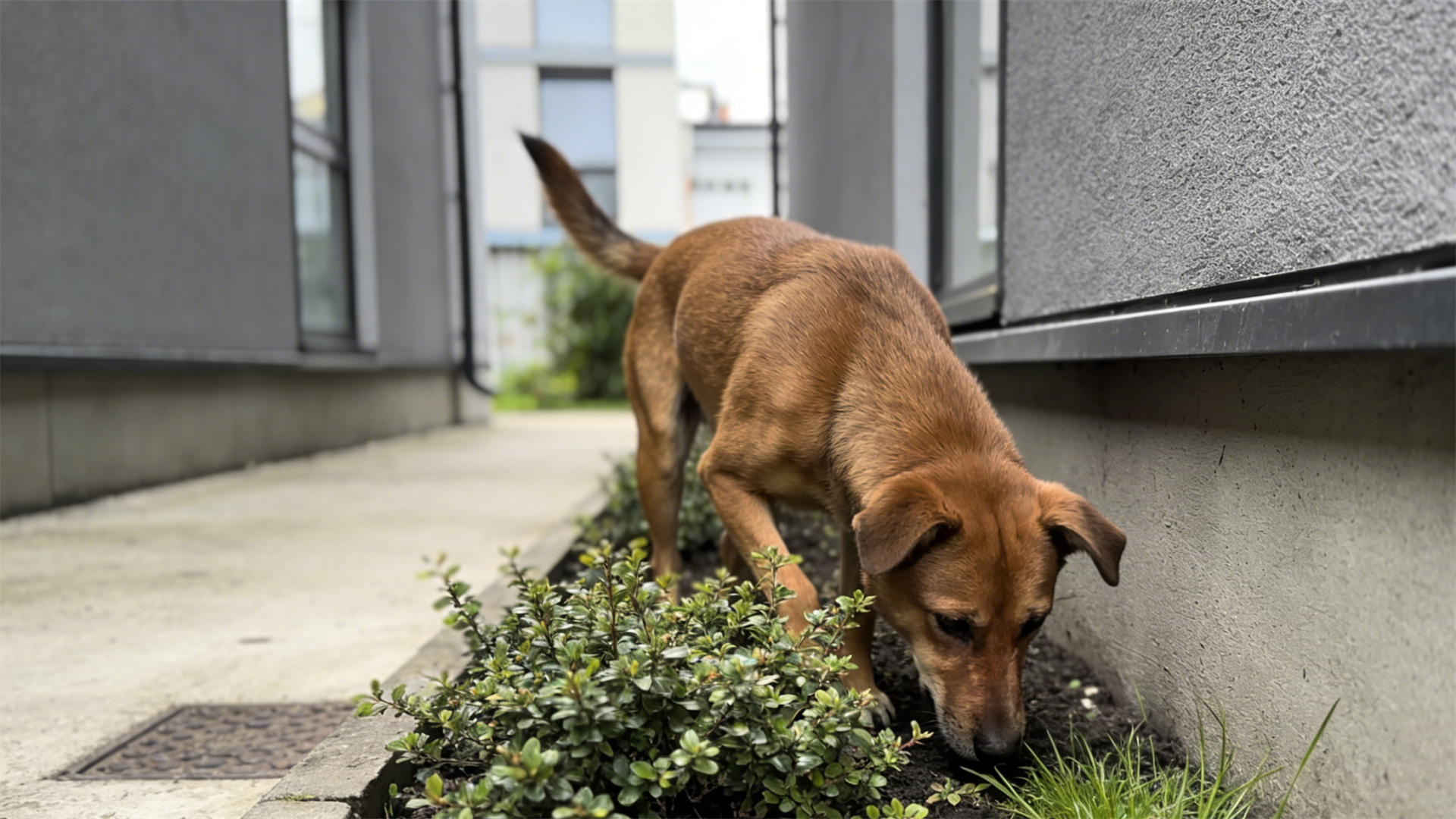
Commit to 15 minutes, either as a segment of your regular walk or as a separate session. Location can vary: a quiet sidewalk, a patch of grass, a courtyard, or even your apartment hallway. The key is to allow your dog to lead the exploration.
Step 2: Use a Long Line or Harness for Freedom
Swap the short leash for a longer line (e.g., 10-15 feet) in safe areas. This gives your dog the physical freedom to follow a scent trail. Ensure your dog is in a secure harness for safety and comfort.
Step 3: Follow the "Sniffari" Principle
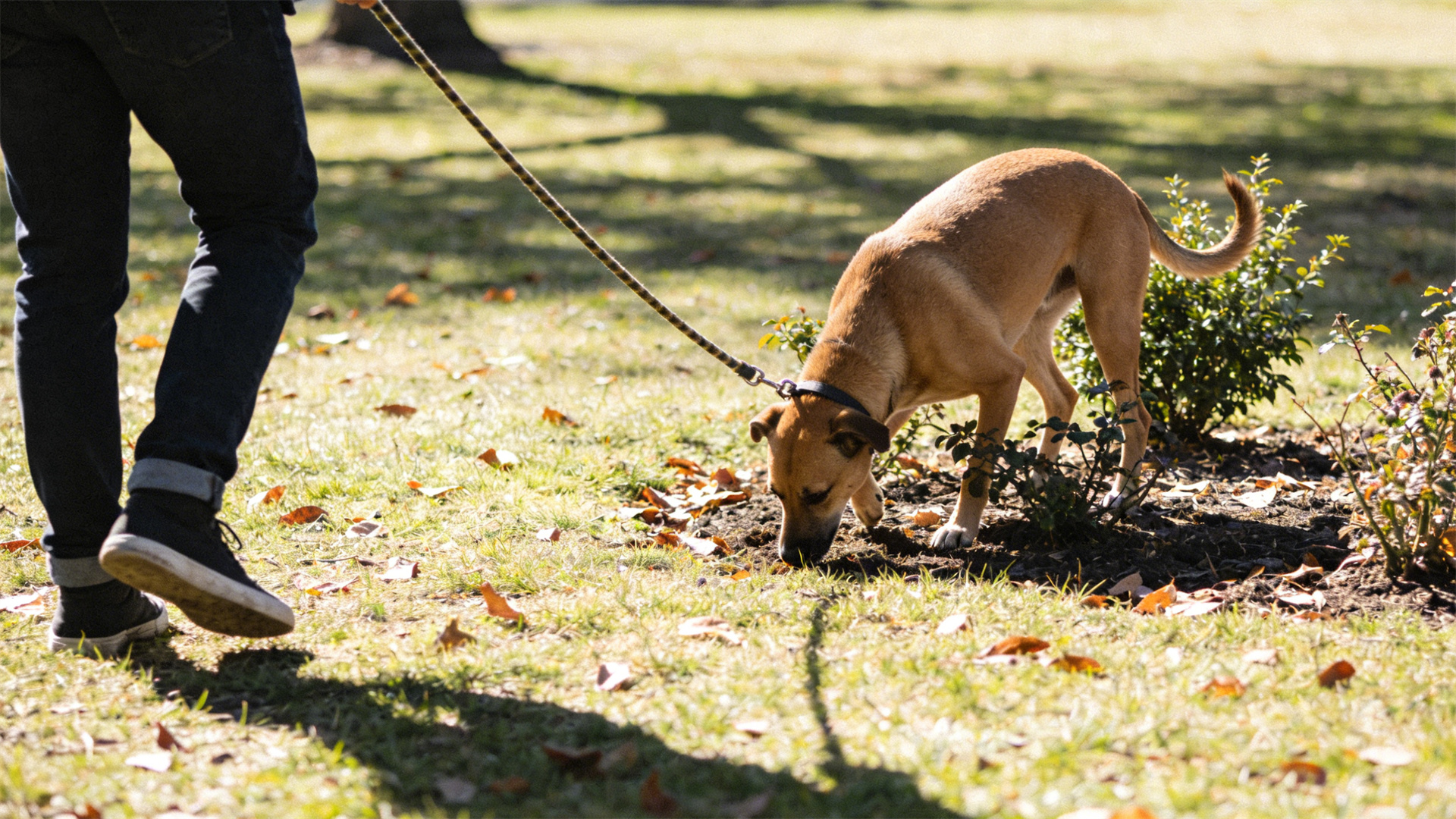
This is a "Sniffari"—a safari for the nose. Your role is that of a calm chauffeur. Let your dog choose the direction and pace. Release the pressure of "getting somewhere." If they want to spend 5 minutes investigating a single fire hydrant, allow it. This deep investigation is where the cognitive enrichment happens.
Step 4: Integrate Sniffing Games for Variety
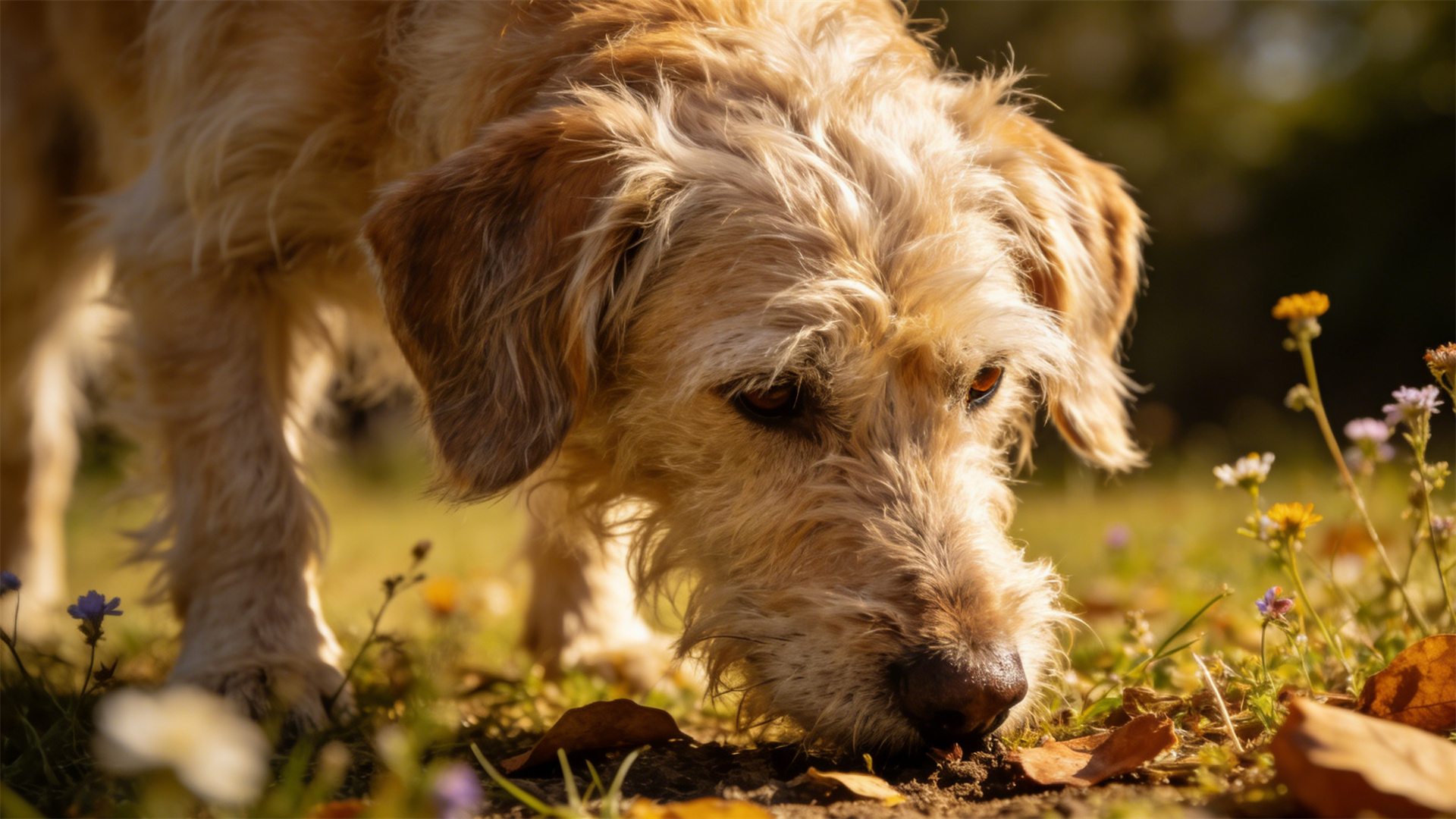
- Scent Scattering: Hide your dog’s kibble or treats in a patch of safe grass or leaves and let them forage.
- Find It: At home, start with a simple "find the treat" game, progressing to hidden favorite toys.
- Novel Object Exploration: Occasionally introduce a safe, new object (like a pinecone or a log) for them to inspect.
These activities turn sniffing for brain training into a fun, rewarding game.
🏙️ Section Four: Overcoming Urban Obstacles for Sniffing Success
City life presents unique challenges, but with creativity, you can transform limitations into opportunities for urban dog enrichment.
Challenge: Limited Green Space & Safety Concerns
Solution: Seek out "pocket parks," church yards, or school perimeter fields during off-hours. Even a single tree box or planted median can be a world of scent. Always be vigilant about broken glass, discarded food, or hazardous chemicals. Teach a solid "Leave It" command. For ultimate safety in varied terrain, consider using dog boots to protect paws.
Challenge: Crowds and Overstimulation
Solution: Schedule sniff sessions during quieter times—early mornings or later evenings. If your dog is easily overwhelmed, focus on quality over quantity. A calm 10-minute session in a low-traffic alley can be more enriching than a hectic 30-minute walk. This practice directly addresses urban dog lifestyle challenges by creating pockets of calm, focused activity.
Challenge: Bad Weather Days
Solution: Bring the sniffing indoors! Create a "snuffle mat" by hiding kibble in a towel knotted or tucked into a rubber mat. Use cardboard boxes or muffin tins with balls covering treats. This indoor scent work for dogs provides excellent mental exercise regardless of the weather.
🌿 Section Five: Conclusion and The Long-Term Impact
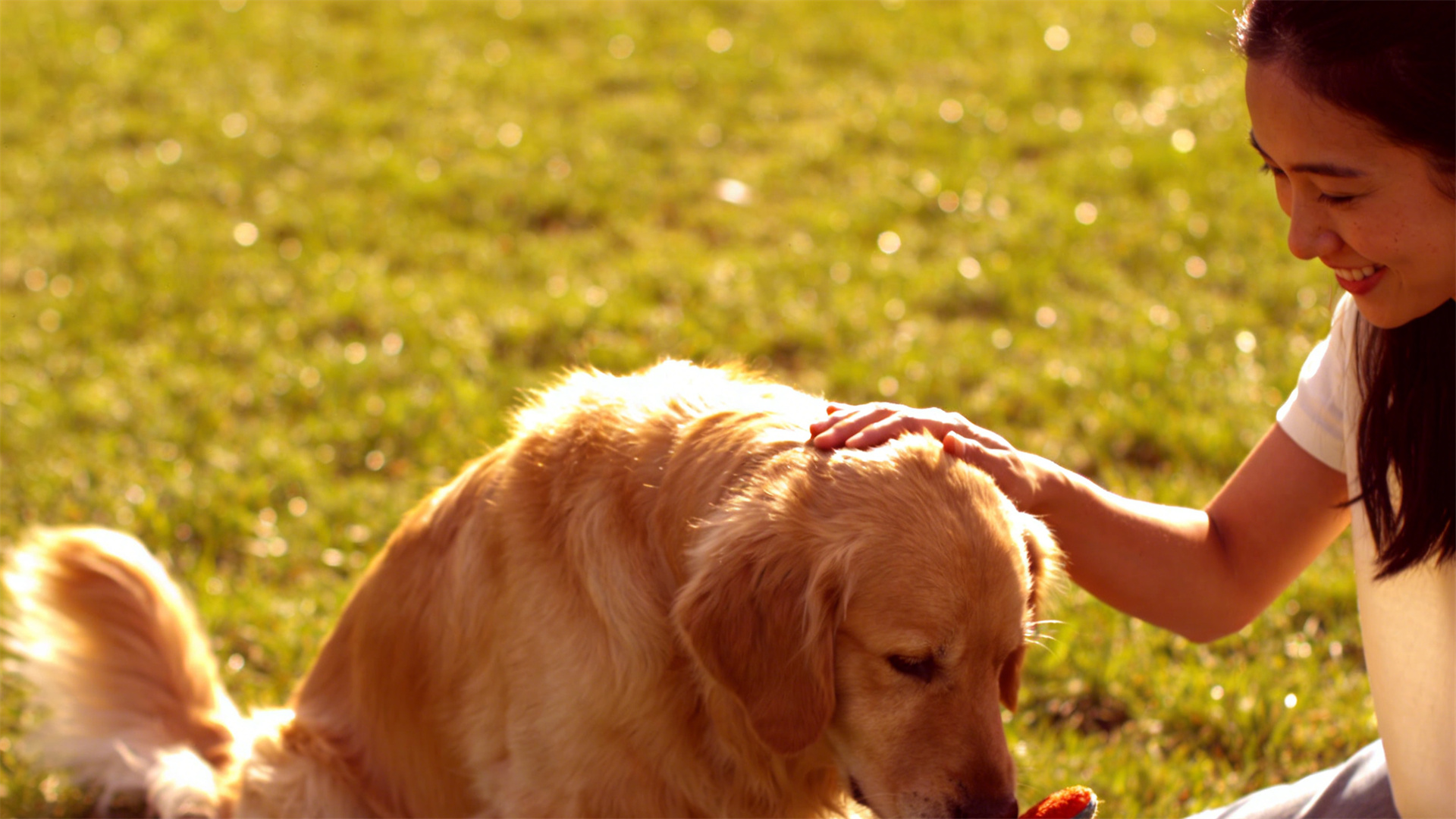
Committing to just 15 minutes of daily sniffing is one of the most impactful investments you can make in your dog's long-term cognitive care. It transcends simple physical exercise, offering a comprehensive workout for your dog's most important organ: their brain.
The long-term benefits are profound: a more relaxed and satisfied dog, a strengthened bond built on mutual trust during these exploratory sessions, and the powerful anti-aging neurological shield you help build against cognitive decline. By prioritizing enriching dog walks with sniffing, you are not just walking your dog; you are nurturing their instincts, challenging their mind, and proactively supporting their brain health for years to come.
Special Reminder: Before starting any new activity regimen, especially for senior dogs or those with health concerns, a quick check-in with your veterinarian is always recommended. Now, grab that long leash, take a deep breath, and let your dog's nose lead the way to a younger, healthier brain.