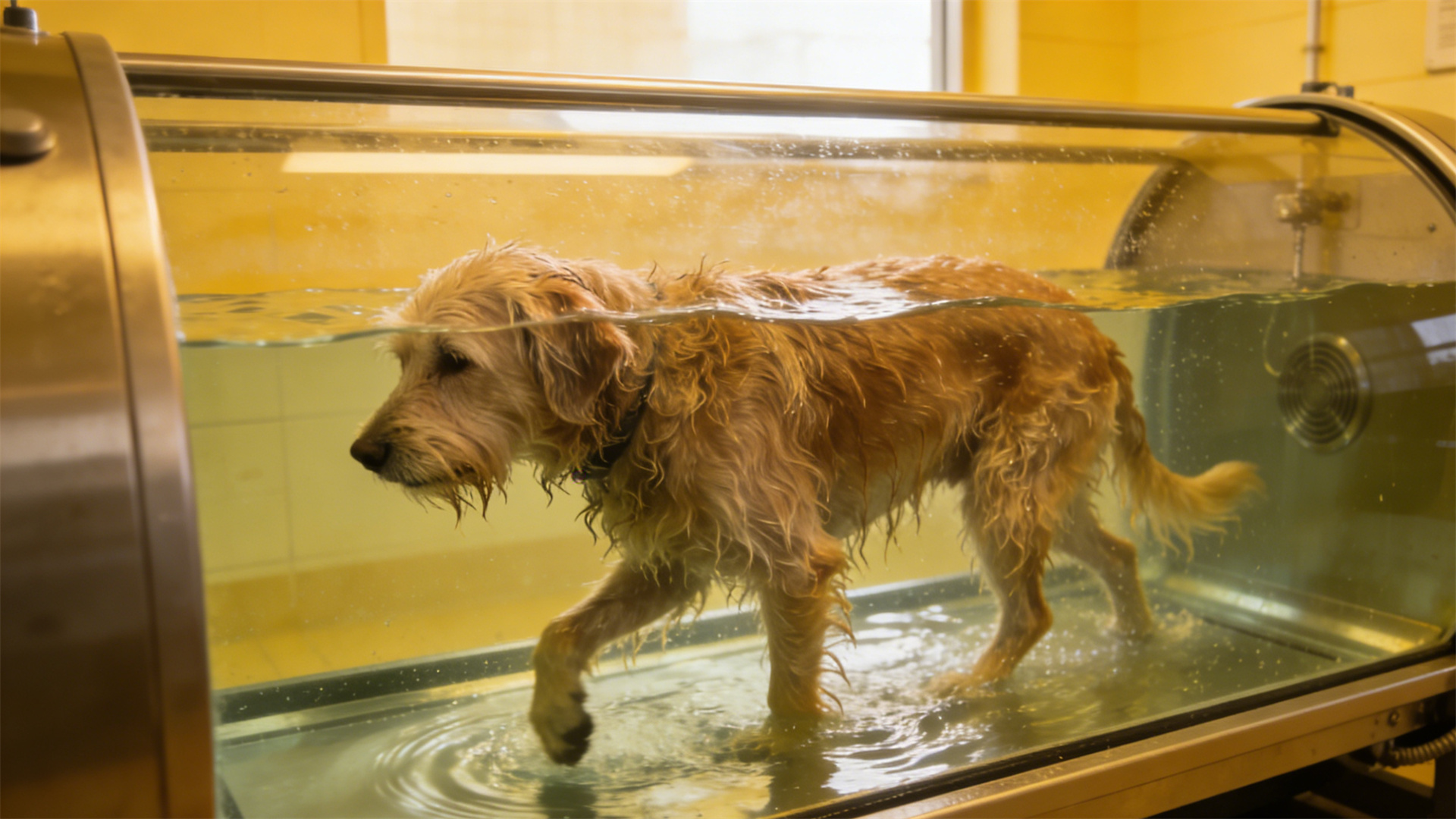
In the world of canine emergencies, few situations are as stealthy and devastating as peritonitis and its deadly progression to sepsis. These conditions represent a cascade of internal catastrophe where every minute counts. Peritonitis is a severe, often painful inflammation of the abdominal lining, typically caused by a rupture or infection. Sepsis is the body's overwhelming and life-threatening response to that infection, which can spiral into septic shock, organ failure, and death with terrifying speed. This guide is your crucial resource. Its purpose is to arm you, the devoted dog owner, with the knowledge to recognize the early warning signs, administer stabilizing first aid, and navigate the critical path of post-veterinary care to give your beloved companion the best chance at survival.

🩺 Section 1: Recognizing the Critical Signs – From Belly Pain to Body-Wide Collapse
Early recognition is your most powerful tool. The symptoms can evolve rapidly, so understanding this progression is vital. Any combination of these signs, especially following a known incident like ingestion of a foreign object, toxin, or blunt trauma, demands immediate veterinary attention.
🔍 Early Signs of Peritonitis (Abdominal Infection)
These symptoms indicate a serious problem within the abdomen:
- Acute Abdominal Pain: Your dog may exhibit a "guarding" posture—a hunched back, reluctance to move, or a tense, hard belly. They might whine or snap when their abdomen is touched.
- Distended or Bloated Abdomen: A visibly swollen or tight belly, which may feel warm to the touch.
- Fever or Subnormal Temperature: A high fever is common, but in later stages, a dropping temperature can be more ominous.
- Profound Lethargy and Loss of Appetite: A sudden, complete disinterest in food and water, coupled with extreme listlessness.
- Vomiting and/or Diarrhea: Often persistent and may contain blood.
⚠️ Signs of Advancing Sepsis and Septic Shock
When the infection overwhelms the body's defenses, systemic signs appear. This is a true medical emergency.
- Abnormal Gum Color: Gums may turn pale white, gray, or a startling "brick-red."
- Cardiovascular Collapse: An extremely rapid heart rate coupled with a weak, "thready" pulse you can barely feel.
- Labored Breathing: Panting, shortness of breath, or irregular respiratory patterns.
- Cold Extremities: Paws and ears feel cold due to poor circulation.
- Mental Confusion or Collapse: Disorientation, stupor, or inability to stand.
🚨 Section 2: Immediate First Aid and Action – Your Bridge to the Vet
Crucial Reminder: First aid for sepsis and peritonitis is not treatment. It is a series of steps to stabilize your dog for transport and buy critical time until veterinary professionals can take over. Do not attempt home remedies.
📞 Step One: Call Your Veterinarian or Emergency Clinic Immediately
Call ahead while you are preparing to leave. Clearly state: "My dog is showing signs of shock and possible abdominal infection." This alerts the team to prepare for a critical patient the moment you arrive.
🛌 Step Two: Minimize Movement
Keep your dog as still and calm as possible. Excessive movement can worsen internal injury or spread infection. Carry small dogs; encourage larger dogs to lie down in a comfortable position.
🚫 Step Three: Do NOT Give Anything By Mouth
No food, water, human medications, or hydrogen peroxide. If surgery is needed, a full stomach is dangerous. Also, a compromised gut may not handle anything orally, risking aspiration.
🧥 Step Four: Keep the Dog Warm
If shock signs are present (cold limbs, weakness), cover your dog with a blanket or towel to prevent heat loss. Avoid electric heating pads, which can burn shocked skin.
🚗 Step Five: Safe and Swift Transport
Gently place your dog in the car. For a large or painful dog, use a blanket as a makeshift stretcher. Have someone else drive so you can monitor your pet. Keep the environment quiet and calm.

🏥 Section 3: Veterinary Treatment Overview – What to Expect at the Clinic
Understanding the process can alleviate some anxiety. Treatment is aggressive and multi-faceted, aiming to stabilize, attack the infection, and address the source.
🔬 Rapid Diagnostics
- Physical Exam: The vet will assess pain, heart rate, gum color, and abdominal sensitivity.
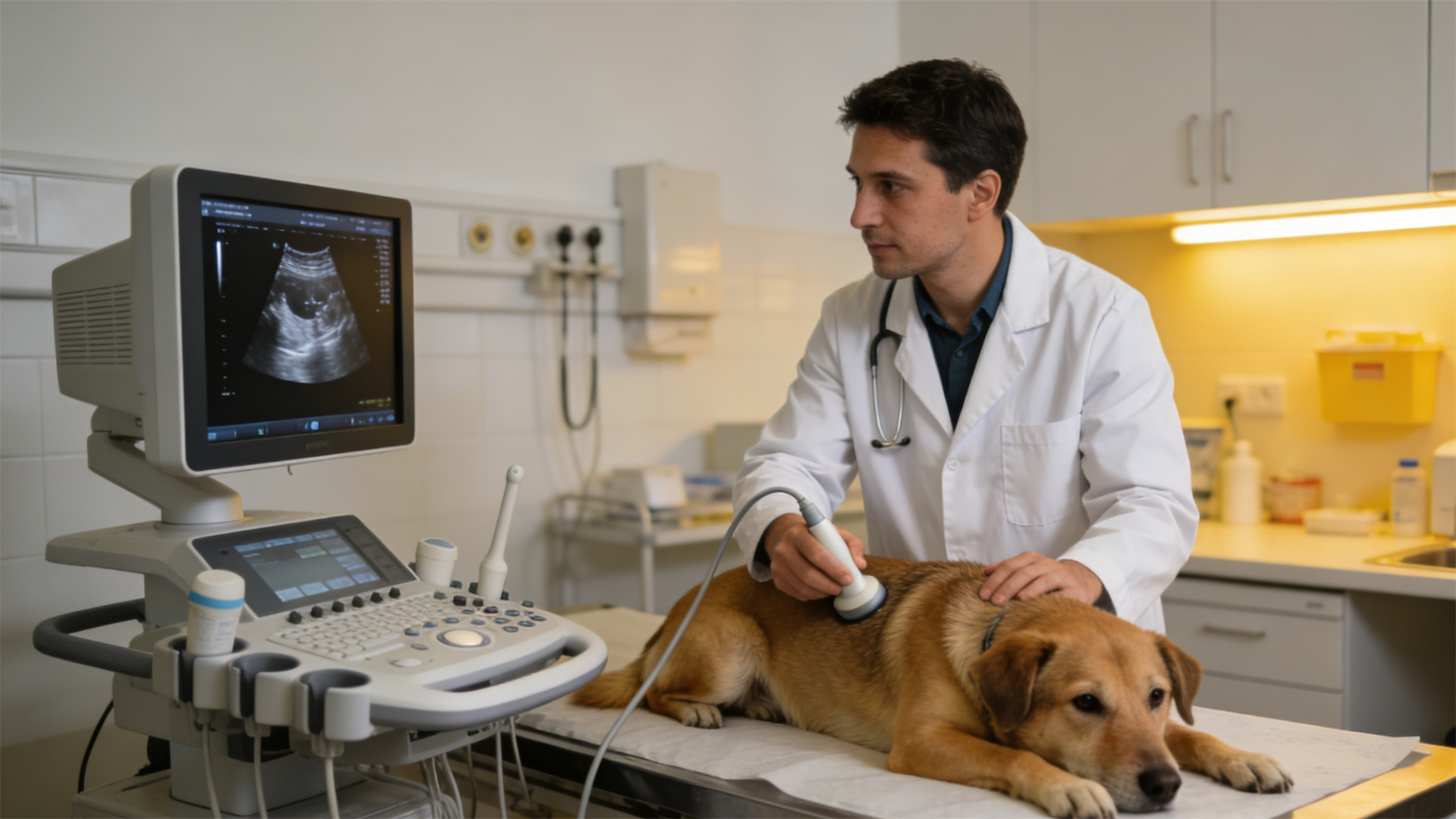
- Imaging: X-rays and ultrasound are critical to identify fluid, foreign objects, or ruptures.
- Blood Work & Fluid Analysis: A complete blood count (CBC) and chemistry panel assess organ function and infection markers. Analysis of abdominal fluid (via centesis) confirms peritonitis and guides antibiotic choice.
💉 Intensive Treatment Protocols
- Aggressive Intravenous (IV) Fluids: The cornerstone of shock treatment to restore blood pressure and perfusion.
- Broad-Spectrum Intravenous Antibiotics: Administered immediately to combat the widespread infection.
- Potent Pain Management: Continuous pain relief is essential for welfare and recovery.
- Emergency Surgery (Exploratory Laparotomy): Often necessary to remove a foreign object, repair a perforated intestine, or clean the abdominal cavity. This is the definitive treatment for most cases of septic peritonitis.
❤️🩹 Section 4: Post-Ingestion and Post-Hospitalization Home Management
Recovery after such a major insult is lengthy and requires meticulous home care, especially if the cause was an ingestion emergency.
💊 Strict Medication Adherence
Complete the entire course of prescribed antibiotics, even if your dog seems better. Stopping early can lead to a relapse with antibiotic-resistant bacteria.
🩹 Incision and Wound Care
If surgery was performed, keep the incision dry and clean. Monitor daily for redness, swelling, heat, discharge, or gaping. Use an Elizabethan collar (cone) to prevent licking or chewing at all times.
🍲 Dietary Management
Follow your vet's feeding schedule precisely. You will likely start with a bland, easily digestible diet (e.g., prescription gastrointestinal food or boiled chicken and rice) in small, frequent meals to gently restart the digestive system.
🐕 Activity Restriction
Strict crate rest or severely limited movement is non-negotiable for 10-14 days or as directed. This allows internal tissues to heal properly and prevents suture breakdown.
👁️ Ongoing Monitoring
Be vigilant for any return of symptoms: loss of appetite, vomiting, lethargy, or fever. Report these to your vet immediately, as they could signal a complication or recurrent infection.
🛡️ Section 5: Prevention Strategies – Vigilance is Key
While not all causes are preventable, many high-risk scenarios can be mitigated through proactive measures.
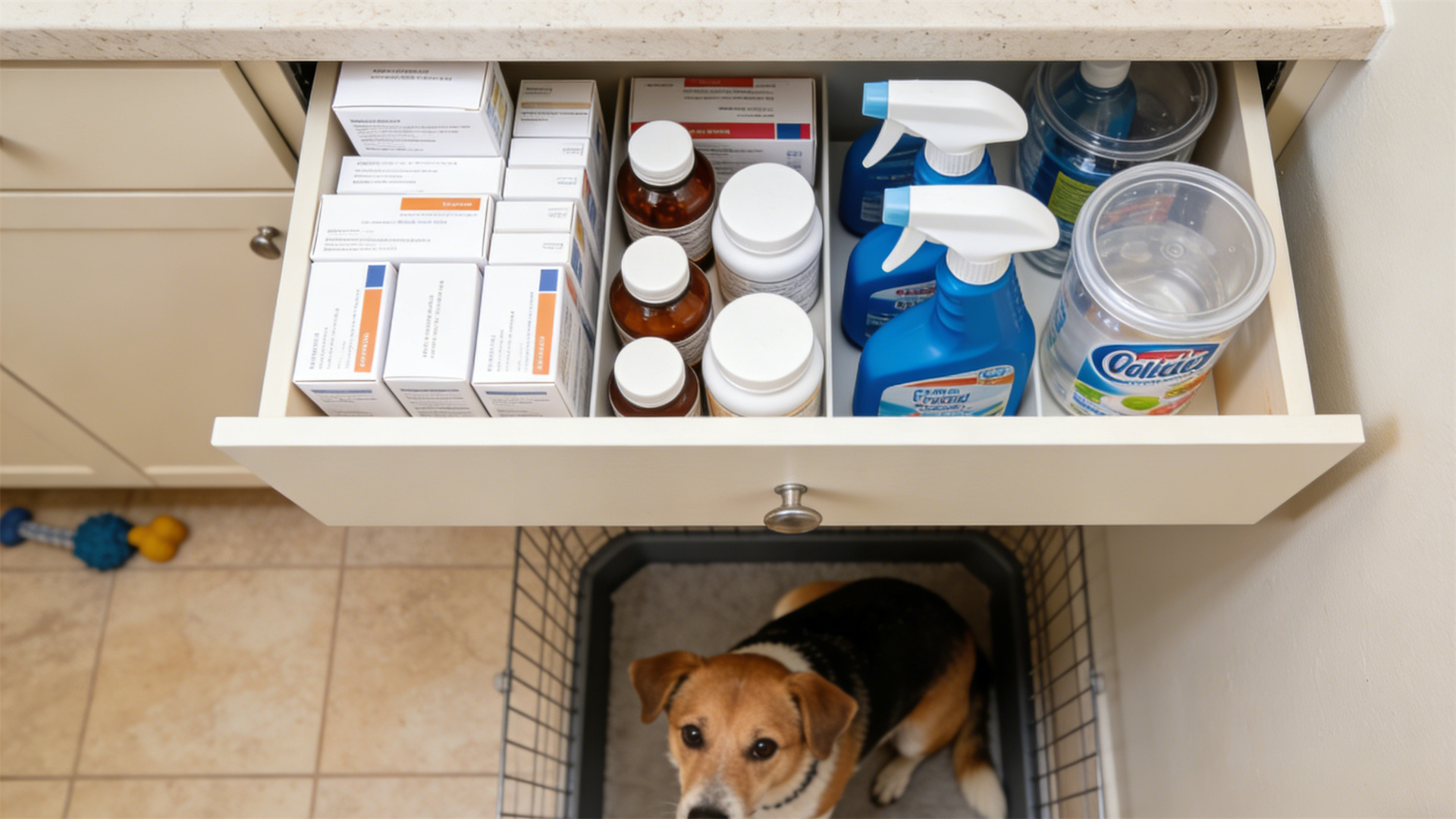
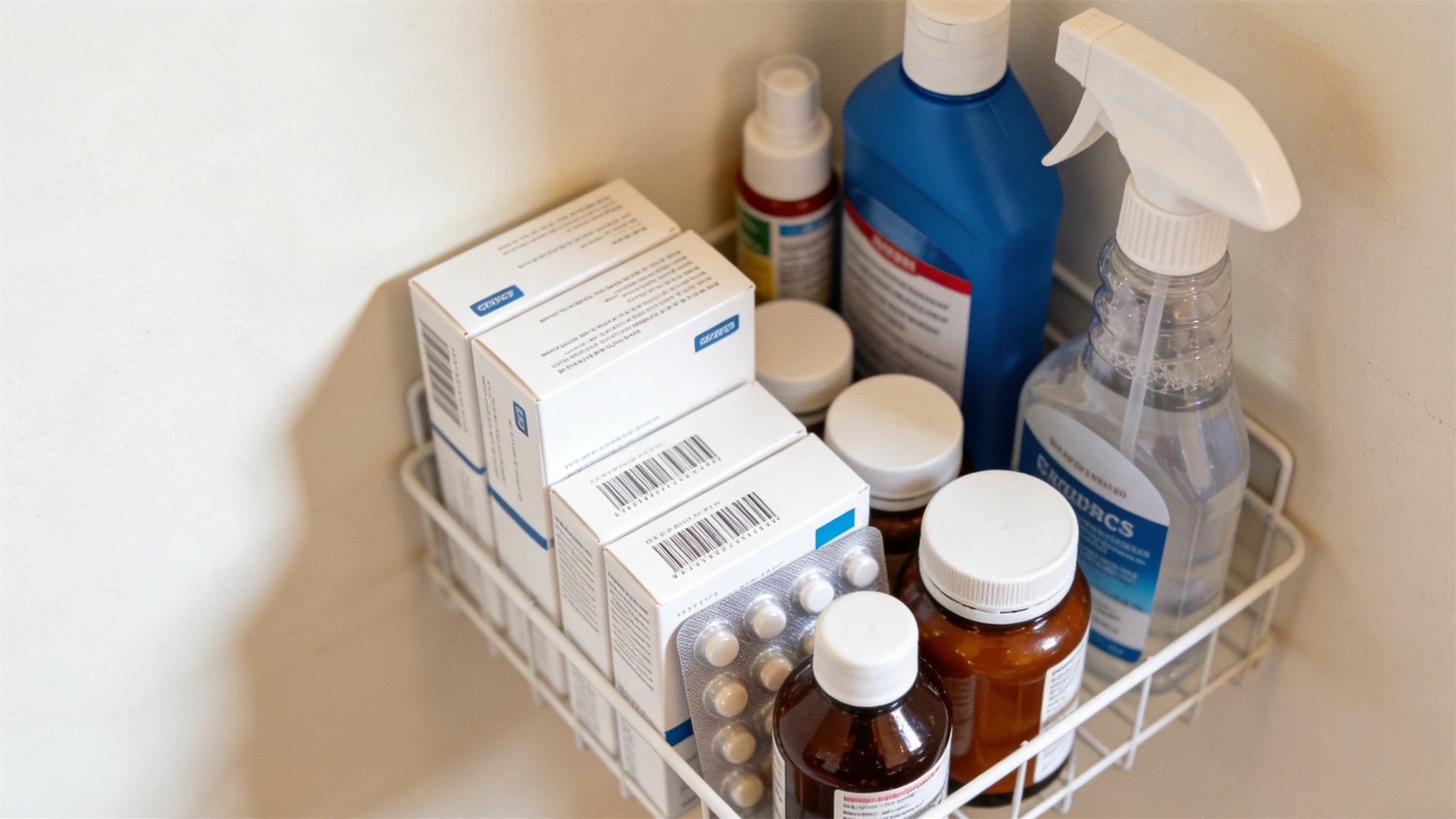
- Supervise to Prevent Ingestion: Be watchful during walks and play. "Proof" your home by keeping small objects, toxic foods (chocolate, xylitol, grapes), and chemicals out of reach.
- Secure Your Trash: Use cans with locking or secure lids to prevent dietary indiscretion that can lead to obstruction or poisoning.
- Know the Toxins: Educate yourself on common household dangers, including certain plants, human medications, and antifreeze.
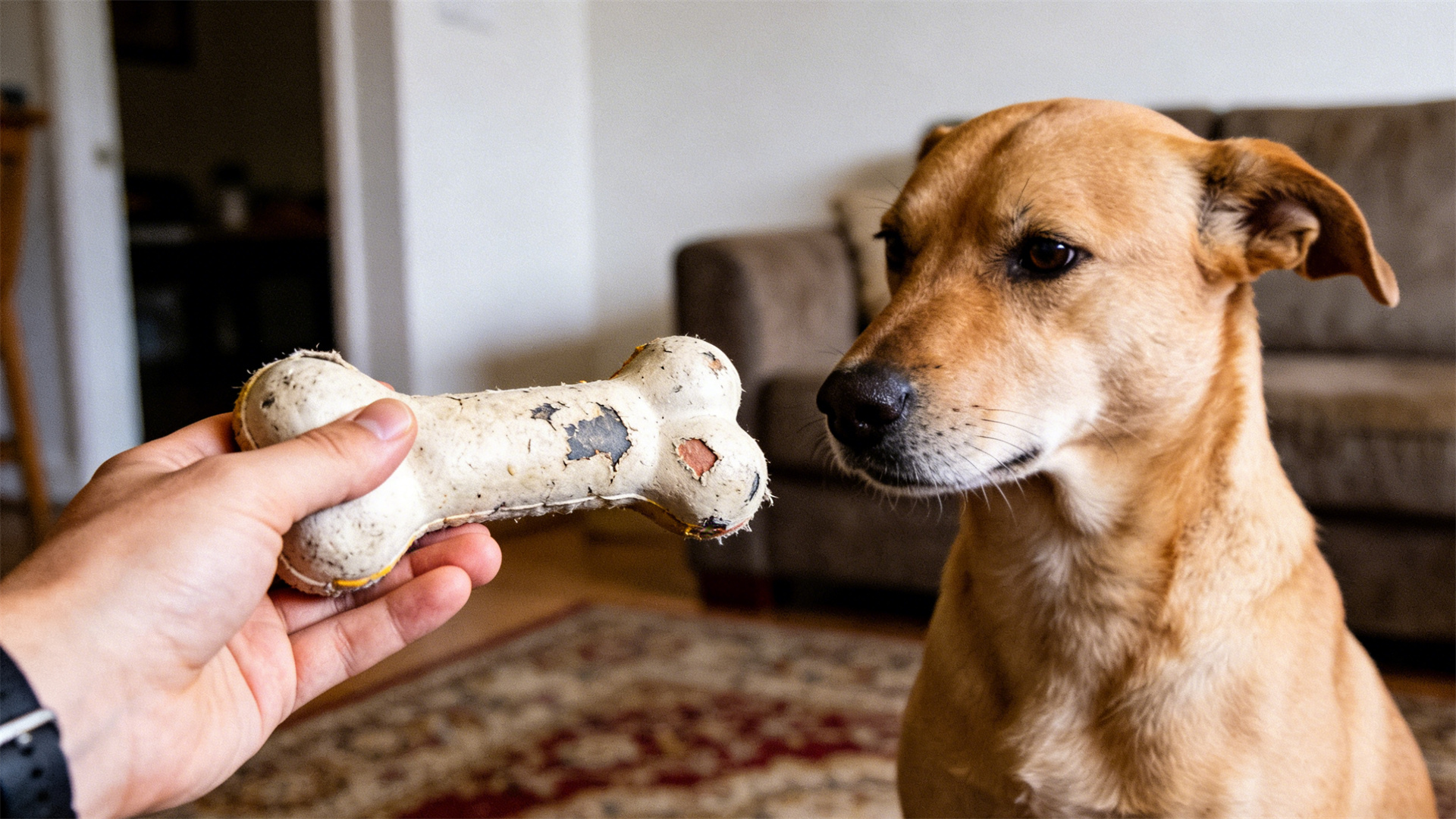
- Avoid Cooked Bones and High-Risk Toys: Cooked bones can splinter and perforate the gut. Choose chew toys appropriate for your dog's size and chewing style.
- Manage Underlying Health Conditions: Regular vet check-ups help manage issues like inflammatory bowel disease (IBD) or ulcers that could predispose to perforation.

✅ Conclusion: Knowledge, Speed, and Action Save Lives
Sepsis is a race against time, and peritonitis is its all-too-common starting line. The path to survival is built on three pillars: recognizing the subtle and severe signs, executing calm, correct first aid to stabilize, and seeking immediate, advanced veterinary care. There is no substitute for professional intervention. By internalizing the information in this guide, you transform from a worried bystander into a prepared advocate, capable of making life-saving decisions in the critical moments that matter most. Your vigilance and swift action are your dog's greatest defense.