Heatstroke is a true medical emergency that can kill a healthy dog in less than 15 minutes. When your dog's body temperature spirals out of control, a devastating chain reaction begins inside their organs. Your actions in the first golden three minutes are the single most critical factor that will determine whether your pet survives or succumbs to catastrophic organ failure. This guide provides a clear, step-by-step canine heatstroke first aid protocol you must know and the essential knowledge to prevent this crisis from ever happening.
🔥 Immediate Action: Your Step-by-Step 3-Minute Cooling Protocol
If your dog is displaying signs of heat stroke in dogs—such as excessive panting, bright red gums, staggering, or collapse—you must act immediately. Do not wait. Follow these steps in order. Every second counts to cool your dog down and halt internal damage.
🚨 The Critical First Aid Sequence
- Move the Dog: Get the dog out of the heat and into shade or air conditioning immediately. Do this first.
- Call for Help: You must contact a veterinarian or emergency clinic immediately. Tell them you suspect heatstroke and are on your way. This call is non-negotiable and should happen as you begin first aid.
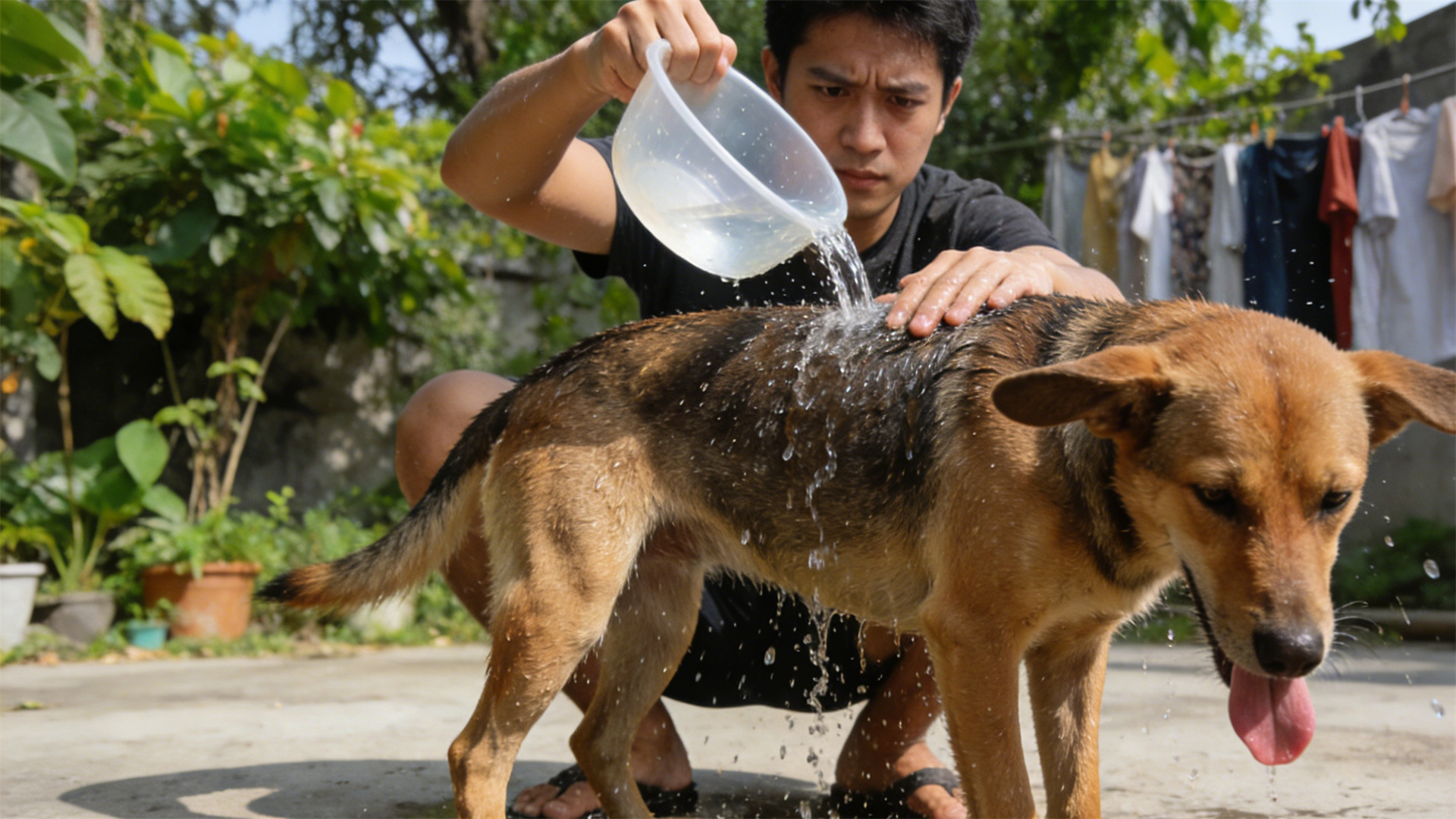
- Begin Active Cooling: Use cool, not cold, water. Pour or spray it over the dog’s head, neck, armpits, and groin. Never use ice or ice water, as this causes dangerous blood vessel constriction.
- Promote Evaporation: After applying cool water, use a fan to blow air over the wet dog. If a fan isn't available, create airflow by any means possible. Evaporation is key to pulling heat away.
- Offer Water Cautiously: Only if the dog is conscious and can swallow without choking, offer small amounts of cool water to drink. Do not force water.
- Transport to the Vet: Get the dog to the veterinarian even if they appear to recover. Internal organ damage is often not immediately visible and requires professional assessment.

💡 Understanding and Prevention: Why Speed Saves Lives
To understand why those three minutes are so golden, you need to know what heatstroke does inside your dog’s body.
🧠 Why Speed Matters: Preventing Organ Failure
When a dog's temperature soars past 104°F (40°C), a catastrophic cascade begins. The extreme heat cooks cells, triggering systemic inflammation and causing the blood's clotting mechanisms to go haywire—a condition known as Disseminated Intravascular Coagulation (DIC). This leads to countless tiny blood clots forming, which then blocks blood flow to vital organs. Simultaneously, the body’s tissues start to die, releasing toxins. The combined effect swiftly leads to kidney failure, liver failure, intestinal hemorrhage, and brain damage. Rapid cooling within those first minutes is the only way to stop this biochemical cascade before it becomes irreversible.
🛡️ Preventing Canine Heatstroke: A Proactive Guide
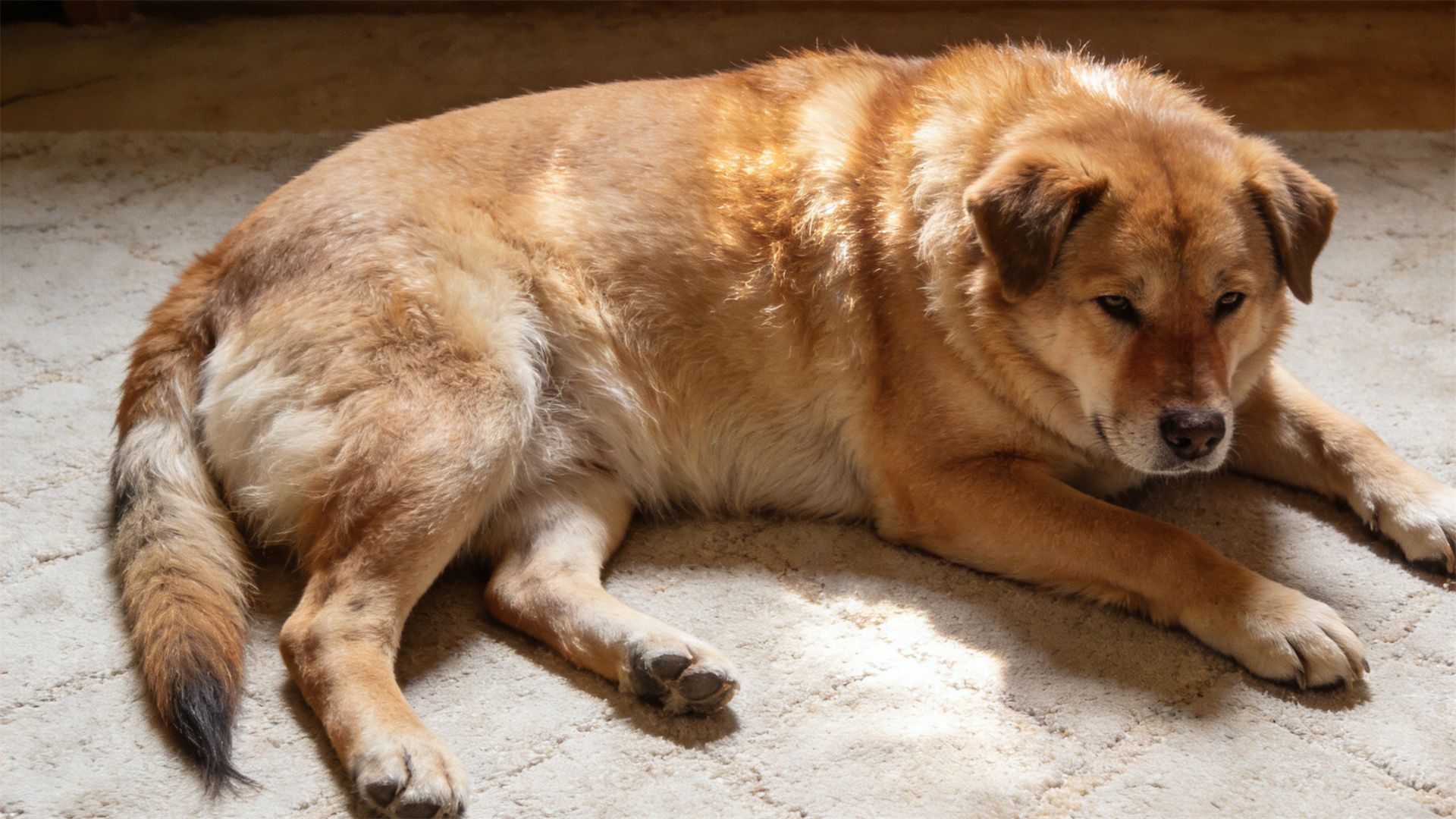
Knowledge and preparation are your best defenses. Certain dogs are at higher risk: brachycephalic breeds (like Bulldogs, Pugs), obese dogs, seniors, puppies, and those with thick coats or heart conditions.
Here are your actionable prevent dog heatstroke tips:
- Exercise Timing is Everything: Walk, hike, or play only during the coolest parts of the day—early morning or late evening. Avoid the midday and afternoon sun entirely.
- Hydration Must Be Constant: Provide abundant fresh, cool water at all times. On outings, bring a portable dog water bottle and take frequent breaks in the shade.
- The Car is a Death Trap: Never leave a dog in a parked car. Not even "for a minute" with the windows cracked. Interior temperatures can become lethal in under ten minutes.
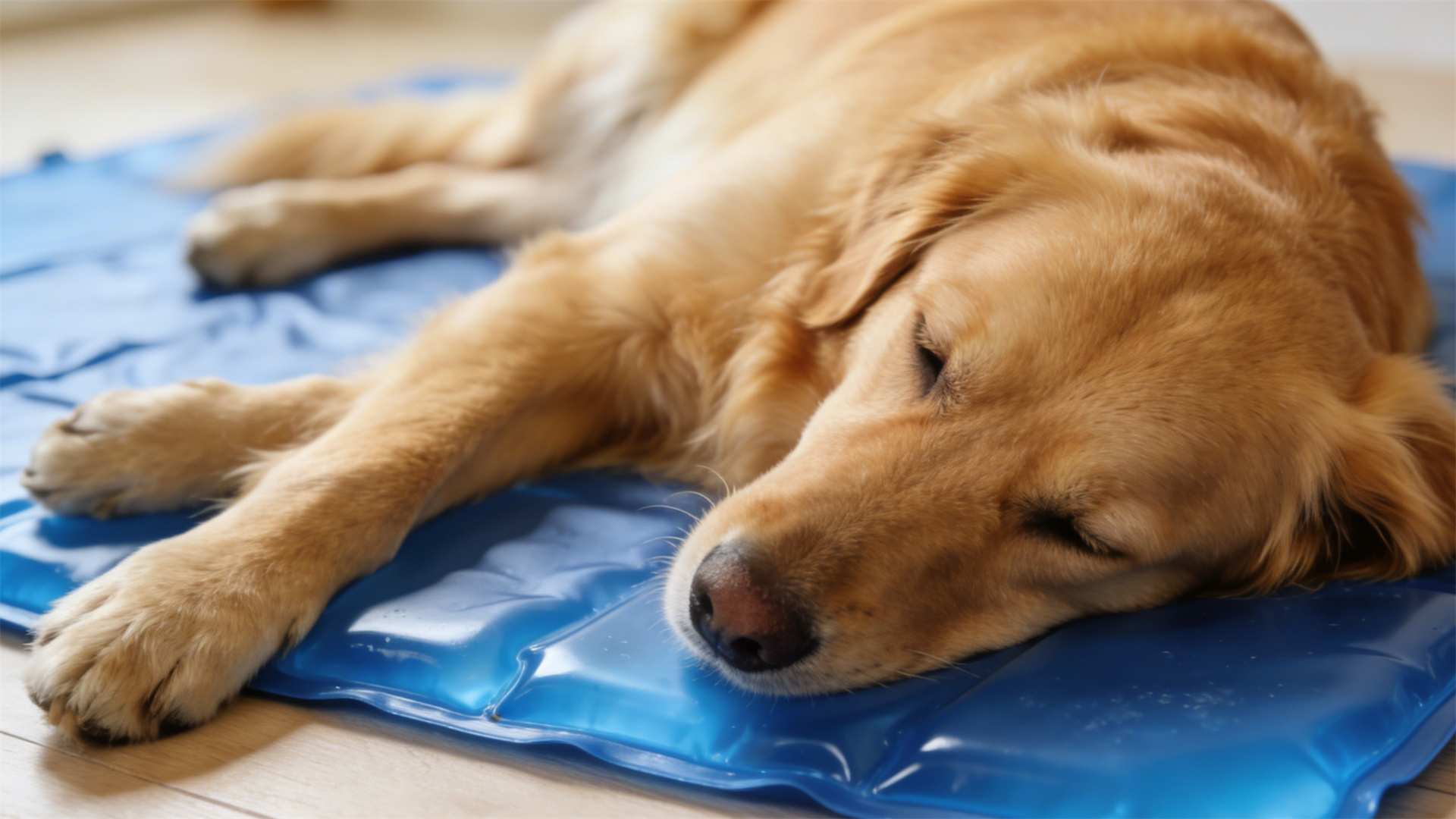
- Provide Active Cooling Aids: Use cooling mats, damp towels for them to lie on, or a kiddie pool with shallow water. Ensure they always have access to a cool, tiled floor or a well-ventilated indoor rest area.
- Know the Signs—Early and Emergency:
- Early Signs (Act Now): Excessive, frantic panting; bright red or purple gums; thick, sticky drool; rapid heart rate; restlessness.
- Emergency Signs (Critical): Stumbling, weakness, collapse; vomiting or diarrhea (possibly with blood); glazed eyes; seizures; unconsciousness.

✅ Conclusion: Be the Lifeline Your Dog Needs
The power to save your dog from the ravages of heatstroke lies in your hands and your immediate response. Memorize the golden three-minute protocol—move, call, cool with water, fan, offer water cautiously, and transport. Your swift action is the critical intervention that can halt the slide into organ failure and mean the difference between a full recovery and a tragic loss.
This knowledge is too important to keep to yourself. Share this guide with fellow dog owners, post it in your community groups, and talk about it at the dog park. By spreading awareness of these canine heatstroke first aid steps, we can all become a community of prepared pet guardians, ensuring our beloved companions stay safe and enjoy many more healthy summers to come.