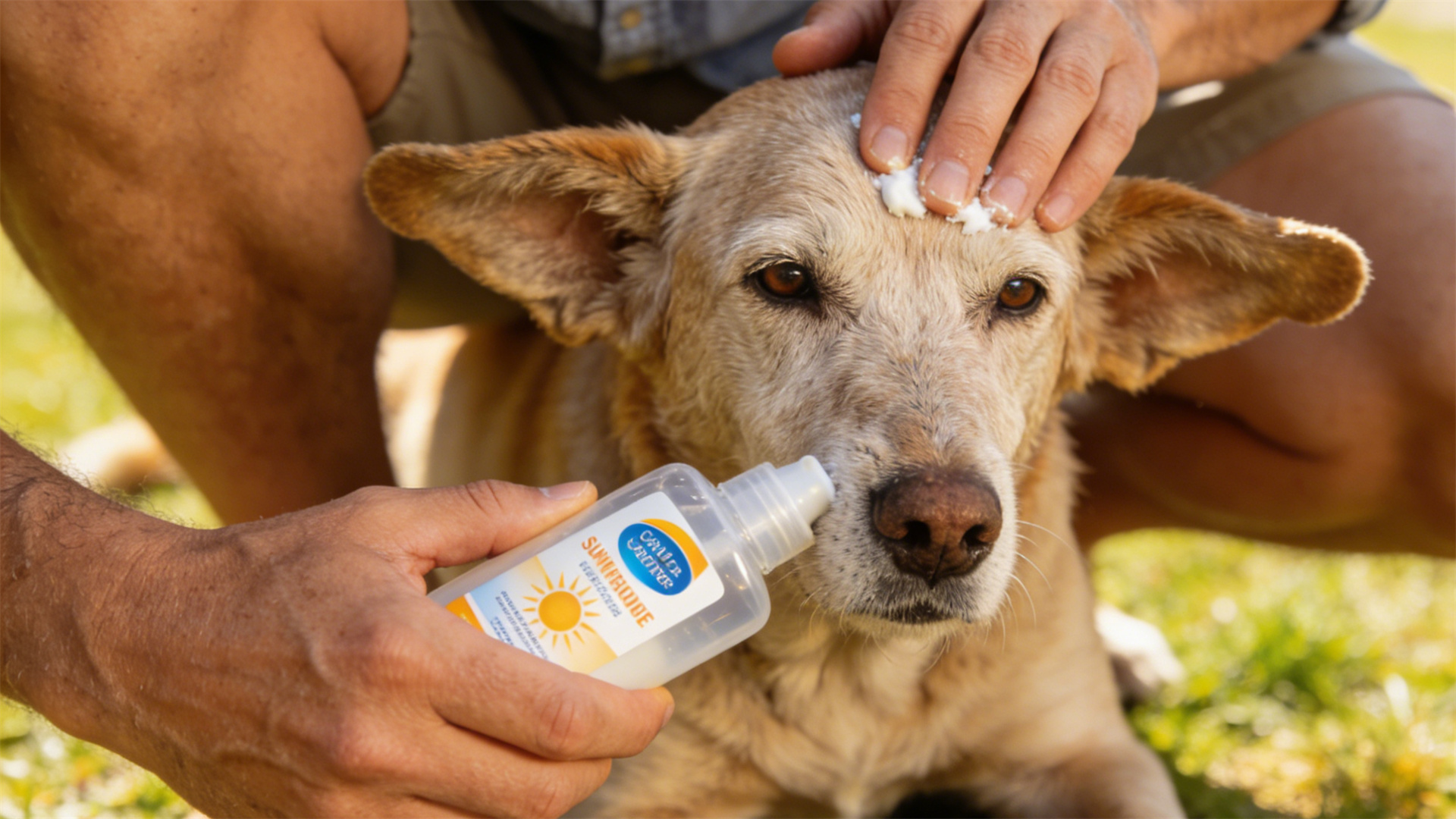
Have you noticed your dog packing on pounds despite cutting back on treats and meals? You're not alone. Many dog owners struggle with unexplained weight gain in dogs, feeling frustrated and concerned. The culprit might be a hidden hormonal imbalance: canine hypothyroidism. This common endocrine disorder sneaks up, often mistaken for simple aging. This article will explore how a sluggish thyroid can cause your dog to gain weight while eating little, and guide you through understanding, diagnosing, and managing this condition. We will cover the definition of hypothyroidism, its symptoms beyond weight gain, causes, diagnosis process, treatment options, and daily management tips. Your journey to helping your dog feel like themselves again starts here.
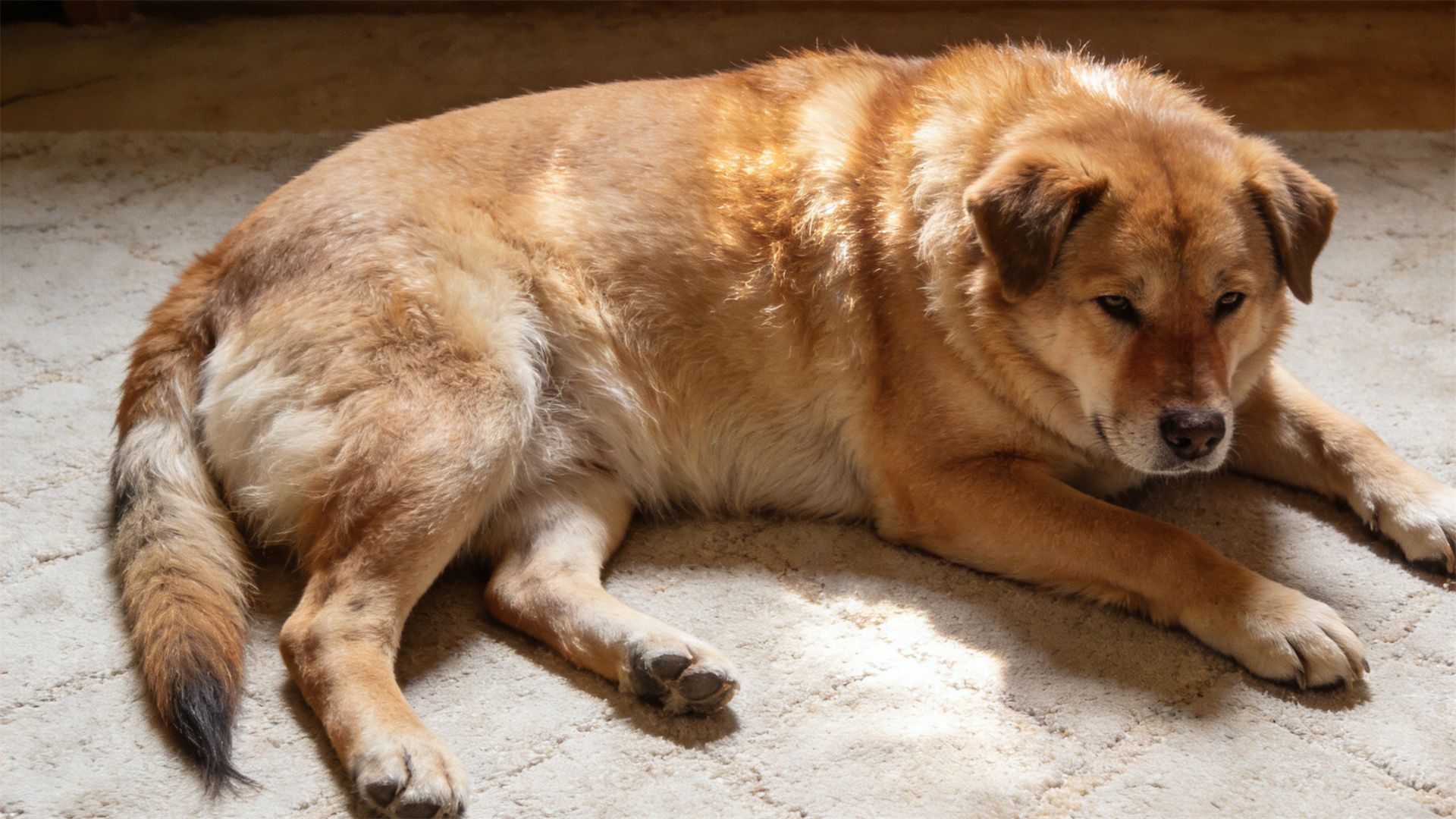
🔍 What is Canine Hypothyroidism: The Metabolic Engine Breakdown
The thyroid gland is a small, butterfly-shaped organ in your dog's neck. It acts like the body's accelerator pedal: producing hormones that regulate metabolism. Canine hypothyroidism occurs when this gland underperforms, leading to a deficiency of thyroid hormones. This deficiency slows down the metabolic rate, meaning your dog's body burns calories inefficiently. Consequently, even with a reduced appetite, weight gain occurs because the energy from food is stored as fat rather than used for fuel. It's akin to driving a car with a stuck accelerator: the engine idles slowly, consuming little fuel but going nowhere, and any extra fuel just sits in the tank.
The thyroid primarily produces thyroxine (T4) and triiodothyronine (T3). These hormones travel through the bloodstream to every cell, dictating the pace of metabolic processes. When levels are low, everything slows down. This low metabolism in dogs is the root cause of weight gain, as the body conserves energy rather than burning it. Think of it as your dog's internal thermostat being set too low. Understanding this mechanism is key to unraveling the mystery of dog eating less but gaining weight. It's not about overeating. It's about an underfunctioning gland.
The Thyroid's Role in Canine Health
Beyond metabolism, thyroid hormones influence heart rate, digestion, muscle control, brain development, and bone maintenance. A deficiency creates a systemic slowdown. This is why hypothyroidism in dogs presents with diverse symptoms. The condition is typically permanent, requiring lifelong management. However, with proper care, dogs can lead full, active lives. Recognizing it early is the first step.
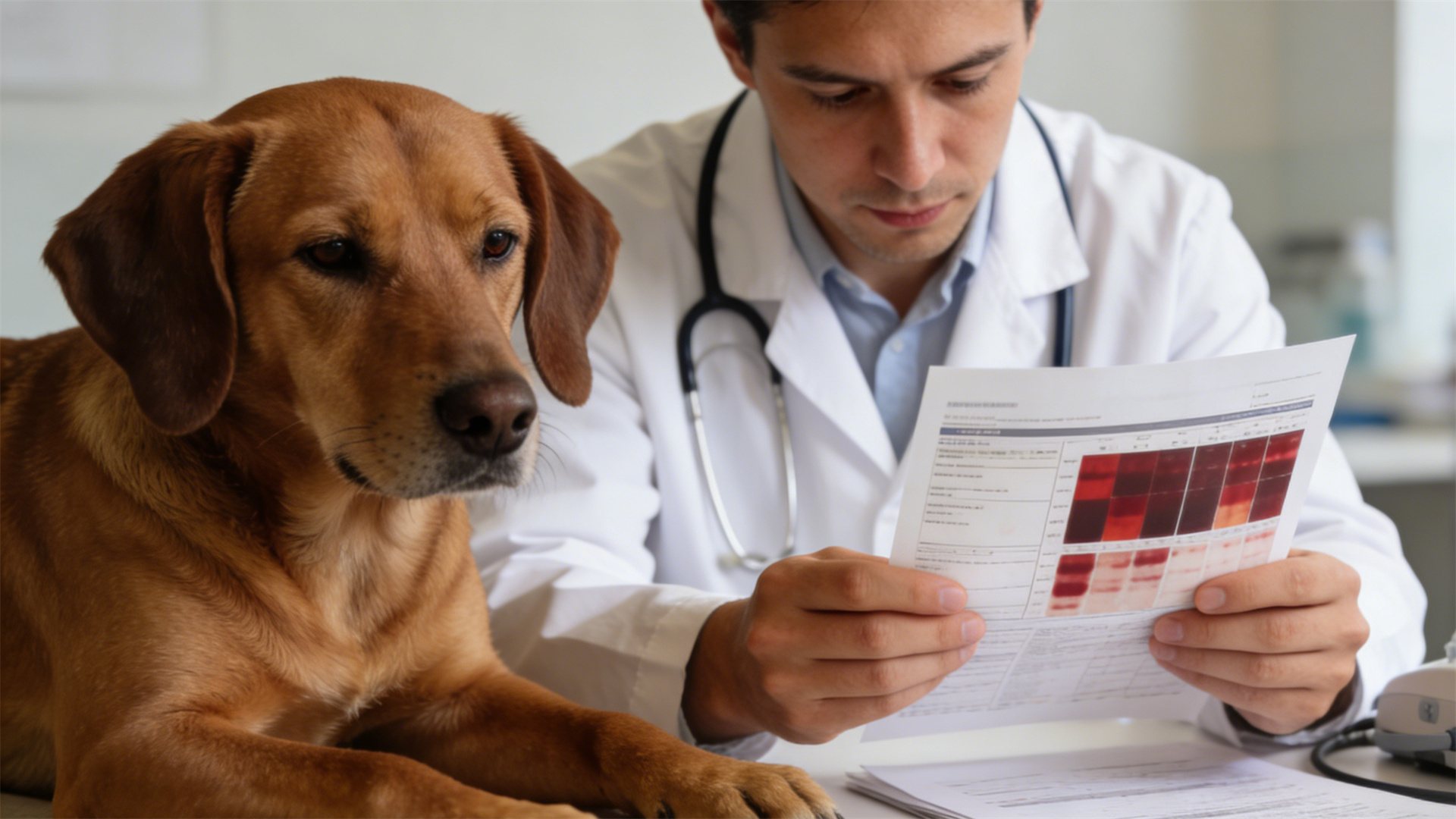
🐾 Symptoms Beyond Weight Gain: The Telltale Signs of a Sluggish Thyroid
While unexplained weight gain despite eating little is a classic red flag, hypothyroidism in dogs presents a constellation of symptoms. Recognizing these can help you seek timely veterinary care. Here are the key signs to watch for:
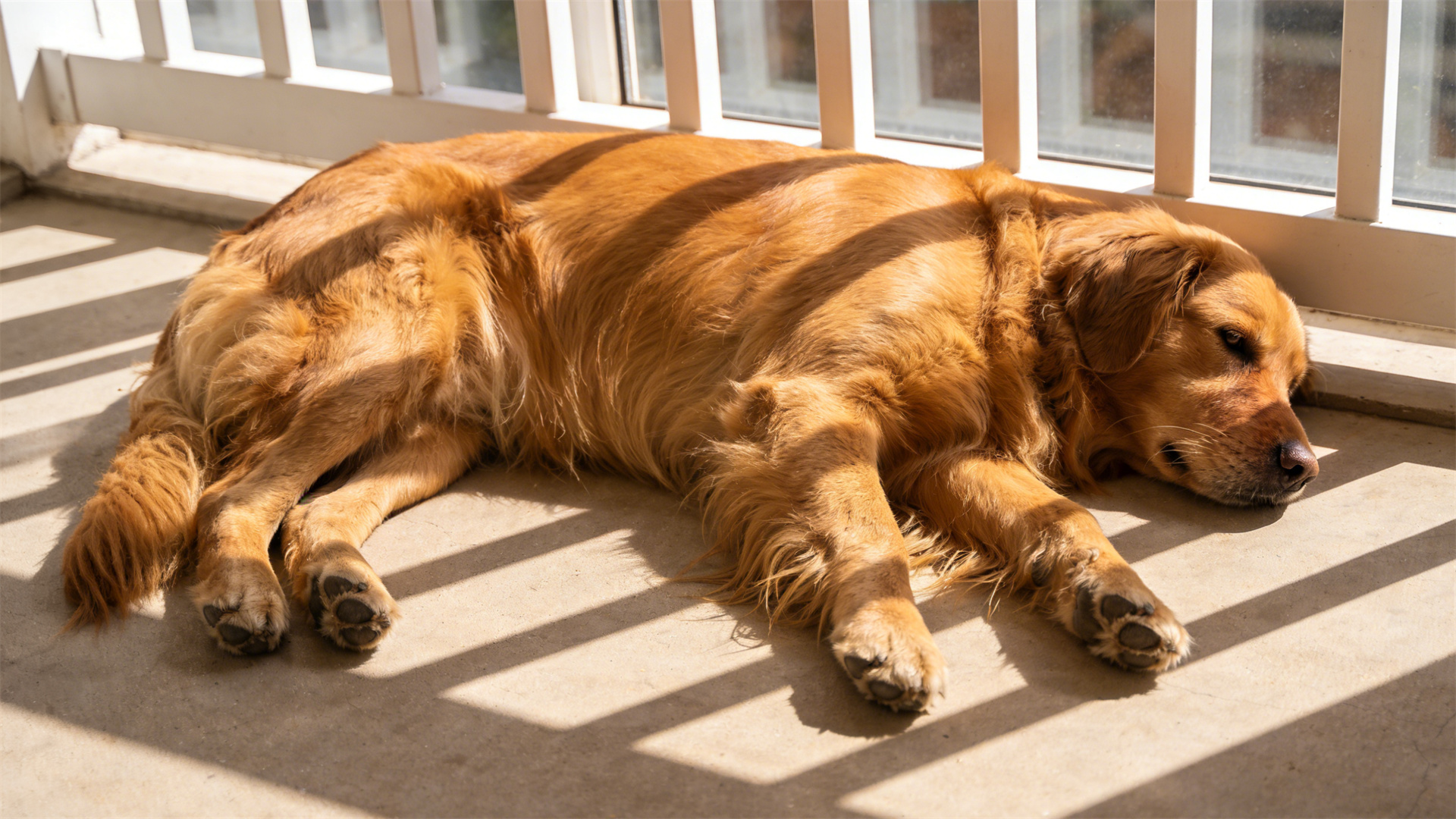
1. Lethargy and low energy: Your once playful pup may seem chronically tired, sleeping more and showing little interest in walks or games. This isn't just laziness. It's a profound lack of energy due to a slowed cellular engine.
2. Skin and coat problems: Look for dry, flaky skin, hair loss especially on the trunk, tail, and behind the ears, and a dull, brittle coat. The skin may also darken in patches. Some dogs develop recurrent skin infections or a puffy face due to fluid accumulation.
3. Behavioral changes: Depression, irritability, or anxiety can occur. Some dogs appear mentally dull or less responsive. This is often mistaken for cognitive decline in older dogs.
4. Cold intolerance: Your dog may seek warm spots or shiver easily, as a slow metabolism affects body temperature regulation. You might find them curled up by heaters or under blankets in mild weather.
5. Other physical issues: These can include recurrent ear infections, slow heart rate, constipation, and in severe cases, neurological signs like weakness or imbalance. Symptoms of hypothyroidism in dogs are often gradual, making them easy to overlook.
Physical Symptoms You Can See and Feel
Skin and coat changes are among the most visible signs. You might notice symmetrical hair loss on both sides of the body, particularly on the flanks. The skin can become thick and puffy, a condition called myxedema. Hypothyroidism symptoms weight gain is often accompanied by these dermatological issues. According to veterinary dermatology studies, over 60% of hypothyroid dogs exhibit significant skin or coat abnormalities. This is a direct result of impaired skin cell regeneration and reduced oil production.
Behavioral and Metabolic Symptoms
Lethargy is profound. Your dog may sleep 18-20 hours a day and resist exercise. Intolerance to cold is another metabolic symptom. Dog eating less but gaining weight is a paradox that puzzles many owners, but it makes sense with a slowed metabolism. The body hoards every calorie. If you notice several of these signs together, it's time for a vet visit.
⚠️ Causes and Risk Factors: Why Some Dogs Are More Vulnerable
The most common cause of canine hypothyroidism is an autoimmune disease called lymphocytic thyroiditis. Here, the body's immune system mistakenly attacks and destroys the thyroid gland. Other causes include idiopathic atrophy where the gland shrinks for unknown reasons, or rarely, tumors or congenital defects. Certain factors increase the risk. Understanding these helps in early detection.
1. Breed predisposition: Middle-aged to older dogs are most commonly affected. Breeds like Golden Retrievers, Doberman Pinschers, Irish Setters, Dachshunds, and Cocker Spaniels have a higher genetic susceptibility. For example, studies indicate that Dobermans have a notably high incidence of autoimmune thyroiditis.
2. Age: The condition typically emerges between 4 and 10 years of age. It is uncommon in very young dogs unless congenital.
3. Size: While it can occur in any dog, medium to large breeds are more frequently diagnosed. However, small breeds are not immune.
4. Other factors: Some research suggests a possible link to certain vaccines or environmental triggers in genetically prone individuals, though this is not conclusively proven. The primary causes of weight gain in dogs like hypothyroidism are internal, not just dietary.
Knowing your dog's breed and age-related risks allows for proactive health monitoring. If you have a susceptible breed, discussing baseline thyroid screening with your vet during senior check-ups is wise.
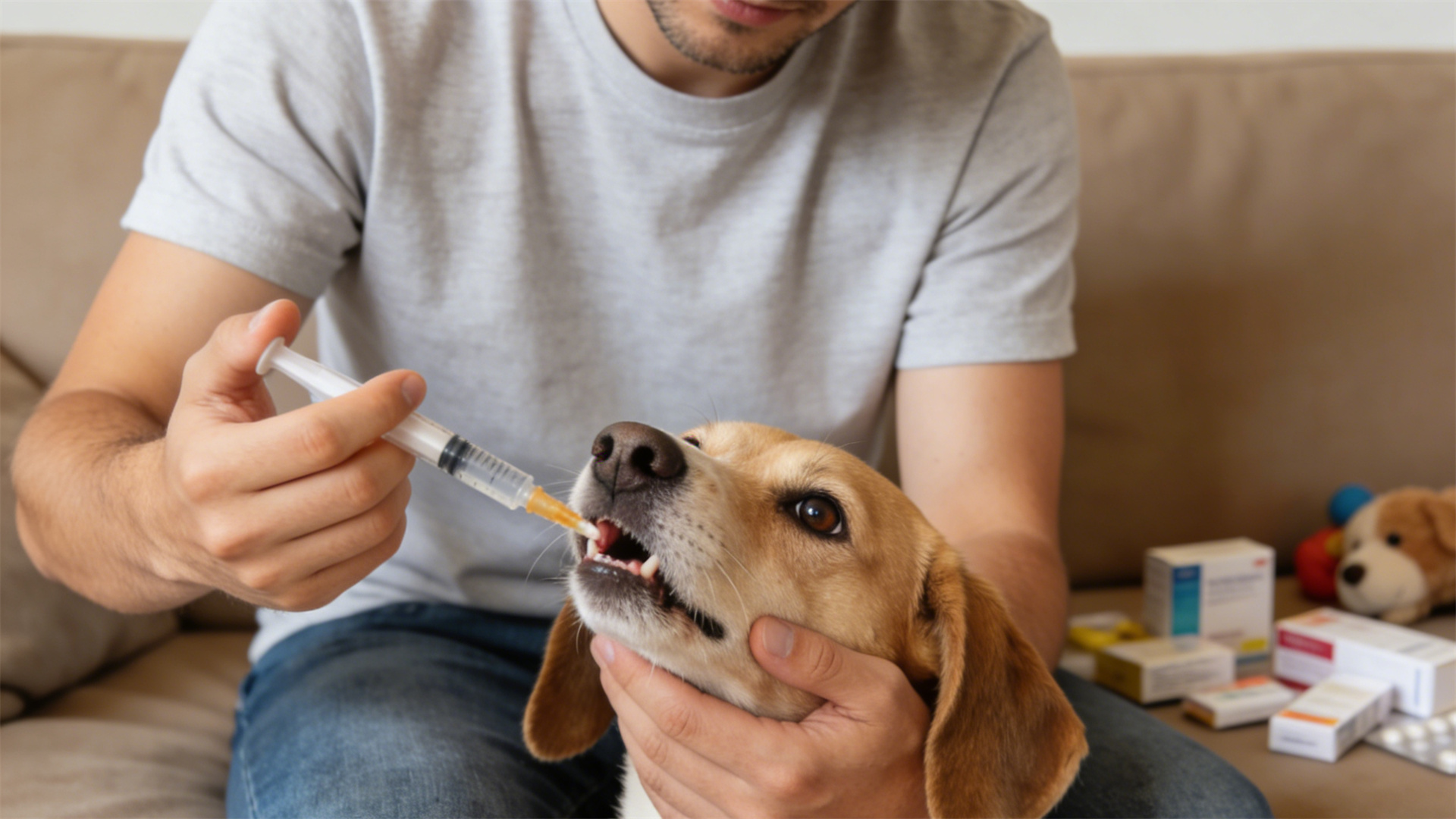
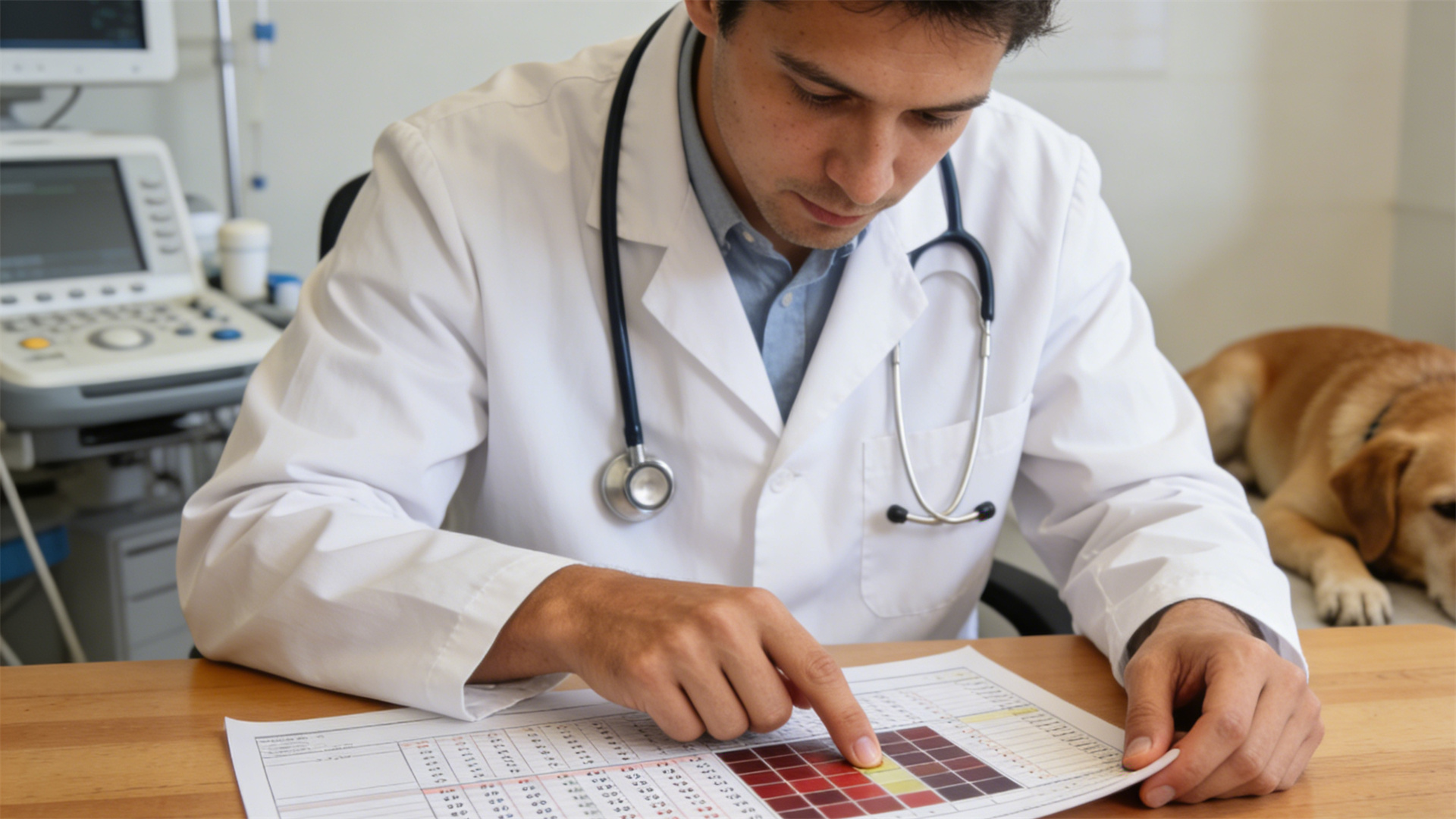
🏥 Diagnosis Process: How Veterinarians Uncover the Thyroid Issue
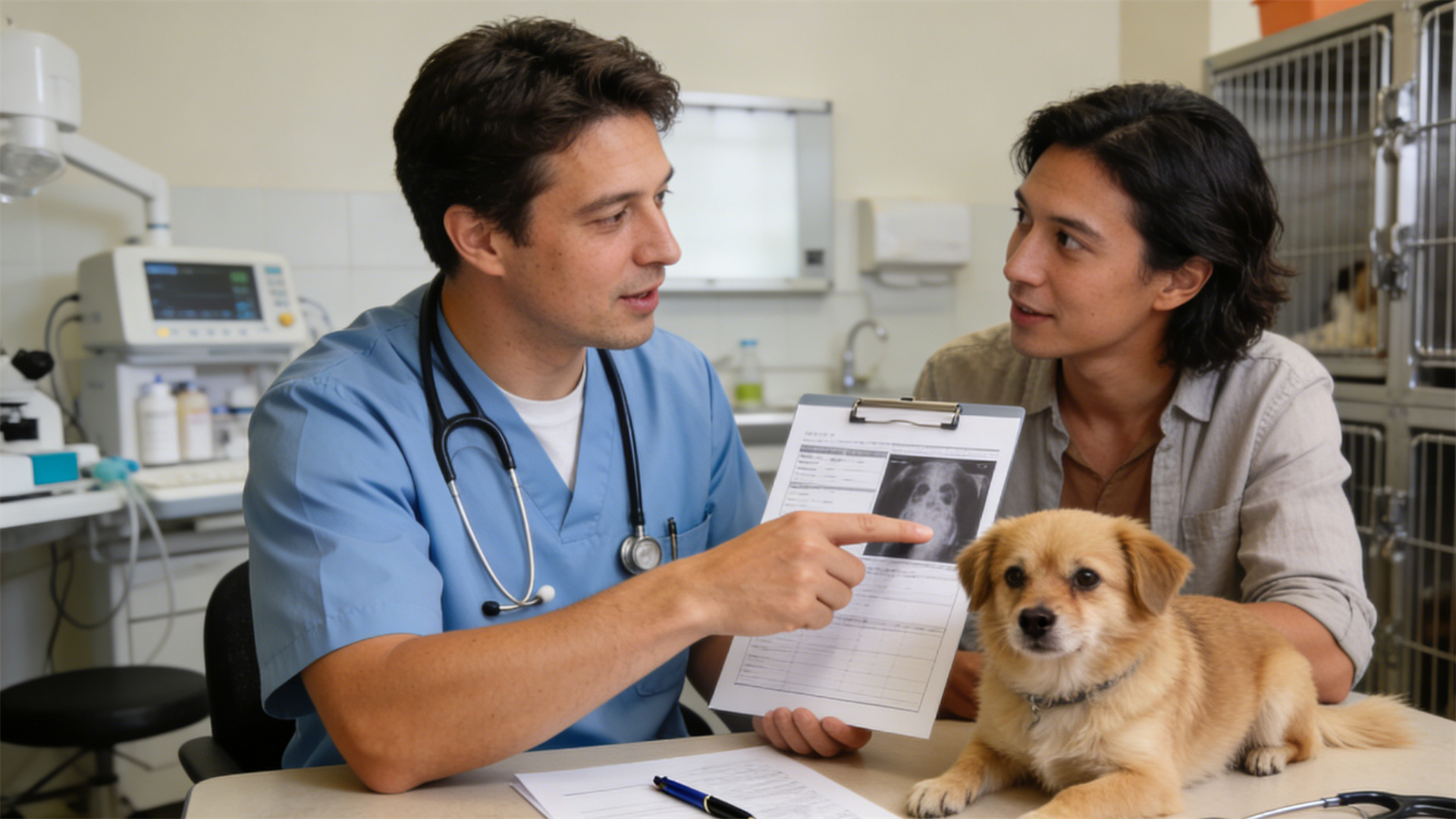
If you suspect dog thyroid disease, a visit to your veterinarian is crucial. Diagnosis involves a combination of clinical evaluation and specific blood tests. Here is the typical process for diagnosing hypothyroidism in dogs:
1. Clinical history and physical exam: Your vet will discuss symptoms, diet, and exercise routine. They will palpate the thyroid gland and look for physical signs like weight gain, skin changes, and lethargy. Be prepared to provide a detailed history. This step helps rule out other conditions like Cushing's disease or simple obesity.
2. Baseline blood work: A complete blood count and biochemistry panel rule out other causes of weight gain and check overall health. This may reveal elevated cholesterol levels, a common secondary sign of hypothyroidism.
3. Thyroid-specific testing: This is the cornerstone. The vet measures levels of thyroid hormones, primarily Total T4 and Free T4, and often Thyroid Stimulating Hormone. A low T4 coupled with a high TSH usually confirms hypothyroidism in dogs. According to guidelines from the American College of Veterinary Internal Medicine, a full thyroid panel is more reliable than a single T4 test. You can learn more about veterinary diagnostic standards from authoritative sources like the American College of Veterinary Internal Medicine.
4. Additional tests: In some cases, tests for thyroid antibodies or a thyroid scan may be recommended to identify autoimmune causes. Hypothyroidism diagnosis in dogs requires careful interpretation, as illness or certain medications can temporarily lower thyroid readings. Your vet will consider the whole picture.
Accurate diagnosis is essential because symptoms can mimic other conditions. Never attempt to diagnose or treat without professional guidance.
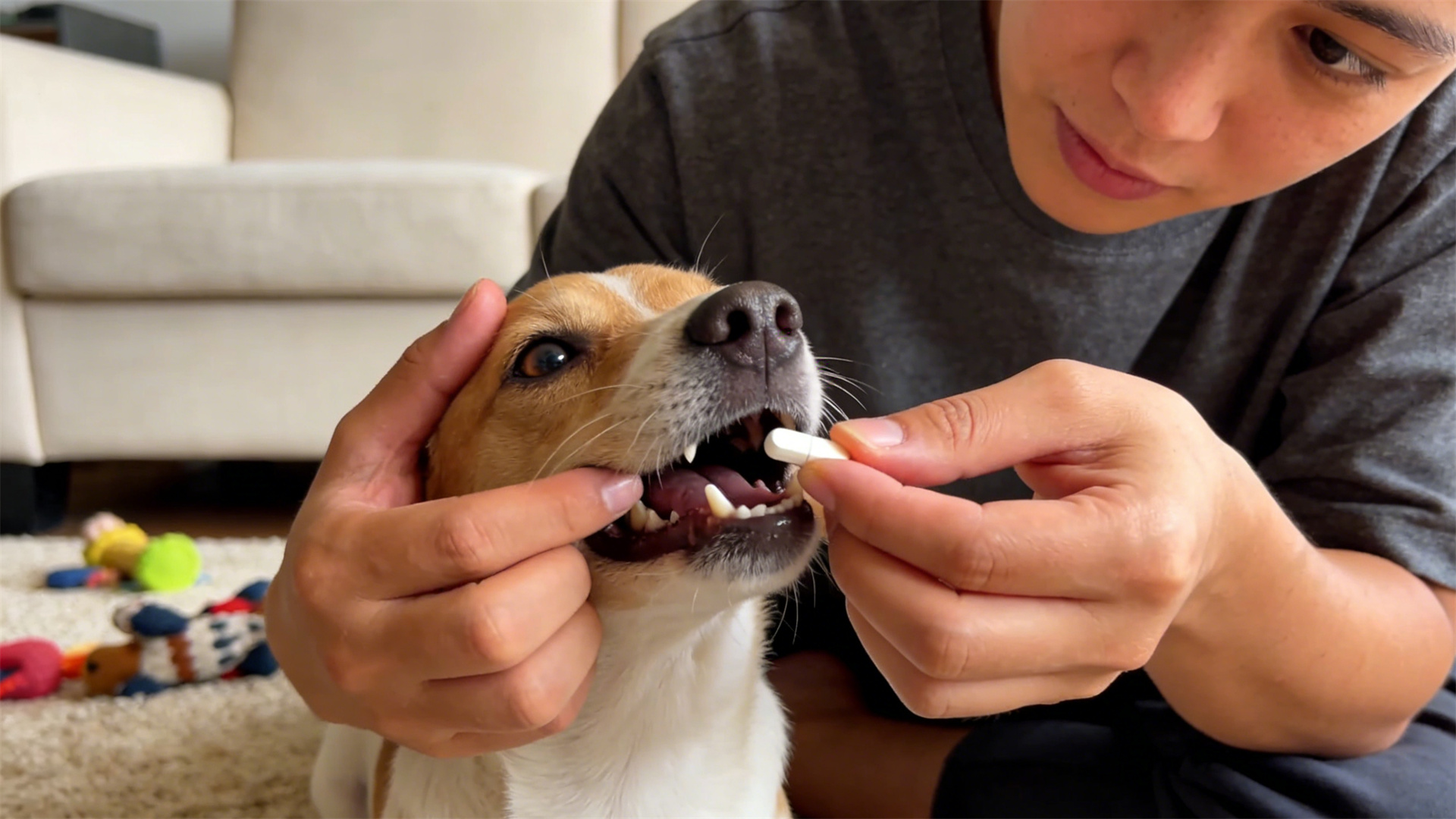
💊 Treatment Options: Restoring Balance with Thyroid Hormone Replacement
The good news: canine hypothyroidism is highly manageable. Treatment for canine hypothyroidism revolves around daily oral medication to replace the deficient hormones. Key points include:
1. Medication: Synthetic thyroid hormone levothyroxine is prescribed. It's given once or twice daily, as directed by your vet. The dosage is weight-based and must be precise. This medication directly addresses the thyroid hormone deficiency dogs experience.
2. Monitoring: Regular follow-up blood tests are critical. The first check is usually 4-8 weeks after starting treatment to adjust the dosage. The goal is to achieve a mid-range normal T4 level. Once stable, checks may be every 6-12 months. Consistent monitoring is part of successful veterinary treatment for hypothyroidism.
3. Consistency: Give medication at the same time each day, often on an empty stomach for best absorption. Do not skip doses. Set a daily reminder if needed.
4. Patience: Symptoms like lethargy improve within weeks, but full resolution of skin and coat issues may take several months. Weight loss will occur gradually as metabolism normalizes. Do not expect overnight miracles.
Treatment is typically lifelong, but with proper management, dogs with hypothyroidism live normal, happy lives. The cost of medication is generally reasonable, and the improvement in quality of life is immense. Always use vet-prescribed medication. Never use human thyroid drugs without explicit veterinary instruction, as dosing and formulations differ.
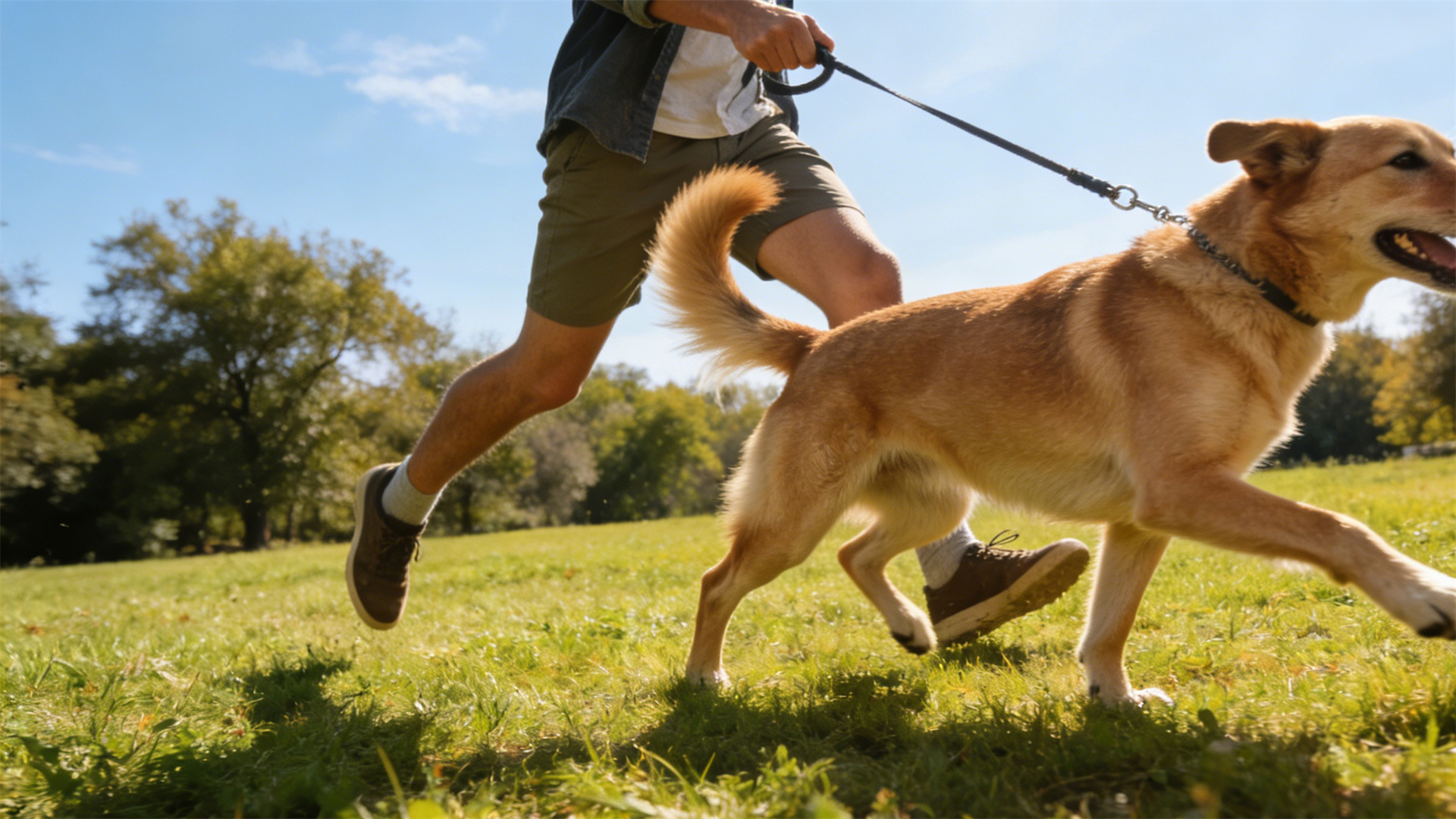
🥗 Management Tips: Supporting Your Hypothyroid Dog's Health
Beyond medication, lifestyle adjustments play a vital role in managing your dog's weight and overall well-being. Consider these tips for managing hypothyroid dog weight:
1. Diet: Feed a high-quality, balanced diet appropriate for your dog's age and activity level. Your vet may recommend a weight management formula. Measure portions carefully and avoid excessive treats. Consider diets with adequate fiber and controlled calories. For more on canine nutrition, explore our internal guide on balanced diets for senior dogs.
2. Exercise: Regular, moderate exercise helps boost metabolism and control weight. Start slowly if your dog has been lethargic, and gradually increase activity with walks, play sessions, or swimming. Aim for consistency rather than intensity.
3. Regular vet visits: Stick to scheduled check-ups for blood tests and health assessments. This ensures the medication dosage remains optimal. These visits are crucial for preventing complications from dog obesity and hypothyroidism.
4. Skin and coat care: Supplement with omega-3 fatty acids as advised by your vet to improve skin health. Regular grooming can also help distribute natural oils and monitor skin condition.
5. Watch for changes: Keep a symptom diary. Note any shifts in weight, energy, or behavior to discuss with your veterinarian. This proactive approach is key to long-term management of canine thyroid problems.
Managing a hypothyroid dog is a team effort between you and your vet. With dedication, you can reverse the weight gain and see your dog's vitality return.