For the devoted owner of a Corgi, Dachshund, or similar short-legged breed, that joyful, wiggly gait is a constant source of delight. Yet, beneath that charming exterior lies a hidden vulnerability: a significant risk for Intervertebral Disc Disease (IVDD). This condition, where the cushioning discs between the vertebrae degenerate or herniate, can lead to pain, nerve damage, and even paralysis. The financial and emotional toll of treating IVDD can be overwhelming. This comprehensive guide addresses two critical pillars of proactive care: understanding the home taboos essential for prevention and demystifying the vital safety net of Corgi and Dachshund spinal insurance. By mastering both, you can dramatically improve your dog's quality of life and be financially prepared should a crisis arise.

🐾 Understanding IVDD in Susceptible Breeds: Why Spinal Health is Paramount
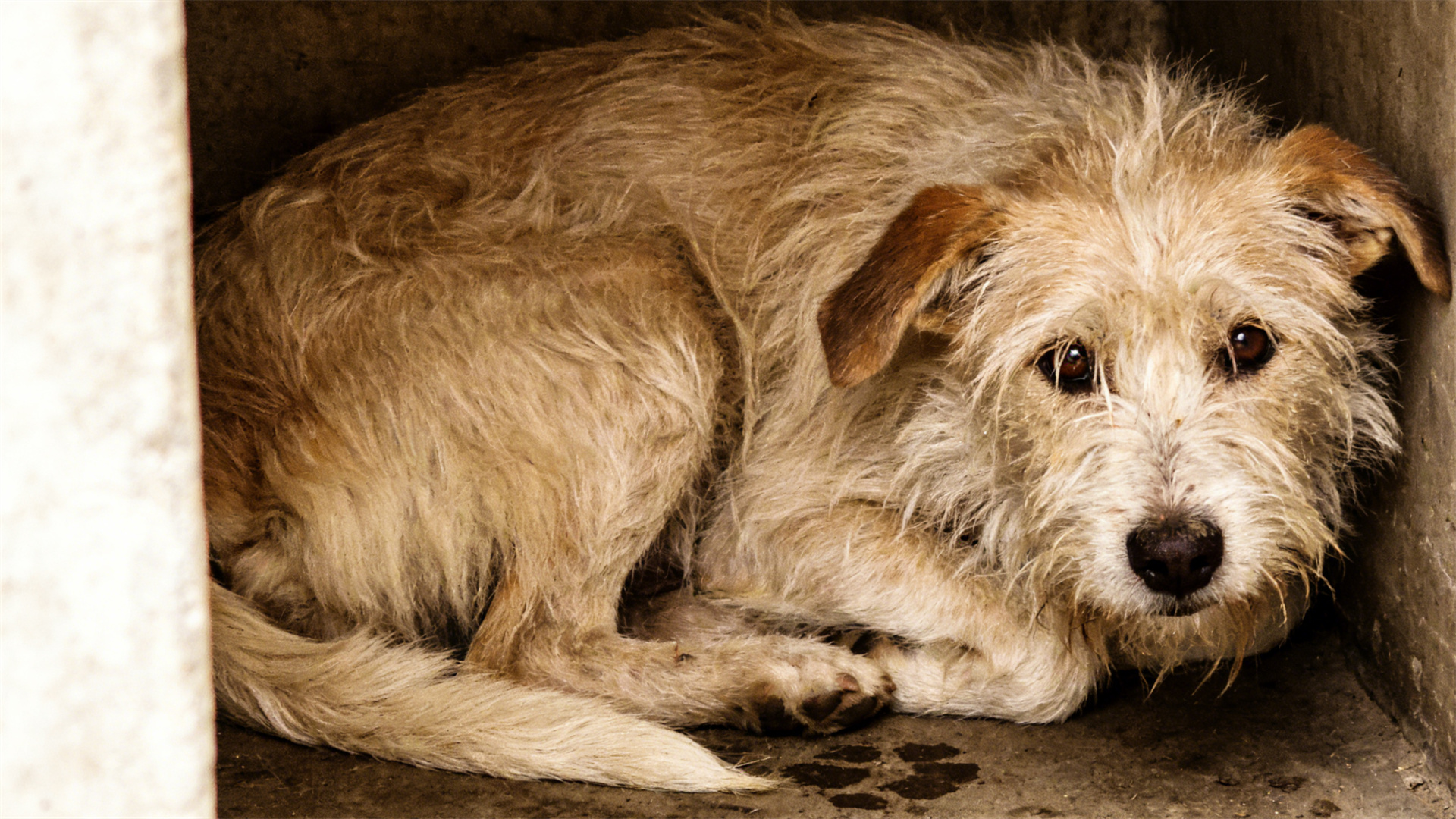
Chondrodystrophic breeds like Corgis and Dachshunds are genetically predisposed to intervertebral disc disease. Their unique build involves a mutation that causes their spinal discs to harden and become brittle at a young age, often between 3 and 6 years old. Unlike a gradual wear-and-tear condition, these discs can suddenly rupture or herniate with minimal stress, placing intense pressure on the spinal cord. Recognizing early IVDD symptoms is crucial: reluctance to jump, yelping in pain, a hunched back, trembling, weakness in the limbs, or even loss of bladder control. Preventive care for dogs with this genetic risk isn't a luxury; it's a necessity. It blends daily management at home with the foresight of seCare robust IVDD insurance for dogs.

🚫 The Top Home Taboos to Avoid: Your Daily Prevention Strategy
Much of IVDD prevention happens within your four walls. Certain everyday activities pose serious risks to your dog's spinal integrity. By establishing these home taboos, you create a safer environment that actively mitigates the risk of triggering a disc episode.
Taboo 1: Jumping On and Off Furniture
The Action: Allowing or encouraging your dog to leap from beds, sofas, or car seats.
The Medical Rationale: The impact of landing, especially on hard surfaces, sends a shockwave through the spine. For a breed already prone to dog back problems, this repetitive jolt can be the direct cause of a disc rupture. A jump down from a standard sofa multiplies the force on their discs exponentially.
The Solution: Invest in sturdy pet ramps or stairs with side rails. Train your dog to use them consistently for all elevated surfaces. Place them by your bed, couch, and even for vehicle access.
Taboo 2: Navigating Steep Stairs and Slippery Floors
The Action: Letting your dog regularly traverse full flights of household stairs or run on slick floors like hardwood, tile, or laminate.
The Medical Rationale: Descending stairs places the spine in a flexed, compressed position with each step. Climbing them requires significant thoracic thrust, straining the back. Slippery floors cause the legs to splay, creating unnatural torsion and stress on the spinal column.
The Solution: Use baby gates to block access to stairs. For unavoidable steps, carry your dog or use a ramp. Cover slippery pathways with non-slip rugs, runners, or yoga mats to provide secure footing.
Taboo 3: Improper Lifting and Handling
The Action: Picking up your dog by the armpits (front legs only), scooping them up around the belly, or letting them dangle.
The Medical Rationale: This places all the weight of the hindquarters on the lumbar spine, dangerously stretching and compressing the vulnerable discs. It is one of the most common but preventable forms of spinal strain.
The Solution: Special Reminder: Always lift with proper support. Place one hand under the chest between the front legs and the other hand under the hindquarters, keeping the spine aligned and horizontal. Hold them close to your body.
Taboo 4: High-Impact Play and "Roughhousing"
The Action: Engaging in games that involve sharp twists, turns, or vertical leaps (e.g., intense fetch with high jumps, tug-of-war with shaking motions).
The Medical Rationale: Sudden rotational forces and hard landings can easily displace a weakened disc. The explosive movement required for these games ignores the structural limitations of a chondrodystrophic breed's spine.
The Solution: Opt for controlled, low-impact exercise. Leisurely walks on soft ground, nose work games, and gentle puzzle toys provide mental and physical stimulation without the spinal risk. Swimming (with a proper life jacket) is an excellent alternative.
🛡️ How Spinal Insurance Provides a Critical Safety Net
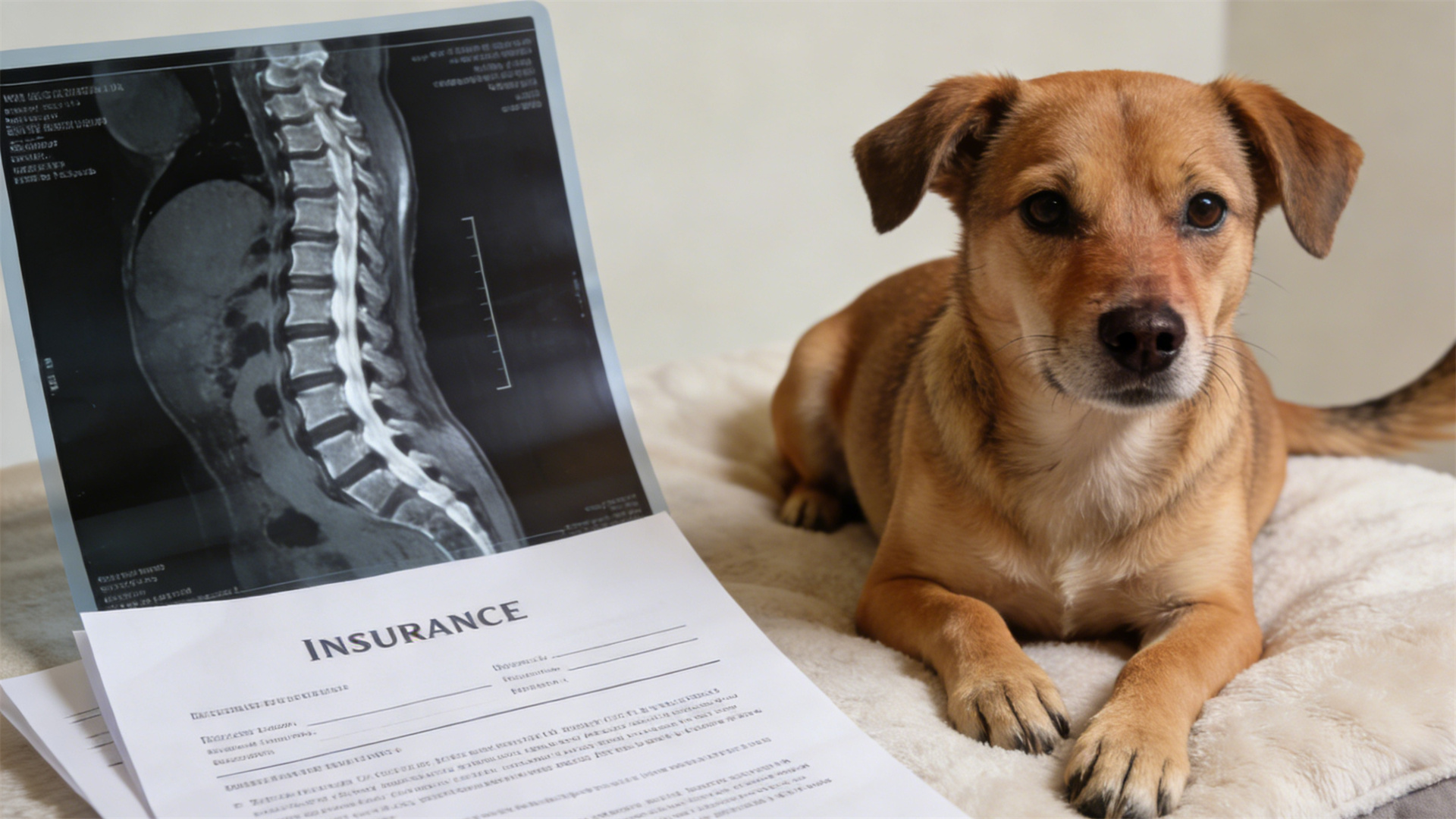
Even with perfect IVDD prevention at home, genetics can still play its hand. When it does, the costs are substantial. Diagnostic imaging like MRI scans, emergency veterinary care, surgery (hemilaminectomy), and prolonged rehabilitation can easily soar into the $5,000 to $10,000+ range. This is where dedicated Corgi spinal insurance and Dachshund spinal insurance transition from a consideration to a cornerstone of responsible ownership.
What Does IVDD Insurance Typically Cover?
A comprehensive pet insurance policy with illness coverage is designed for scenarios like IVDD. It generally covers:
- Diagnostic Tests: X-rays, CT scans, and crucial MRI scans.
- Surgical Procedures: The cost of the spinal surgery itself.
- Hospitalization & Medications: Post-op care, pain relief, and steroids.
- Rehabilitation: Physical therapy, acupuncture, or hydrotherapy if prescribed.
This coverage turns an impossible financial decision into a manageable medical one, allowing you to choose the best possible care for your companion.
Key Factors for Owners to Consider
When researching pet insurance for IVDD, pay close attention to:
- Waiting Periods: Most policies have a waiting period (e.g., 14-30 days for illnesses) before coverage begins. This is why enrolling your dog young and healthy is critical.
- Breed-Specific Considerations: Some insurers may have breed-specific exclusions or higher premiums for high-risk breeds. Disclosure is key—always be upfront about your dog's breed.
- Cost-Benefit Analysis: Weigh the monthly premium and deductible against the potential cost of IVDD treatment. For Corgis and Dachshunds, the likelihood of a spine-related claim is high, making insurance a statistically sound investment.

📋 Final Recommendations for Proactive Owners
Protecting your Corgi or Dachshund from intervertebral disc disease is a multi-faceted mission. Combine daily vigilance with long-term financial planning.
Your Action Plan for Comprehensive Spinal Care
- Audit Your Home Today: Walk through your living space and identify risks—stairs, slick floors, high furniture. Implement ramps, gates, and rugs immediately.
- Master Safe Handling: Practice the two-hand support lift until it becomes second nature for everyone in the household.
- Educate Yourself on Symptoms: Know the signs of IVDD symptoms in Corgis and Dachshunds. In case of any suspicion, seek veterinary care immediately—time is of the essence for spinal injuries.
- Research Insurance Policies Now: Don't wait for a symptom to appear. Compare intervertebral disc disease insurance policies from reputable providers. Look for robust coverage limits and clear terms.
- Partner with Your Veterinarian: Discuss your breed's specific risks during annual check-ups. They can provide personalized spinal health tips and monitor your dog's musculoskeletal health over time.
The bond you share with your dog is priceless. By understanding the home taboos for dogs with spinal problems and seCare appropriate dog back problems insurance, you are doing more than just owning a pet—you are advocating for their lifelong well-being and seCare your own peace of mind. A proactive approach is the greatest gift you can give your beloved companion.