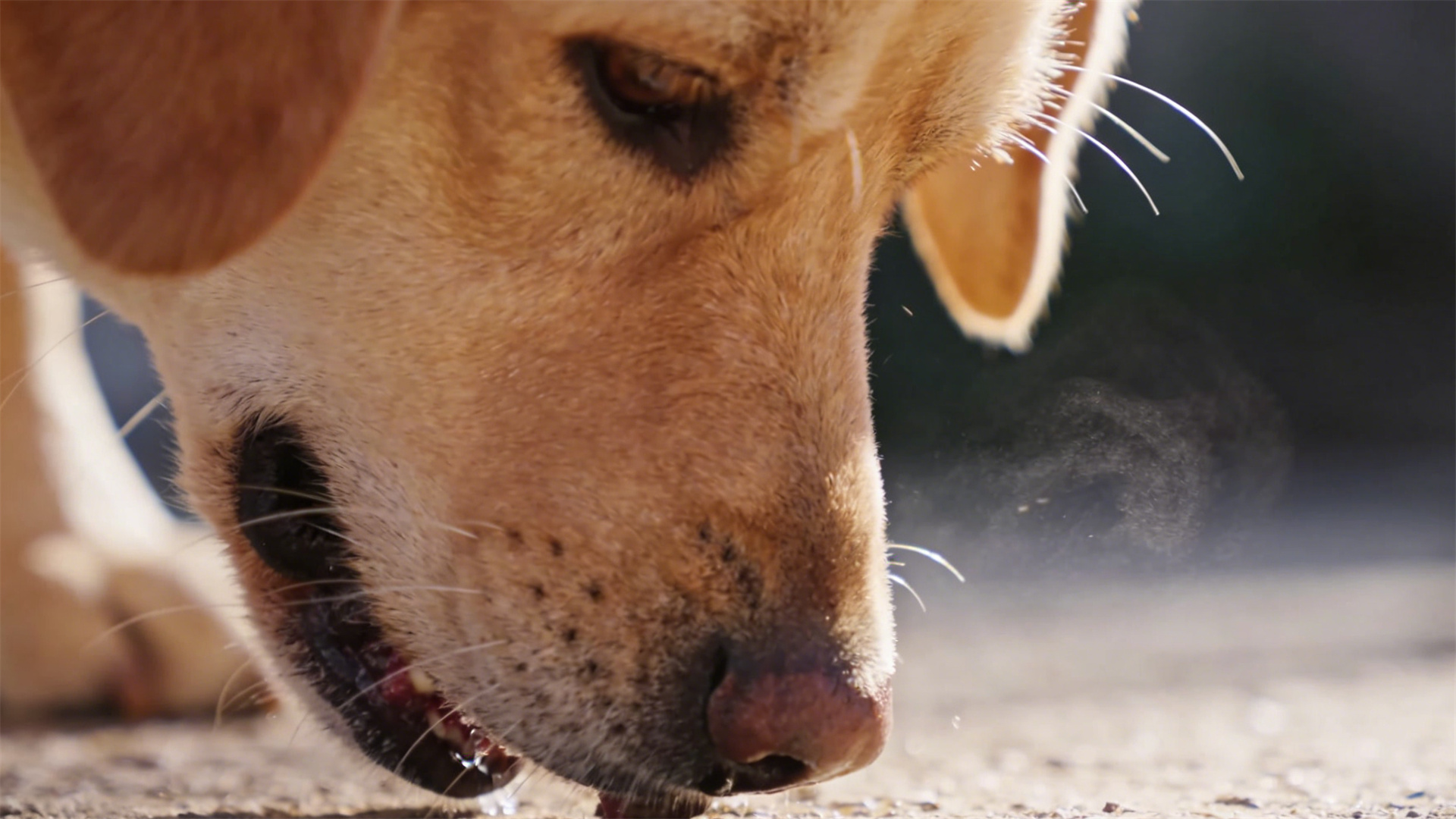
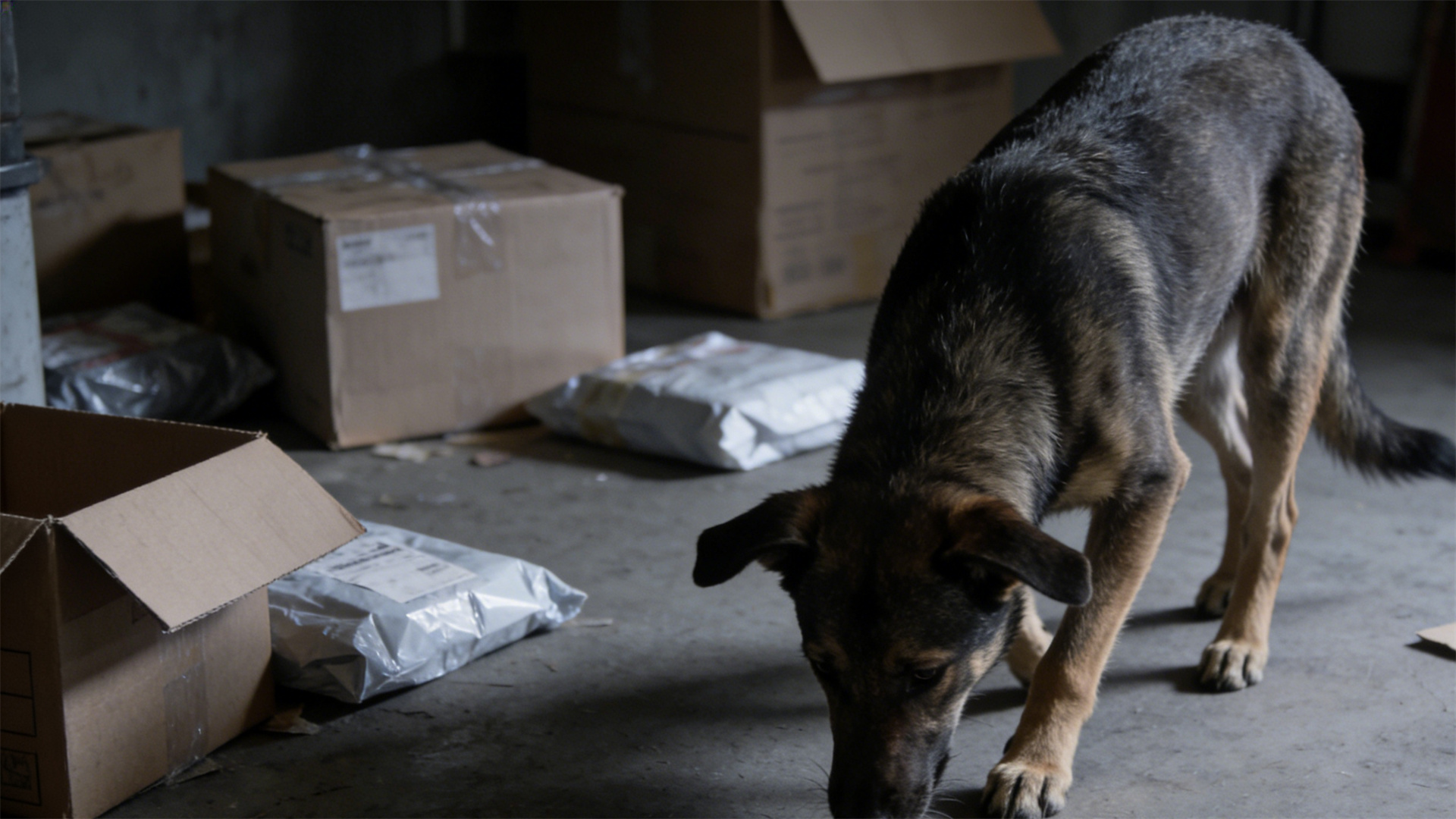
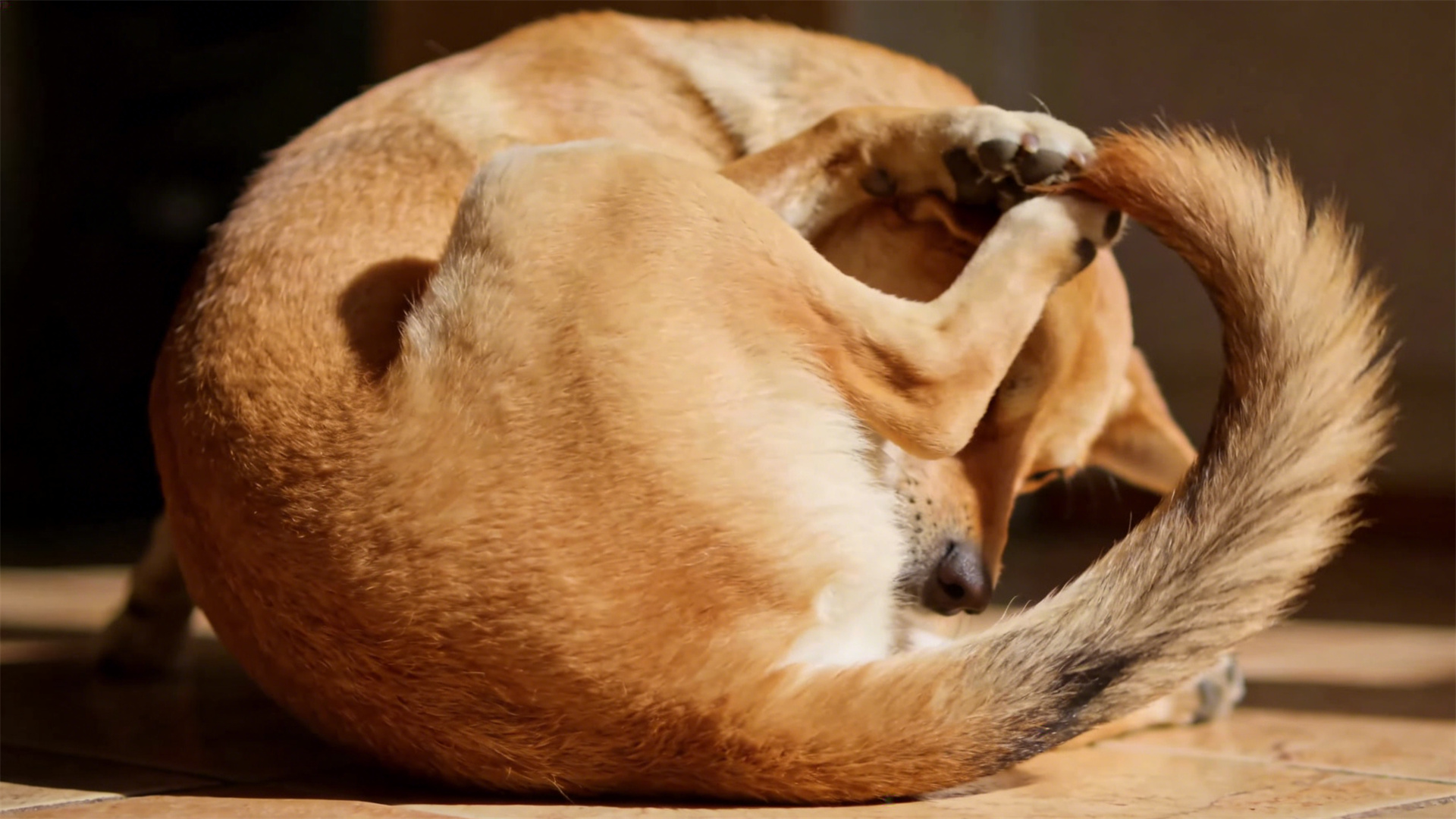
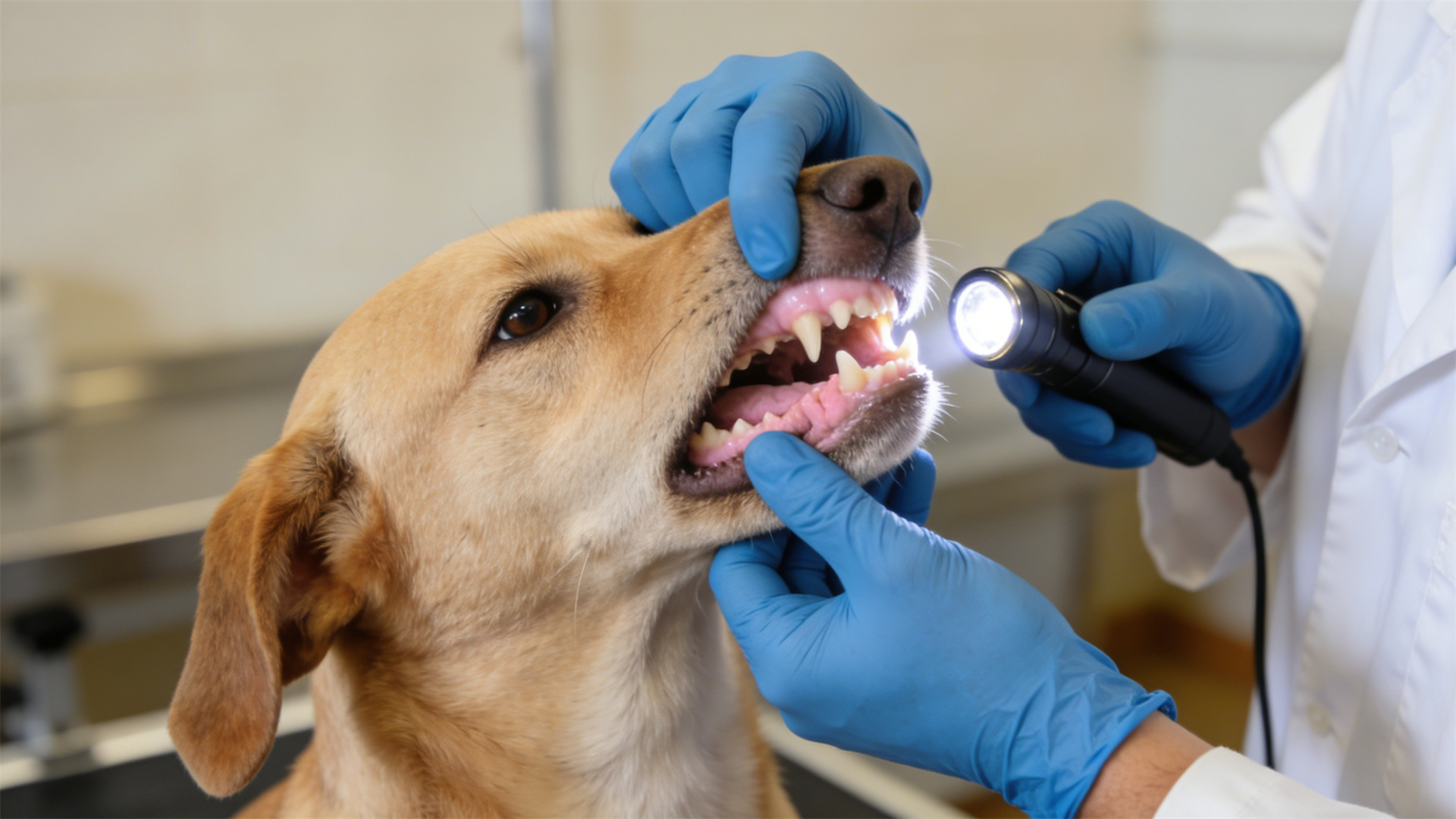
For anyone who has welcomed a rescue dog into their home, witnessed a formerly confident pup become fearful after an accident, or simply looked into the eyes of a dog with a mysterious past, a poignant question often arises: Can dogs experience something akin to our human Post-Traumatic Stress Disorder? The answer, resoundingly supported by veterinary behaviorists and modern science, is yes. Canine PTSD is a very real, diagnosable, and treatable condition. Dogs who have endured profound trauma—be it abuse, neglect, a violent attack, a natural disaster, or the relentless stress of homelessness—can bear lasting psychological wounds. Understanding this reality is not an exercise in anthropomorphism; it is the crucial first step toward providing the compassionate, informed care these resilient animals need. This comprehensive guide will delve into the signs of canine PTSD, explore the roots of trauma, and most importantly, map out the patient, nuanced journey of psychological rebuilding. 
🐾 Recognizing the Invisible Wound: Signs and Symptoms of Canine PTSD
Unlike humans, dogs cannot verbalize their flashbacks or nightmares. Their trauma manifests through significant behavioral changes, almost always rooted in heightened states of fear, anxiety, and hyperarousal. It is paramount to first consult a veterinarian to rule out any underlying medical conditions (such as thyroid issues, neurological disorders, or chronic pain) that could mimic these behaviors. Once medical causes are excluded, the following symptoms may point toward canine PTSD:
Hypervigilance and Exaggerated Startle Response
The dog seems perpetually "on guard." They may be unable to relax, constantly scanning their environment for threats. A door closing, a book dropping, or a distant shout can trigger a disproportionate jump, freeze, or flight response.
Avoidance and Hiding
The dog actively avoids people, objects, sounds, or situations that remind them—consciously or subconsciously—of their trauma. This could be men wearing hats, brooms, a specific room, or the sound of yelling. They may spend excessive time hiding under furniture or in confined spaces.
Sudden, Context-Inappropriate Aggression
This is often a fear-based defense mechanism. A dog may growl, snap, or bite when approached while resting, touched in a certain way, or surprised—even by a familiar person. The aggression seems to "come out of nowhere" from the human perspective, but it is a predictable response to a perceived threat from the dog's traumatized viewpoint.
Depression and Social Withdrawal
A dog may show a marked loss of interest in play, walks, food, or interaction. They may sleep excessively, seem "shut down," or disengage from family members and other pets, retreating into themselves.
Regression in Training and Destructive Behaviors
House-trained dogs may have accidents indoors, especially when anxious. Destruction when left alone (separation anxiety is a common co-condition) or during stressful events can occur, often targeting doors or windows (escape attempts) or personal items (displacement of anxiety).
Sleep Disturbances and Nighttime Pacing
The dog may have difficulty settling, pace repetitively at night, or appear to be "chasing" or whimpering in their sleep, potentially re-experiencing traumatic events.

💔 The Roots of Trauma: What Can Cause PTSD in Dogs?
Understanding the potential source of trauma helps foster empathy and informs the rehabilitation approach. Common triggers include:
- Abuse & Repeated Punishment: Physical violence, yelling, or harsh training methods (e.g., shock collars) create associations of pain and fear with human interaction.
- Neglect & Abandonment: Lack of basic needs (food, water, shelter, veterinary care) and social isolation, especially during critical developmental periods (3-14 weeks), can cause profound insecurity and attachment disorders.
- Single-Incident Trauma: A dog attack, a serious car accident, surviving a fire or natural disaster (like a hurricane or flood) can be enough to instill lasting terror.
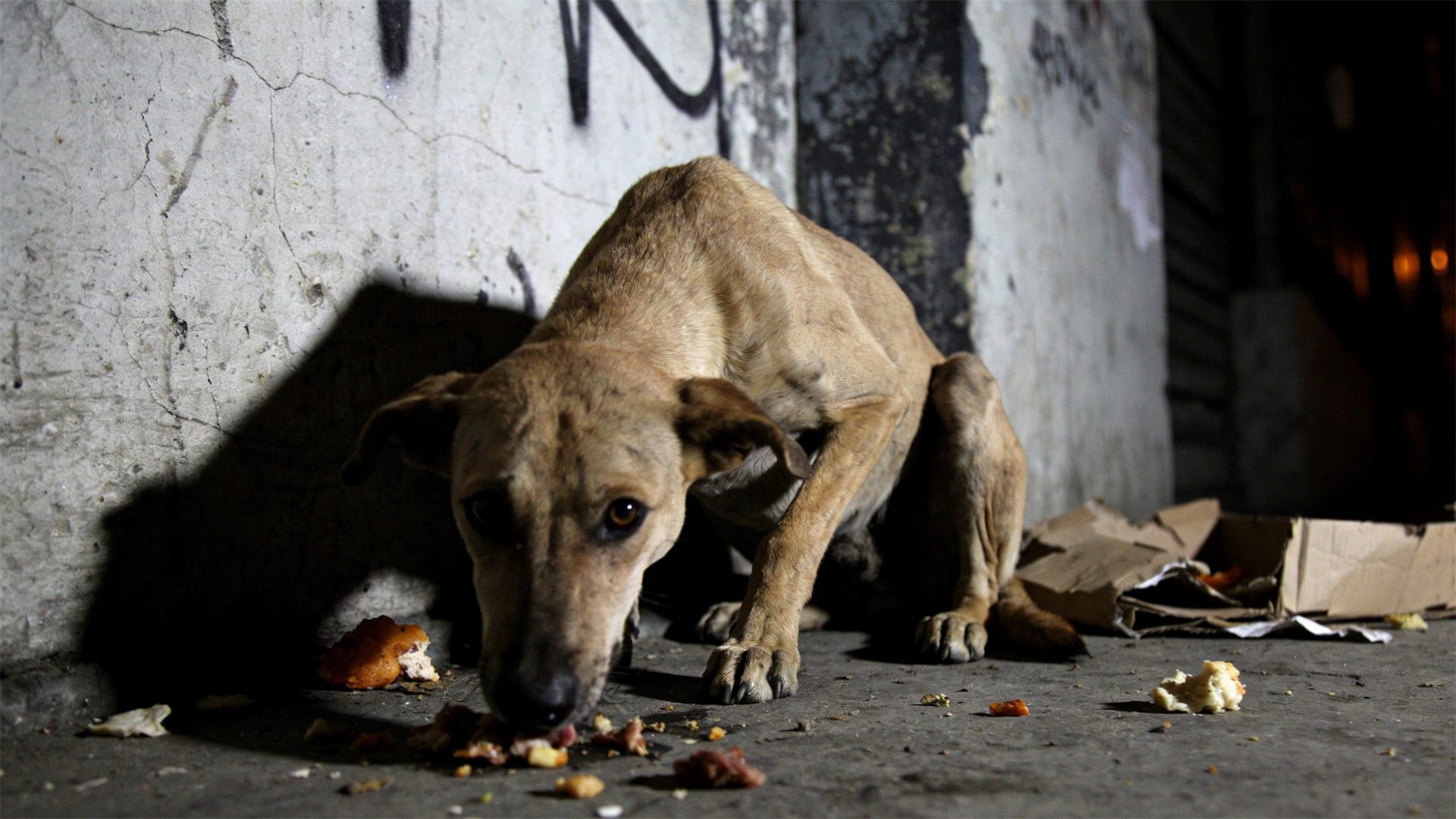
- Chronic Homelessness (Stray Life): The constant struggle for food, water, and safety, coupled with exposure to the elements and potential threats from other animals or humans, is a state of chronic, inescapable stress.
- Institutionalization: Prolonged confinement in a shelter, especially a loud, overcrowded one with minimal enrichment, can be deeply traumatic and lead to "kennel depression."
- Chaotic or Multiple Rehoming: Instability, repeated losses of primary caregivers, and uncertain living conditions fracture a dog's sense of security.
🔨 The Psychological Rebuilding Process: A Phase-Based, Patient Approach
Healing from canine PTSD is not a linear path. It is a spiral, with periods of progress and inevitable setbacks. Success hinges on consistency, predictability, and patience. The process can be viewed in overlapping, fluid phases.
🏠 Phase One: Establishing Safety and Stability (The Bedrock)
The primary goal is to convince the dog, through unwavering action, that their world is now safe and predictable.
- Create an Ironclad Routine: Feed, walk, and offer quiet time at the same times each day. Predictability reduces anxiety about "what comes next."
- Provide a True Safe Haven: This is a non-negotiable private space (a crate covered with a blanket, a quiet room with a bed) where the dog can retreat and is never disturbed, touched, or called from. This becomes their sanctuary.
- Environmental Management: Proactively prevent exposure to known triggers. If the dog fears men, don't force introductions. If loud noises are terrifying, use white noise during storms. This is not coddling; it is preventing the rehearsal of fear.
🤝 Phase Two: Building Trust Through Non-Demanding Interaction
Trust is built in slices, not given as a whole loaf. This phase focuses on creating positive associations with your calm presence.
- Let the Dog Initiate: Ignore them (in a kind way). Sit quietly nearby and read, avoiding direct eye contact. Let them choose to approach you. This gives them agency and control, something often stripped from them in the past.
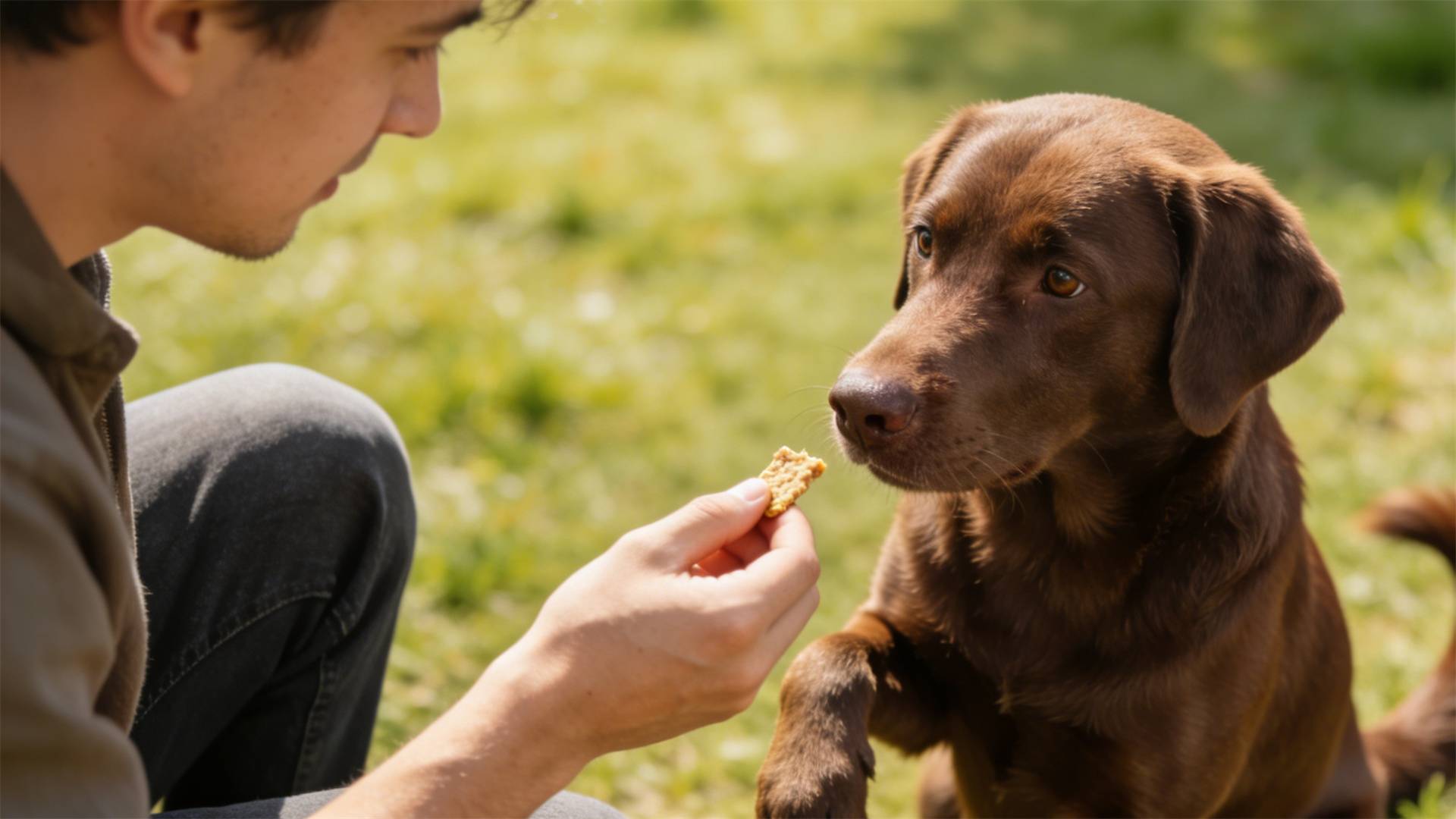
- Use "Passive" Treating: Toss high-value treats (like chicken) near them without requiring them to take it from your hand. You become a benevolent, non-threatening treat dispenser.
- Engage in Confidence-Building Activities: Simple scent games (hiding treats in a snuffle mat) or short, meandering walks in low-stimulus areas allow them to explore and succeed without pressure.

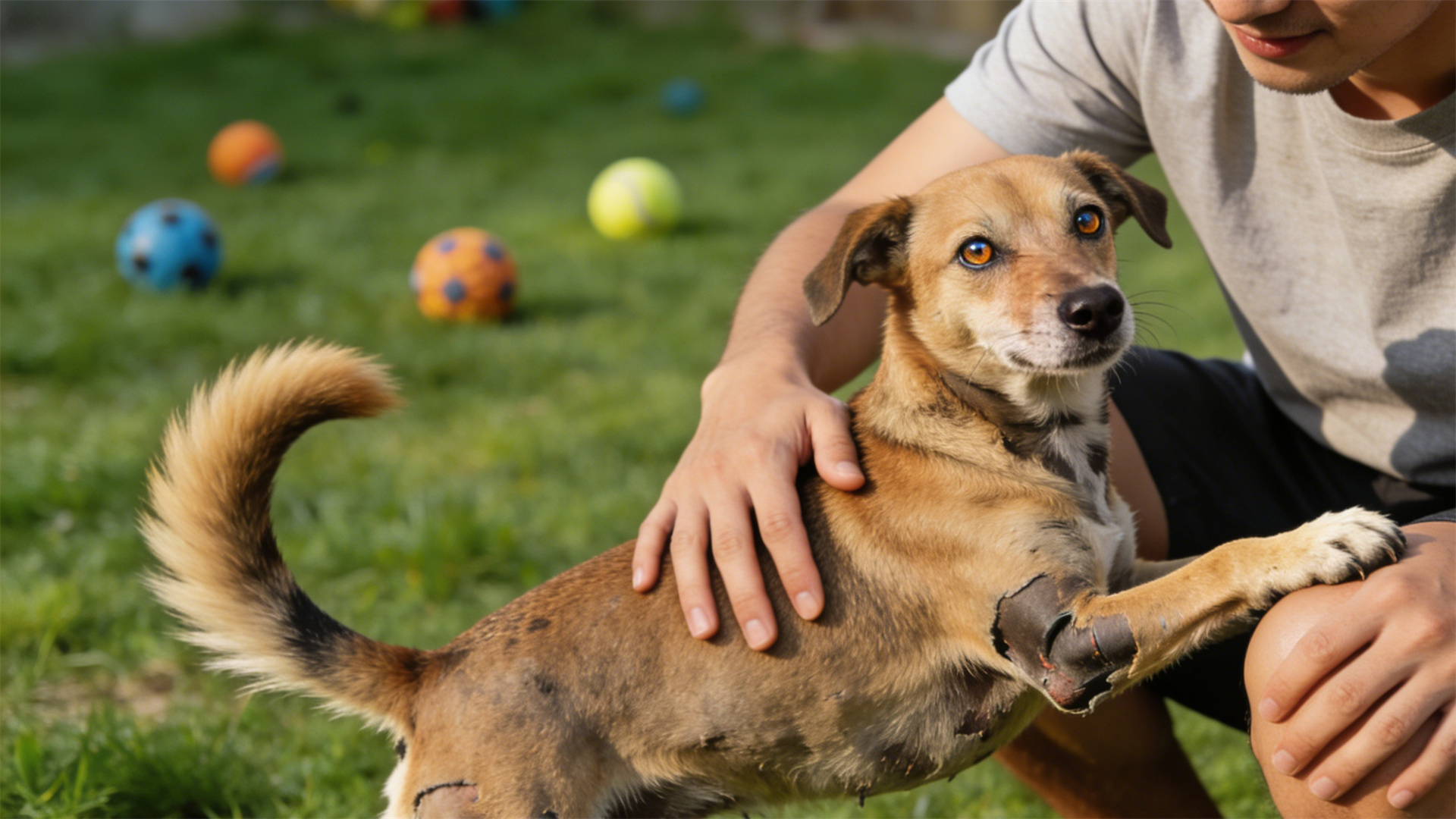
🎯 Phase Three: Positive Reinforcement & Systematic Desensitization/Counterconditioning (DS/CC)
This is the clinical heart of behavioral change, best undertaken with guidance from a certified force-free behavior consultant.
- Desensitization (DS): Gradually exposing the dog to a very mild, sub-threshold version of their trigger. For a dog afraid of strangers, this might start with a person standing so far away the dog merely notices them but doesn't react fearfully.
- Counterconditioning (CC): Pairing that mild trigger with something incredibly wonderful (super high-value food). The goal is to change the dog's emotional response from "Oh no, a stranger!" to "Oh boy, a stranger! That means my favorite cheese is coming!"
- The Process: Over many short, positive sessions, the intensity or proximity of the trigger is imperceptibly increased only if the dog remains calm. If the dog shows fear, you've moved too fast. This requires immense patience and precision.
🌟 Phase Four: Fostering Confidence and Secure Attachment
As fear recedes, space opens for building a new identity: that of a capable, confident companion.
- Structured Skill-Building: Trick training (e.g., "touch," "spin"), canine fitness exercises, or novice agility (using low, non-scary equipment) provide mental stimulation and a clear sense of accomplishment. The key is setting them up to succeed repeatedly.
- Cooperative Care: Teaching dogs to willingly participate in husbandry (nail trims, grooming) through positive reinforcement builds trust and gives them control over their body.
- Strengthening the Bond: Engage in activities that promote partnership, like decompression walks on a long line in nature, where they can explore while periodically checking in with you—reinforcing you as their safe base.


💫 Conclusion: A Journey of Resilience and Hope
The path to healing canine PTSD is a profound commitment, measured in months and years, not days and weeks. There will be difficult days, but the transformation—watching a cowering dog learn to play, a shut-down soul begin to seek affection, a hypervigilant mind finally achieve restful sleep—is one of the most rewarding experiences a caregiver can have. It requires a blend of empathy, science-based methodology, and unwavering patience. With these tools, traumatized dogs can rebuild their trust in the world and reclaim the joy, comfort, and security they have always deserved. Their capacity to heal, when met with a safe and loving home, is a powerful testament to resilience.

🔔 Special Reminder: A Critical Note on Professional Guidance
This article is for informational purposes only. It is not a substitute for professional veterinary or behavioral advice. If your dog exhibits signs of severe anxiety, fear, or aggression, your first steps must be:
- A full veterinary exam to rule out medical causes.
- Consultation with a certified professional dog behavior consultant (CPDT-KA, CBCC-KA, or similar) or a veterinary behaviorist (DACVB). These professionals are trained to create a tailored behavior modification plan that ensures the safety and well-being of both you and your dog. Attempting to manage severe trauma without expert guidance can inadvertently worsen the condition.