Healthy

Early warning of infectious diseases

C

Claire

Nov 18,2025 • 5 Min Read

For every dog owner, the bond with their furry companion is built on love, trust, and a deep-seated responsibility for their health. Infectious diseases pose a silent but significant threat, capable of escalating from mild discomfort to life-threatening emergencies with alarming speed. Early detection is not just beneficial; it is critical. Recognizing the subtle, initial signs of illness can drastically improve treatment outcomes, reduce suffering, and prevent the spread to other animals. This comprehensive guide empowers you to become your dog's first and most important health advocate, detailing the key early warning signs you must monitor and providing actionable insights for superior canine care.

Early warning of infectious diseases

🐾 Why Early Detection is Your Most Powerful Tool

Canine infectious diseases, caused by viruses, bacteria, fungi, or parasites, often have a "golden window" for intervention. Diseases like parvovirus or canine distemper can overwhelm a puppy's system in under 48 hours. By understanding that dogs instinctively hide weakness—a trait inherited from their wild ancestors—you learn to read the subtle hints they give. Your vigilance directly translates to more effective, less invasive (and often less expensive) veterinary treatment, safeguarding your pet's long-term vitality.

🔍 The Canine Health Baseline: Know What's "Normal"

Effective monitoring starts with a baseline. Document your dog's normal resting respiratory rate (10-30 breaths per minute), gum color (bubblegum pink), energy levels, appetite, and typical stool consistency. Keep a simple log. This personalized data becomes invaluable, making deviations immediately apparent.

Early warning of infectious diseases

🚨 Early Warning Signs to Monitor Closely

The following symptoms, especially when they appear in combination, are red flags warranting closer attention and potential veterinary consultation.

⚡ 1. Lethargy and Unusual Fatigue

A sudden drop in energy is a cardinal sign. This isn't just a lazy day; it's a pronounced disinterest in activities they usually relish—walks, play, or greeting you at the door. Your normally playful puppy who now sleeps all day or your athletic dog who lags behind on a routine walk is signaling that their body is fighting something. Lethargy is a common early symptom for systemic infections ranging from Lyme disease to influenza.

🍖 2. Loss of Appetite (Anorexia)

Dogs are typically food-motivated. Refusing a favorite meal or treat for more than 24 hours is a serious indicator. This loss of appetite often precedes more specific symptoms, as the body diverts energy to the immune response. In diseases like parvovirus, anorexia is swiftly followed by severe gastrointestinal distress.

🌡️ 3. Fever

While a "warm, dry nose" is an unreliable myth, actual fever is a key sign. Normal canine temperature is 101.0 to 102.5°F (38.3 to 39.2°C). Signs include shivering, lethargy, warm ears/armpits/groin, and reddened gums. A digital rectal thermometer is the only accurate tool for home confirmation. Fever indicates the body is actively combating an infection, be it bacterial or viral.

😮💨 4. Coughing, Sneezing, or Nasal/Ocular Discharge

Persistent respiratory signs are hallmarks of "kennel cough" (Bordetella), canine influenza, or early-stage distemper. A mild, occasional cough may be benign, but a frequent, honking, or productive cough, especially with green or yellow discharge from the nose or eyes, points to a contagious respiratory infection. Note that some distemper in dogs early symptoms can mimic a common cold.

🤢 5. Vomiting and Diarrhea

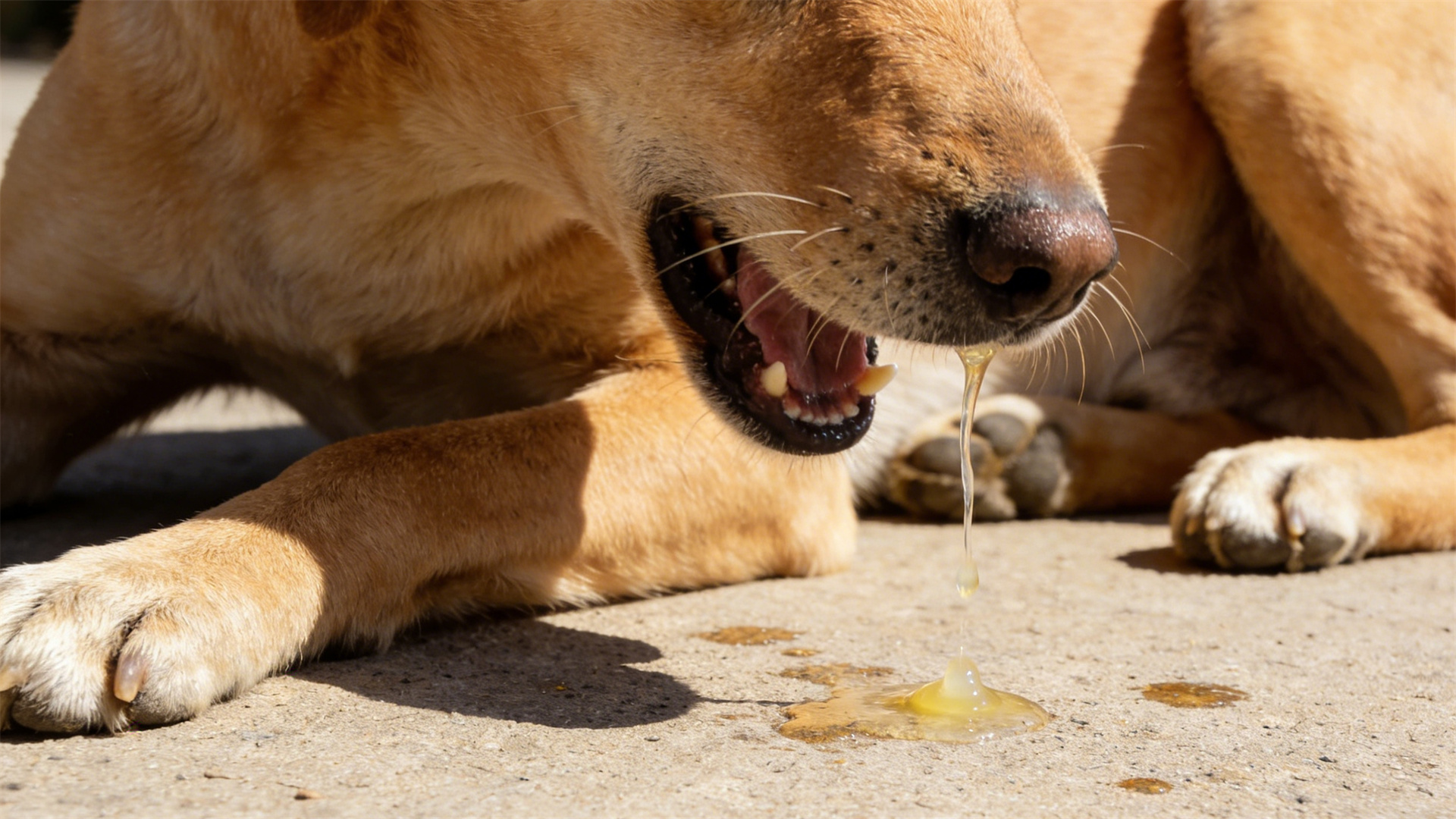
An isolated incident may result from dietary indiscretion, but recurrent episodes are a major red flag. Vomiting or diarrhea, particularly if bloody, projectile, or accompanied by mucus, can indicate anything from a gastrointestinal bug to a deadly virus like parvovirus. It leads to rapid dehydration and electrolyte imbalance, which is especially dangerous for puppies and small breeds.

🧠 6. Behavioral Changes

Often overlooked, these are subtle but telling. Uncharacteristic irritability, aggression, hiding, constant pacing, or excessive sleepiness can signal that your dog is in pain or feeling profoundly unwell. A dog with Lyme disease, for instance, may exhibit joint pain manifesting as reluctance to move or being sensitive to touch.
Early warning of infectious diseases

🛡️ Proactive Prevention: Building a Health Shield

While dog disease early detection is crucial, prevention is the ultimate goal. A multi-layered approach is most effective.

Core Vaccination: This is non-negotiable. Follow your veterinarian's protocol for DHPP (Distemper, Hepatitis, Parainfluenza, Parvovirus), Rabies, and other regionally advised vaccines like Leptospirosis or Bordetella.
Parasite Control: Use year-round preventatives for fleas, ticks, and heartworms. Ticks are vectors for diseases like Lyme disease, making prevention key for Lyme disease early detection in dogs a moot point.
Nutrition & Hygiene: A balanced diet supports a robust immune system. Provide fresh water daily and wash food/water bowls regularly. Limit contact with unknown or sick dogs and avoid high-risk areas like dog parks if there are local outbreaks.
Routine Veterinary Exams: Biannual check-ups allow for canine health monitoring through blood work and physical exams, often catching issues before symptoms arise.

Early warning of infectious diseases

💎 Conclusion: Your Awareness Saves Lives

Special Reminder: If you observe any of the early warning signs described—especially in clusters or worsening over 24 hours—contact your veterinarian immediately. Do not wait to see if it "gets better." Describe the symptoms clearly, noting their onset and progression. Your prompt action is the single greatest factor in safeguarding your dog's health, preventing the spread of contagious diseases, and ensuring many more happy, healthy years together. In the world of infectious disease prevention for dogs, an informed and attentive owner is the ultimate first line of defense.

Next Article→
Advertisement

Found this article helpful?

Share it with more new dog owners and raise pets scientifically together.

You May Have Missed

Omega-3 Deep Choice: Fish Oil, Krill Oil, or Algae Oil?
Healthy

Omega-3 Deep Choice: Fish Oil, Krill Oil, or Algae Oil?

As a devoted dog owner, you want to provide the very best for your furry family member. When it comes to nutritional supplements, Omega-3 fatty acids consistently top the list of veterinarian-recommended additions. These essential fats, specifically EPA (eicosapentaenoic acid) and DHA (docosahexaenoic acid), are powerhouse nutrients that support nearly every system in your dog's body. From nurturing a glossy coat and calming itchy skin to promoting healthy joint mobility and supporting cognitive function, the benefits are profound and well-documented. But walk down the supplement aisle or browse online, and you're faced with a choice: Fish Oil, Krill Oil, or Algae Oil? This isn't just a matter of preference; the source can impact efficacy, sustainability, and suitability for your dog's specific needs. Let's dive deep into the science and practicalities to help you make the most informed Omega-3 for dogs decision.

Resource competition pressure in multi-dog households: How to alleviate long-term social stress in dogs
Healthy

Resource competition pressure in multi-dog households: How to alleviate long-term social stress in dogs

You come home to your two dogs, and instead of a joyful, wiggling greeting, you're met with a subtle tension. One dog is on the couch, stiffening as the other walks by. The younger dog quickly grabs a toy and scurries to another room when the older one glances over. There's no growling, no fights—just a quiet, palpable strain in the air. This is the often-overlooked reality of resource competition in a multi-dog household, and it extends far beyond squabbles over food bowls. Resources include prime sleeping spots, your attention, doorways, and even a clear path to walk through a room. When dogs live in a state of low-grade, perpetual negotiation for these assets, it leads to long-term social stress, a serious health and welfare issue that can manifest in behavioral and physical decline. The good news? This guide provides actionable, evidence-based strategies to transform your home into a more peaceful, predictable, and low-stress environment for every canine member of your family.

Health signals from between the toes: Thorough prevention and intervention for interdigital dermatitis
Healthy

Health signals from between the toes: Thorough prevention and intervention for interdigital dermatitis

You’ve seen it a hundred times: your beloved dog curled up, intently focused on licking or chewing at their paws. It might seem like a harmless, quirky habit. But what if that persistent nibbling is a distress signal, a plea for help written in the language of discomfort? The spaces between your dog’s toes—the interdigital spaces—are more than just gaps; they are sensitive, vital health monitors. Ignoring their signals can lead your pet down a path of pain and chronic infection. This guide will empower you to become an expert in recognizing, preventing, and tackling interdigital dermatitis, one of the most common yet misunderstood canine ailments.

Dog sun protection information: How to prevent skin cancer during outdoor activities in summer?
Healthy

Dog sun protection information: How to prevent skin cancer during outdoor activities in summer?

The sun is shining, the trails are calling, and your canine companion is eagerly waiting by the door. Summer is the season for adventure, but as responsible pet parents, we often lather ourselves in sunscreen while overlooking a critical danger for our four-legged friends. The sun's powerful ultraviolet (UV) rays pose a significant threat to your dog's health, capable of causing painful sunburns and, more alarmingly, increasing the risk of developing skin cancers. Proactive, informed sun protection is not an optional extra—it's an essential component of modern, preventative canine healthcare. This comprehensive guide will equip you with the knowledge and strategies to safeguard your dog, ensuring your summer memories are filled with nothing but joy and good health.

2026 Canine Nutrition Standards: The Golden Ratio of Protein, Fat, and Carbohydrates
Healthy

2026 Canine Nutrition Standards: The Golden Ratio of Protein, Fat, and Carbohydrates

Canine nutrition is undergoing a revolution. Gone are the days of one-size-fits-all kibble. As research accelerates, we're moving from simply feeding dogs to precision-nourishing them. The question for discerning dog owners and forward-thinking professionals is no longer just "what to feed," but what precise nutritional architecture will optimize health, longevity, and vitality in the years to come. Enter the forward-looking 2026 canine nutrition standards, centered on a refined, dynamic macronutrient balance known as the Golden Ratio. This isn't a fleeting trend; it's the scientific culmination of decades of research, pointing toward a future of personalized canine wellness.

At-home eye care: How to properly use eye wash to relieve tear stains
Healthy

At-home eye care: How to properly use eye wash to relieve tear stains

If you're a dog parent, you've likely seen those rusty-red streaks under your furry friend's eyes. Tear stains are a common Grooming concern, but they can also be a window into your dog's health. While countless wipes and potions promise miracles, the cornerstone of effective management is a simple, vet-approved canine eye wash and a proper technique. This comprehensive guide will empower you with the knowledge and step-by-step process for safe, effective at home dog eye care, turning a potentially stressful task into a bonding ritual that promotes comfort and ocular health.