Let's be honest: does your dog's breath smell like a garbage truck on a hot day? 🚚💨 You're not alone. But here's the real question—are you dismissing that foul odor as just "dog breath," or are you recognizing it as the first red flag of a serious health issue? Oral health management for dogs isn't just about fresh kisses; it's a critical pillar of your pet's overall longevity and vitality. In this definitive guide, we'll walk you through everything, from daily dog dental hygiene routines to knowing when it's time for a professional veterinary dental care visit. Ready to transform your dog's dental health? Let's dive in!
🐾 Why Canine Dental Care Is Non-Negotiable
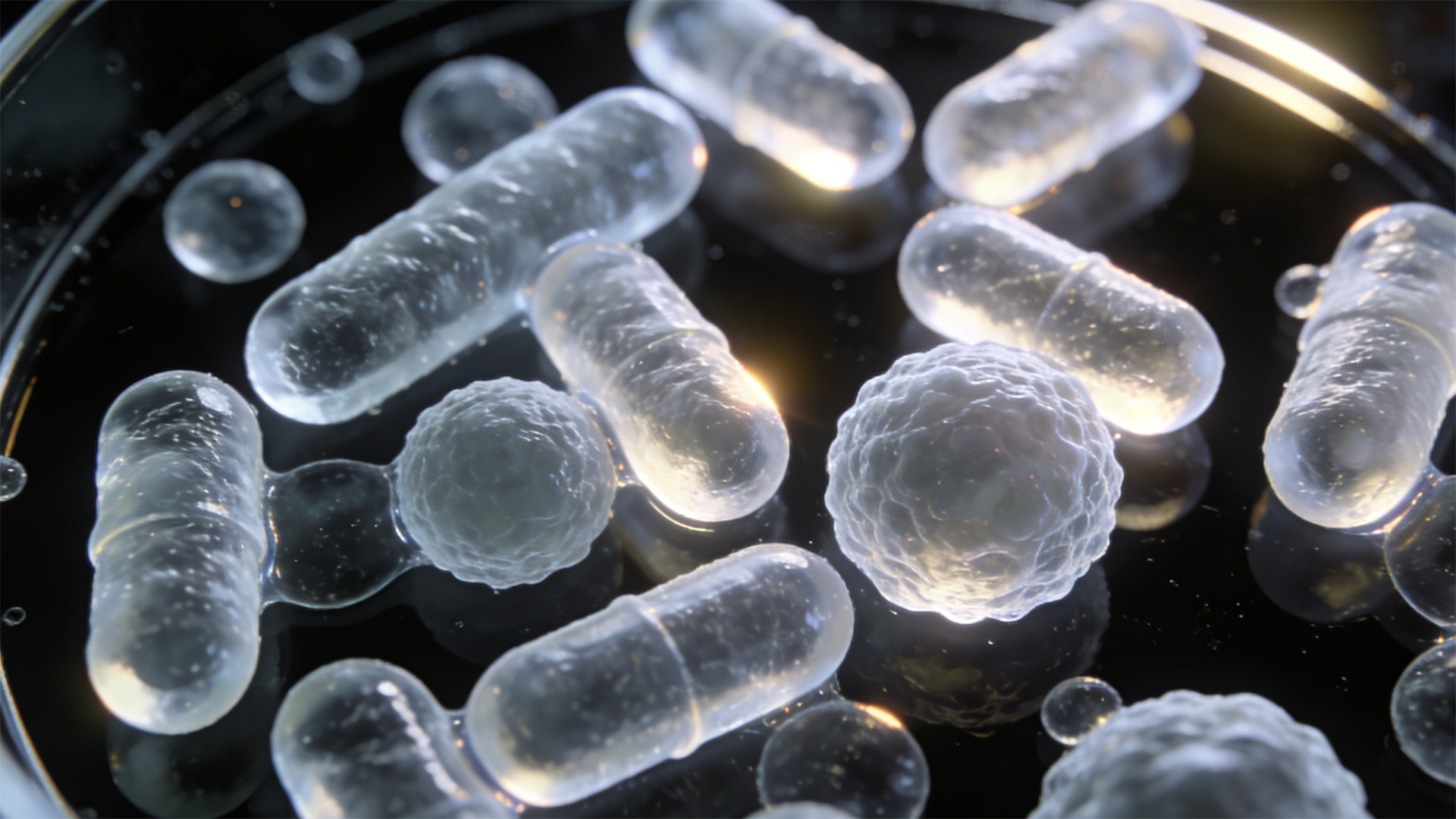
Think of your dog's mouth as a gateway. Poor oral health management doesn't stay in the mouth. Bacteria from plaque and tartar can enter the bloodstream, traveling to vital organs like the heart, liver, and kidneys. This can lead to life-threatening conditions. Canine periodontal disease affects over 80% of dogs by age three, making it the most common clinical condition in adult dogs. The stakes are high, but the good news? It's largely preventable with consistent canine dental care.
⚠️ The Silent Symptoms: What to Watch For
Your dog won't tell you their gums hurt. You have to be a detective. Watch for these dog gum disease symptoms:
Bad breath in dogs (Halitosis): The most common early sign. It's not normal!
Visible Tartar: Yellow or brown crust on teeth, especially near the gumline.
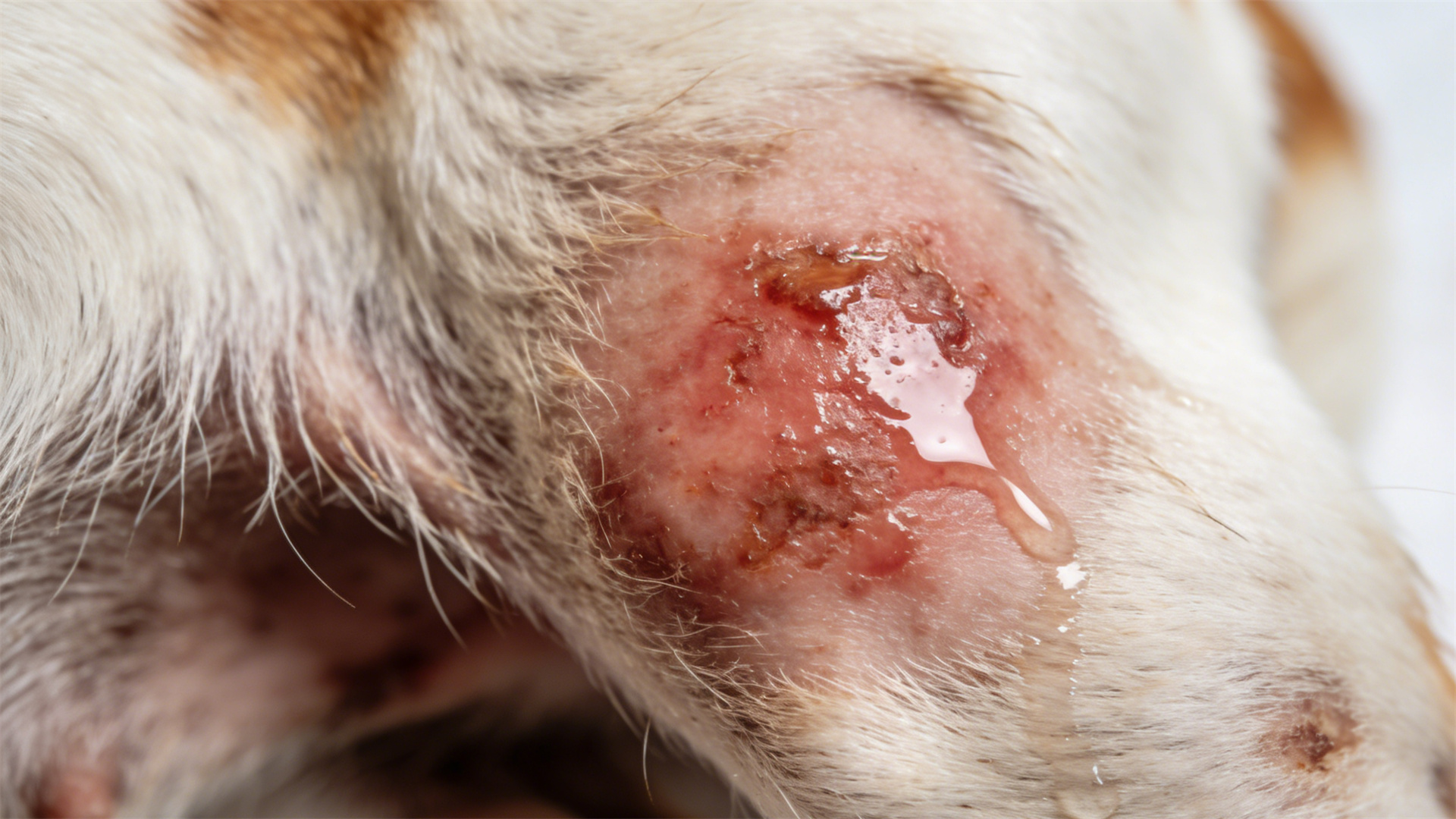
Red, Swollen, or Bleeding Gums: A clear sign of gingivitis.
Difficulty Chewing or Dropping Food: They might favor one side or seem uncomfortable.
Pawing at the Mouth or Facial Swelling: This indicates pain or possible abscesses.
Loose or Missing Teeth: A severe stage of periodontal disease.
🪥 Your Dog's Daily Defense: The At-Home Oral Hygiene Routine
Consistency is your secret weapon. An effective dog oral hygiene routine is the frontline of defense against plaque, the sticky film that hardens into tartar within 24-48 hours. Yes, that means you have a very short window!
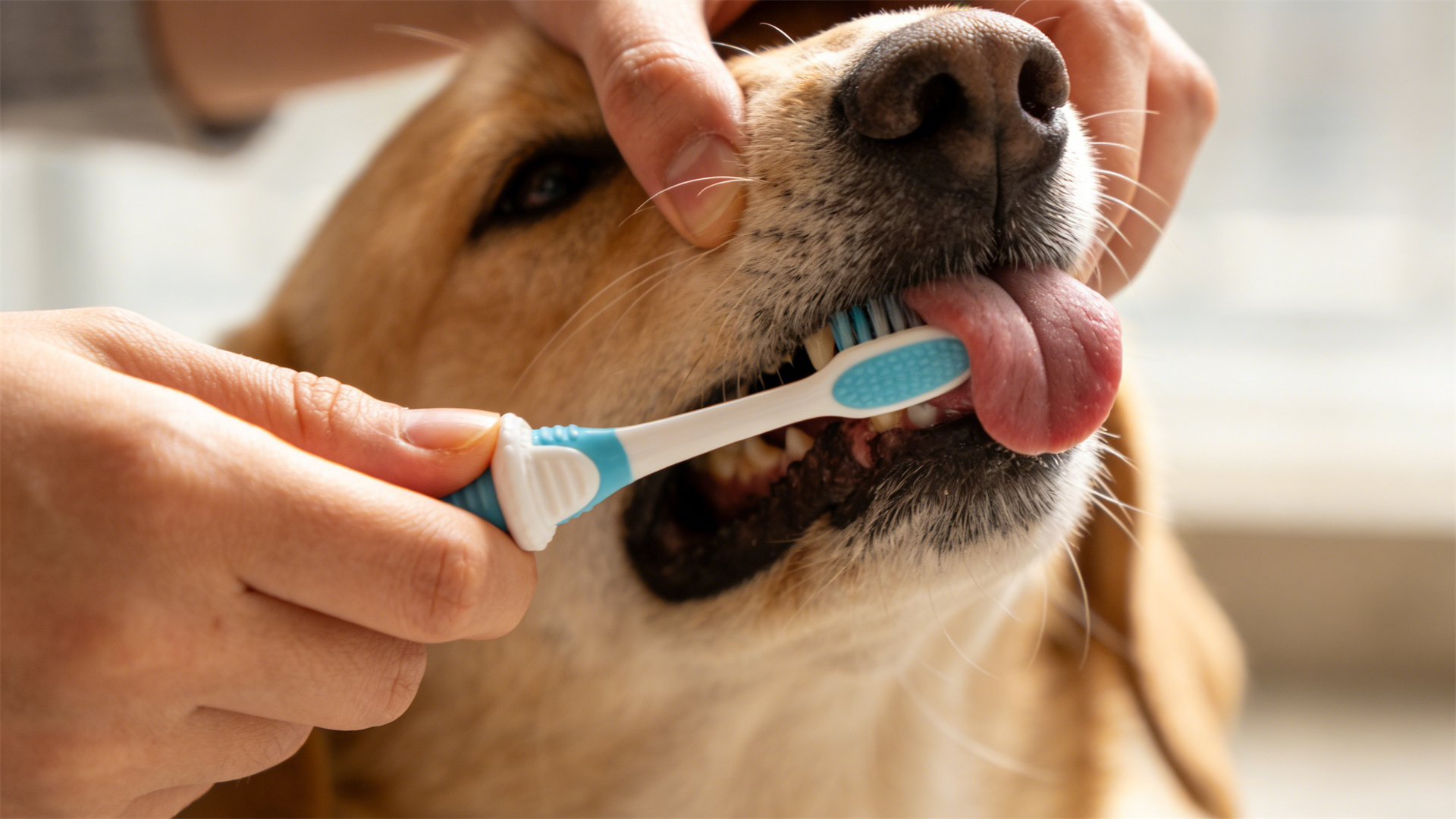
Mastering Dog Teeth Brushing Tips
It's the gold standard. If you can brush daily, you're a superstar. Here’s how:
1. The Right Tools: Use a dog-specific toothbrush (finger brushes work great for beginners) and veterinary-approved toothpaste. Never use human toothpaste—it contains fluoride and xylitol, which are toxic to dogs.
2. The Introduction Process: Start slow. Let them taste the tasty paste (poultry flavor, anyone?). Gradually rub your finger on their teeth and gums.
3. The Technique: Lift the lip, brush at a 45-degree angle to the gumline, and use gentle circles. Focus on the outer surfaces where plaque accumulates most. Celebrate with praise and treats!
Beyond the Brush: Supplemental Dog Dental Care at Home
Brushing isn't the only tool in your kit. Think of these as helpful reinforcements:
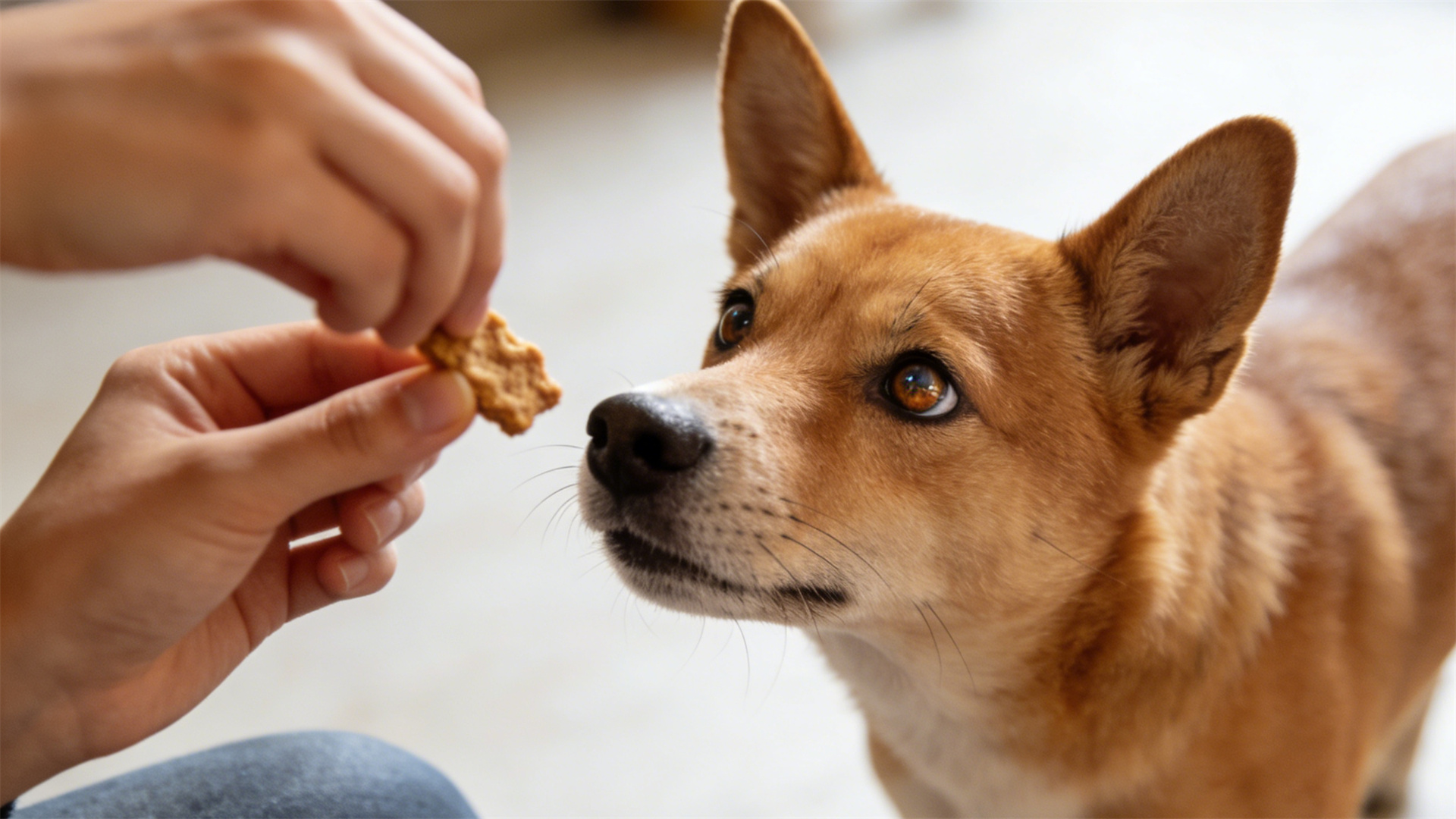
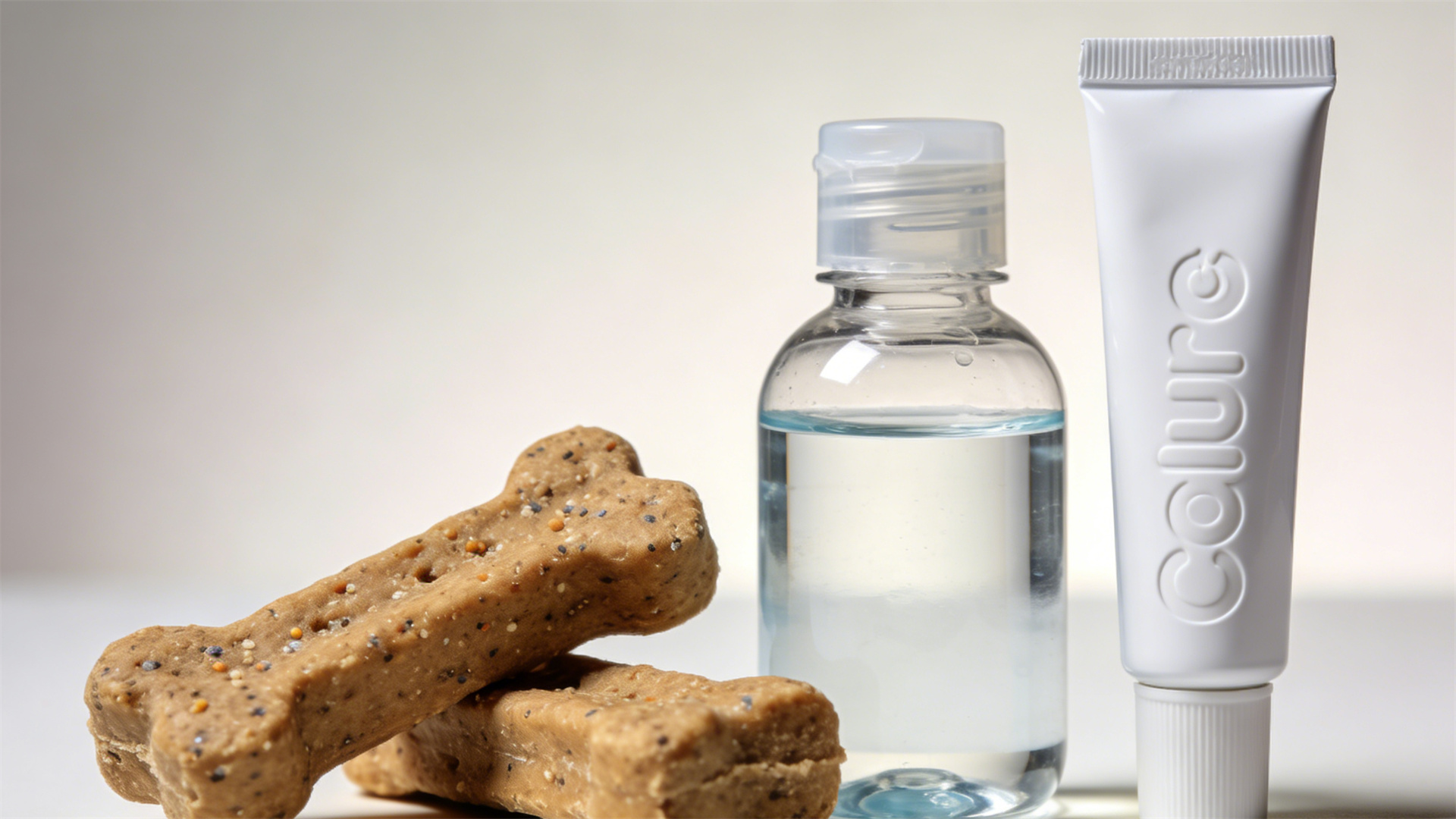
Dog Dental Treats & Chews: Look for products with the VOHC (Veterinary Oral Health Council) seal. These are scientifically proven to reduce plaque and tartar. They are treats, not miracles—factor the calories into their diet!
Dog Dental Health Products: Water additives, dental gels, and dental wipes can help, especially for dogs who absolutely refuse the brush. They are supplements, not replacements.
Natural Dog Dental Care: Some advocate for raw, meaty bones or specific crunchy vegetables. Consult your vet first, as bones can fracture teeth and pose choking risks.

👩⚕️ The Professional Power Play: Veterinary Dental Care for Dogs
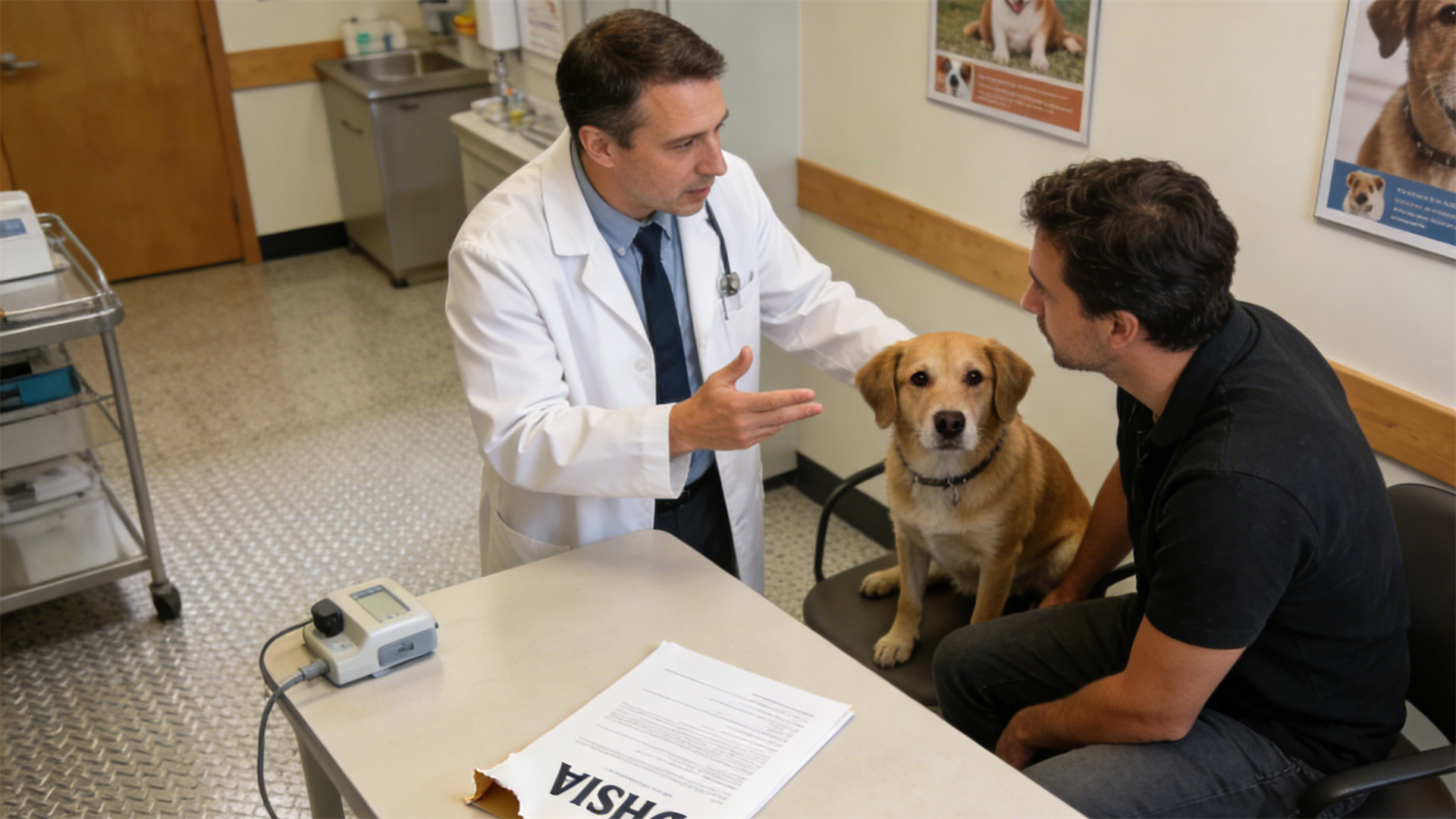
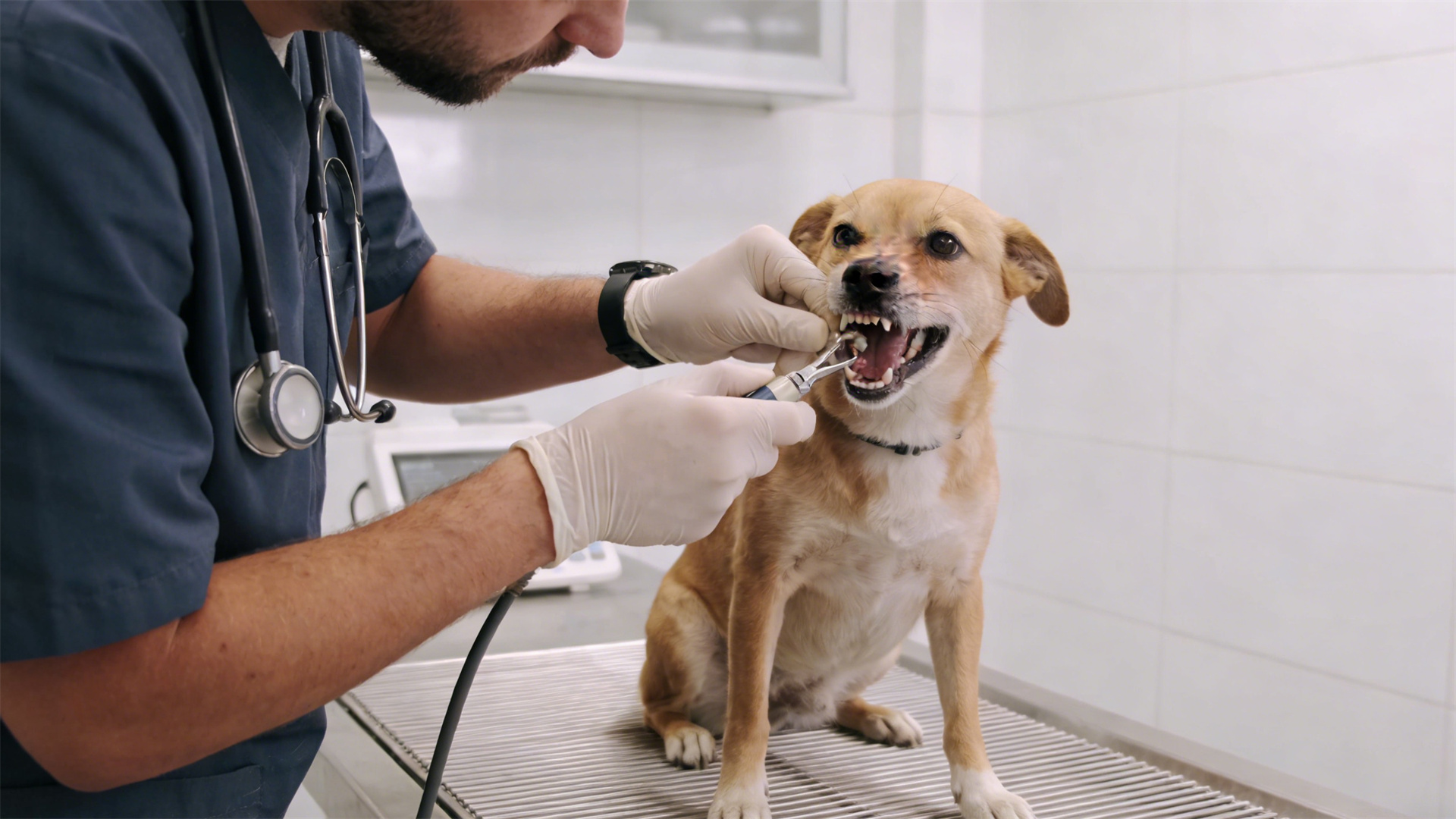
No matter how diligent you are, some tartar will require professional removal. A professional dog teeth cleaning is a medical procedure performed under anesthesia. This allows for a thorough examination (including under the gumline with dental X-rays) and a complete dog plaque removal and scaling.
What Happens During a Professional Cleaning?
Understanding the process eases anxiety. It involves:
Pre-anesthetic Bloodwork: Ensures your dog is healthy for anesthesia.
Safe Anesthesia: Allows for a pain-free, stress-free procedure and protects the airway.
Comprehensive Oral Exam & X-rays: Up to 60% of a tooth's disease is below the gumline—only X-rays can reveal this.
Scaling & Polishing: Removes tartar from all surfaces and polishes to smooth the enamel.
Treatment Planning: If dog tooth decay or periodontal disease is found, your vet will discuss extractions or other treatments.
🔍 Building a Lifetime of Healthy Smiles: Prevention & Routine Checks
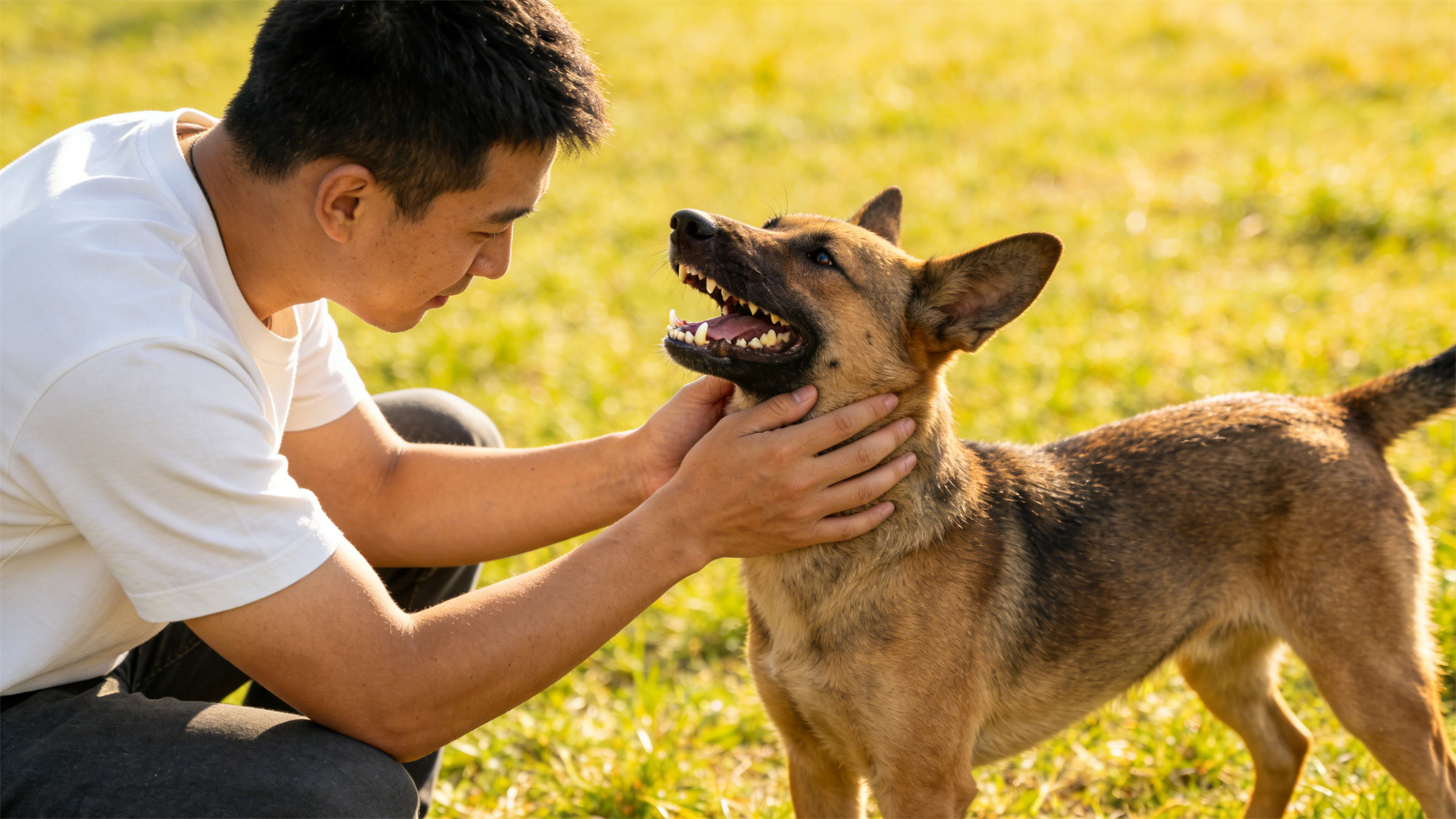
Oral health checks for dogs should be a regular part of your life. Make it a habit to peek in their mouth weekly during cuddle time. Schedule annual veterinary exams where the mouth is assessed. This proactive approach is the core of effective oral health management and canine tooth decay prevention.
Your Action Plan Recap:
: Daily: Brush if possible, use approved dental aids.
: Weekly: Perform a quick visual oral check.
: Annually: Get a professional veterinary oral exam.
: As Recommended: Schedule professional cleanings based on your vet's assessment.
🎯 Your Dog's Health Starts Here: Take Action Today!
You now hold the blueprint for exceptional oral health management for dogs. From understanding the dangers of canine periodontal disease to mastering daily brushing techniques, you're empowered to make a profound difference. That "dog breath" can become a thing of the past, replaced by a healthier, happier, and potentially longer life for your furry family member.
🌟 Special Reminder: Knowledge is power, but action creates change. Don't let this information sit idle. The single most important step you can take right now is to schedule a professional veterinary dental checkup for your dog. Your vet can provide a personalized baseline and plan. And for more insightful tips on canine dental care, nutrition, and wellness, sign up for our newsletter below! Let's commit to giving our dogs the healthy, pain-free smiles they deserve. 🐕💖
-->