For years, the dog food aisle was a battleground of grain-free diet dogs versus traditional formulas, fueled by fears and trends. Today, the grain controversy dogs have endured is largely settled by science, shifting our focus from elimination to inclusion. The real question isn't about grains per se, but about ensuring all dogs, especially certain breeds, receive optimal dietary fiber for dogs. This article delves into why canine dietary fiber is non-negotiable for health, how needs vary by breed, and how to provide it wisely.

📜 From Fear to Facts: The History of the Grain Controversy
The great grain debate erupted from a perfect storm of well-intentioned but misinterpreted information. It began with the rise of grain-free diet dogs trends, often linking grains to allergies and fillers. However, comprehensive studies, including those from the FDA and veterinary colleges, have clarified that true food allergies in dogs are far more commonly linked to animal proteins (like beef or dairy) than grains. The controversy was further fueled by concerns over Dilated Cardiomyopathy (DCM) in dogs on some grain-free diets, but the issue is now understood to be more about formulation—specifically, the lack of certain nutrients or use of specific legumes—rather than the absence of grains itself. This evolution from fear to facts underscores that a balanced diet, rich in essential nutrients like fiber, is key, regardless of grain content.
🔬 The Scientific Consensus Today
Modern veterinary nutrition emphasizes that healthy digestion dogs require a diet tailored to their life stage, activity level, and breed. Grains like brown rice, oats, and barley are valuable sources of soluble insoluble fiber dogs need, but they are not the only source. The end of the controversy means we now focus on dog breed nutrition as a whole, ensuring adequate fiber from high-quality ingredients, whether the diet includes grains or is grain-free.
🌾 The Unsung Hero: The Role of Dietary Fiber in Canine Health
Dietary fiber for dogs is a carbohydrate that resists digestion in the small intestine, reaching the colon largely intact. It's categorized into two main types, each with unique benefits for dog digestive health.
💧 Soluble vs. Insoluble Fiber: A Dynamic Duo
Soluble fiber (e.g., from pumpkin, sweet potato, psyllium) dissolves in water, forming a gel that slows digestion, helps regulate blood sugar, and binds to cholesterol. Insoluble fiber (e.g., from cellulose in vegetables, brown rice) adds bulk to stool, promoting regular bowel movements and preventing constipation. A balance of both is crucial for healthy digestion dogs.
📊 Key Benefits Backed by Science
- Optimal Digestive Function: Fiber fosters a healthy gut microbiome, acting as a prebiotic for beneficial bacteria. Studies show dogs on adequate fiber diets have lower risks of colitis and diarrhea.
- Weight Management: High-fiber foods are less energy-dense, promoting satiety. This is pivotal for managing dog weight with fiber, especially in prone breeds.
- Anal Gland Health: Firm, bulky stool helps naturally express anal glands during defecation, reducing impaction risks.
- Metabolic Support: Soluble fiber can help manage diabetes by slowing glucose absorption, and some fibers aid in liver function by binding toxins.
🐾 One Size Doesn't Fit All: Breed-Specific Nutritional Requirements
This is where the concept of breed specific dog nutrition becomes critical. Why do some dogs need more fiber? Genetics, size, metabolism, and predisposition to certain conditions all play a role. Here’s a breakdown of dog breeds need fiber tailored to their unique profiles.
🏋️ Fiber for Large Breed Dogs: The Giants' Needs
Large and giant breeds like Great Danes, German Shepherds, and Labrador Retrievers are often prone to bloat (GDV), obesity, and joint issues. A diet with moderate, fermentable fiber (like beet pulp or chicory root) can support gastrointestinal motility and help prevent rapid eating, a bloat risk factor. For weight control, a fiber content of 5-10% on a dry matter basis is often recommended to keep them full without excess calories.
🐕 Fiber for Small Breed Dogs: The Tiny Powerhouses
Small breeds like Yorkshire Terriers, Chihuahuas, and Dachshunds have faster metabolisms but are also susceptible to dental issues and hypoglycemia. They benefit from soluble insoluble fiber dogs mix to maintain stable blood sugar levels. Additionally, small breeds often have anal gland problems, so adequate insoluble fiber from sources like finely chopped greens is key for stool bulk.
🎯 Special Cases: Breeds with Specific Health Predispositions
- Bulldogs & Pugs (Brachycephalic Breeds): Prone to obesity and digestive gas. Increased soluble fiber from best sources of fiber for dogs like psyllium can improve gut health and reduce flatulence.
- Border Collies & Australian Shepherds (Working Breeds): High energy demands require easily digestible diets. Fiber aids in sustained energy release and prevents liver stress from protein overload.
- Senior Dogs of Any Breed: Often need more fiber to combat constipation and support kidney function, as aging slows digestion.

🍎 Practical Feeding Tips: How to Incorporate Fiber Intelligently
Knowing how much fiber does my dog need is the first step. Generally, a healthy dog's diet should contain between 2% and 10% crude fiber on a dry matter basis, but this varies. Always transition any dietary change gradually over 7-10 days to avoid upset.
📈 Choosing the Right Dog Food with Fiber
Look for commercial foods that list specific, high-quality fiber sources like oats, pumpkin, sweet potato, flaxseed, or chicory root—not just "cellulose" or "powdered cellulose" as primary sources. For grain free and fiber for dogs, excellent options include formulas with lentils, peas (in moderation), and tapioca. Remember, the Special Reminder: High-protein, low-fiber diets are not suitable for all dogs and may strain the kidneys in susceptible individuals.
🥕 Top Whole Food Additions for Fiber
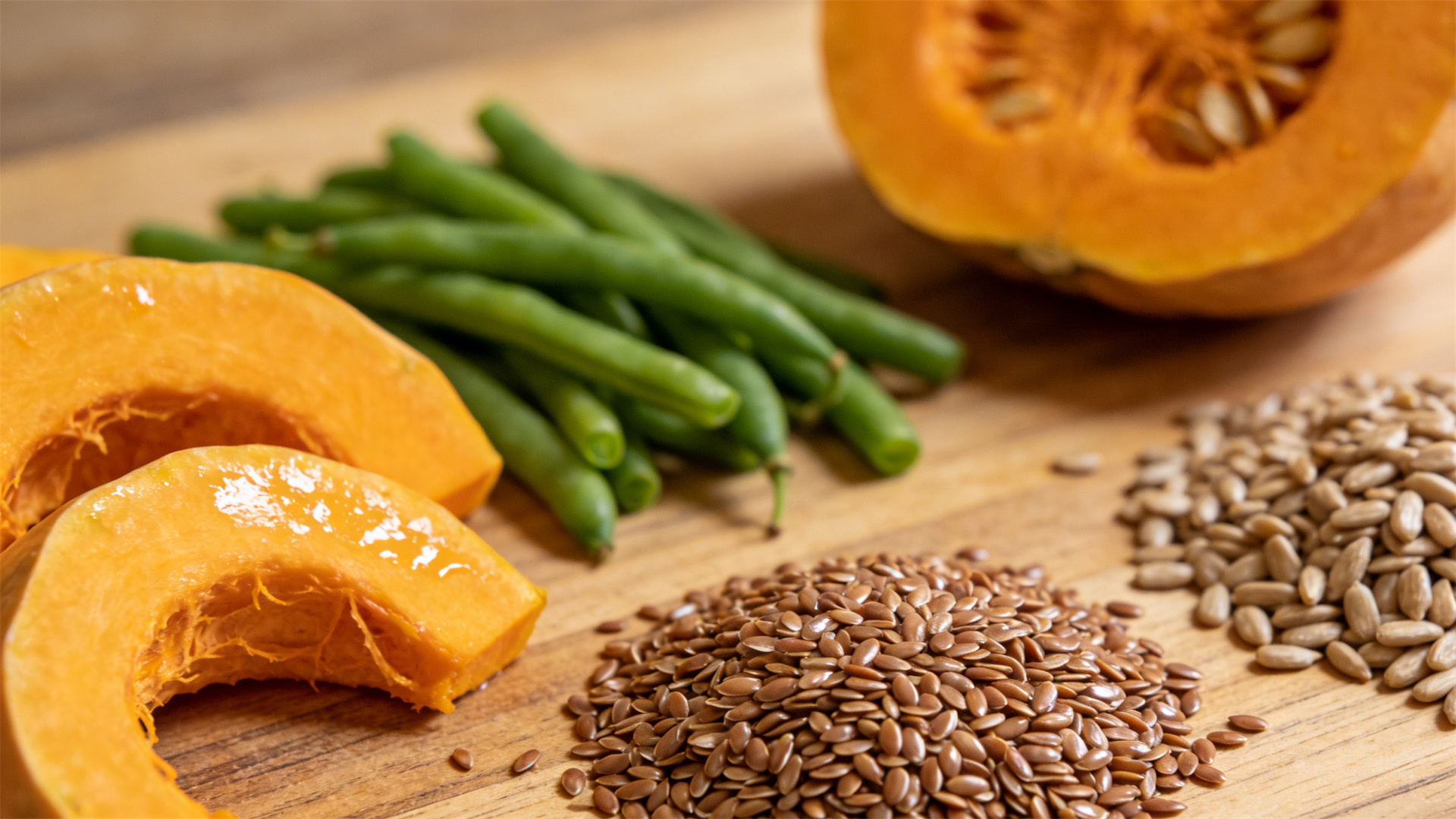
- Pumpkin (Canned, Pure): A superb source of soluble fiber; 1 teaspoon per 10 lbs of body weight daily can aid digestion.
- Green Beans: Low-calorie, rich in insoluble fiber; perfect for managing dog weight with fiber.
- Flaxseed (Ground): Provides both fiber and omega-3s; sprinkle a quarter teaspoon on food for small dogs.
- Apples (No Seeds): Offer pectin, a soluble fiber; a few small slices make a great treat.
⚠️ Common Pitfalls to Avoid
Too much fiber too quickly can cause gas, bloating, or nutrient malabsorption. Avoid giving dogs high-fat, high-fiber human foods like avocado. Always ensure fresh water is abundant, as fiber absorbs water in the gut.

✨ Conclusion: Key Takeaways for a Thriving Canine Companion
The grain controversy has rightly faded, making room for a nuanced understanding of canine dietary fiber. Whether you choose a grain-inclusive or grain-free diet dogs formula, ensuring adequate, quality fiber is essential for dog digestive health, weight management, and overall vitality. By recognizing the breed specific dog nutrition needs and incorporating the best fiber for dogs from appropriate sources, you empower your dog to live a healthier, happier life.