
You May Have Missed

Benefits of positive reinforcement training for the nervous system: Why does physical punishment lead to chronic diseases in dogs?
Every choice you make in training your dog echoes through their entire body, influencing not just their behavior but their lifelong physical health. The question is no longer simply about "what works," but about what biologically builds a robust, resilient companion or a chronically stressed, susceptible patient. This article delves into the profound science behind why positive reinforcement training fosters wellness and how methods based on physical punishment can plant the seeds for chronic diseases in dogs.

Canine hypothyroidism: Why is your dog getting fat even though it eats little?
Have you noticed your dog packing on pounds despite cutting back on treats and meals? You're not alone. Many dog owners struggle with unexplained weight gain in dogs, feeling frustrated and concerned. The culprit might be a hidden hormonal imbalance: canine hypothyroidism. This common endocrine disorder sneaks up, often mistaken for simple aging. This article will explore how a sluggish thyroid can cause your dog to gain weight while eating little, and guide you through understanding, diagnosing, and managing this condition. We will cover the definition of hypothyroidism, its symptoms beyond weight gain, causes, diagnosis process, treatment options, and daily management tips. Your journey to helping your dog feel like themselves again starts here.

The perfect temperature for dog bath water: scientific advice for protecting the skin's natural oil layer.
For many dog owners, bath time is a routine chore—a necessary step in the journey of pet parenthood. We lather, we rinse, we dry, hoping for a cleaner, fresher-smelling companion. Yet, nestled within this simple ritual is a critical variable that often goes overlooked: the temperature of the water. Far from being a minor detail, the water temperature you choose is a pivotal factor in your dog’s dermatological health. Using water that is too hot can be as damaging as neglecting the bath altogether, stripping away the very foundation of healthy skin. This guide delves into the scientific rationale behind the perfect bath water temperature, offering actionable advice to transform bath time from a potential hazard into a cornerstone of proactive canine wellness.

Clinical Nutrition Guidelines
Navigating the world of dog food is complex, but when your dog faces a health challenge, nutrition transforms from a matter of sustenance to a powerful component of medical therapy. This article delves into the specialized realm of canine clinical nutrition—a field where food is meticulously formulated as a tool to manage, mitigate, and sometimes even help treat specific diseases. Our goal is to translate veterinary science into clear, actionable guidance, empowering you to become an informed partner in your dog's healthcare journey. Clinical nutrition is not about the latest trend; it's about targeted, evidence-based dietary intervention.

Peritonitis and Sepsis: First Aid and Post-Ingestion Health Management for Dogs
In the world of canine emergencies, few situations are as stealthy and devastating as peritonitis and its deadly progression to sepsis. These conditions represent a cascade of internal catastrophe where every minute counts. Peritonitis is a severe, often painful inflammation of the abdominal lining, typically caused by a rupture or infection. Sepsis is the body's overwhelming and life-threatening response to that infection, which can spiral into septic shock, organ failure, and death with terrifying speed. This guide is your crucial resource. Its purpose is to arm you, the devoted dog owner, with the knowledge to recognize the early warning signs, administer stabilizing first aid, and navigate the critical path of post-veterinary care to give your beloved companion the best chance at survival.
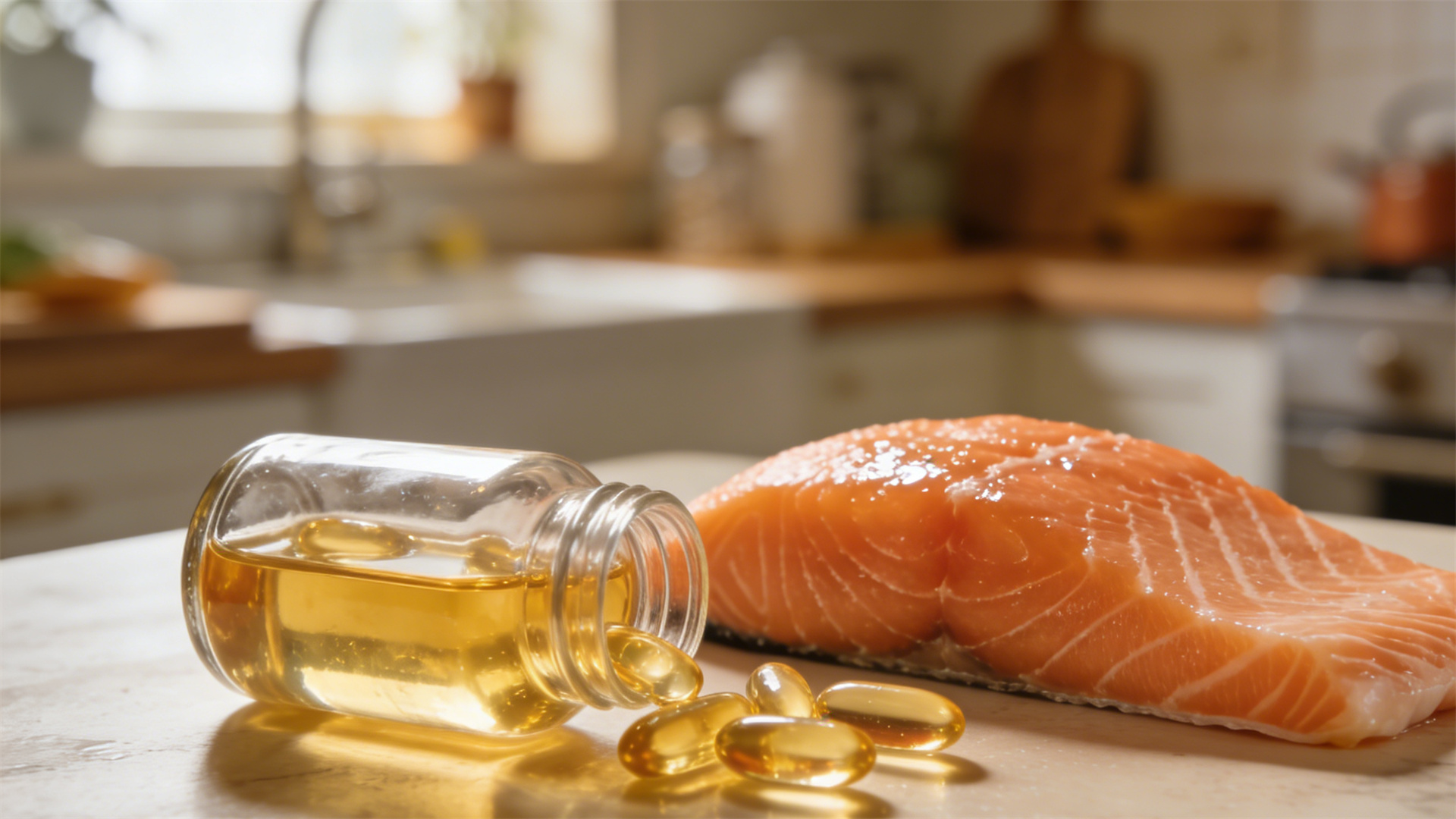
Omega-3 Deep Choice: Fish Oil, Krill Oil, or Algae Oil?
As a devoted dog owner, you want to provide the very best for your furry family member. When it comes to nutritional supplements, Omega-3 fatty acids consistently top the list of veterinarian-recommended additions. These essential fats, specifically EPA (eicosapentaenoic acid) and DHA (docosahexaenoic acid), are powerhouse nutrients that support nearly every system in your dog's body. From nurturing a glossy coat and calming itchy skin to promoting healthy joint mobility and supporting cognitive function, the benefits are profound and well-documented. But walk down the supplement aisle or browse online, and you're faced with a choice: Fish Oil, Krill Oil, or Algae Oil? This isn't just a matter of preference; the source can impact efficacy, sustainability, and suitability for your dog's specific needs. Let's dive deep into the science and practicalities to help you make the most informed Omega-3 for dogs decision.