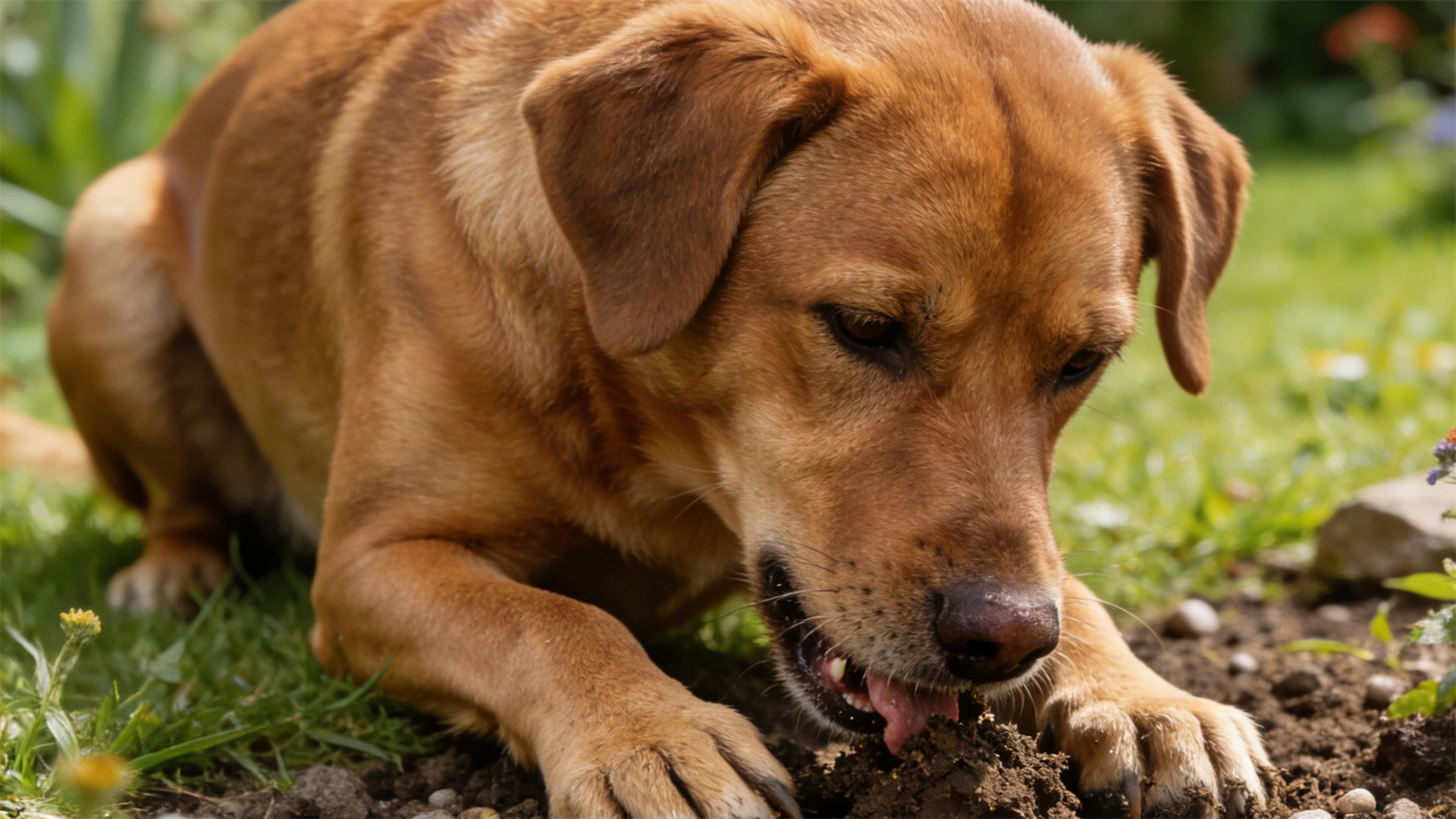
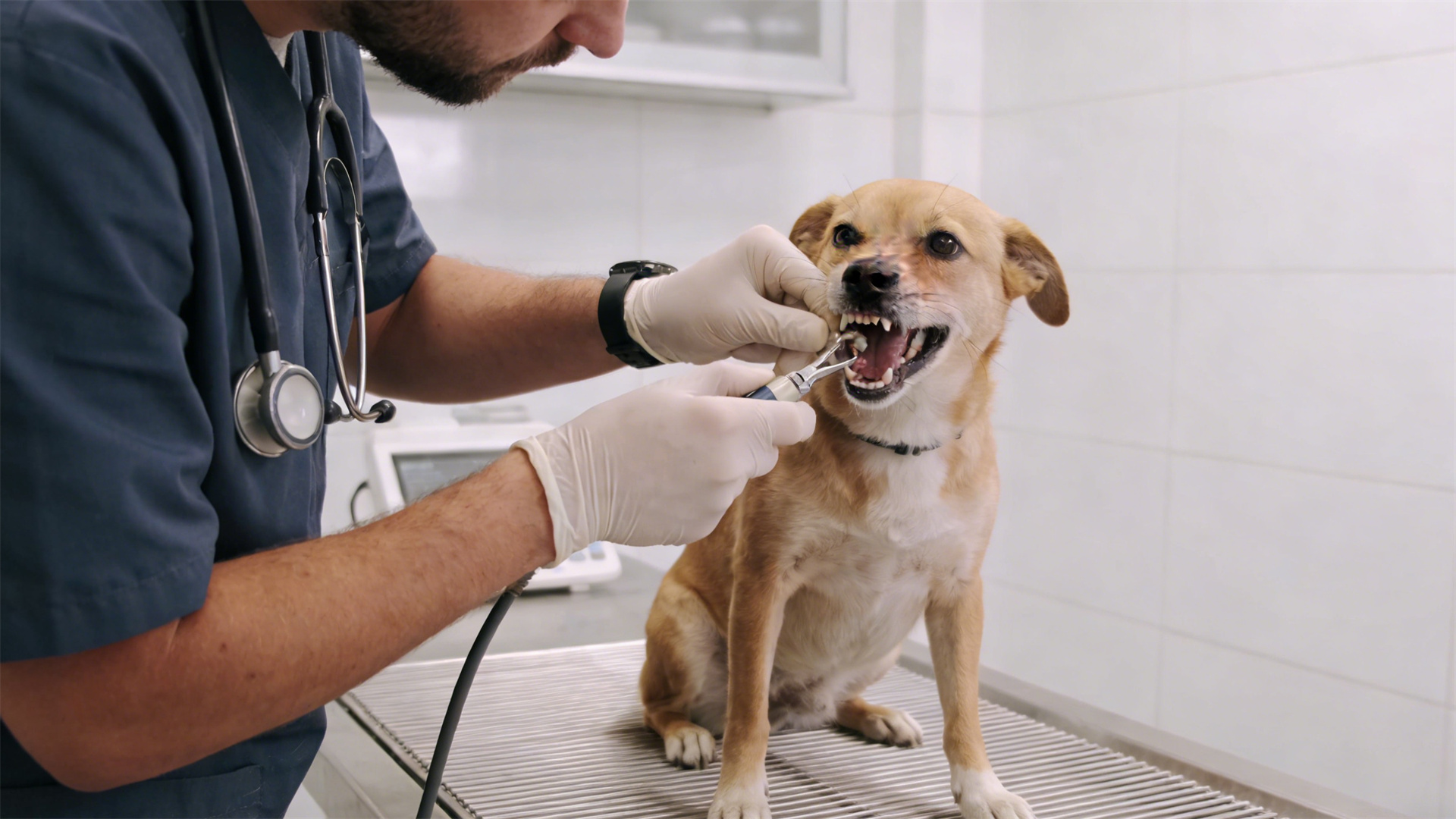
If you're here, you've likely been on the less glamorous end of dog ownership. You're not just a pet parent. You're a poop detective. The sight of a soft, unformed stool where a firm, healthy one should be is a common but frustrating concern. Before you spiral into worry about serious illness or dietary dead-ends, take a deep breath. More often than not, the answer lies not in a dramatic medication, but in the microscopic world within your dog's digestive tract. The solution is often about nurturing balance. This article will guide you through the practical, actionable science of your dog's gut health. We will demystify the canine gut microbiota and explain exactly how two powerful tools—probiotics and prebiotics—can work together to transform your dog's digestion and finally firm up those stools.
🦠 Section One: The Canine Gut Microbiota Explained – Your Dog's Inner Ecosystem
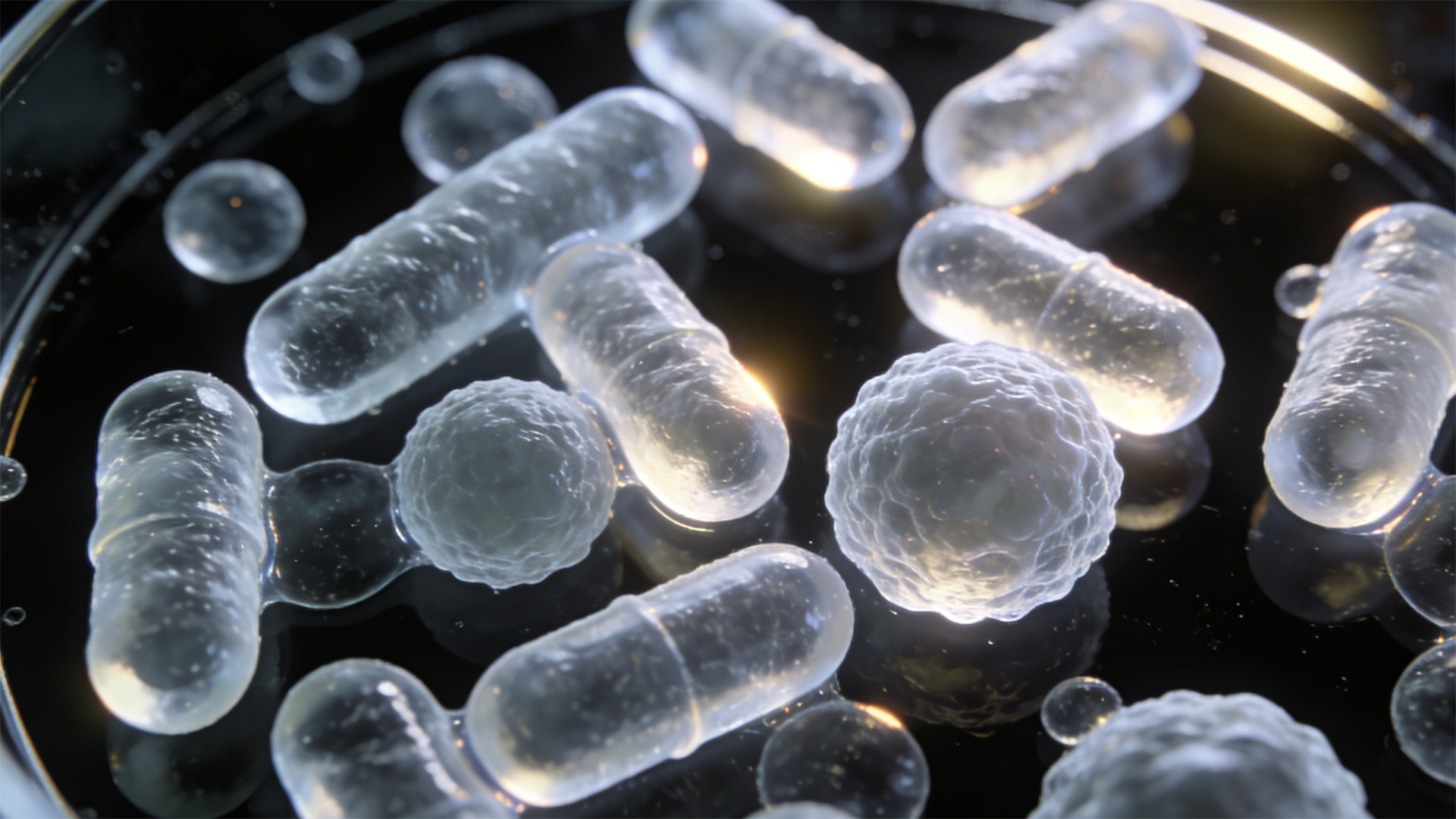
Think of your dog's gut, particularly the large intestine, as a bustling, diverse garden. This garden is the canine gut microbiota: a complex community of trillions of bacteria, fungi, and other microorganisms. This isn't a passive entity. It's a vital, working organ essential for your dog's overall health.
This microbial community has several critical jobs. It aids in breaking down food fibers your dog can't digest on its own. It produces essential vitamins. It plays a massive role in training and supporting the immune system. Perhaps most importantly for our topic, it helps maintain the integrity of the gut lining and regulates the water content in the colon, which is directly responsible for stool consistency.
When this community is in balance, digestion is smooth, nutrients are absorbed efficiently, and stools are firm. However, stress, a sudden diet change, antibiotics, illness, or a poor-quality diet can disrupt this delicate balance. This imbalance is called dysbiosis. In dysbiosis, harmful microbes can outnumber beneficial ones, leading to inflammation, poor nutrient absorption, and—you guessed it—soft stools or diarrhea. Restoring this balance is the cornerstone of solving chronic soft stool issues.
Key Takeaway
A healthy gut microbiota is non-negotiable for firm stools. Dysbiosis is a common root cause of digestive upset.
💪 Section Two: Probiotics. The Reinforcements.
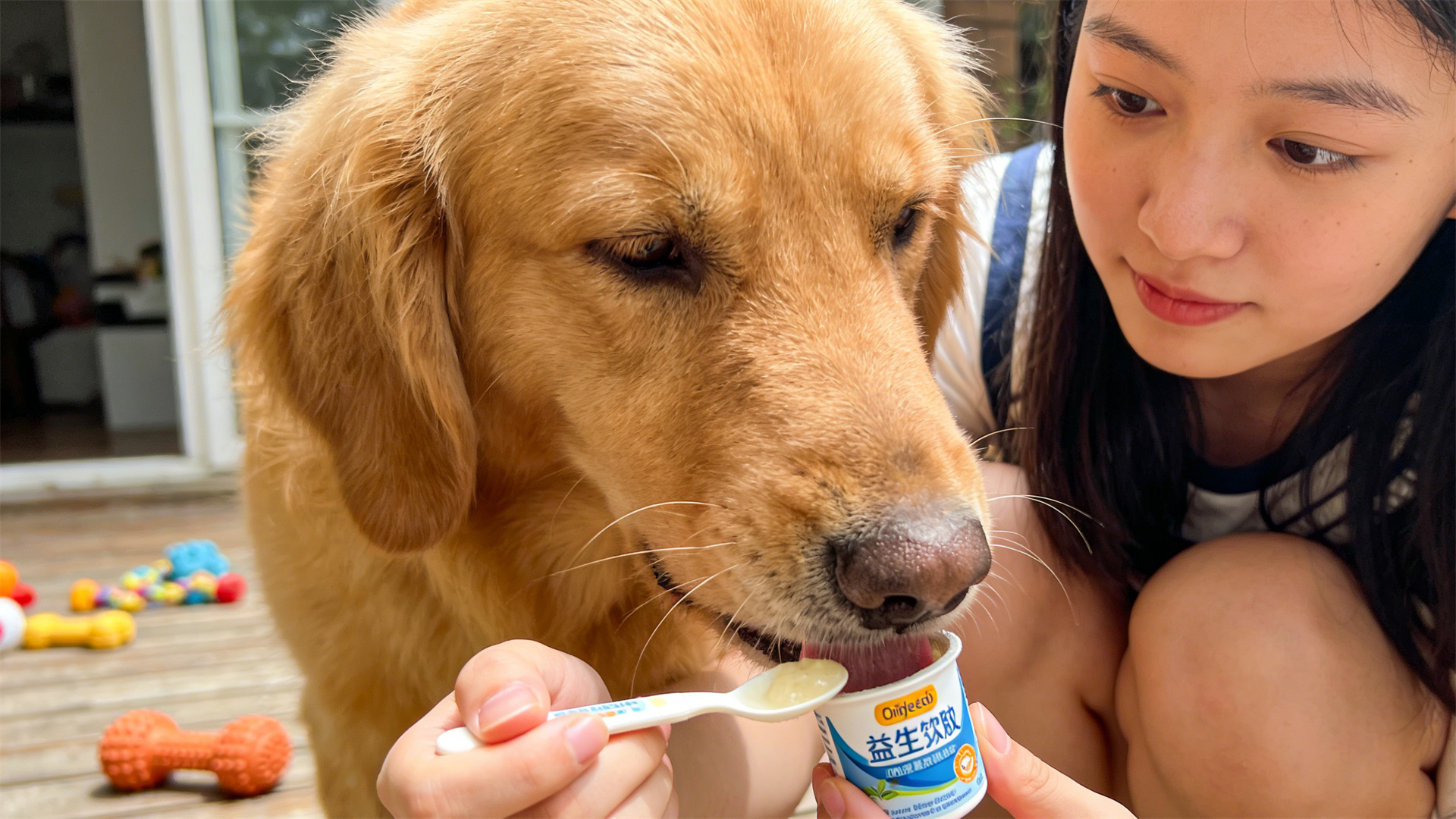
When the microbial garden is struggling, sometimes it needs reinforcements. This is where probiotics for dogs come in. Probiotics are defined as live microorganisms that, when administered in adequate amounts, confer a health benefit on the host. In plain language, they are beneficial, live bacteria (or sometimes yeasts) that you add to your dog's system.
Their practical role is direct and powerful.
- They Crowd Out the Bad Guys: By adding large numbers of beneficial bacteria, they compete for space and resources with pathogenic (harmful) bacteria, helping to reduce their numbers.
- They Restore Balance: They directly contribute to repopulating the gut with good microbes after a disruption like antibiotics.
- They Strengthen the Gut Barrier: Some probiotic strains help produce substances that reinforce the tight junctions of the intestinal lining, preventing "leaky gut" and reducing inflammation.
Practical Probiotics: Strains and Sources
Not all probiotics are equal. Look for products that specify the strains, as different strains have different functions. Some well-researched strains for canine digestive health include:
- Enterococcus faecium: One of the most studied strains for dogs, known to support immune function and intestinal health.
- Bacillus coagulans: A spore-forming bacterium known for its resilience through stomach acid, making it very effective at reaching the gut alive.
- Lactobacillus acidophilus: A common lactic-acid bacterium that helps manage the gut environment.
Sources: You can provide probiotics through quality supplements (powders, capsules, or chews) or in some fermented foods. Plain, unsweetened yogurt or kefir can contain live cultures, but Special Reminder: many dogs are lactose-intolerant, so dairy-based sources can sometimes worsen soft stools. Proceed with caution and start with tiny amounts. Supplements are often the most reliable and concentrated source.
🥦 Section Three: Prebiotics. The Fuel.
You can send in all the reinforcements you want, but if they don't have food, they won't thrive. This is the role of prebiotics for dogs. Prebiotics are not live bacteria. They are specialized, non-digestible plant fibers that act as selective fertilizer for the beneficial bacteria already in your dog's gut.
Your dog's enzymes cannot break down these fibers. Instead, they travel intact to the colon, where the good bacteria ferment them. This fermentation process does two fantastic things. It provides the energy the beneficial bacteria need to grow and multiply, and it produces short-chain fatty acids (SCFAs) like butyrate. Butyrate is a primary energy source for the cells of the colon lining, reducing inflammation and promoting overall gut health.
Natural Sources of Prebiotics
You can find prebiotics in specific foods and high-quality dog foods that list them as ingredients.
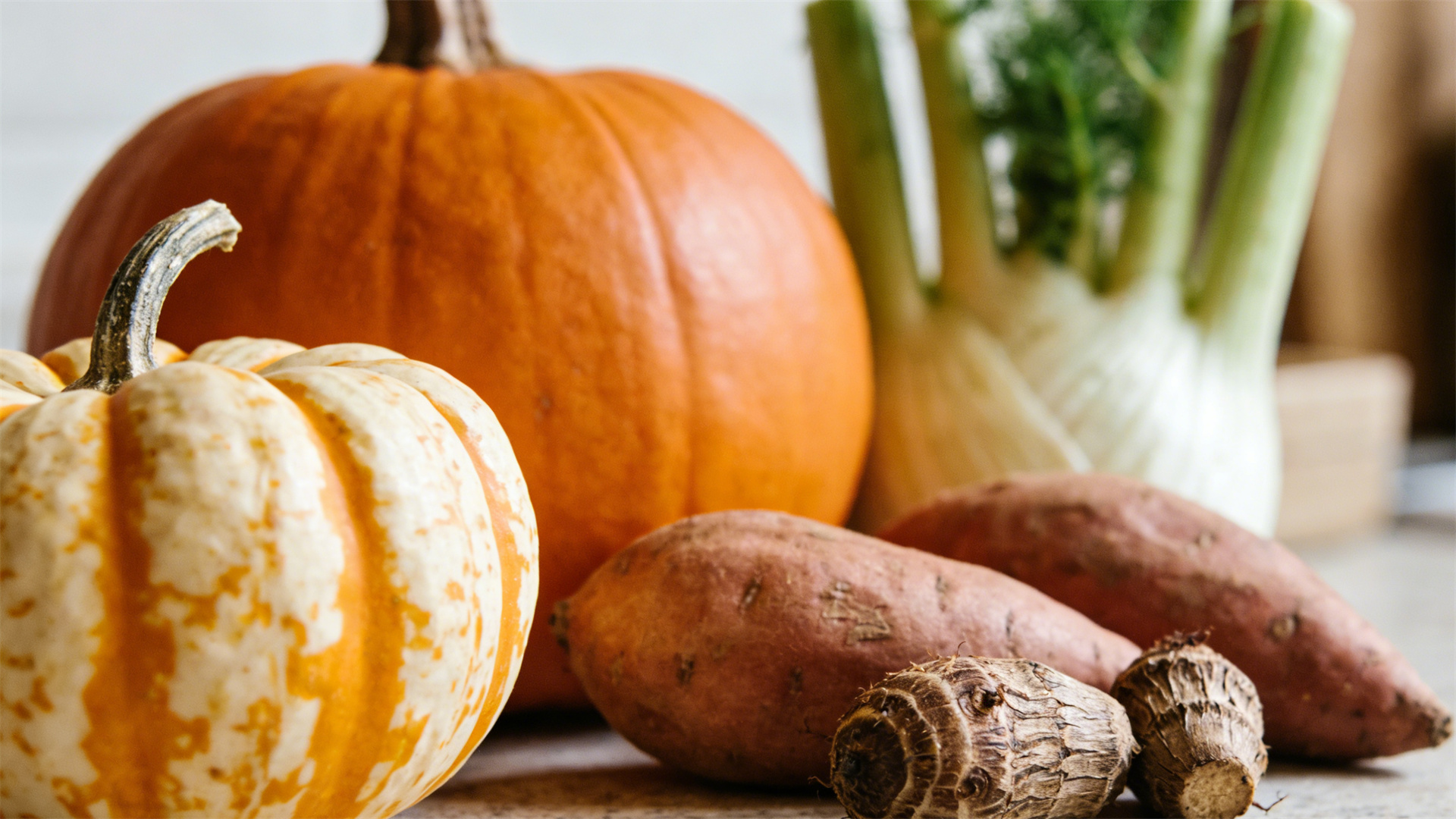
- Chicory Root: A top source of inulin, a powerful prebiotic fiber.
- Pumpkin: A fantastic, gentle source of soluble fiber that feeds good bacteria and can help add bulk to stools.
- Sweet Potato: Another excellent soluble fiber source.
- Other Ingredients: Look for foods or supplements containing fructooligosaccharides (FOS), mannanoligosaccharides (MOS), or beet pulp.
In essence, while probiotics add the workers, prebiotics provide the food to keep the native good bacteria and the new probiotic strains strong and active.
🤝 Section Four: The Synbiotic Approach for Firm Stools
The most powerful strategy for improving soft stools in dogs is to use probiotics and prebiotics together. This combination has a name: synbiotics.
Think of it as a complete gut-support package. A synbiotic approach ensures that the probiotic bacteria you're introducing have the immediate nourishment they need to establish themselves, colonize the gut, and start working effectively. It's like parachuting elite troops into a region (probiotics) and simultaneously air-dropping supplies to sustain them (prebiotics). This one-two punch is exceptionally effective for correcting dysbiosis and creating a lasting, stable environment that promotes firm stool formation.
Implementing a Synbiotic Strategy
You can achieve a synbiotic effect in two practical ways.
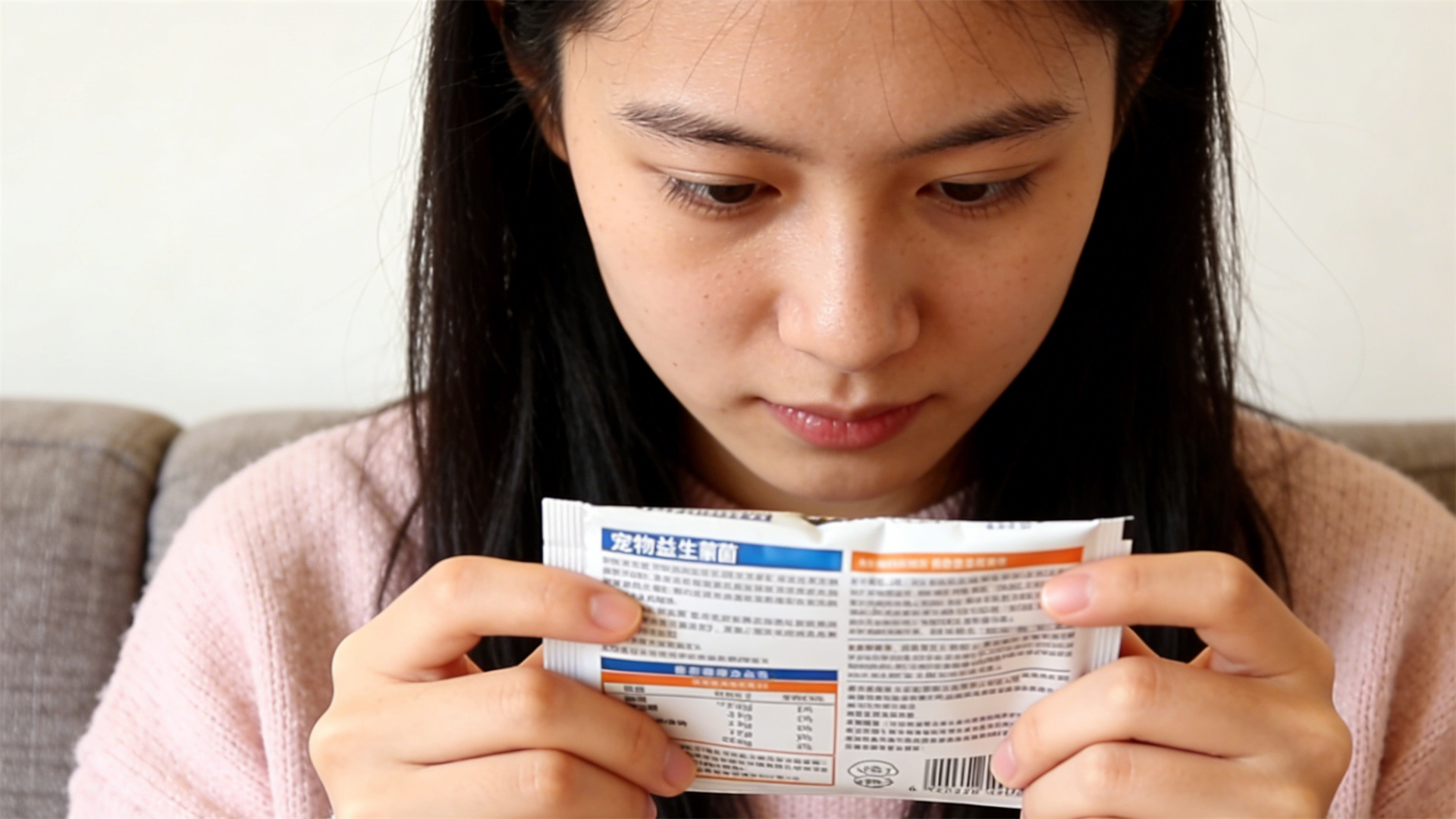
- Choose a Combined Supplement: Many high-quality probiotic supplements for dogs now include prebiotic fibers (like FOS or inulin) right in the formula. This is the simplest method.
- Combine Sources: If you are using a probiotic-only supplement, you can add a small amount of a prebiotic-rich food to your dog's meals. A teaspoon of plain canned pumpkin (not pie filling) or a supplement containing chicory root powder can work wonderfully. Always introduce any new food gradually.
🛒 Section Five: Choosing Products and Implementing Solutions
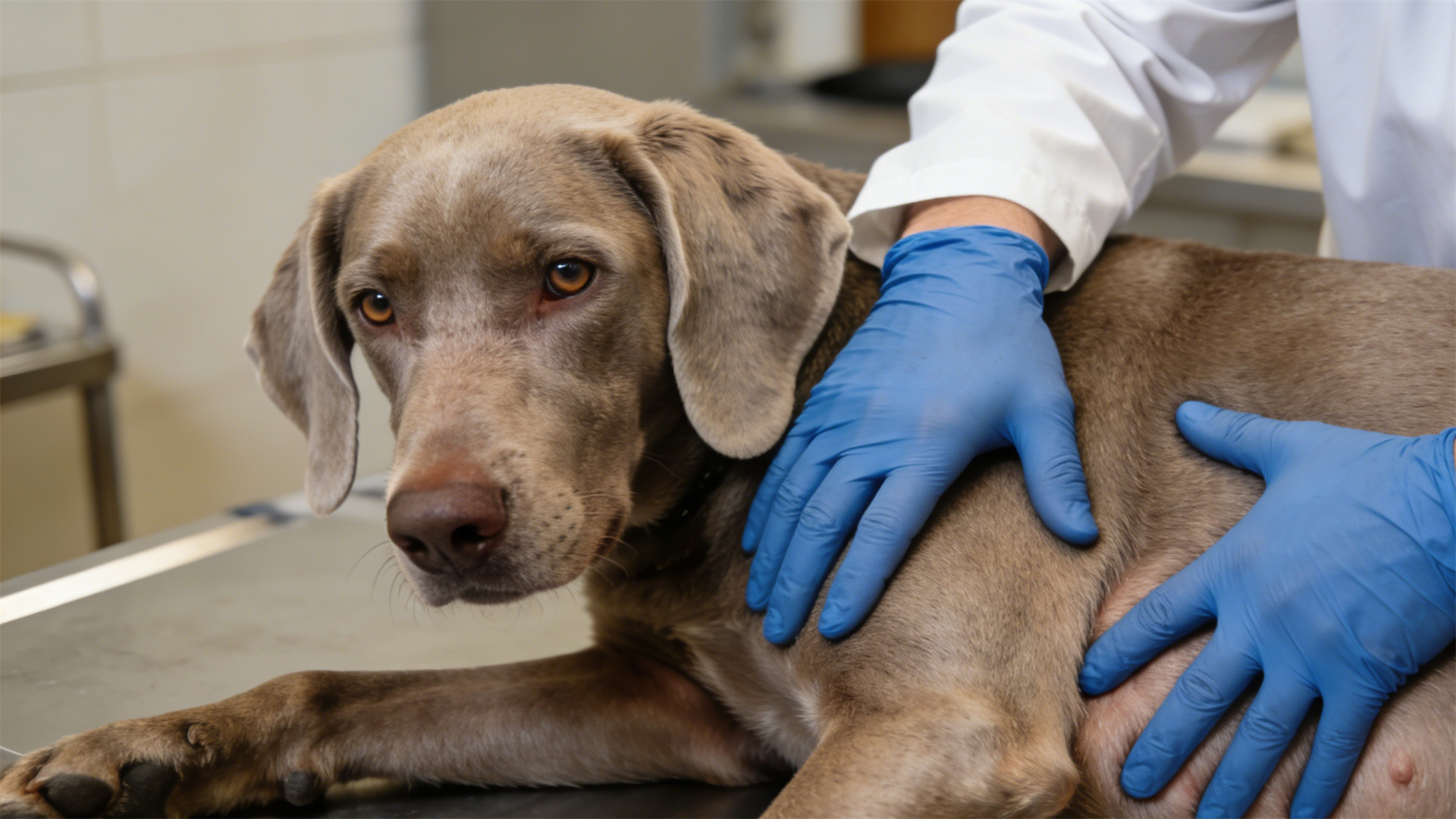
Special Reminder: Your first step should always be a consultation with your veterinarian. They can rule out parasites, infections, pancreatitis, or other serious conditions that cause soft stools. Once you have the all-clear, you can focus on gut rebalancing.
How to Select Quality Supplements
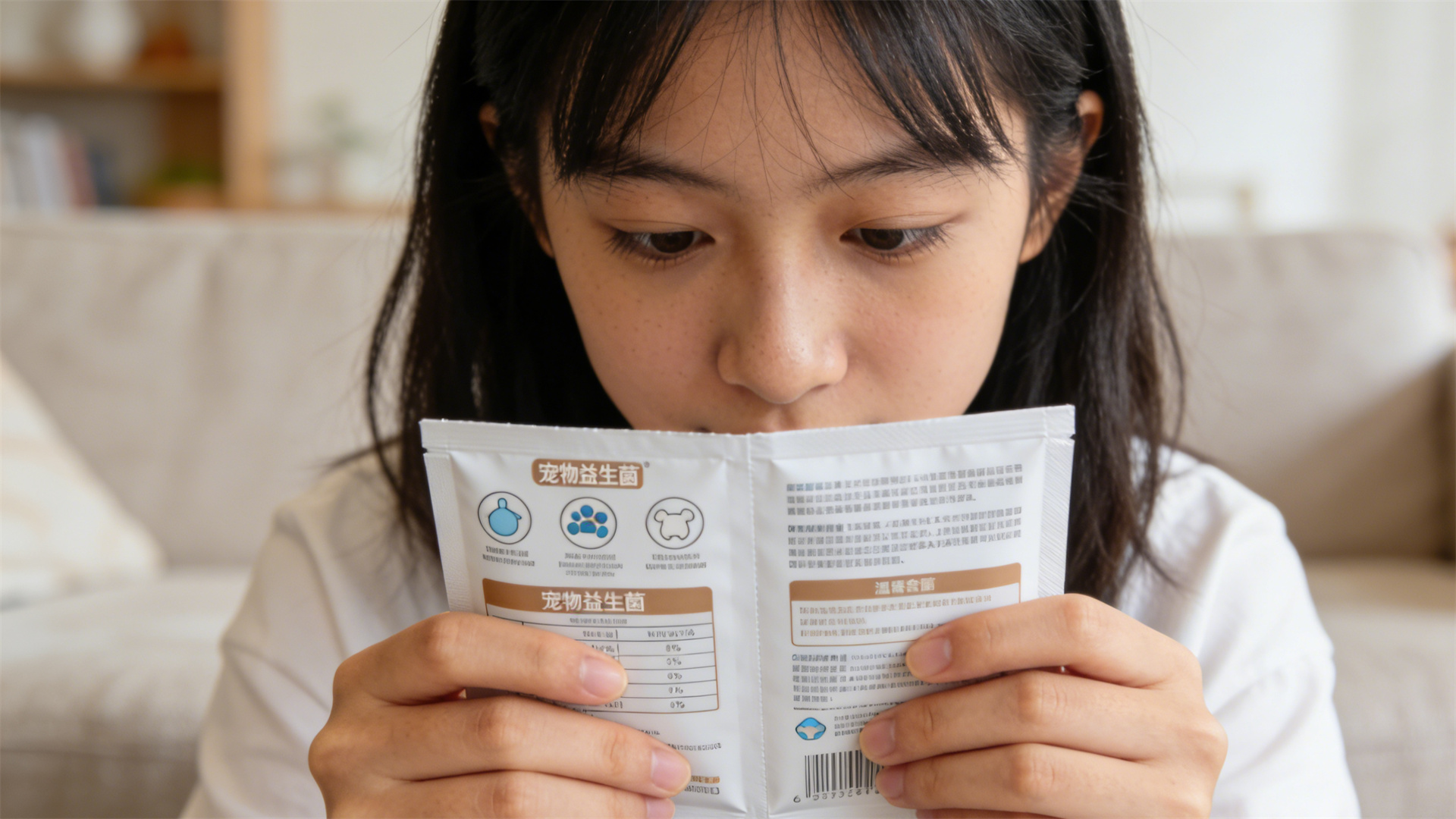
- Strain Specificity: The label should list the full genus, species, and strain of the probiotics (e.g., Lactobacillus acidophilus LA-14).
- Guaranteed CFU Count: Look for a "Colony Forming Unit" count guaranteed through the date of expiration, not just at manufacture. A range of 1-5 billion CFU per day is a common effective dose for maintenance.
- Viability Assurance: The product should indicate it is stable and does not require refrigeration unless necessary. Packaging should be protective (like dark glass or blister packs).
- Third-Party Testing: Brands that use independent labs for purity and potency testing inspire greater confidence.
The Implementation Process
Patience and consistency are key. Canine gut health management is a marathon, not a sprint.
- Start Low and Go Slow: Begin with a half-dose of any probiotic or new prebiotic food for 2-3 days. This allows the gut to adjust and minimizes potential gas or bloating.
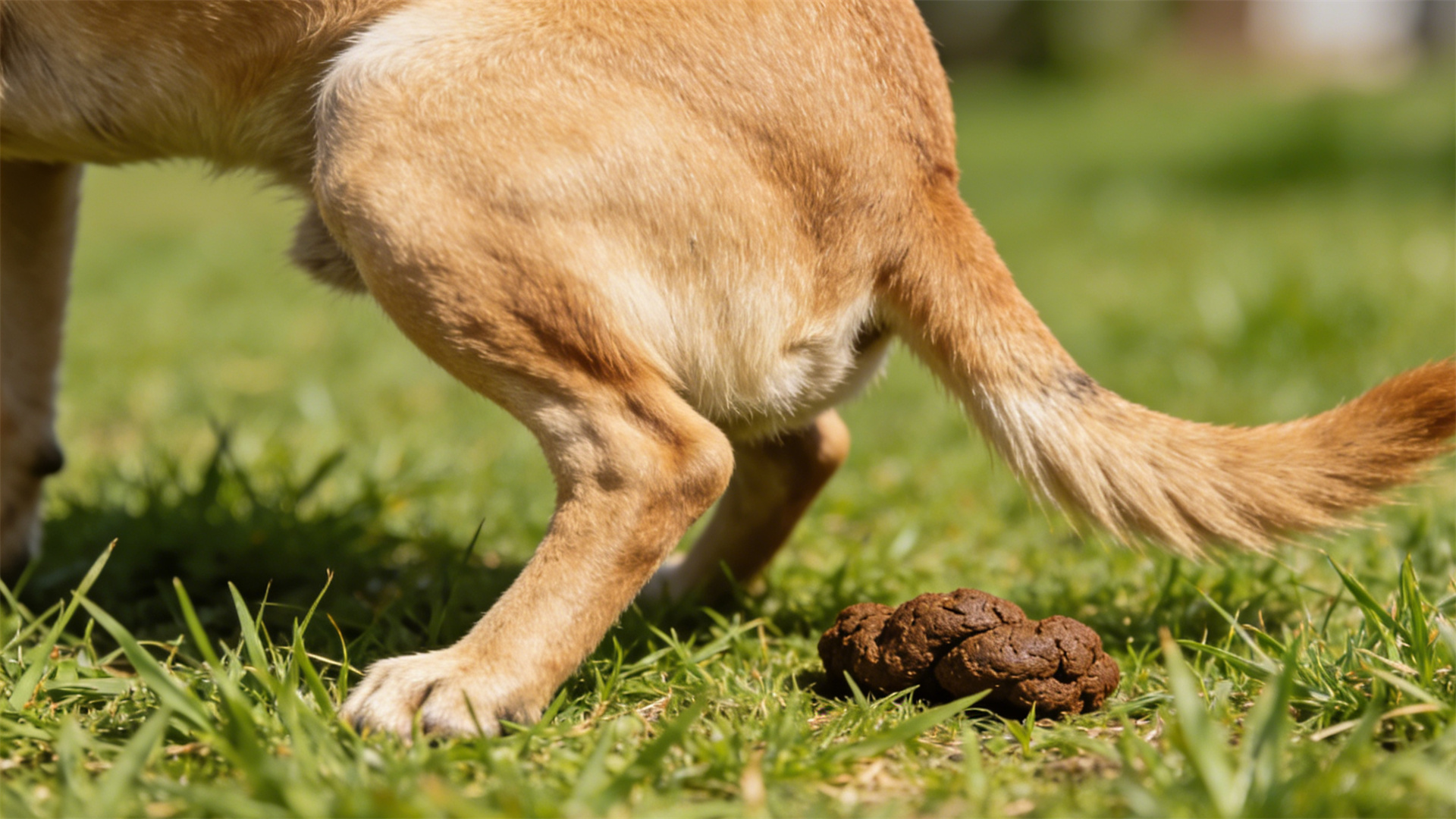
- Monitor Stool Firmness: Keep a simple log. Improvement is often seen within a few days, but it can take 3-4 weeks of consistent use to see a stable, lasting change as the microbiota rebalances.
- Be Consistent: Administer the supplement daily, ideally with a meal to help buffer stomach acid.
Conclusion: A Foundation of Firm Health
The journey to resolving your dog's soft stools is fundamentally a journey of nurturing their canine gut microbiota. By understanding the roles of probiotics as the beneficial reinforcements and prebiotics as their essential fuel, you are equipped with a powerful, natural strategy. The synbiotic approach offers the most comprehensive path to restoring balance, reducing gut inflammation, and promoting the proper water absorption that leads to firm, healthy stools. Remember, this is a partnership with your veterinarian and a commitment to consistent, patient support. A thriving inner ecosystem is the true foundation of your dog's vitality, and it starts in the gut.