
You May Have Missed

The application of music therapy in kennels: the stabilizing effect of specific frequency music on heart rate.
Kennels, shelters, and boarding facilities are essential pillars of canine care, providing safety and temporary refuge. However, for many dogs, these environments—despite their best intentions—can be hotbeds of stress and anxiety. The cacophony of unfamiliar sounds, the presence of unknown dogs, and the separation from familiar people and routines trigger a profound physiological response. One of the most direct and measurable markers of this stress is an increased heart rate, which, when sustained, can negatively impact overall health and well-being. In the search for innovative, non-invasive tools to combat this issue, music therapy has emerged as a surprisingly powerful ally. This article delves deep into the science and practice of using specific frequency music in kennel settings, exploring its demonstrable, calming effect on the canine cardiovascular system and its role as a cornerstone of modern, compassionate animal welfare.
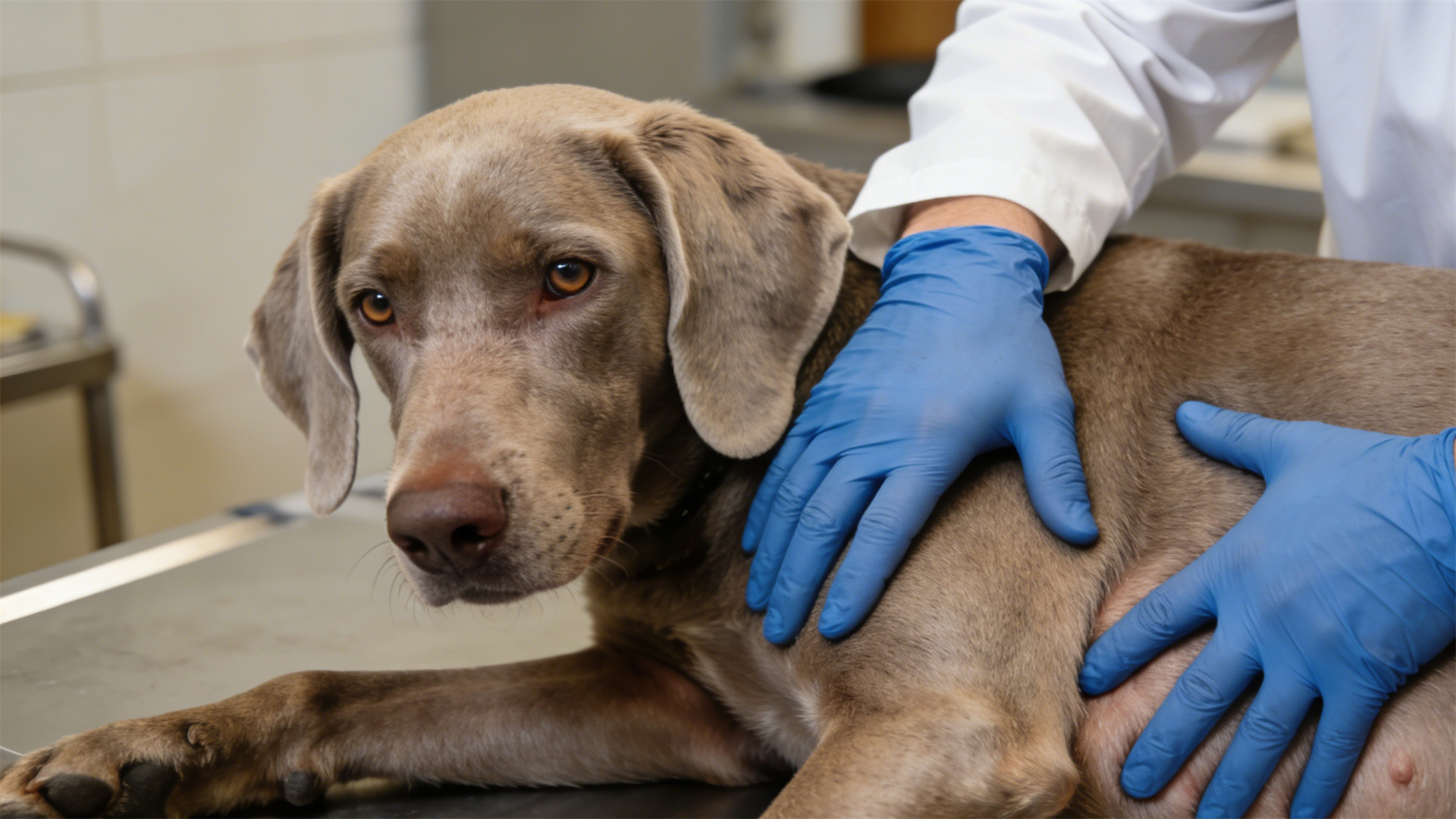
The Health Logic of Slow-Feed Bowls: A Lifeline for Preventing Gastric Toxosis (GDV) in Large Dogs
For owners of large and giant breed dogs, there is perhaps no veterinary term more terrifying than GDV. It strikes with little warning, progresses with alarming speed, and carries a soberingly high mortality rate. Yet, one of the most powerful preventive tools is deceptively simple and sits right on your kitchen floor. This article delves into the critical, life-saving connection between your dog's eating speed and their risk of gastric toxosis, making the authoritative case that a slow-feed bowl is not a mere convenience gadget—it is an essential health intervention.

Can dogs eat fruit? 2026 "Red and Black List" and recommended intake levels.
As a doting dog parent, you’ve probably wondered, while slicing a watermelon or snacking on blueberries, if your furry friend can join in. That hopeful gaze is hard to resist! The question "can dogs eat fruit" is incredibly common, and the answer is a careful, conditional yes. 🐶 Many fruits are packed with beneficial vitamins, minerals, fiber, and hydration. However, the canine digestive system is not the same as ours, and significant, even lethal, dangers exist with certain fruits. Navigating this fruity landscape requires a clear map. This definitive 2026 guide provides exactly that: a vet-reviewed "Black List" of safe options, a critical "Red List" of toxic hazards, and precise, size-based serving recommendations. Your first and most important rule? Always consult your veterinarian before introducing any new food to your dog's diet.
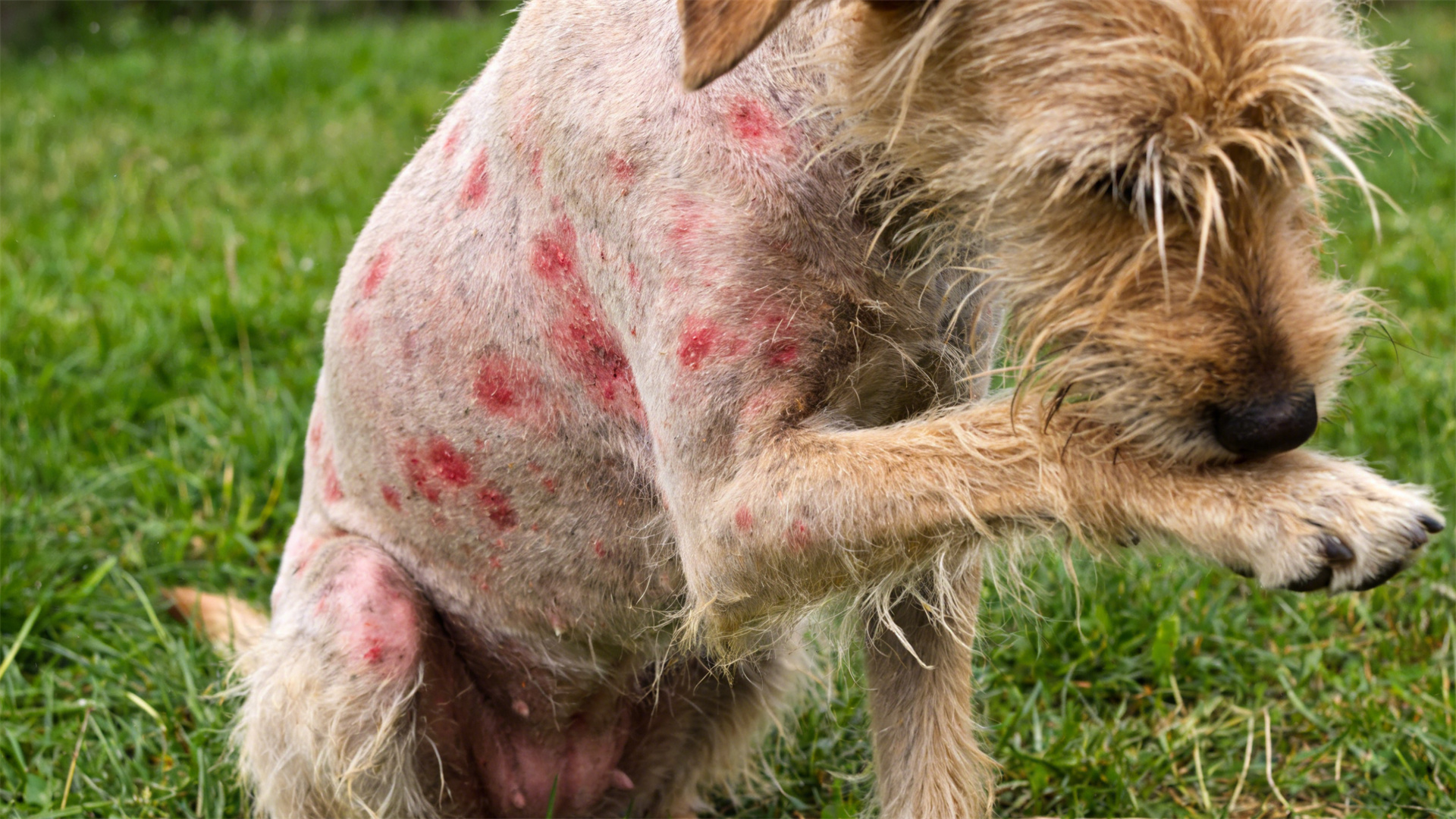
Springtime Allergy-Reducing Diet: Alleviating Skin Redness and Itching by Adjusting Your Food
Is your dog driving you both crazy with constant scratching, licking, and chewing the moment spring arrives. You're not alone. As flowers bloom and pollen fills the air, countless dogs suffer from seasonal allergy flare-ups, manifesting most commonly as miserable skin redness and relentless itching. While environmental allergens are the trigger, the solution may lie in their bowl. This comprehensive guide explores how a targeted springtime allergy diet for dogs can fortify their skin barrier and calm inflammatory responses from the inside out, offering profound relief for your itchy companion.
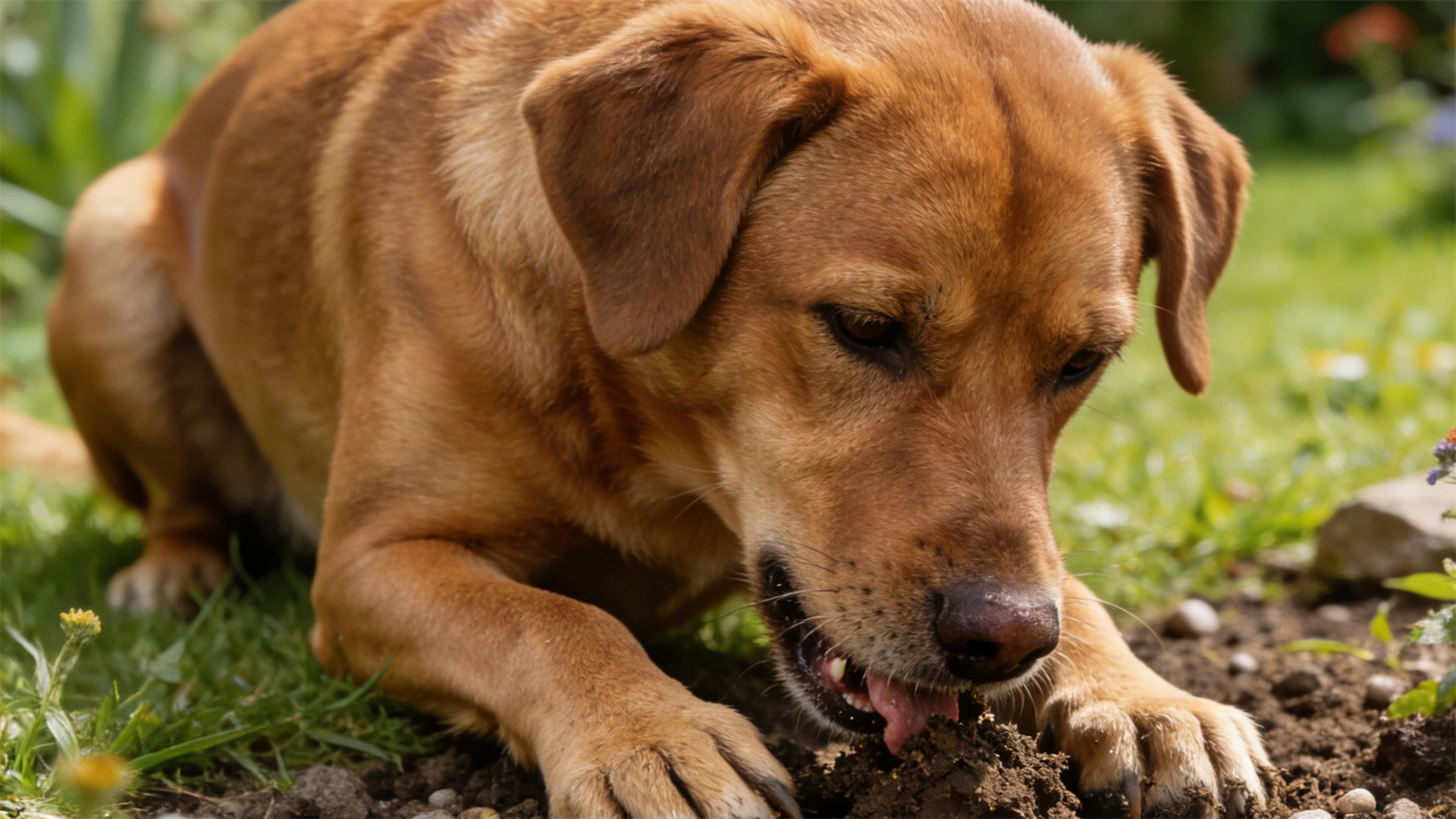
Micronutrient deficiencies in dogs: The underlying logic behind brittle nails, soil-eating, and pica.
You notice your dog’s nails seem to split or flake easily during a trim. Later, you catch them intently munching on dirt in the garden. Perhaps they’ve even graduated to chewing on rocks, socks, or drywall. As a concerned dog owner, you might write these off as odd behaviors or minor quirks. But what if these seemingly unrelated issues were connected? What if they were your dog’s way of sending a nutritional distress signal? The common thread often lies in micronutrient deficiencies in dogs—a subtle but significant imbalance that impacts health from the inside out.
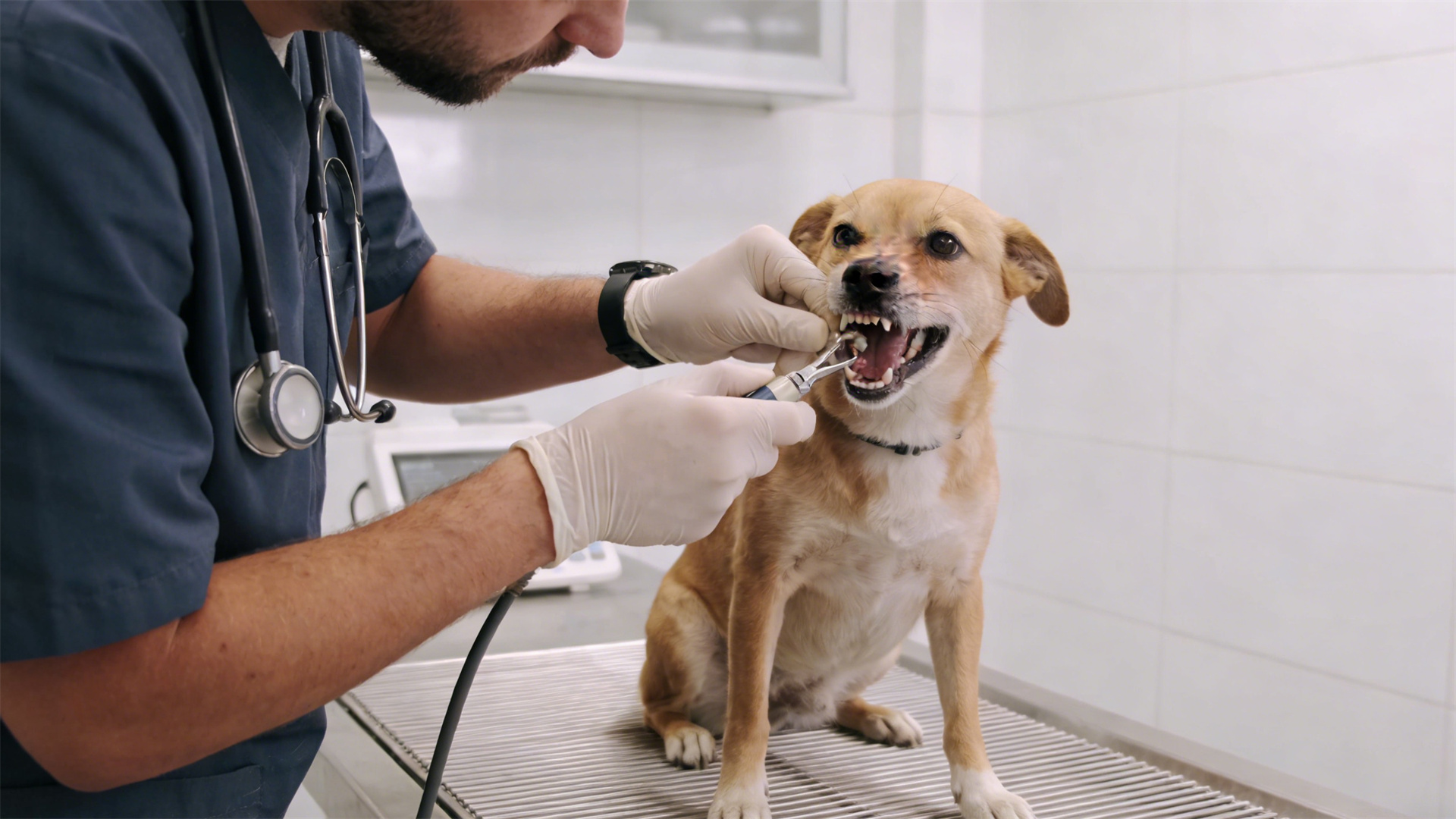
Oral health management
Let's be honest: does your dog's breath smell like a garbage truck on a hot day? 🚚💨 You're not alone. But here's the real question—are you dismissing that foul odor as just "dog breath," or are you recognizing it as the first red flag of a serious health issue? Oral health management for dogs isn't just about fresh kisses; it's a critical pillar of your pet's overall longevity and vitality. In this definitive guide, we'll walk you through everything, from daily dog dental hygiene routines to knowing when it's time for a professional veterinary dental care visit. Ready to transform your dog's dental health? Let's dive in!