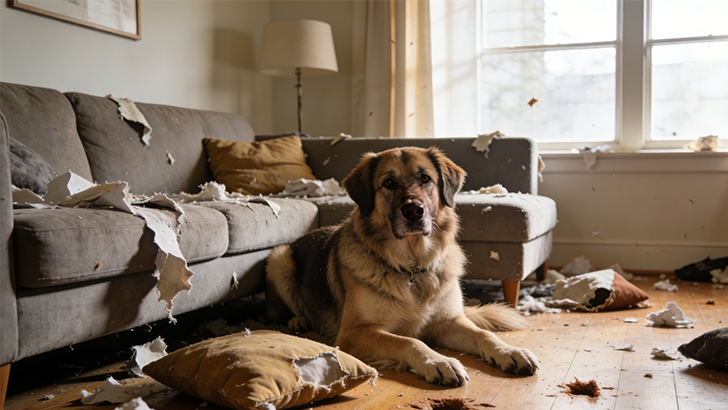
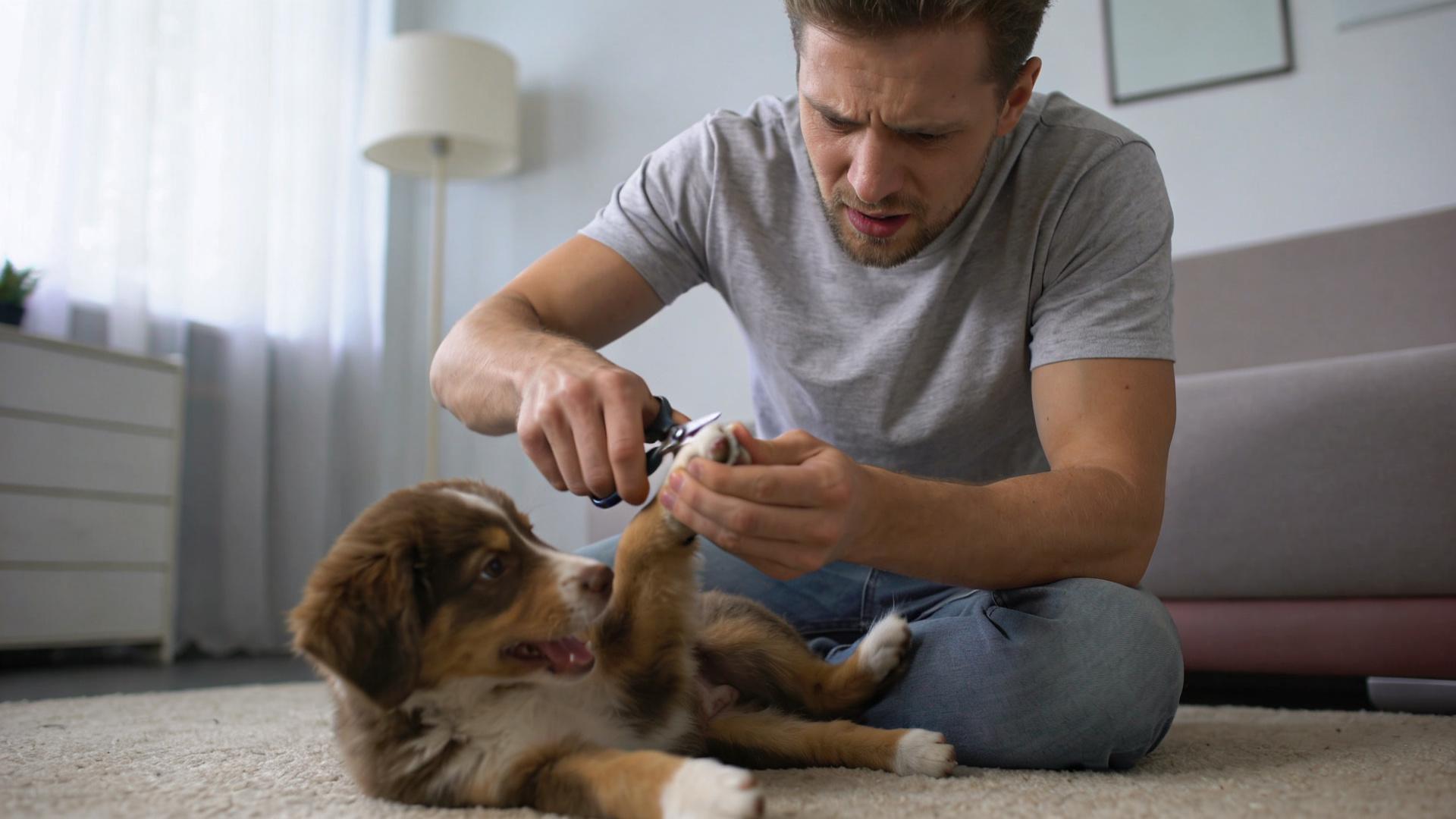
Picture this: your dog finishes a satisfying chew on their toy, lets out a big, relaxed sigh, and settles into a perfect, calm "down" position on the floor. In that moment, a beautiful, desirable behavior happened entirely on its own. What if you could harness those spontaneous moments and turn them into a cue you could call upon anytime? You can. Welcome to the elegant world of capture training.
Unlike more directive methods like luring (guiding with a treat) or the gradual shaping of complex behaviors, capture dog training is the art of seizing the moment. It involves marking and rewarding a behavior the dog offers naturally and unintentionally, thereby increasing the likelihood they will choose to offer it again. This method doesn't just teach a command; it cultivates a thinker. It empowers your dog to be an active participant in their learning, leading to a deeply cooperative partner and strengthening the human-canine bond in a profound way.
📋 Prerequisites for Success: Gearing Up Mind and Toolbox
Before you begin your journey as a keen observer and reward-dispenser, you need the right setup. Success in turning natural movements into commands hinges on preparation.
🎯 The Essential Toolkit
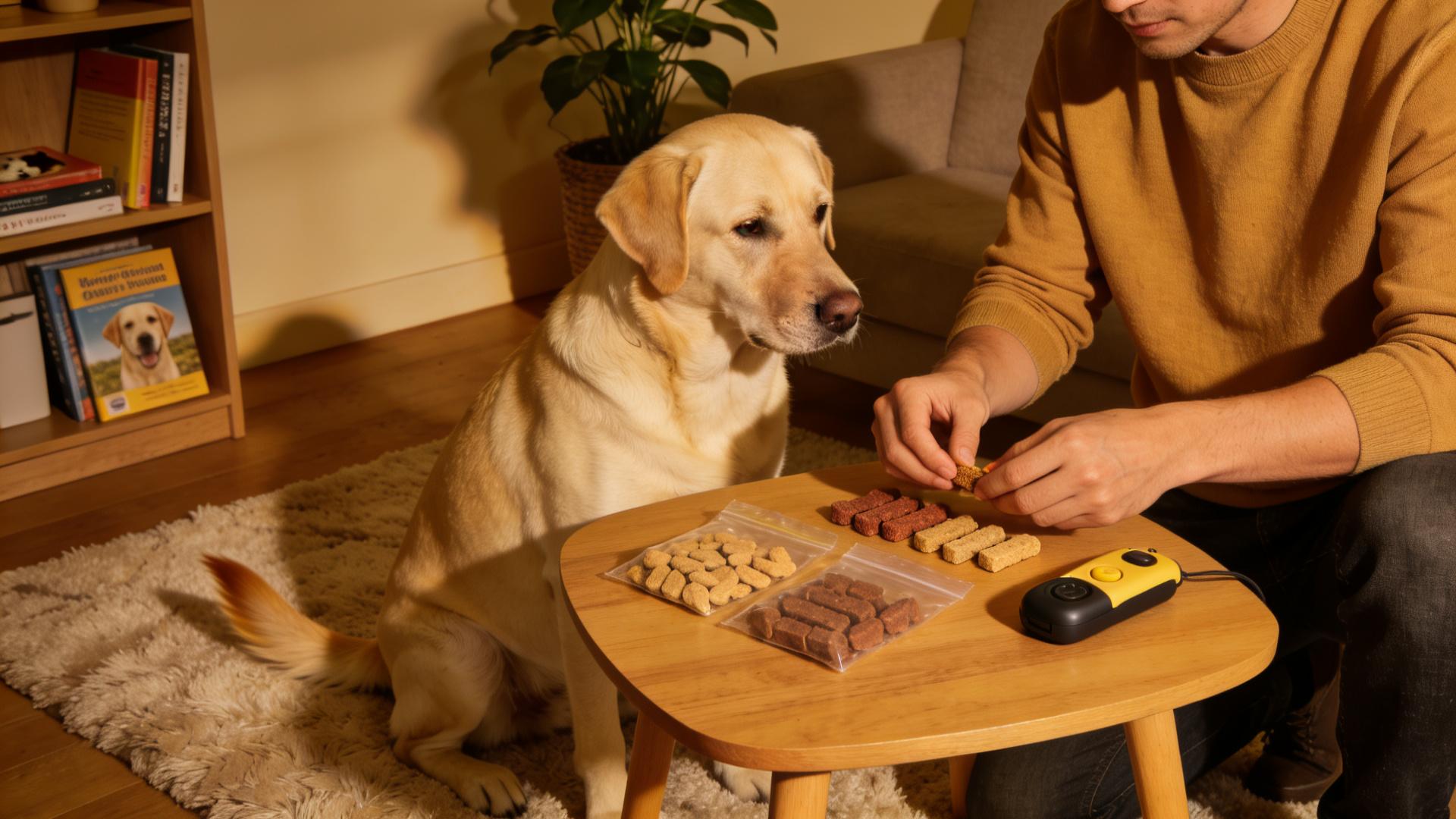
- High-Value Treats: Small, soft, and irresistible. Think diced chicken, cheese, or commercial training treats. Your dog must deem the reward worth the effort of repeating the action.
- A Precise Marker Signal: This is your communication cornerstone. A clicker is ideal for its consistency and speed, but a sharp, consistent verbal marker like "Yes!" works perfectly. This marker tells the dog, "That exact thing you just did is what earned this reward."
- Patience & Eagle-Eyed Observation: This is not a fast-paced drill. It’s a mindful practice of watching and waiting.
- A Low-Distraction Environment: Start in a quiet room where your dog is comfortable and not overwhelmed by sights or sounds. This allows them to focus on their own behaviors and your feedback.
🧠 The Core Methodology: A Step-by-Step Process to Brilliance
Now, let’s break down the transformative process of capture training for dogs. We'll use teaching a "Down" from a natural lying-down movement as our primary example.
Step One: Observation and Choice 👀
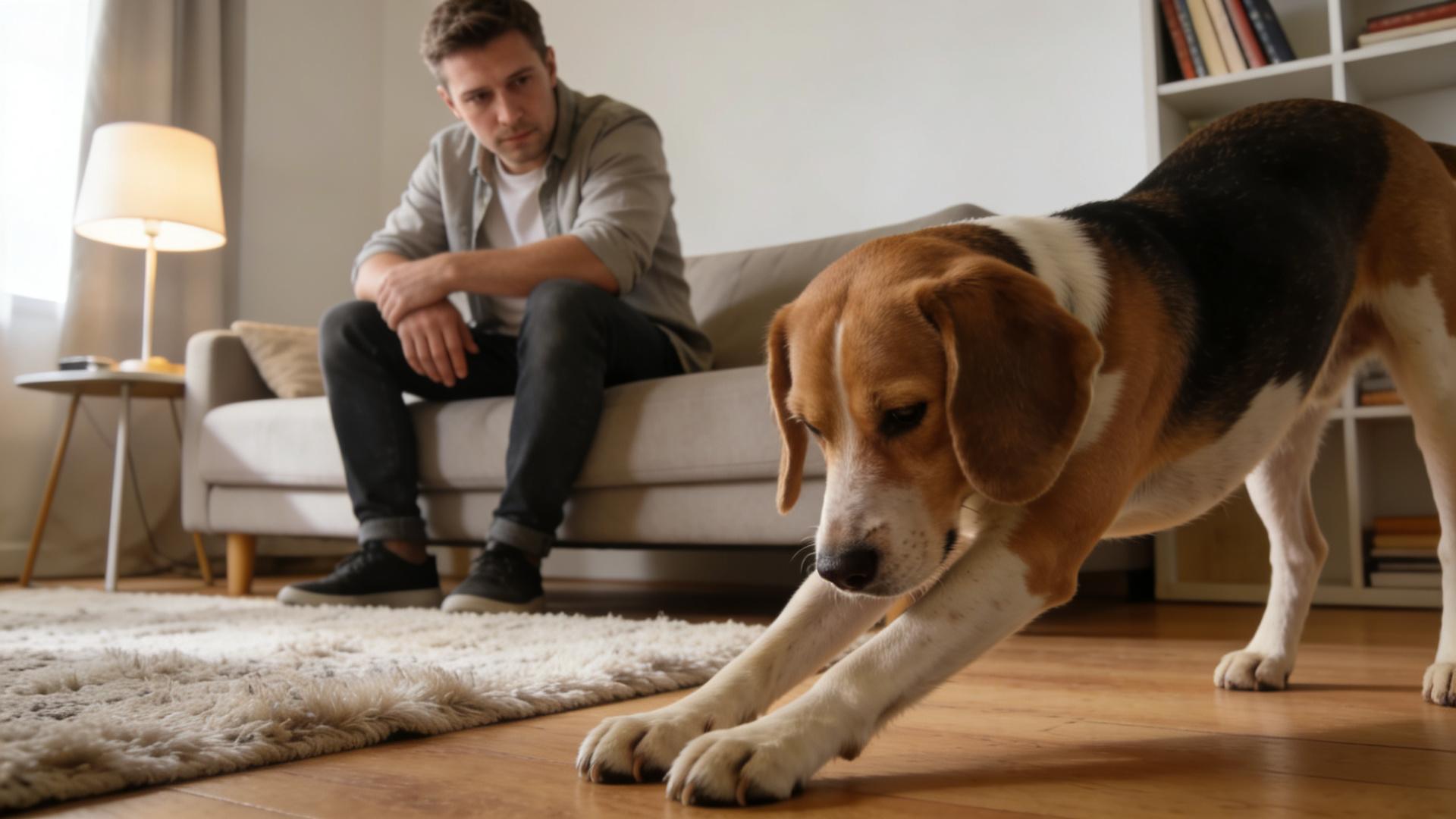
Carefully observe your dog's natural repertoire. What does your dog do without prompting? Common candidates include: sitting, lying down, stretching, yawning, shaking off, offering a paw lift, or even a quiet bark. Choose a simple, frequent behavior to start. Decide on your final verbal cue (e.g., "Down") and hand signal (e.g., flat palm lowering to the floor).
Step Two: Preparation and Timing ⏱️
Have your treats and marker ready. Sit or stand calmly, and simply watch. Do not interact, lure, or prompt. The moment your dog’s elbows and hocks hit the floor in that natural lie-down—CLICK! or "Yes!"—then immediately deliver the treat. The timing of the mark is non-negotiable; it must be instantaneous.
Step Three: Repetition and Anticipation 🔄
Repeat this process consistently over multiple short sessions. After several repetitions, you’ll notice a magical shift: your dog will finish the treat, look at you, and deliberately lie down again. They have made the connection! They are now "offering" the behavior to make the mark and reward happen. This is the heart of dog training without luring—the behavior originates from the dog.
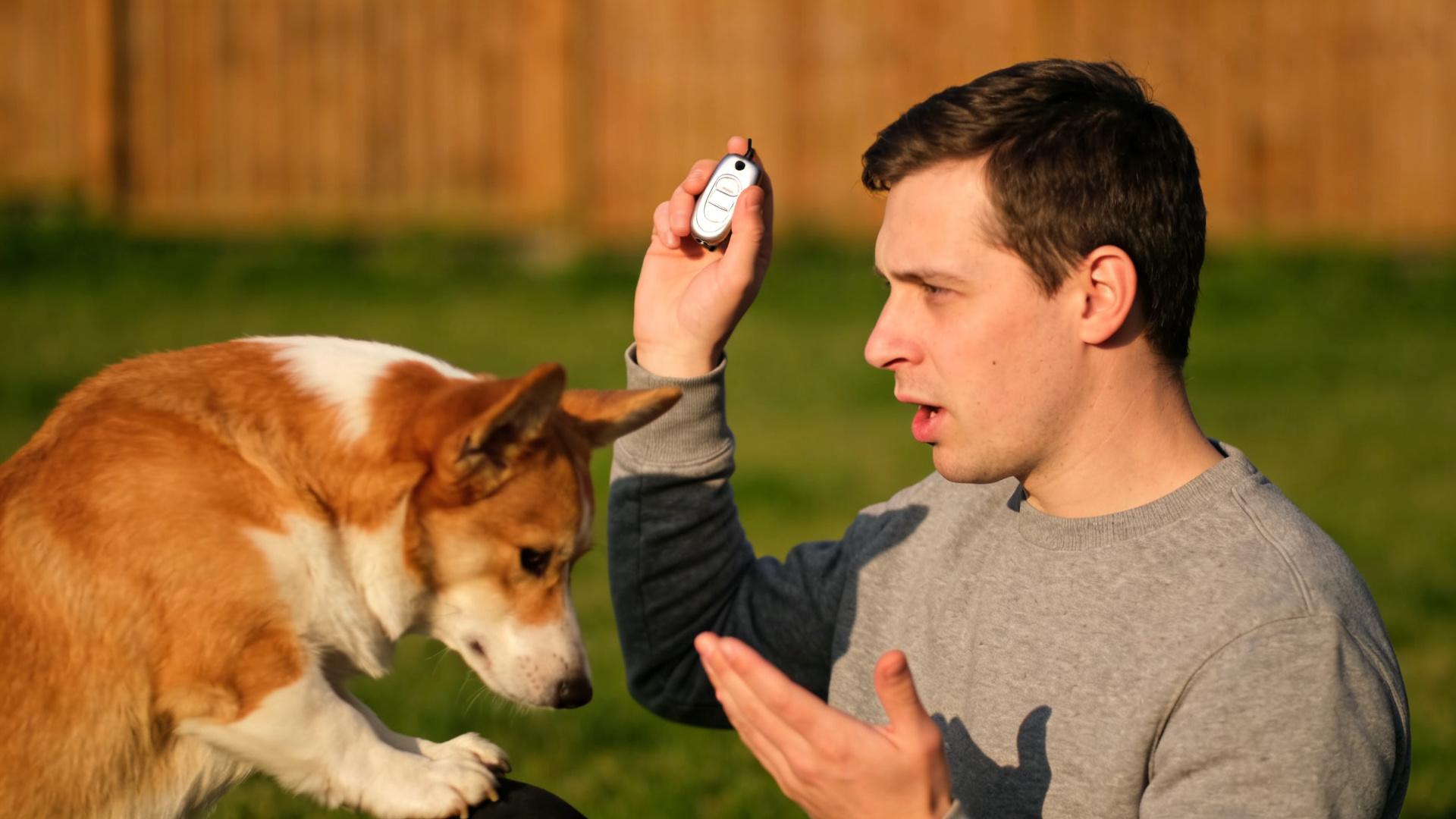
Step Four: Adding the Cue 🗣️
Special Reminder: Do not add the cue too soon! Wait until the dog is offering the behavior reliably and with anticipation. Now, as you see your dog begin to sink into the down, say your cue word clearly: "Down." Then mark (click/yes) as the action completes, and reward. You are now pairing the word with the action. After 10-15 successful pairings, try saying "Down" just before you think they are about to do it. This is how you learn how to teach a dog commands from their own ideas.
Step Five: Proofing and Generalization 🌍
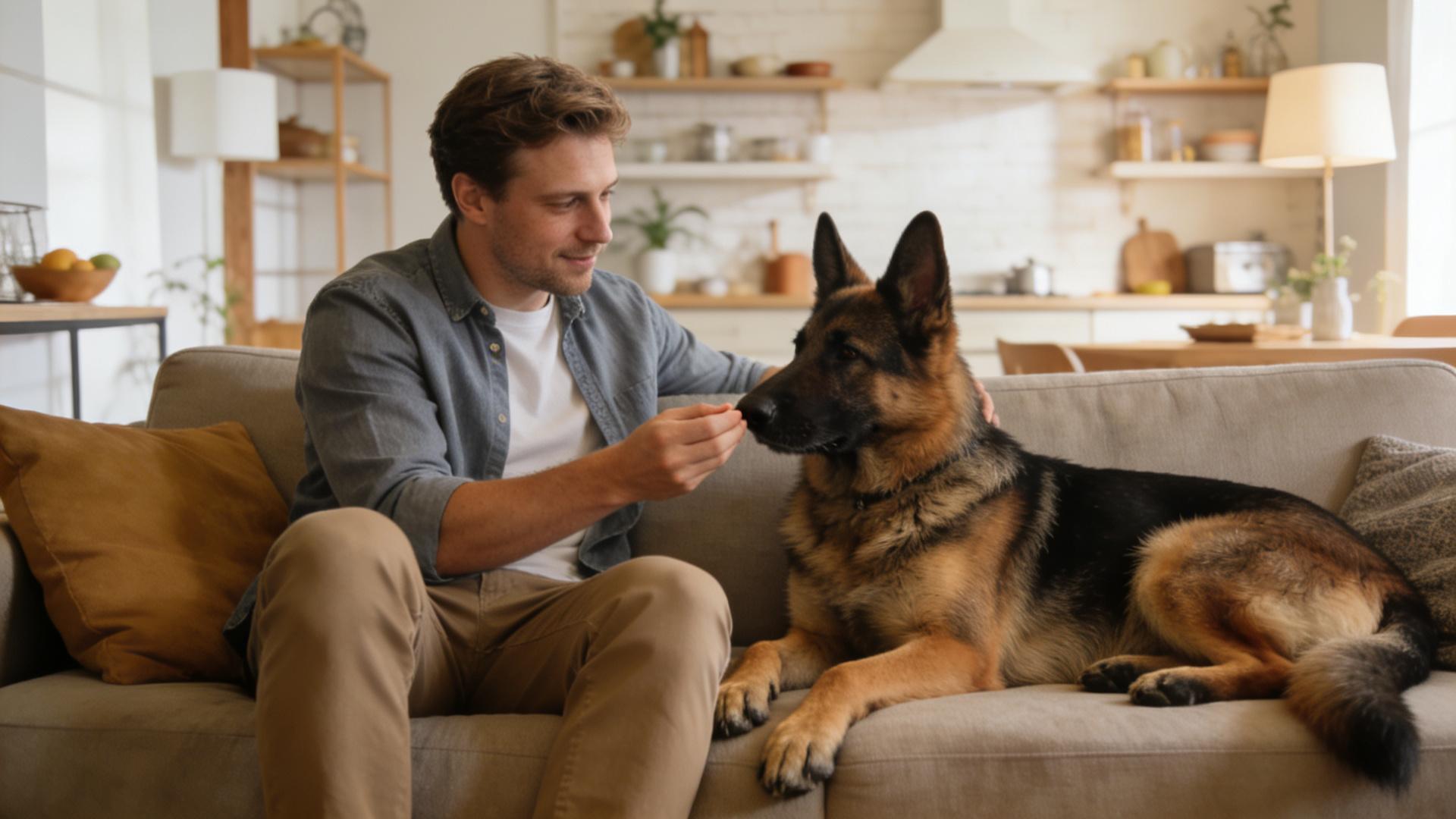
A command isn't truly learned until it works everywhere. Practice in different rooms, the backyard, and on quiet walks. Gradually introduce mild distractions. Begin to phase out the food rewards intermittently, using a variable schedule of reinforcement. Replace some treats with life rewards: praise, a toss of a ball, or opening the door for a walk. This solidifies the behavior as part of life, not just a food-for-trick transaction.
💡 Pro Trainer Tips for Maximum Effectiveness
- Keep Sessions Short & Sweet: Under five minutes. Always end on a high note—a successful capture—to keep your dog eager for more.
- Capture Calmness: One of the most powerful applications is to capture and reward moments of quiet settling. This teaches an invaluable "off-switch."
- Read Your Dog: If they stop offering the behavior, they may be confused, bored, or tired. Take a break and try again later.
- Consistency is King: Be a timing ninja with your marker. The faster and more consistent you are, the faster your dog learns.
⚠️ Common Pitfalls to Avoid
Even this gentle method has its tripwires. Steer clear of these to ensure clean communication.
- Do Not Repeat the Cue: Say your command word once. Repeating "down, down, down..." teaches the dog to ignore the first (and second, and third) utterance.
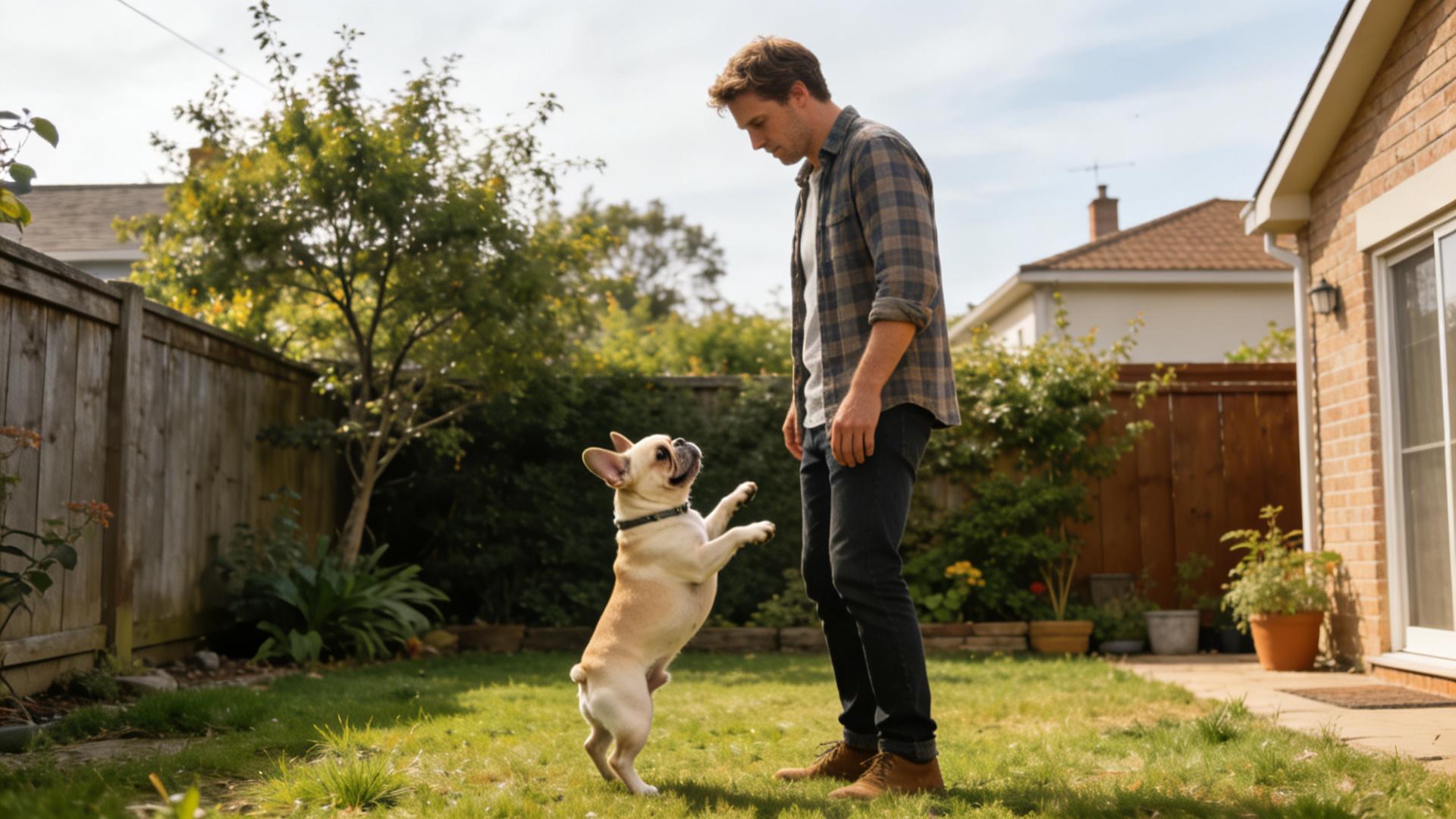
- Avoid Accidentally Capturing Nuisance Behaviors: Be mindful not to mark and reward jumping, barking for attention, or hyperactivity. You get more of what you reinforce.
- Don't Rush Adding the Cue: Adding the verbal cue before the dog understands the behavior will poison the cue and weaken the association. Patience pays.
- Never Punish or Correct: Capture training is purely about positive reinforcement. Adding aversives creates conflict and shuts down the dog's willingness to offer behaviors.
🎬 Conclusion: A New Lens on Your Canine Companion
Capture training is more than a technique; it's a philosophy of communication. It respects the dog's intelligence and agency, working with their natural inclinations rather than imposing from the outside. By mastering this method of mark and reward capture training, you do more than teach obedience—you build a dialogue. You cultivate a dog who thinks, offers, and collaborates, transforming everyday natural dog behaviors into a rich language of cooperation.
Start today. Put down the lure, pick up your clicker and treats, and simply watch. You might be amazed at what your brilliant dog is already trying to tell you.