House training. For many new dog owners, these two words conjure feelings of frustration, confusion, and the unmistakable scent of enzymatic cleaner. The cycle of guessing, accidents, and failed schedules can test the bond with your new companion. But what if the key wasn't just more frequent trips outside, but smarter communication? What if you could build a reliable, almost automatic habit in your dog? The solution lies not in scolding, but in leveraging the simple, powerful principles of behavioral psychology. This guide outlines a quick method for establishing a fixed toileting habit by constructing a clear conditioned reflex using two precise tools: the inducer and the reward. It’s a method that transforms you from a cleaner to a coach, forging a partnership built on clarity and positive reinforcement.
🐕 The Science Behind the Habit: Understanding the Canine Conditioned Reflex
At its core, this method is a practical application of well-established learning theory, made simple. We combine classical (Pavlovian) conditioning and operant conditioning. Don't worry—no textbook required. Here’s how it breaks down in your daily life:
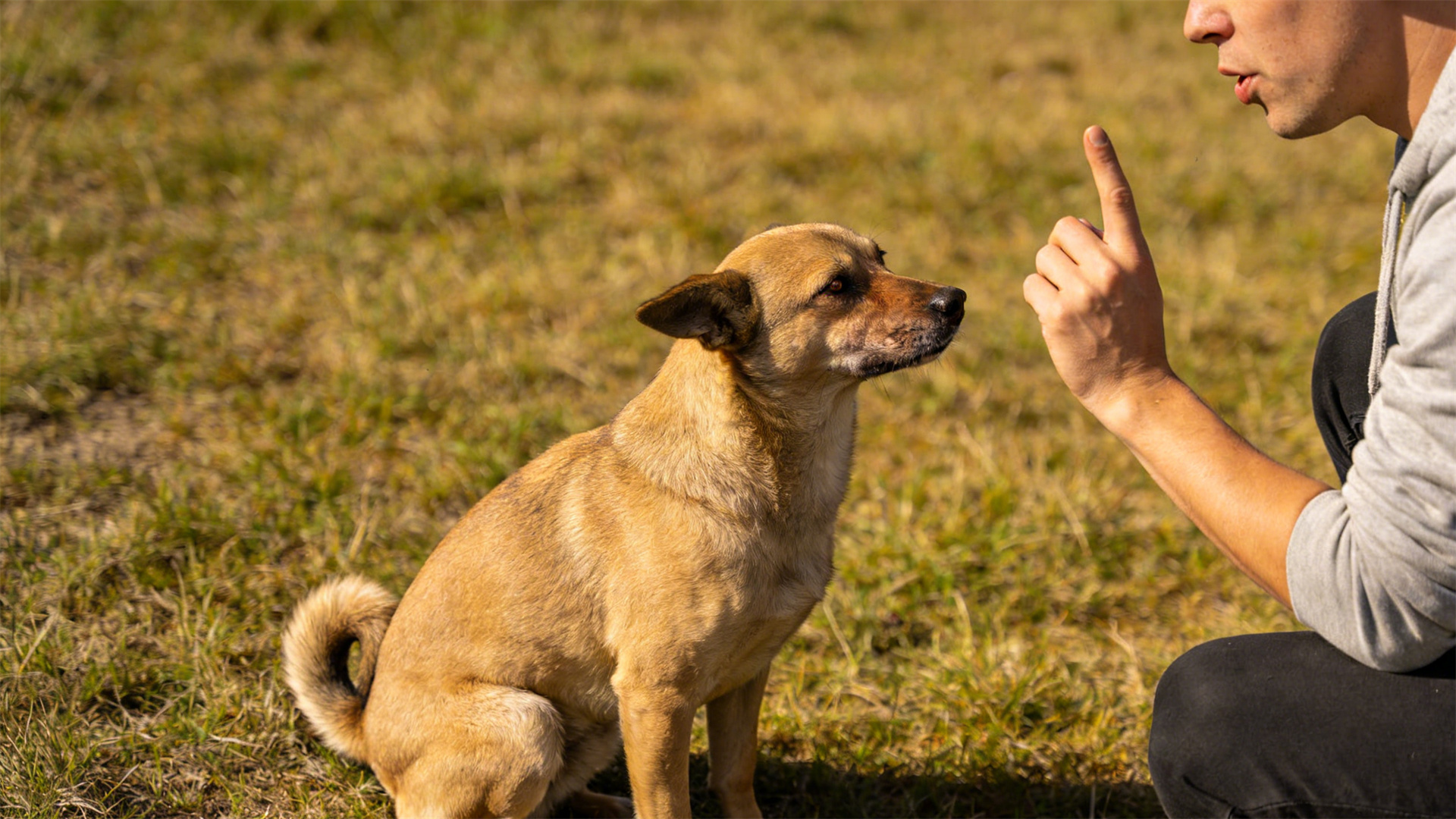
- Inducer (The Trigger): This is a consistent, neutral signal you provide just before the desired behavior happens naturally. Think of it as a "green light" cue. It starts as just a sound (like the word "Go Potty") but will become powerfully meaningful.
- Desired Behavior (The Action): The complete act of eliminating in your designated spot. Precision is key—we’re marking the finish of the behavior.
- Reward (The Reinforcement): This is the immediate consequence that tells your dog, "That! Do that again!" It makes the behavior more likely to recur in the presence of the inducer.
The magic sequence is this: Inducer → Behavior → Immediate Reward. Repeated consistently, the inducer (e.g., your verbal cue) becomes a predictor of the reward. Your dog learns that hearing the cue, then performing the specific action, makes wonderful things happen. As advocated by experts like Karen Pryor, this "clicker training" logic—where a marker predicts a reward—is devastatingly effective. The behavior becomes a conditioned reflex.
🎯 Section One: Selecting and Introducing Your Inducer
The inducer is your launch code. It must be unique, consistent, and calm.
- Choosing Your Cue: Select a short, clear verbal phrase you won’t use in other contexts. "Go Potty," "Be Quick," or "Do Your Business" are common. You can also use a specific whistle or clicker sound. Say it in a calm, encouraging tone every single time.
- The Critical Pairing Phase: This is the most common point of failure. You do not start by commanding a confused dog. Instead, you pair the inducer with the natural moment. Take your dog to their designated spot on a predictable schedule (after waking, eating, playing). The moment they begin to sniff, circle, and naturally start to eliminate, you calmly say your inducer cue: "Go Potty." You are naming the action as it happens.
Special Reminder: During this initial phase, the reward comes after. The inducer is simply being "loaded" with meaning by being associated with the impending reward. Timing here sets the foundation for the entire conditioned reflex for dog toilet behavior.
Why a Designated Area Matters
Consistency of location aids the reflex. The sight and smell of the spot become environmental inducers themselves, working in tandem with your verbal cue. This is why establishing a routine is a crucial complementary step. (Consider reading our related article on establishing a fail-proof daily routine for your dog).
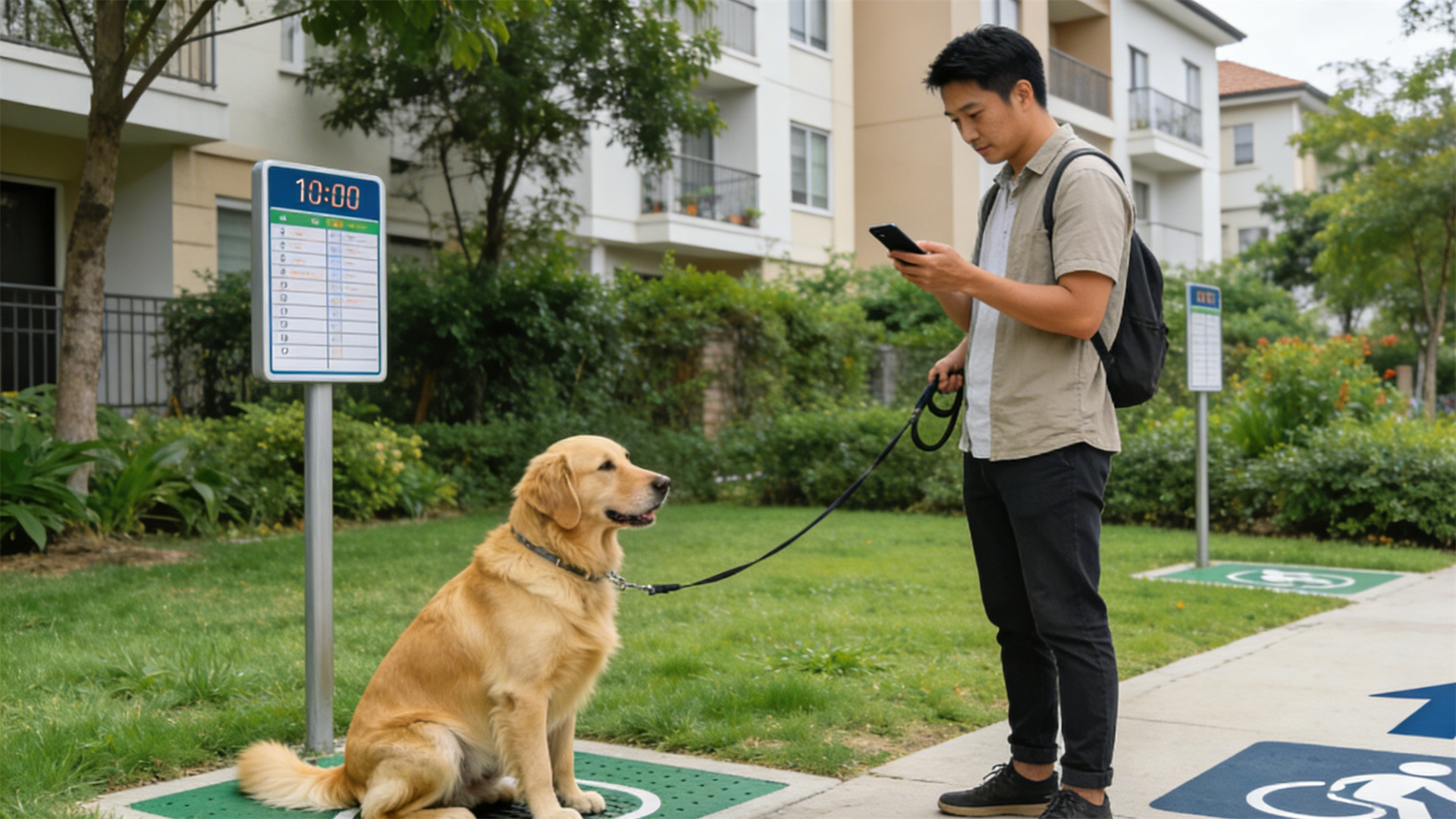
🎁 Section Two: The Protocol of the Immediate Reward
If the inducer is the launch code, the reward is the mission success celebration. Its power is defined by value, timing, and delivery.
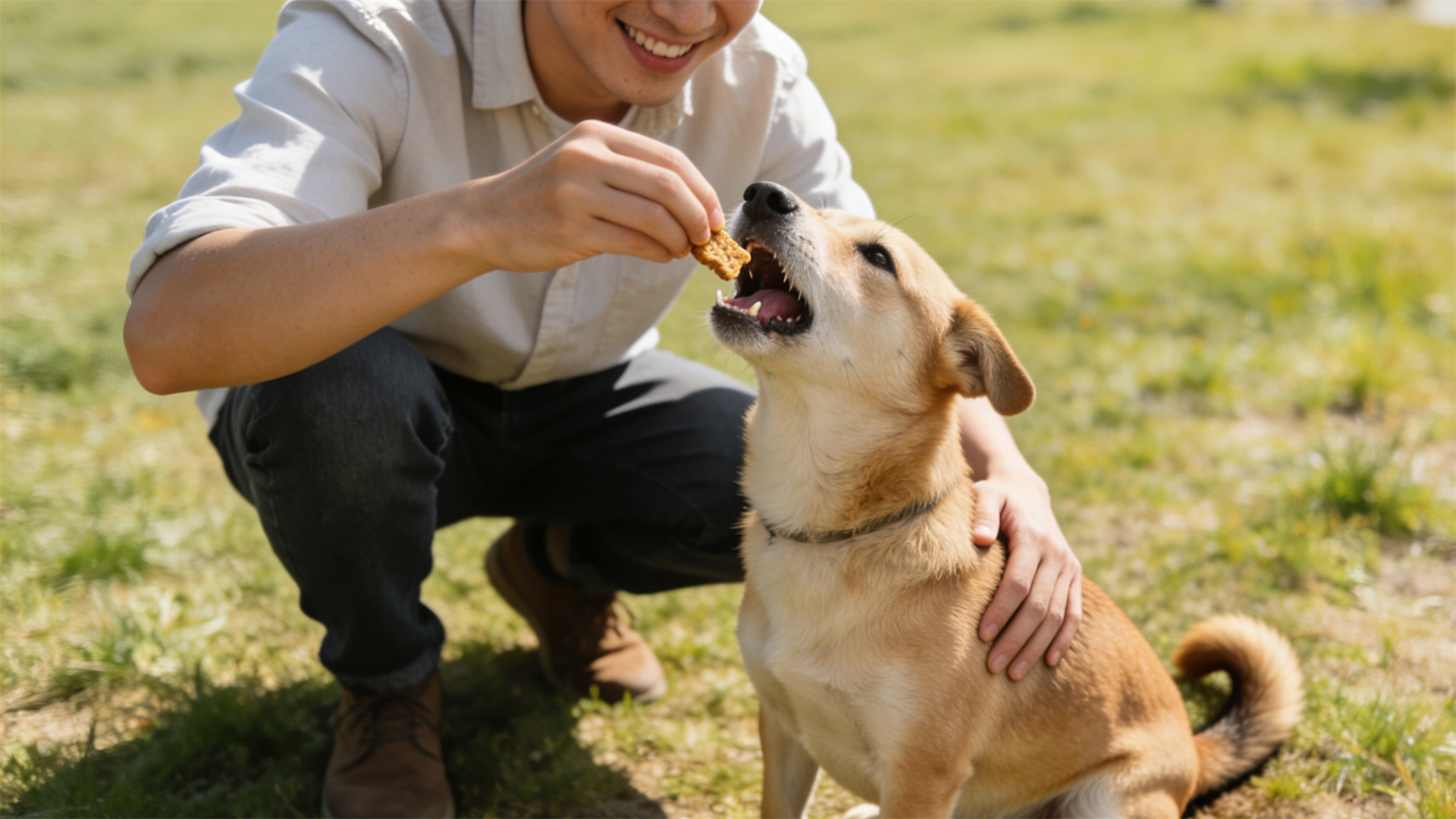
- Type of Reward: This must be a high-value treat—something your dog goes crazy for and only gets for this specific behavior. Tiny pieces of boiled chicken, freeze-dried liver, or a special cheese bit are perfect. Pair it with enthusiastic, genuine praise ("Yes! Good potty!").
- The Non-Negotiable: Timing: The reward must hit your dog's mouth the instant they finish the act. Not 3 seconds later, not as you walk back inside. This precise timing bridges the inducer and the behavior, cementing the connection. As dog training pioneer Ian Dunbar emphasizes, a reward delayed is a reward lost for the intended behavior.
- Fading the Treat (The Long-Term Goal): Once the reflex is solid (typically after 2-4 weeks of consistent success), you begin to variably fade the food reward. Sometimes give the high-value treat, other times just exuberant praise. The inducer itself becomes a secondary reinforcer because of its history of predicting good things. The habit becomes self-reinforcing—doing their business in the right spot simply becomes the "right" thing to do.
📋 Section Three: Implementing the Quick Method - Your Step-by-Step Plan
Let’s synthesize everything into a chronological, actionable plan. Commit to this for one week with absolute consistency.
Step 1: Foundation (Days 1-2)
- Choose your inducer phrase and your high-value reward.
- Establish a strict schedule: First thing in morning, after every meal, after play, before bed.
- Leash your dog and take them directly to the designated toilet area.
Step 2: Pairing & Naming (Ongoing)
- In the toilet area, allow your dog to sniff. Stay boring and silent.
- The second they assume the position and begin to go, say your cue calmly: "Go Potty."
- As they finish, immediately deliver the treat and praise with joy.
Step 3: Building the Reflex (Days 3-7+)
- Begin to say your inducer cue just as you arrive at the spot, before they start. You’ve now paired it sufficiently that it can become a gentle prompt.
- If they go within 60-90 seconds, jackpot! Immediate reward. If not, calmly go back inside (no play), confine or supervise for 10-15 minutes, then try again.
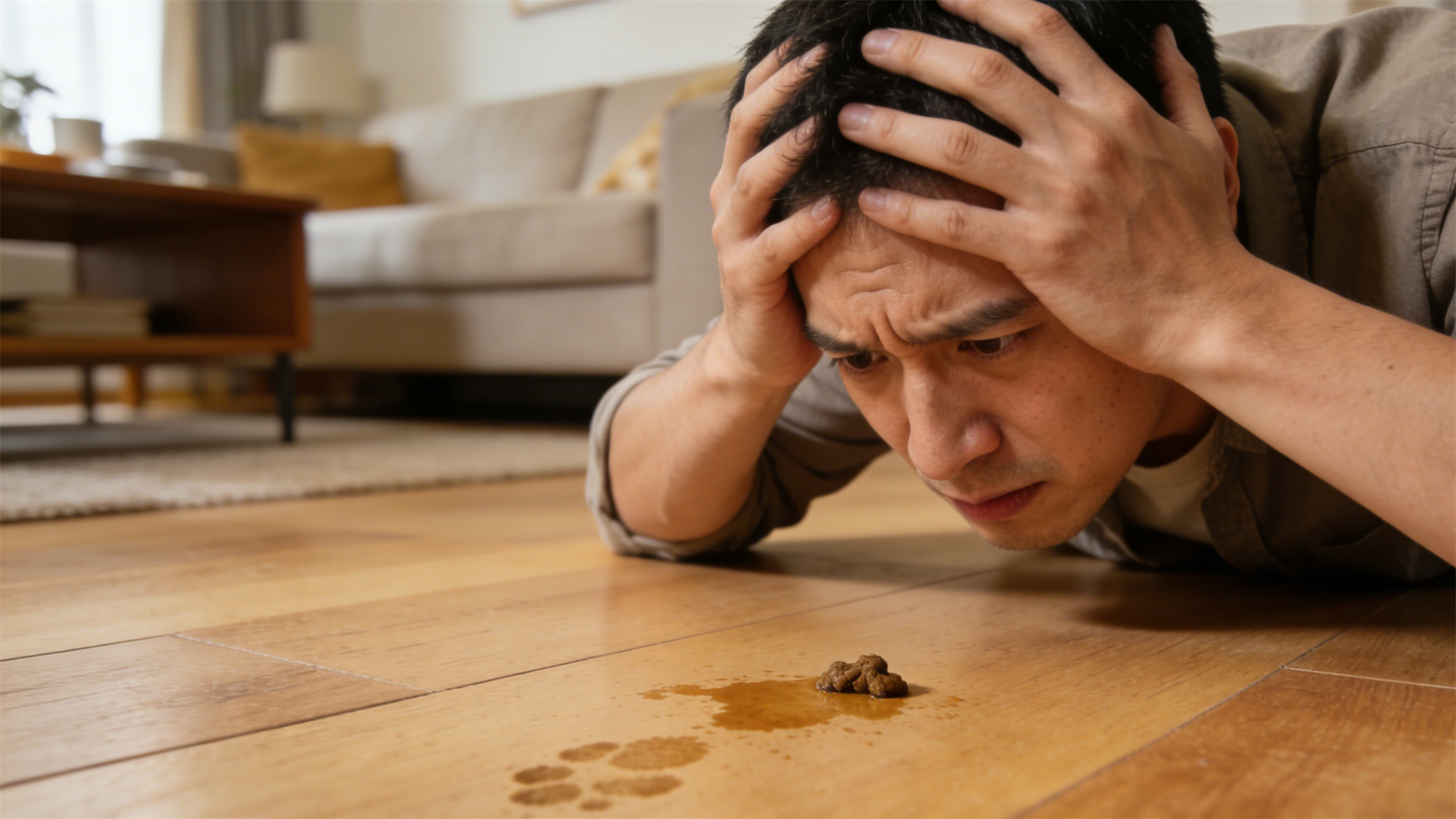
- Never punish an accident. Simply clean it thoroughly with an enzymatic cleaner. Punishment creates secrecy, not understanding.
Troubleshooting Common Setbacks
- No Response to Cue: Go back to Step 2. You likely advanced the cue too quickly. Re-pair it with the natural action more often.
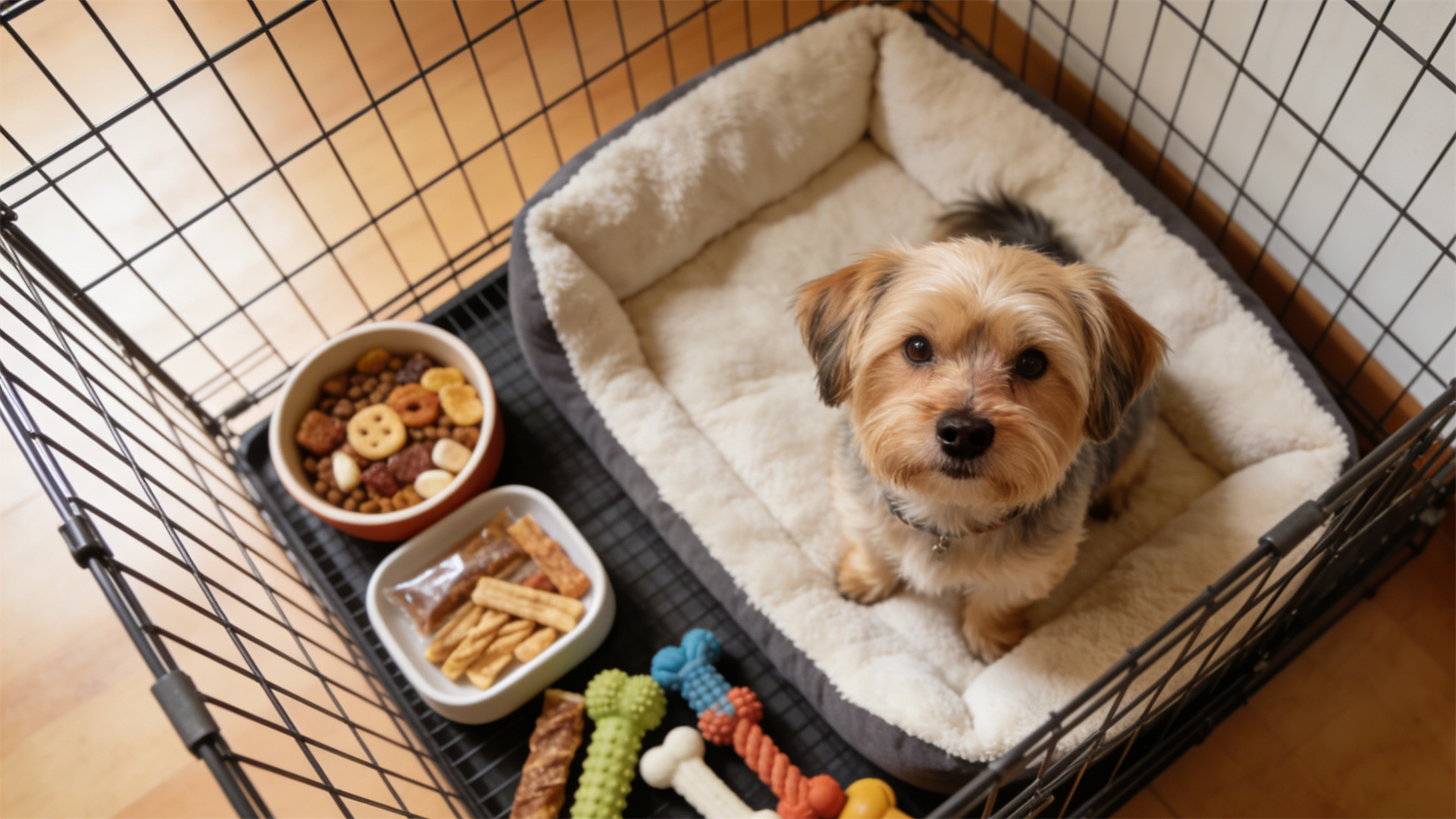
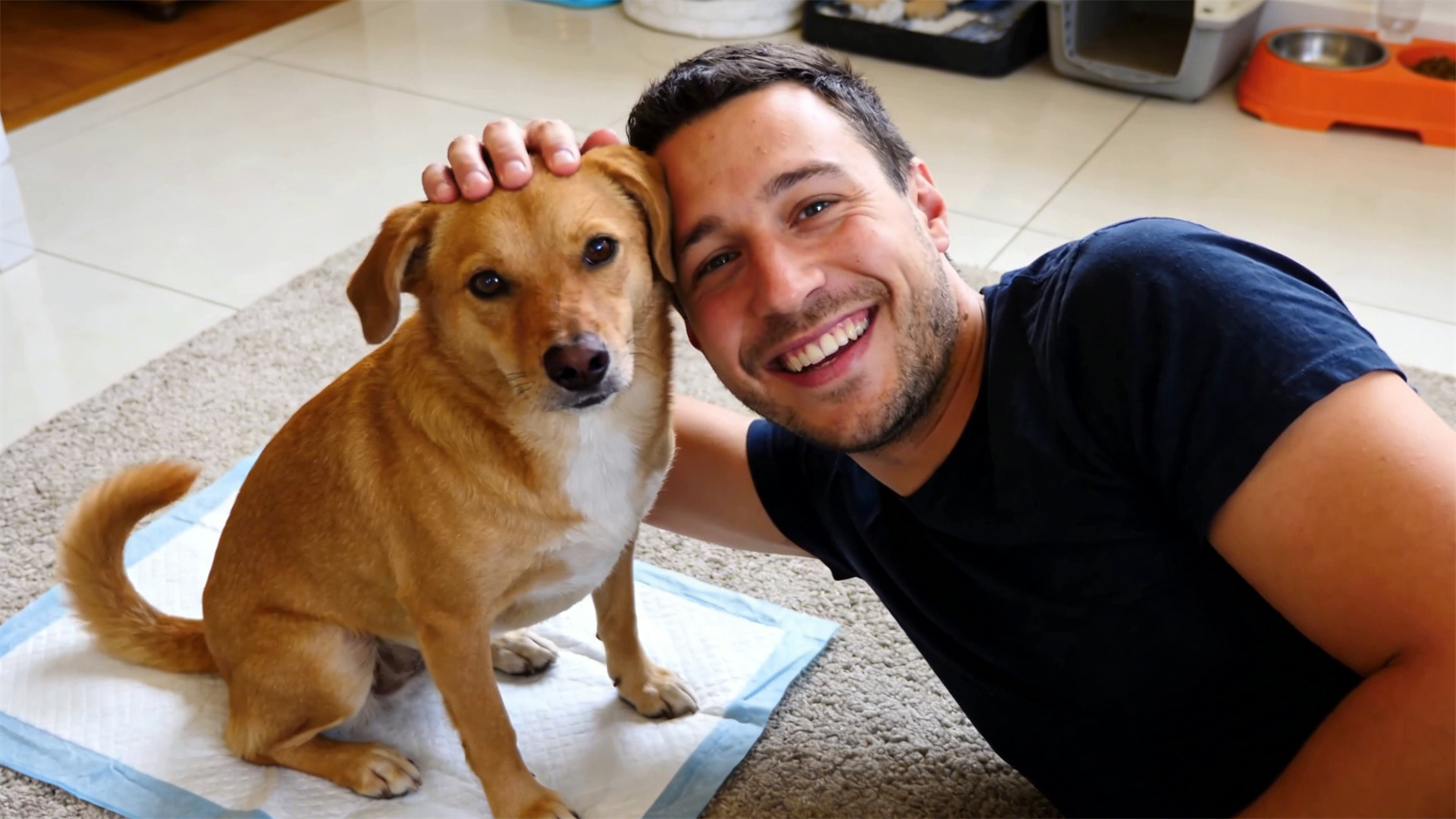
- Accidents Inside: Intensify supervision. Use a tether or crate when you can't watch. Your schedule may be too sparse; take them out more frequently. (For more on managing accidents, see our deep-dive guide here).
- Dog Seems Distracted Outside: Use a leash even in yards. Keep trips business-like until the business is done, then you can release for play.
✅ Conclusion: From Training to Lifelong Habit
This quick method for establishing a fixed toileting habit is powerful not because it's a secret trick, but because it works with your dog's brain. It replaces guesswork and frustration with clear communication: a consistent inducer, a perfectly timed reward, and the patient building of a conditioned reflex for dog toilet reliability. The result is more than a clean floor—it's a dog who understands what is expected and a human who feels confident in their training abilities. Consistency, patience, and celebration are your true tools. Stick with the protocol, and you will transform the chore of house training into the cornerstone of a harmonious, trusting partnership.