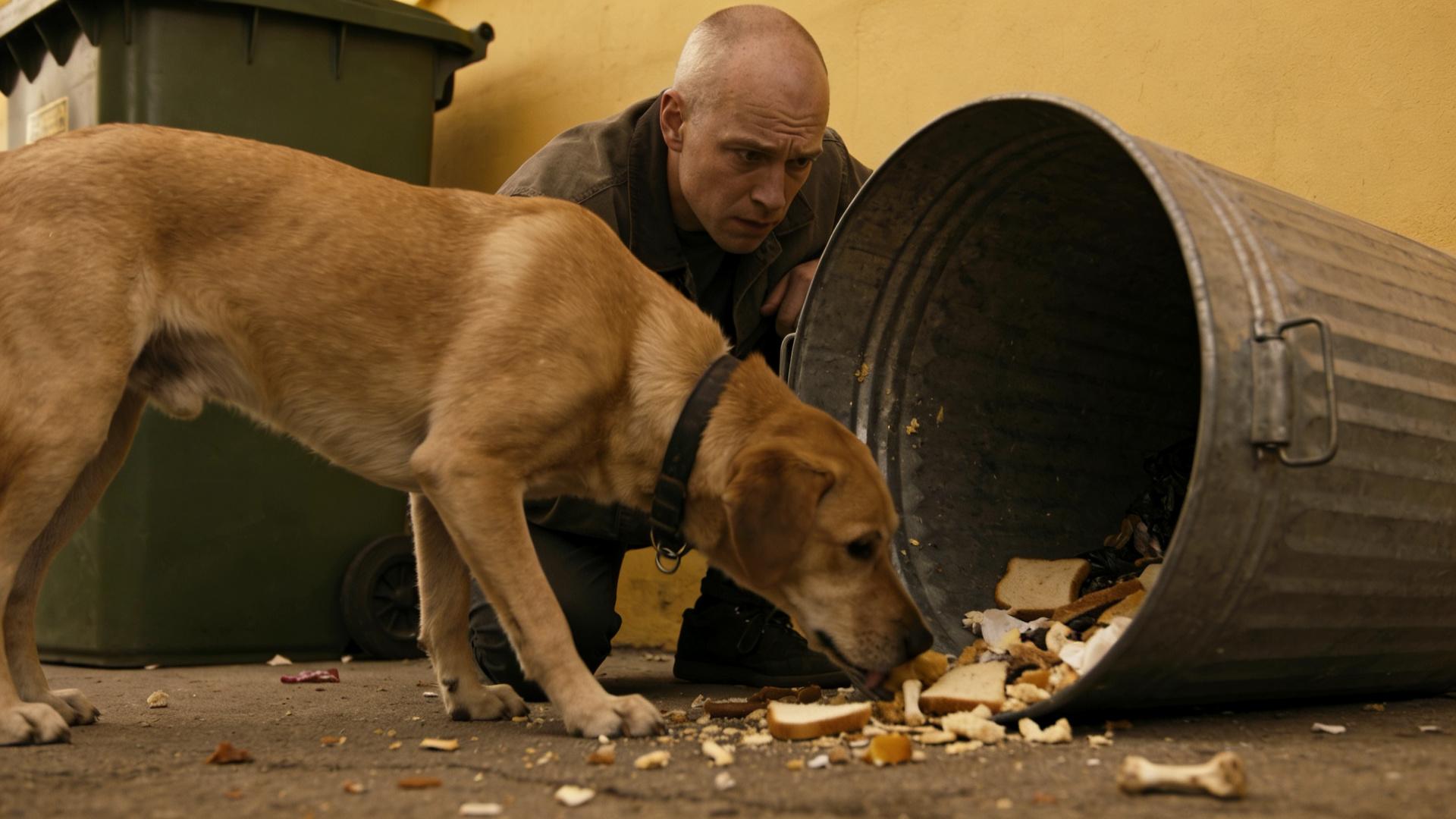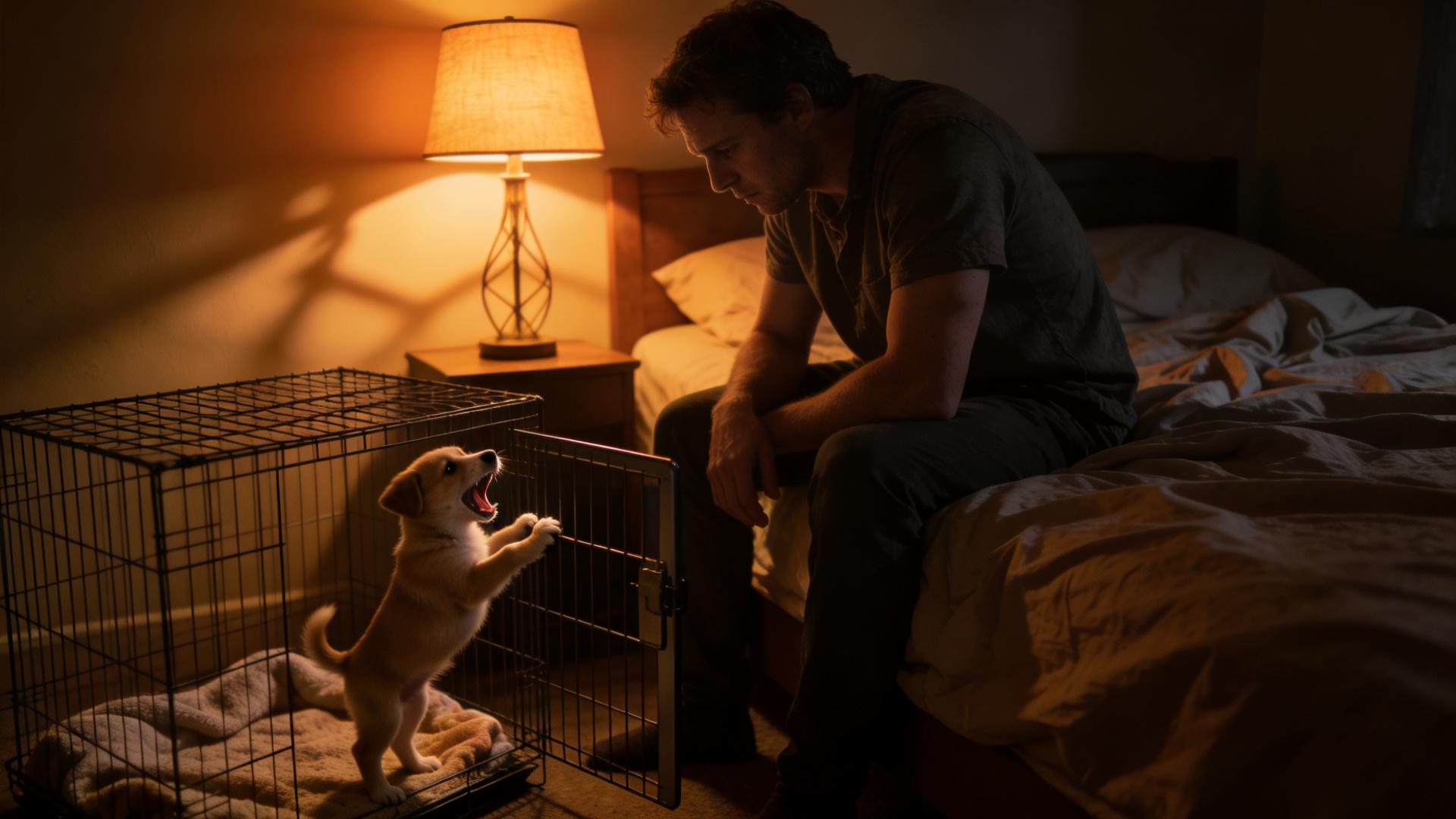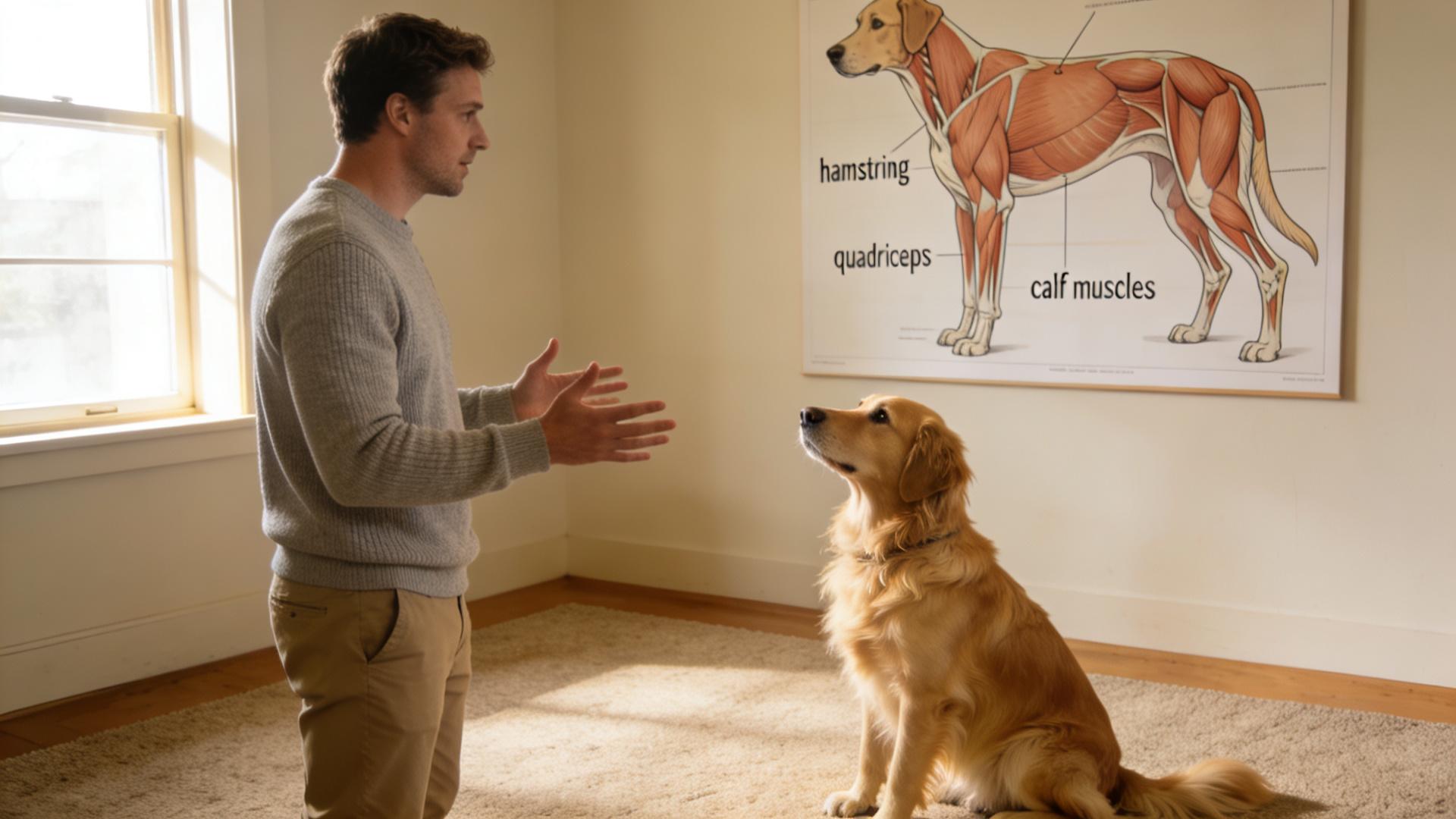
You come home to a scene of minor chaos—a shredded pillow, garbage scattered across the floor. You find your dog, and they immediately avert their gaze, yawn, and give a quick, unmistakable lick of their nose. The conclusion seems obvious: “Look at that guilty face! He knows he did wrong and is begging for forgiveness.” This narrative feels instinctual to us, a story we’ve told ourselves for generations. But what if we’ve been reading the entire situation incorrectly?
This common scenario is a perfect example of how we project human emotions and motivations onto our canine companions. To build a truly trusting and understanding relationship with our dogs, we must learn to translate their native language instead of imposing our own. So, let's answer the title question directly: No, your dog is not licking its nose to "beg for mercy." They are using a fundamental piece of canine vocabulary—a reassurance signal—to communicate stress and attempt to de-escalate a tense situation, which, in this case, is your upset demeanor.
🐕 What Are Canine Reassurance Signals?
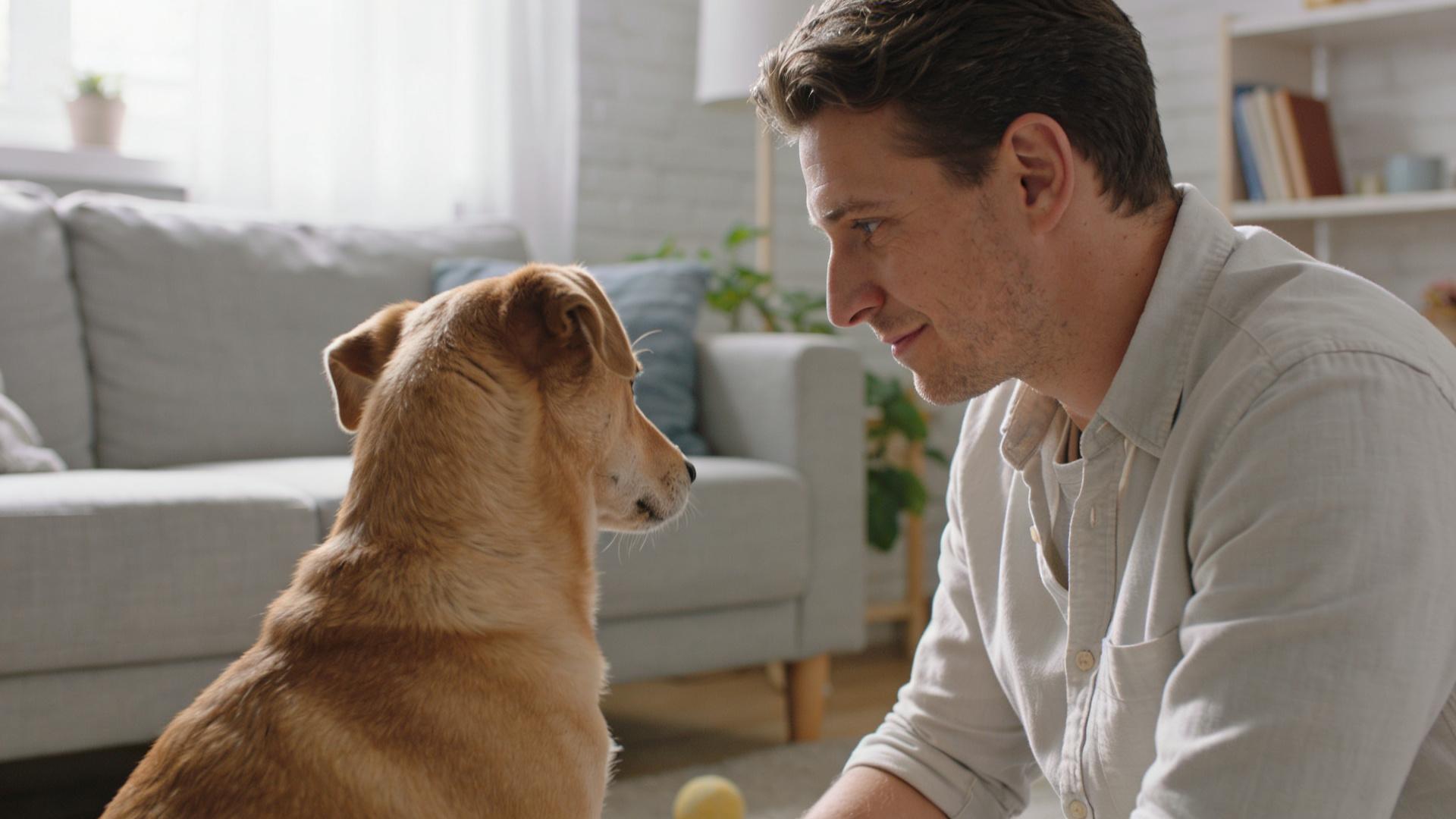
The term "calming signals" was coined and popularized by renowned Norwegian dog ethologist Turid Rugaas. These are innate, ritualized behaviors dogs use to communicate with each other and with us. Think of them as a social lubricant and a built-in conflict prevention system. Their primary functions are:
- To express personal anxiety or discomfort: “This situation is making me stressed.”
- To calm themselves: “I need to self-soothe right now.”
- To calm others: “Let’s all just relax and avoid a fight.”
- To communicate peaceful intentions: “I come in peace.”
These signals are often subtle and happen in a fraction of a second. Becoming fluent in them is key to understanding your dog’s emotional state. Common canine reassurance signals include:
- Turning head or body away
- Yawning (outside of tiredness)
- Sniffing the ground suddenly and intently
- Slow blinking or averting gaze
- Freezing in place
- “Splitting” (walking in a curve to approach indirectly)
- And, of course, the rapid nose or lip lick.
When you see a cluster of these signals, it’s a strong indicator your dog is experiencing significant stress and is trying to cope.
👅 The Nose Lick Deep Dive: A Signal, Not a Snack
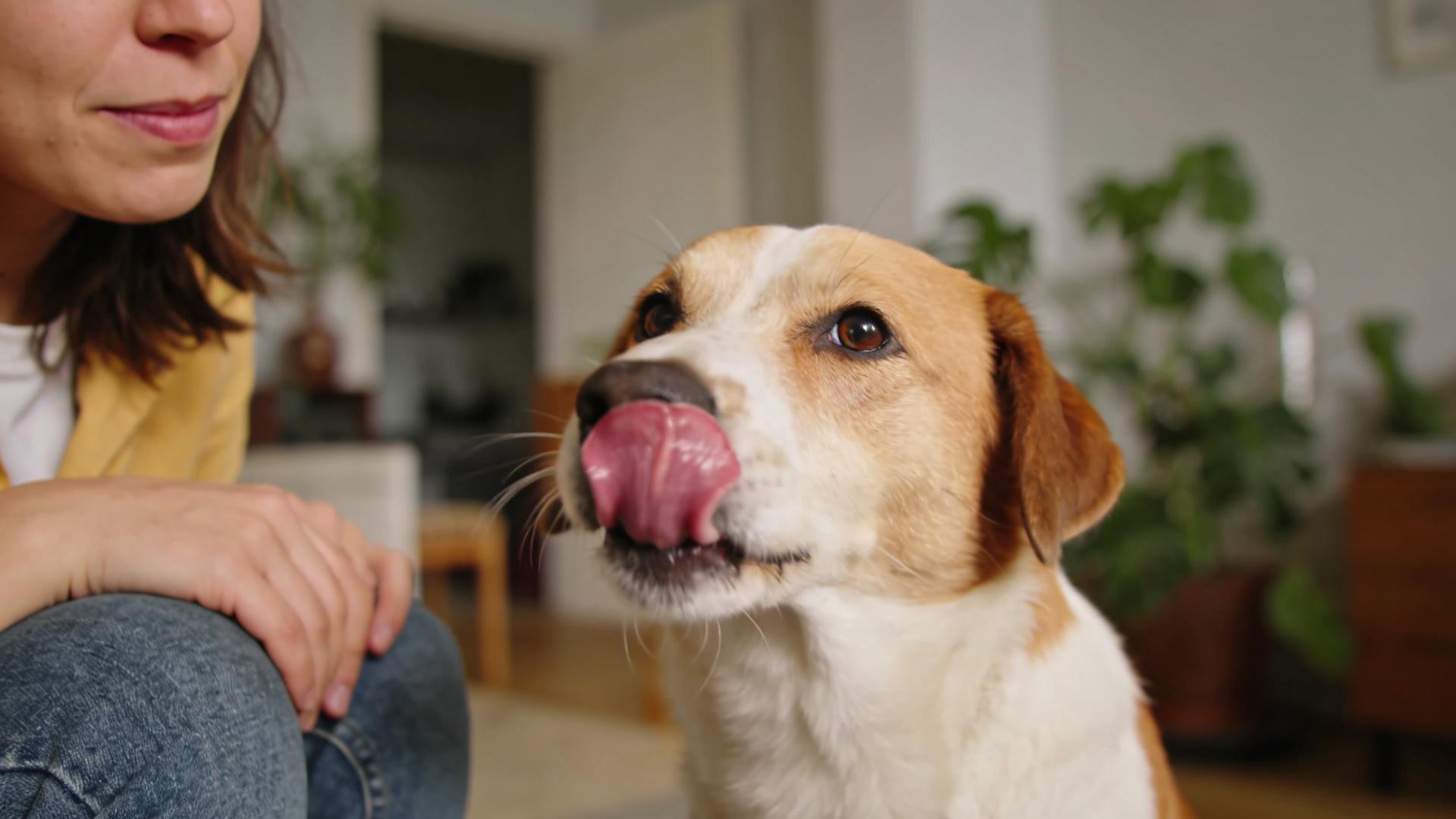
Let’s zoom in on the behavior in question. The stress-related nose lick is not the slow, deliberate lick a dog uses to clean its muzzle after a meal. It’s a fast, sometimes barely perceptible, flick of the tongue to the nose or front teeth. It can happen once or repeatedly in quick succession.
Common Triggers for a Stress Lick:
- Human Emotional Expression: Your angry tone, frustrated sigh, or tense posture.
- Confrontational Human Behavior: Direct, sustained eye contact (“staring”), leaning over them, or pointing a finger.
- Environmental Stressors: Loud noises (thunder, vacuums), unfamiliar people or dogs, or a tense atmosphere in the home.
- Confusion or Pressure: During training if the task is too difficult or the rewards aren’t clear.
In the shredded pillow scenario, the dog is not thinking about the past act of shredding. They are reacting to the current change in your energy: your stiff body language, the tone of your voice as you say “Oh no…”, and your focused attention on them and the mess. The nose lick is their attempt to say, “You seem upset and unpredictable. Please, calm down.”
🚫 Debunking the "Guilty Look" and "Begging for Mercy" Myth
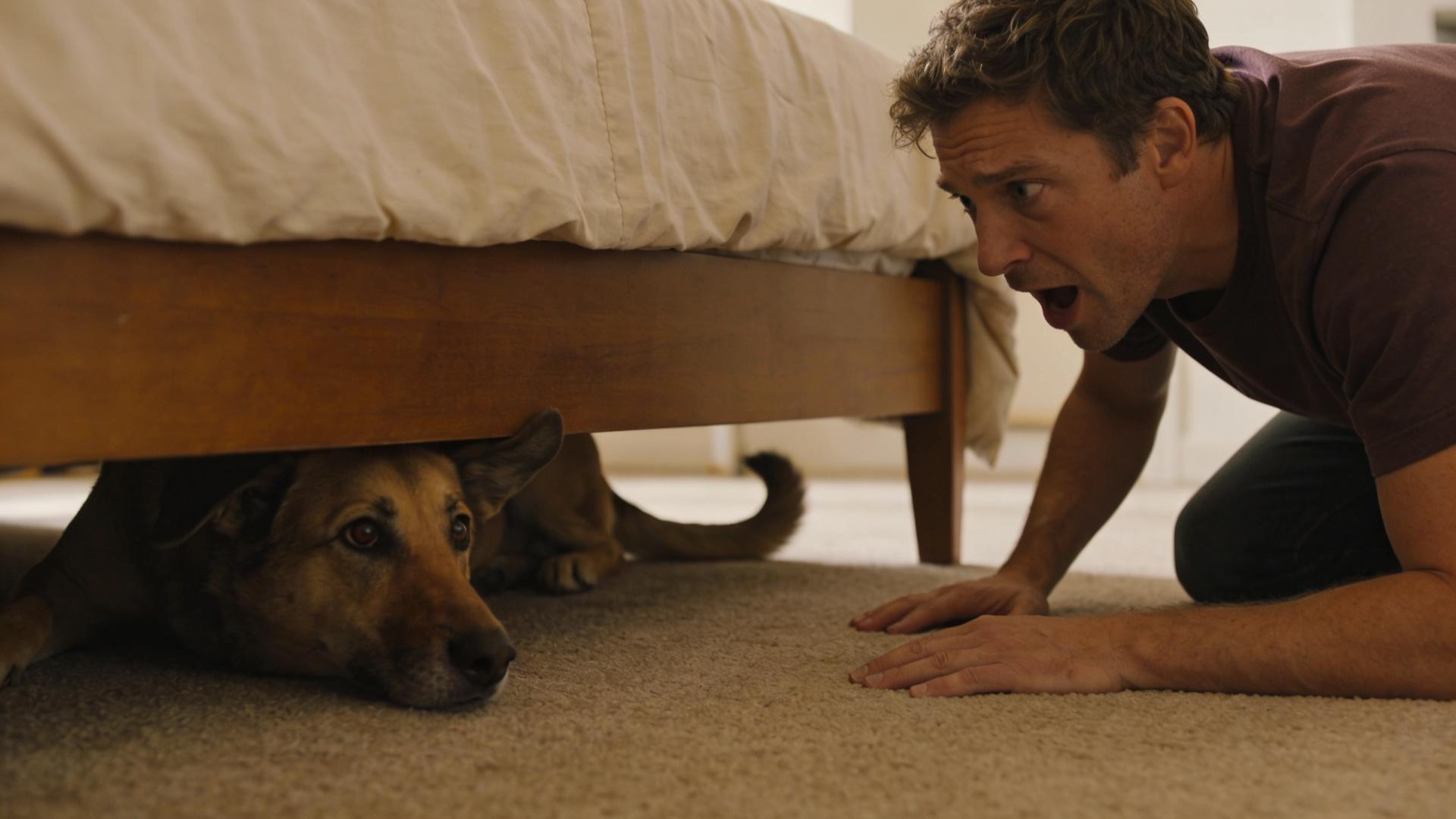
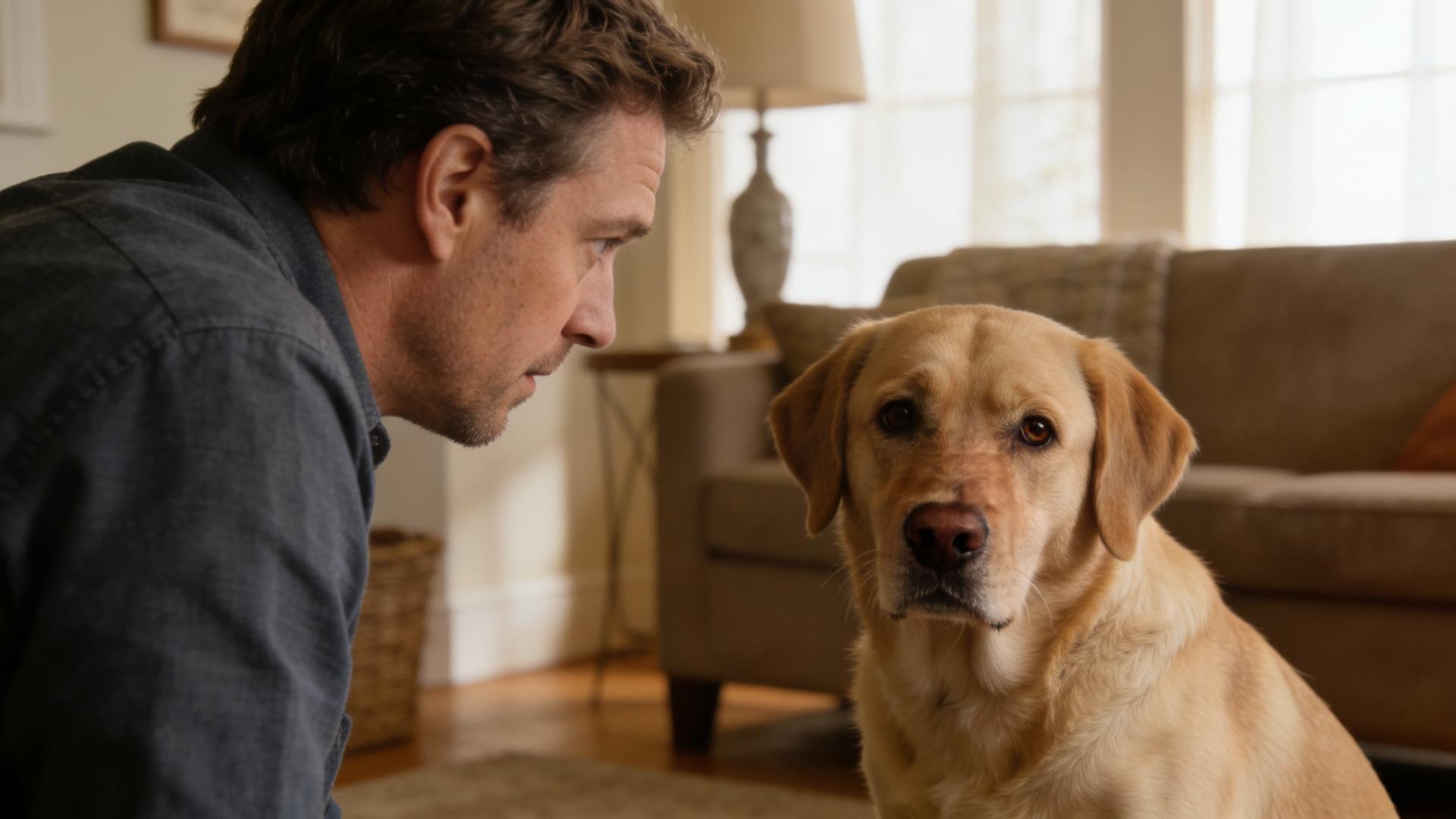
This is perhaps the most crucial correction we can make as dog owners. The “guilty look”—ears back, whale eye, tucked tail, crouched posture, and nose licking—is not evidence of guilt, shame, or remorse.
Scientific studies have demonstrated that dogs displaying these behaviors are reacting to the owner’s scolding in the present moment, not the misdeed in the past. In experiments, dogs “looked guilty” even when they were innocent of a staged transgression, but their owner believed they were guilty and scolded them accordingly.
Dogs lack the complex moral framework that defines human guilt. What we interpret as “begging for mercy” is actually a fear-based stress response to perceived threat. They have learned that certain human cues (your posture, tone, arrival home) often predict a negative outcome. Their body language is a plea for the tension to stop, not an apology for a past action.
Misreading this as guilt can severely damage your relationship. Punishing a dog for “looking guilty” long after the event is not only ineffective, it’s confusing and frightening for them. They cannot connect the punishment to an action that happened minutes or hours ago; they only learn that your presence can be scary and unpredictable.
💡 How to Respond Correctly: From Stress to Trust
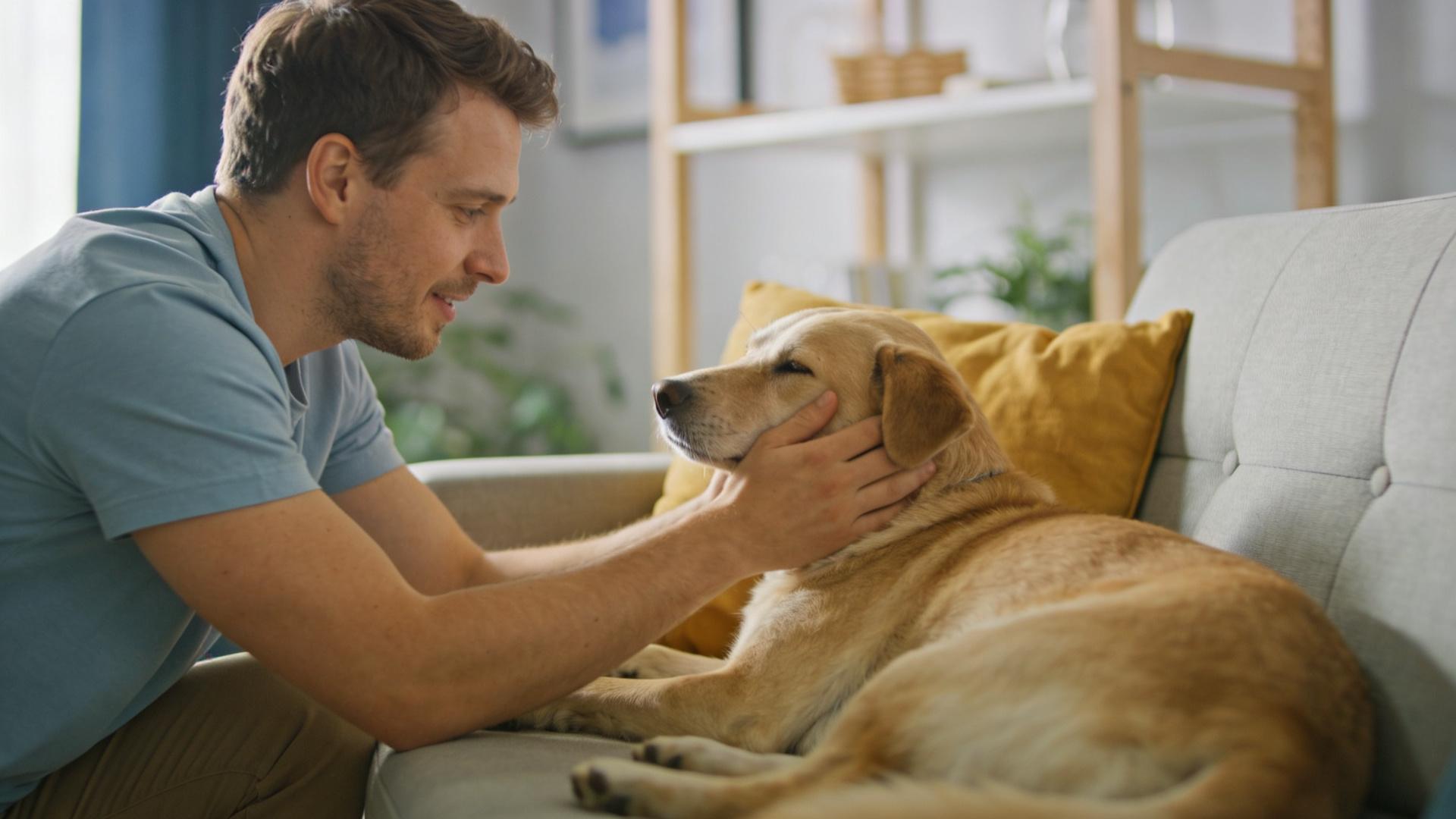
When you see your dog offering calming signals like a nose lick, the appropriate human response is counterintuitive to our initial instincts. Your goal is to reduce their stress, not escalate it.
- Immediately Stop the Stressful Behavior: If you were leaning over, standing tall, staring, or using a harsh tone, stop. Break your gaze, turn your body sideways (less confrontational), soften your face and voice, and create physical space.
- Assess the Environment: Is there something else causing stress? Move your dog to a quieter space if possible.
- Manage, Don't Scold: For behaviors like garbage raiding, focus on prevention (secure bins) and management (using baby gates) rather than punishment after the fact.
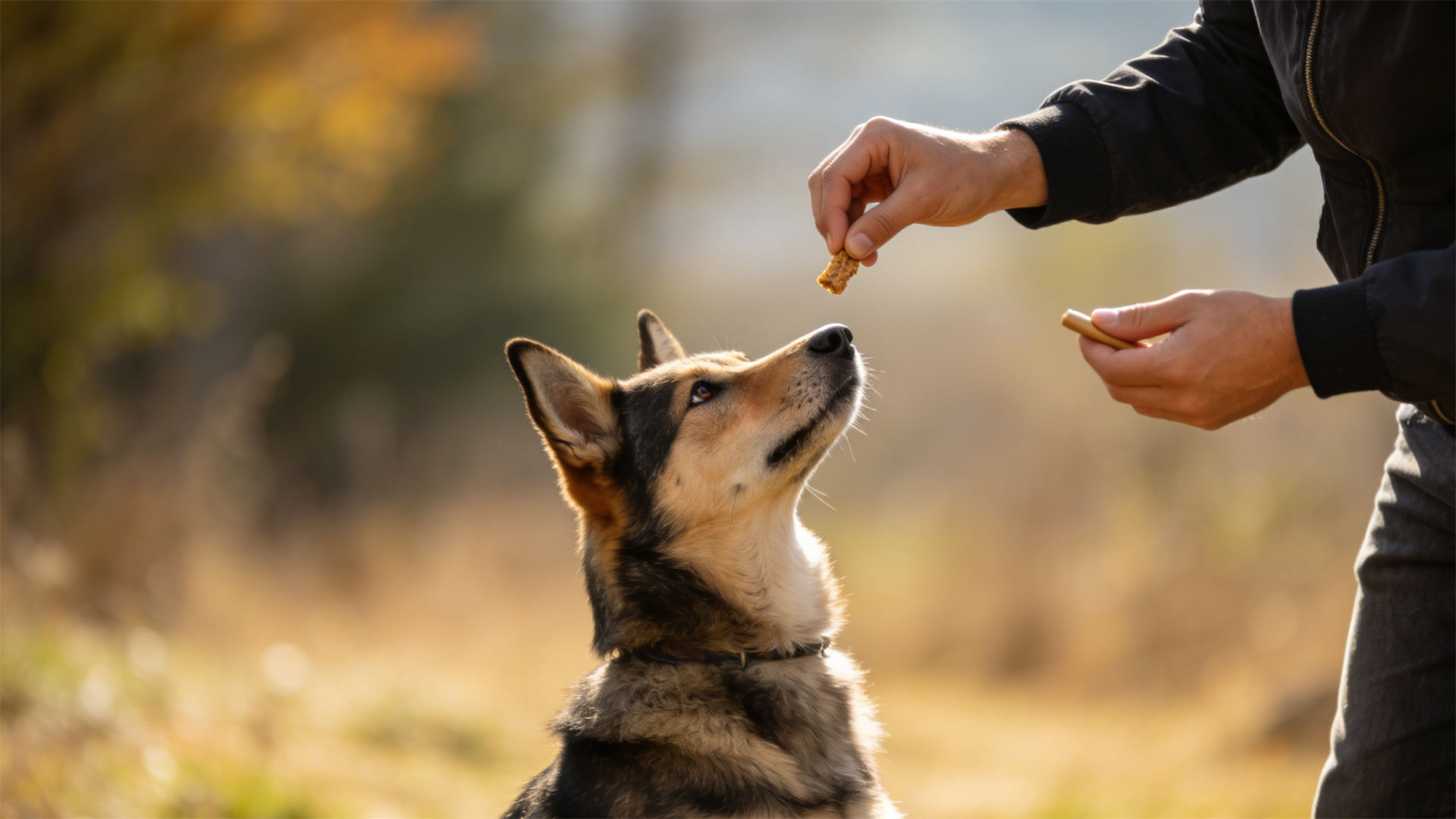
- Embrace Positive Reinforcement: Train and reinforce the behaviors you want to see. Reward your dog for calm behavior, for chewing on their own toys, and for making good choices. This builds clear communication and confidence.
- Become a Safe Harbor: Your dog should see you as a source of security, not anxiety. By respecting their communication, you build immense trust.
If your dog frequently exhibits calming signals in normal situations, it may be worth exploring underlying anxiety with a veterinarian or a certified force-free behavior consultant.
🔚 Conclusion: Becoming Fluent in a Silent Language
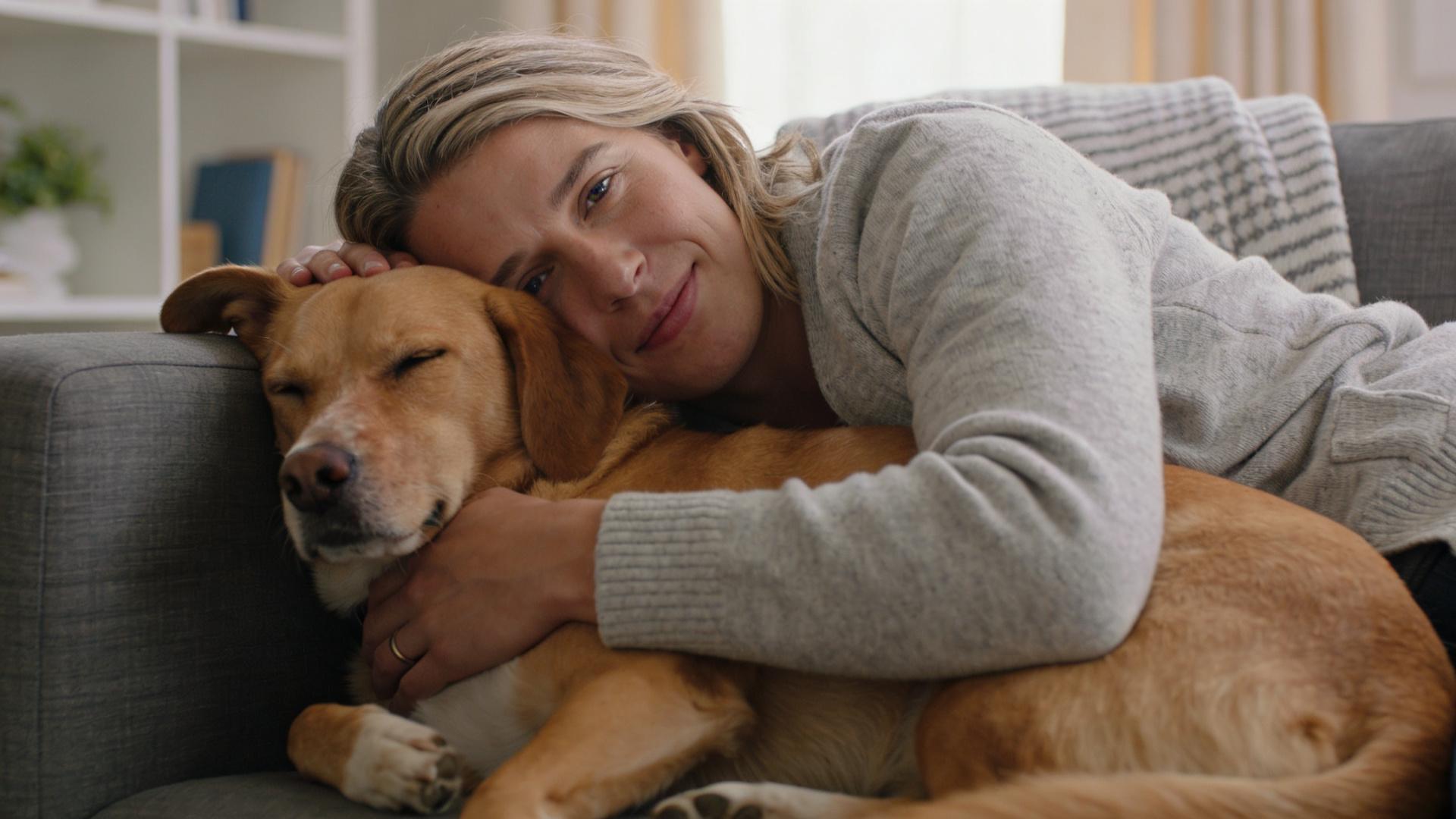
Deciphering dog reassurance signals is a transformative skill. It moves us from a place of misunderstanding and frustration to one of empathy and clear communication. When you see that nose lick, remember: it’s not a guilty plea. It’s a canine olive branch, a request for peace and stability.
By choosing to listen to what our dogs are actually saying, we foster safer, happier, and more deeply connected relationships with them. Start observing your dog holistically. Watch for the clusters of signals—the yawn, the look away, the ground sniff, the nose lick. You are learning to hear their silent voice, and in doing so, you are becoming the truly trustworthy partner your dog deserves.