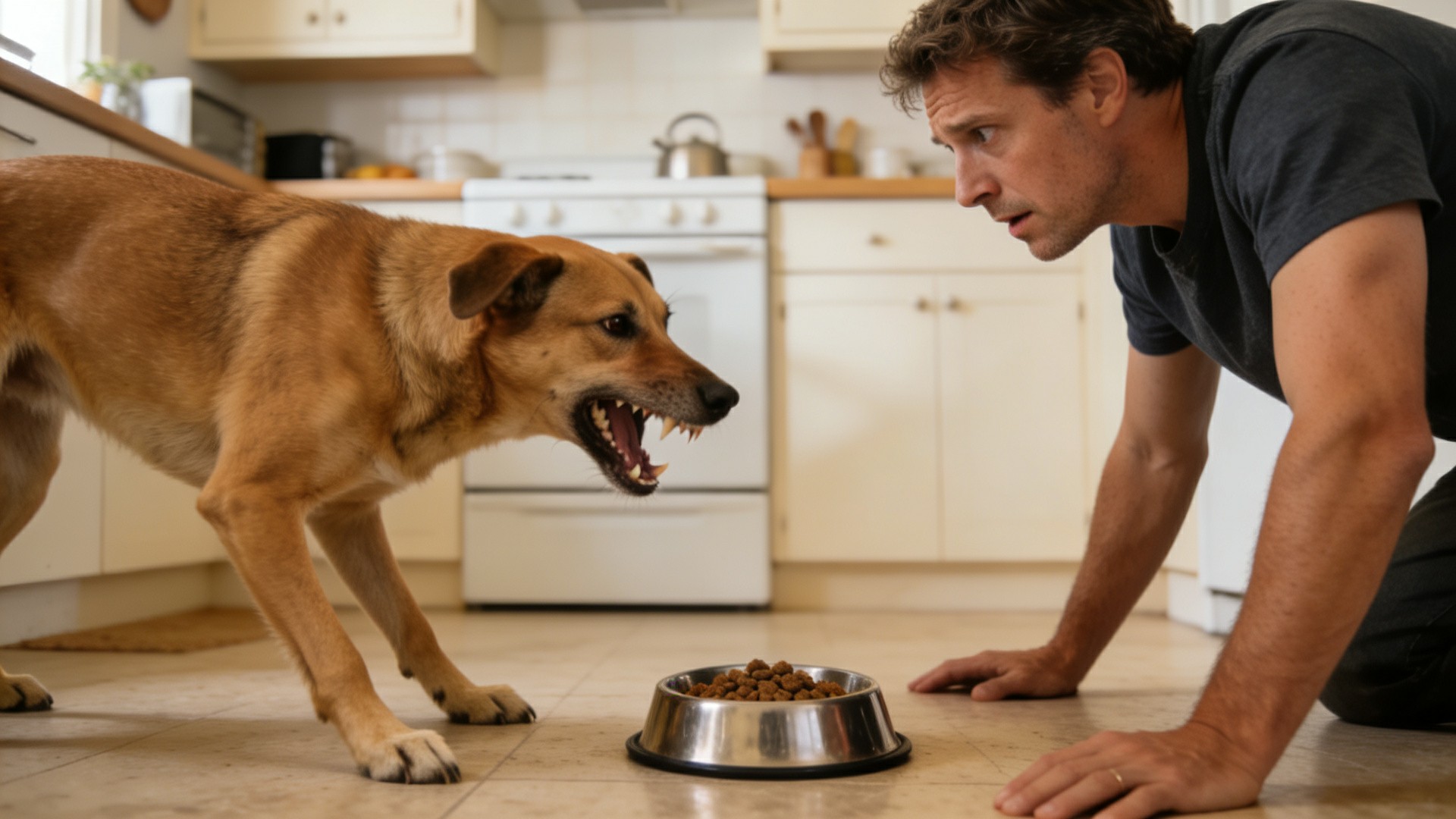
In the harmonious home of a dog lover, few sounds are as jarring as a low growl emanating from the food bowl. Food bowl guarding is a common yet deeply concerning behavior that taps into a dog's most primal instincts. While rooted in natural survival mechanisms, when manifested in our living rooms, it can create tension, risk safety, and fracture the bond of trust. The good news? This behavior is not a life sentence. By understanding its origins and proactively cultivating a sharing mentality from the earliest age, we can guide our canine companions toward a mindset of relaxed abundance. This comprehensive guide will equip you with the knowledge and actionable strategies to prevent resource guarding, ensuring meal times are peaceful and your dog feels secure, not defensive.

🦴 Understanding the Behavior: The "Why" Behind the Growl
To effectively modify a behavior, we must first seek to understand it. Food bowl guarding is a specific form of resource guarding, a behavior where a dog uses avoidance, threats (like growling, snapping, or stiffening), or aggression to maintain control over a valued item. This item can be food, toys, a favorite bed, or even a person.
The Evolutionary Roots
In the wild, resources are scarce and competition is fierce. The instinct to protect a valuable meal from potential thieves is a fundamental survival strategy. While our domestic dogs enjoy regular meals from a reliable source, this ancient wiring remains in their dog psychology around food. For some dogs, the simple presence of a human or another animal near their bowl can trigger this deep-seated fear of loss.
Recognizing the Early Signs
Intervention is most successful before full-blown aggression develops. Watch for these subtle early warnings when you or another pet approaches your dog during meals:
- Body Freezing: The dog suddenly stops eating and becomes rigid.
- Side-Eye (Whale Eye): Showing the whites of their eyes while keeping their head turned away.
- Rapid Eating: Suddenly gobbling food at an accelerated pace.
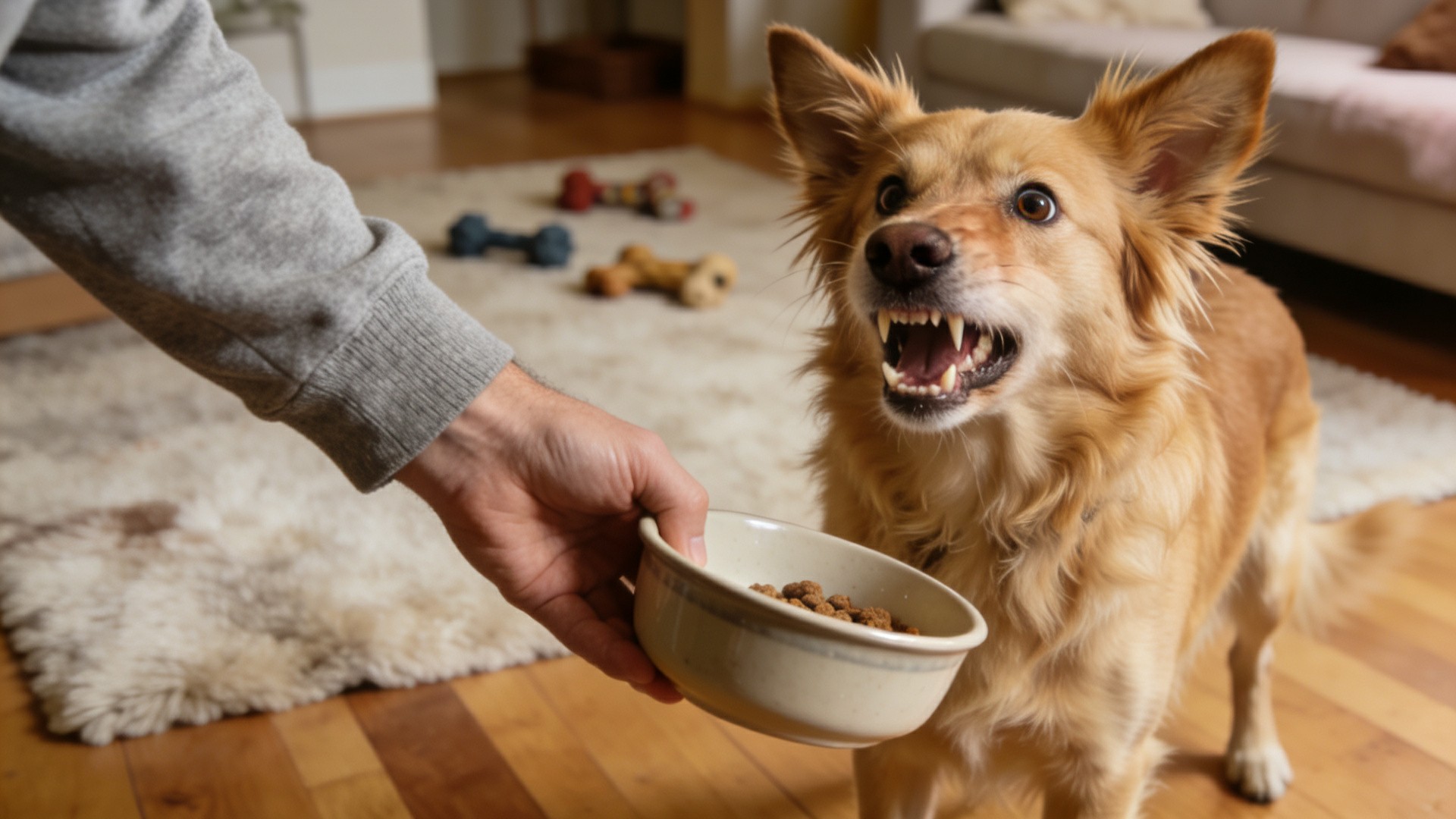
- Low Growl or Lip Curl: Audible or visual warnings.
- Hovering Over the Bowl: Positioning their body directly over the resource.
Punishing these warning signs is a critical mistake, as it teaches the dog that giving a warning leads to bad outcomes. Next time, they may skip the growl and go straight to a bite. The goal is to change their emotional response to your approach from anxiety to anticipation.
🐕 Start Training Early: The Puppy Foundation
The adage "prevention is better than cure" is profoundly true for preventing food aggression in puppies. A puppy's critical socialization window (roughly 3 to 14 weeks) is the optimal time to build positive, lifelong associations. Puppy training early in this context isn't about strict obedience; it's about building trust and shaping their perception of the world.
Building Positive Associations
From day one, you want your puppy to learn that a human approaching your bowl is the best thing that could happen! Here’s how to start:
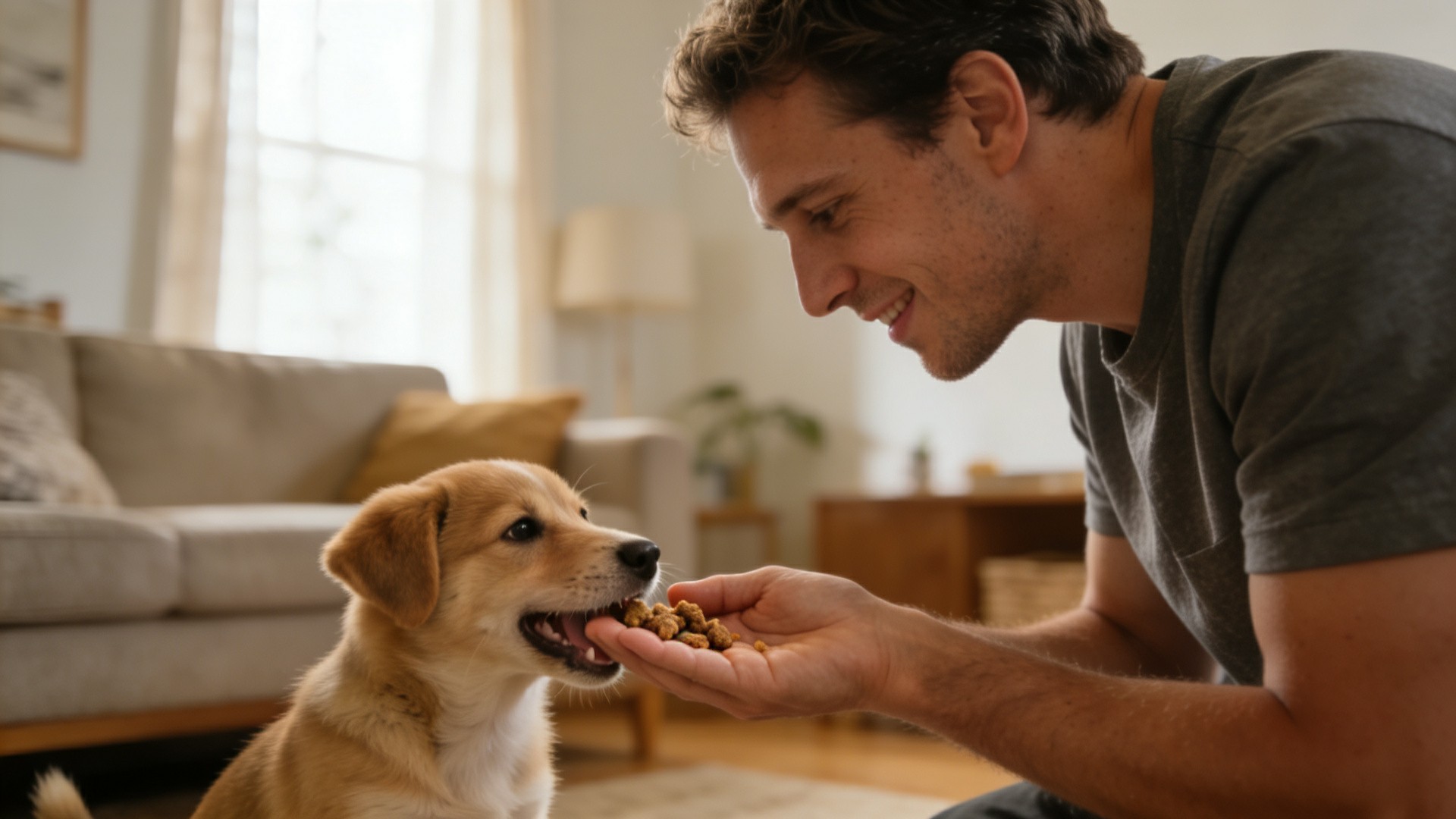
- Hand-Feeding Initial Meals: For the first few days, feed your puppy their kibble directly from your hand. This establishes you as the source of all good things, not a competitor.
- The Magical Bowl: As you transition to a bowl, make a practice of occasionally dropping high-value treats (like small bits of chicken or cheese) into it while they eat. Do this calmly and without fanfare.
- Gentle Handling: While they eat, gently stroke their back or shoulders. Pair this touch with dropping a superb treat into the bowl.
This process lays the neural groundwork for a sharing mentality, where your presence predicts something wonderful, not a threat.
🔑 Key Training Techniques: Step-by-Step Protocols
For puppies showing early signs or adult dogs needing behavior modification, structured, consistent training is essential. These techniques form the core of canine behavior modification for resource guarding. Always work at your dog's pace, ensuring they remain below their anxiety threshold.
1. The "Approach & Retreat" with Treasure Drops
This is the cornerstone exercise for stop dog guarding food.
- Start while your dog is eating a regular meal in their bowl.
- From a distance where your dog is comfortable and not showing tension, begin to approach.
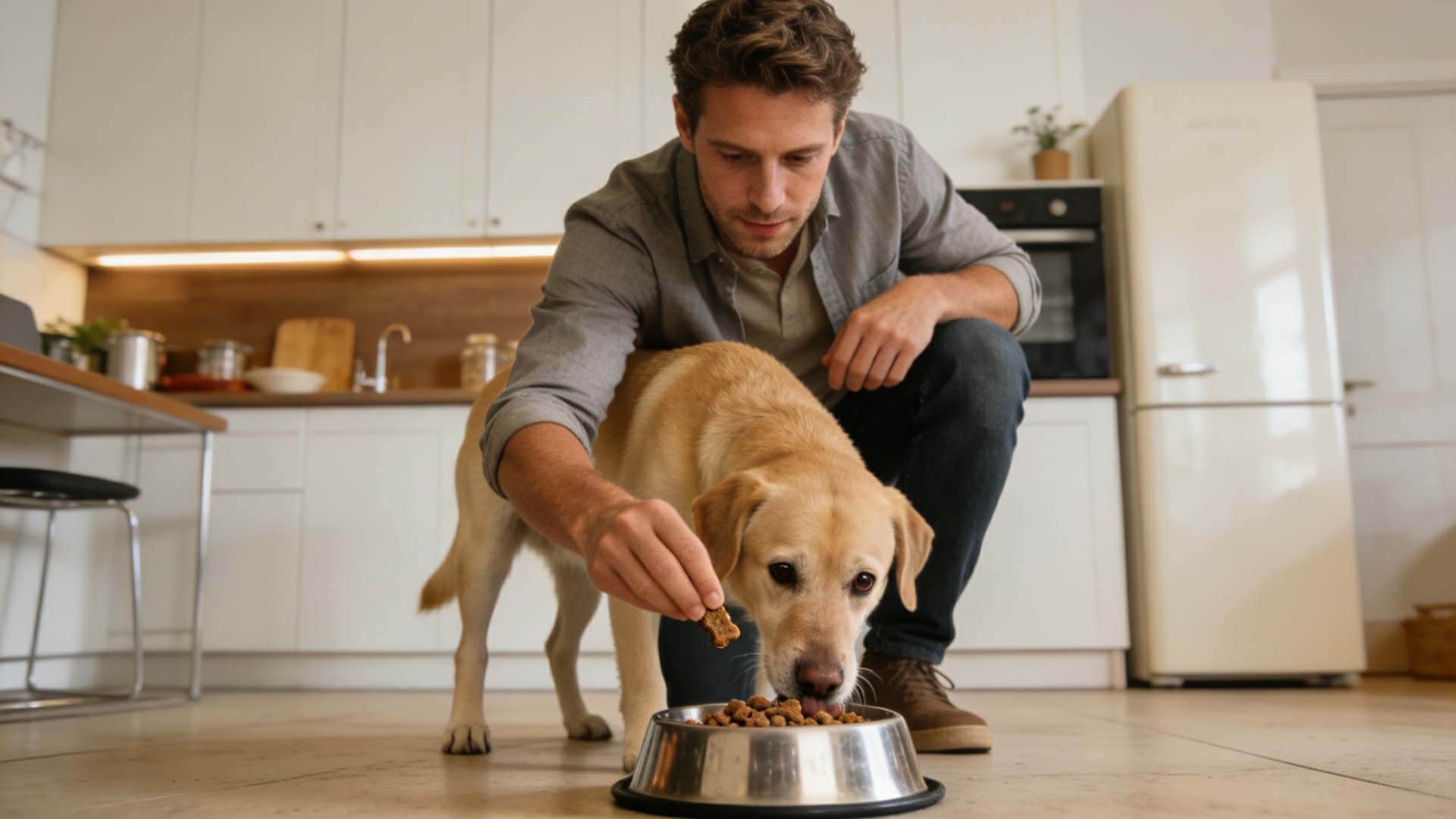
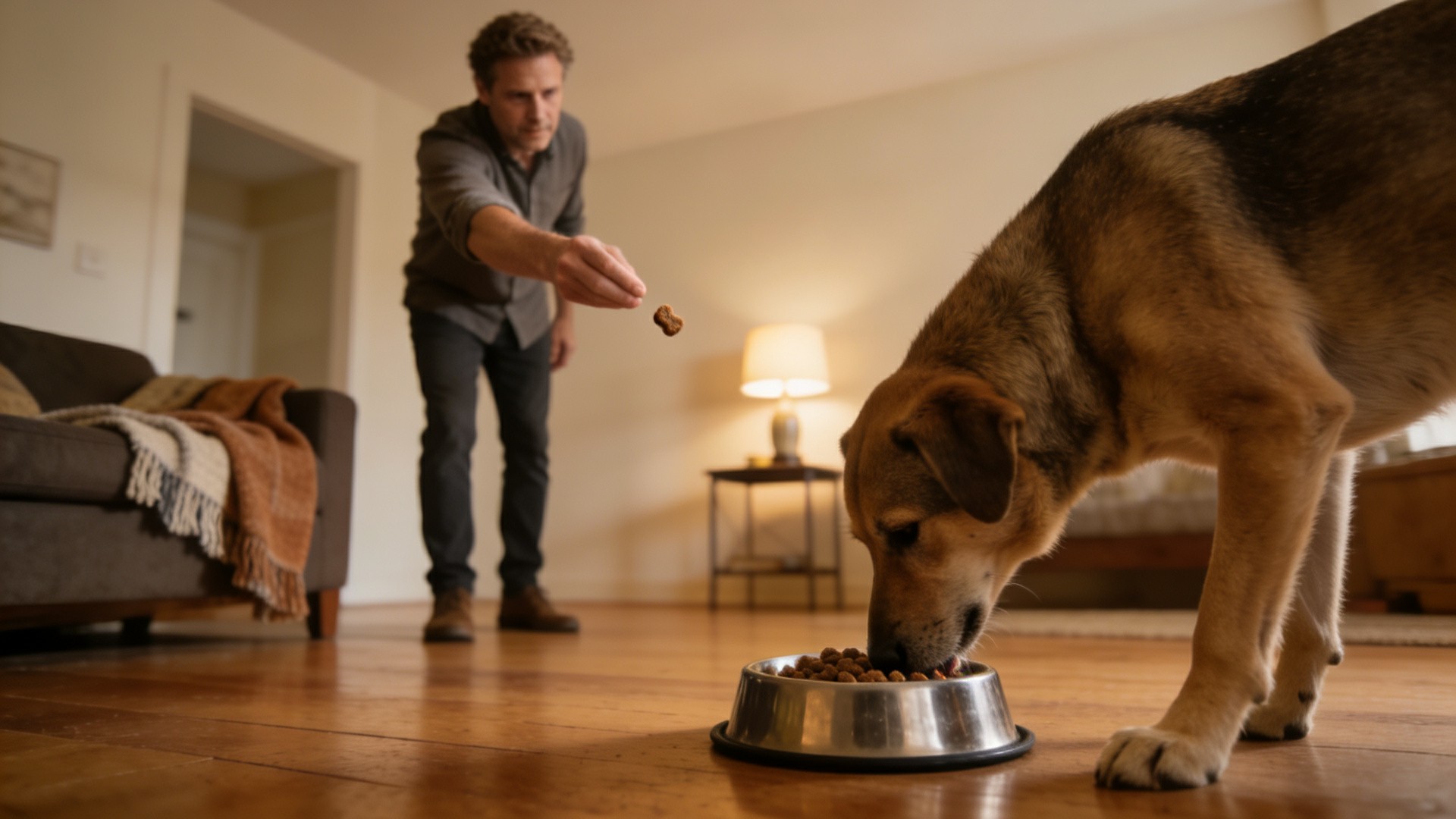
- As you get closer, before they react, cheerfully announce "Hello!" and toss a fantastically delicious treat (the "treasure") into their bowl, then immediately walk away.
- Repeat this 3-5 times per meal. Over many sessions, gradually decrease the distance from which you approach.
The dog learns: "When my human comes near my bowl, they add amazing food, then leave my meal alone. This is great!"
2. Mastering the "Leave It" Command
This command instills impulse control and trust. It teaches your dog to voluntarily relinquish an item for a guaranteed reward.
- Start with a low-value treat in your closed fist. Let your dog sniff and paw. The moment they back away or stop nudging, say "Yes!" and reward from your other hand with a higher-value treat.
- Progress to placing a treat on the floor, covering it with your hand. Use the same process: when they disengage, mark ("Yes!") and reward from your reserve.
- Finally, introduce the cue "Leave it" as they look at the item. Practice until they reliably look to you upon hearing the cue, anticipating their reward.
This command, built on positive reinforcement training, is invaluable for managing many situations beyond the food bowl.
3. Bowl Handling & "Trade-Up" Games
Make the temporary removal of the bowl a positive ritual.
- During a meal, calmly approach, say "Thank you!" pick up the bowl, add a spectacular treat, and immediately return it.
- Practice pausing the meal by asking for a simple "Sit," then rewarding with a treat before allowing them to return to eating.
This builds trust that you control resources benevolently.
🌀 Desensitization Exercises: Gradual Exposure Builds Confidence
For dogs with more established guarding, a formal desensitization and counterconditioning program is needed. This involves gradually exposing the dog to their "trigger" (your presence) at a low intensity and pairing it with positive outcomes to change their emotional response.
Special Reminder: If your dog has ever snapped or bitten over food, consult a qualified force-free dog behavior training professional before proceeding. Safety first.
- Step 1: Find the Threshold. Determine the distance at which your dog can eat comfortably while you stand still. This might be 10 feet away.
- Step 2: Pair with Positives. From this safe distance, every few seconds, toss a high-value treat toward their bowl without getting closer. Do this for the duration of the meal.
- Step 3: Decrease Distance. Over multiple sessions, as your dog remains relaxed and even looks up expectantly for treats, move an inch or two closer. Progress only when there is zero signs of stress.
- Step 4: Add Movement. Once you can stand near the bowl, begin incorporating the "Approach & Retreat" technique described above.
This systematic approach reduces anxiety around the food bowl at a pace the dog can handle.
❌ Common Mistakes to Avoid
Well-intentioned owners can inadvertently make guarding worse. Avoid these pitfalls:
- Punishing the Growl: As stated, this suppresses the warning, not the feeling, creating a more dangerous dog.
- Abruptly Taking the Bowl Away: This confirms the dog's fear that you are a threat to their resource.
- Confronting or "Alpha Rolling": Dominance theory is outdated and scientifically debunked. Confrontation escalates fear and aggression.
- Inconsistency: All family members must follow the same protocol. Mixed messages undermine training.
- Rushing the Process: Pushing a dog past their comfort zone can cause a regression. Patience is non-negotiable.
👨👩👧👦 Involving the Whole Family: Consistency is King
Teaching dogs to share is a household project. Every person who interacts with the dog must be on the same page. Hold a family meeting to explain the training plan. Supervise all interactions between children and the eating dog, teaching children to never disturb the dog during meals and to participate in "treasure drops" under strict supervision. This uniform reinforcement solidifies the new, positive association for the dog.
🌈 Long-Term Benefits: Beyond the Bowl
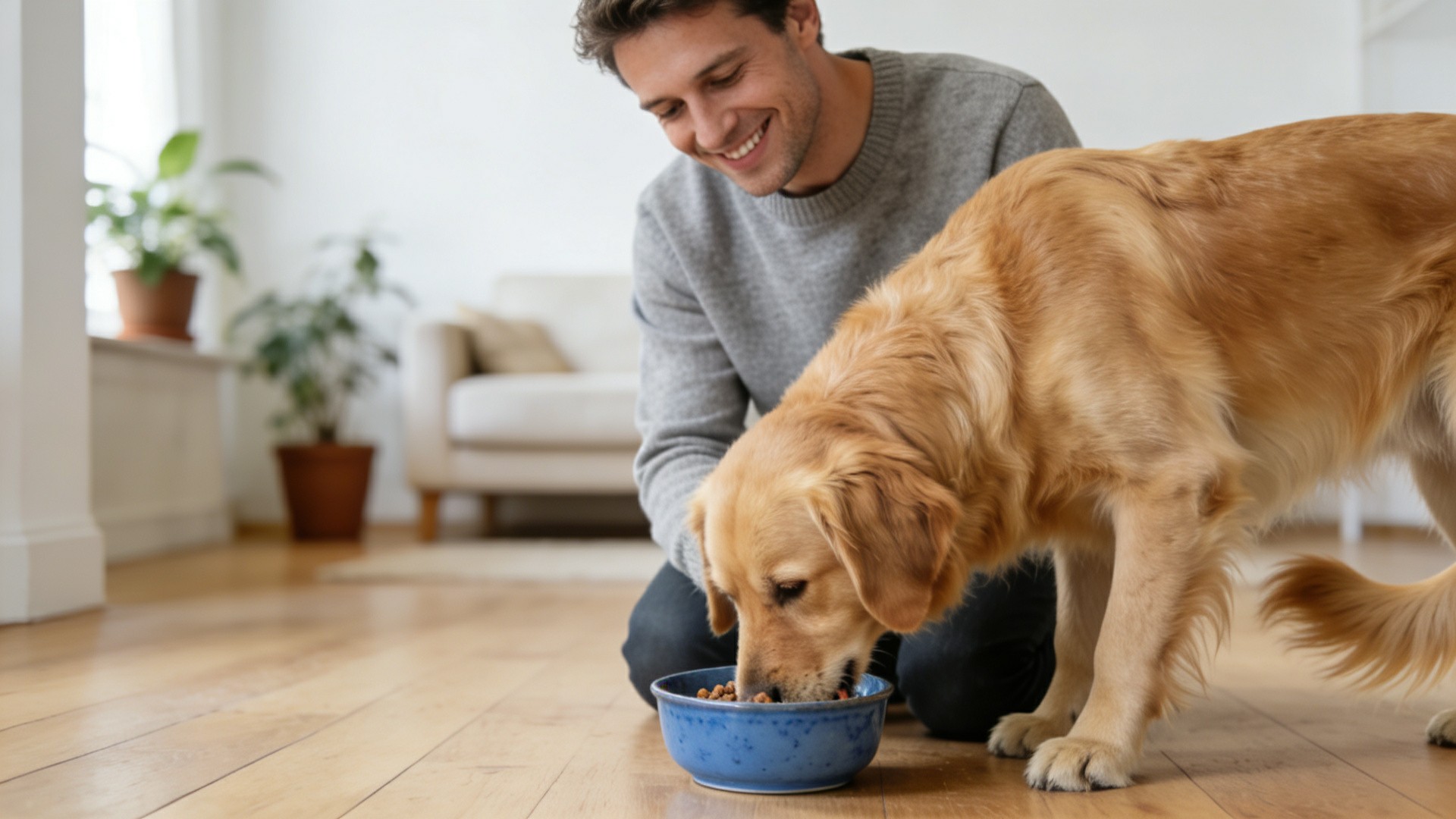
The work of cultivating sharing in dogs yields dividends far beyond peaceful meal times. A dog who has let go of food-based anxiety is generally a more relaxed and confident companion.
- Enhanced Bond: Trust replaces tension, deepening your relationship.
- Simplified Care: Vets and groomers can safely handle your dog. You can easily administer medication in food.
- Generalized Calm: The sharing mentality often extends to toys, chews, and space, preventing other forms of resource guarding.
- Peaceful Home: Eliminates the walking-on-eggshells feeling and protects all household members, both human and animal.
🎯 Conclusion: Patience, Consistency, and Trust
Cultivating a secure, sharing mentality in your dog is a profound act of partnership. It requires patience, unwavering consistency, and a commitment to positive reinforcement training. By starting early socialization puppies for positive associations, using systematic techniques to change their emotional response, and avoiding common punitive mistakes, you are not just preventing resource guarding—you are building a foundation of unwavering trust. Your dedication to understanding canine sharing habits and investing in dog training for beginners or advanced modification will result in the ultimate reward: a well-adjusted, happy, and safe canine family member who knows their bowl—and their heart—are always full.