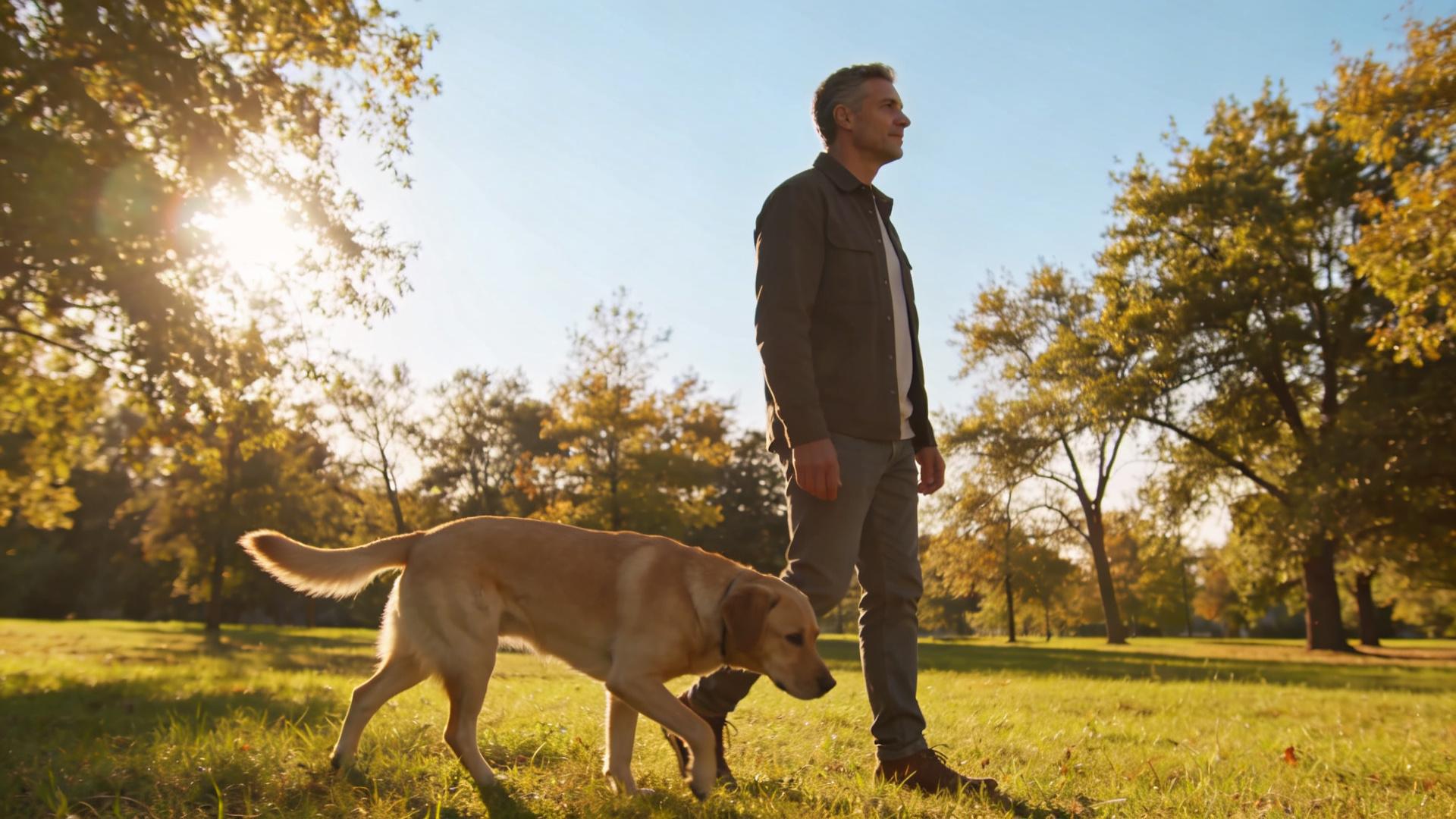
Imagine strolling through the park with your dog walking calmly by your left side. This vision is achievable through perfect heel training. Heel training is the cornerstone of canine obedience. It ensures safety during walks and strengthens your bond. The traditional left side position is not arbitrary. It has practical roots. This guide will provide everything you need to master heel training for dogs.
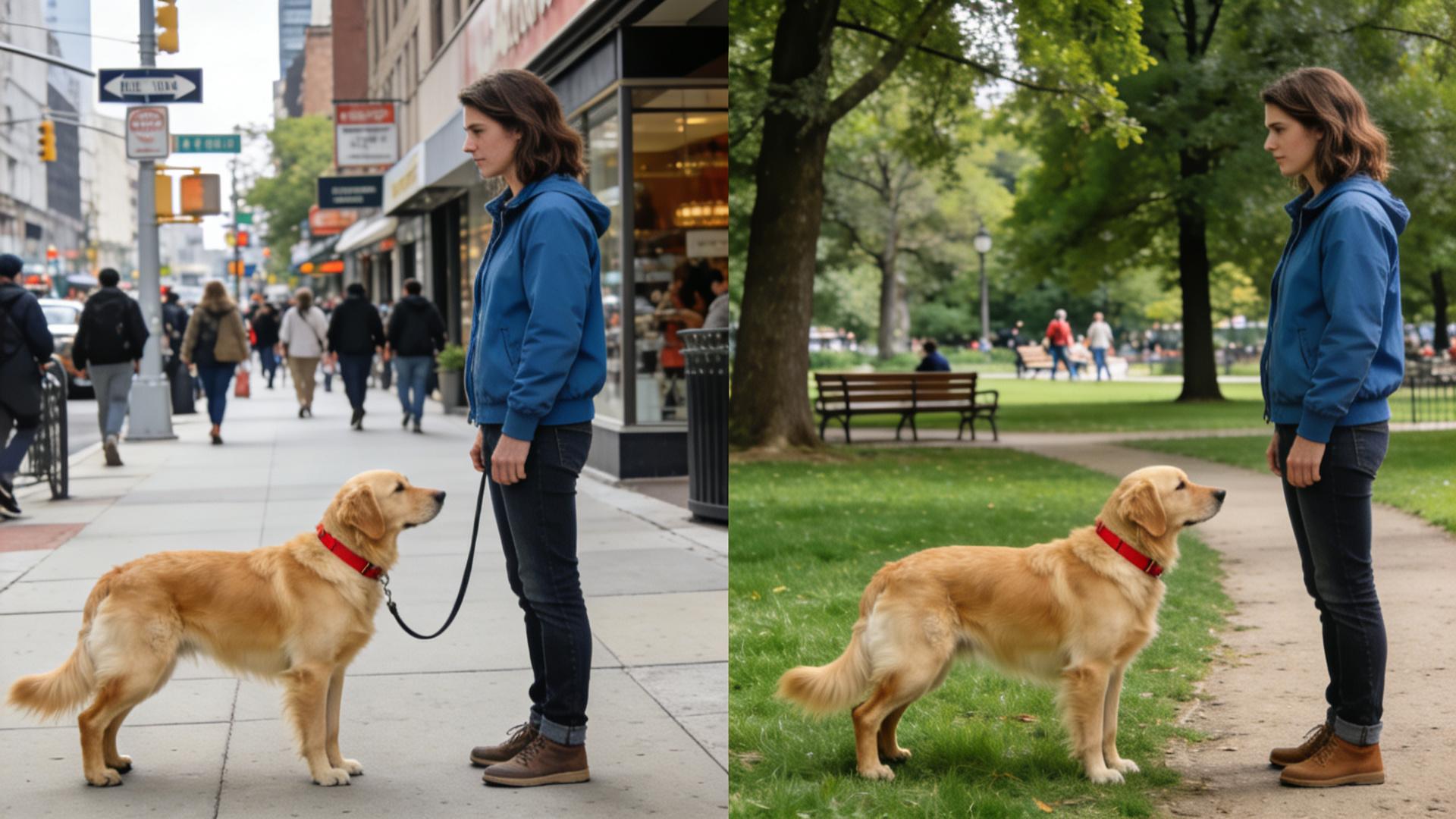
🐾 Why Heel Training Matters: The Foundation of Canine Obedience
Heel training is more than a simple command. It is a critical component of dog obedience heel training that ensures safety and control in various environments. The traditional left side position has historical roots in hunting and military practices where the handler's right hand remained free. Today it promotes orderly walks and prevents tangles. A dog that heels perfectly on the left side is a joy to walk. It reduces stress and fosters a harmonious relationship between you and your canine companion.

✨ Key Benefits of Perfect Heel Training
Why invest time in teaching heel to your dog. The rewards are immense.
Unmatched Control in Any Environment
A dog that heels on your left side allows you to navigate crowds. traffic. and other dogs with ease. You can prevent sudden lunges or pulls. This control is crucial for urban dwellers or those who enjoy outdoor adventures.
Enhanced Safety for Dog and Handler
By keeping your dog on your left side you place yourself between your pet and potential dangers like moving vehicles. This position also reduces tripping hazards from tangled leashes. It is a fundamental aspect of dog walking etiquette left side.
Deepened Bond and Mutual Respect
Training is a dialogue. When your dog learns to heel. they learn to trust your guidance. This shared accomplishment fosters a relationship based on respect and understanding. Every successful walk reinforces this connection.
Foundation for Advanced Training
A reliable heel opens doors to more complex skills like off-leash obedience or canine sports. It demonstrates your dog's ability to focus and follow commands under distraction.
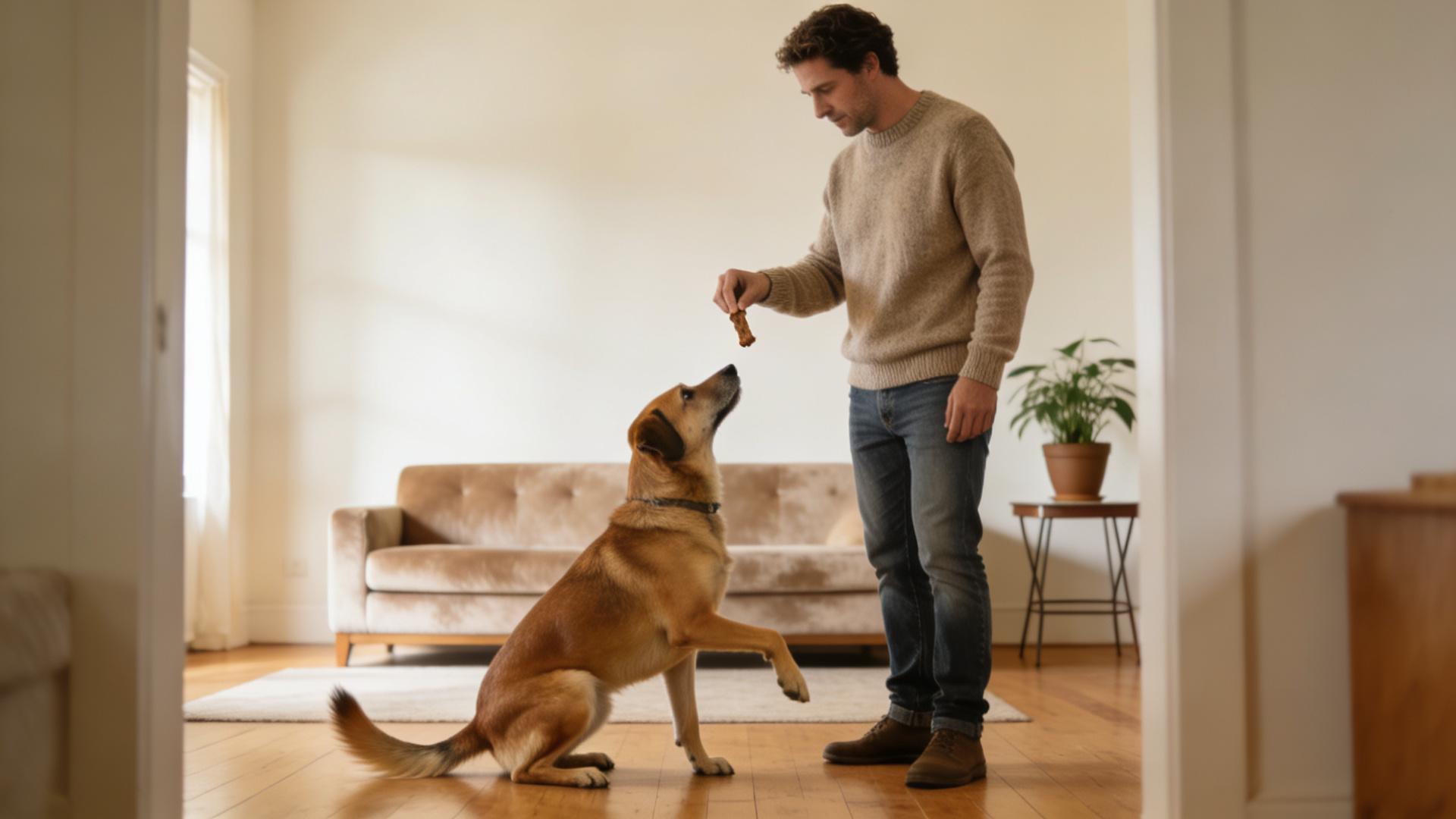
📚 Step-by-Step Guide to Perfect Heel Training
This proven method breaks down how to teach your dog to heel on the left into manageable steps. Commit to daily practice for best results.
Phase 1: Foundation and Positioning
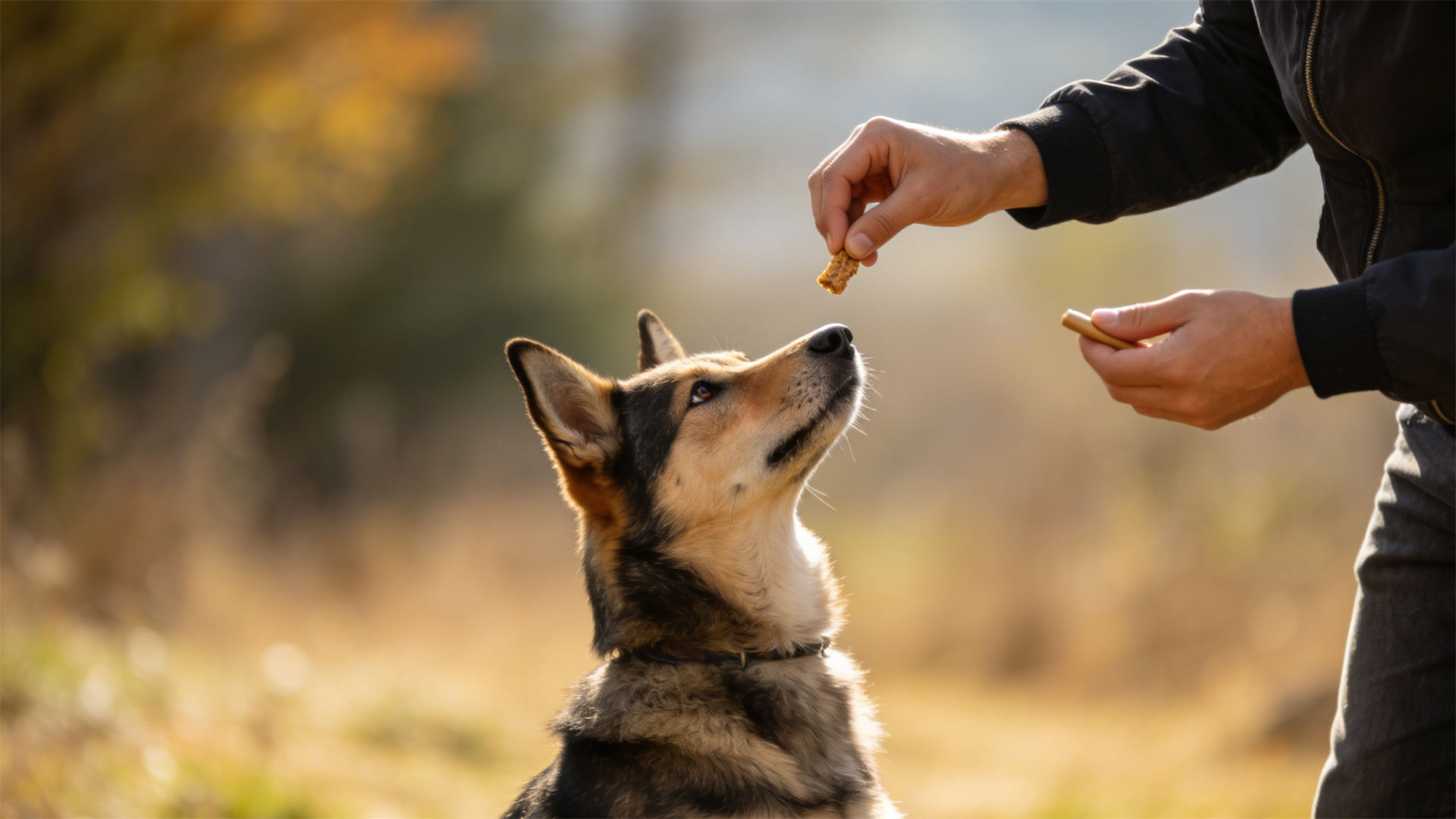
Begin indoors. Stand with your dog on your left side. Hold a treat near their nose. Lure them so their shoulder aligns with your left leg. The moment they are in position. say "Heel" and give the treat. Repeat this 10 times per session. Practice three sessions a day for one week. This builds a strong association between the cue and the position. This is the core of simple heel training steps.
Phase 2: Introducing Movement
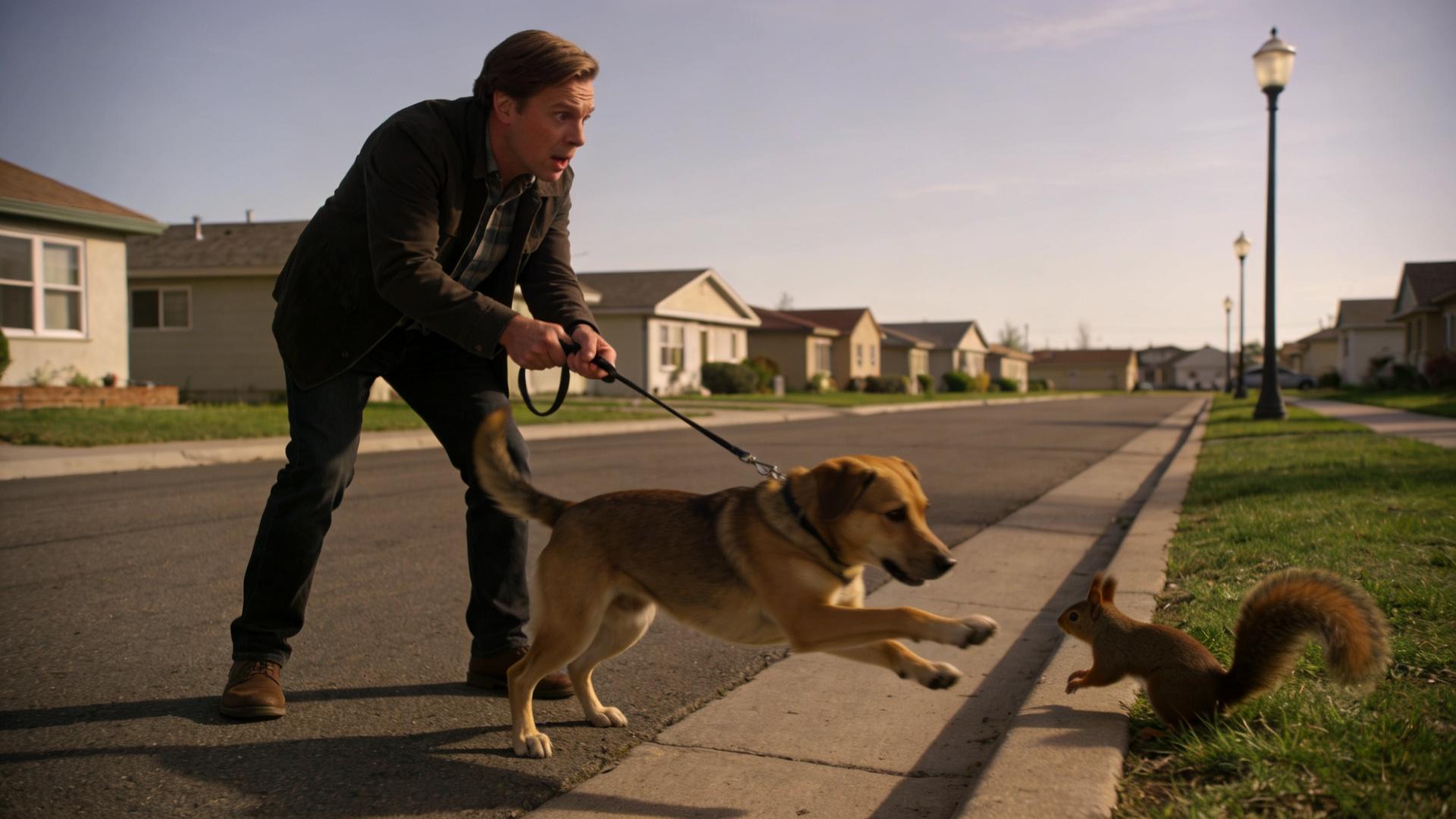
Once your dog consistently assumes the heel position. take one step forward. As they move with you. reward after that step. Gradually increase to two steps. then five. Use a happy voice to encourage them. If they pull ahead. stop immediately. Wait for them to return to position. Then reward. This teaches them that pulling ends the walk.
Phase 3: Adding Duration and Direction Changes
Now practice walking in straight lines for longer distances. Introduce left turns. right turns. and about-turns. For a left turn. slow down and use your left leg to gently guide your dog. Reward after the turn. For right turns. step slightly forward to signal the change. Consistency is key. Aim for 5-minute sessions without major errors.
Phase 4: Proofing Against Distractions
Start in your driveway. then the sidewalk. then a park. Bring high-value treats like chicken or cheese. Ask for a heel amidst mild distractions like a passing bird. Gradually increase the difficulty. Practice near other people or dogs but at a safe distance. The goal is for your dog to maintain heel despite distractions.
Phase 5: Real-World Reliability
Take your training to busy streets. pet stores. or veterinary clinics. Use a leash for safety but strive for loose leash walking left side. Reward intermittently to keep your dog guessing. This phase solidifies reliable heel training. It may take several weeks or months. Be patient. This is where mastering the heel command becomes evident.
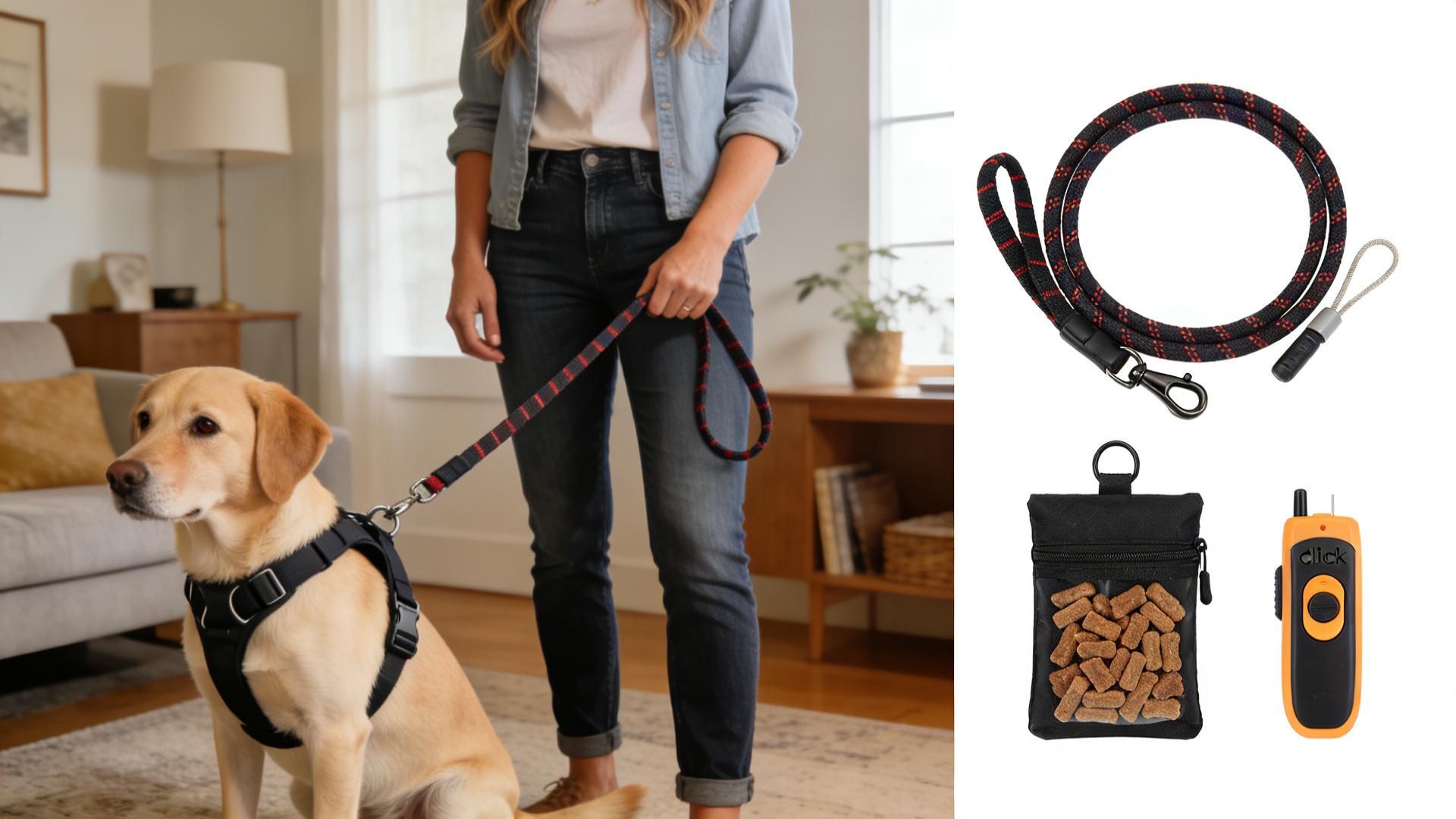
🛠️ Essential Equipment for Effective Heel Training
Choosing the right tools supports successful canine heel training.
The Ideal Leash
A 6-foot nylon leash is standard. It provides enough length for comfort but not so much that control is lost. Leather leashes are durable but require breaking in. Avoid chain leashes as they are heavy and uncomfortable.
Collars vs. Harnesses
For dogs that do not pull. a flat collar is sufficient. For pullers. a front-clip harness is recommended. It redirects the dog's momentum toward you when they pull. making loose leash walking left side easier. Never use a choke or prong collar without professional guidance.
Rewards and Markers
Treats should be small. soft. and irresistible. For marking behavior. a clicker is precise. Alternatively. use a consistent word like "Yes" to mark the correct position. Always follow the marker with a reward.
Training Aids
Consider a treat pouch for easy access. This keeps your hands free and rewards timely. A waist leash can also help keep your left side clear for training.
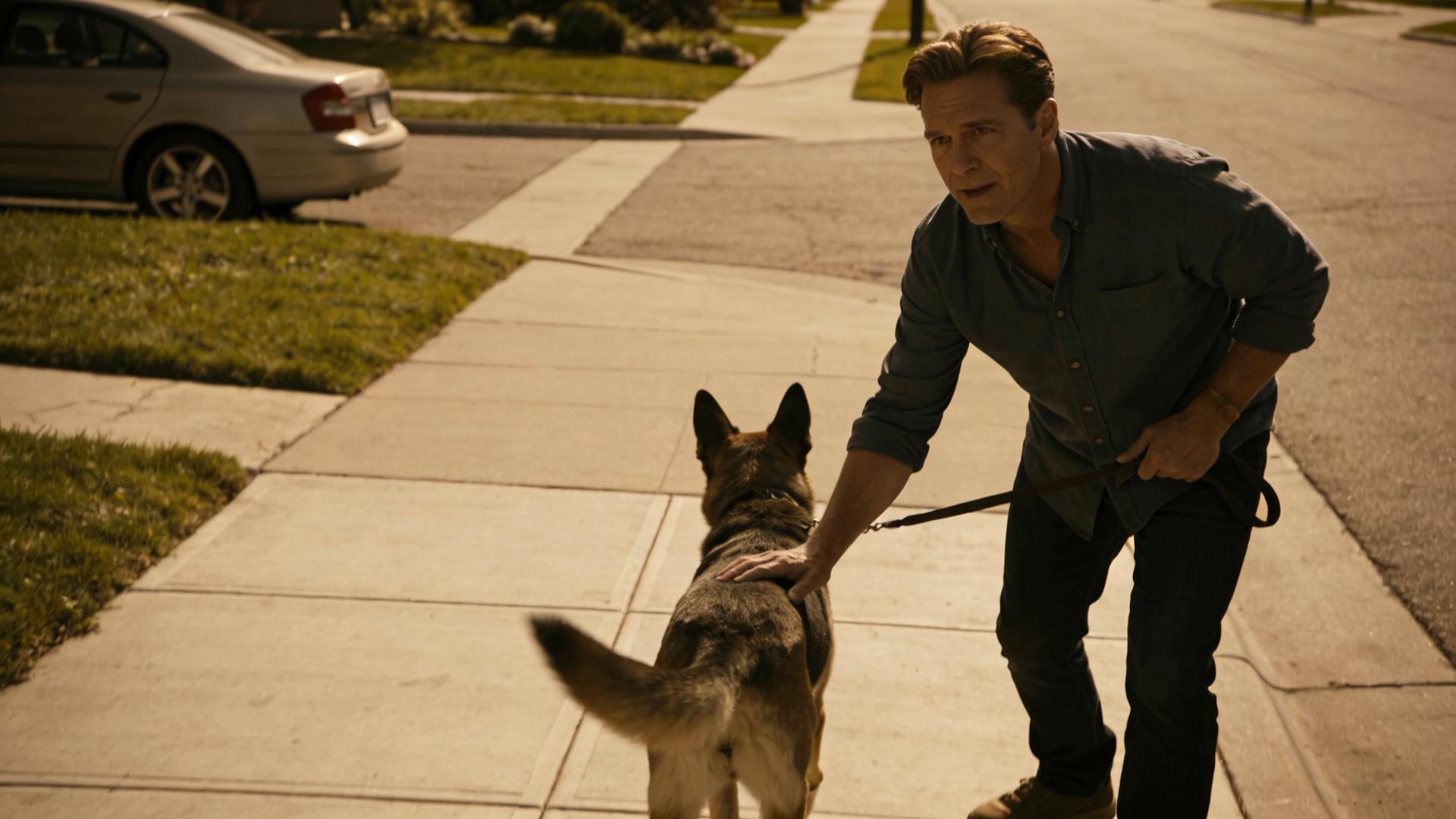
⚠️ Common Heel Training Mistakes and How to Fix Them
Recognizing these errors will accelerate your progress.
Inconsistent Starting Position
Always start with your dog on your left side. If you sometimes start on the right. your dog will be confused. Special Reminder. Be meticulous about position from day one.
Rewarding Incorrect Behavior
If your dog forges ahead and you reward them. you reinforce pulling. Only reward when the shoulder is aligned with your leg. Use a clicker to capture the exact moment.
Training When Frustrated
Dogs sense our emotions. If you are angry or impatient. end the session. Training should be fun. Keep sessions short and positive. Five minutes of focused training is better than twenty minutes of frustration.
Skipping Distraction Proofing
Many dogs heel well at home but fail outdoors. Dedicate time to proofing. Start with low-level distractions and build up. Use higher-value rewards in challenging environments.
Neglecting Maintenance Training
Even after mastering heel. occasional practice is necessary. Incorporate heel commands into daily walks. This prevents backsliding and keeps skills sharp.

🎯 Conclusion: The Path to a Perfect Heel
Perfect heel training transforms chaotic walks into pleasant strolls. By keeping your dog always on your left side. you embrace a tradition that prioritizes safety and teamwork. The journey requires consistency. patience. and positive reinforcement. The outcome is a dog that walks politely in any setting. This achievement enhances your quality of life and your dog's well-being.