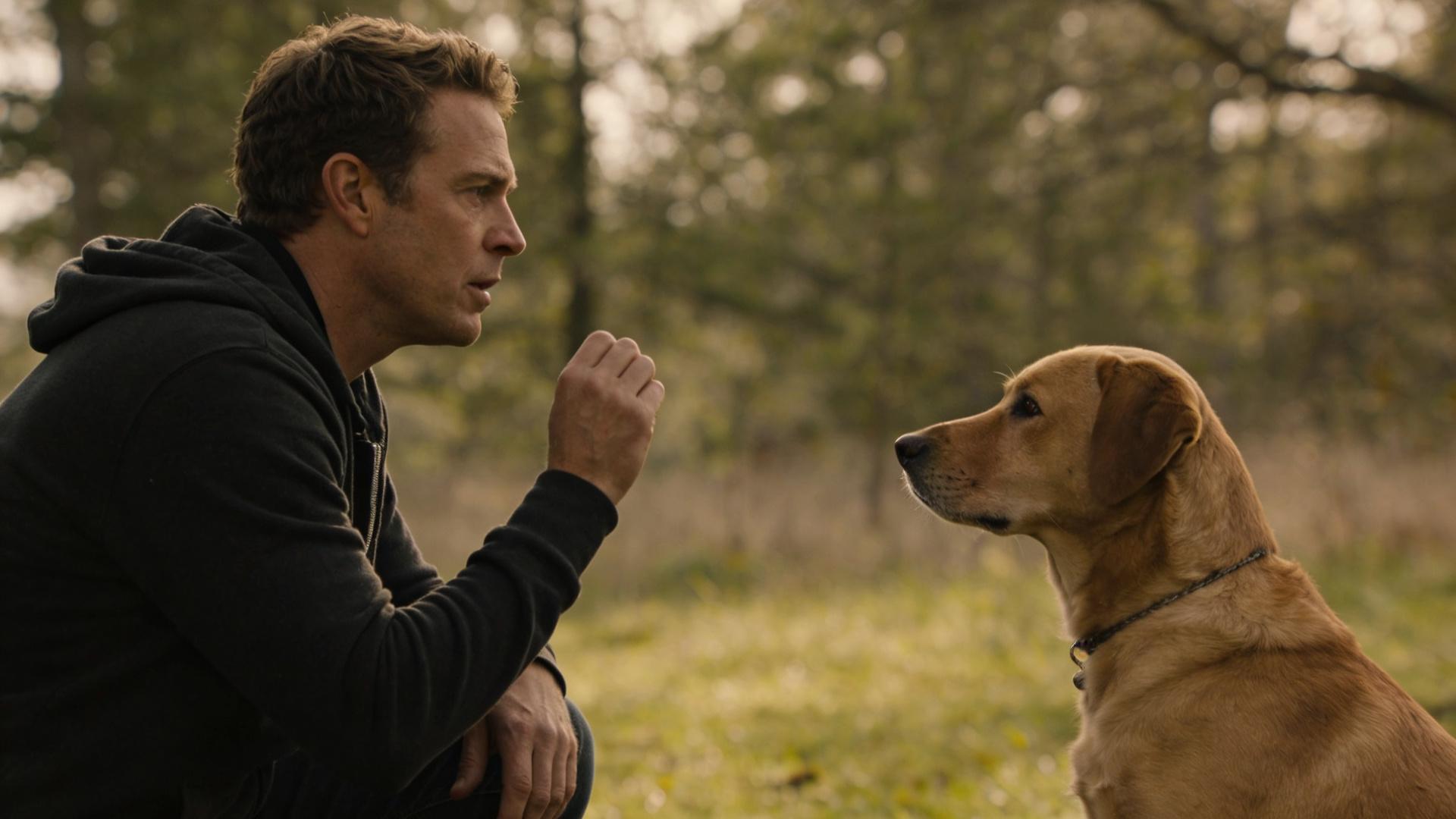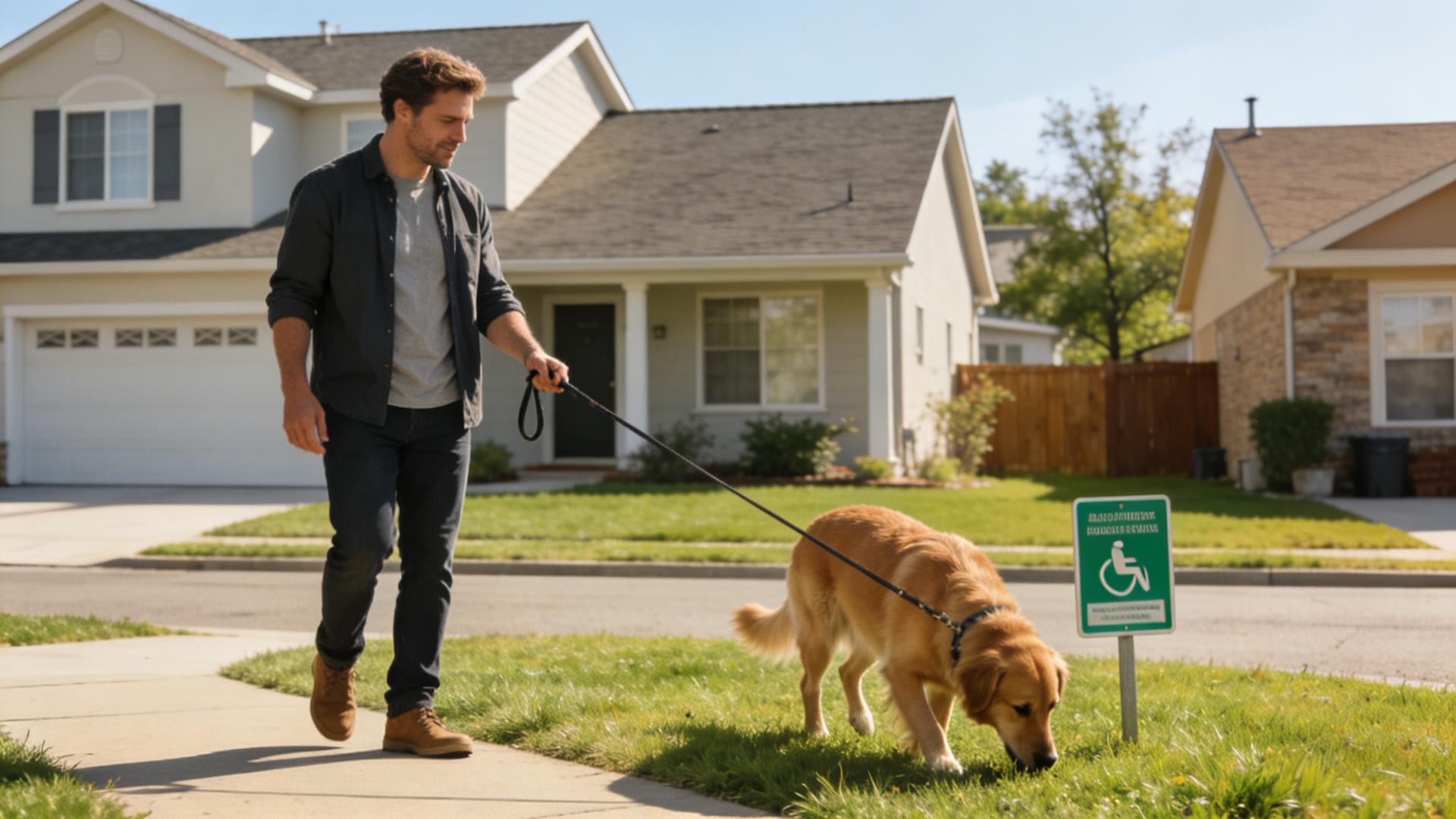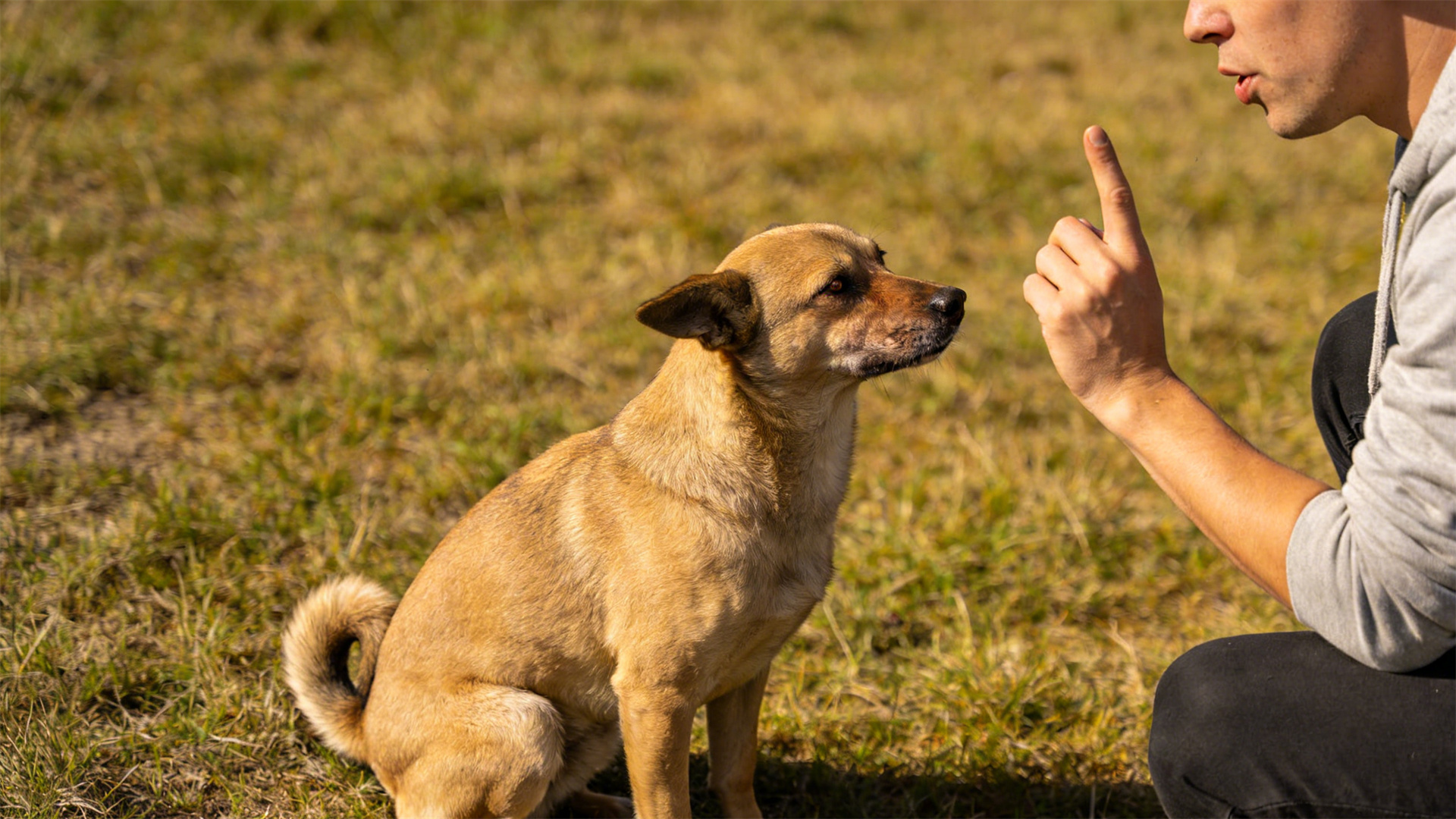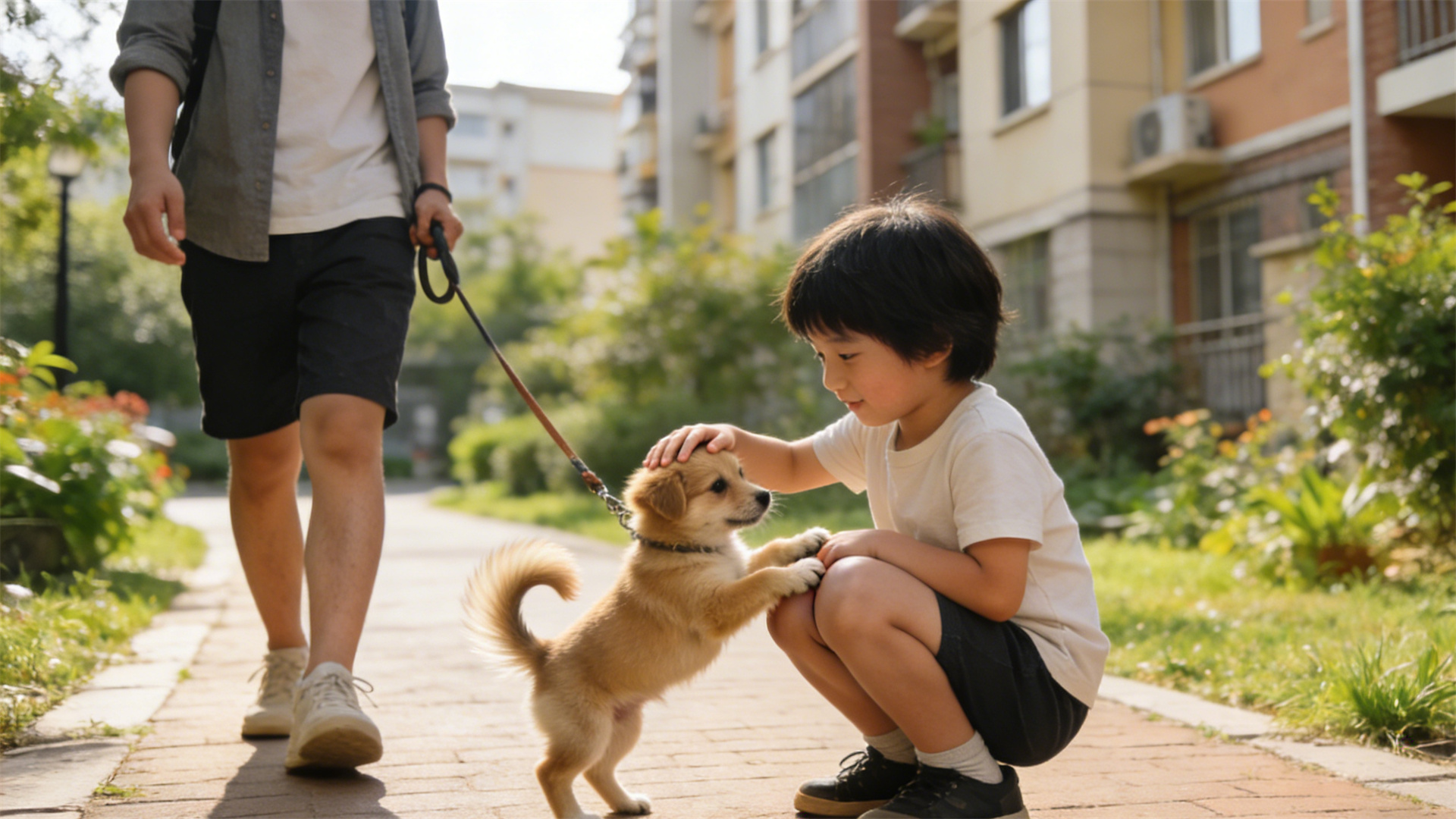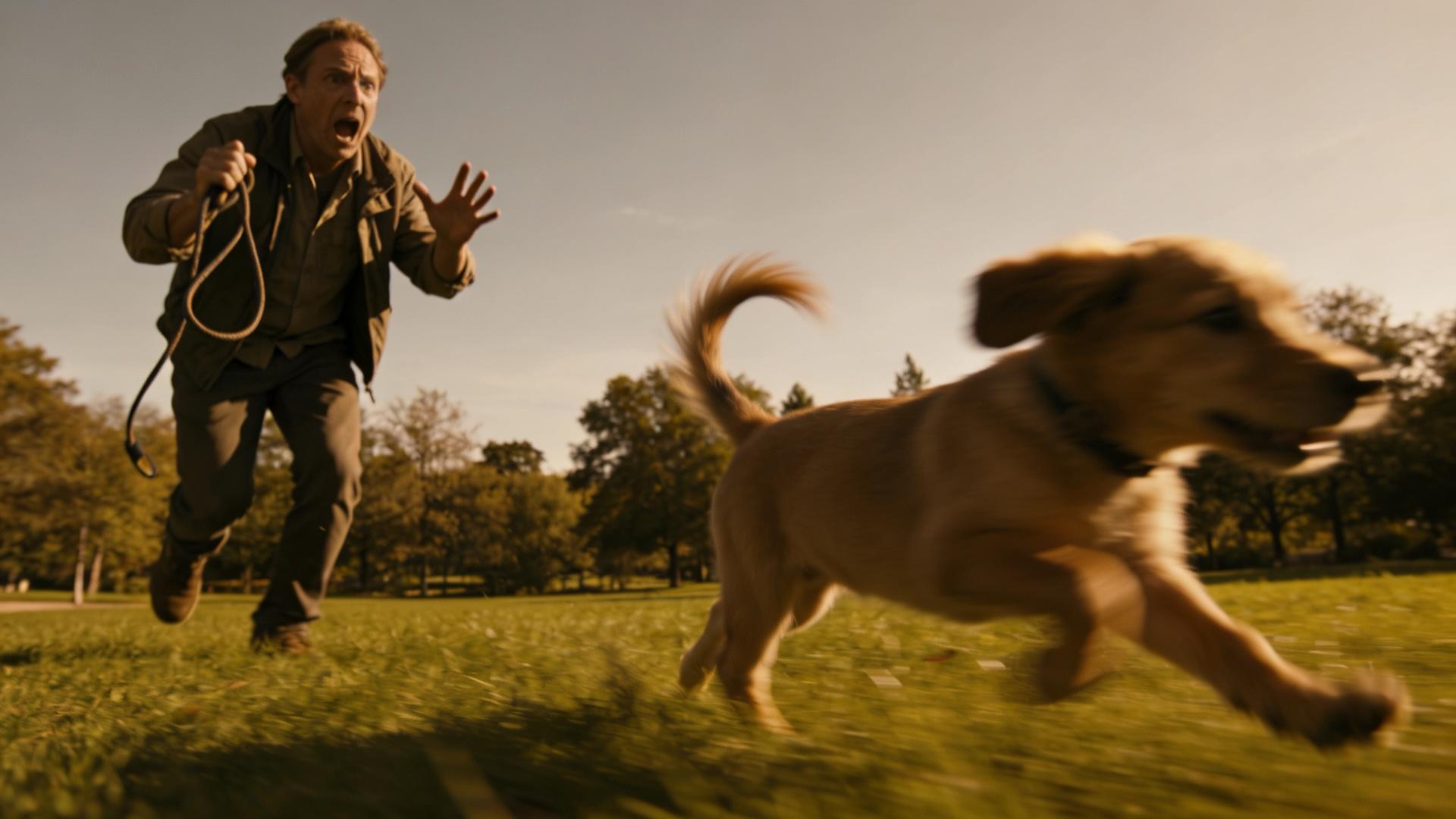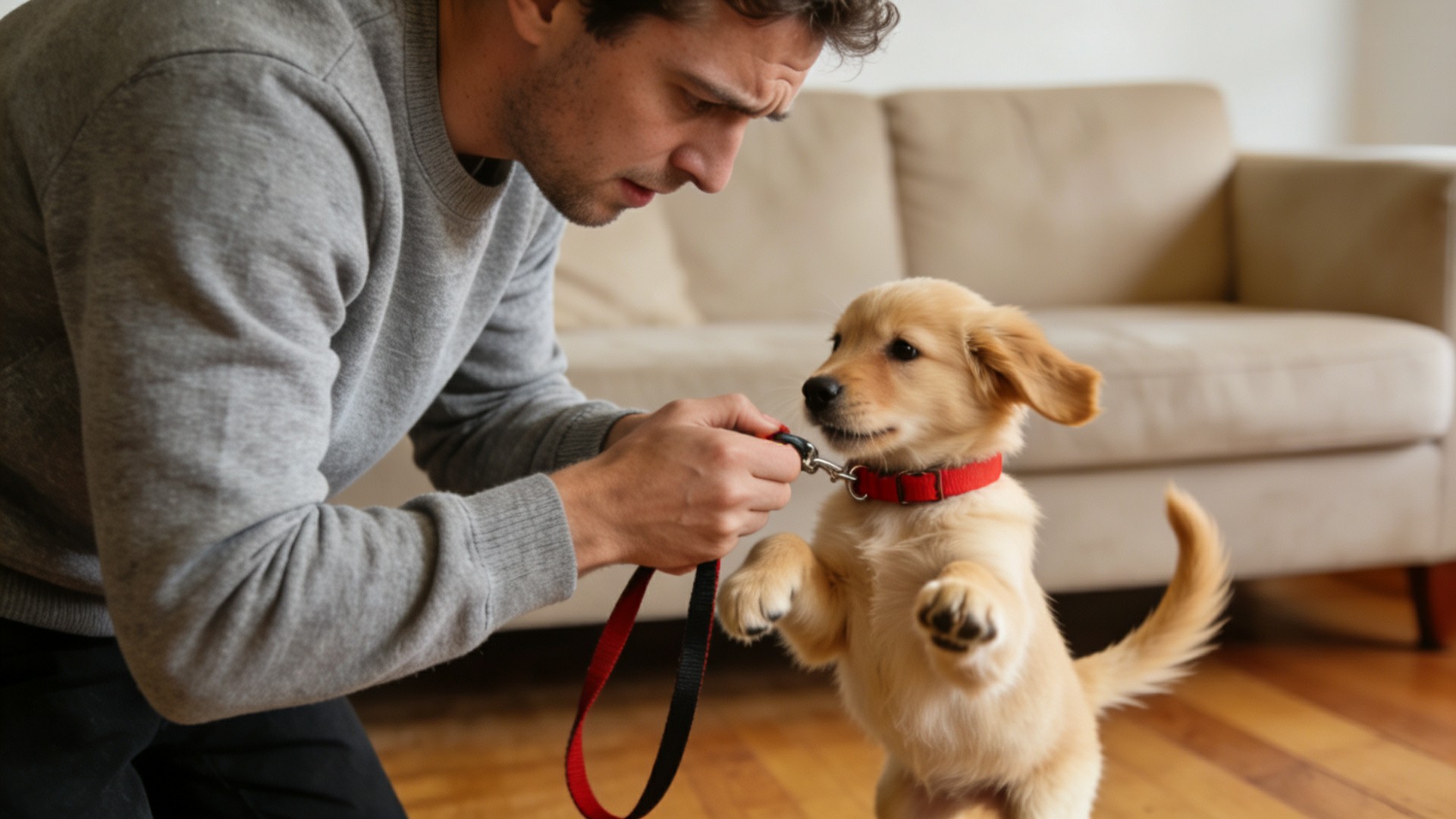
The first clip of a leash onto your puppy’s collar is more than a simple act; it’s a profound, foundational moment in your lifelong journey together. This nascent phase is the critical genesis of communication, where the chaotic, instinctual pulls of a curious pup begin to transform into the structured, harmonious rhythm of a proper walk. It marks the intentional first step away from the frustrating and potentially dangerous era of "dogs walking people" and toward a partnership built on mutual respect, understanding, and gentle control. Success here sets the trajectory for all future outdoor adventures, turning the leash from a symbol of restraint into a tether of trust.
🐾 Why This Nascent Phase is Your Most Powerful Opportunity
Many owners underestimate the formative power of early leash experiences. A puppy’s brain is incredibly malleable, making this period prime for imprinting positive associations. According to veterinary behaviorists, the primary socialization window closes around 14-16 weeks, making exposures before this age incredibly impactful. A negative experience—such as a forceful correction, a frightening tug, or an overwhelming environment—can create lasting fear or anxiety around leashes and collars, problems that can take months or years to remediate. Conversely, a positive, patient introduction lays a flawless foundation for puppy obedience training and future behavior.
📊 The Data Behind the Methodology
Studies in applied animal behavior science consistently show that reward-based reinforcement is significantly more effective and creates stronger long-term compliance than aversive methods. For example, puppies taught with treats and praise show a 45% higher success rate in retaining loose leash walking skills over six months compared to those trained with leash "pops" or corrections. Your goal in this early leash training is not to enforce perfect heel position immediately, but to build a positive emotional response. The leash should predict fun, exploration, and connection with you.
🧠 The Blueprint: A Methodical, Phase-Based Approach
Rushing this process is the most common mistake. Special Reminder: Patience is not a virtue here; it is the essential requirement. The following blueprint breaks down the nascent phase into manageable, progressive steps designed to build your puppy’s confidence and skills without overwhelm.
Phase 1: Acclimation – Making the Gear a Non-Event
Goal: Create neutral-to-positive feelings about the collar and leash.
Location: Familiar indoor space (e.g., living room, kitchen).
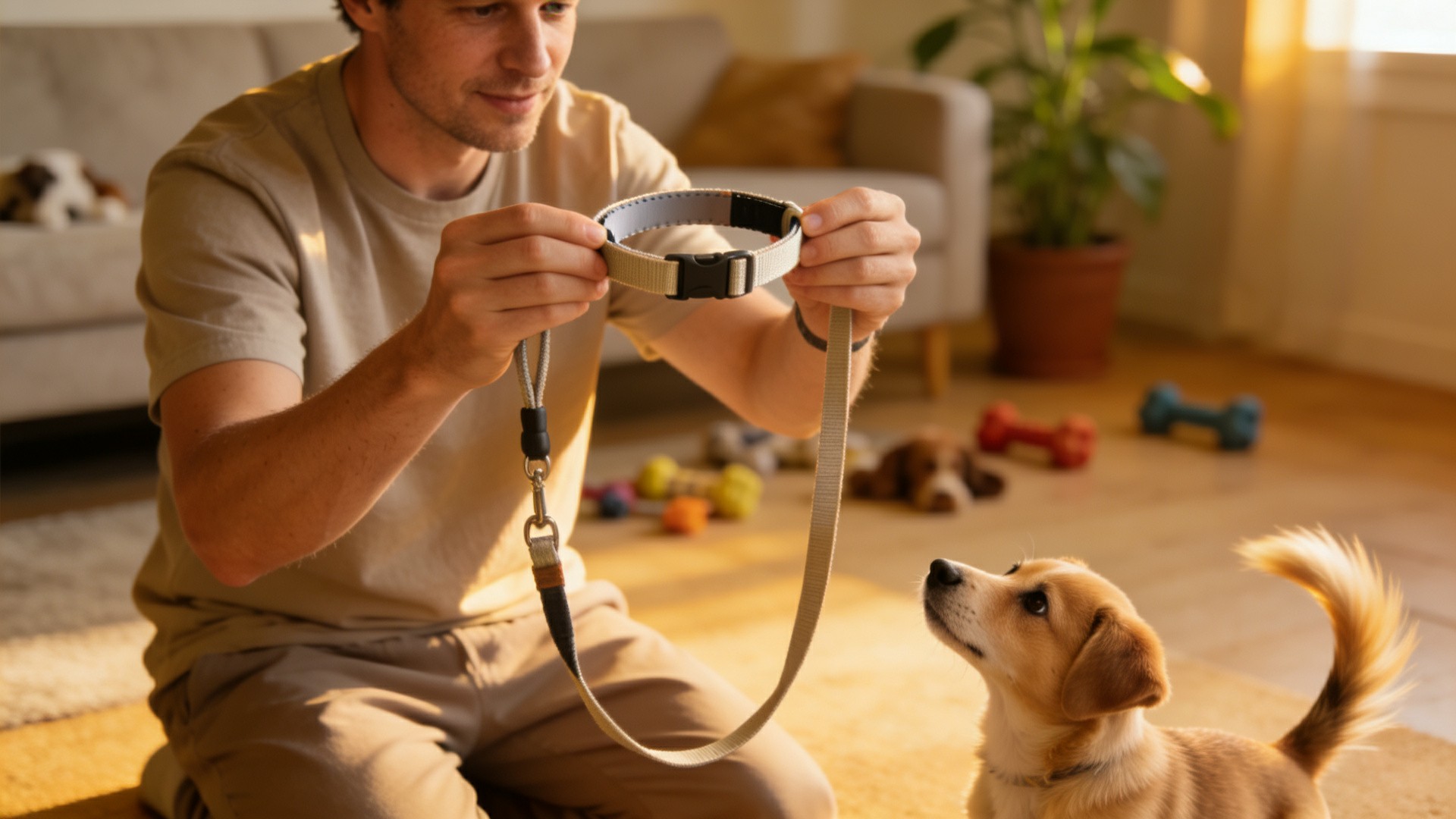
Tools: A lightweight, comfortable buckle collar (not a slip or choke chain) and a light, short leash (4-6 feet).
- Step A – The Collar: Let your puppy sniff the collar. While offering high-value treats (e.g., small pieces of chicken), gently place it around their neck and fasten it. Immediately engage in a fun play session or offer more treats. Start with just 5-10 minutes at a time, gradually increasing the duration over several days until they ignore it completely.
- Step B – The Leash Attachment: Once the collar is accepted, clip the leash on and let it drag behind them under constant supervision (to prevent chewing or snagging). Do not hold the other end yet. Again, pair this with treats, play, and positive interaction. This teaches the puppy that the leash’s presence is harmless and even predicts good things.
Phase 2: Guided Walks Indoors – The First Conversations
Goal: Introduce the concept of gentle guidance and loose leash walking in a low-distraction environment.
Key Technique: The “Magnet Hand.”
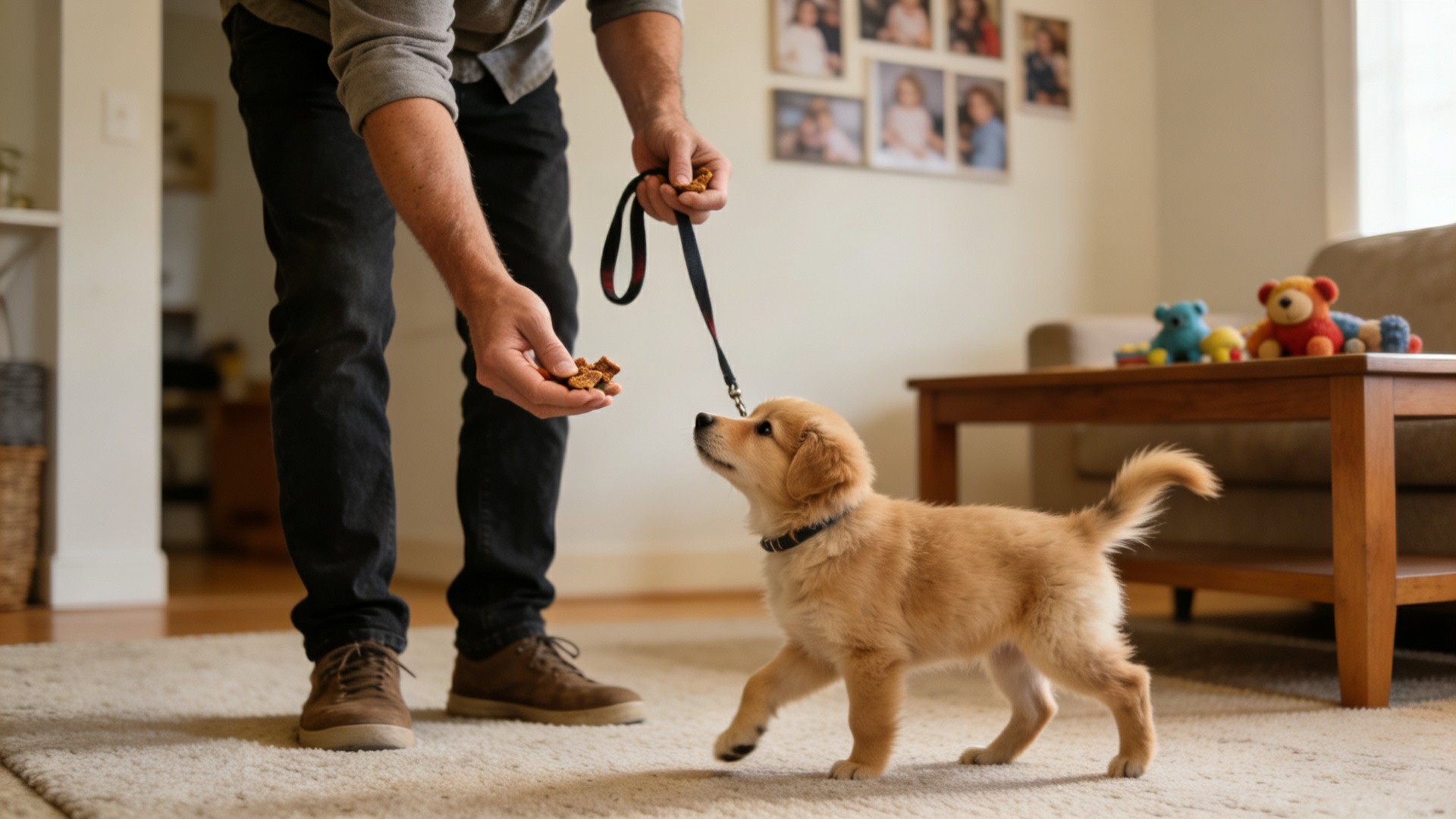
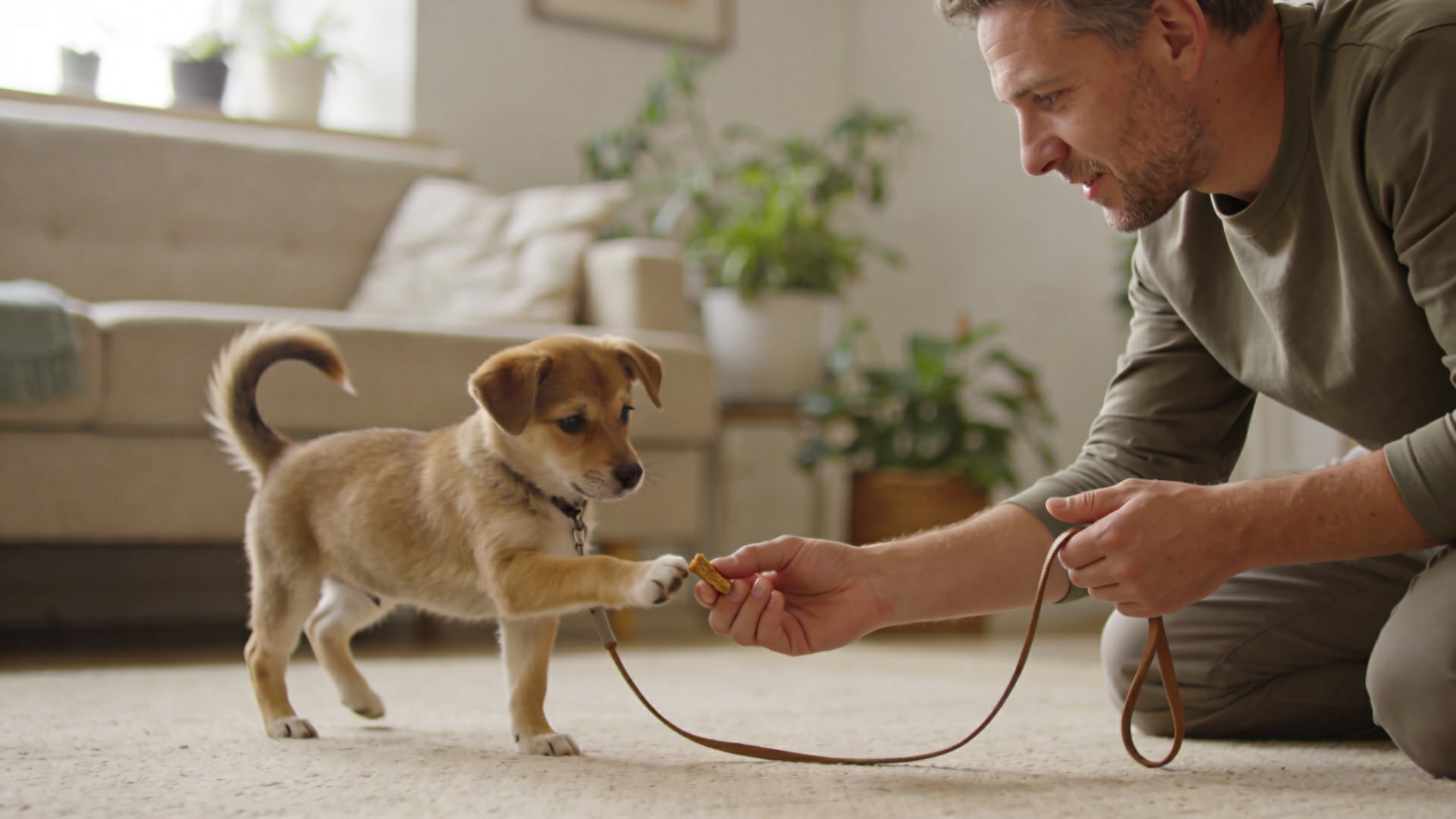
- Hold the leash loosely in one hand, with plenty of slack. Have a stash of delicious treats in your other hand (the "magnet" hand).
- Take a few steps backward, using an enthusiastic voice and the treat near your leg to encourage your puppy to follow you. The moment they take a step toward you with a loose leash, mark the behavior with a "Yes!" or a clicker and give a treat.
- Practice moving in different directions indoors. Special Reminder: At this stage, you are following the puppy as much as they are following you. The objective is connection, not precision. Keep sessions ultra-short (3-5 minutes), ending on a positive note.
Phase 3: Introducing Cues and Redirection
Now you can add simple verbal cues like "Let's go" or "With me." The core skill to instill is that tension on the leash does not make forward movement happen.
- For Pulling: The instant the leash goes tight, stop walking completely. Become a tree. Do not jerk or pull back. Wait for the puppy to either turn back to you or create slack (even accidentally). The *nanosecond* the leash is loose, mark ("Yes!"), reward, and resume walking. This clearly communicates: "Tight leash = stop. Loose leash = go."
- For Engagement: Frequently reward your puppy for checking in with you voluntarily—looking up at you while walking is a golden behavior that should be heavily reinforced.
🚧 Navigating Common Nascent Phase Challenges
Every puppy presents unique hurdles. Here’s how to troubleshoot common issues with calm persistence:
🦷 Leash Biting & Mouthing
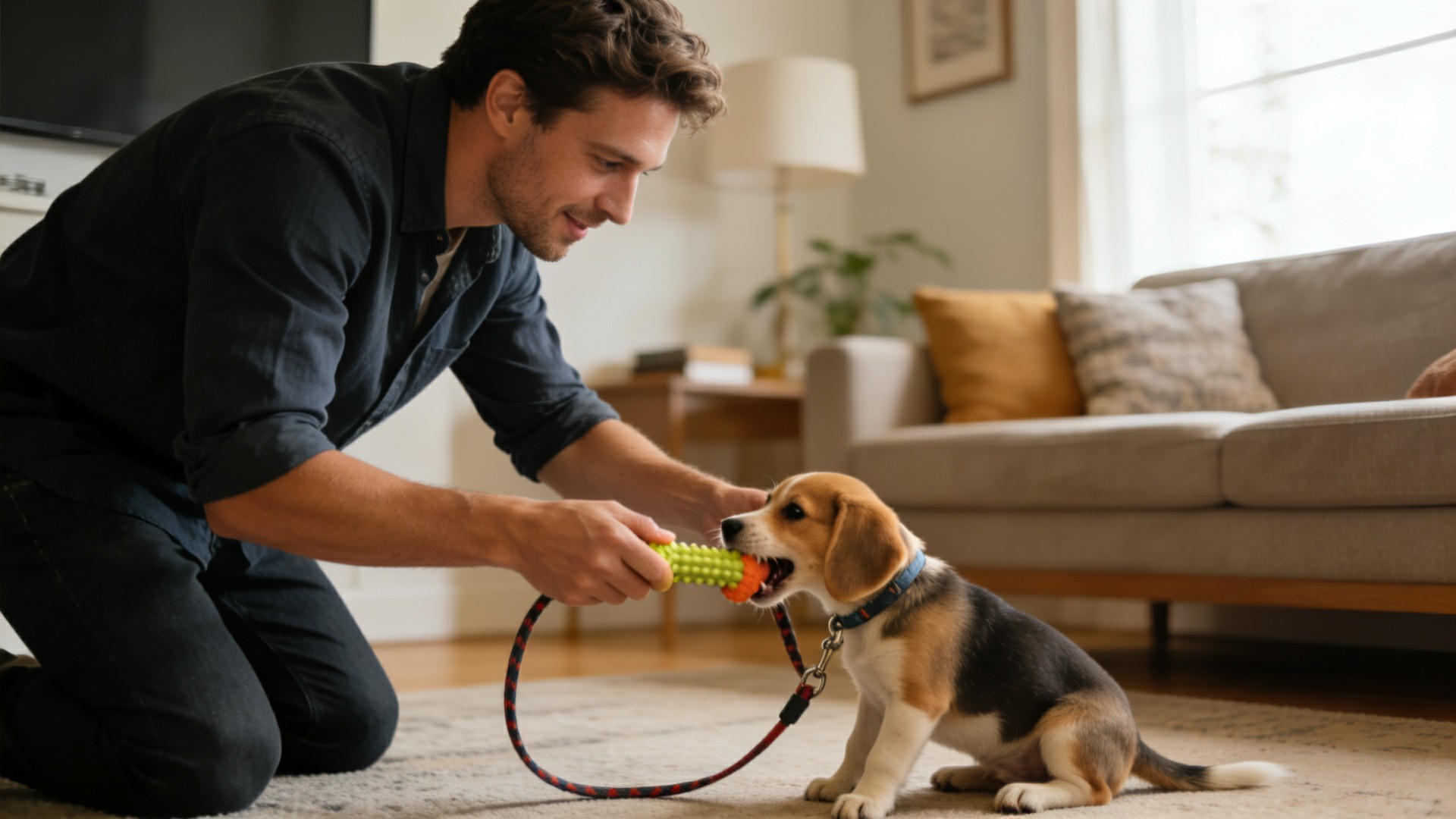
This is classic puppy exploration. Avoid a game of tug-of-war. Instead, have a more enticing chew toy ready. When they mouth the leash, redirect immediately to the toy. If persistent, stop walking, ask for a simple sit, reward for the sit, and then resume. Consistency teaches that leash biting ends the fun.
🧘 Sitting Down or Refusing to Move
Your puppy might be confused, fearful, or simply stubborn. Do not drag them. Use your "magnet hand" with an ultra-high-value treat (like a bit of cheese) to lure them forward. Make happy sounds, run a few steps away to trigger their chase instinct, or gently tap your leg. Praise the tiniest movement toward you.
🌿 Extreme Distraction in New Environments
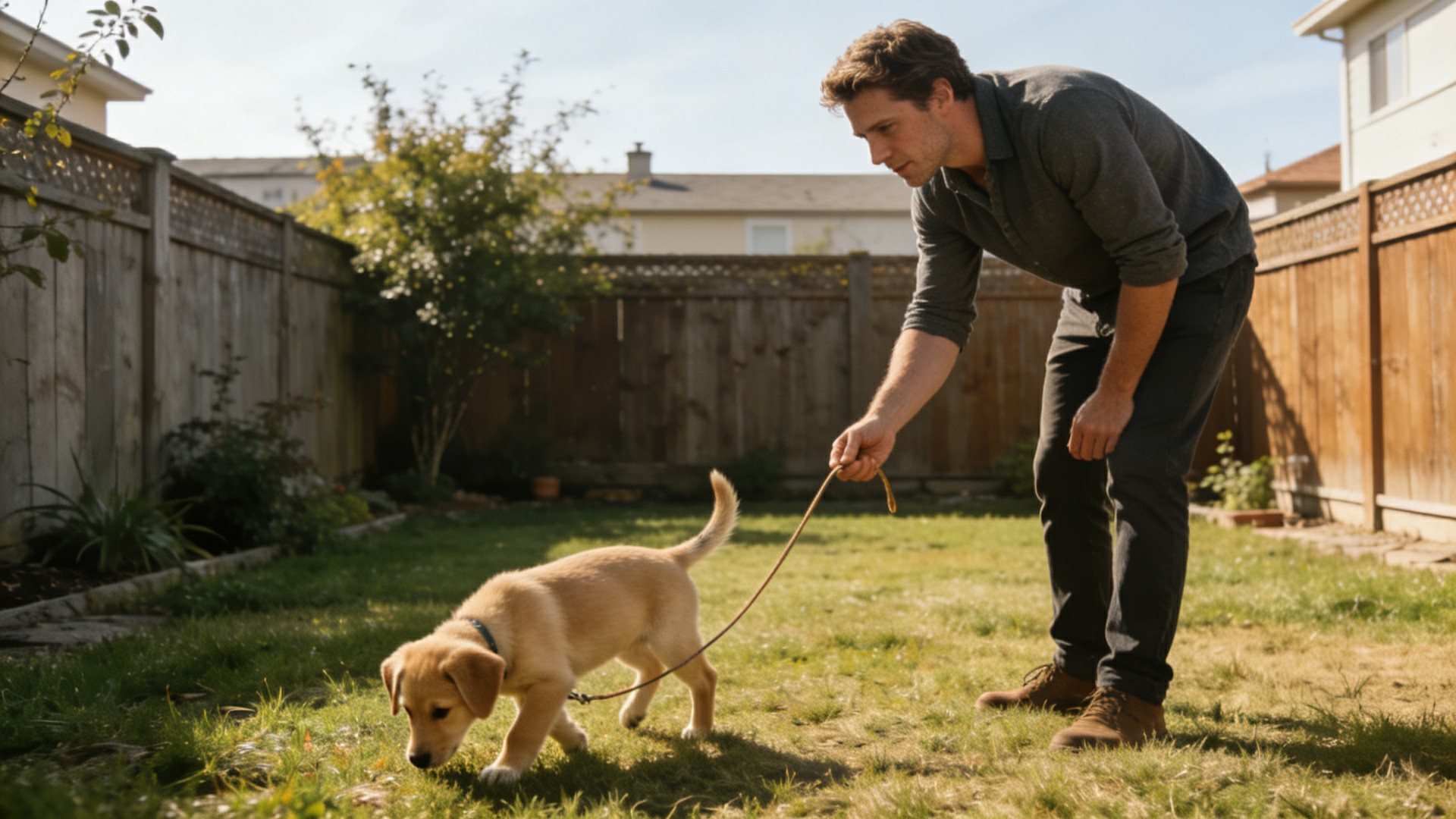
When moving outdoors, start in the quietest area possible—your backyard, then an empty parking lot, then a quiet street. Let them sniff and explore for the first few minutes on a long line to decompress. Then, begin asking for short bursts of focused walking, heavily rewarding any success. Gradually increase the environmental difficulty.
🌳 The Gradual Progression to the Great Outdoors
The transition outdoors is a massive leap in stimulus. Your puppy’s job is to process the world; your job is to be more interesting than that world.
- Week 1-2: Practice in your private yard or hallway.
- Week 3-4: Short 5-minute sessions on a quiet sidewalk at a low-distraction time of day.
- Ongoing: Slowly increase duration and environmental complexity. Always set your puppy up for success by managing the environment—cross the street to avoid a lunging dog, create distance from scary objects.
Remember, sniffing is reinforcing for dogs. Use it as a reward! Ask for 20 steps of nice loose leash walking, then release with "Go sniff!" for 30 seconds. This balances their need for mental stimulation with your goal of preventing dog pulling.
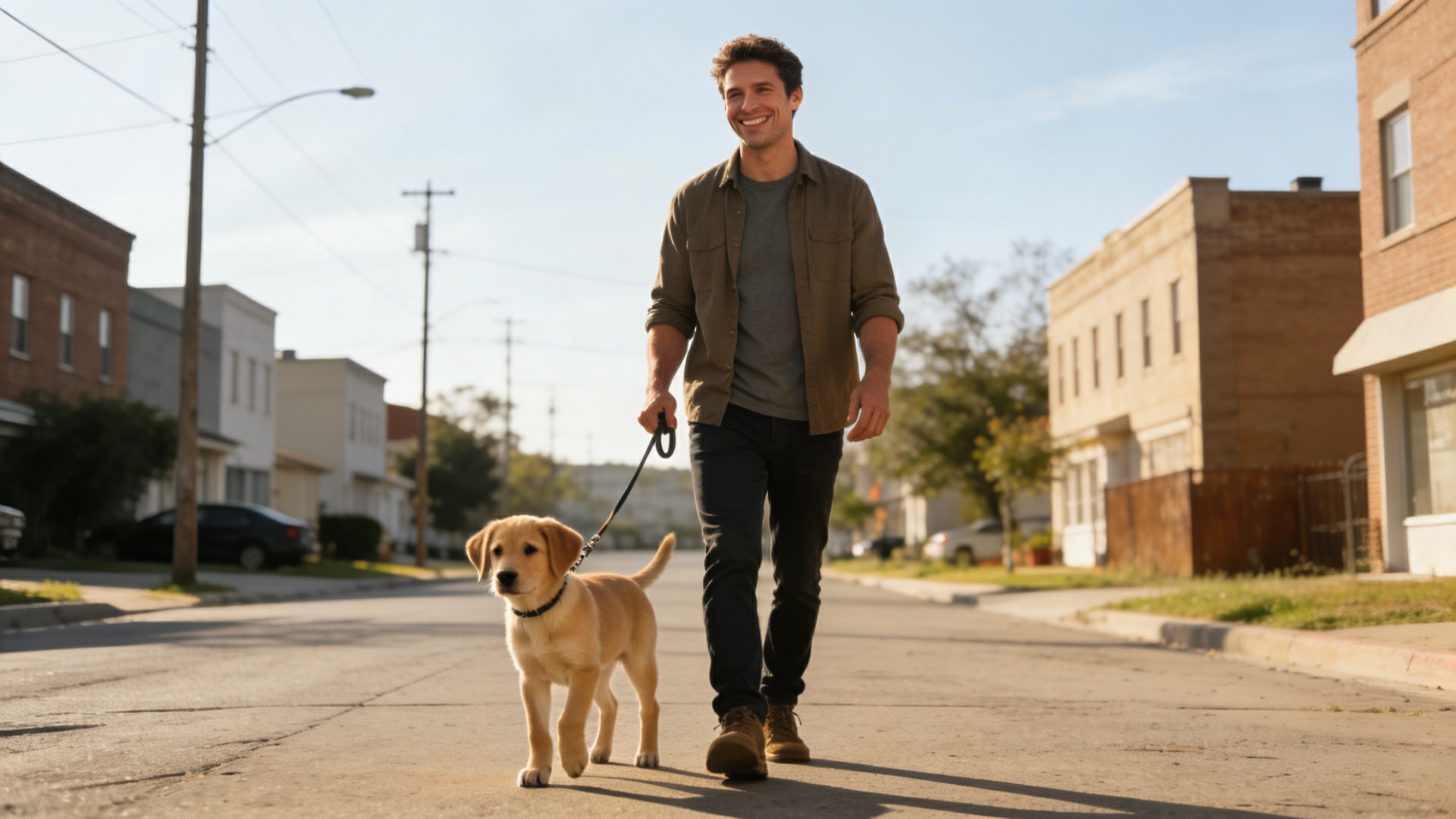
🎯 Conclusion: Building a Foundation for a Lifetime of Adventure
Embracing the early stages of leashing puppies with intention and positivity is the single greatest investment you can make in your future together. This nascent phase is your golden opportunity to shape behavior proactively, preventing the entrenched and difficult-to-fix "dogs walking people" dynamic. By focusing on foundational leash skills built on trust and clear communication, you foster more than a well-mannered companion; you cultivate a bonded partner who sees the leash as an invitation to explore the world with you.
Start this journey today. Celebrate each small success—the first time they follow you with a slack leash, the first calm step onto grass, the first voluntary check-in amidst a distraction. With consistency, patience, and positive methods, you are not just teaching puppy to walk on leash; you are writing the first chapter of a beautiful story of partnership. The path to perfect dog walking etiquette begins with these first, gentle, foundational steps. 🐾❤️