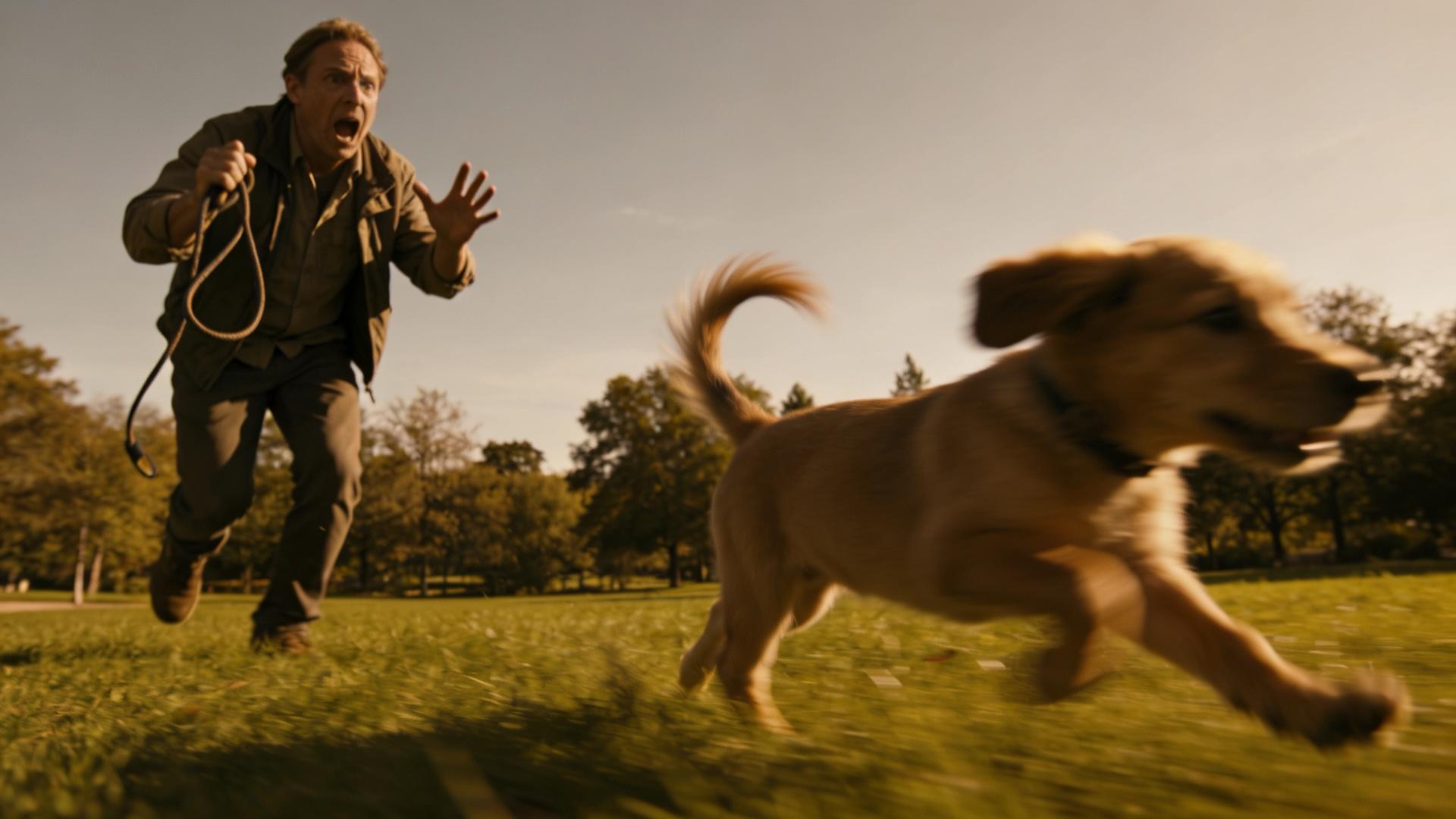
Imagine this: your puppy’s leash slips from your hand at the park, or your front door swings open a moment too long. In that heartbeat, the single most important command you will ever teach your dog isn't just a trick—it's a lifesaving behavior. A reliable recall, the act of your dog coming to you instantly and joyfully, is the ultimate insurance policy. But this first lesson isn't about the word "come." It's about building an irresistible gravitational pull that makes your puppy sprint to you with unfiltered joy, every single time. We are not merely requesting an action; we are programming a reaction. This is the art and science of creating a foundation so strong that squirrels, smells, and other dogs simply can't compete. Let's begin.
🧠 Core Mindset Shift: You Are Not a Commander, You Are the Ultimate Party
Before we discuss technique, we must address the most critical component: you. For decades, dog training was framed in terms of dominance and compliance. Throw that script away. For puppy recall training to reach its lifesaving potential, you must undergo a fundamental mindset shift.
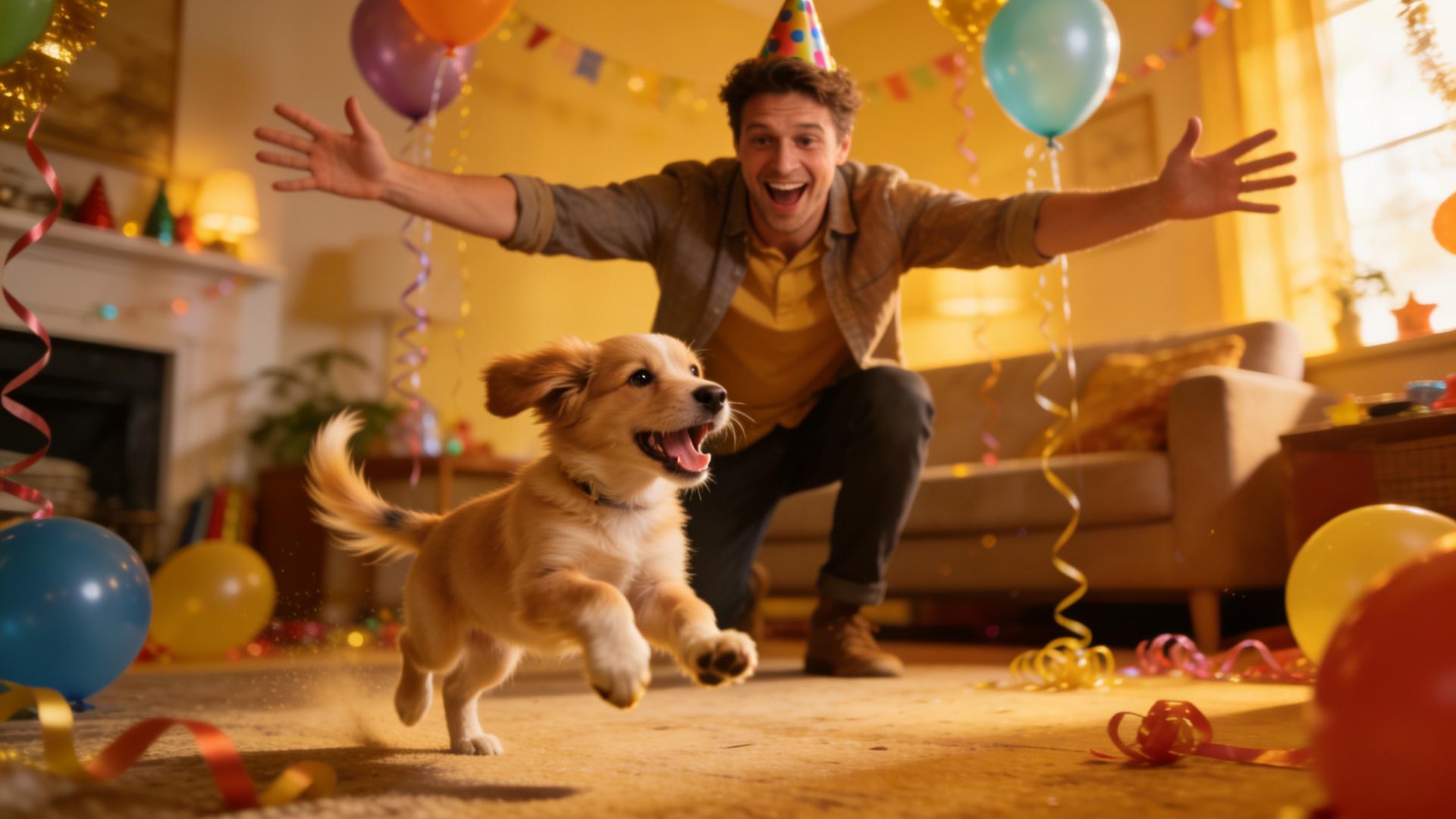
Your goal is to become The Ultimate Party. From your puppy's perspective, running to you must equal the absolute best thing happening in their world at that precise moment. We are not competing with the environment; we are becoming more exciting than the environment. This requires you to embody a carnival of rewards, fun, and happy surprises. Your energy, your voice, your body language—they all must scream "Fun is over here!" This isn't about bribing your dog; it's about transforming yourself into the primary source of all things wonderful.
Why Joy is Non-Negotiable
Neurologically, you are aiming to create a powerful, positive emotional charge linked to the act of returning to you. When your puppy experiences genuine excitement and high-value rewards during recall command training, their brain releases dopamine. This cements the behavior as a self-rewarding habit. Joy is the glue that makes the recall stick, even in high-stress or high-distraction scenarios. If the foundation is fear, correction, or even mild annoyance, the entire structure will crumble when it's needed most.
🎯 Key Strategy One: Set Up for Automatic, Unfailing Success
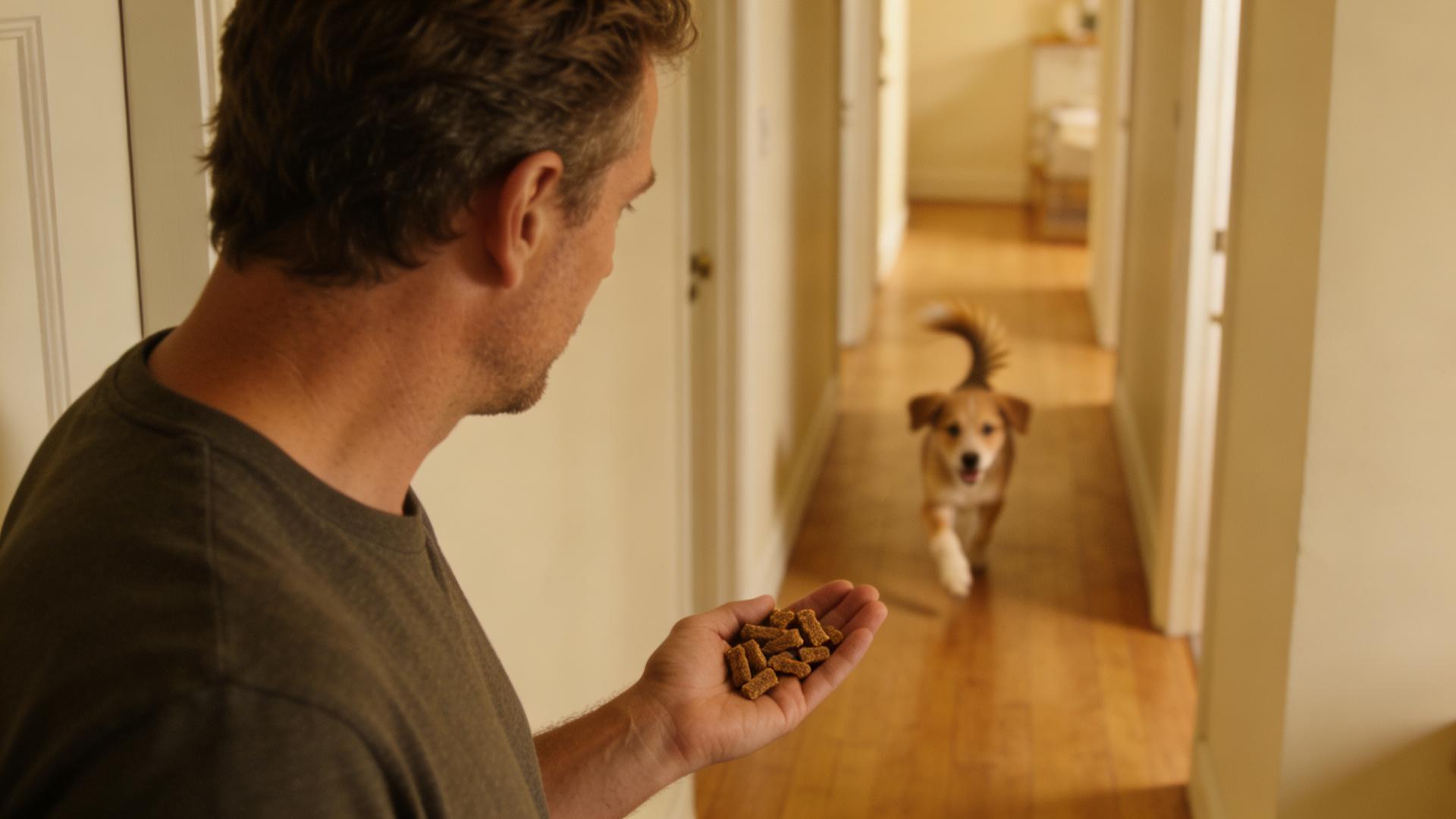
The fastest way to poison a young recall is to practice it in failure. Never call your puppy when they are unlikely to come. Early lessons are not about testing willpower; they are about engineering guaranteed wins to build a robust positive history with the cue.
Step-by-Step Implementation:
- Environment: Start in a boring, low-distraction room like your hallway or living room (with toys put away).
- Timing: Initiate the exercise when your puppy is already looking at you or casually ambling in your direction.
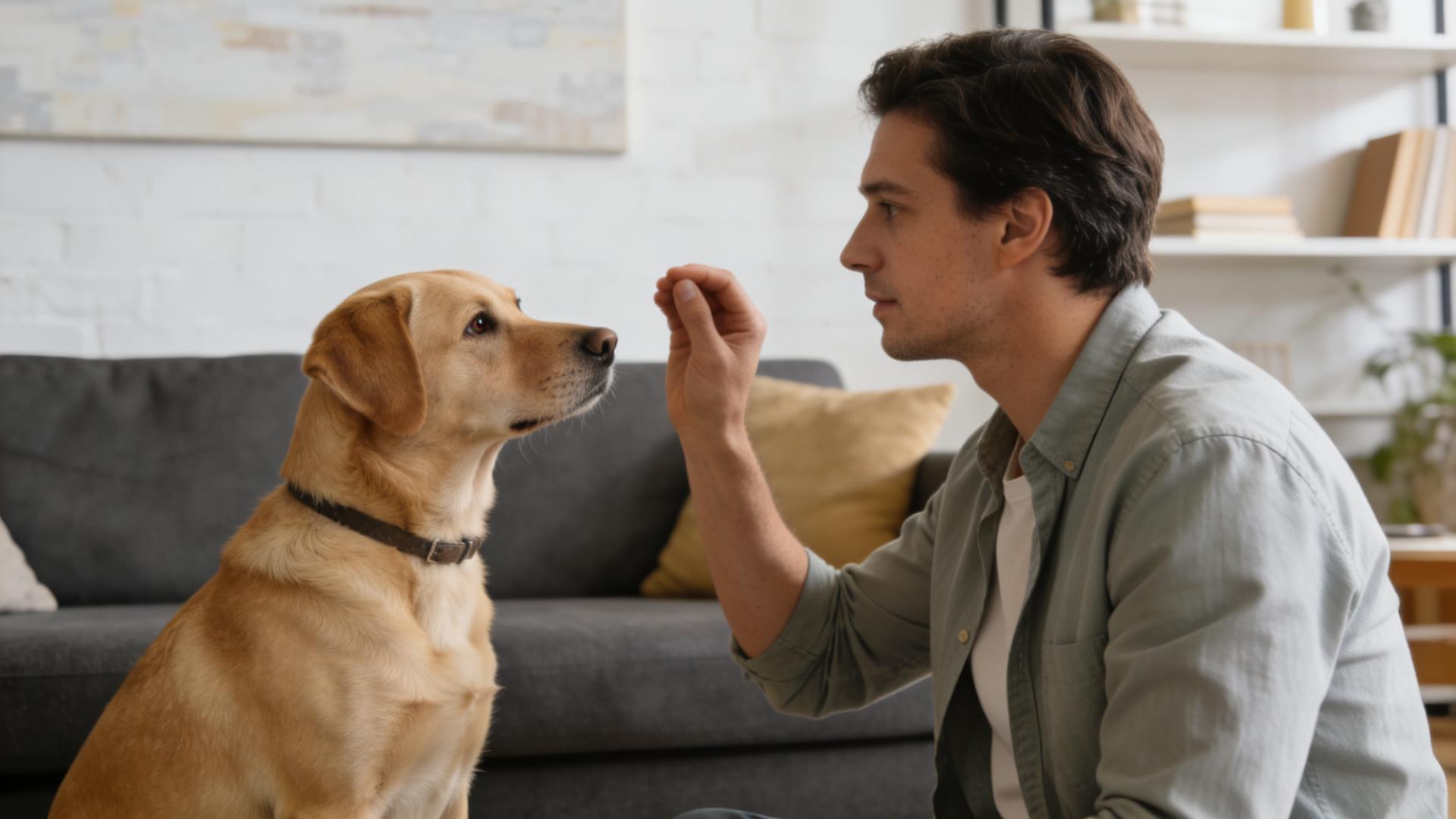
- The "Naming" Technique: As they are in the act of coming toward you, say your chosen recall word (e.g., "Here!" or "Yes!") in a happy, clear voice. You are naming the behavior they are already doing, not asking them to start it.
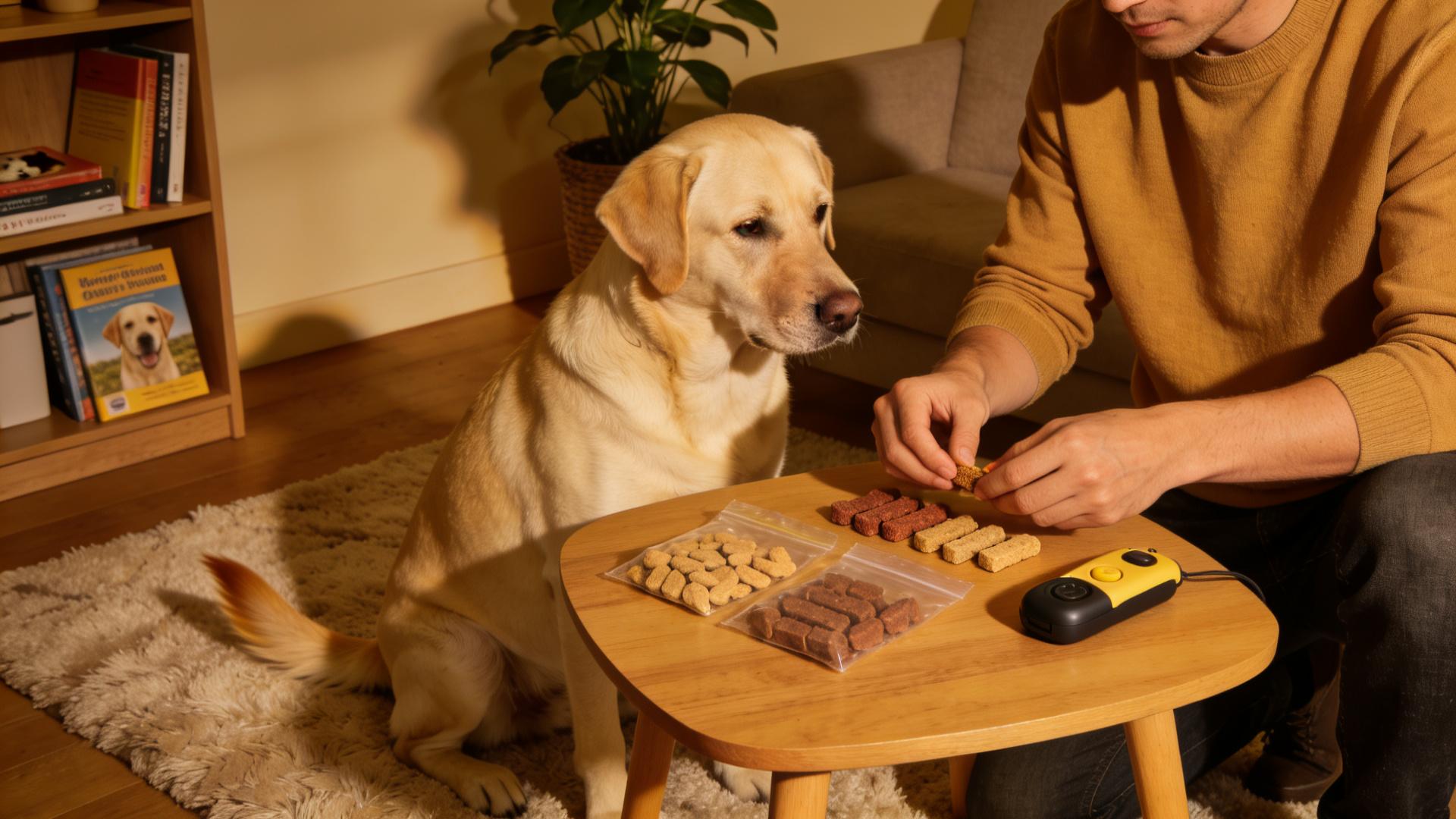
- The Payoff: The moment they reach you, reward lavishly. This isn't the time for a single kibble. Use a high-value treat like real chicken, cheese, or liver, paired with effusive praise and petting.
This method, often called "loading the cue," creates a rock-solid, positive association with the sound of your recall word. It teaches the puppy, "Oh! That sound means I'm doing something awesome and great stuff happens!" This is the essence of positive reinforcement recall training.
🏆 Key Strategy Two: The Reward is THE Reward. Period.
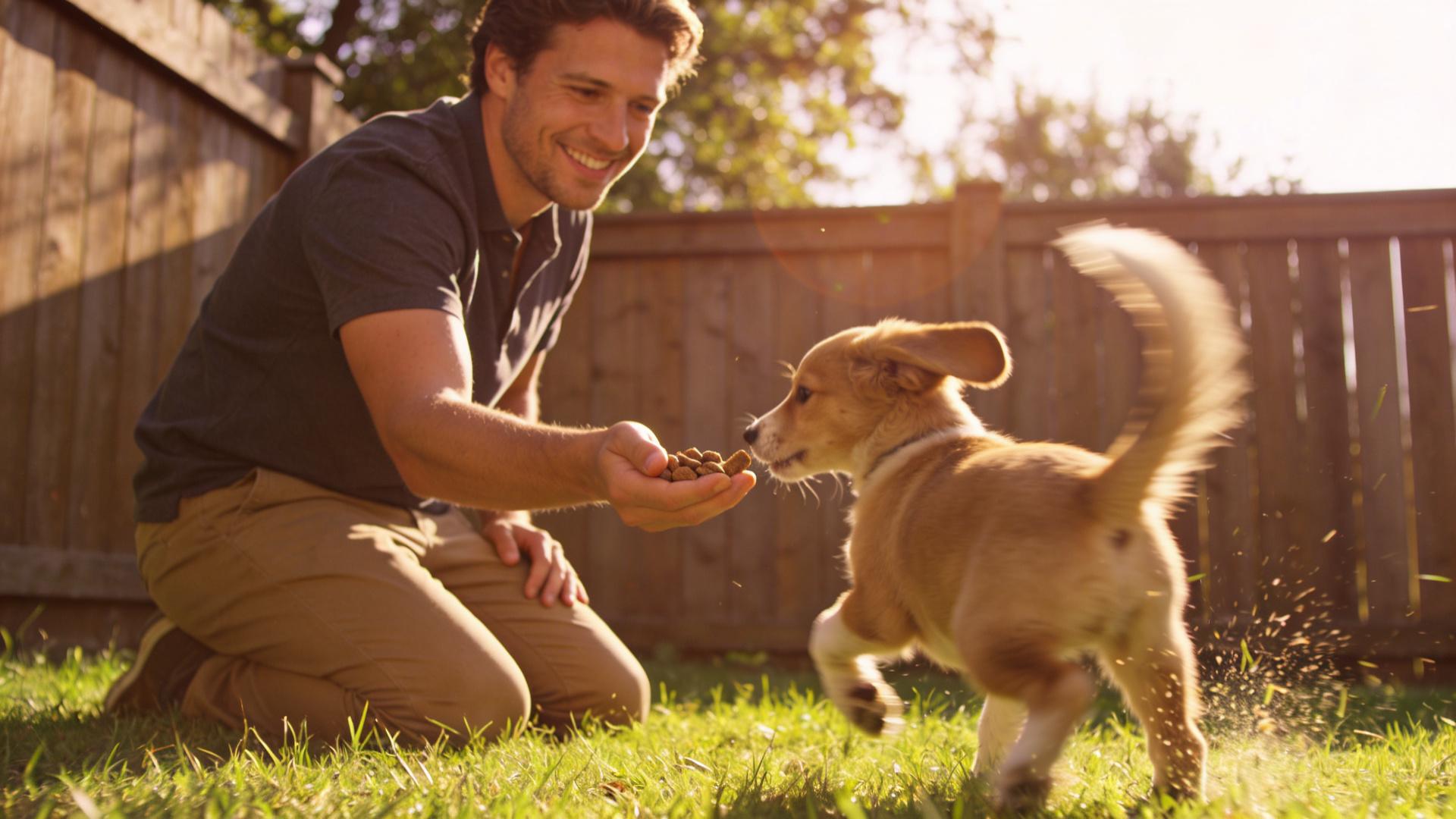
This is the golden rule, the one that guardians break most often, undermining their own hard work. Never, ever call your puppy to you for something they might perceive as negative or even neutral.
What to Avoid: Do not use your rock-solid recall cue to call your puppy for:
- A nail trim 🐾
- A bath 🛁
- To go inside and end playtime 🎾
- To put on their leash when they're having fun 🦮
- Anything that involves restraint or something they dislike.
If you need them for these things, go and get them. Use a different word, or simply walk over and gently guide them. You must protect the sanctity of the recall cue.
The Training Protocol: During dedicated puppy recall training sessions, you must follow the successful recall with a phenomenal reward and then release them back to freedom.
- Puppy comes to you.
- You deliver the high-value treat or initiate an epic 30-second play session with their favorite toy.
- You give a clear release cue like "Okay, go play!" and encourage them to run off again.
This teaches the puppy that coming to you is the beginning of more good things, never the end of enjoyment. This principle is crucial for building a reliable dog recall they will want to perform.

🚦 Key Strategy Three: The Celebration Protocol – Consistent Signals & Unbridled Joy
Consistency and emotional impact are your best tools. A haphazard, low-energy recall gets haphazard, low-energy results.
1. Choose Distinct Cues:
- Auditory: Pick one recall word and stick to it ("Come," "Here," "Touch"). Make it sharp and easy to shout.
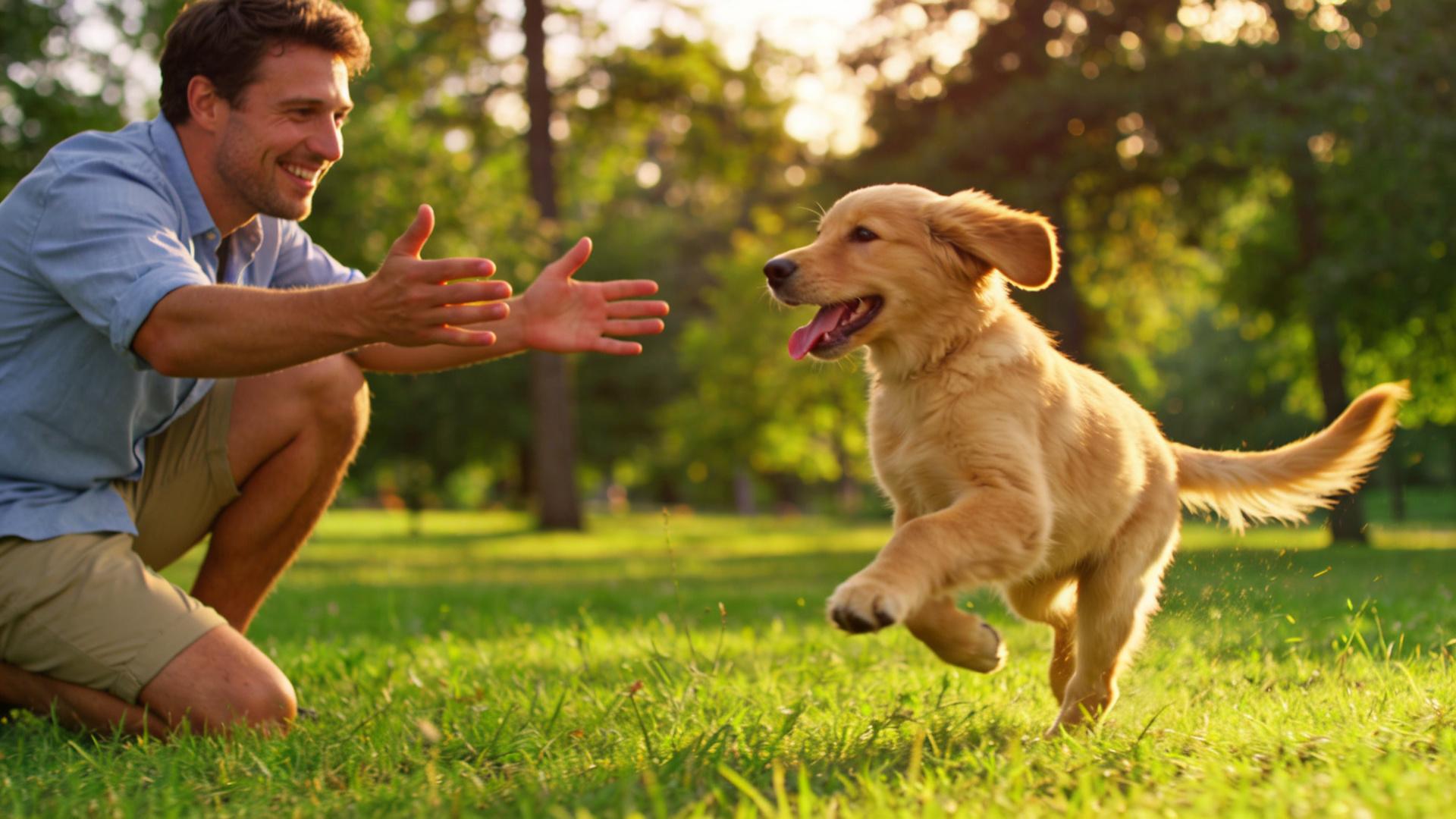
- Visual: Pair it with a consistent visual signal, like clapping your hands on your thighs, opening your arms wide, or taking a quick step backward.
2. The Happy Voice: Use a voice you'd use to announce you're going to the park—high-pitched, excited, and inviting. Your tone is a preview of the party to come.
3. The Arrival Celebration: When your puppy arrives, celebrate like they just won the lottery. Be genuinely exciting! This is not the time for a calm "good boy." This is the time for a mini-festival of praise, treats, and affection.
Special Reminder: Do not immediately reach for their collar. Grabbing them can be perceived as punitive and can create a "fly-by" where they approach but dart away. First, deliver the reward. Make the moment purely about the joy of arriving.
🎮 Key Strategy Four: The Game-Changer – The Runaway Recall
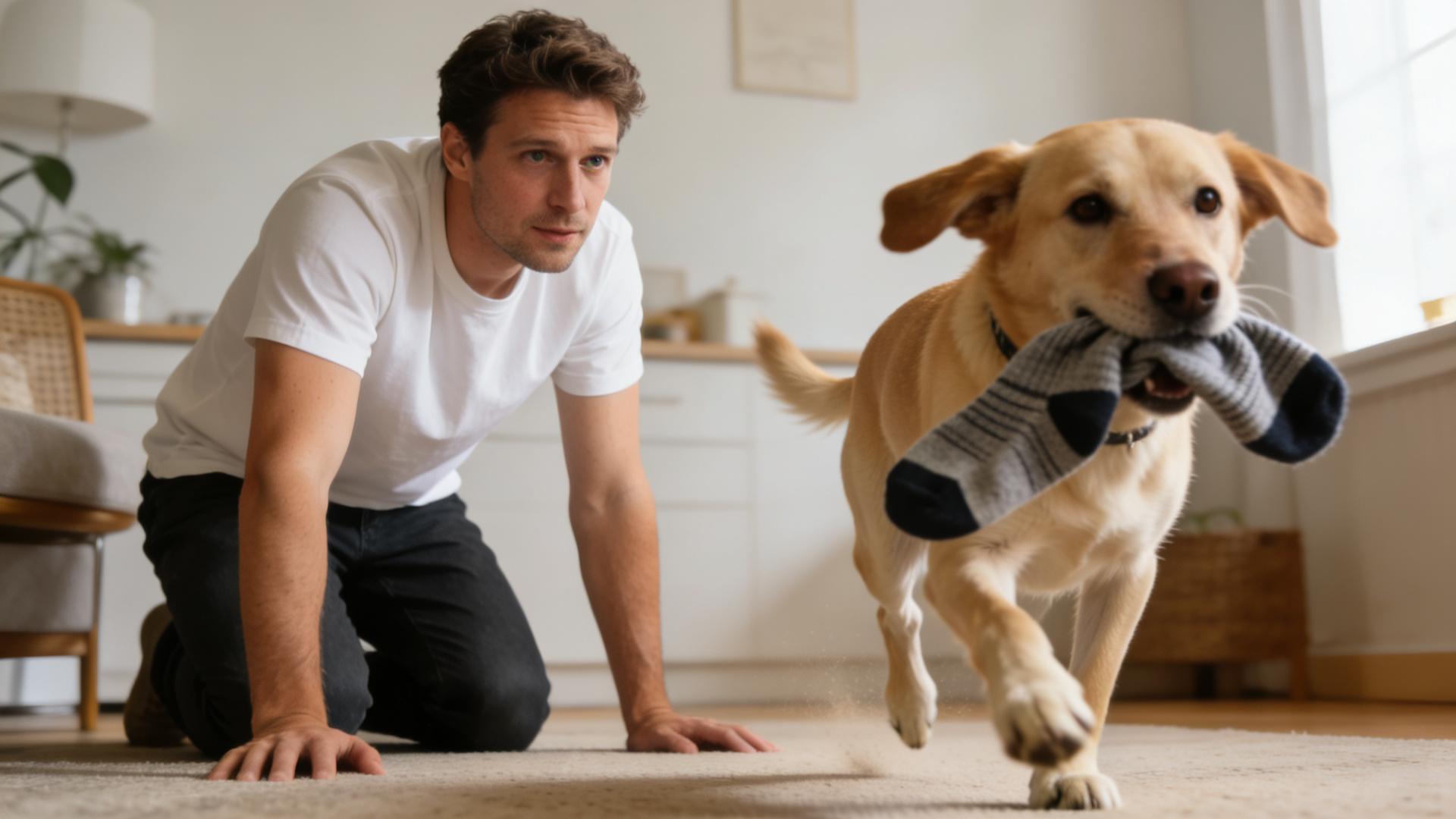
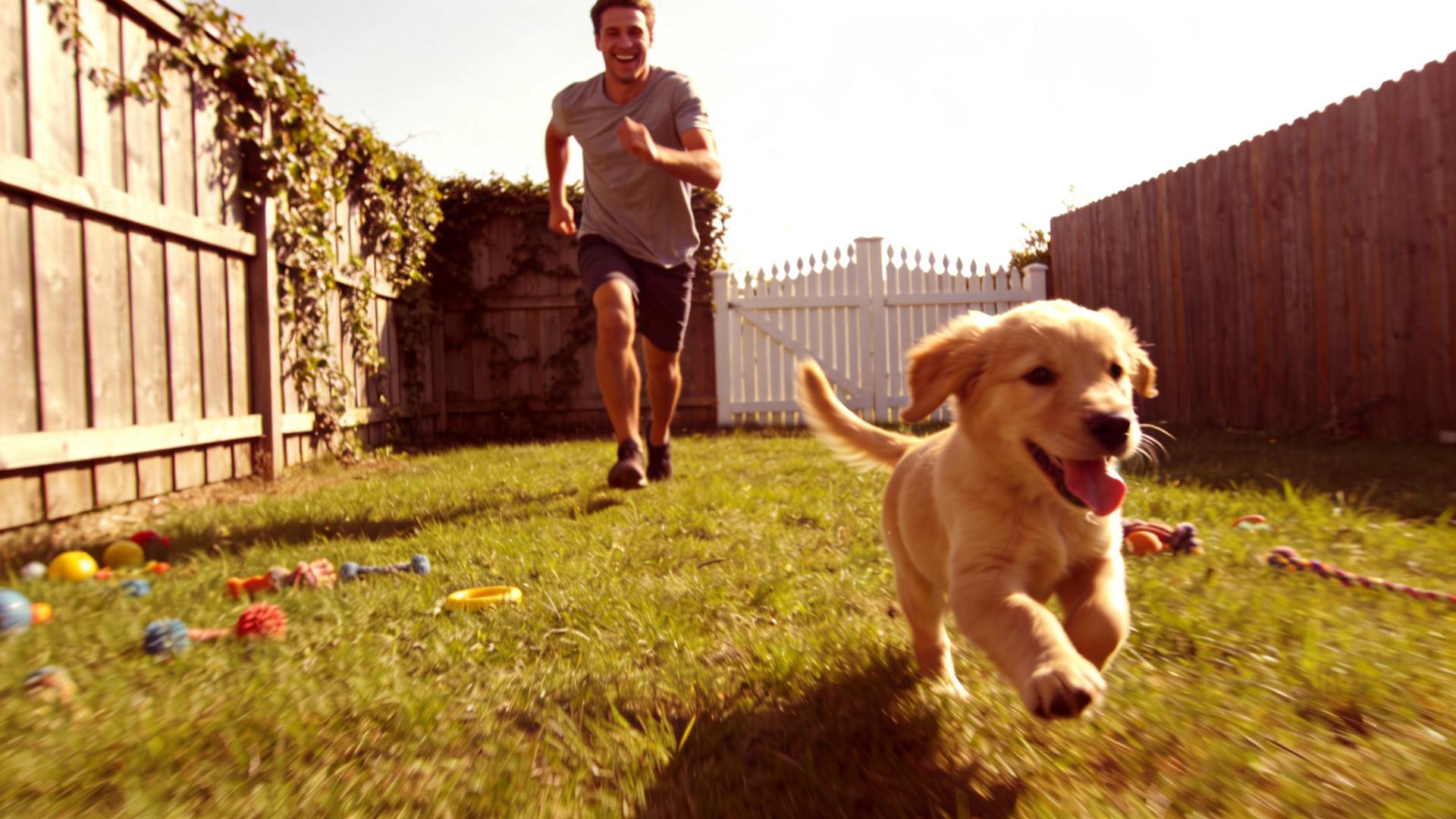
This technique leverages one of a puppy's most powerful instincts: the chase. The runaway recall is arguably the most effective puppy recall game you can play.
How to Execute It:
- Get your puppy's attention in a safe, enclosed area.
- With a burst of excited energy, turn your body and run away from them.
- As you run, call your recall cue and sound absolutely delighted. "Pup, HERE! Yes! Woo-hoo!"
- The movement triggers their natural chase drive. They will almost certainly sprint after you.
- When they "catch" you, stop, turn, and deliver the motherlode of rewards.
This game teaches that coming to you is a dynamic, fun adventure. It builds incredible speed and enthusiasm into the behavior. It visually demonstrates that you are the source of movement and excitement, making you infinitely more interesting than a static sniffing spot.
💝 Conclusion: The Daily Investment in Bond and Safety
Puppy recall training is not a two-week course you complete. It is a daily investment in your bond and your puppy's lifelong safety. Every interaction is a micro-opportunity to make yourself more interesting and rewarding. By setting up for success, protecting the value of the cue, celebrating with authentic joy, and turning training into a game, you are wiring your puppy's brain for a reliable recall that can withstand real-world distractions.
This is lesson one. The foundation is not obedience; it is joy. If you make coming to you the absolute best part of their day, you will build a recall that holds strong no matter what. Remember your goal: to create that irresistible gravitational pull. Make it run to you no matter what. 🐕💨