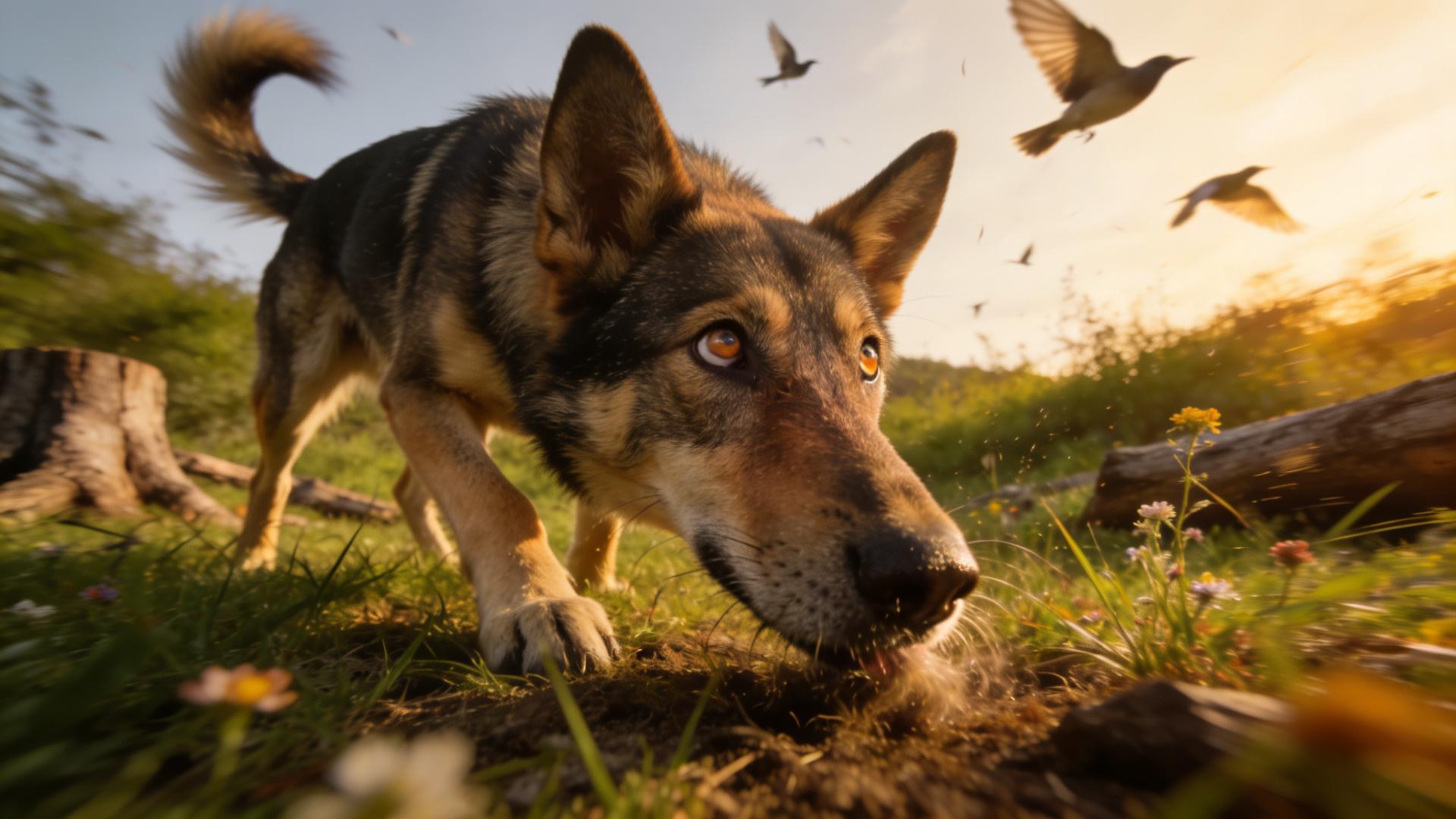
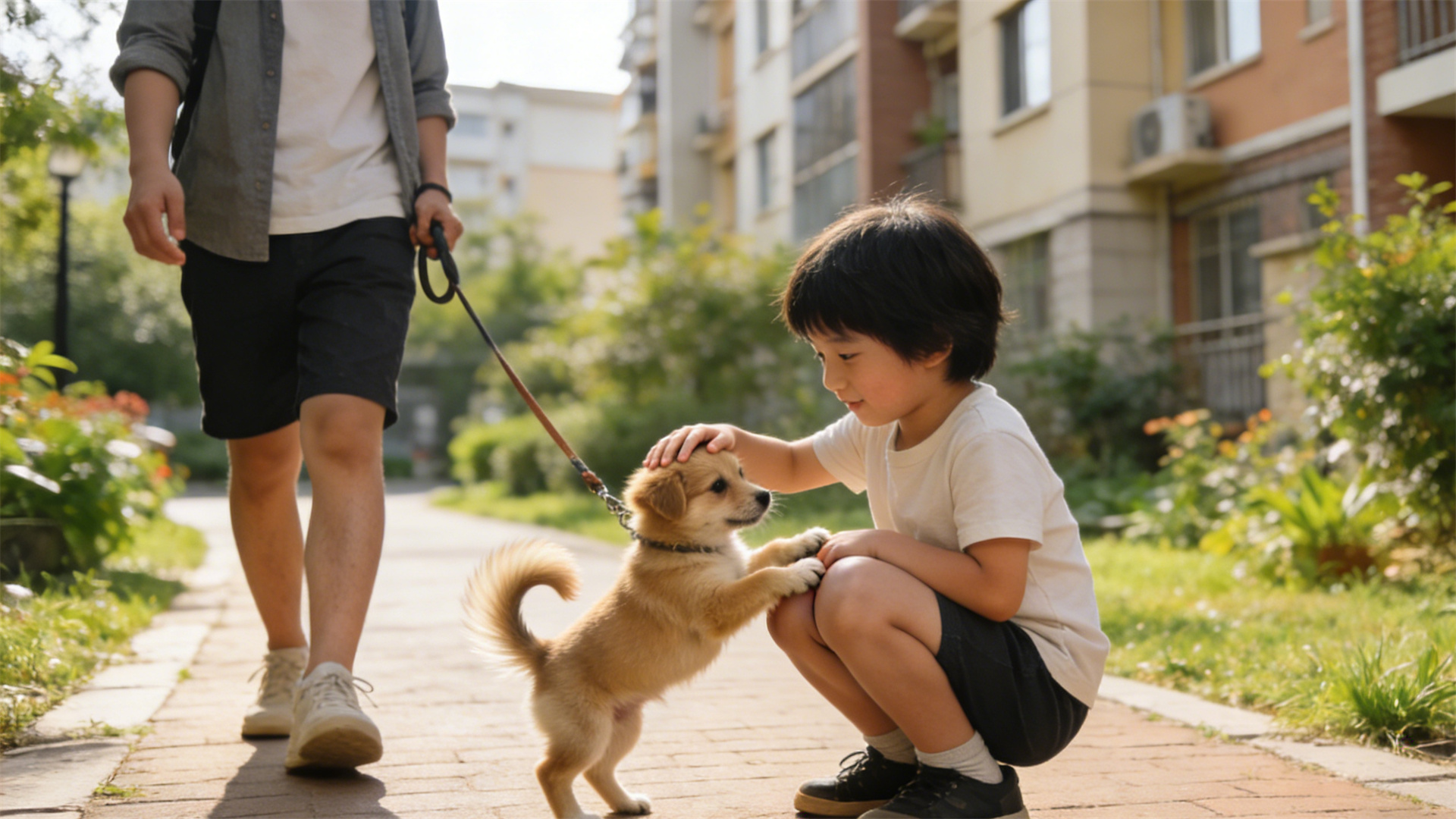
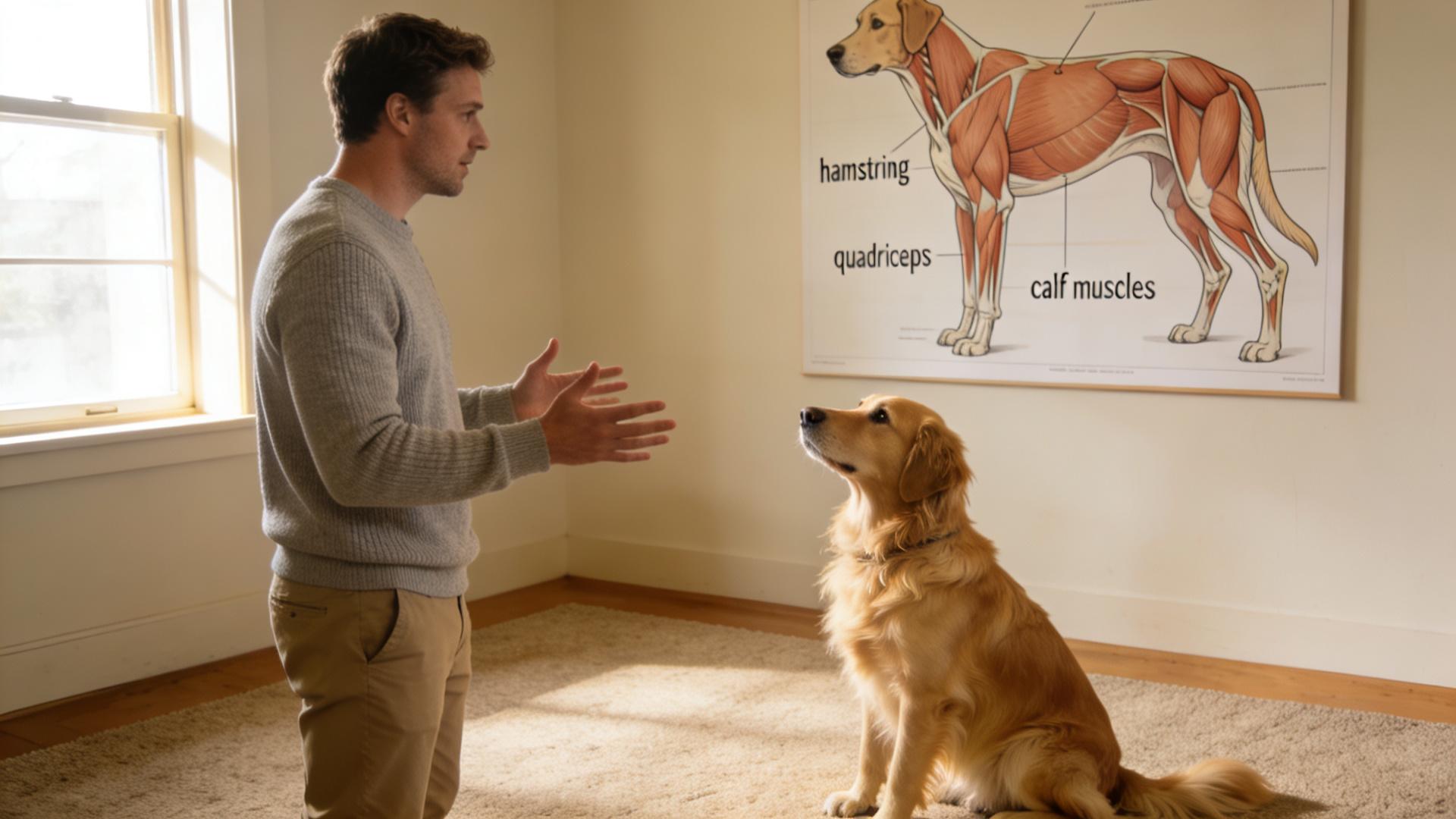
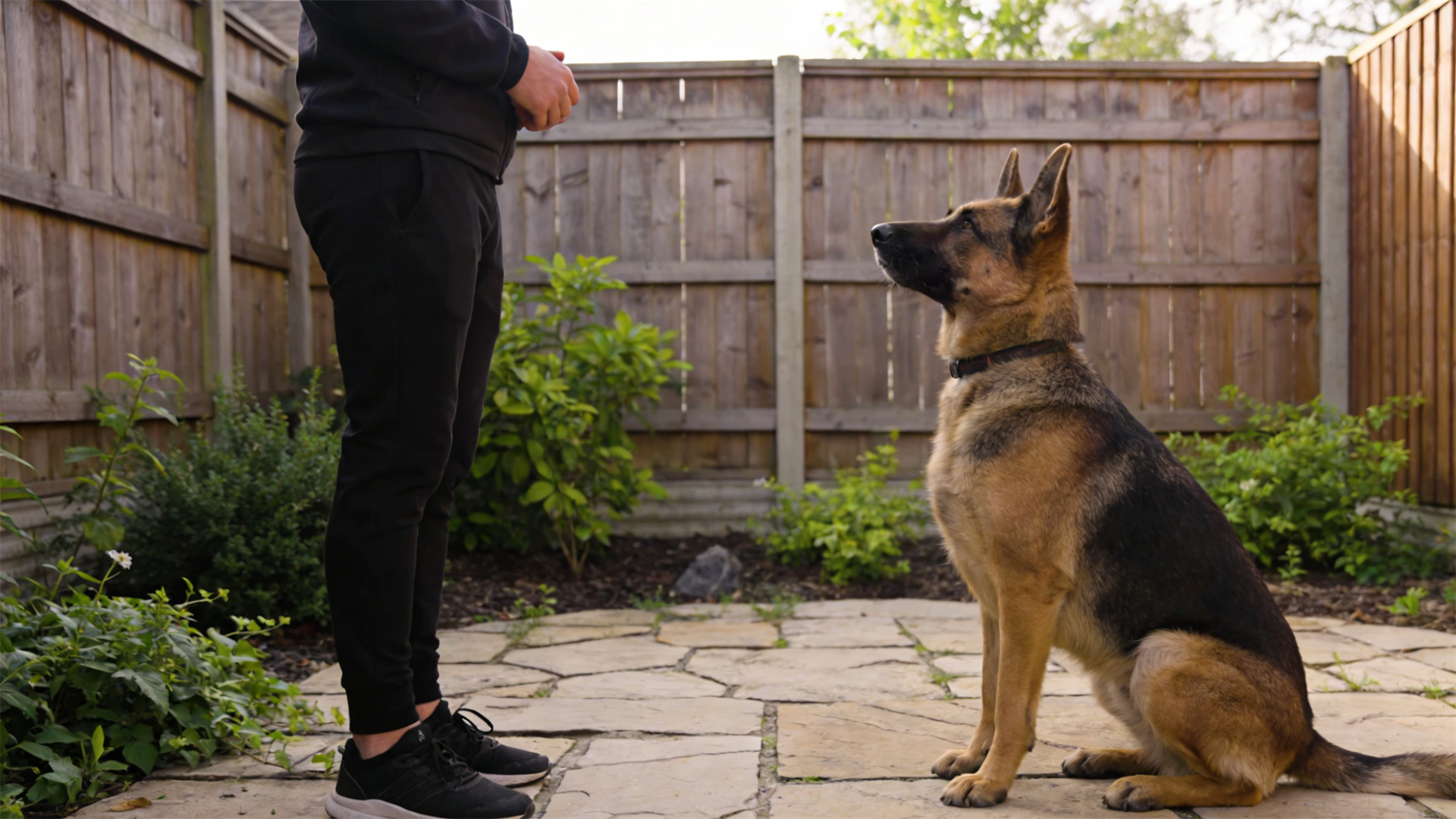
In the bustling world of dog training, filled with vocal cues, clickers, and treat bags, there exists a profoundly quiet corner. It is a space where communication flows not through sound, but through the subtle, powerful languages of the eyes and the body. Silent dog training is not merely a technique; it is an art form and a philosophy that seeks to cultivate a deep, intuitive bond between human and canine. Imagine directing your dog through a crowded park, navigating an agility course, or simply asking for a polite sit at a curb—all without uttering a single word. This is the pinnacle of tacit understanding dog training, a connection built on mutual observation, trust, and a symphony of non-verbal signals. This comprehensive guide will unveil the methods, science, and soul behind communicating with your dog in silence, transforming your relationship into one of seamless, quiet harmony. 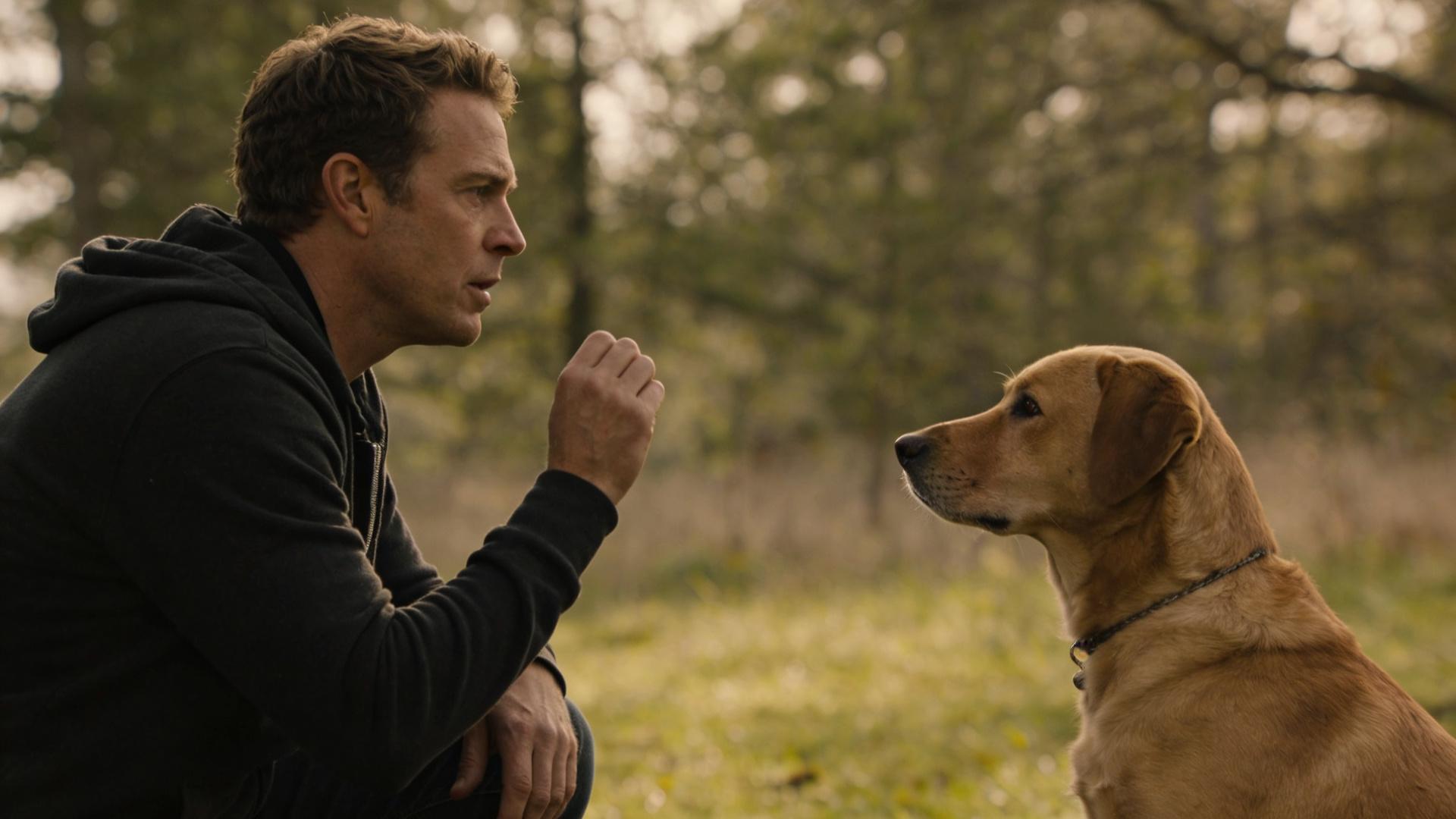
🚀 Introduction: The Power of Quiet Communication
Why choose quiet dog training methods? The benefits extend far beyond simply giving your voice a rest. Dogs are masters of visual communication; they read each other's intentions through posture, gaze, and movement. By speaking their native language, you bypass potential auditory confusion (is "sit" different from "Sit. Here, sit!"?) and tap directly into their canine subconscious learning processes. This method enhances your dog's natural observation skills, leading to sharper focus and attention training. It is the cornerstone of trust based dog training, as it requires you to be fully present, calm, and consistent—qualities that naturally establish you as a benevolent leader. For dogs who are sound-sensitive or easily overstimulated, silent training can be a game-changer, reducing anxiety and creating a calm energy during sessions. The ultimate goal? Achieving tacit understanding with pets—a partnership where a glance, a shift in weight, or a raised eyebrow conveys a world of meaning.
👁️ Section One: The Foundation of Eye Contact - Building the Bridge of Trust
Eye contact is the cornerstone of all non verbal dog commands and the first language you must master together. In the canine world, a direct, hard stare can be a challenge or threat, while soft, glancing eyes signify trust and deference. Your task is to transform your gaze into a tool of connection and guidance.
The Science of the Gaze
Research has shown that mutual gaze between dogs and their owners releases oxytocin, the "bonding hormone," in both species—mirroring the biochemical connection between human mothers and infants. This biological basis underscores why eye contact dog training is so powerful for deepening bond with dog. It physically reinforces your relationship.
Exercises to Build Focused Eye Contact:
- The Name Game (Without Sound): Start in a low-distraction environment. Simply wait for your dog to look at you. The moment their eyes meet yours, mark the behavior with a gentle, silent signal (like a subtle nod) and deliver a treat from your hand to their mouth. You are not calling them; you are rewarding their voluntary choice to engage. This teaches them that checking in with you is highly rewarding.
- Engaged Walking: On leash, stop walking. Remain still and silent. Wait for your dog to turn and make eye contact. Mark and reward, then resume walking. This builds the habit of checking in with you for direction, a fundamental skill for advanced dog obedience.
Key Principle: Never force or stare your dog down. If they are avoidant, build up slowly. Reward even brief glances. The goal is a soft, willing focus, not a rigid stare. 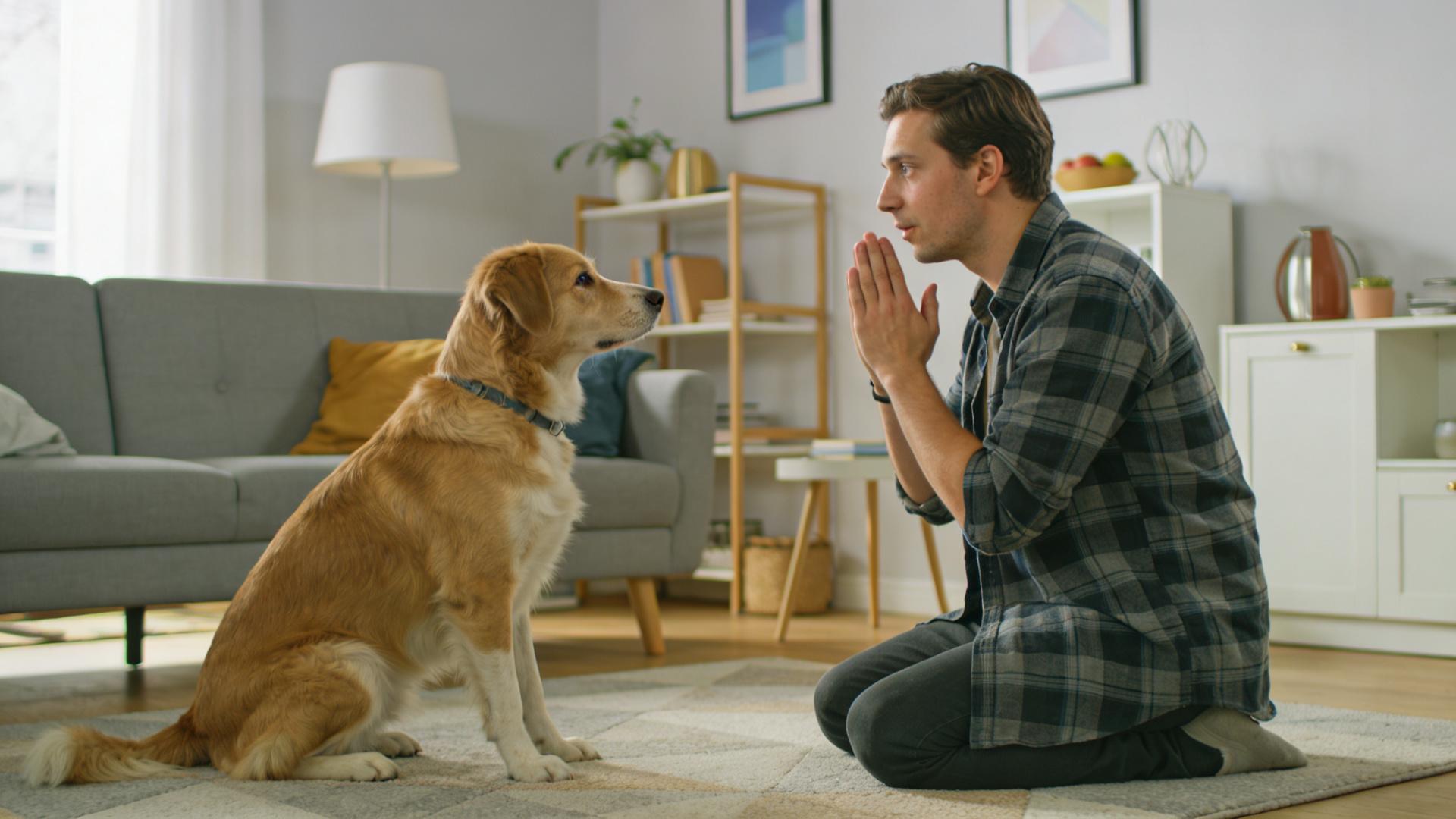
🧘 Section Two: Mastering Canine and Human Body Language
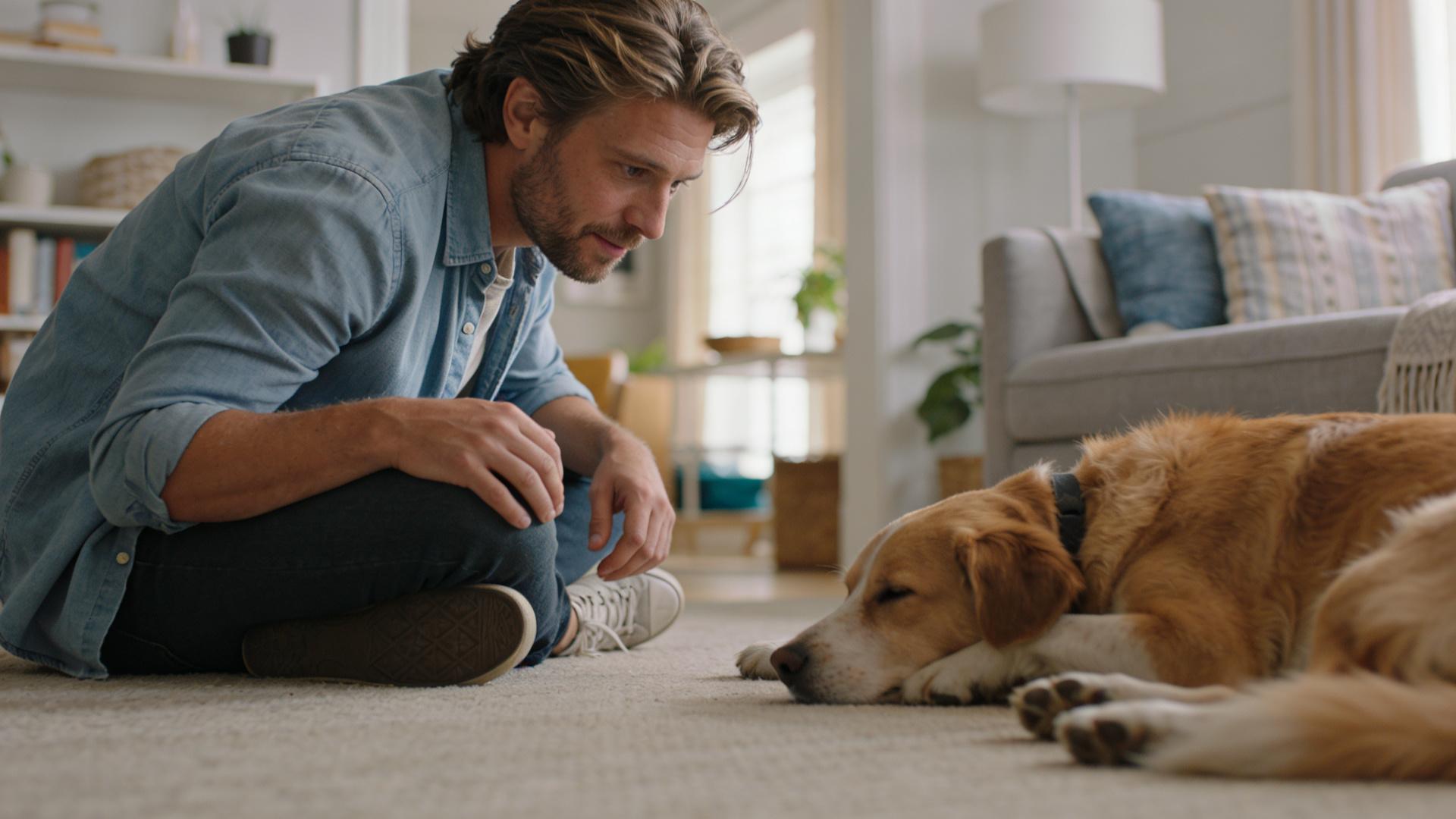
Silent training is a two-way street. You must become a fluent reader of your dog's canine non-verbal cues while learning to project clear, consistent signals with your own body.
Reading Your Dog's Signals:
Understanding your dog's emotional state is crucial for timing and avoiding frustration. Key cues include:
- Relaxed & Open: Soft eyes, relaxed mouth, loose wagging tail, weight evenly distributed. This is the ideal state for learning.
- Stressed or Confused: Yawning, lip-licking, whale eye (showing the whites), pinned ears, lowered body. If you see these, your request is unclear or the environment is too challenging.
- Focused and Ready: Ears forward, body still but alert, gaze fixed on you. This is the "green light" to proceed with a hand signal dog training cue.
Projecting Clear Human Signals:
Your posture, movement, and energy (calm energy dog training) are your command tools.
- Posture: Stand tall and relaxed to project confidence. Leaning forward can be perceived as invasive; leaning back can be an invitation to jump up.
- Movement: Deliberate, smooth movements are clear. Jerky, sudden motions can startle or excite.
- Energy: Your internal state is palpable. Breathe deeply, move calmly. This is the essence of leadership with dogs and dog whispering techniques—guiding through quiet assurance rather than force.
🤫 Section Three: Implementing Silent Commands - A Step-by-Step Guide
Now, we translate classic obedience into a visual language. Remember: patience and consistency are your most important tools. Always pair the new silent cue with a reward (treat, toy, affection) to build positive association.
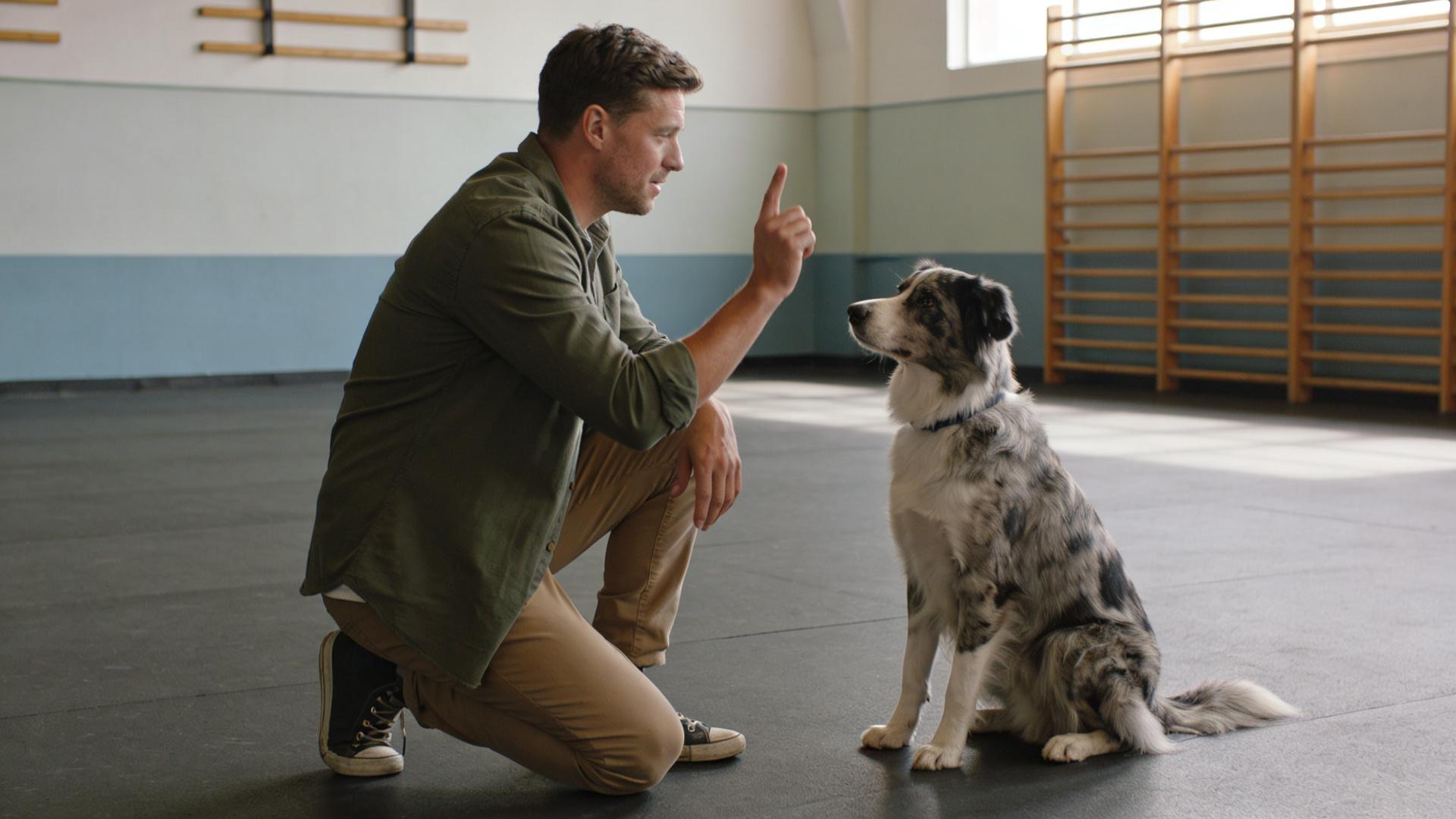
Teaching "Sit" with a Hand Signal:
- With a treat in your hand, let your dog see it.
- Slowly move your hand from their nose up and slightly back over their head. As their head tilts up, their bottom will naturally lower.
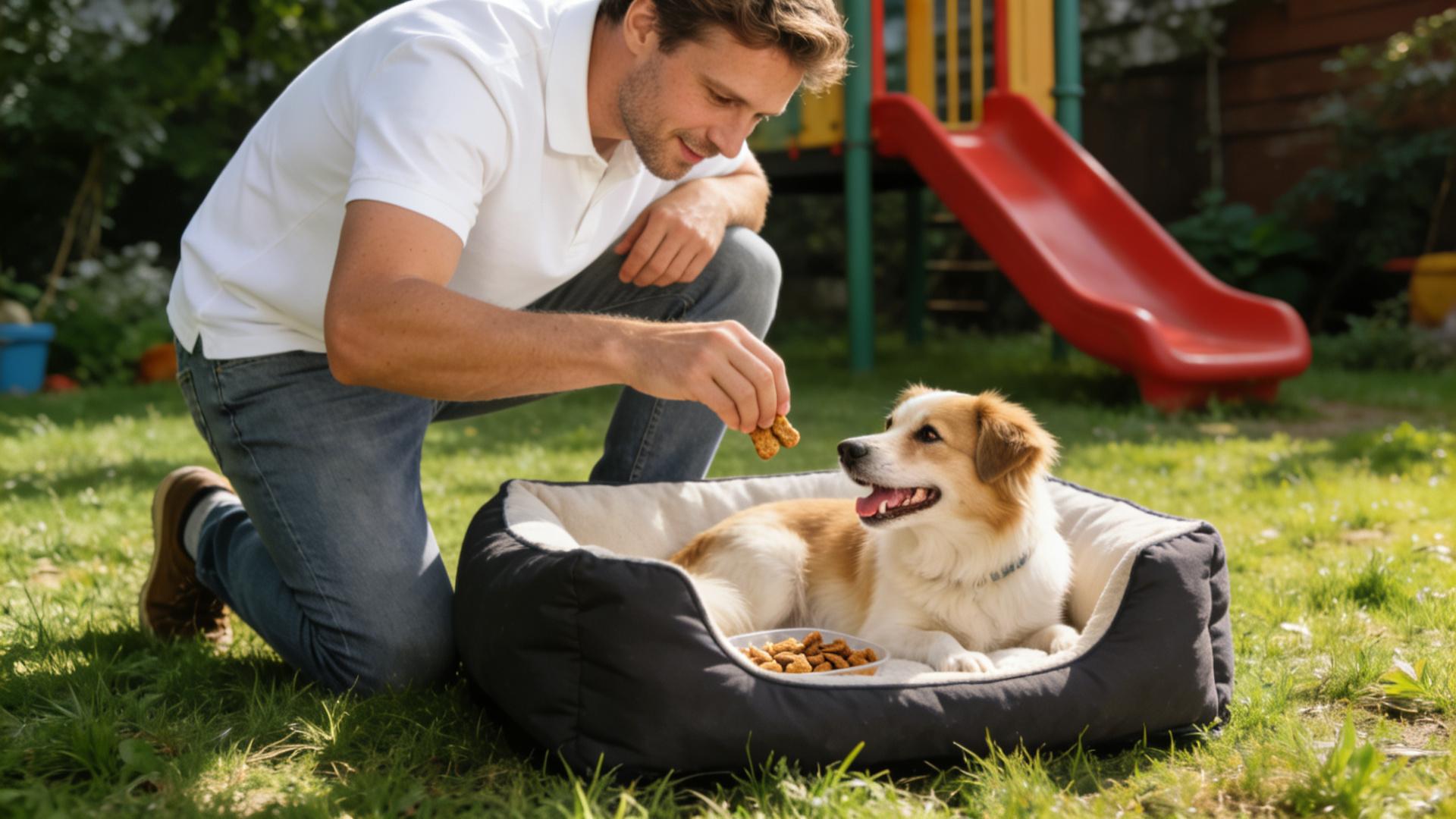
- The instant their rear touches the ground, mark with a smile or gentle nod and give the treat.
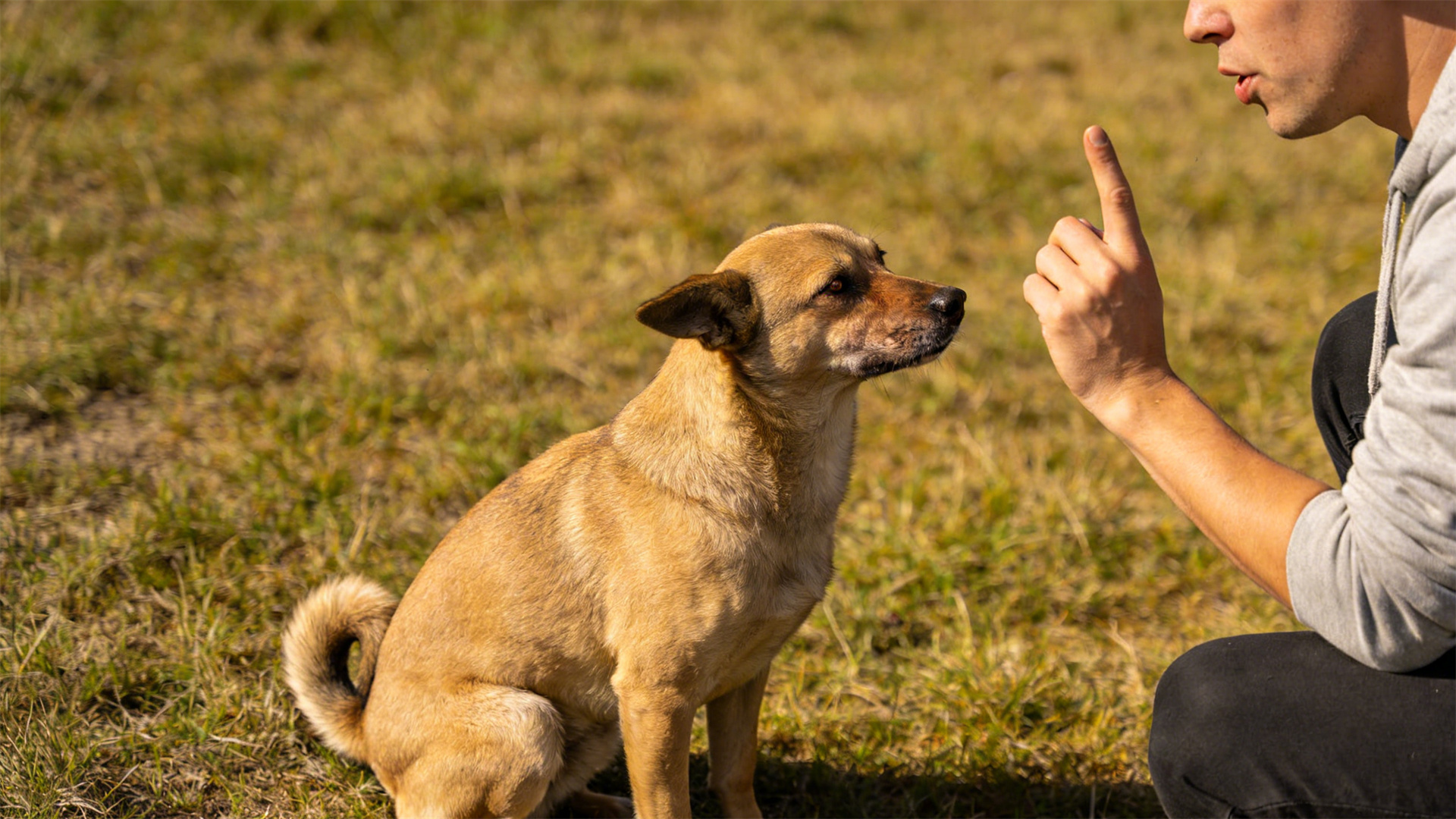
- Repeat, gradually making the hand motion more subtle—eventually just a raised index finger or an upward palm gesture.
Teaching "Stay" with Body Block and Eye Contact:
- Ask for a "sit" using your new silent signal.
- Take a half-step back. If your dog holds, immediately step back in to reward in the sitting position.
- Gradually increase distance and duration. Use a steady, soft gaze as a "stay anchor." If they break, calmly and without words, use your body to gently guide them back to the spot. The space you hold between you is the visual barrier.
Teaching "Come" (Recall) with an Open Posture:
This is a Special Reminder: Never use a silent recall for punishment. It must always be positive.
- Start indoors. When your dog looks away, take a few rapid, excited steps backward and open your arms wide, creating an inviting, open posture.
- The movement should trigger their chase instinct. As they move toward you, reward lavishly.
- Practice this in increasingly distracting environments. The silent cue becomes your retreating movement and open arms—a clear visual invitation.
Teaching "Heel" with a Hand Tap and Body Position:
- With your dog on leash, hold a treat at your left thigh.
- Start walking. The moment they are in the correct position (shoulder by your leg), mark and deliver the treat downward by your leg.
- Introduce a consistent visual cue, like a light tap on your thigh as you walk. They will learn to orient to that spot for reinforcement. Your own straight-line walking and focused energy provide the ongoing cue.

⚠️ Section Four: Troubleshooting and Common Challenges
Even in silence, challenges arise. Here’s how to navigate them with the principles of canine psychology.
Challenge: My dog gets distracted and stops looking at me.
Solution: Lower the difficulty. Go back to a less stimulating environment and rebuild the value of eye contact. Make your rewards higher-value. Remember, focus and attention training is a muscle that needs strengthening.
Challenge: My dog seems confused by the hand signals.
Solution: Ensure your signals are distinct and consistent. Is your "sit" signal too similar to "down"? Go back a step, use a more obvious lure, and fade it more slowly. Clarity is everything in no talk dog training.
Challenge: I get frustrated and break my own silence.
Solution: This is natural. Keep sessions short (2-5 minutes). If you feel frustrated, end the session on a simple success and try again later. Your dog reads your tension. Patience is not just a virtue; it is a training requirement. 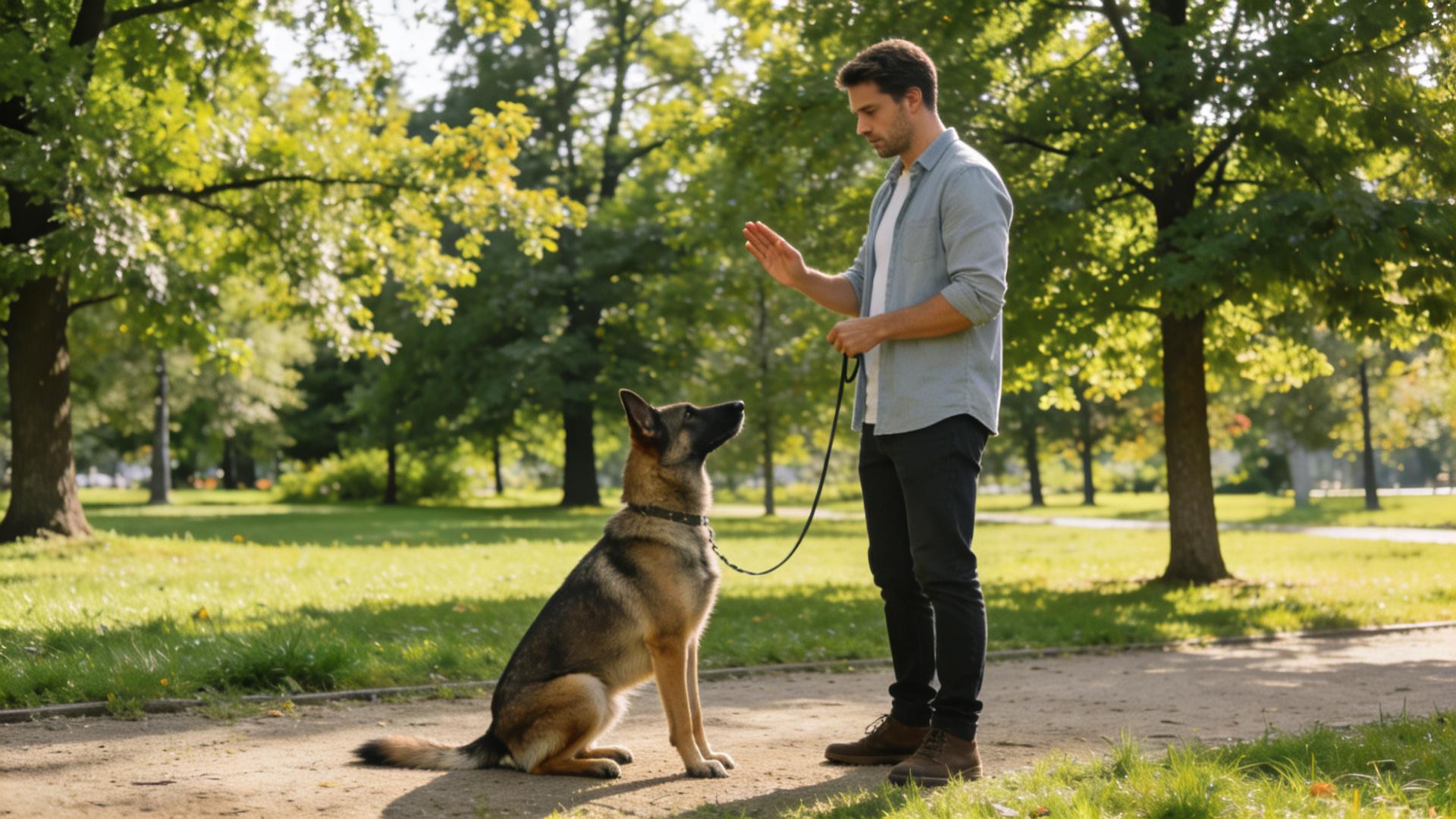
💫 Conclusion: The Transformative Journey to Tacit Understanding
Silent dog training is a journey that transcends basic obedience. It is a practice in mindfulness, observation, and mutual respect—a form of Zen dog training. By committing to this path, you are choosing to communicate with your dog on their most instinctual level. You will witness a transformation: not just in their responsiveness, but in the depth of your connection. The quiet space you create becomes filled with understanding, a language where a shared glance speaks volumes. You will achieve a level of advanced dog obedience that feels less like command and control, and more like a graceful, cooperative dance.