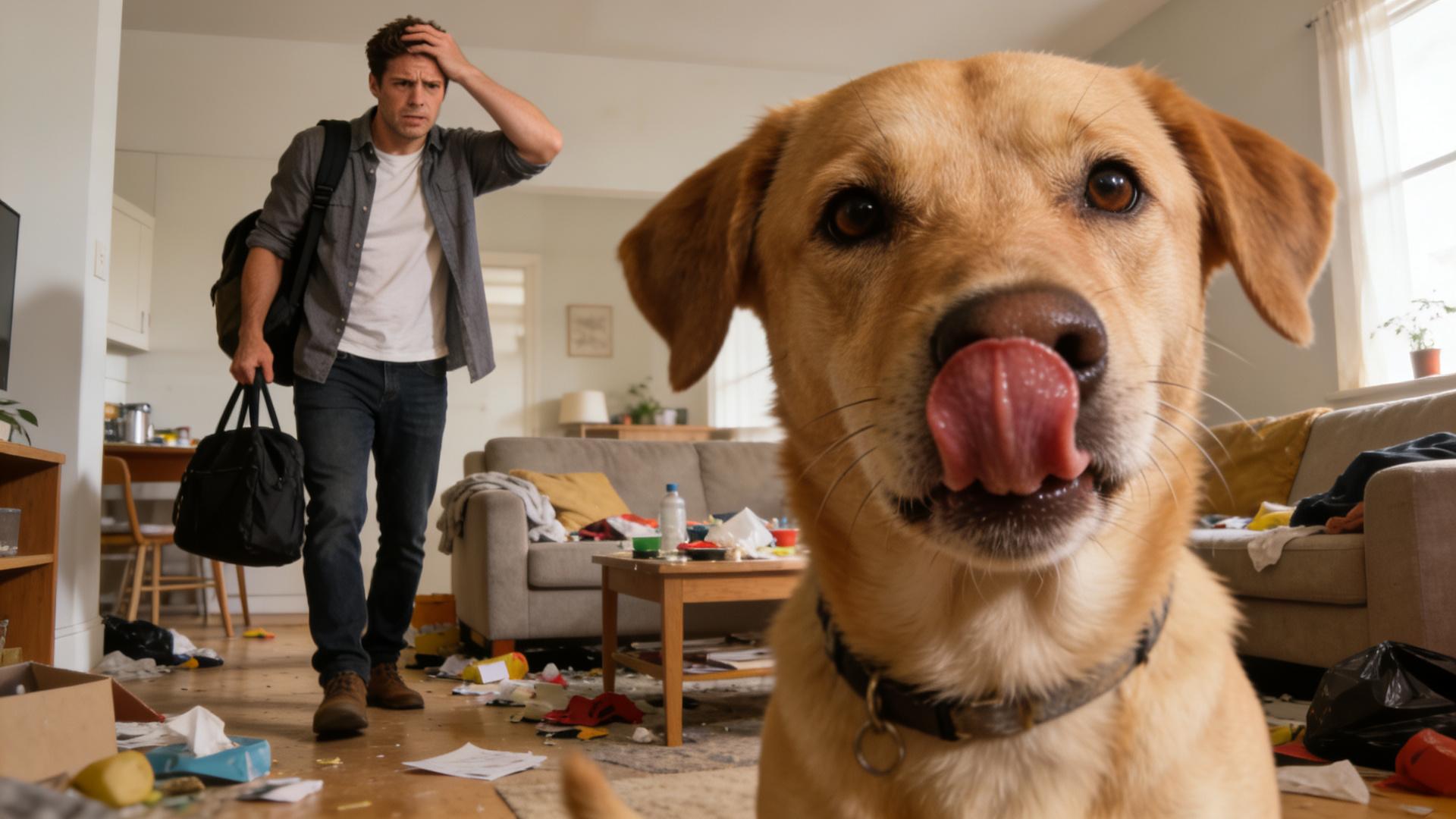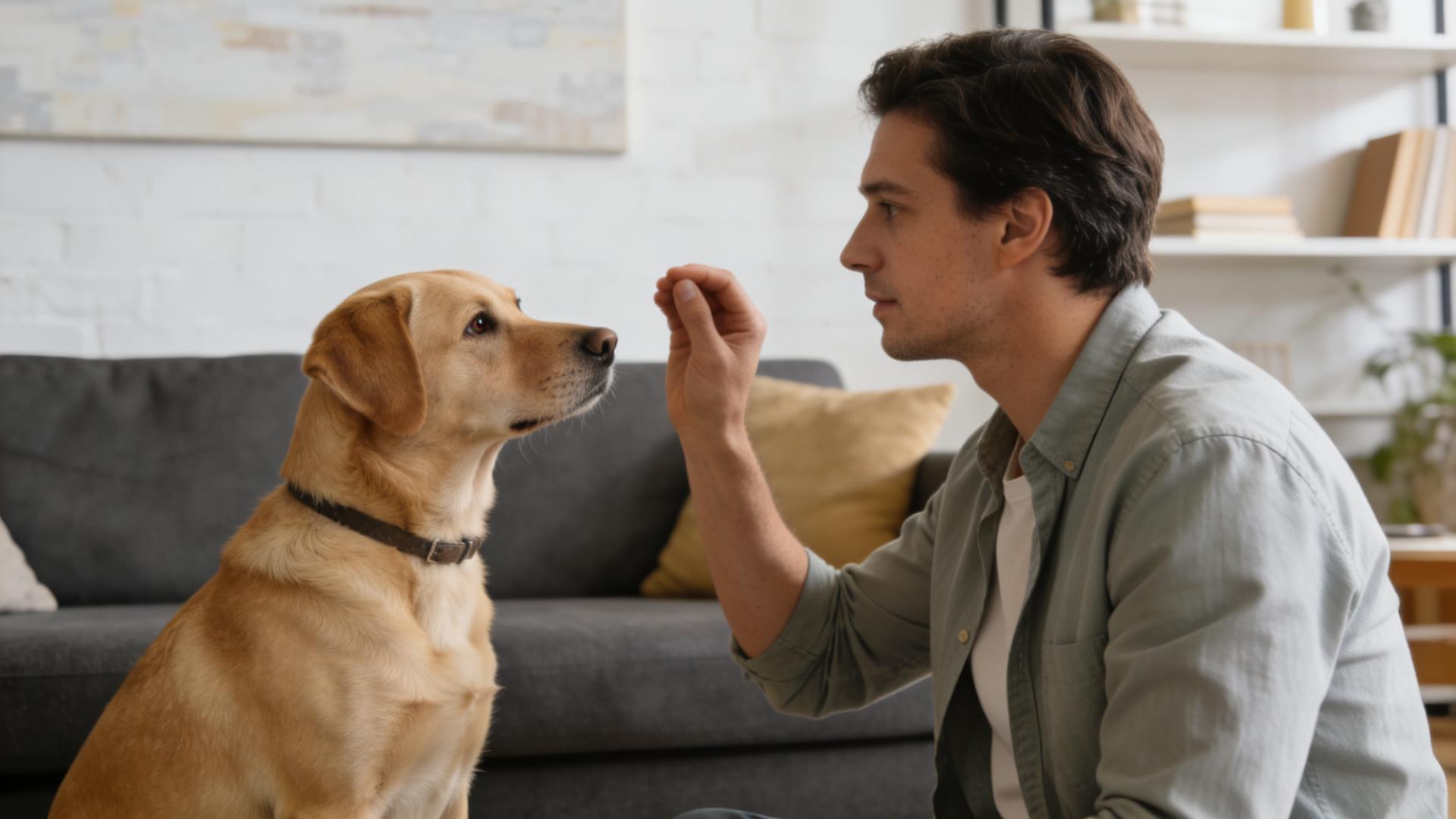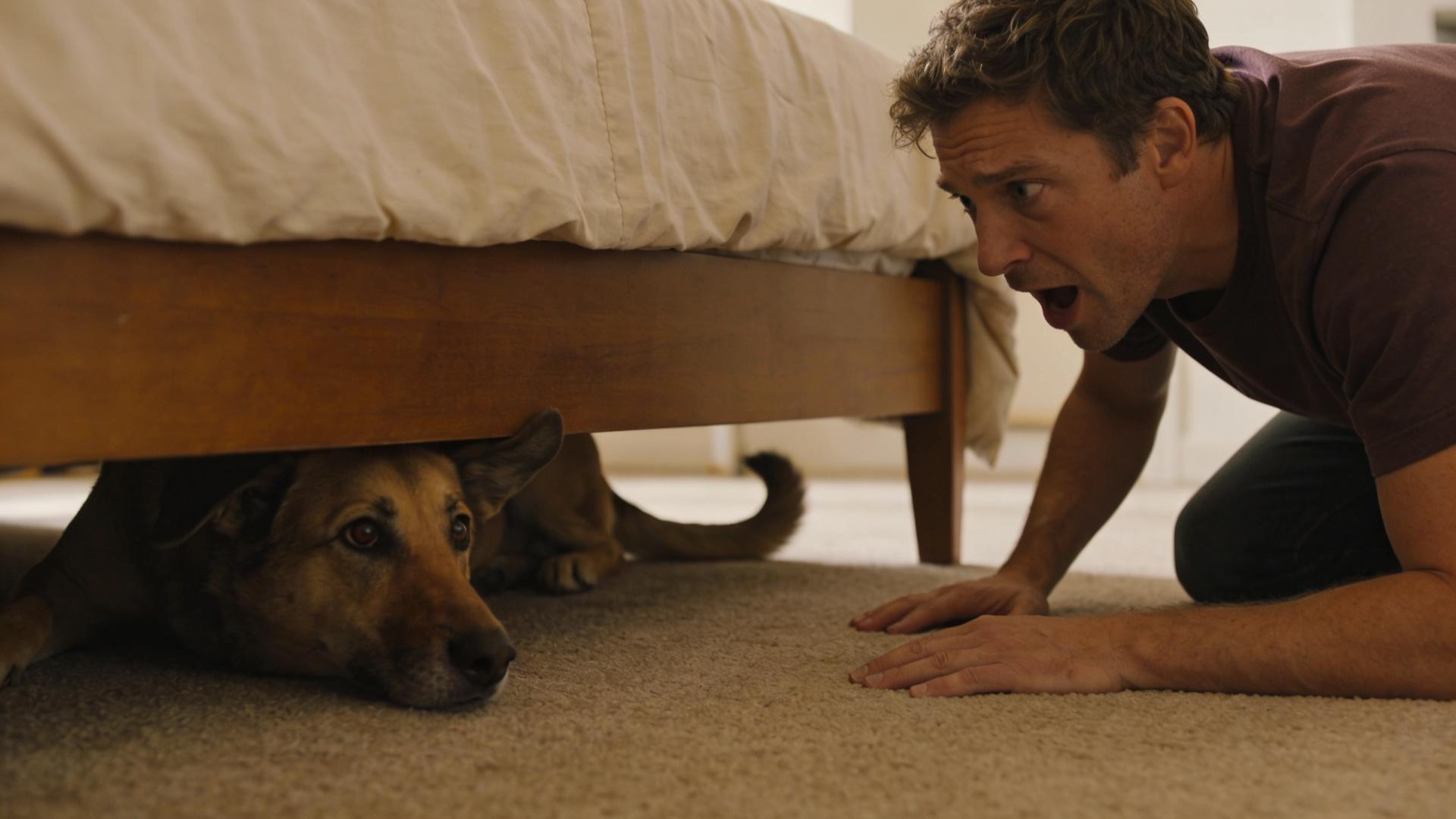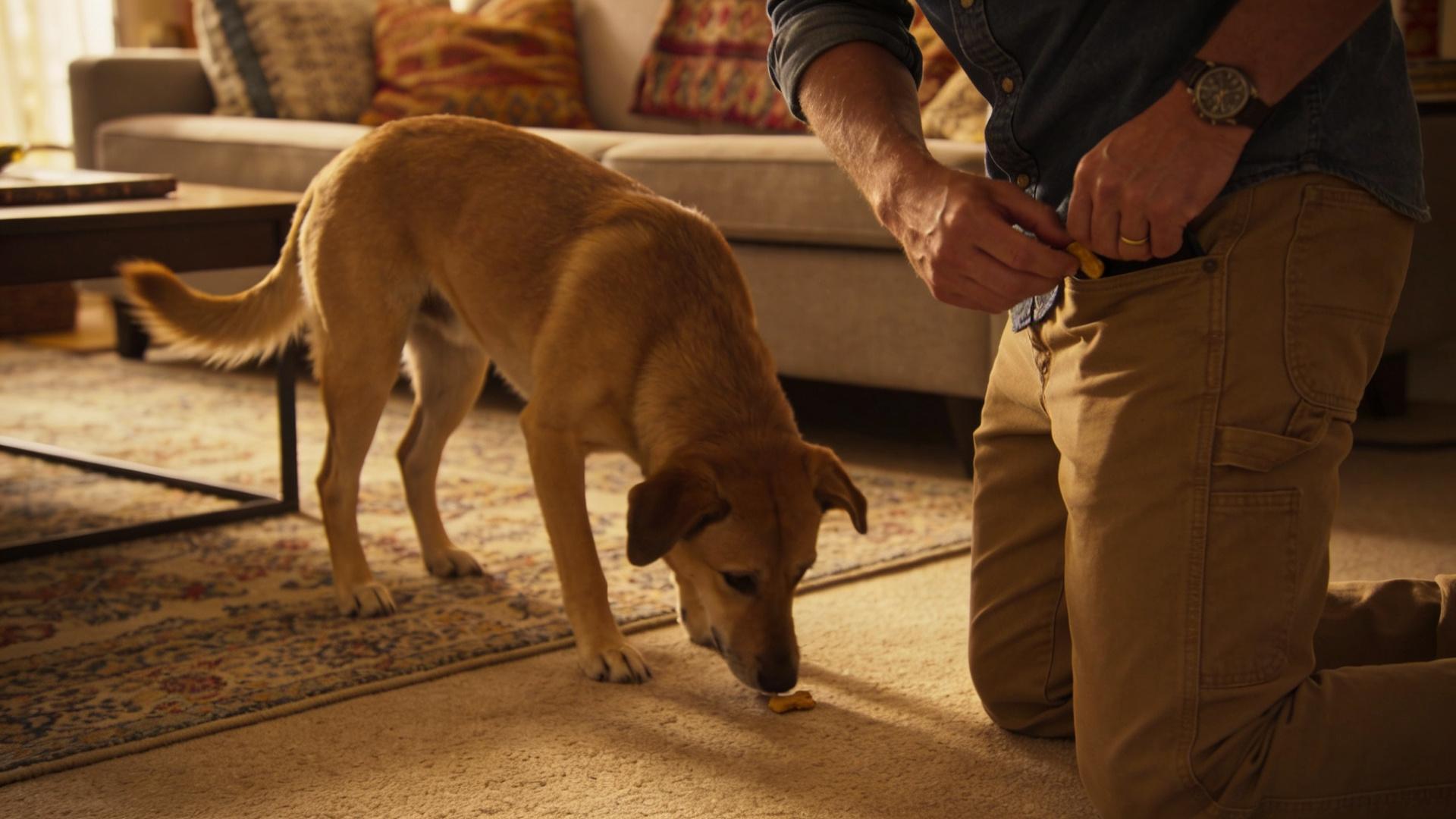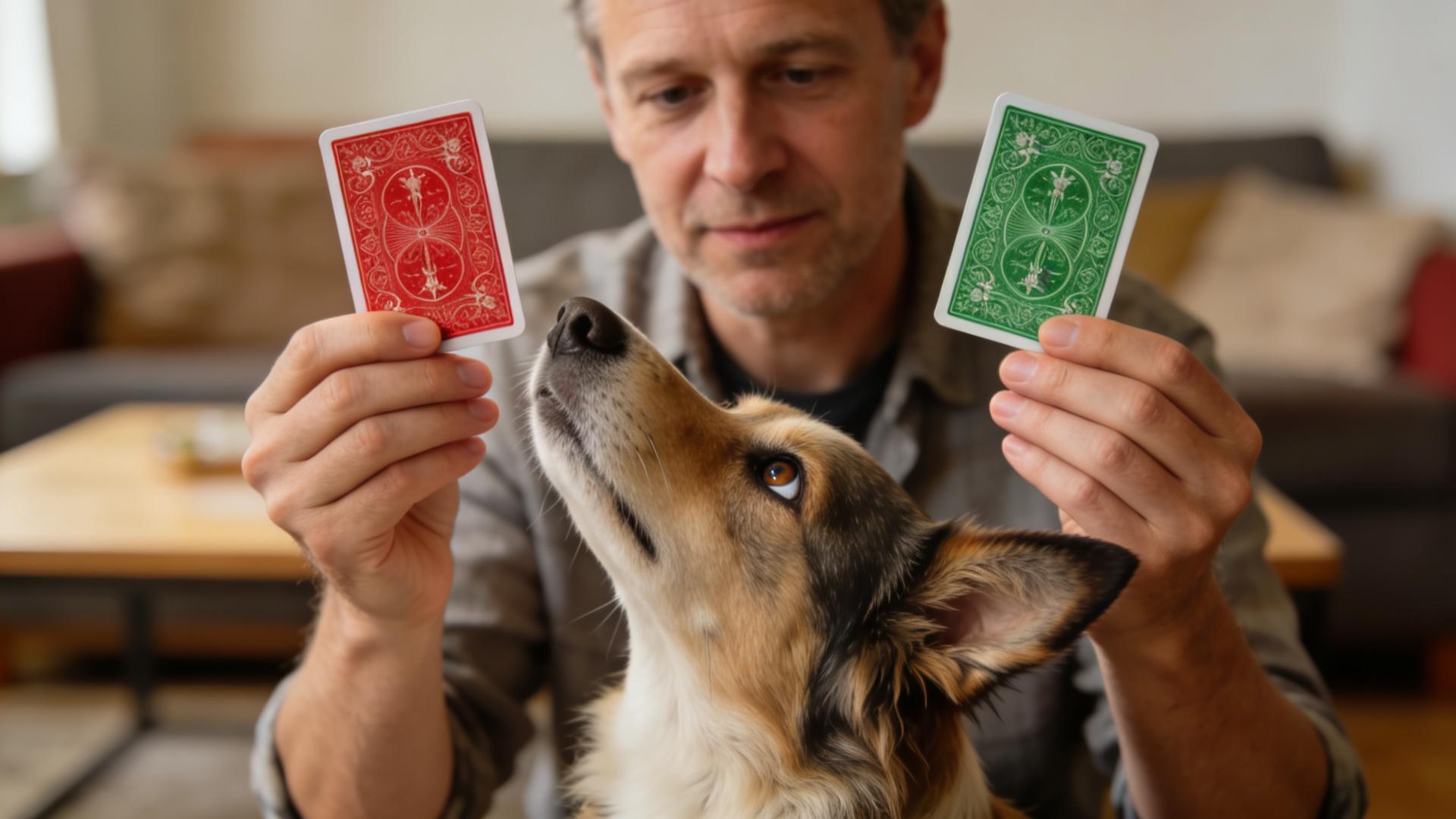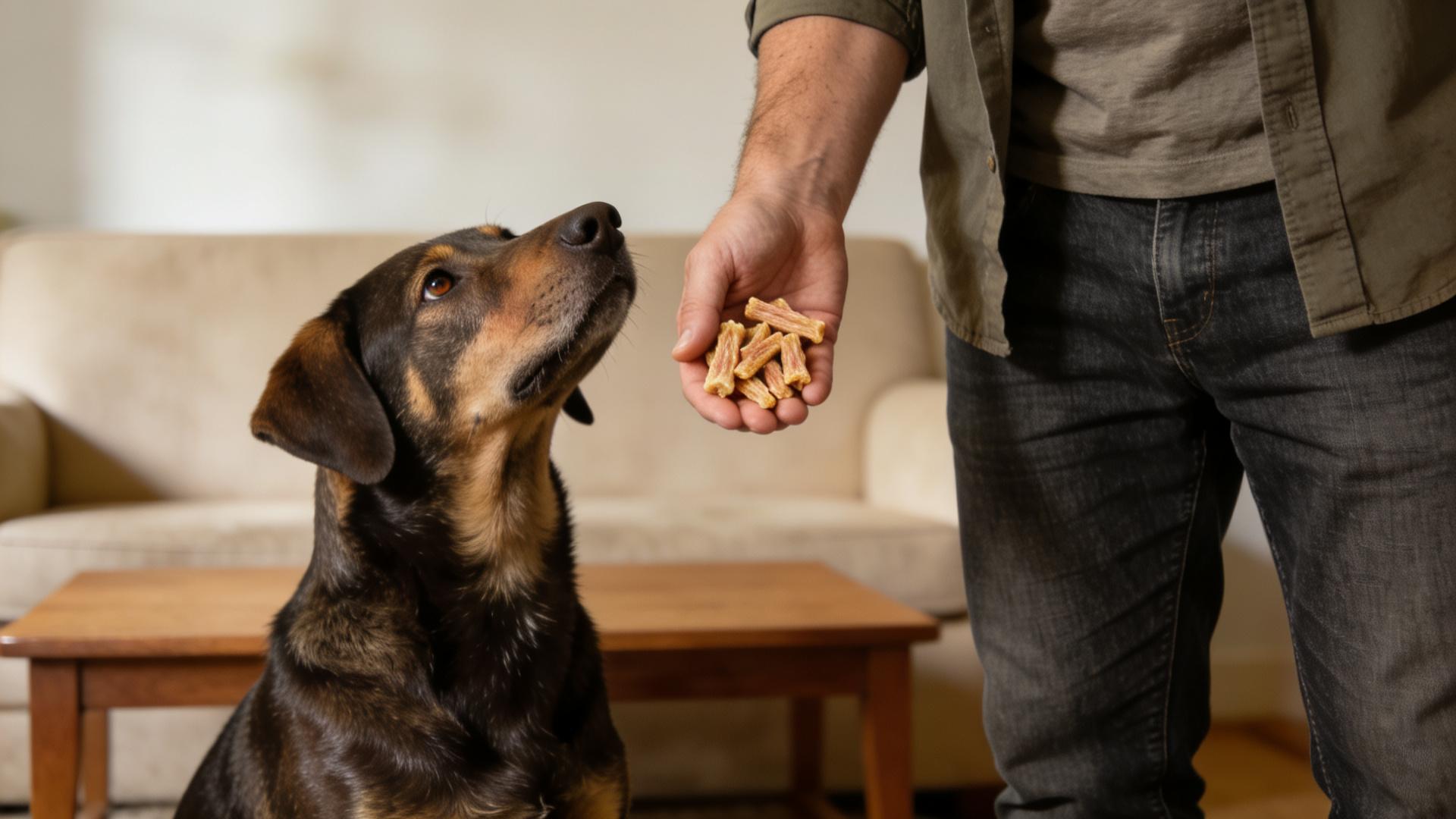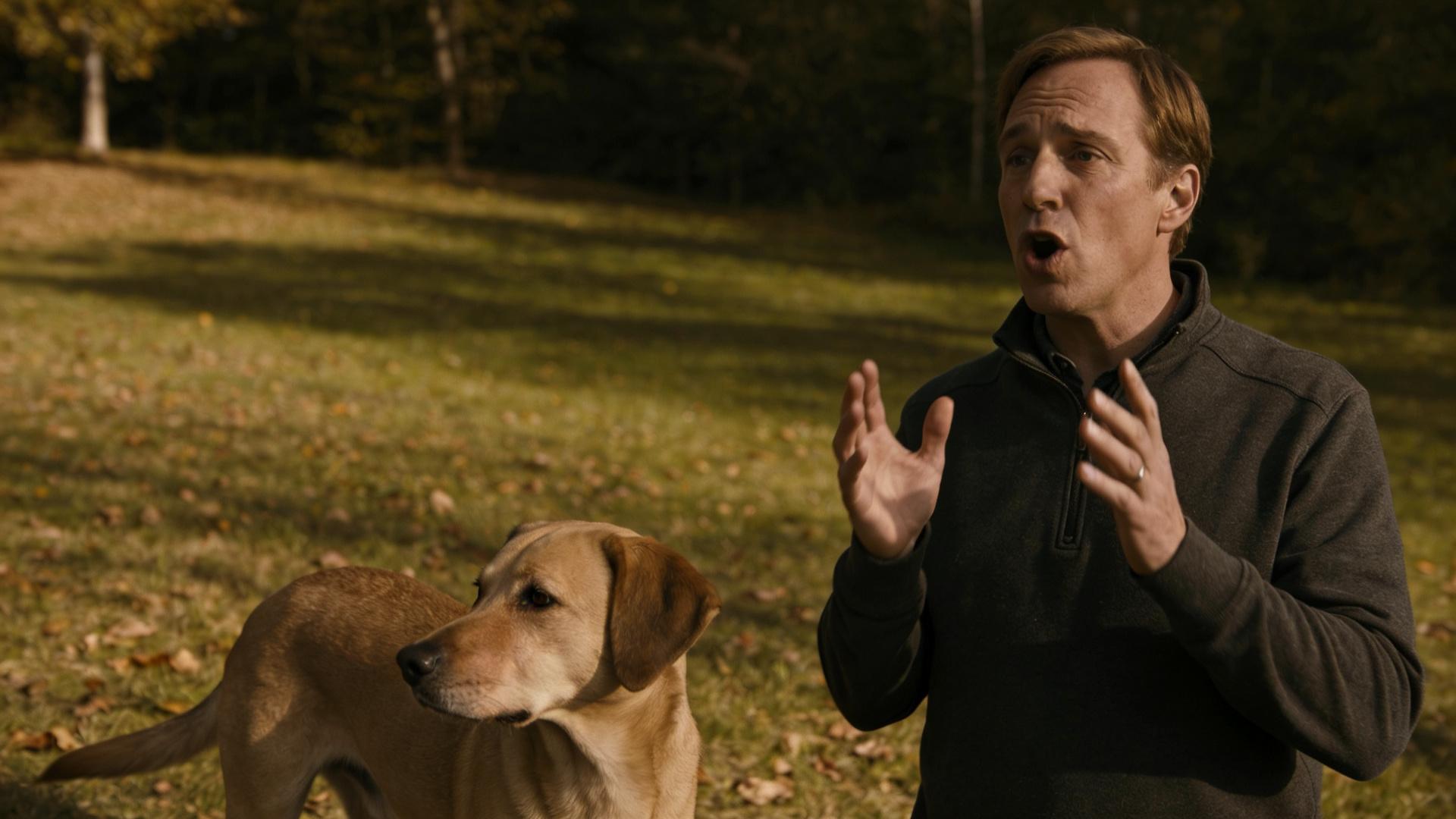
Welcome, fellow dog lover. If you're standing there, repeating "sit, sit, SIT!" while your dog looks blissfully past you, you're only using half of your communication toolkit. You're speaking, but your dog's native language is visual. This guide will fundamentally transform how you connect with your canine companion, starting with the foundational command: the "sit." We're going beyond the basic verbal cue to unlock the power of silent gestures, building an instant, unwavering layer of command awareness that cuts through noise, distance, and distraction. Let's begin the conversation your dog has been waiting for.
🎓 Why Gestures Work: The Science of Visual Learning
Dogs are not born understanding English. They are, however, masterful interpreters of body language. In the wild, survival depended on reading the subtle shifts in a packmate's posture or gaze. This evolutionary heritage makes them supremely receptive to visual cues. A clear, consistent hand signal offers distinct advantages:
- Cuts Through Auditory Clutter: In a noisy park or a busy household, your voice can get lost. A gesture provides a clear, silent beacon of instruction.
- Creates a Visual Anchor for Learning: The motion creates a physical picture in your dog's mind, often leading to faster and more reliable recall than sound alone.
- Future-Proofs Your Communication: As dogs age, hearing often diminishes. A robust visual command system ensures your ability to guide them throughout their entire life.
In essence, you are speaking directly to your dog's cognitive strengths, making gesture-based dog training not just a trick, but a cornerstone of sophisticated, compassionate communication.
⚡ Prerequisite for Success: The Currency of Focus
Before you ask for that first silent sit, you must have something to trade: your dog's attention. You cannot withdraw from a bank where you haven't made a deposit. Here's how to ensure your training "account" is full:
- Environment is Everything: Start in a quiet, low-distraction area like your living room. Competing stimuli (squirrels, other pets, household noises) will drain your dog's focus.
- High-Value "Currency": Use treats your dog loves and doesn't get every day—small pieces of boiled chicken, cheese, or commercial training treats. Value drives motivation.
- Your Mindset is Key: Your patience and positivity are your most powerful tools. Training is a game, not a chore. Keep sessions short (3-5 minutes) and end on a success.
🔧 The Training Toolkit
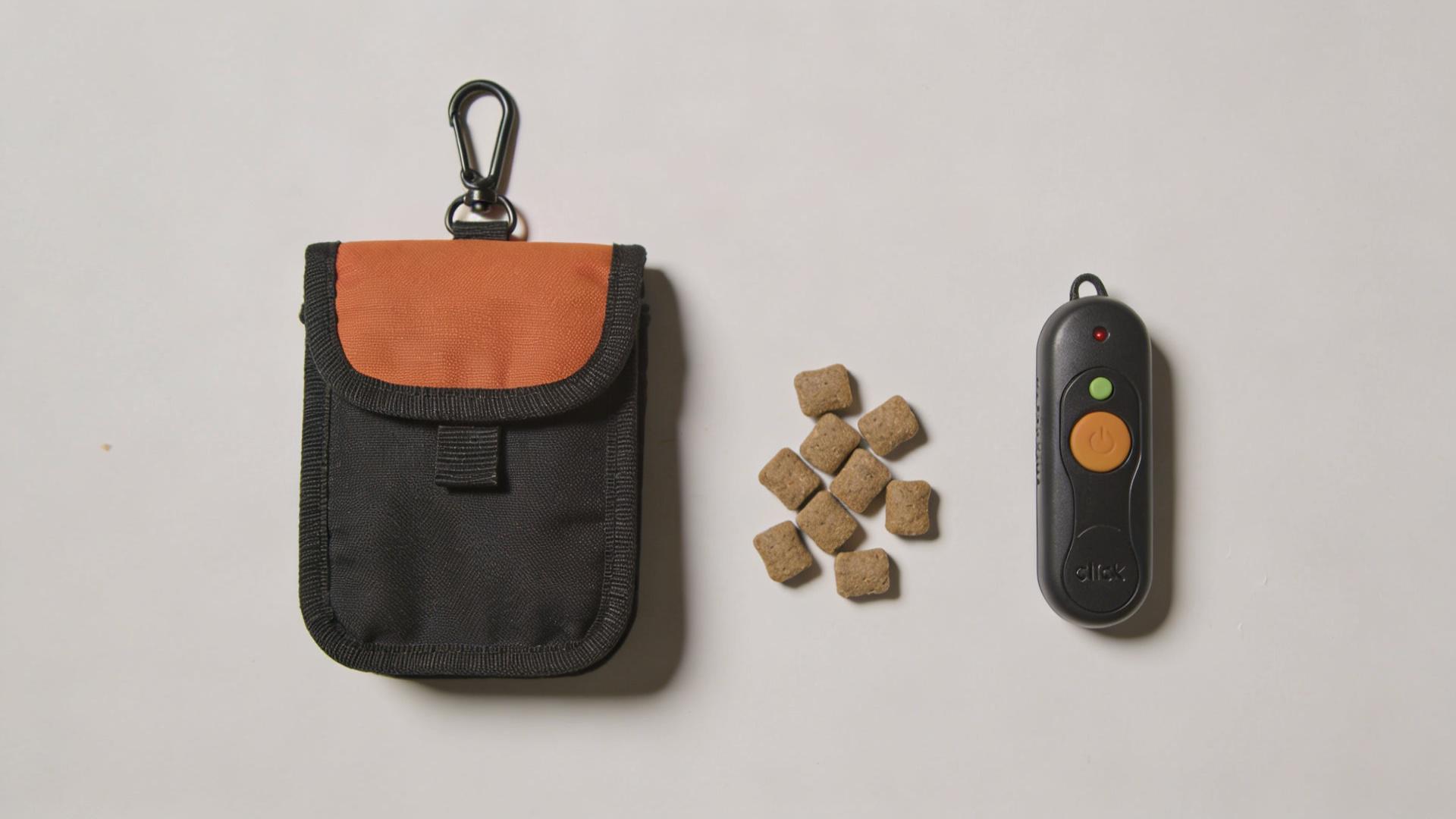
Gather your tools: a treat pouch for easy access, your chosen high-value treats, and a marker. A marker is a precise sound that tells the dog, "That exact behavior is what earns the reward." This can be a short, happy word like "Yes!" or the sound of a clicker. The timing of the mark is critical.
📈 The Training Protocol: Building the Silent "Sit," Step-by-Step
This is a structured, progressive plan. Do not rush. Mastery at each step lays the foundation for success in the next.
👉 Step One: The Luring Motion
We are not commanding; we are guiding the dog into the desired position.
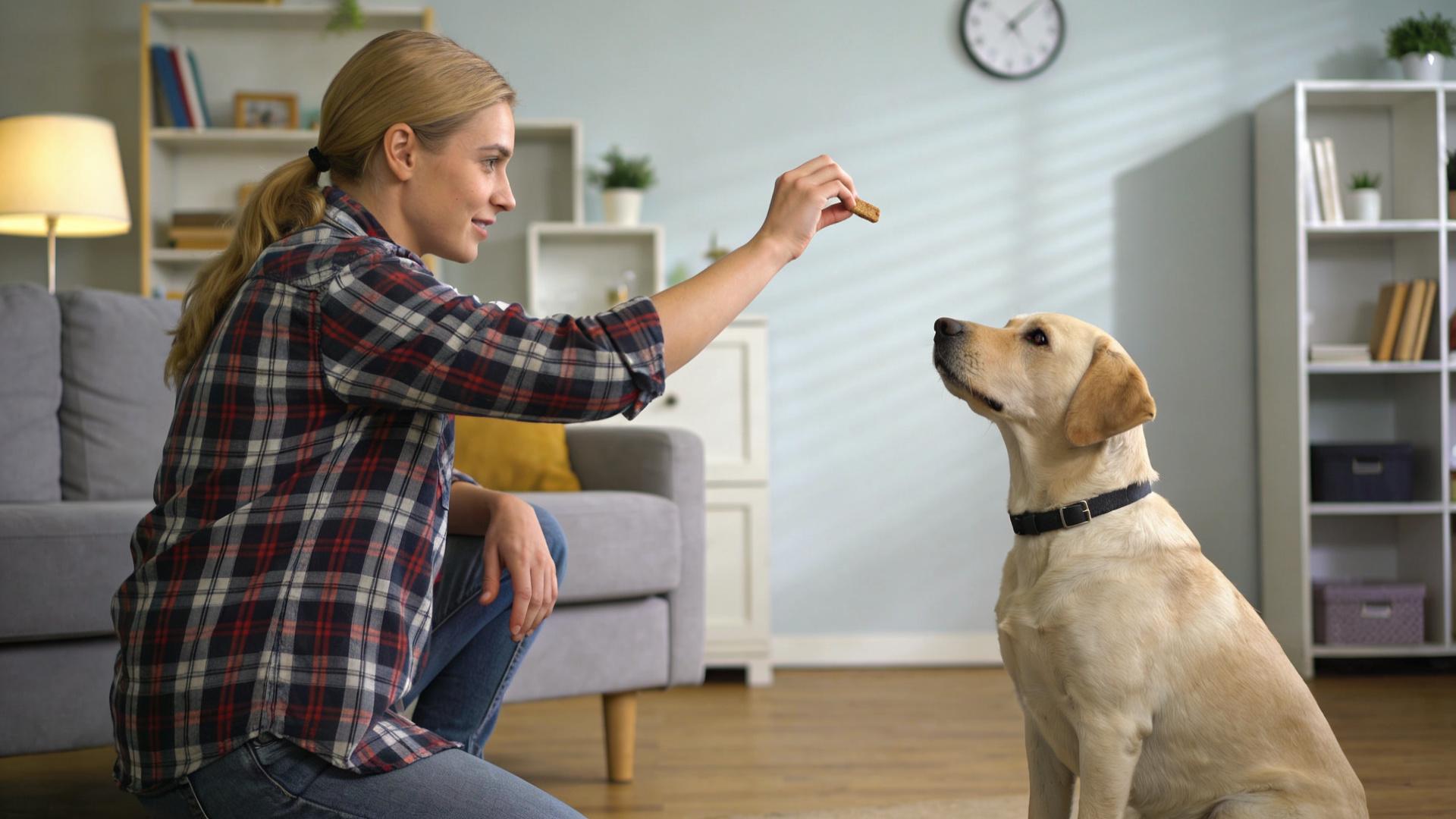
- With a treat pinched in your fingers, let your dog sniff it.
- Slowly and steadily move your hand from their nose upward and slightly back over their head, as if drawing a reverse "L."
- As their nose follows the treat skyward, their rear end will naturally sink toward the floor.
- THE CRITICAL MOMENT: The instant their bottom touches the ground, mark it ("Yes!" or a click) and immediately give the treat, followed by cheerful praise.
Special Reminder: Do not say "sit" yet! We are teaching the physical action first, free from verbal clutter.
✋ Step Two: Fading the Lure
Now, we teach the dog to follow the empty hand, transforming the lure into a signal.
- After about 5-10 successful lure-based sits, do the identical upward hand motion, but without a treat in your fingers.
- The moment your dog completes the sit, mark and praise! Then, with your other hand, reach into your treat pouch to deliver the reward.
- This step is crucial. If your dog doesn't sit, simply go back to luring with a treat for a few more repetitions. You're proving that the hand movement itself predicts a reward.
✋ Step Three: Defining the Formal Gesture
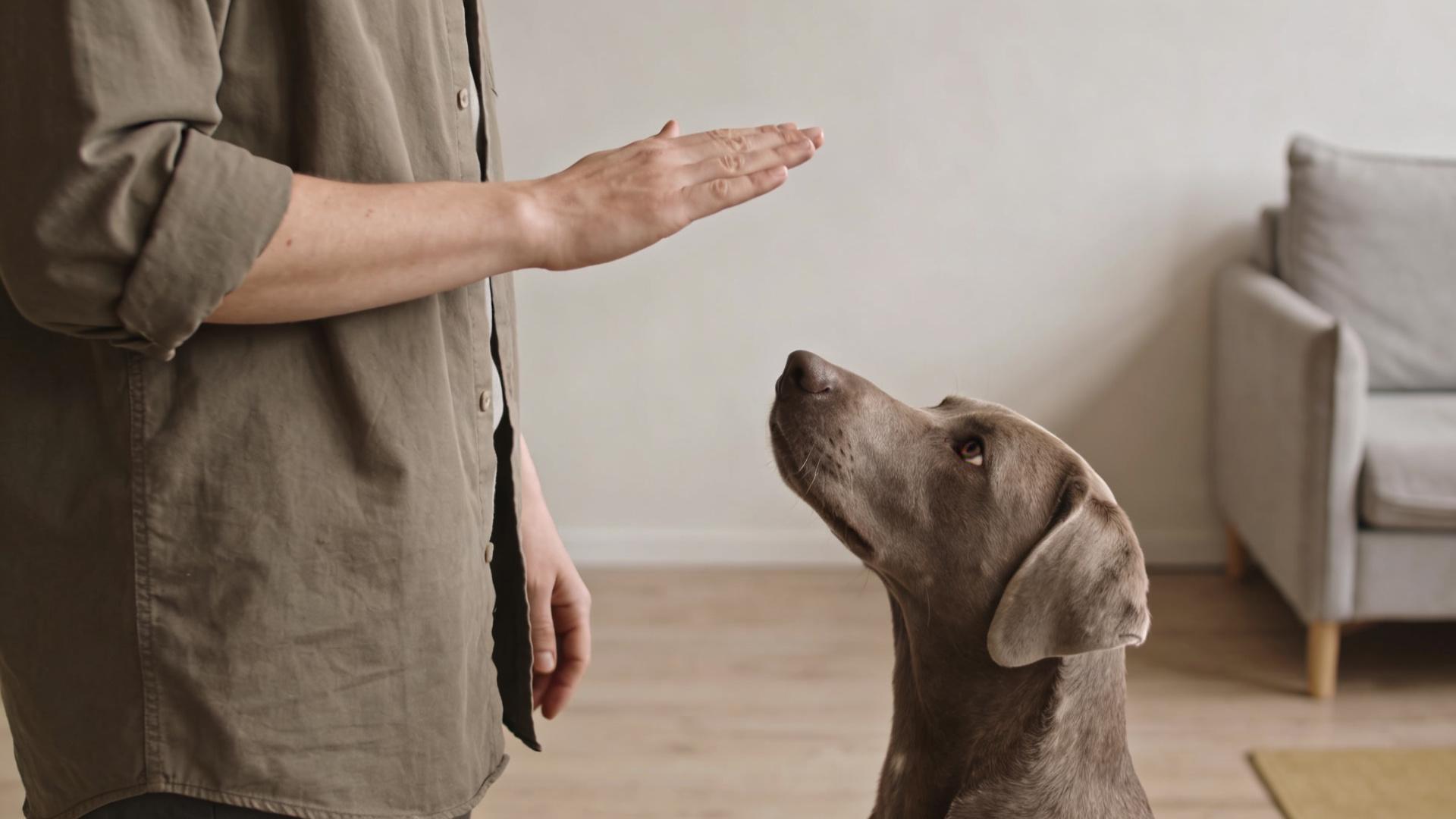
Choose a clear, deliberate, and sustainable hand signal for sit command. A common and highly effective one is a flat palm, facing upward, moving smoothly from your waist to your chest. Begin consistently using this new, formal gesture. Mark and reward every success lavishly. You are now naming this specific motion as the official "sit" signal.
🗣️ Step Four: Adding the Verbal Cue
Now we layer sound onto the established visual signal, creating a dual-code command.
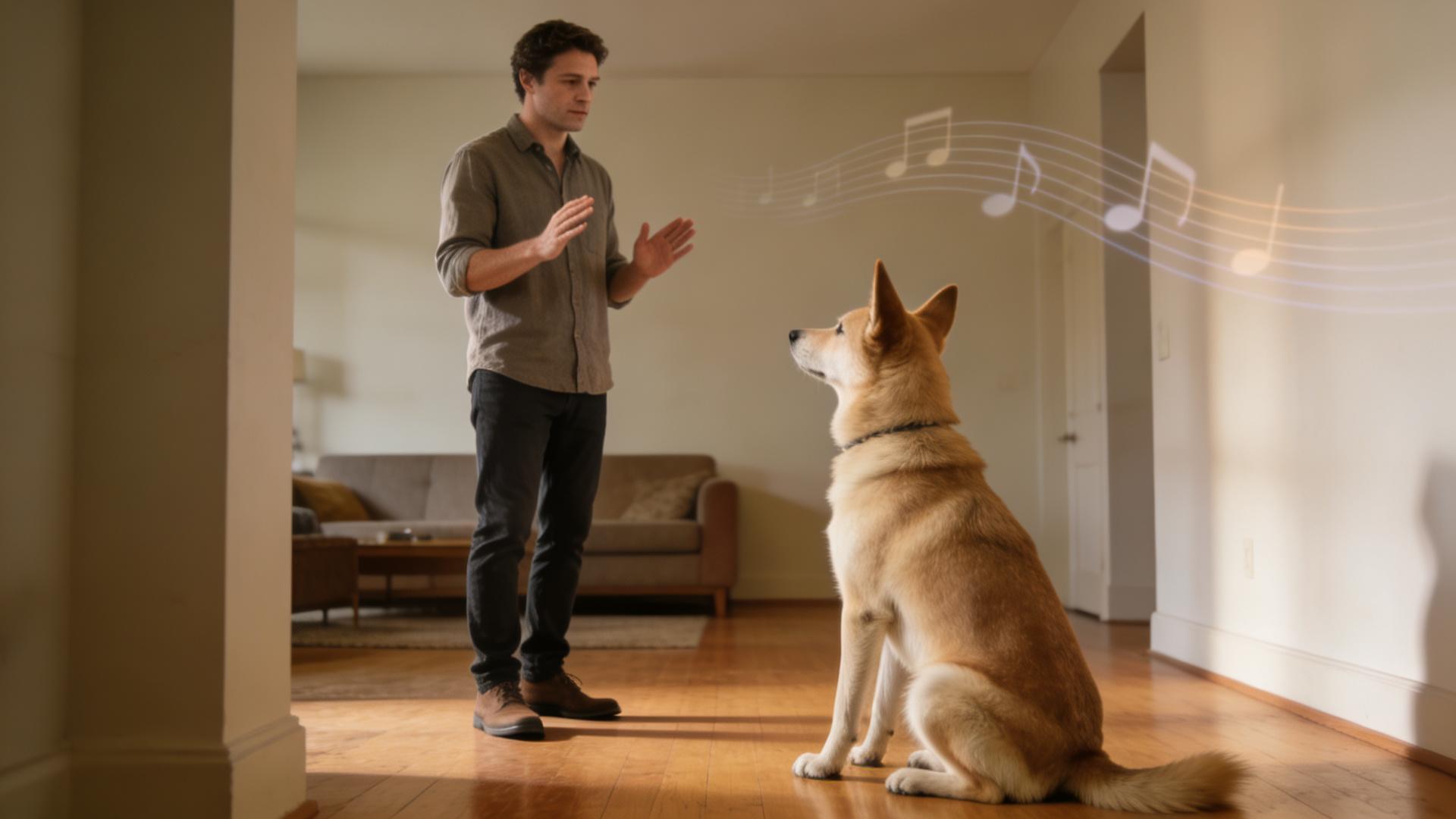
- Just before you give your formal hand signal, say the verbal cue "Sit" clearly and calmly.
- Immediately follow the word with your hand gesture.
- The sequence is: Word → Gesture → Dog Sits → Mark & Reward. This teaches the dog that the word predicts the signal, which predicts the action and the reward.
🎯 Step Five: Testing & Proofing Command Awareness
This is where we solidify true understanding and build reliability.
- Alternate Cues: Start mixing it up. Sometimes give only the hand signal. Sometimes give the paired "sit" + signal. This ensures the dog understands both individually.
- The Three D's (Gradually!):
- Distance: Take one step back after giving the signal. Slowly increase the gap.
- Duration: Ask for a sit, wait a second or two before marking/rewarding, building a "stay."
- Distraction: Add mild distractions (e.g., training in a different room, with quiet music on). Always set your dog up to succeed; if they fail, reduce the difficulty.
❌ Common Mistakes to Avoid: Why Your Hand Signal Might Fail
Even with the best intentions, small errors can derail progress. Be vigilant of these pitfalls:
- Inconsistent Gestures: Using a different motion each time is like spelling the same word differently. It confuses your dog. Pick one hand signal and stick to it.
- Repeating Commands ("Sit, sit, SIT!"): This teaches your dog to ignore the first, second, and third request. Say or signal it once, then wait patiently. If needed, calmly reset and lure them into position without repeating the cue.
- Skipping Proofing Steps: Moving too quickly to high-distraction environments before the behavior is solid in easy ones is a recipe for failure. Patience in proofing is non-negotiable.
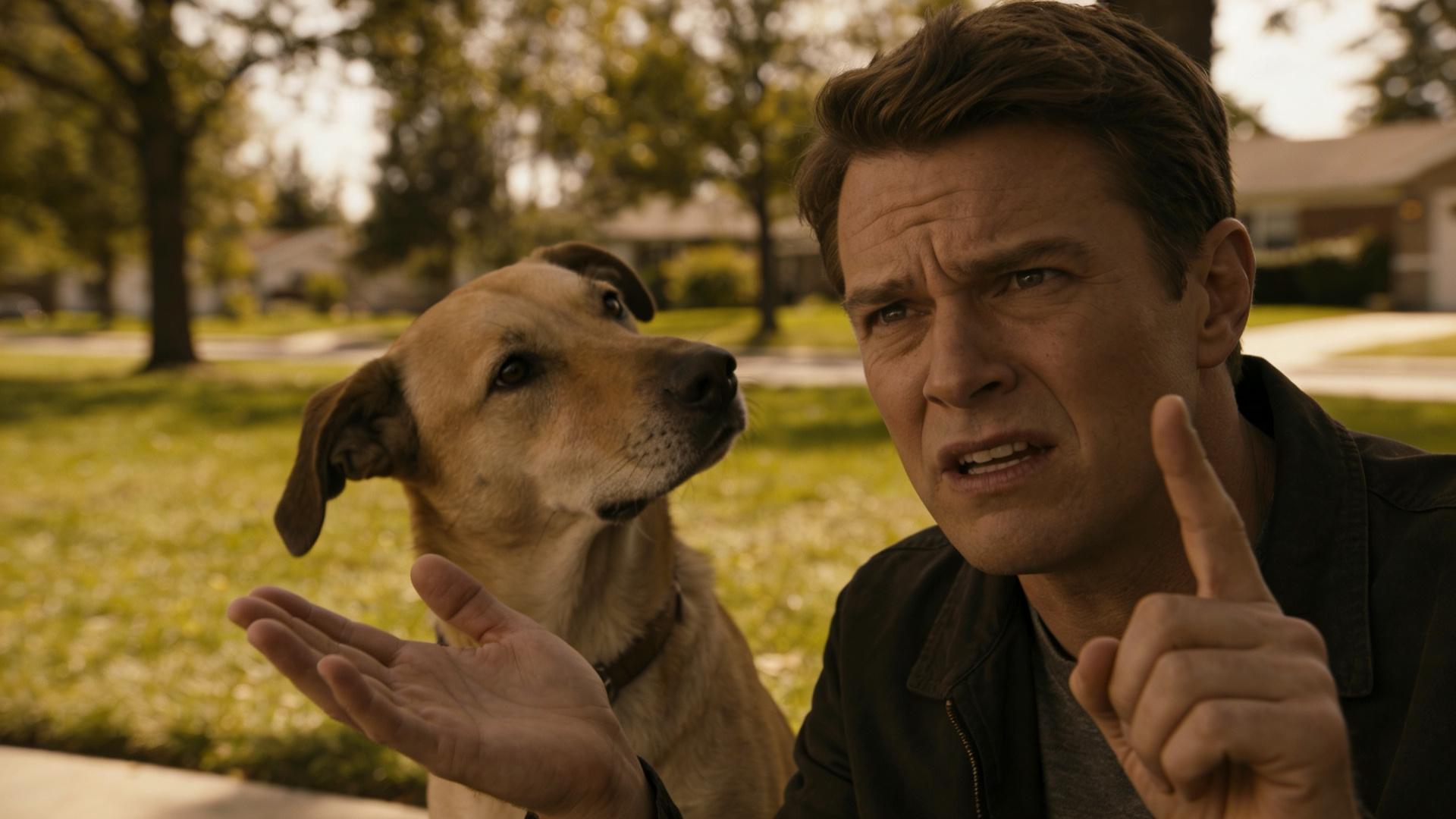
- Showing Frustration: Your dog reads your body language and tone. Frustration erodes trust and turns training into a negative experience. If you're feeling frustrated, end the session with a simple, successful task and try again later.
🚀 Advanced Application: Building a Comprehensive Silent Language
Mastering the silent sit is just the first word in your new visual vocabulary. Apply this exact same process to other essential commands:
- Down: Lure from a sit with a treat to the floor between their paws, then fade to a downward-pointing gesture.
- Stay: Use a clear "stop sign" palm facing the dog, then build duration and distance.
- Come: Start close, lure toward your chest, and fade to an enthusiastic, sweeping hand-to-chest motion.
You are now building a full non-verbal dog command system. The power of this silent language extends beyond obedience; it provides calm, clear leadership in exciting or stressful situations (like at the vet or when guests arrive), offering your dog the guidance they instinctively seek.
🔑 Conclusion: Your Journey to Seamless Communication
Your journey to a profoundly connected partnership begins with this first, silent conversation. By prioritizing a visual command system, you establish a layer of understanding that transcends words and environmental challenges. Consistency, patience, and clear, confident gestures are the keys you now hold. You are not just training a behavior; you are building a shared language of trust and mutual respect. Now, go forth, communicate with clarity, and enjoy the incredible bond that gesture-based dog training will unlock with your canine companion.