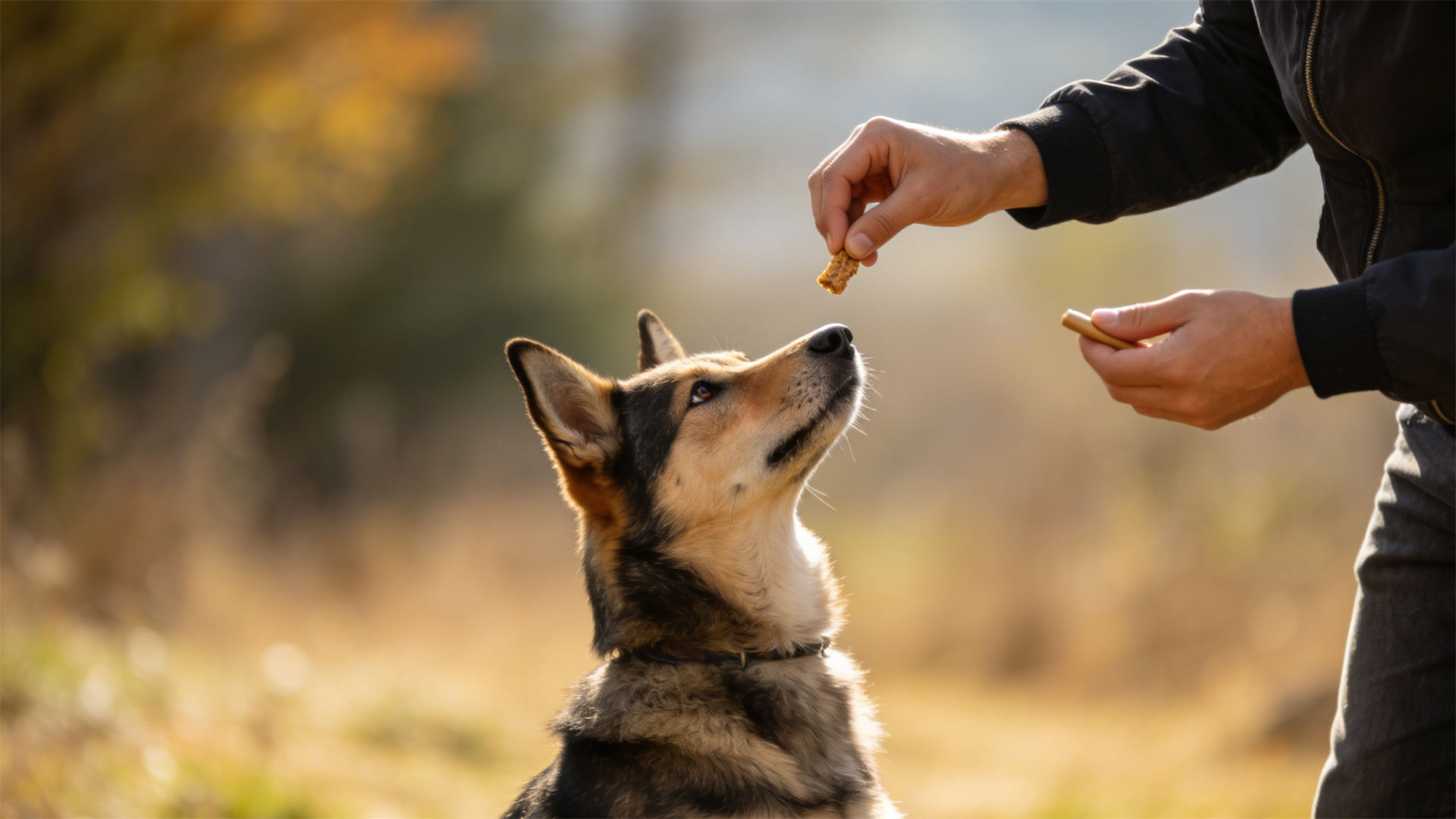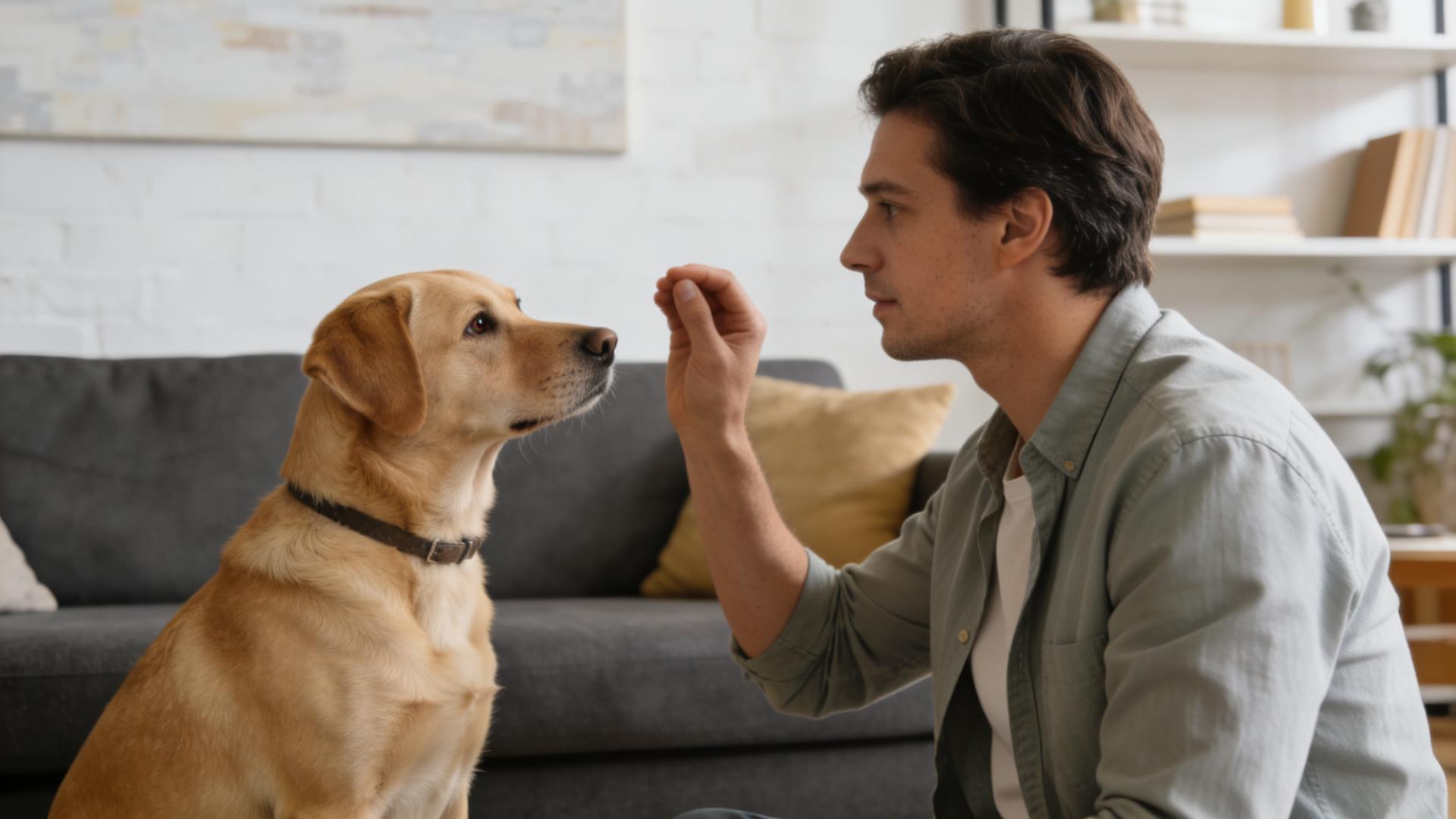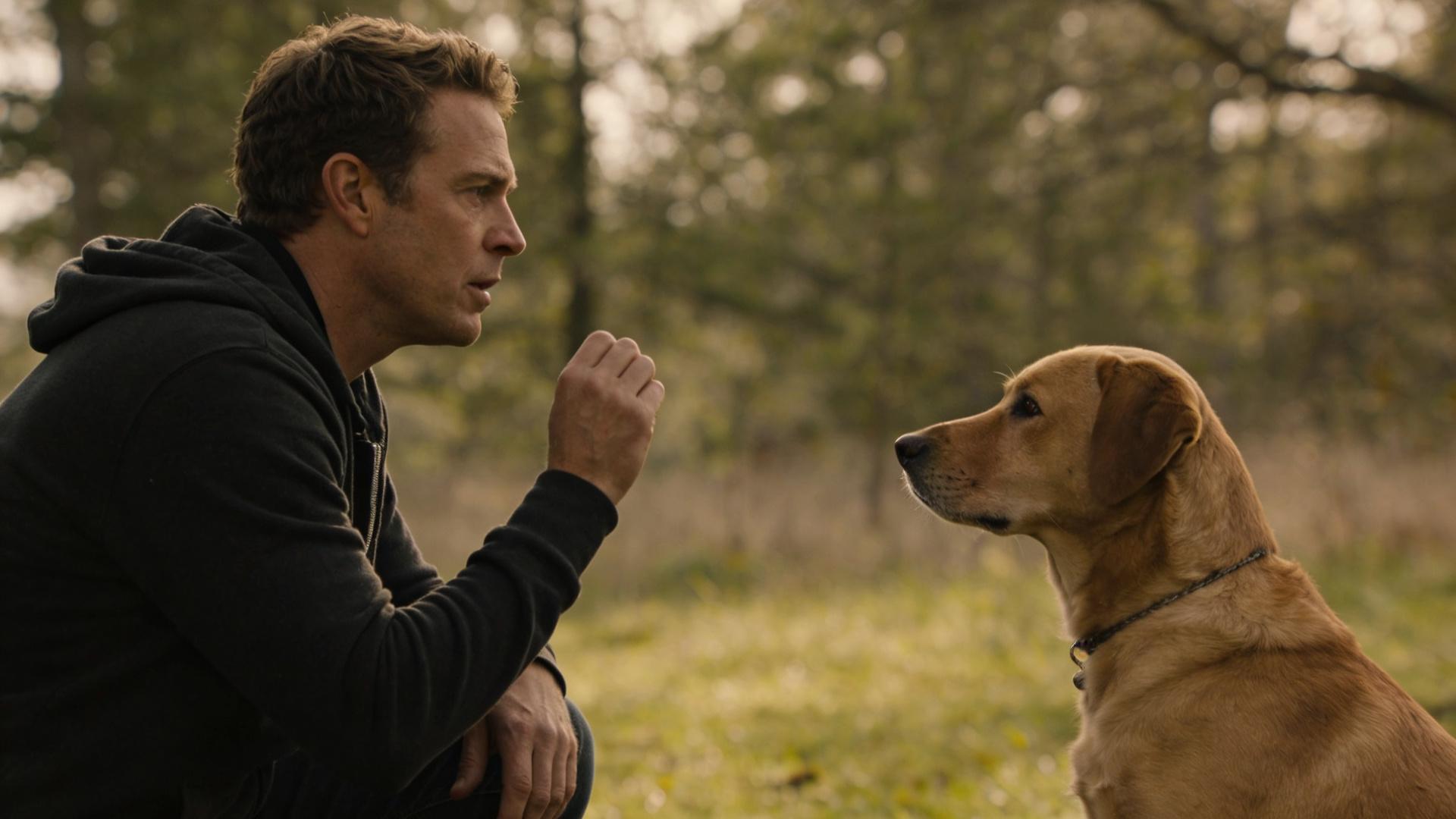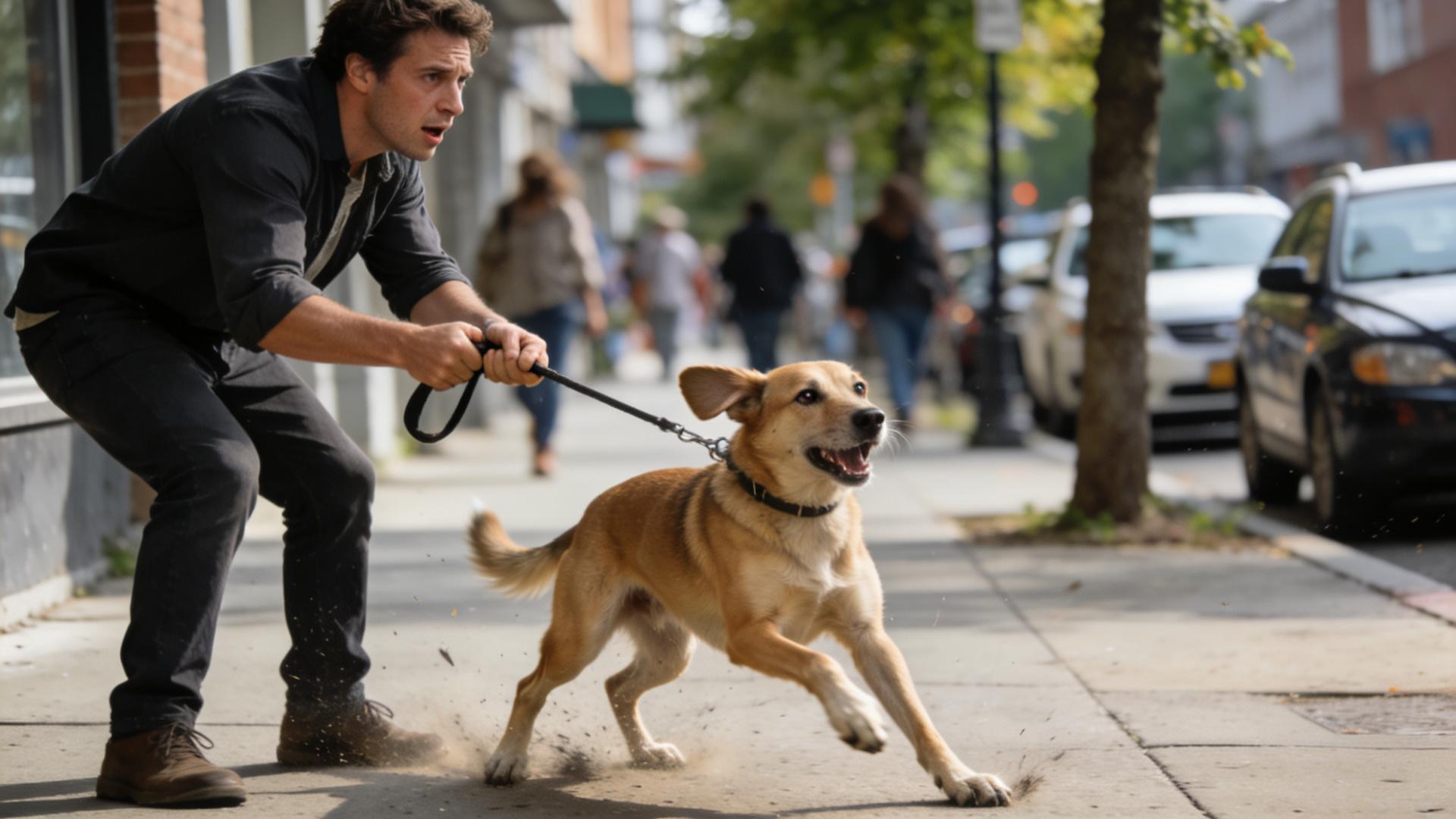
You’re mid-walk, and you need to pause—to cross the street, greet a neighbor, or pick up after your dog. Instead of a calm stop, you’re met with a tangled leash, a dog leaning into their harness, or frantic sniffing at the exact spot you need to stand. This common walking challenge is more than just frustrating; it can compromise safety and control. What if, every single time you stopped moving, your dog instantly and politely sat by your side? This isn't a fantasy; it's the automatic sit, a foundational skill that transforms chaotic halts into moments of calm obedience.
This article is your comprehensive guide to teaching your dog to automatically sit whenever you stop. We'll move beyond the basic commanded sit to cultivate a reliable default behavior that enhances safety, deepens your bond, and makes every walk more enjoyable.
🐕 What Exactly is an "Automatic Sit"?
An automatic sit (sometimes called an "auto-sit" or "default sit") is a trained behavior where your dog offers a sit without a verbal cue when a specific environmental condition is met: you, the handler, coming to a stop. Unlike the classic "Sit" command, which is a direct request, the automatic sit becomes your dog's polite default response to the action of stopping.
Commanded Sit vs. Automatic Sit: A Key Distinction
- Commanded Sit: You say "Sit," your dog sits. The verbal cue is the trigger.
- Automatic Sit: You stop walking, your dog sits. The change in your movement is the trigger.
This shift is powerful. It moves obedience from something your dog does for you when asked to something they do with you as a team. It’s the canine equivalent of a passenger automatically buckling their seatbelt when they get in a car.
🔧 Prerequisites & Gear: Setting the Stage for Success
Before diving into the training steps, ensure you and your dog have a solid foundation. Trying to teach an automatic sit on top of major leash-pulling or zero impulse control is like building a house on sand.
Foundation Skills Your Dog Should Know:
- A Rock-Solid Basic Sit: Responsive in low-distraction environments.
- Basic Leash Manners: Not perfect loose-leash walking, but no constant, hard pulling. (Need help? Read our guide on teaching loose leash walking).
- Focus/Attention: Ability to check in with you occasionally.
Necessary Training Tools:
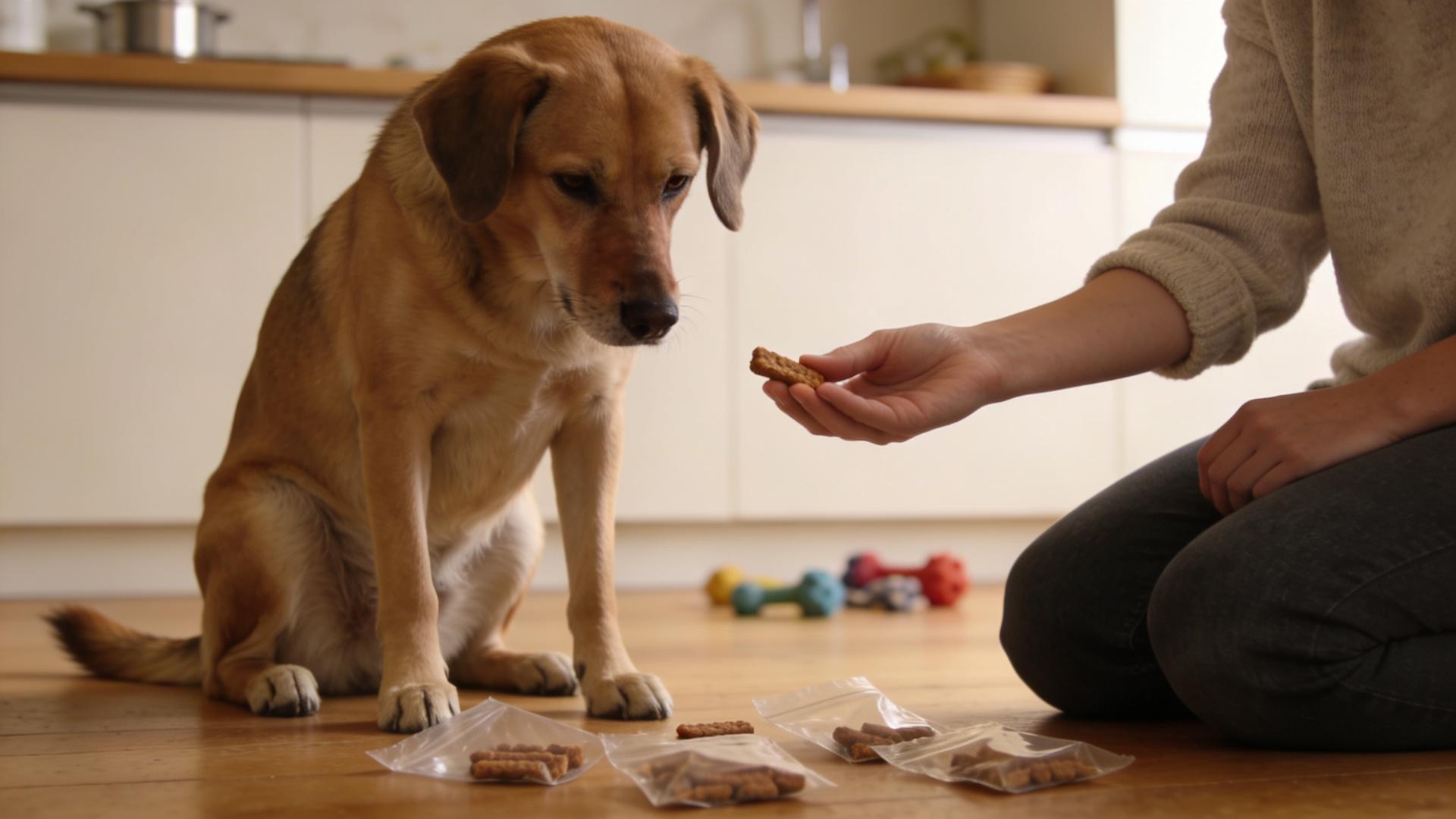
- High-Value Treats: Small, smelly, and irresistible. Think diced chicken, cheese, or commercial training treats.
- A Sturdy, Standard Leash (6-foot): Avoid retractable leashes for this training, as they teach constant tension.
- A Well-Fitted Collar or Harness: Ensure your dog is comfortable and secure.
- Patience and Consistency: Your most important tools!
📚 The Step-by-Step Training Guide to Automatic Sit
We will build this behavior in four progressive phases, starting easy and systematically adding difficulty. Do not rush. Mastery at each phase is crucial for reliability.
Phase One: Solidify the Basic Sit Cue
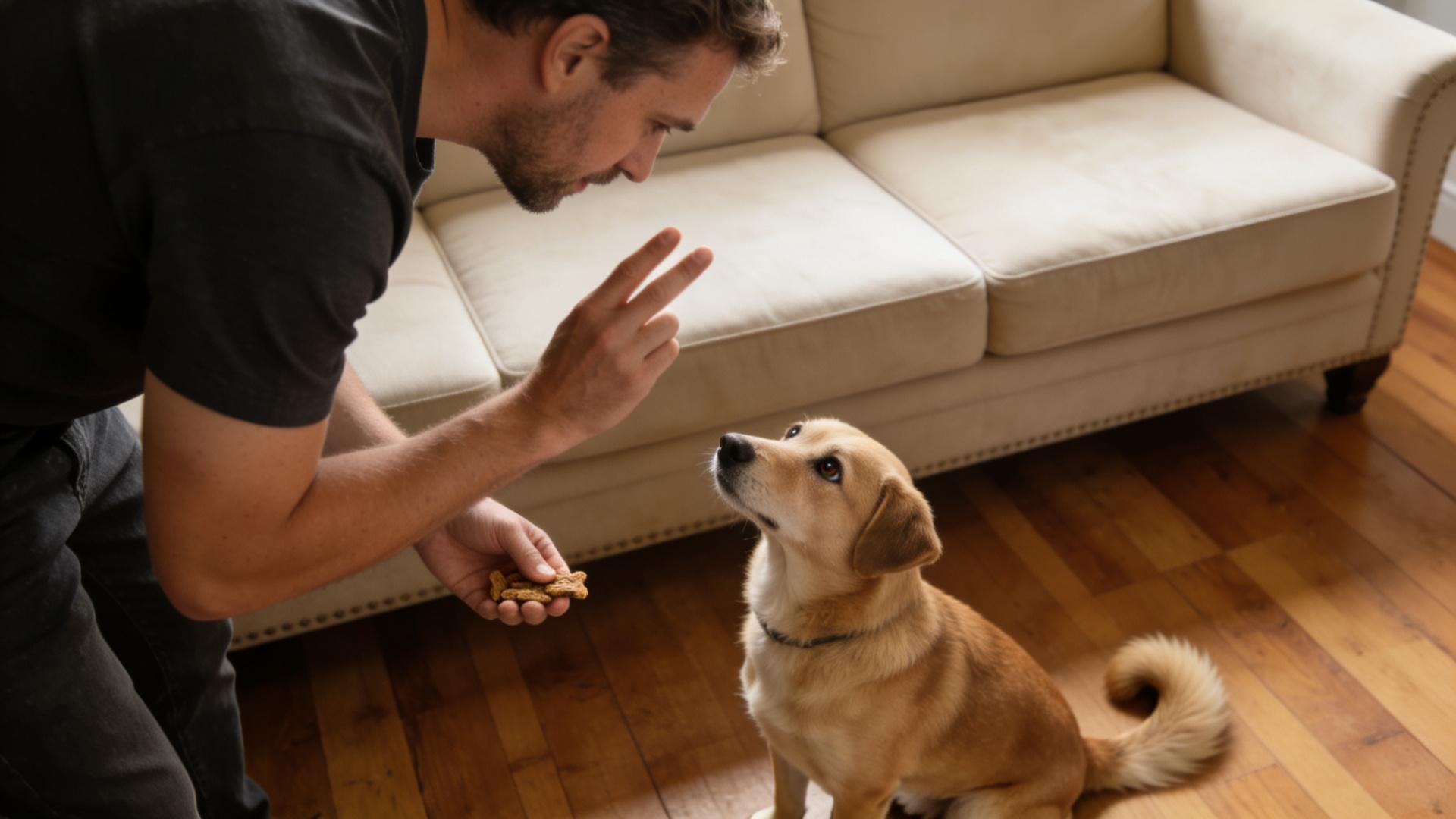
Begin indoors, free from distractions. The goal here is not the automatic sit, but ensuring your dog's response to the verbal "Sit" is immediate and happy.
- With your dog standing, clearly say "Sit."
- The moment their bottom touches the floor, mark the behavior with a clicker or a precise word like "Yes!" and deliver a treat.
- Practice in short, fun sessions (5 minutes) until the response is instant and enthusiastic. This phase is about building a positive association with the action of sitting.
Phase Two: Introduce the "Stop = Sit" Concept
Still indoors, with your dog on leash. We will now pair your stopping motion with the sit cue.
- Stand with your dog at your side. Take one single step forward, then immediately stop.
- The *nanosecond* you stop, give your verbal "Sit" cue.
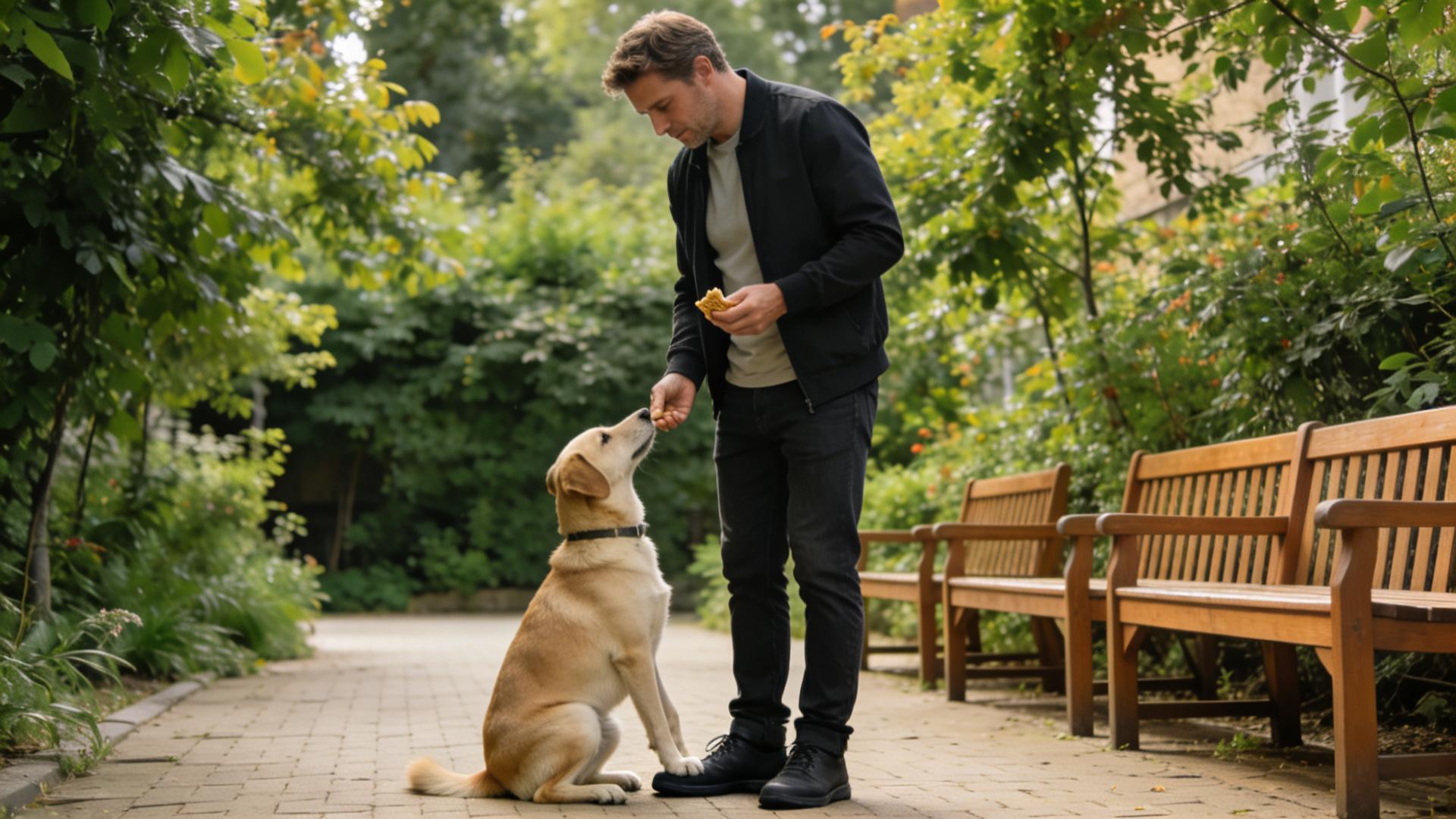
- Mark and reward lavishly while they are still seated. The treat should come to them in the sit position.
- Repeat. Gradually take 2 steps, then 3, then 5 before stopping and cueing the sit. You are teaching: "My human's feet stopping is a predictor that 'Sit' is coming."
Phase Three: Fade the Verbal Cue & Practice on Short Walks
This is the critical phase where we transition from a commanded sit to an automatic sit.
- Start in a familiar, low-distraction outdoor area, like your backyard or a quiet driveway.
- Begin walking. After a few steps, come to a deliberate, clear stop. Pause and say nothing. Wait. Give your dog 2-3 seconds to think.
- If they sit (even if it's slow), explode with praise, mark, and give a jackpot of treats! This captures the offered behavior.
- If they don't sit after 2-3 seconds, calmly give your verbal "Sit" cue, then mark and reward (but a slightly lesser reward). This shows them the correct choice.
- Practice this throughout a 5-minute walk. Every stop is a training opportunity. Consistency is key.
Phase Four: Proof the Behavior & Fade Treats
Now we make the behavior reliable under various conditions, a process called "proofing."
- Add Mild Distractions: Practice in slightly busier areas—a quiet park, then a suburban sidewalk.
- Vary Your Stops: Stop suddenly, stop slowly, stop at curbs, stop to look at your phone.
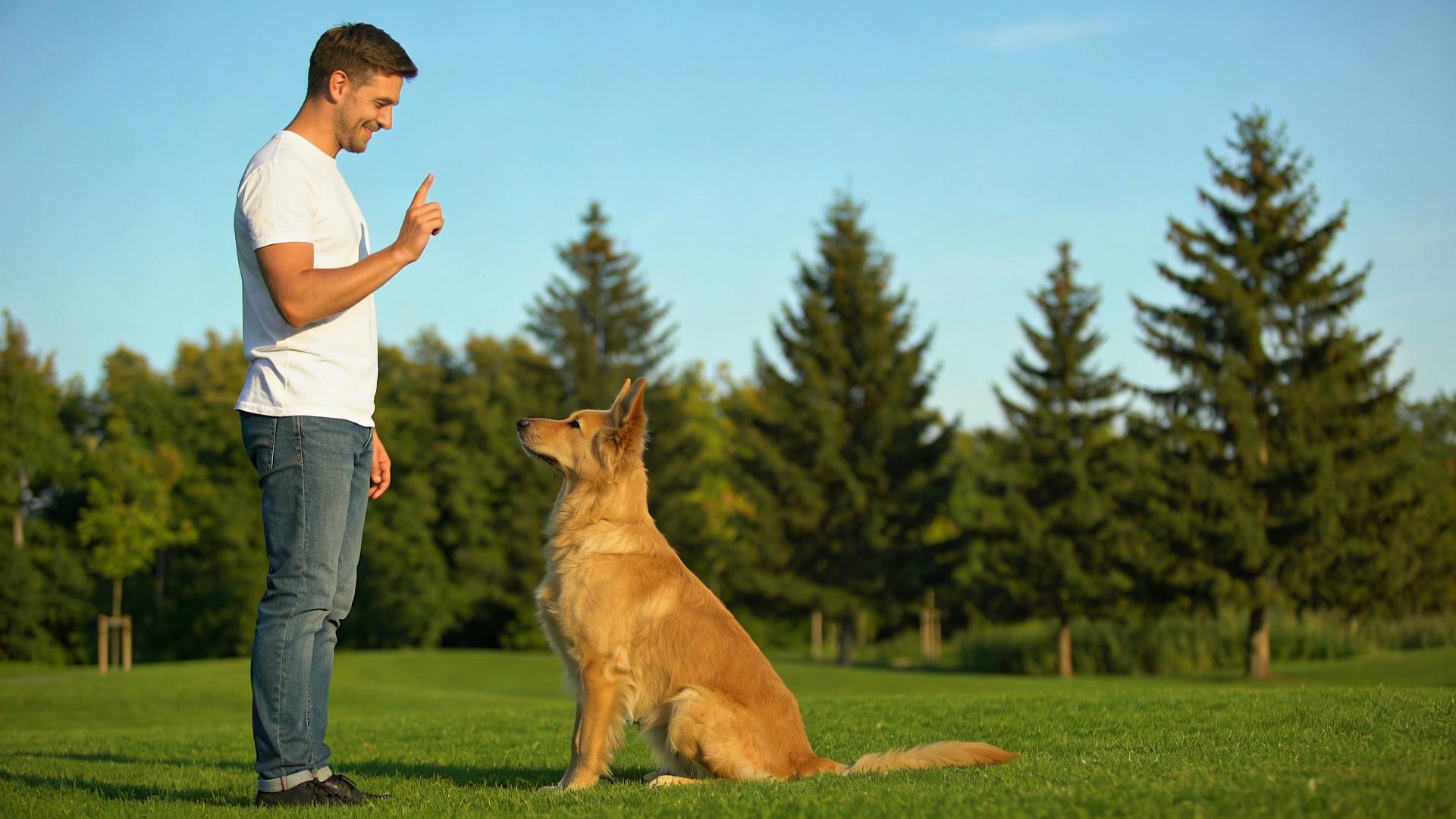
- Introduce Duration: Ask them to hold the sit for 5 seconds, then 10, before the reward.
- Gradually Fade Food Rewards: Move from a treat every time, to a treat every other time, to random "jackpots." Replace with life rewards—praise, petting, or the chance to move forward and sniff. According to the principles of positive reinforcement science, variable rewards create the strongest habits.
🚧 Common Challenges & Pro Solutions
🚨 Challenge: Dog Ignores the Stop Completely
Solution: Go back to Phase Two. Your dog hasn't made the connection yet. Make the stopping motion more obvious. You can also pair the stop with a gentle upward leash signal (not a yank) to guide their head up and back into a sit position, then reward.
🐢 Challenge: Slow or Hesitant Response
Solution: Your rewards may not be motivating enough. Use *higher-value treats*. Also, ensure you are marking and rewarding at the exact moment their rear touches the ground to create a clear connection.
🦮 Challenge: Dog Sits But Immediately Pops Back Up
Solution: You are likely rewarding too late. Your timing must be impeccable. Also, practice the "Stay" or "Wait" cue separately, and begin to integrate a brief wait into the automatic sit sequence before releasing them with an "OK!" or "Let's go!"
🌟 The Multifaceted Benefits of Automatic Sit
Investing time in this skill pays enormous dividends in your daily life with your dog.
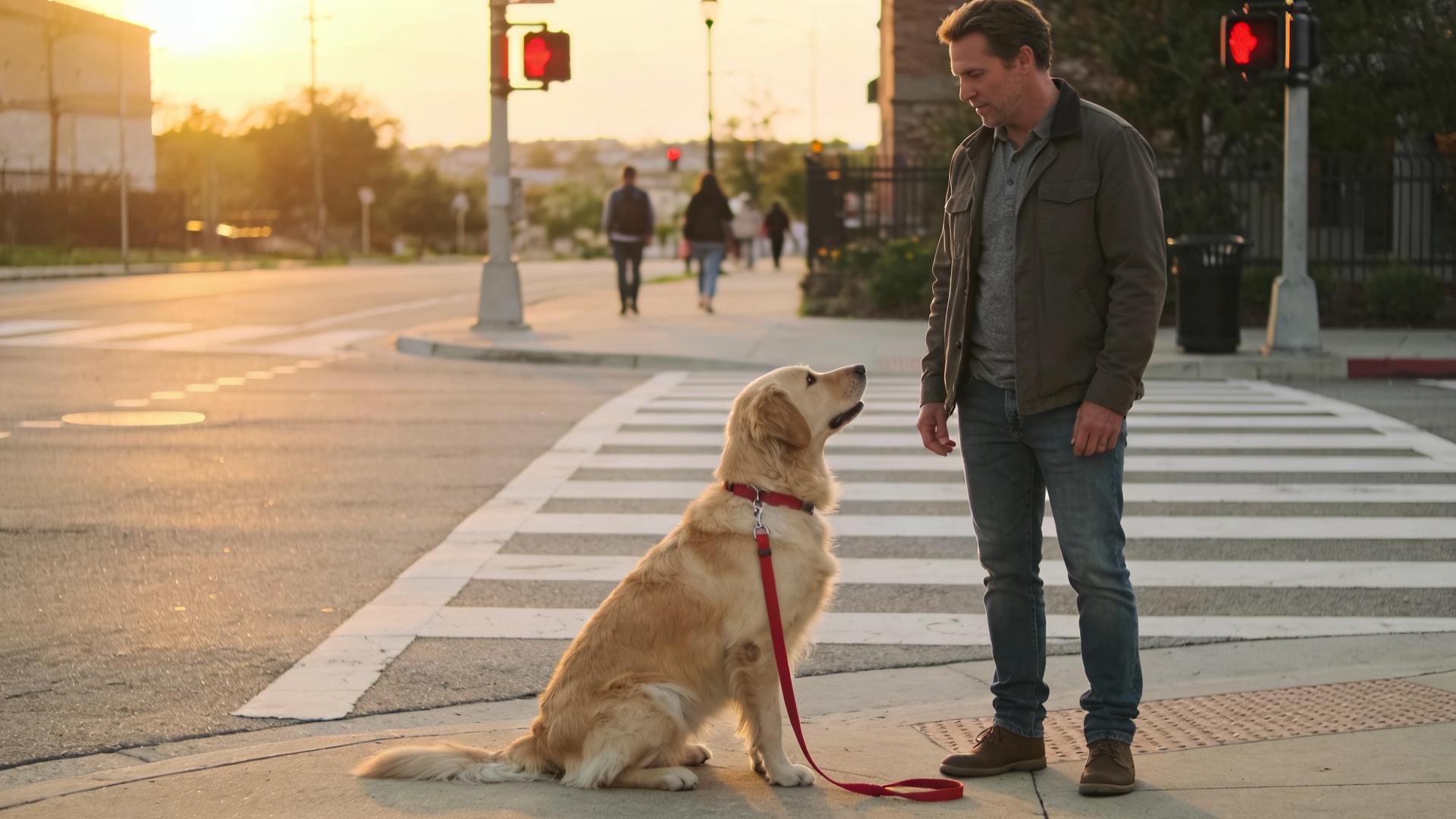
- Enhanced Safety: The foremost benefit. An instant sit at curbs, intersections, or when encountering other dogs/people prevents dangerous lunging or stepping into traffic.
- Polite Public Behavior: It allows for calm greetings and makes waiting in line at the vet or café manageable.
- Mental Exercise & Impulse Control: This training actively engages your dog's brain, teaching them to control their natural urge to move forward, which is more tiring than a physical walk alone.
- Strengthened Bond & Communication: You become a predictable, clear leader. Your dog learns to watch you and respond to your subtle body language, deepening your mutual understanding.
- Foundation for Advanced Skills: A reliable auto-sit is the cornerstone for more complex behaviors like hands-free heeling or competitive obedience routines.
🎯 Conclusion & Final Tips
Training your dog to offer an automatic sit is a journey that requires patience, consistency, and positive reinforcement. Recap the key steps: Build a strong basic sit, pair stopping with the cue, fade the verbal command, and proof the behavior in real-world scenarios.
Special Reminder: Always set your dog up for success. If you're in a massively distracting environment (like a squirrel convention!), it's okay to manage the situation with the leash and not expect a perfect auto-sit. End training sessions on a positive note.