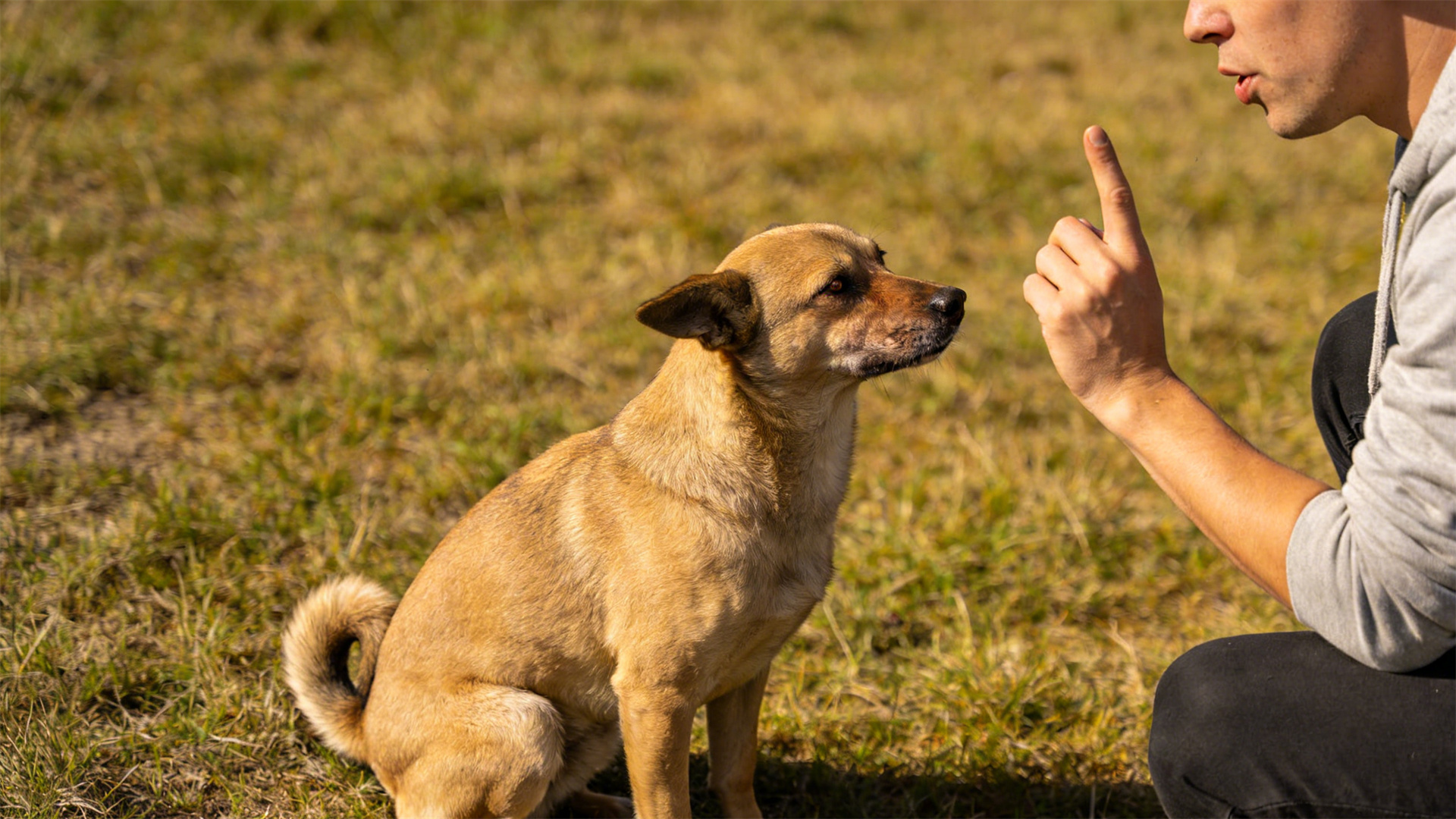
You’ve nailed the basics. Your dog can sit, stay, and come on command. But lately, you’ve noticed a lag—a reluctant plop into a "sit," a distracted glance during "stay." The spark of enthusiastic obedience seems to have dimmed. You’re not alone. This training fatigue, for both owner and dog, is a common hurdle. The culprit is often predictability. The solution? Mastering the art of randomizing rewards. This article will transform your approach to dog training by introducing you to the powerful psychological principle of variable reinforcement, a method that will reignite your dog’s motivation and forge an unshakeable, joyful response to your commands.
🎯 What Exactly Are Randomized Rewards?
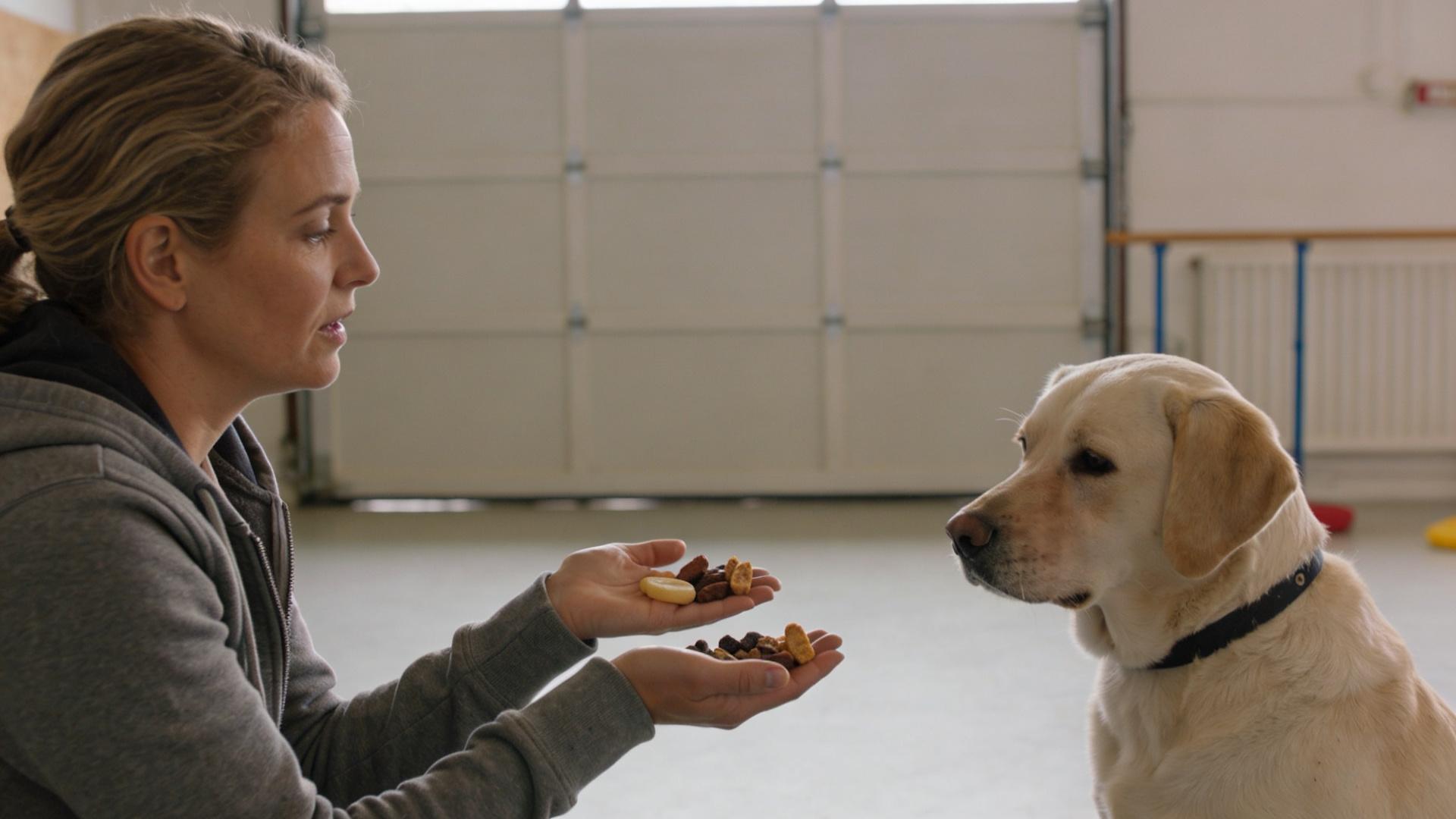
At its core, randomizing rewards for dog training means switching up what you give your dog and when you give it for a correct behavior. Instead of a predictable treat every single time, you create an element of delightful surprise.
The Science Behind the Magic: Variable Ratio Reinforcement
This technique is rooted in B.F. Skinner's operant conditioning principle called the variable ratio reinforcement schedule. It’s one of the most powerful reinforcement schedules known in behavioral science. In simple terms: rewards are given after an unpredictable number of correct responses.
Think of it like a slot machine. Players keep pulling the lever because they know a payout is coming, but they don’t know which pull will be the winner. This uncertainty creates intense engagement and persistence. For your dog, every command becomes like a pull on that lever—they perform eagerly because the "jackpot" (a fantastic reward) could come at any time.
✨ The Compelling Benefits of a Random Reward System
Why should you overhaul your current reward system? The advantages for dog training motivation and long-term results are profound.
- Sustained Motivation and Enthusiasm: The "maybe this time!" excitement prevents your dog from tuning out. They stay engaged because the outcome is never a foregone conclusion. This is the key to keeping dogs looking forward to obedience.
- Prevention of Boredom and Anticipation: Predictable rewards lead to robotic responses. Random rewards keep the training game fresh and mentally stimulating, challenging your dog in a positive way.
- Stronger, More Reliable Obedience: Behaviors reinforced on a variable schedule are remarkably resistant to extinction. This means your dog will be more likely to obey even when you don’t have a treat in your hand, in highly distracting environments, or under stress.
- Builds a Devaluated Reliance on Food: By interspersing other rewards like play, praise, or life rewards (e.g., opening the door after a sit), you teach your dog that listening to you is inherently rewarding, not just a transaction for food.
🛠️ Your Step-by-Step Guide to Implementing Randomized Rewards
Transitioning to a randomized schedule is a strategic process. Follow this practical methodology to ensure success.
Step One: Establish the Behavior with Continuous Reinforcement
Before you can randomize, your dog must know the command fluently. Use a continuous schedule—rewarding every single correct response—to solidly install the new behavior. Do not move to Step Two until your dog offers the behavior promptly and happily 9 out of 10 times.
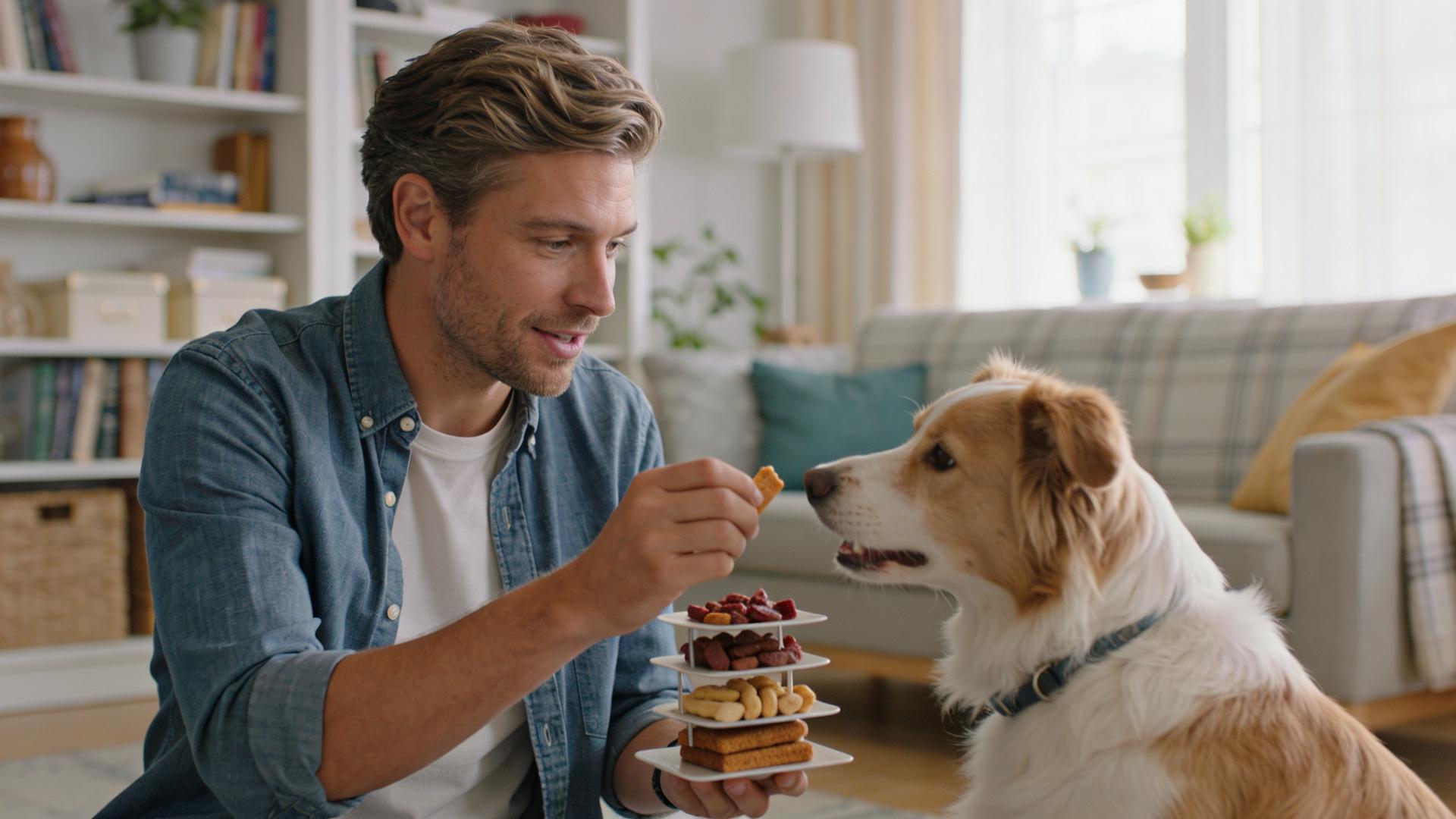
Step Two: Create Your Reward Menu
Variety is crucial. Build a tiered menu of rewards:
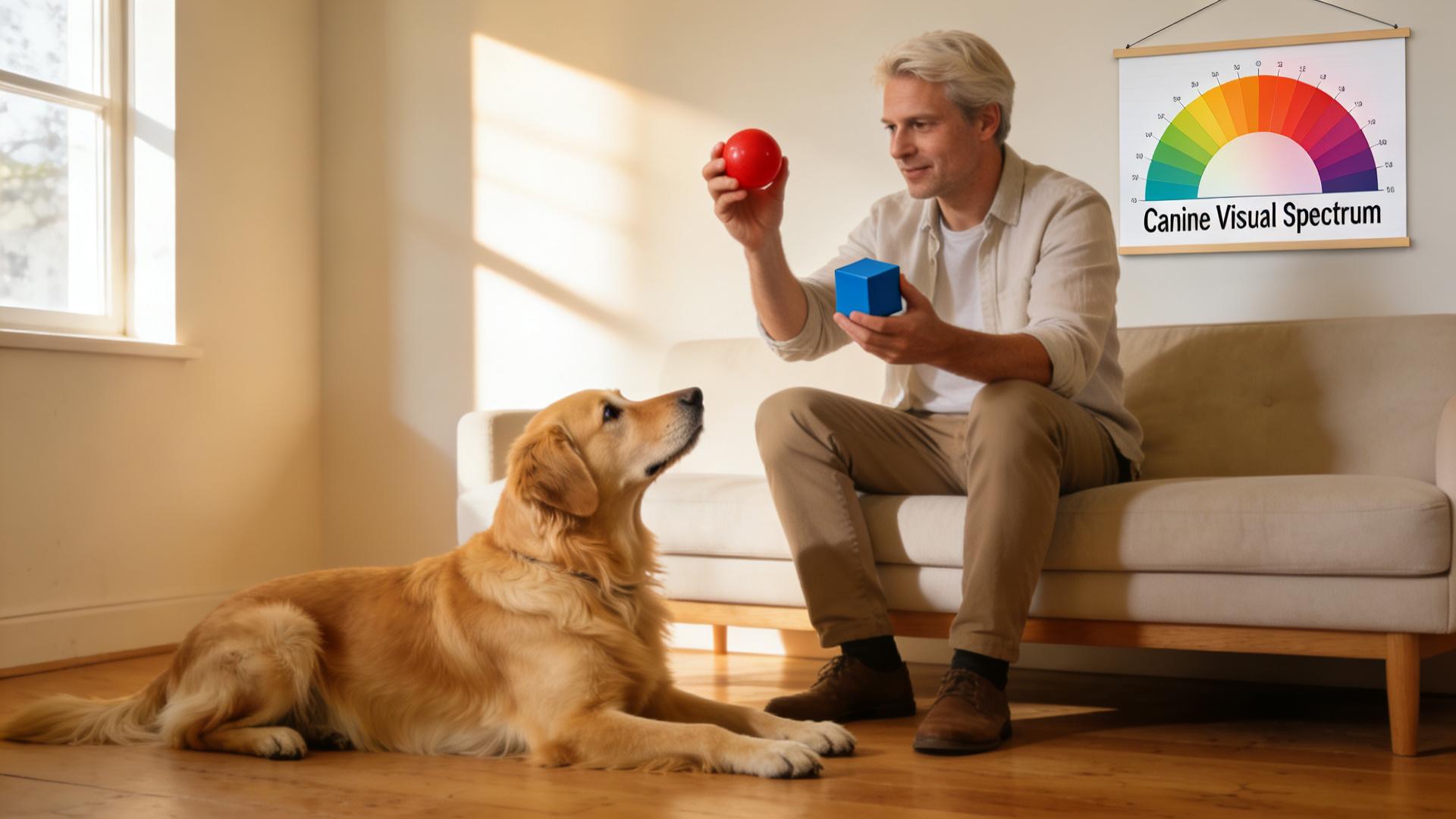
- High-Value: Something your dog goes crazy for (e.g., real chicken, cheese, a favorite squeaky toy).
- Medium-Value: Standard training treats or enthusiastic praise with petting.
- Low-Value/Life Reward: A simple "good dog," the opportunity to go sniff a bush, or throwing a ball.
Step Three: Introduce the Variable Ratio Schedule
Start simply. For every five commands, reward randomly on the 2nd, 4th, and 5th successful completion. Use different reward types from your menu. The pattern should feel random to your dog. Gradually increase the "spacing" between rewarded responses. Sometimes reward twice in a row, then go four commands without a tangible treat, only praise.
Step Four: Master the Art of the "Jackpot"
Occasionally, for an exceptionally fast or precise response, surprise your dog with a jackpot—a handful of high-value treats or an extended play session. This reinforces the idea that amazing effort can lead to an amazing, unpredictable reward.
⚠️ Common Mistakes and How to Correct Them
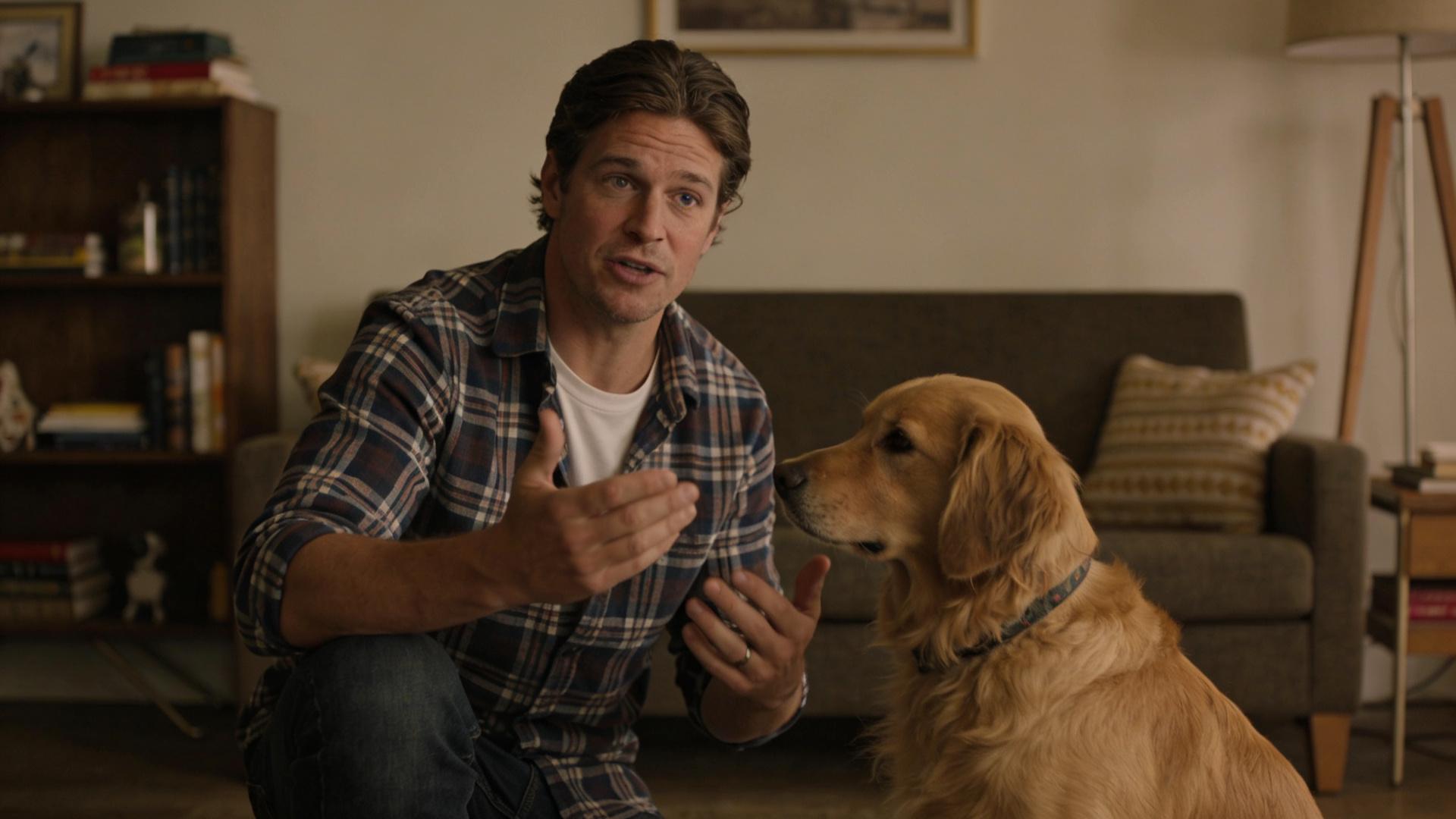
Even well-intentioned owners can stumble. Avoid these pitfalls to keep your dog training consistency and rewards on track.
Mistake: Inconsistent or Confusing Application
Problem: Random does not mean haphazard. If you stop rewarding altogether or become unpredictable before the behavior is fluent, you will confuse and frustrate your dog.
Correction: Always follow the progression: Continuous Reinforcement first, then Variable Reinforcement. Keep a mental (or actual) note of your reward rate to ensure you are still reinforcing enough to maintain motivation.
Mistake: Overusing High-Value Treats
Problem: If you use your "jackpot" treats too frequently, they become the new normal and lose their power.
Correction: Reserve the highest-value rewards for the most challenging situations or for occasional jackpots. The bulk of your intermittent rewards for dogs should come from the medium and low-value tiers.
Mistake: Neglecting Non-Food Rewards
Problem: Relying solely on food can limit your training in real-world scenarios.
Correction: Actively incorporate play, praise, and life rewards into your variable schedule. Is your dog ball-obsessed? A fetch throw after a perfect recall is a powerful dog behavior reinforcement method.
📖 Real World Examples in Action
Let’s visualize how this works in everyday life.
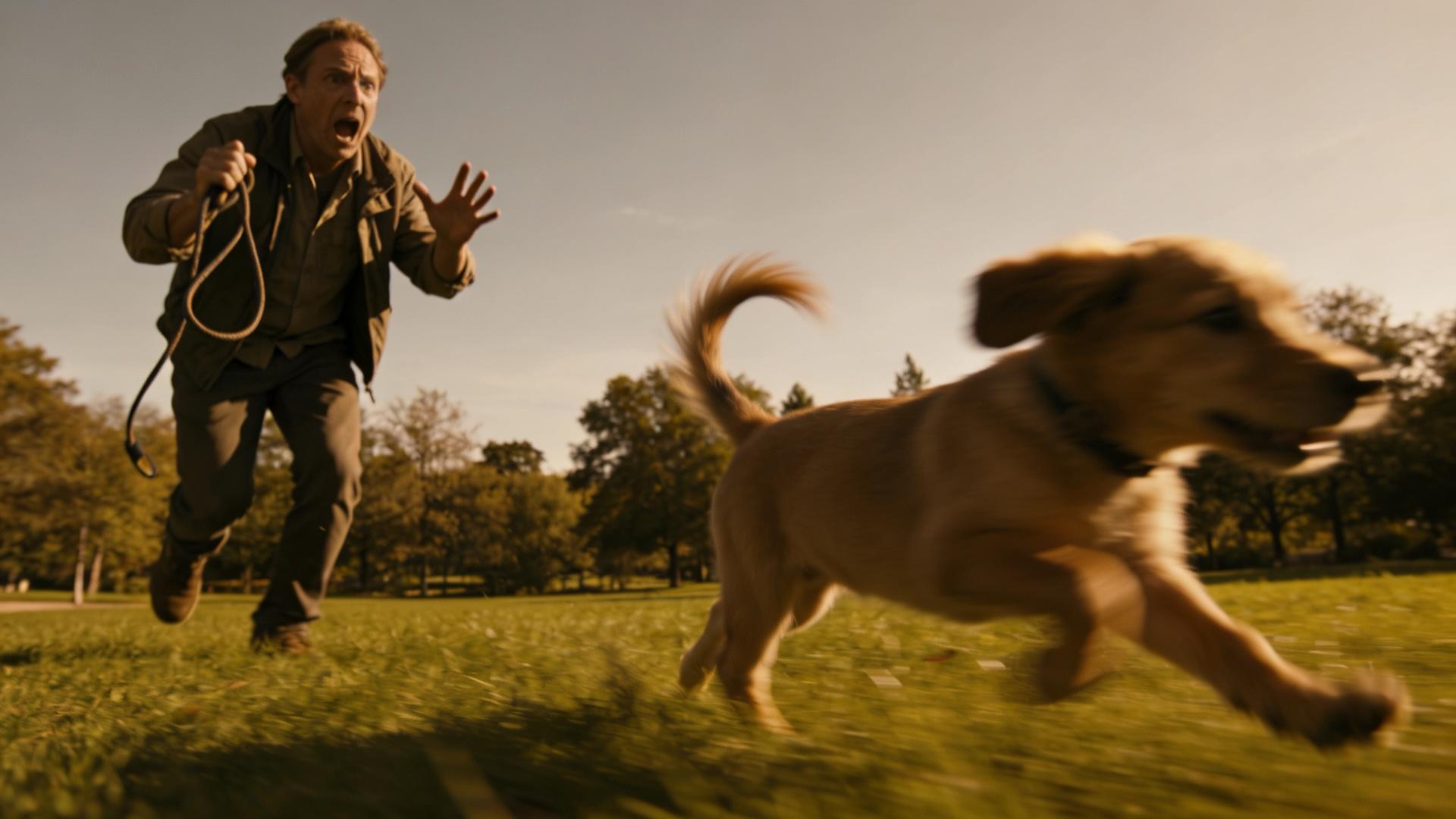
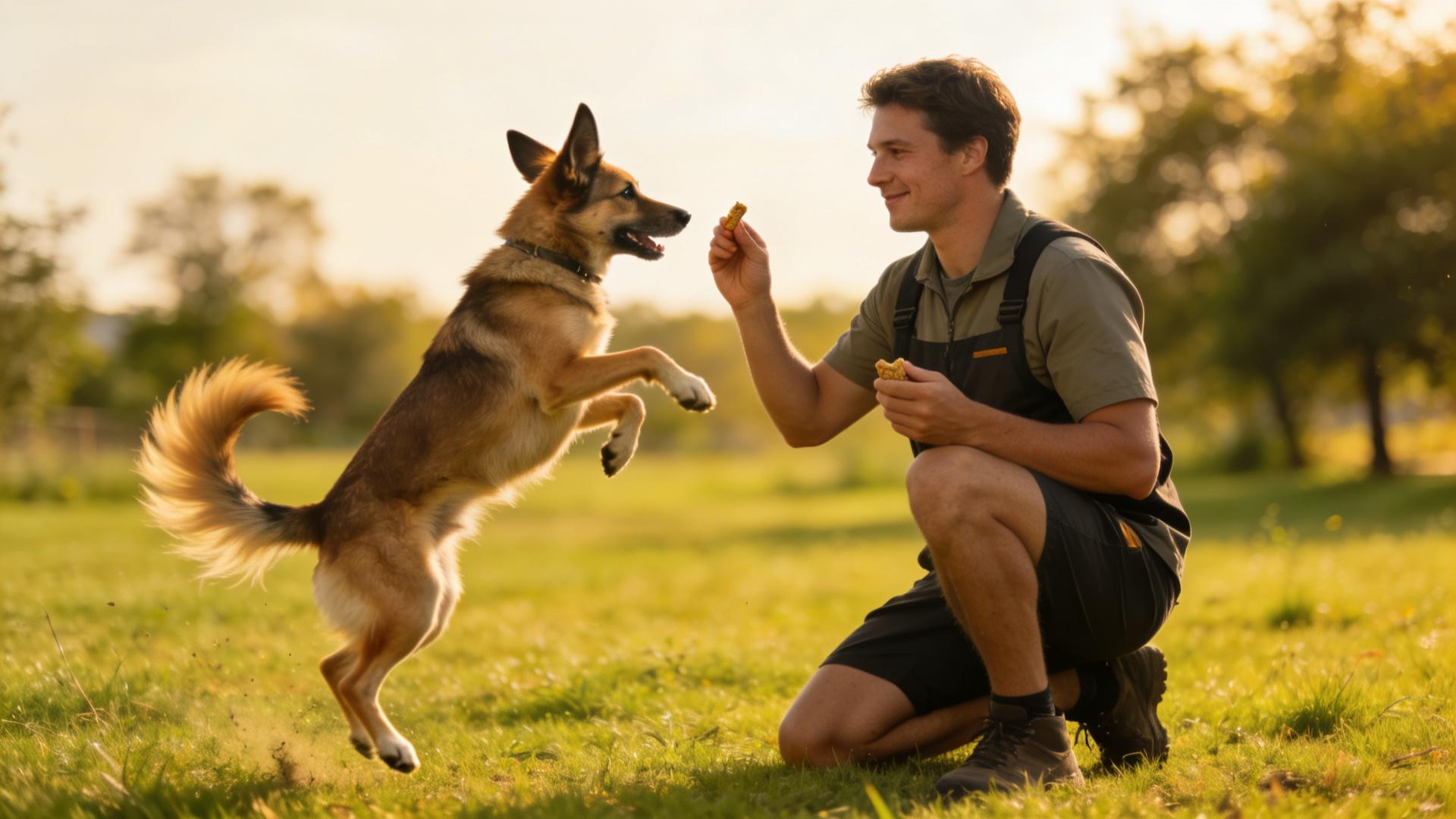
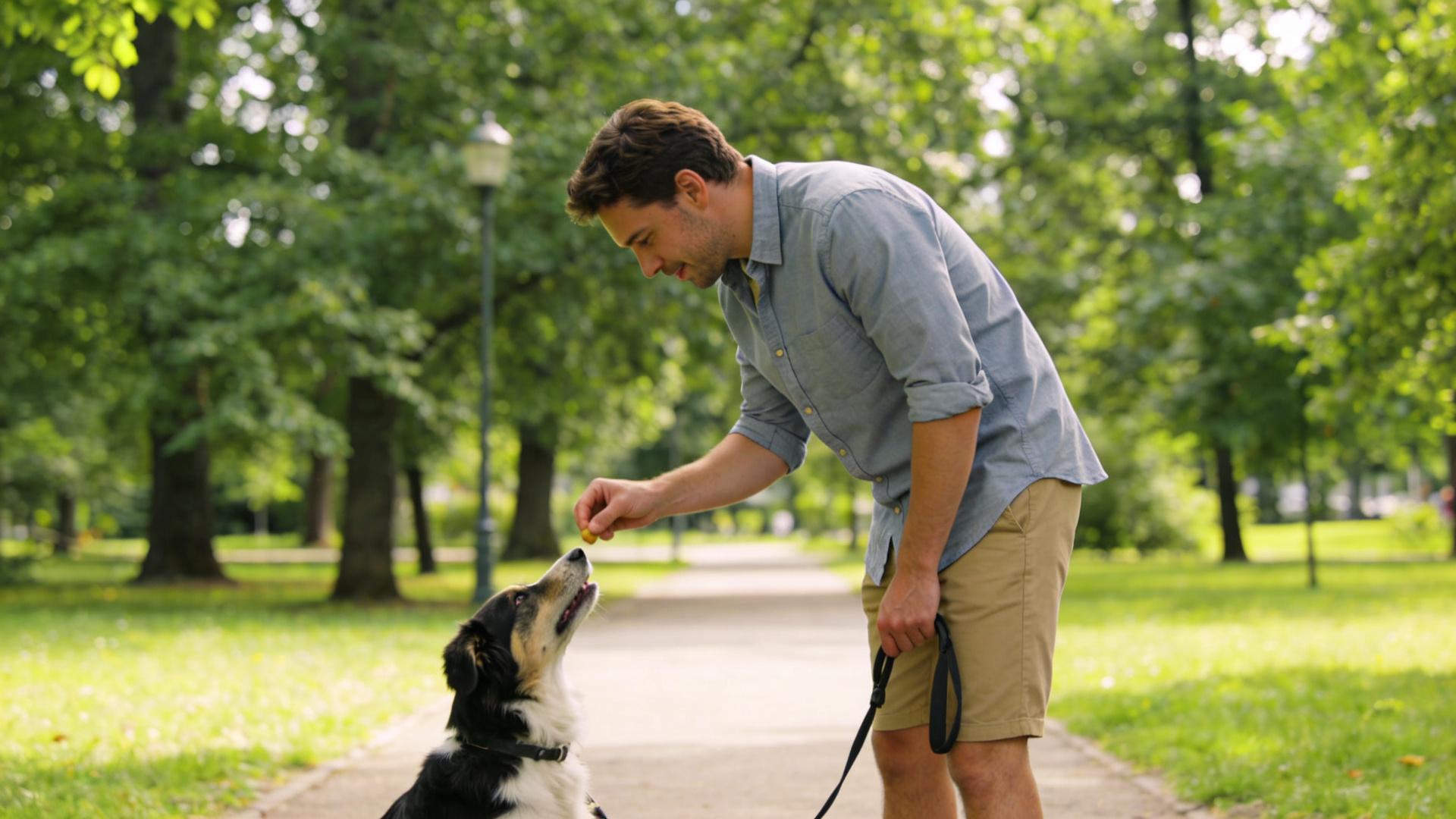
Scenario: The Reliable Recall. You’re calling your dog back at the park. Sometimes when she returns, she gets a standard treat (medium-value). The next time, it’s enthusiastic verbal praise and a quick chest scratch (low-value). A few recalls later, she gets a quick game of tug with the toy from your pocket (high-value). And once in a while, for a lightning-fast return through a distraction, you break out the dried liver "jackpot." Your dog never knows what’s coming, so she chooses to check in with you frequently, enhancing dog training with variable rewards in a dynamic environment.
Scenario: Polite Leash Walking. During a walk, you reward for periods of nice loose-leash walking. The rewards are intermittent: a piece of kibble, a "yes!" and continuation of the walk, a chance to sniff a tree, or a surprise bit of cheese. The walk itself becomes a rewarding, engaging activity, not a tense struggle.
✅ Conclusion: Embrace the Power of Uncertainty
Randomizing rewards is not about being stingy; it’s about being smart. By leveraging the psychological power of the variable ratio schedule, you transform training from a routine into an engaging game that your dog genuinely wants to play. This method builds persistent, resilient behaviors and a dog who works with you out of joyful anticipation, not just robotic habit. Start by auditing your reward menu, solidify your dog’s known commands, and then carefully introduce the element of surprise. Watch as your dog’s eyes light up with renewed focus and enthusiasm.
Special Reminder: Always pair any food reward with genuine, happy praise. Your voice and attitude are the ultimate bridge, teaching your dog that your approval is the most consistent reward of all.