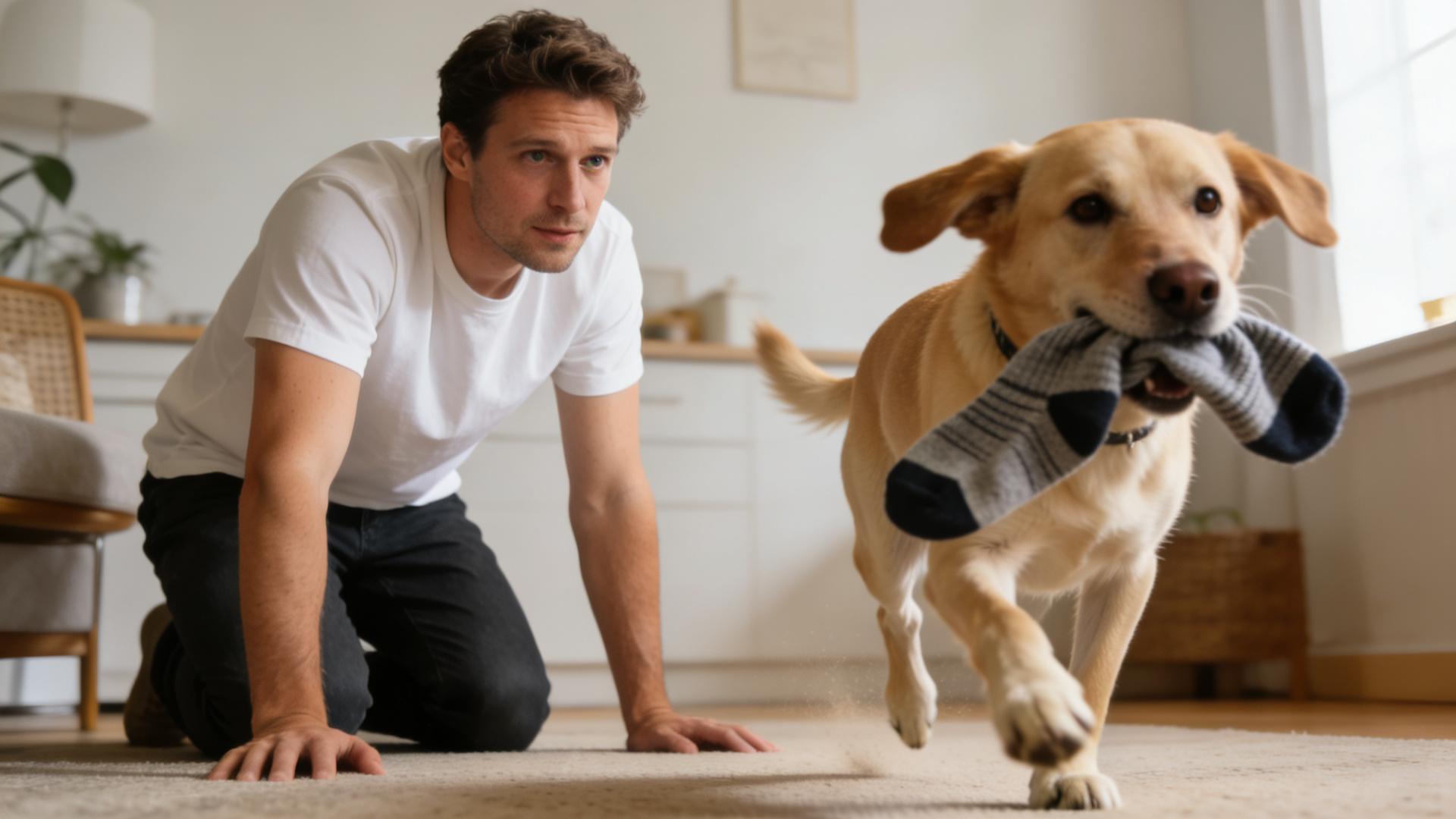
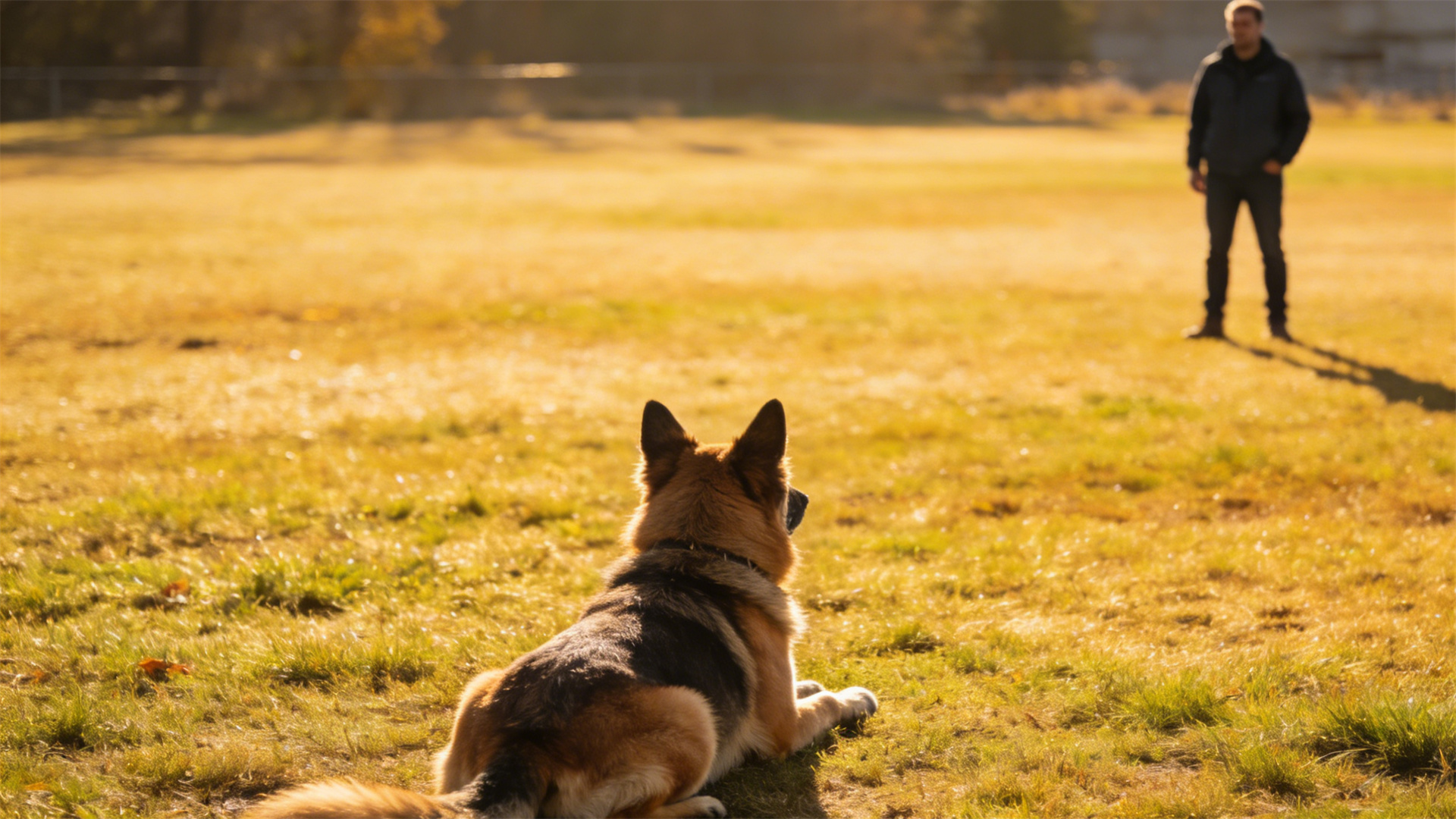
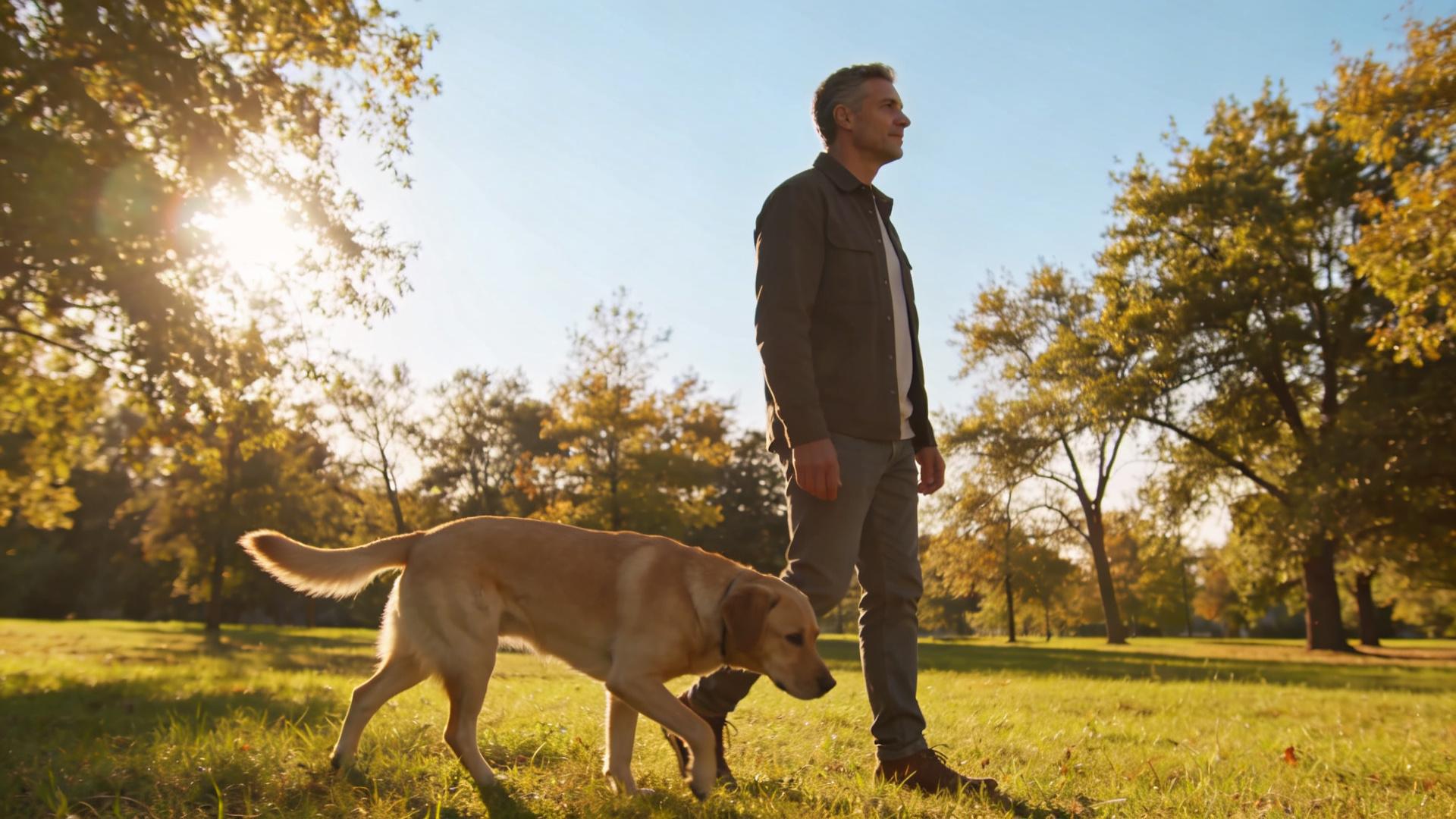
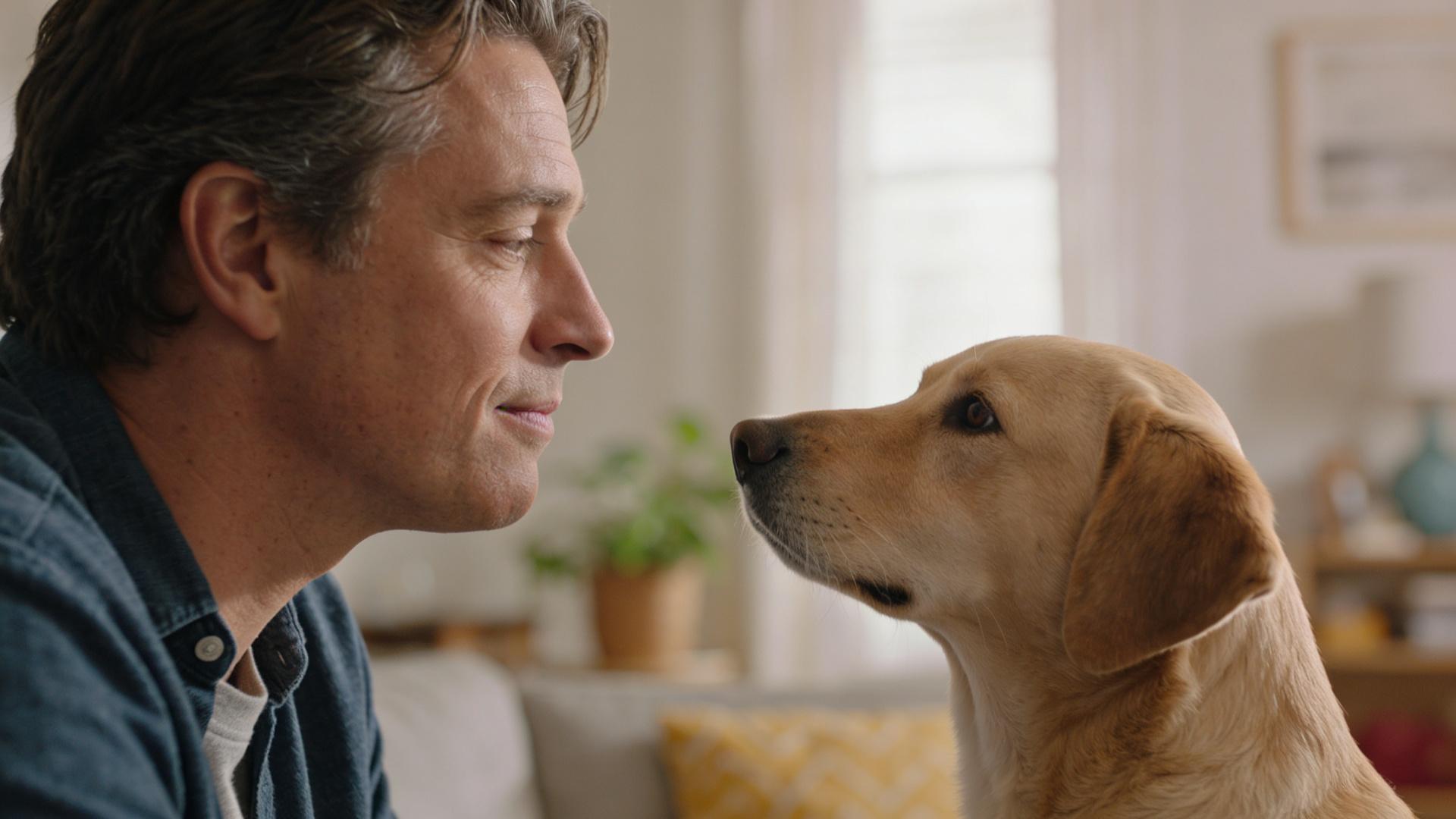
For many dog owners, the joyful pitter-patter of paws is the soundtrack of homecoming. Yet, that joy can quickly turn to embarrassment or concern when those paws leave the ground and land squarely on a guest’s chest. A dog jumping to greet is a universal challenge, born from pure canine enthusiasm but fraught with social and safety implications. Correcting this instinctual behavior isn't about suppressing your dog's spirit; it's about channeling that excitement into a form of communication that humans understand and appreciate. This comprehensive guide delves into the why behind the jump and provides a detailed, step-by-roadmap for teaching a polite, four-on-the-floor greeting.
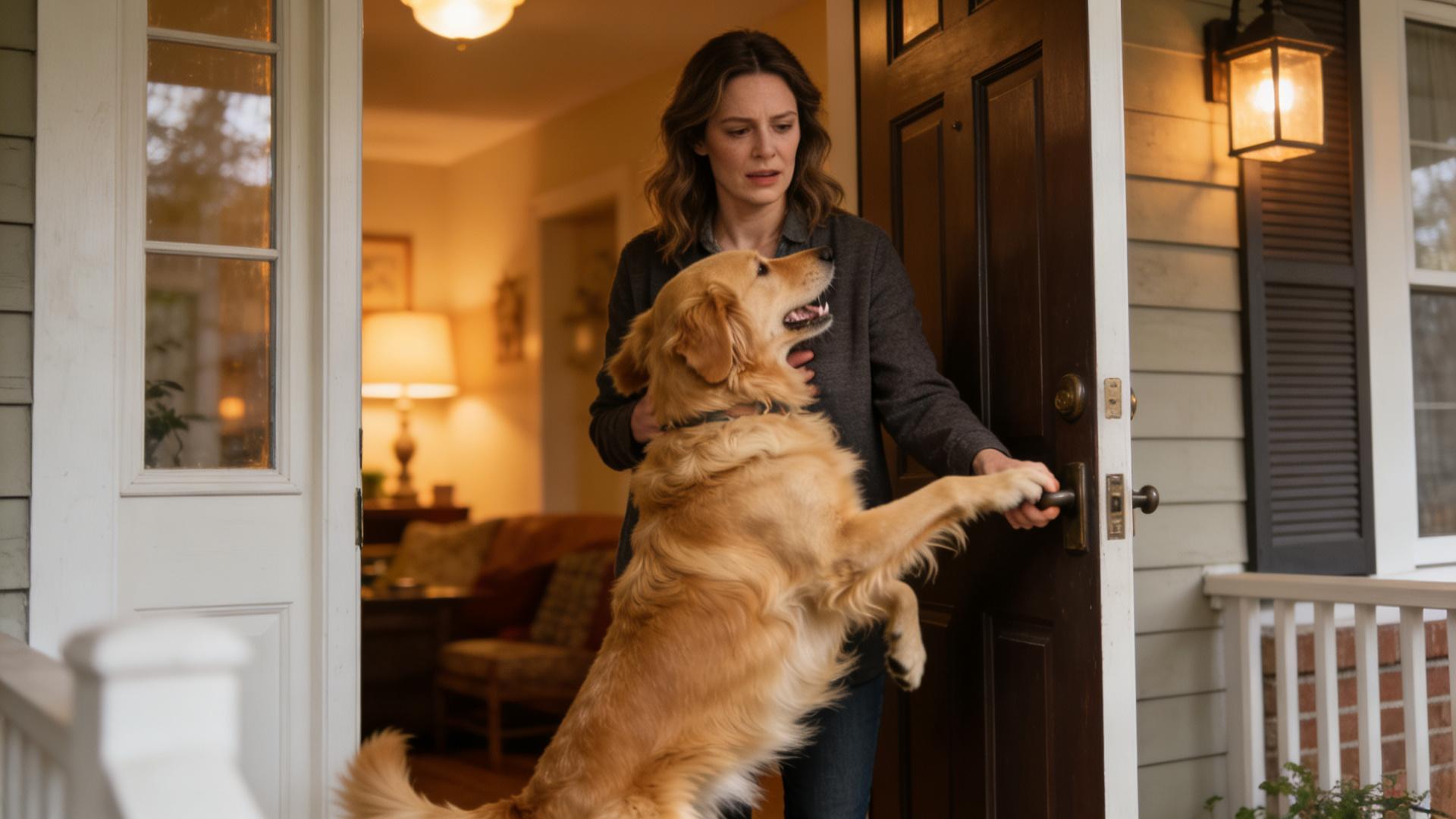
🐶 Why Do Dogs Jump? Decoding the Canine Mind
To effectively train a dog, we must first understand their perspective. Jumping up is not a "bad" behavior from a dog's point of view; it's a logical and rewarding action.
The Roots of the Behavior
1. The Natural Greeting: In the dog world, faces and muzzles are central to greeting. Puppies lick the mouths of adult dogs to solicit food and show submission. Jumping brings them closer to our faces, mimicking this innate social ritual.
2. Attention-Seeking, Pure and Simple: Dogs are social creatures who crave interaction. They learn through immediate consequences. If jumping results in any form of attention—even pushing them away, saying "no," or laughing—they have been rewarded. Negative attention is still attention.
3. Proximity and Closeness: Jumping is an efficient way to close the distance and initiate physical contact, which is often reinforcing for dogs.
⚠️ The Social Cost: Why Jumping is a Problem
While the intention is friendly, the impact can be anything but. Acknowledging these drawbacks reinforces the importance of training.
- Safety Hazards: A large dog can easily knock over a child, an elderly person, or someone with mobility issues, potentially causing serious injury.
- Property Damage: Muddy paws on clean clothes, scratches on skin or delicate fabrics—these are common and costly results.
- Social Anxiety: Guests may become hesitant to visit, and your stress levels soar anticipating your dog's outburst.
- Reinforcement of Fear: For individuals afraid of dogs, a jumping greeting can be terrifying, worsening their fear.
A dog with polite social etiquette is safer, more welcome, and a better ambassador for canine-kind.
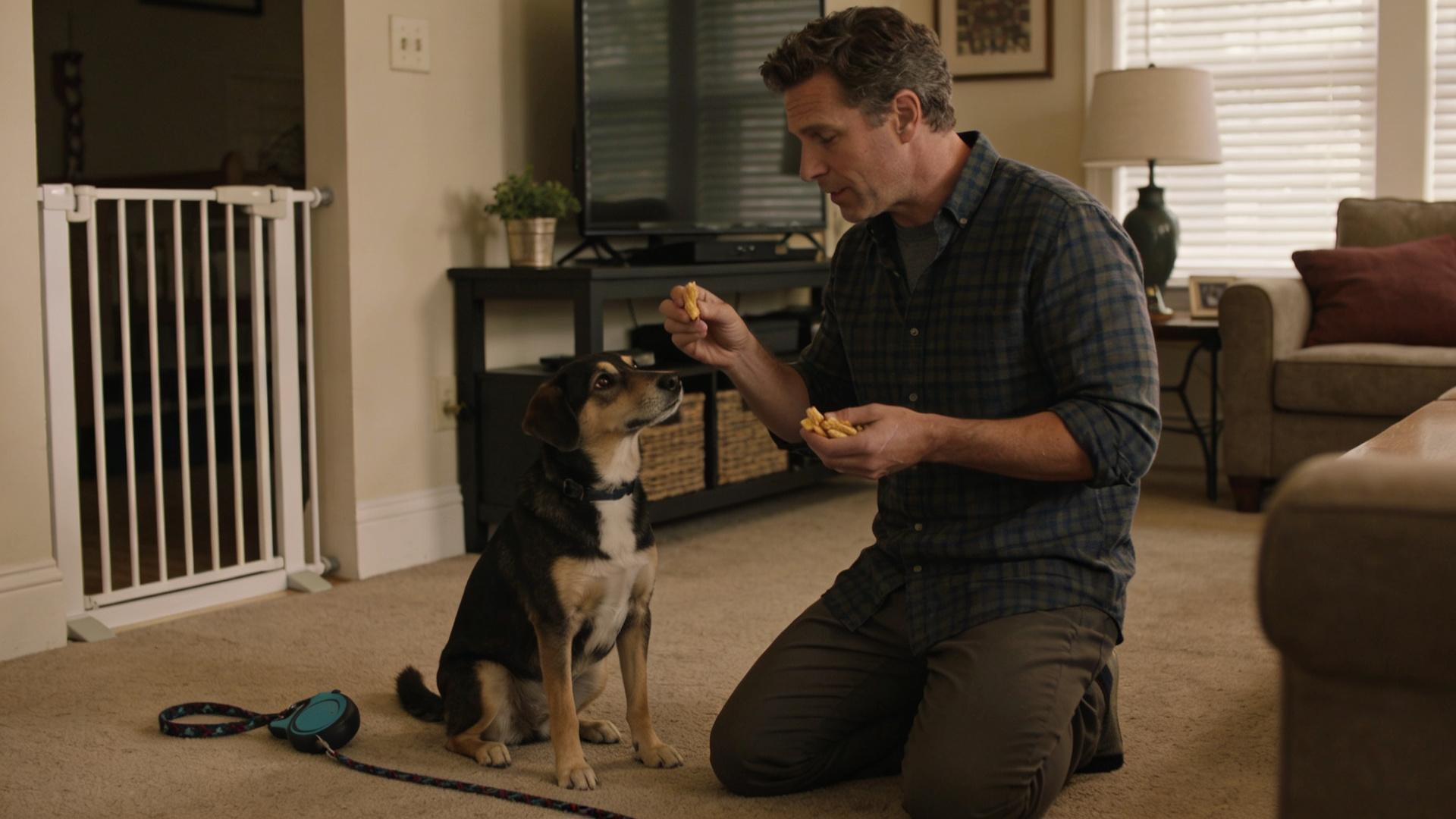
🛠️ The Training Toolkit: Foundational Principles
Success hinges on three pillars: Management, Consistency, and Positive Reinforcement. Training should be a fun, engaging game for your dog.
- Management: Set your dog up for success. Use a leash or baby gate to control access to guests during initial training.
- Consistency is Non-Negotiable: Every single person who interacts with your dog must follow the same protocol. Inconsistent rules are the primary reason training fails.
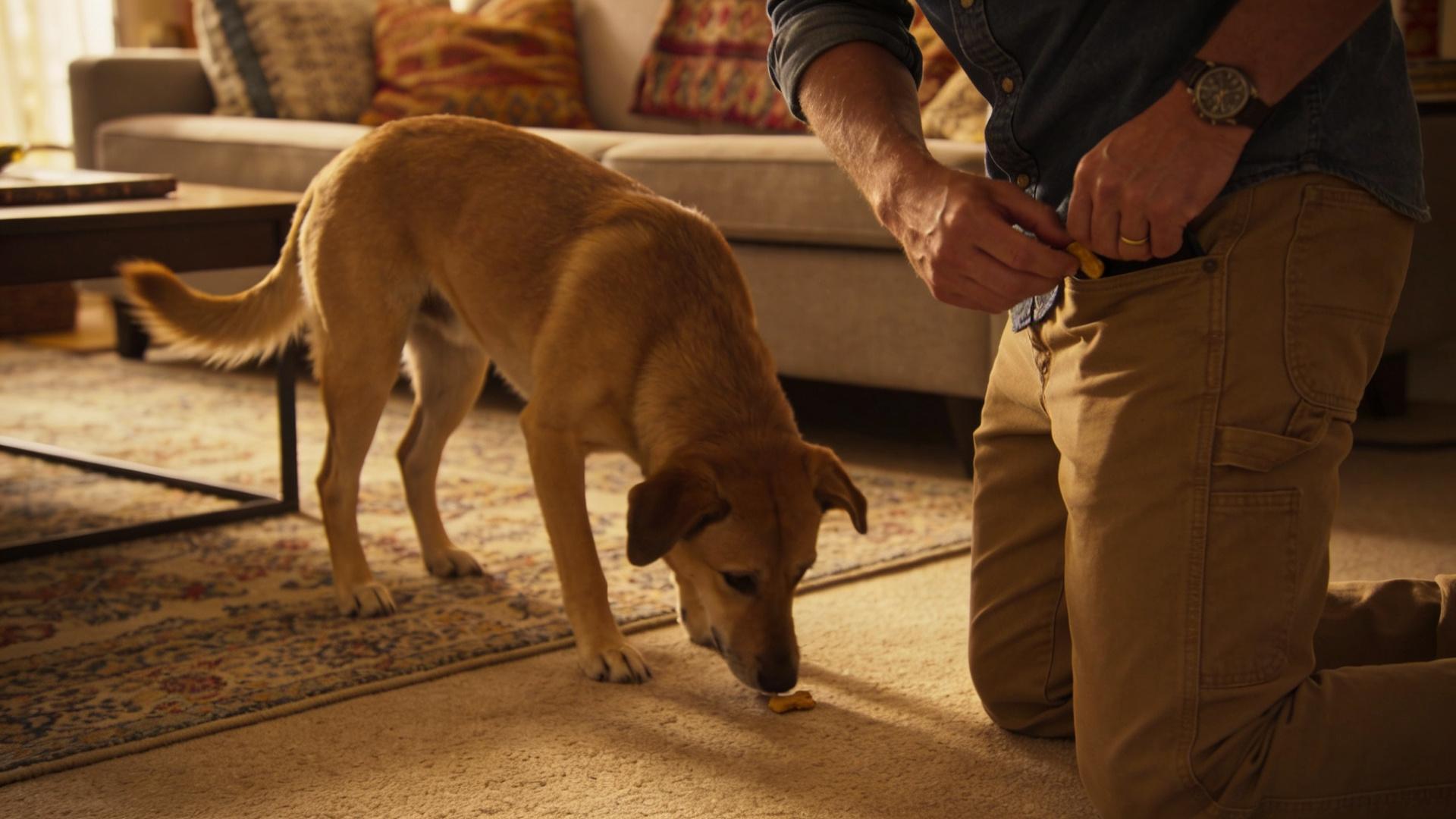
- Positive Reinforcement: Reward the behavior you want. High-value treats (like chicken or cheese), praise, and play are your most powerful tools.
📋 Step-by-Step Training Protocols
Implement these methods in order, mastering one before adding more complexity. Start in a low-distraction environment like your living room.
🚫 Method 1: The "Turn & Ignore" Protocol
This method teaches your dog that jumping results in the complete removal of the desired resource: your attention.
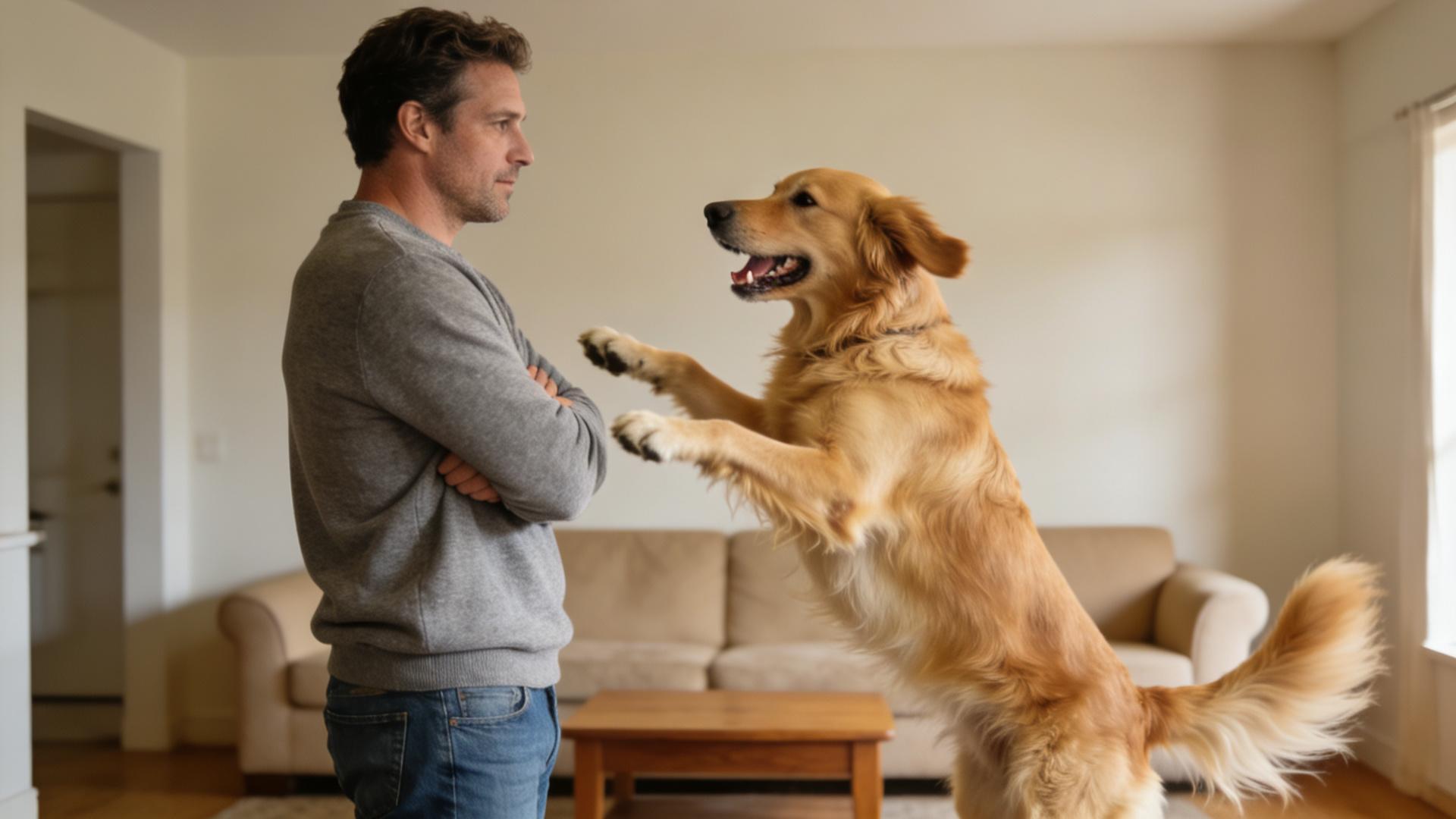
- Anticipate the Jump: As your dog starts to spring up, immediately turn your body sideways, cross your arms, and look away at the sky. Be a boring statue.
- Zero Engagement: No eye contact, no talking, no touching. Any sound or push is a reward.
- The Moment of Reward: The nanosecond all four paws are back on the floor, turn back, say "yes!" calmly, and offer a treat. If they sit, jackpot the reward!
- Repeat Relentlessly: This may need to happen 20 times in a single greeting session. Consistency in your response is critical.
🎯 Method 2: Teaching an Incompatible Behavior – The "Sit for Greeting"
A dog cannot sit and jump simultaneously. This is the most powerful long-term solution for polite dog greetings.
- Master 'Sit' in Peace: Ensure your dog reliably responds to the "sit" command for a treat without any distractions.
- Add Mild Stimulation: Practice having them sit as you take a step toward them, then as you wave your arms. Reward heavily for maintaining the sit.
- Involve a Helper: With your dog on a leash, have a calm family member approach. Before your dog gets excited, give the "sit" command.
- Greeting Only After Sitting: Your helper can only pet and interact after the dog is sitting and calm. If they break the sit, the helper immediately stops and turns away.
🏠 Method 3: Managing Doorway Greetings
The doorway is ground zero for excitement. Implement this structured routine.
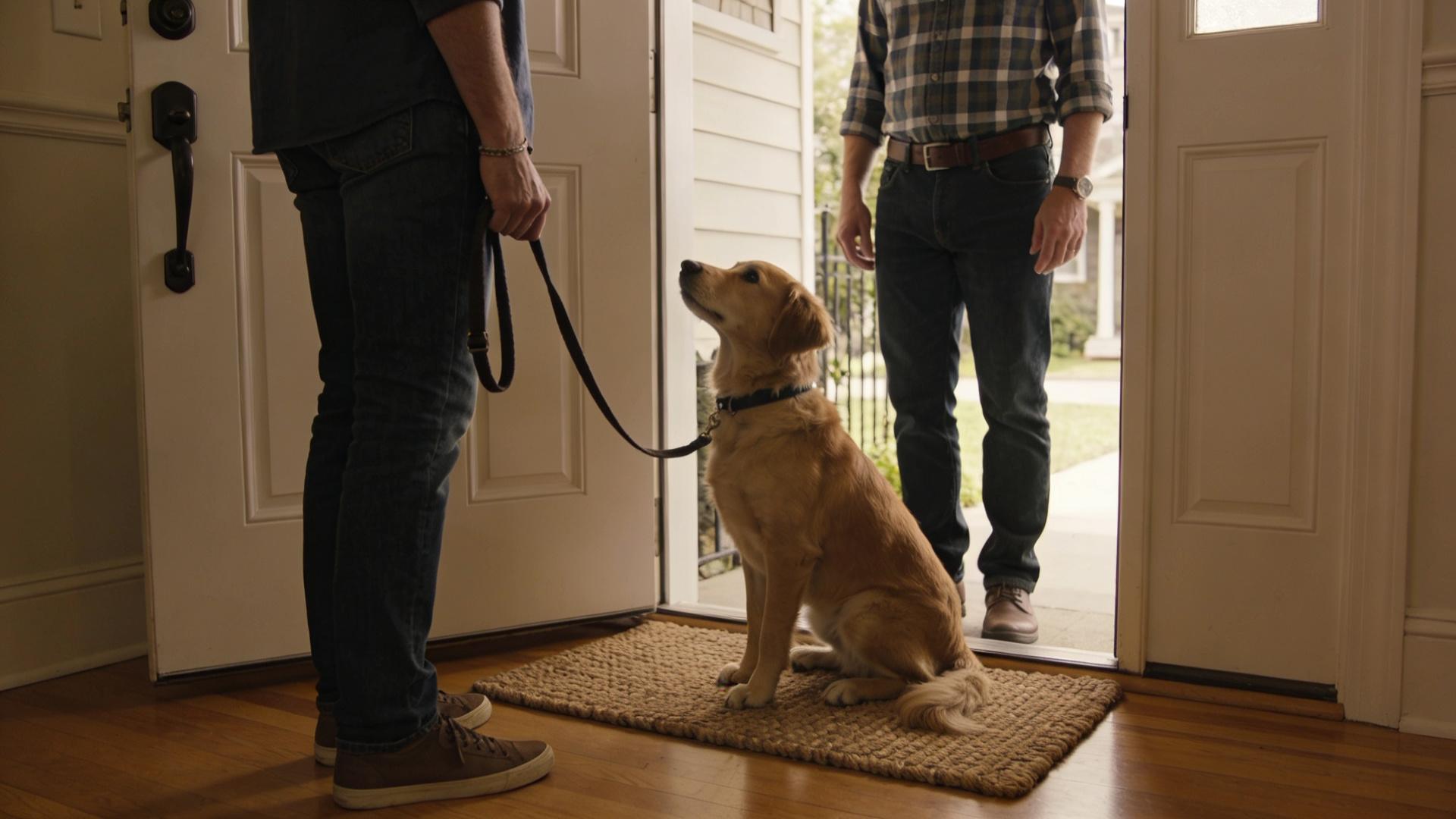
- Leash Up: Keep a leash by the door. Clip it on your dog before answering.
- Designated Spot: Train your dog to go to a specific mat or bed when the doorbell rings. Reward them for staying there.
- Guest Instructions: Brief visitors beforehand: "Please ignore Max until he is calm. Then, you can ask him to sit for a pet."
🔄 Advanced Scenarios & Troubleshooting
Dealing with Overly Excitable Dogs
For dogs that are over threshold (too excited to think), management precedes training.
- Exercise First: A tired dog is a trainable dog. A brisk walk or play session before guests arrive can lower the excitement baseline.
- Controlled Entry: Have your dog on a leash and behind a baby gate. Allow them to observe guests settling in for 5-10 minutes before attempting a calm greeting.
The Consistent Visitor Conundrum
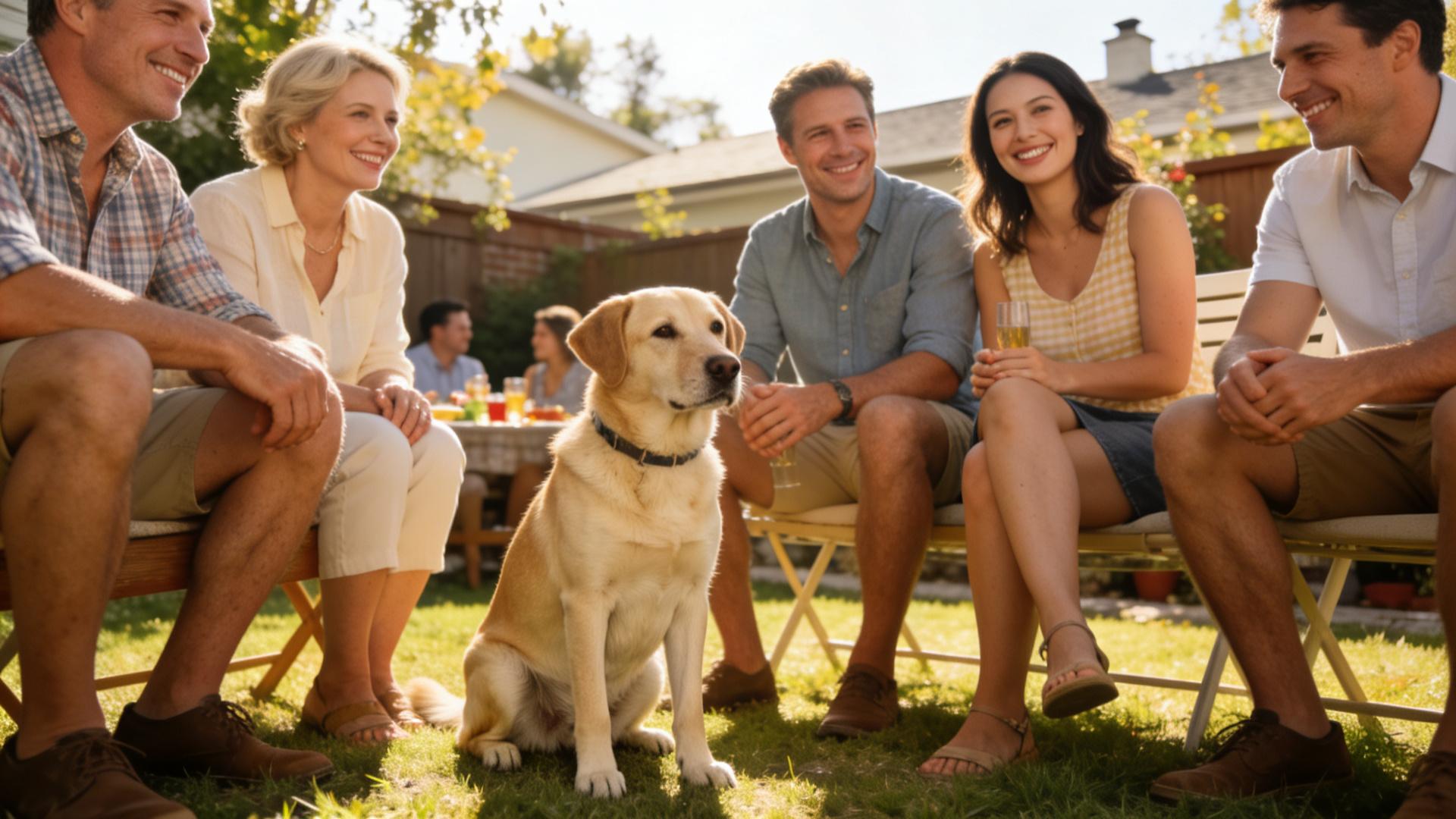
Friends and family are often the worst offenders, saying, "Oh, I don't mind!" You must politely insist: "I mind, because I'm training him. For him to learn, we all need to follow the same rules. Thank you for helping!" This is a non-negotiable aspect of dog obedience training for jumping.
💎 The Long-Term Rewards of a Polite Greeter
Investing time in this behavior modification yields profound benefits:
- Enhanced Safety & Social Access: Your dog can be welcomed in more homes and public spaces.
- Strengthened Bond: Clear communication builds mutual trust and understanding between you and your dog.
- Reduced Owner Stress: You can enjoy company without anxiety or constant intervention.
- A Confident, Well-Mannered Companion: A dog that knows how to behave is a relaxed and happy dog.
Special Reminder: Patience is not optional. Changing a deeply ingrained behavior like jumping takes weeks or months of consistent practice. Setbacks are normal. Celebrate small victories—the first time your dog sits automatically when the doorbell rings is a monumental success! The journey to calming excited dog greetings is a marathon, not a sprint, but the finish line is a harmonious life with your well-mannered best friend.