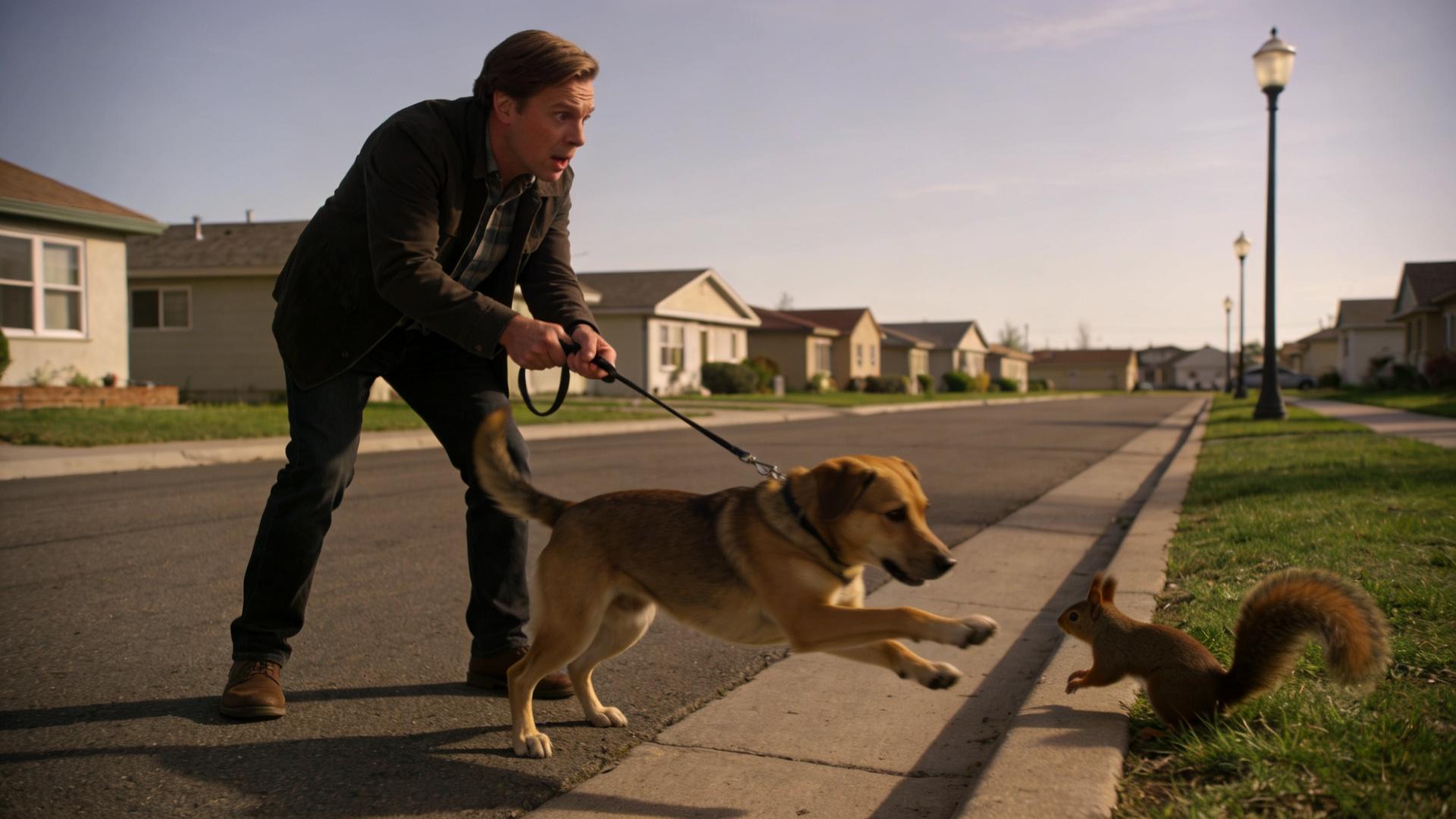
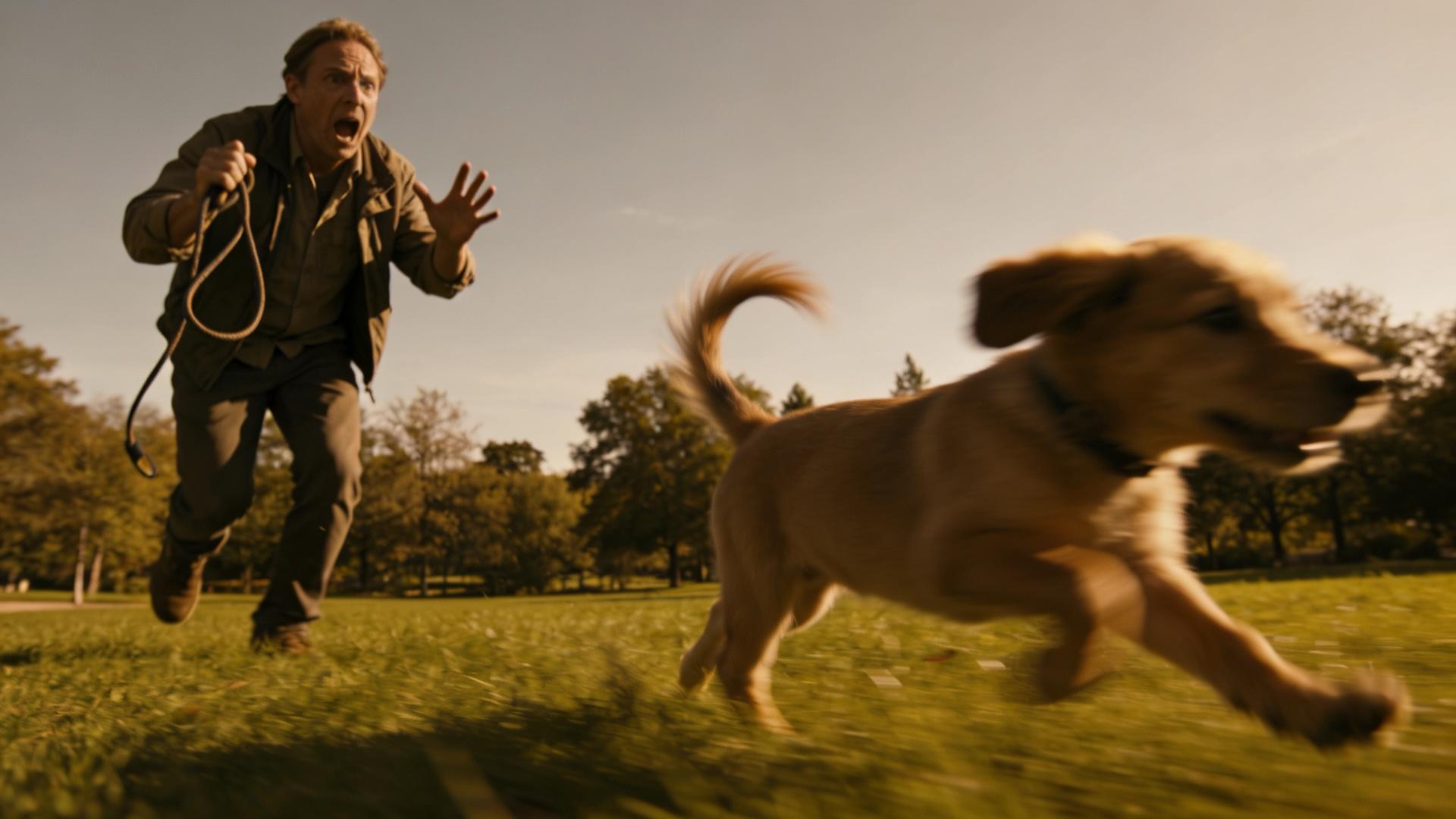
The doorbell rings, and your dog erupts into a frenzy of barking. A squirrel dashes past the window, setting off another vocal alarm. While barking is natural canine communication, excessive noise can fray nerves, disturb neighbors, and leave you feeling powerless. In fact, studies suggest that nuisance barking is one of the most common complaints in residential communities and a leading reason dogs are surrendered to shelters. For years, the solution has seemed to be shouting "Quiet!" over the din, often escalating the tension. But what if you could silence the barking with a simple, silent wave of your hand? Enter the Mute Command—a powerful, non-verbal technique that uses clear hand gestures to gain immediate control. This guide will transform you from a frustrated owner into a calm, confident leader, teaching you the precise method to instantly quiet a barking dog.
🐾 Article Objective: Mastering Silent Communication
The goal of this comprehensive guide is to equip you with a highly effective, non-verbal technique to stop undesirable barking on cue. We will move beyond reliance on your voice and delve into the world of visual cues, providing you with a step-by-step blueprint for teaching your dog a reliable mute command for dogs using specific, easy-to-learn hand signals. This method is about clarity, consistency, and building a deeper, quieter bond with your canine companion.
🔬 The Science of Silence: Why Hand Gestures Work
To understand why hand gestures to stop dog barking are so potent, we must look at canine cognition. Dogs are masters of reading body language. In their world, a slight shift in posture, a tail position, or a direct stare carries immense meaning. Verbal language is secondary and often ambiguous to them. When you combine a shouted verbal command with tense body language (leaning forward, frustrated expression), your dog may read the overall arousal, not the specific word "quiet."
Advantages of Visual Signals Over Verbal Commands:
- Clarity & Reduced Confusion: A distinct hand gesture is a clear, consistent signal, unaffected by your tone of voice (angry, pleading, frustrated).
- Effective in Noisy Environments: At a dog park, during a storm, or when the TV is loud, a visual cue cuts through the auditory chaos.
- Universal Understanding: Hand signals can bridge gaps if your dog loses hearing in old age or if you wish to communicate from a distance silently.
- Promotes Calm Leadership: Using a calm, deliberate gesture inherently helps you stay composed, which in turn helps your dog settle.
This approach leverages your dog's innate strength—interpreting visual cues—making the mute hand gesture dog training a fundamentally intuitive process for them.
📋 Prerequisites: Setting the Stage for Success
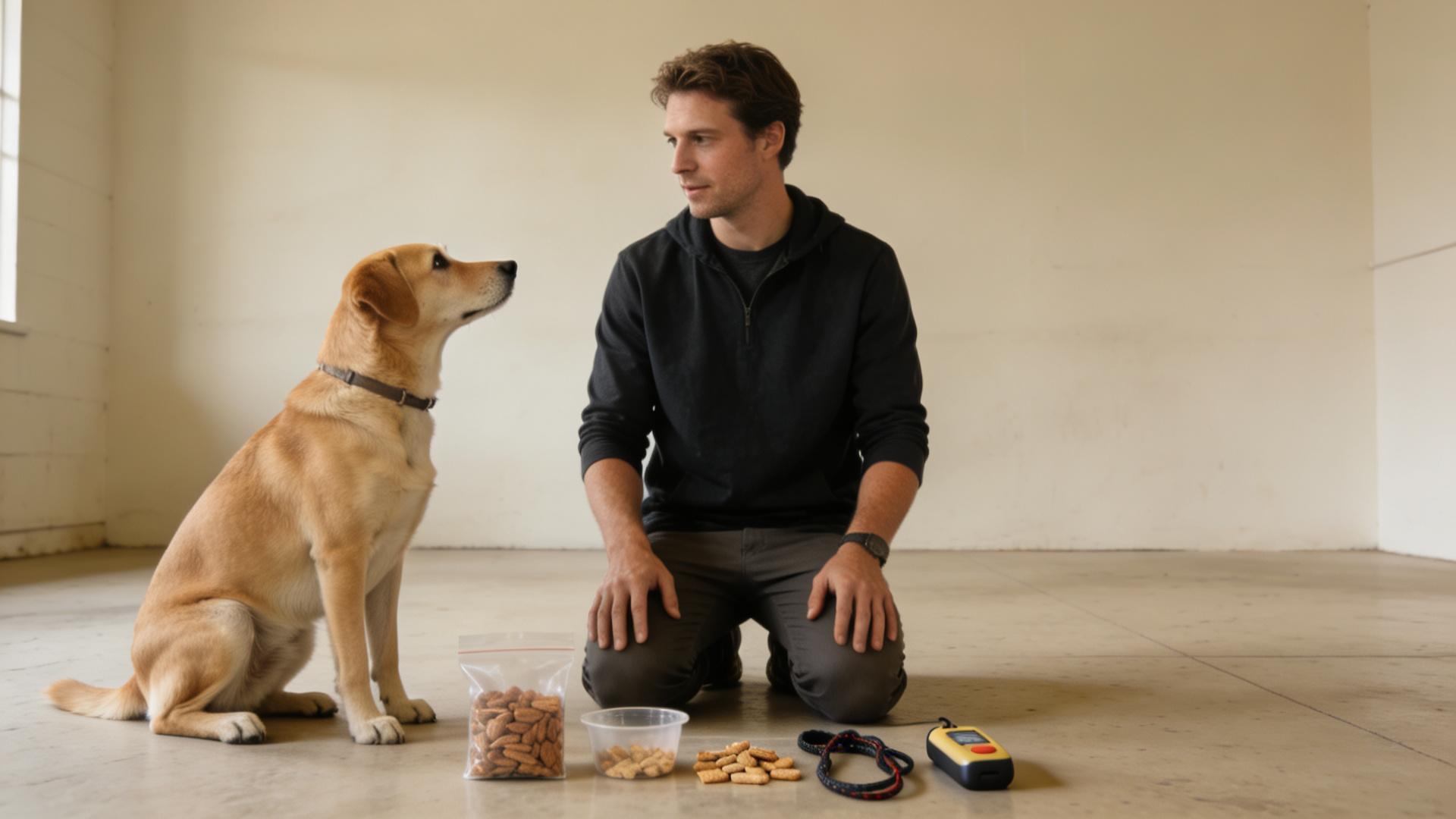
Before you begin, assembling the right tools and mindset is crucial. Proper preparation prevents poor performance and sets you and your dog up for a positive training experience.
- A Quiet, Low-Distraction Environment: Start indoors in a familiar room. The goal is to practice the gesture itself, not battle major triggers initially.
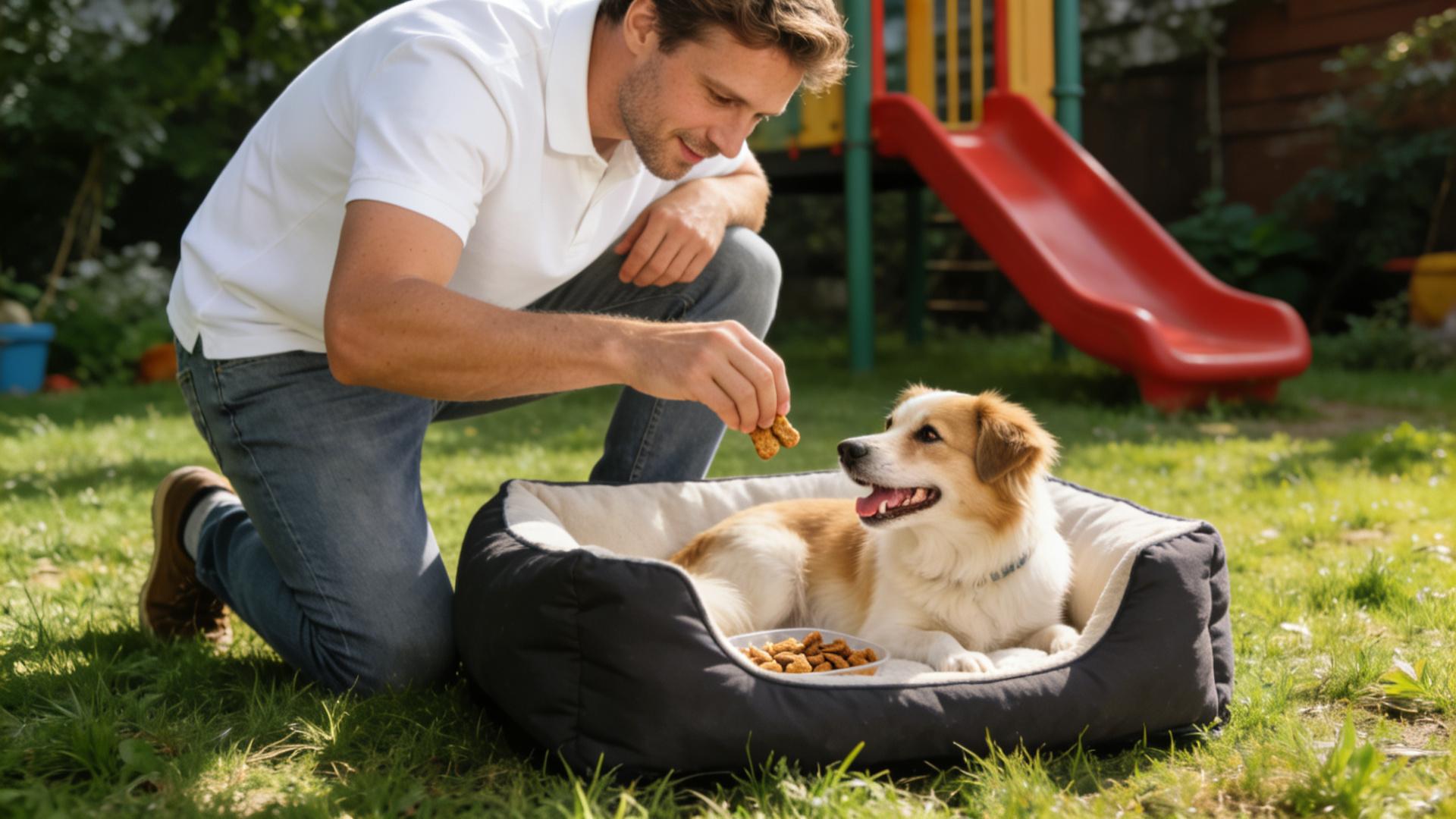
- "High-Value" Treats: These are treats your dog goes crazy for (e.g., small bits of chicken, cheese, or commercial training treats). Value is determined by your dog's enthusiasm.
- A Leash (Optional but Helpful): A short leash can gently manage your dog's position and prevent them from running to a window or door during early sessions.
- Clicker (Optional): A clicker can provide precise marking of the desired behavior (silence).
- A Calm, Patient, and Focused Mindset: Training is a partnership. Your energy sets the tone. If you're rushed or frustrated, postpone the session.
👐 Step-by-Step Guide: Teaching the Mute Command
This process is broken into distinct phases. Never attempt to teach the mute command when your dog is already in a full-blown barking frenzy. We start with calm, controlled setups.
Phase 1: Capturing & Naming Silence
Goal: Teach your dog that the act of being quiet earns rewards.
- With your treats ready, sit with your dog in your quiet training area.
- The moment your dog is naturally quiet for even two seconds, mark that behavior (with a clicker or a verbal marker like "Yes!") and immediately give a treat.
- Repeat this multiple times over several short sessions (5 minutes each). You are building an association: Silence = Good Things.
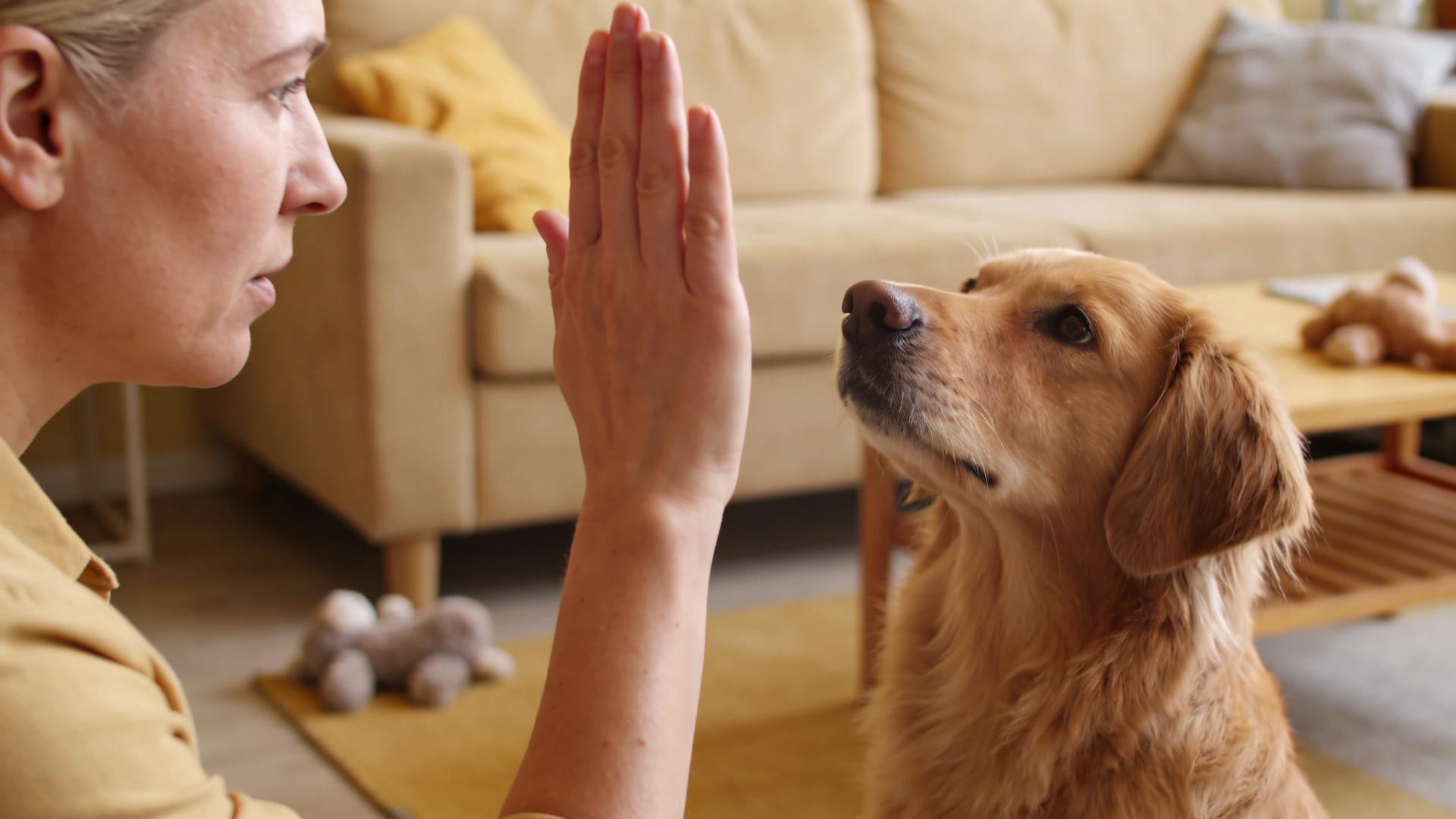
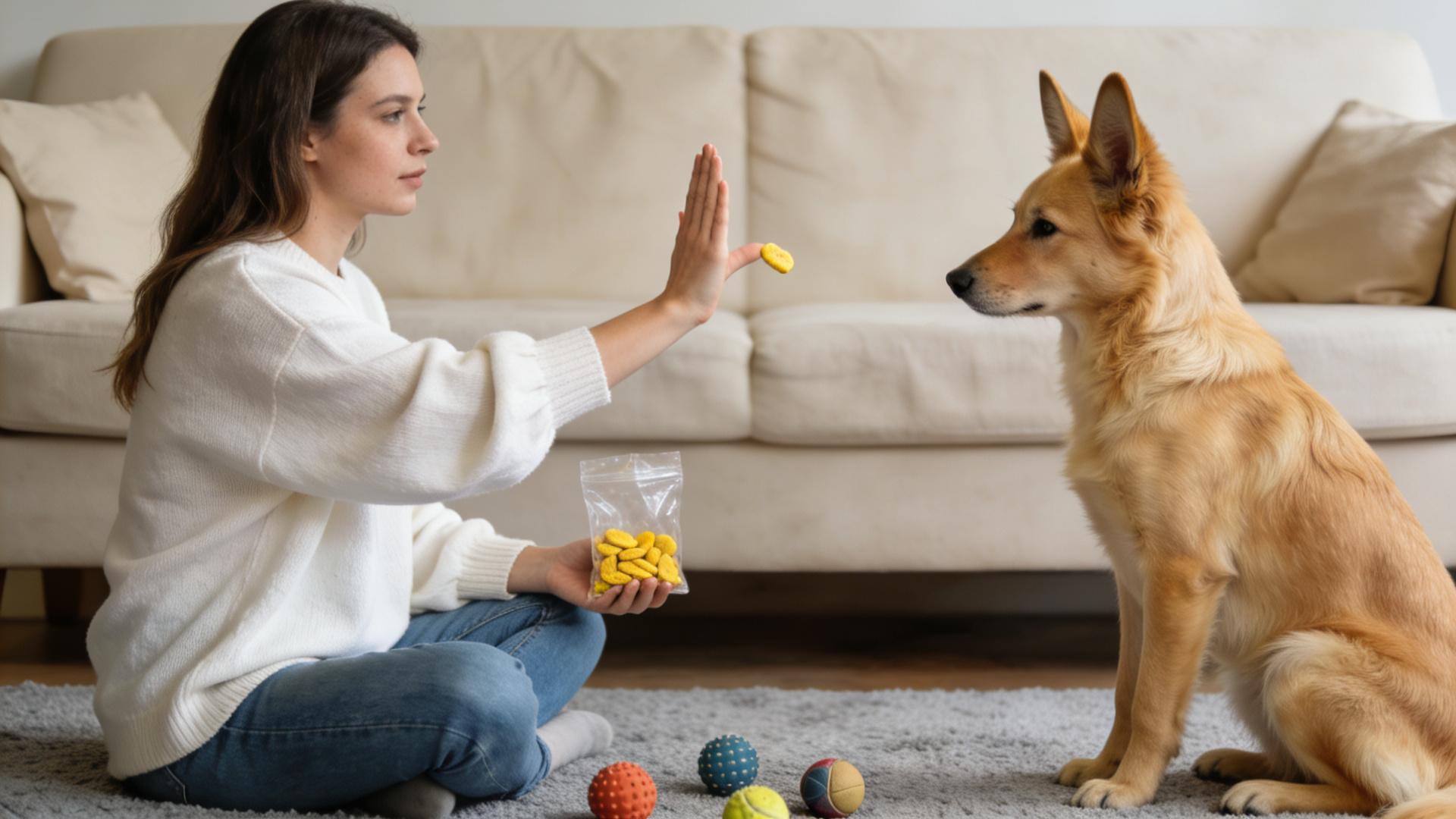
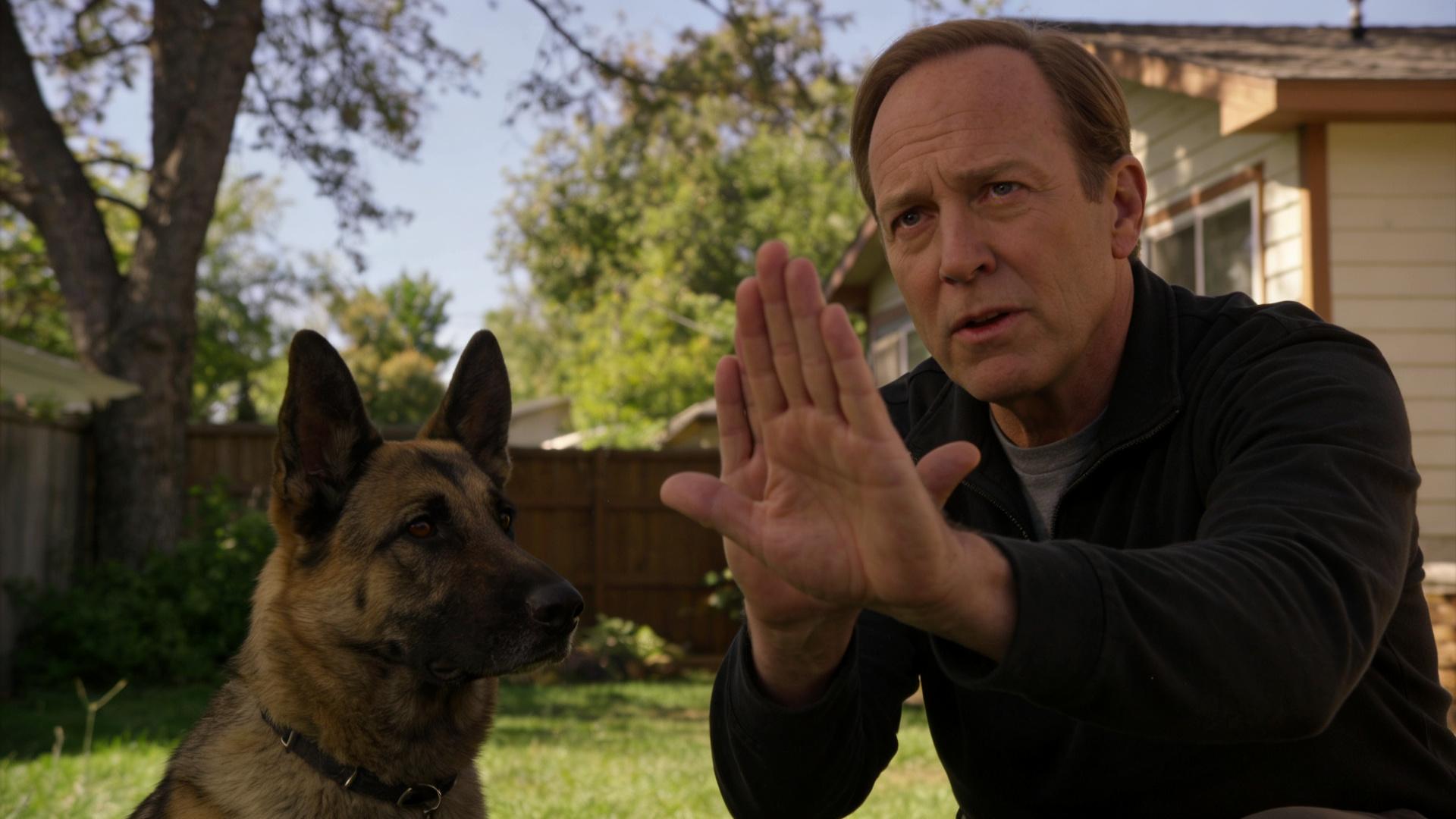
- Once your dog anticipates the treat after the marker, introduce the hand gesture. We recommend a clear, simple signal: Hold your flat hand, palm facing your dog, at about chest height in a firm "stop" position.
- Present the hand gesture, wait a half-second for your dog to process it, then mark and treat for continued quiet. You are now pairing the visual cue with the rewarded behavior.
Phase 2: Introducing a Mild Trigger
Goal: Ask for silence in the presence of a controlled distraction.
- Create a very mild trigger. This could be you lightly tapping the wall, having a family member walk quietly through the room, or playing a low-volume doorbell sound on your phone.
- The instant your dog notices the trigger but before they bark, present your mute command hand signal.
- If they remain quiet or even just hesitate, mark and reward lavishly! You've just intercepted barking with a gesture.
- If they bark, calmly and silently remove the trigger (stop the sound, have the person leave). Wait for a moment of quiet, then try again with an even milder trigger. The key is setting them up to succeed.
Phase 3: Proofing and Generalization
Goal: Make the command reliable in various real-world scenarios.
- Increase Distractions Gradually: Practice with slightly more exciting triggers. Move to different rooms, then to your backyard, then on quiet walks.
- Use the Command Mid-Bark: Once your dog understands the game, you can test it if they let out one or two barks. Give your clear hand signal. The moment they pause and look at you—mark that microsecond of silence and treat. You are not rewarding the bark; you are rewarding the cessation of barking in response to your cue.
- Delay the Reward: Start requiring 3 seconds of silence before the treat, then 5, then 10. This builds duration.
- Fade Treats Intermittently: Switch to a variable reward schedule—sometimes a treat, sometimes praise, sometimes a game. This makes the behavior more resilient.
💡 Pro Tips for Training Success
- Consistency is King: Use the exact same hand gesture every single time. Everyone in the household must use the same signal.
- Timing is Everything: The mark (click or "Yes!") must happen at the precise moment the dog is silent. This is how they understand what you want.
- Keep Sessions Short & Positive: Five to ten minutes, several times a day, is far more effective than one long, tedious session.
- Manage the Environment: While training, use window film to block street views or a white noise machine to dampen outside sounds to prevent unsupervised practice of barking.
- Address the Root Cause: The mute command manages the symptom (barking). Ensure you also address the cause (boredom, fear, territoriality) through exercise, mental stimulation, and foundational obedience training.
🚫 Common Mistakes to Avoid
Steer clear of these pitfalls that can derail your canine hand signal training progress.
- Inconsistent Gestures: Using a flat hand one day and a pointing finger the next will confuse your dog. Choose one signal and stick with it.
- Impatient Timing & Flooding: Don't jump to major triggers too fast. If you overwhelm your dog (a process called "flooding"), they will fail and become stressed.
- Unintentionally Rewarding Barking: Throwing a treat to quiet a barking dog often rewards the act of barking. The reward must come only after silence is offered, even if just for a breath.
- Using the Signal Angrily: Your hand signal is a cue, not a threat. Deliver it with neutral, calm energy.
- Neglecting Underlying Needs: A tired, mentally stimulated dog is a quieter dog. This command is a tool, not a substitute for a fulfilling life. For more on canine enrichment, see this excellent resource from the American Kennel Club.

🎯 Conclusion: The Power of a Quiet Signal
Mastering the mute command through hand gestures to stop dog barking is more than a training trick; it's a paradigm shift in communicating with your dog. It leverages their natural strengths, reduces household stress, and fosters a relationship built on calm understanding rather than vocal negotiation. By starting small in a quiet environment, using impeccable timing with high-value rewards, and gradually proofing the behavior, you can equip yourself with a reliable instant dog barking solution that works across the room or across the park. Remember, consistency and patience are your greatest allies on this journey to a quieter, more harmonious life with your canine friend.