
You May Have Missed
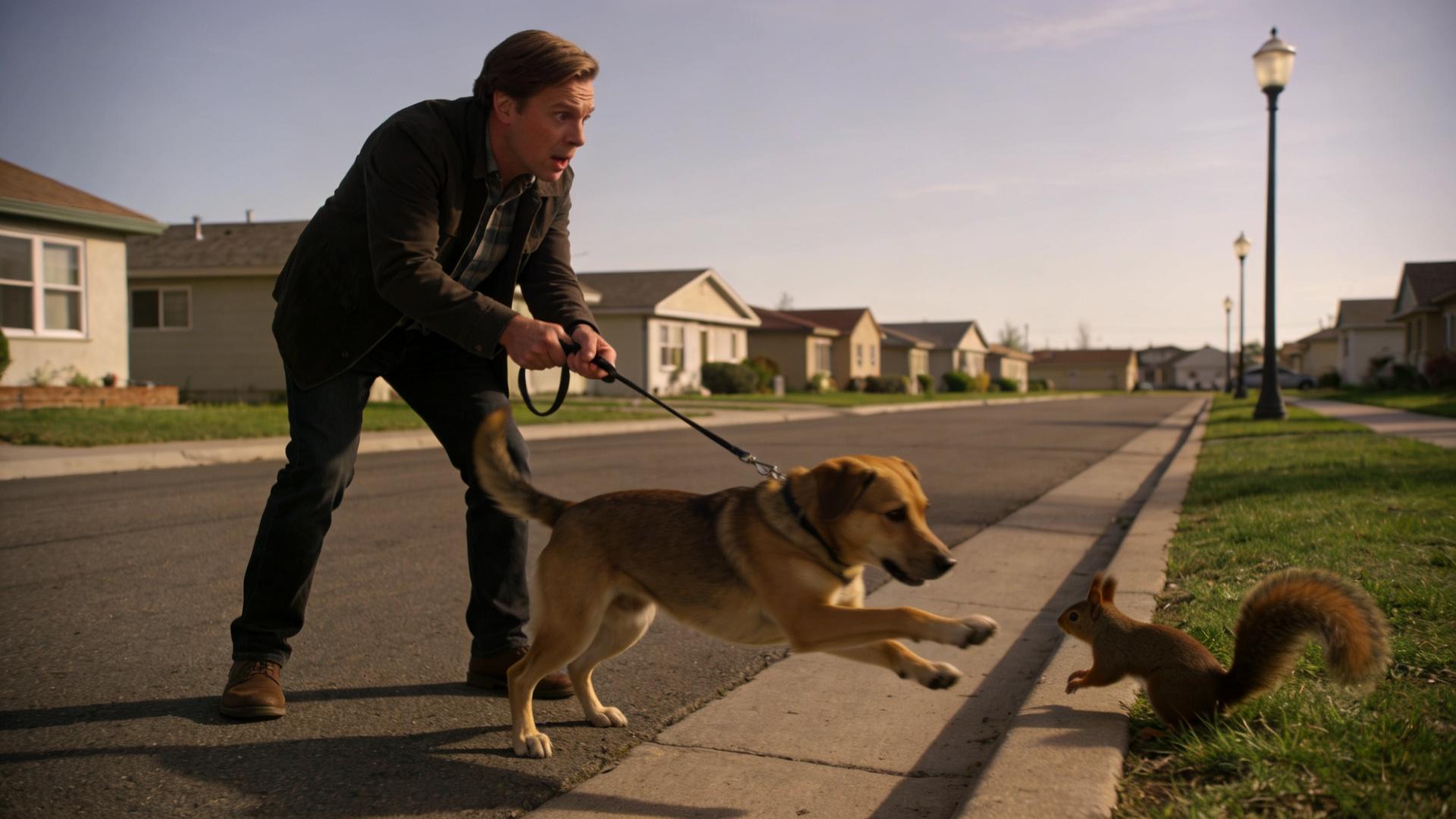
Crossing the road safety training: Do dogs also need to be aware of traffic flow?
As a dog owner, you’ve likely experienced that heart-stopping moment: your dog lunges toward the street, captivated by a squirrel or simply forging ahead without a care. It’s a stark reminder that our canine companions perceive the world—and the dangers within it—differently than we do. This brings us to a critical question: Do dogs also need to be aware of traffic flow? The unequivocal answer is yes. While a dog may never understand a green light, they can and must learn to rely on your cues and exhibit specific, life-saving behaviors near roads. Road safety for canines is not an optional advanced trick; it's a fundamental pillar of responsible pet ownership, especially in our busy urban and suburban landscapes.
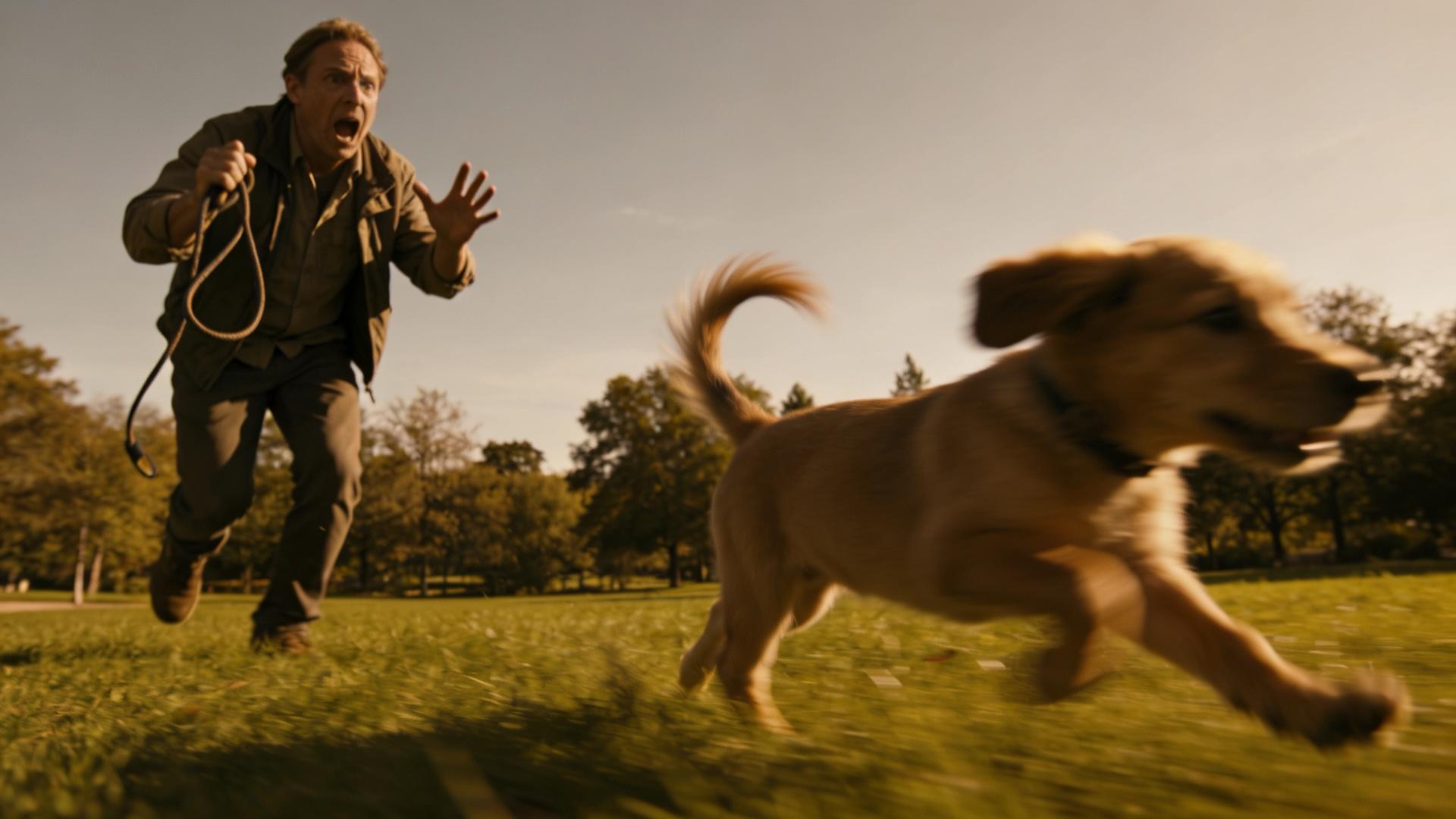
Puppy recall lesson one: Make it run to you no matter what.
Imagine this: your puppy’s leash slips from your hand at the park, or your front door swings open a moment too long. In that heartbeat, the single most important command you will ever teach your dog isn't just a trick—it's a lifesaving behavior. A reliable recall, the act of your dog coming to you instantly and joyfully, is the ultimate insurance policy. But this first lesson isn't about the word "come." It's about building an irresistible gravitational pull that makes your puppy sprint to you with unfiltered joy, every single time. We are not merely requesting an action; we are programming a reaction. This is the art and science of creating a foundation so strong that squirrels, smells, and other dogs simply can't compete. Let's begin.

Level 5: Expert Dog Trainer Certification
In the evolving world of canine professions, a title alone is no longer enough. For those dedicated to reaching the zenith of their craft, the pursuit of an expert dog trainer certification is the defining journey. This isn't just another course; it's a rigorous validation of mastery, a globally recognized passport to elite roles, and a solemn commitment to ethical, science-based practice. This comprehensive guide demystifies the pinnacle credentials, such as the CPDT-KA and KPA-CTP, providing you with the roadmap to transform from a competent trainer into a recognized industry authority.

Correcting "attention-seeking" behavior: Teach your dog to go back to its kennel when guests arrive.
You’ve been looking forward to a quiet evening with friends. The doorbell rings, and instantly, your peaceful home erupts into chaos. Your dog transforms into a furry tornado of barking, jumping, and weaving between legs, desperate for pats and completely derailing any attempt at a calm greeting. If this scene feels familiar, you’re not alone. This is a classic, often frustrating, form of attention-seeking behavior in dogs.
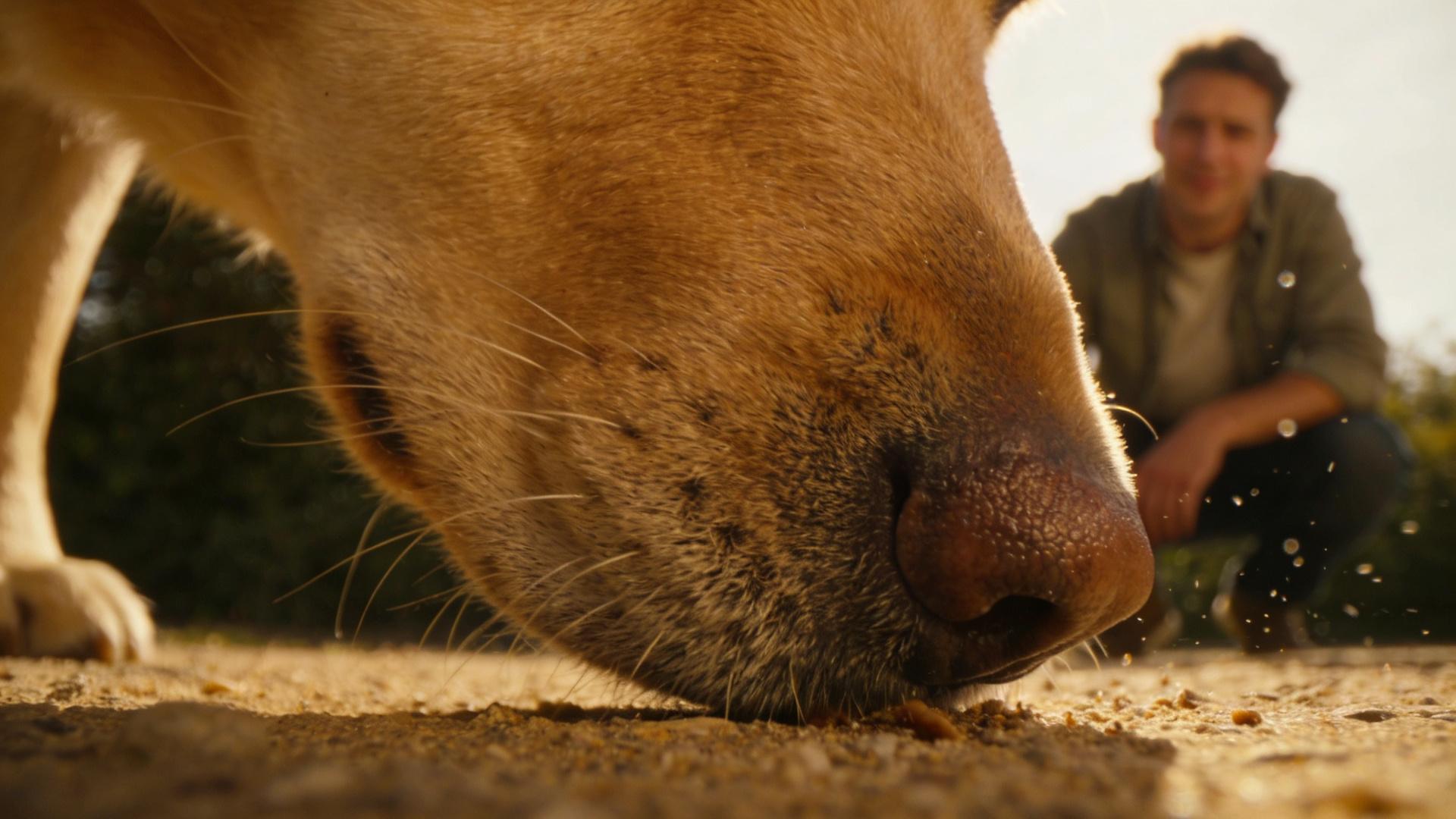
Smell and Confidence: Why do timid dogs need more smell training?
You see it every day. The lowered head, the tucked tail, the hesitant steps that seem to measure the safety of every inch of the living room. Your dog shrinks from visitors, startles at unfamiliar sounds, and seems to view the world as a minefield of potential threats. For these timid souls, life is lived in a constant state of low-grade alarm. But what if the key to unlocking their courage was right under their nose? A dog's primary window to the world is not their eyes, but their magnificent nose. Unlike the often overwhelming flood of visual and auditory information, scent is a sense they control, a language they are fluent in, and a pathway to calm. This article posits a powerful thesis: structured smell training is not just a game, but a transformative tool that can significantly reduce anxiety and build unshakeable confidence in shy dogs. We will explore the science behind this and provide a practical roadmap for you and your fearful companion.

Deciphering a dog's "reassurance signals": Is it licking its nose to beg for mercy?
You come home to a scene of minor chaos—a shredded pillow, garbage scattered across the floor. You find your dog, and they immediately avert their gaze, yawn, and give a quick, unmistakable lick of their nose. The conclusion seems obvious: “Look at that guilty face! He knows he did wrong and is begging for forgiveness.” This narrative feels instinctual to us, a story we’ve told ourselves for generations. But what if we’ve been reading the entire situation incorrectly?