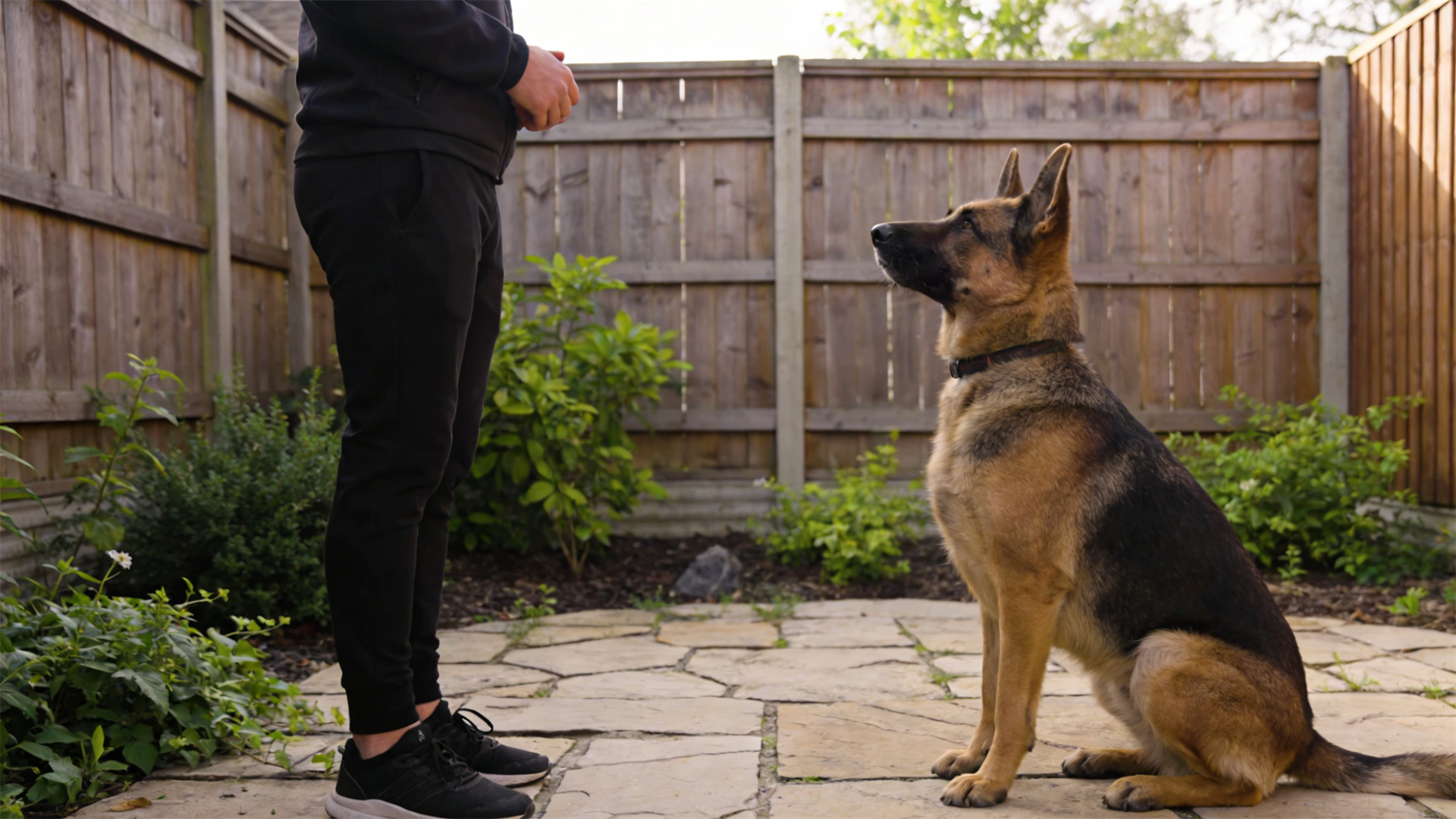
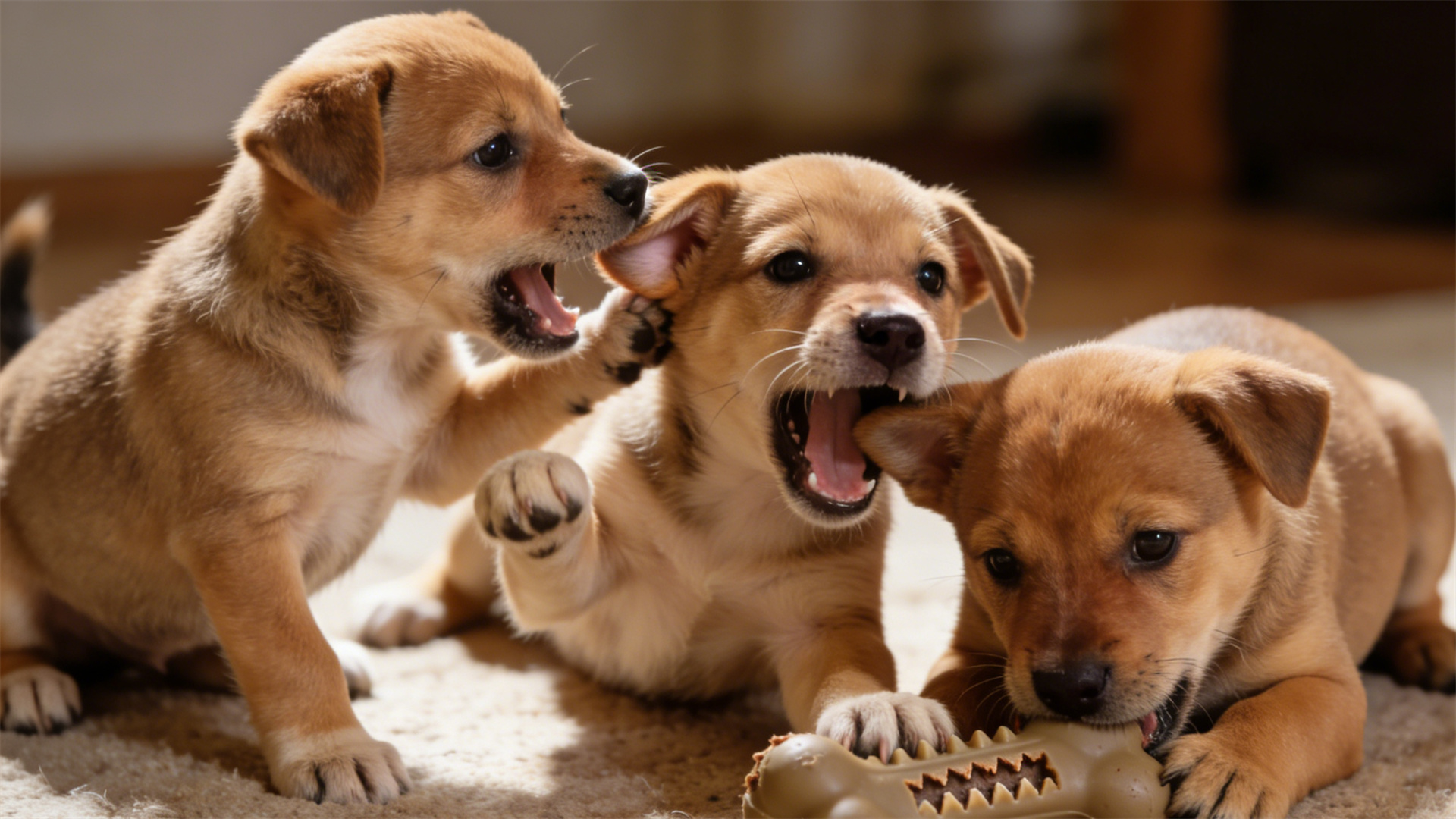
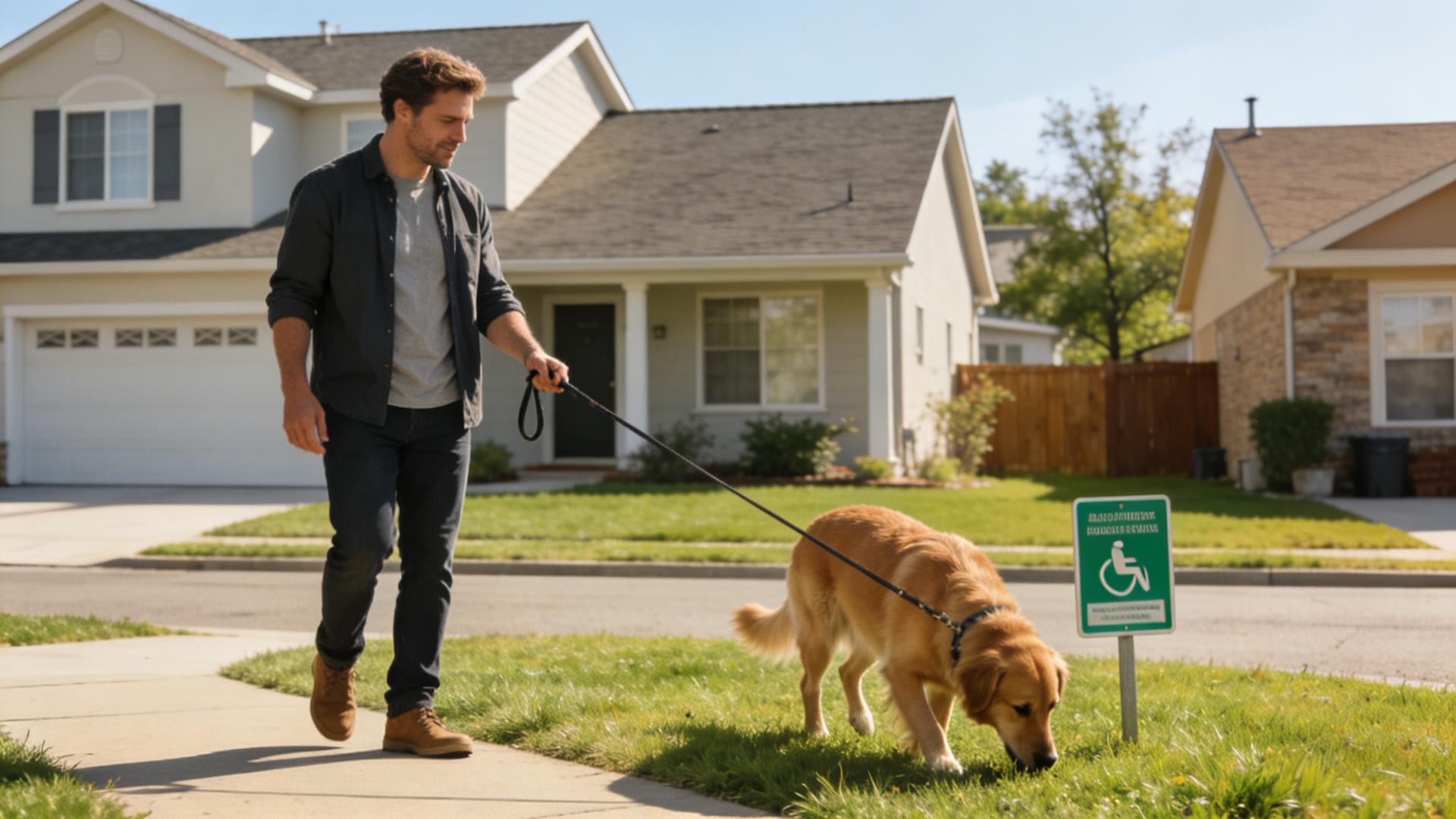
You see it every day. The lowered head, the tucked tail, the hesitant steps that seem to measure the safety of every inch of the living room. Your dog shrinks from visitors, startles at unfamiliar sounds, and seems to view the world as a minefield of potential threats. For these timid souls, life is lived in a constant state of low-grade alarm. But what if the key to unlocking their courage was right under their nose? A dog's primary window to the world is not their eyes, but their magnificent nose. Unlike the often overwhelming flood of visual and auditory information, scent is a sense they control, a language they are fluent in, and a pathway to calm. This article posits a powerful thesis: structured smell training is not just a game, but a transformative tool that can significantly reduce anxiety and build unshakeable confidence in shy dogs. We will explore the science behind this and provide a practical roadmap for you and your fearful companion.
🐾 Section One: The Canine Olfactory World: A Nose-Led Reality
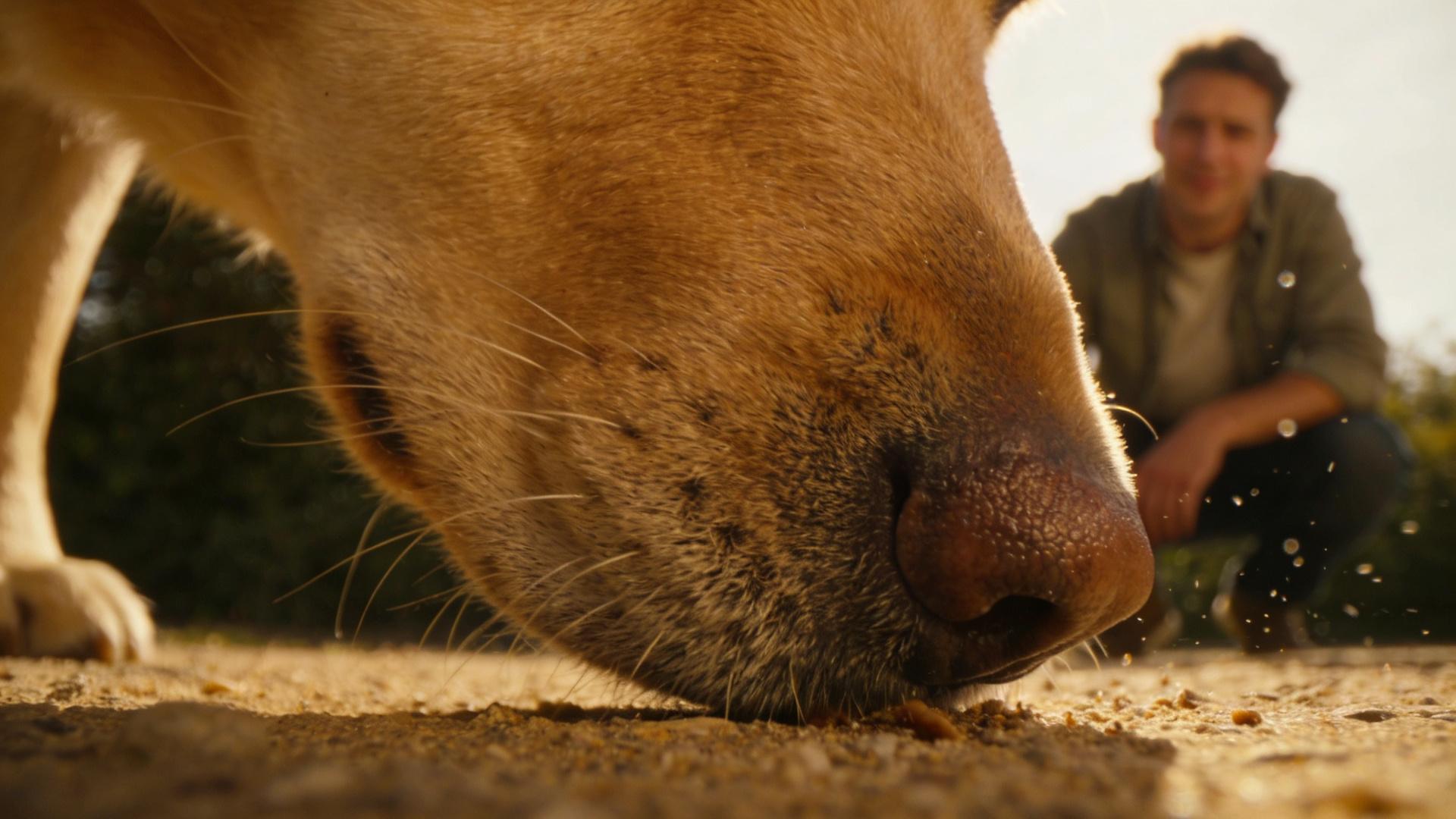
To understand why scent work is so potent, we must first step into the canine sensory experience. While humans are primarily visual creatures, dogs are olfactory beings. Their world is a rich, layered tapestry of smells that tells stories we cannot comprehend.
An Incredible Sensory Apparatus:
A dog's nose contains up to 300 million olfactory receptors, compared to our mere 6 million. The part of their brain devoted to analyzing smells is proportionally 40 times larger than ours. When your dog sniffs, they are not just detecting a scent. They are reading a complex chemical history—who was here, what they ate, their emotional state, and how long ago they passed by.
The Direct Brain Link: Smell to Emotion:
Critically, the olfactory bulb, which processes scent, has a direct neural pathway to the amygdala and hippocampus. These are the brain's primary centers for emotion, memory, and learning. This means a smell doesn't get "interpreted" intellectually first; it triggers an immediate emotional and memory-based response. For a dog, a familiar, positive scent can instantly induce a state of calm and focus, bypassing the fearful, reactive parts of the brain.
💓 Section Two: Understanding Canine Timidity: The Roots of Fear
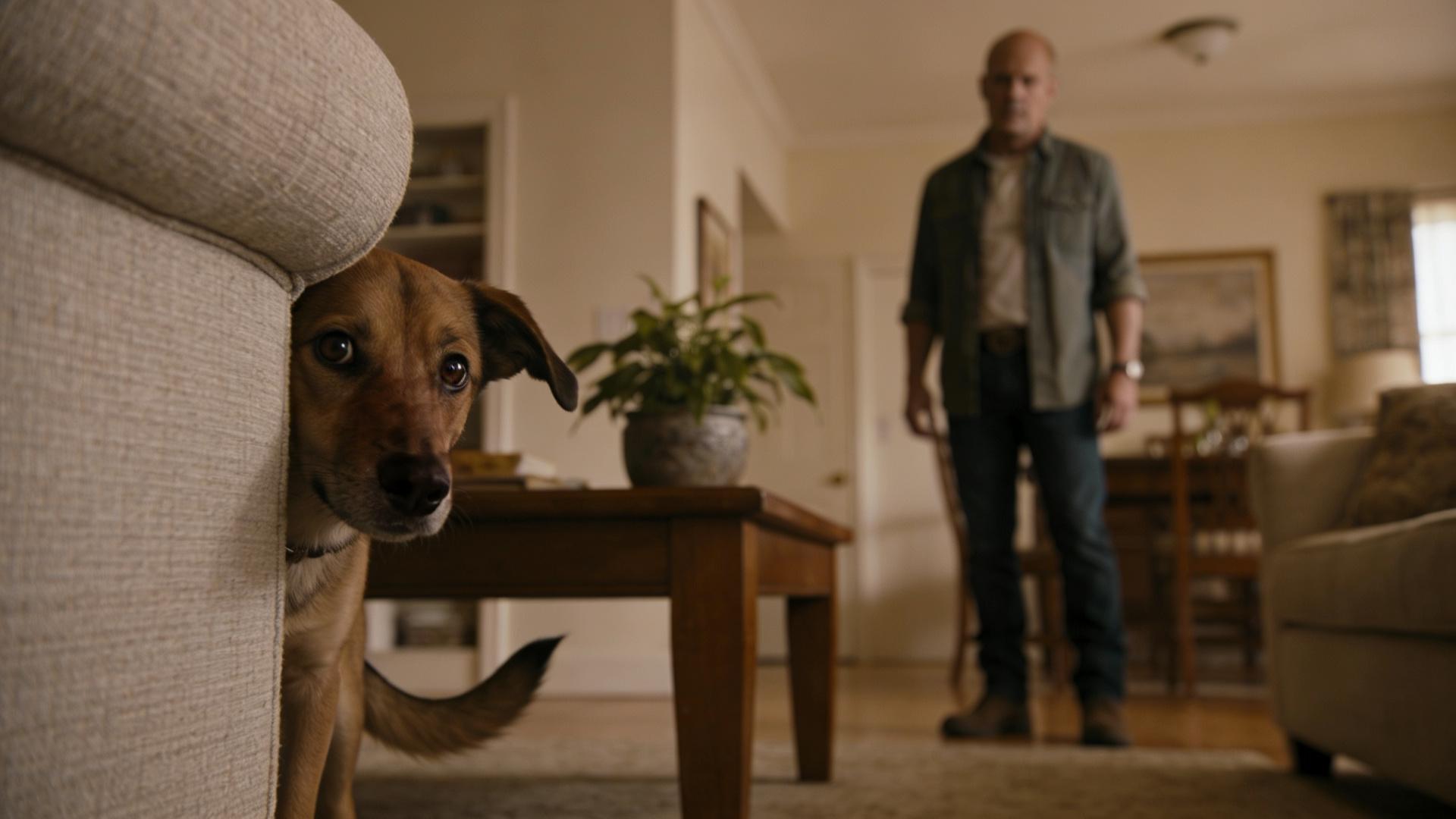
Timidity in dogs is not a choice or a personality flaw. It is a behavioral response rooted in fear, often stemming from genetics, lack of early socialization, or a past traumatic experience. A timid dog perceives the world as unpredictable and threatening.
Common Manifestations of Fear:
Behaviors can include avoidance (hiding, retreating), hyper-vigilance (constant scanning, inability to settle), and appeasement signals (licking lips, yawning, turning away). Their stress hormones, like cortisol, are often elevated. Traditional training that relies on pressure, loud commands, or forced socialization can overwhelm these dogs, reinforcing their belief that the world is unsafe. The goal is not to "correct" the fear, but to change the underlying emotional response.
⚙️ Section Three: The Confidence Mechanism of Scent Work
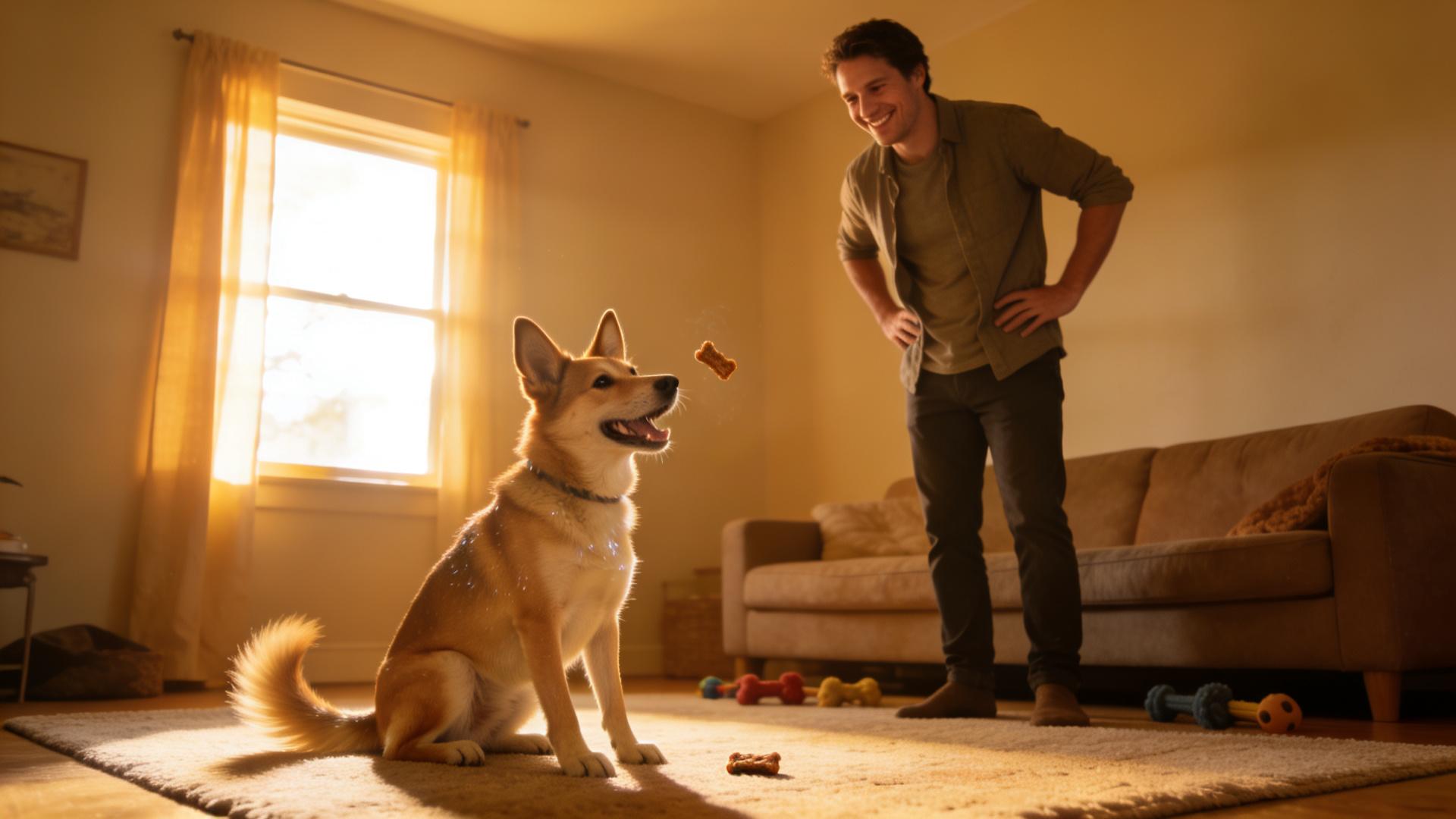
So, how does the simple act of sniffing translate into dog confidence building? Scent work operates on multiple psychological and physiological levels to rewire a fearful dog's experience.
Mental Stimulation Overload:
Canine nose work is an intense cognitive workout. It requires focus, problem-solving, and decision-making. This deep mental engagement acts like a "brain sponge," soaking up the dog's anxious mental energy and redirecting it into a productive, satisfying task. It literally leaves less bandwidth for worry.
Predictable Success and Agency:
Unlike unpredictable social interactions, a well-set-up scent work for dogs game has a clear, achievable goal: find the smell, get a reward. The dog controls the pace and the outcome. Each successful find is a tiny, powerful victory. Think of it like mastering a puzzle for a human. That repeated experience of "I can do this!" is the bedrock of building confidence in dogs.
Lowering the Physiological Stress Response:
The focused, rhythmic act of sniffing has been observed to lower a dog's heart rate and respiration. It encourages calm, systematic exploration instead of frantic, reactive behavior. This state of focused calm is incompatible with panic, teaching the dog's body a new, healthier way to respond to the environment.
🏁 Section Four: Implementing Smell Training for the Timid Dog
Ready to begin? The mantra for shy dog training via scent is: low pressure, high reward, tiny steps. Always work below your dog's fear threshold.
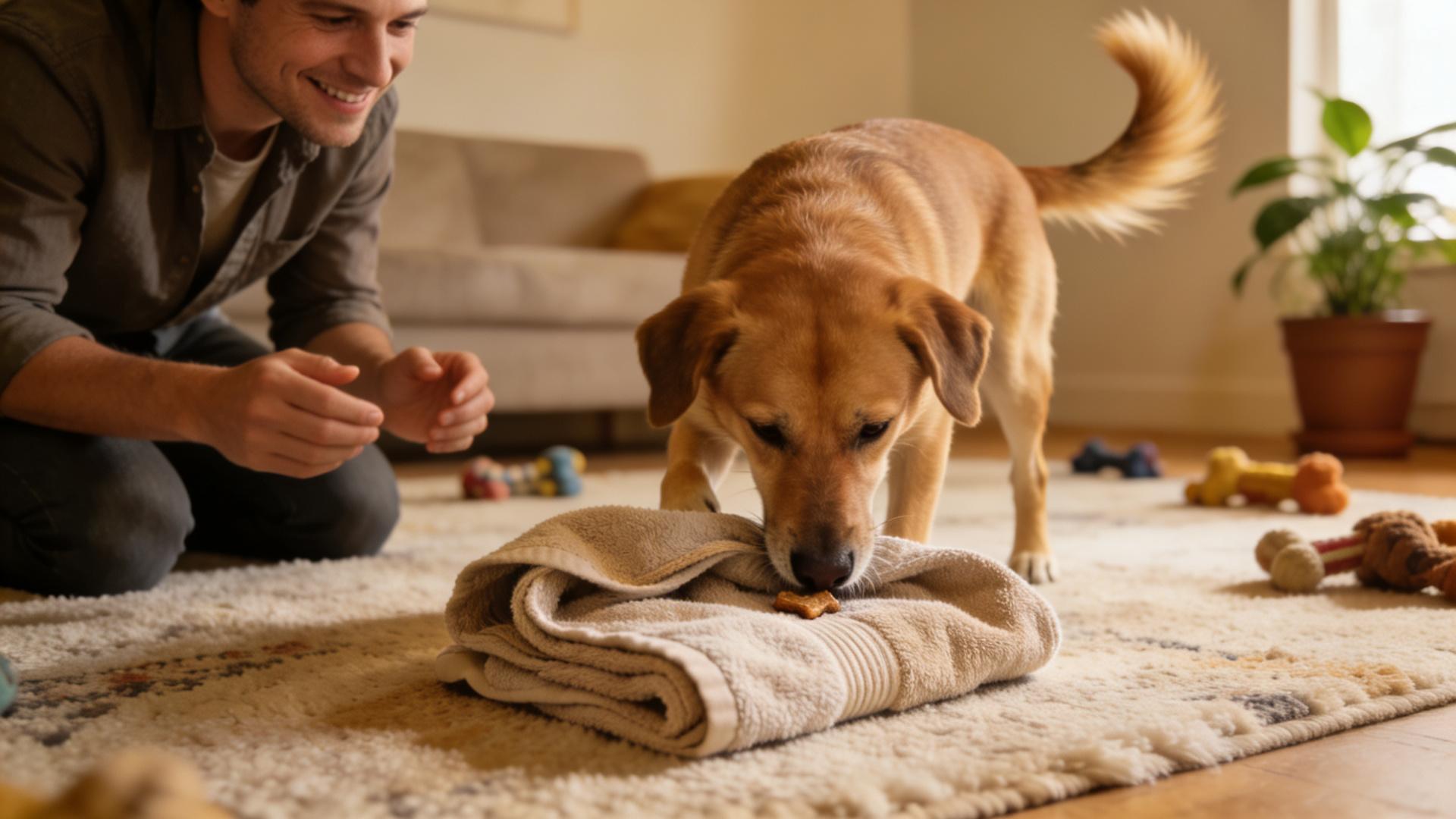
Stage 1: Foundation at Home (The Towel Fold):
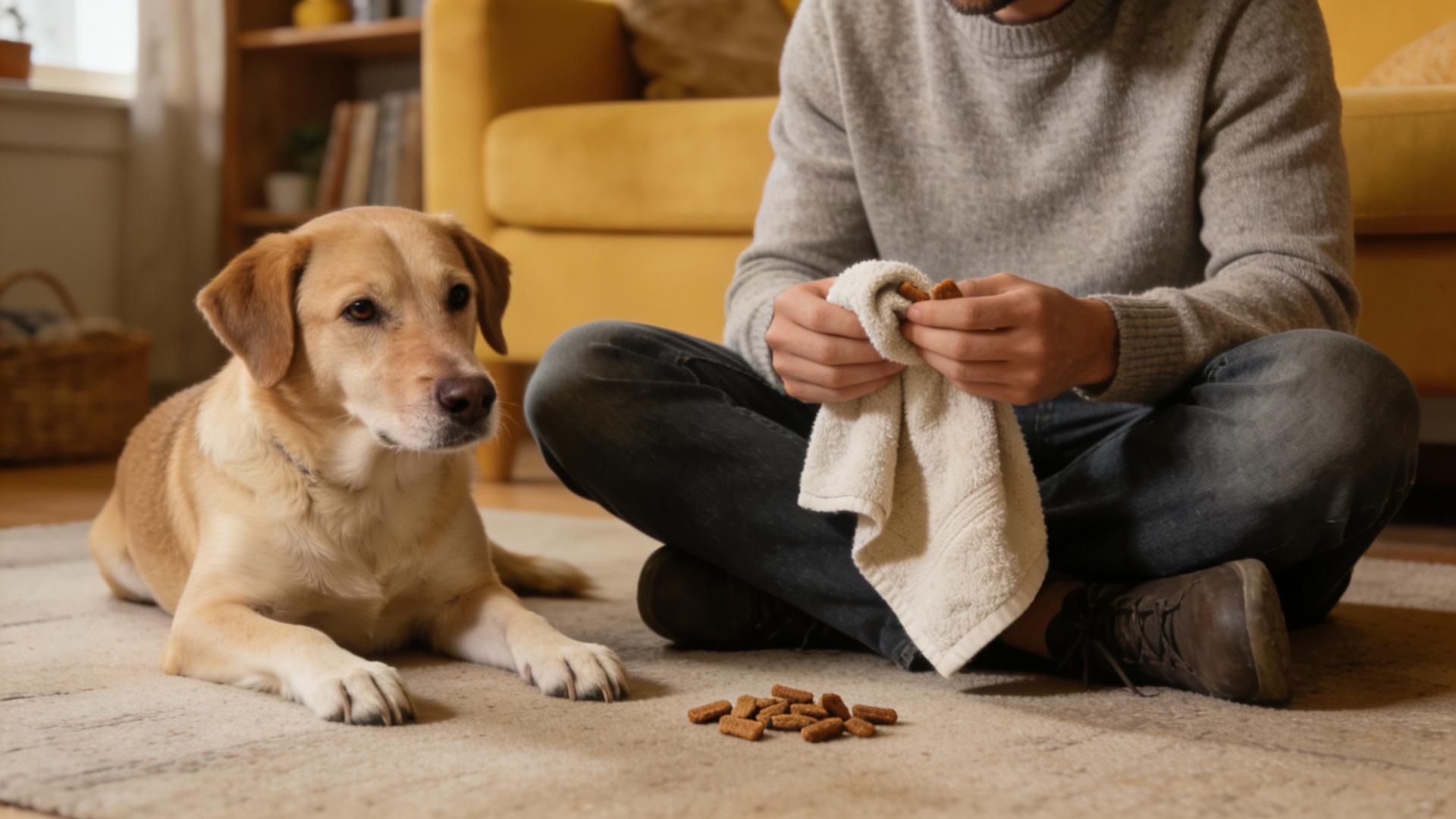
Start in a boring room. Let your dog watch you place a high-value treat inside a small towel, then loosely roll or fold it. Use a cue like "Find it!" in a cheerful voice. Let them unravel it. This simple smell game for anxious dogs teaches the core concept: search with your nose, discover goodness.
Stage 2: Introducing the Target Scent (Box Search):
Once they understand searching for food, introduce a neutral target scent (like a cotton swab in a perforated container). Pair it heavily with treats. Then, hide this scented container among 3-5 identical, empty cardboard boxes. Encourage exploration. The moment they sniff the correct box, mark with a "Yes!" and shower with treats. This is the essence of structured canine olfactory enrichment.
Stage 3: Increasing Complexity:
Slowly increase difficulty: different rooms, more boxes, slightly more challenging hides (e.g., on a chair leg). Keep sessions short (3-5 minutes) and always end on a success. This progressive dog confidence building exercise ensures steady growth without frustration.
📈 Section Five: Anticipated Outcomes and Milestones
As you consistently engage in nose work, observe these positive shifts. They are your roadmap to success.
Early Signs (Weeks 1-2):
Increased curiosity during sessions. Faster "finding" in familiar setups. A more relaxed body posture (softer eyes, looser tail wag) when the search boxes come out.
Developing Confidence (Weeks 3-6):
Your dog may initiate the game by nudging the training supplies. You might see improved recovery from minor household startles. The focused "searching" mindset begins to generalize slightly.
Generalization of Skills (Months 2+):
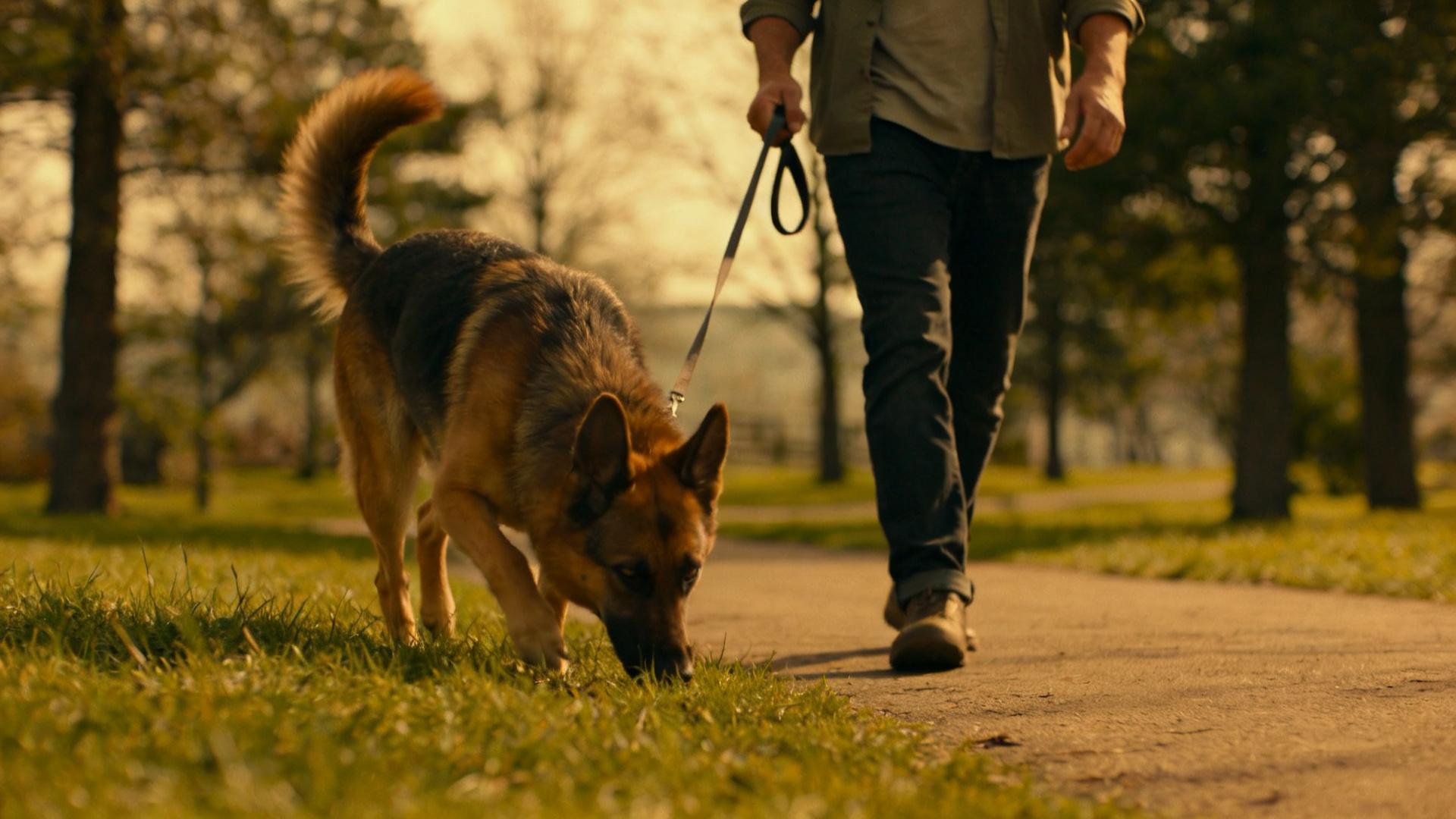
This is the golden outcome. You may notice a timid dog showing increased environmental confidence on walks, as they choose to "sniff and explore" rather than "scan and retreat." Social interactions may improve as they learn to approach new things with a investigative nose-first attitude, rather than fear.
Your Scent Journey Starts Now: A Call to Action
The path from fear to confidence is paved with tiny, triumphant sniffs. You do not need special equipment or a perfect dog—just a towel, some treats, and patience. Begin the towel fold exercise today. Observe the spark of focus in your dog's eyes. Celebrate every small find.