If the thought of crate training for puppies fills you with images of a sad, whining pup, you're not alone. Many new owners struggle with guilt, viewing the crate as a cage or a punishment. But what if we told you that, done correctly, your puppy's crate could become its most cherished sanctuary—a personal safe house where it feels completely secure and content? The key lies not in confinement, but in positive association. This guide will walk you through a compassionate, step-by-step process to transform that empty crate into your puppy's favorite nap spot and cozy den, alleviating your anxiety and building your dog's confidence.
🏡 The Philosophy of the Safe House: It’s All About Instinct & Trust
Before we place a single treat, let's shift our mindset. Dogs are den animals by nature. In the wild, a den provides safety, security, and a place to rest undisturbed. A properly introduced dog crate taps directly into this instinct. Success in puppy crate training is measured not by how long your dog can stay quiet in the crate, but by how willingly it chooses to go inside. We are building a safe space for puppy, not a prison.
Gathering Your Supplies: Setting the Stage for Success
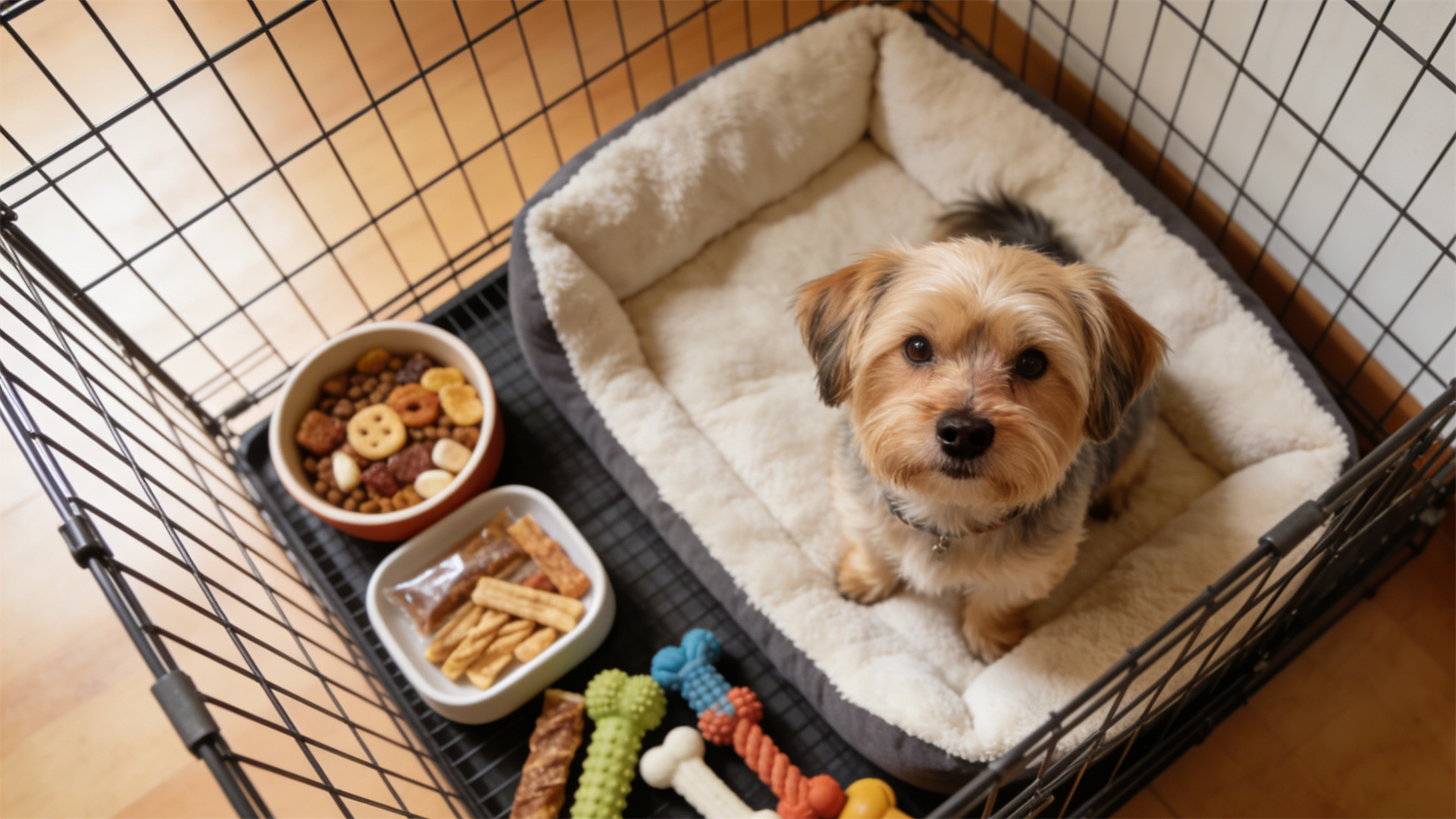
Preparation is crucial. Here’s what you’ll need: 1. The Right Crate: Choose a size that allows your puppy to stand up, turn around, and lie down comfortably—but not so large that it can designate one area for a bathroom. A divider panel for wire crates is invaluable for growing pups. 2. Comfort Items: A soft, washable bed or blanket. An item that smells like you (an old t-shirt) can be incredibly soothing. 3. High-Value Rewards: Special treats reserved only for crate interactions. 4. Engaging Toys: Chew toys or food-stuffed puzzles (like a Kong) that provide long-lasting entertainment. **Placement Tip:** Initially, place the crate in a quiet yet socially relevant area, like the corner of your living room. Your puppy shouldn't feel isolated, but shouldn't be in the middle of household traffic either.
🔑 Foundation Building: Making Friends with the Open Crate
This phase is about creating curiosity and positive associations without any pressure. The door stays completely open or removed.
Step-by-Step Introductions
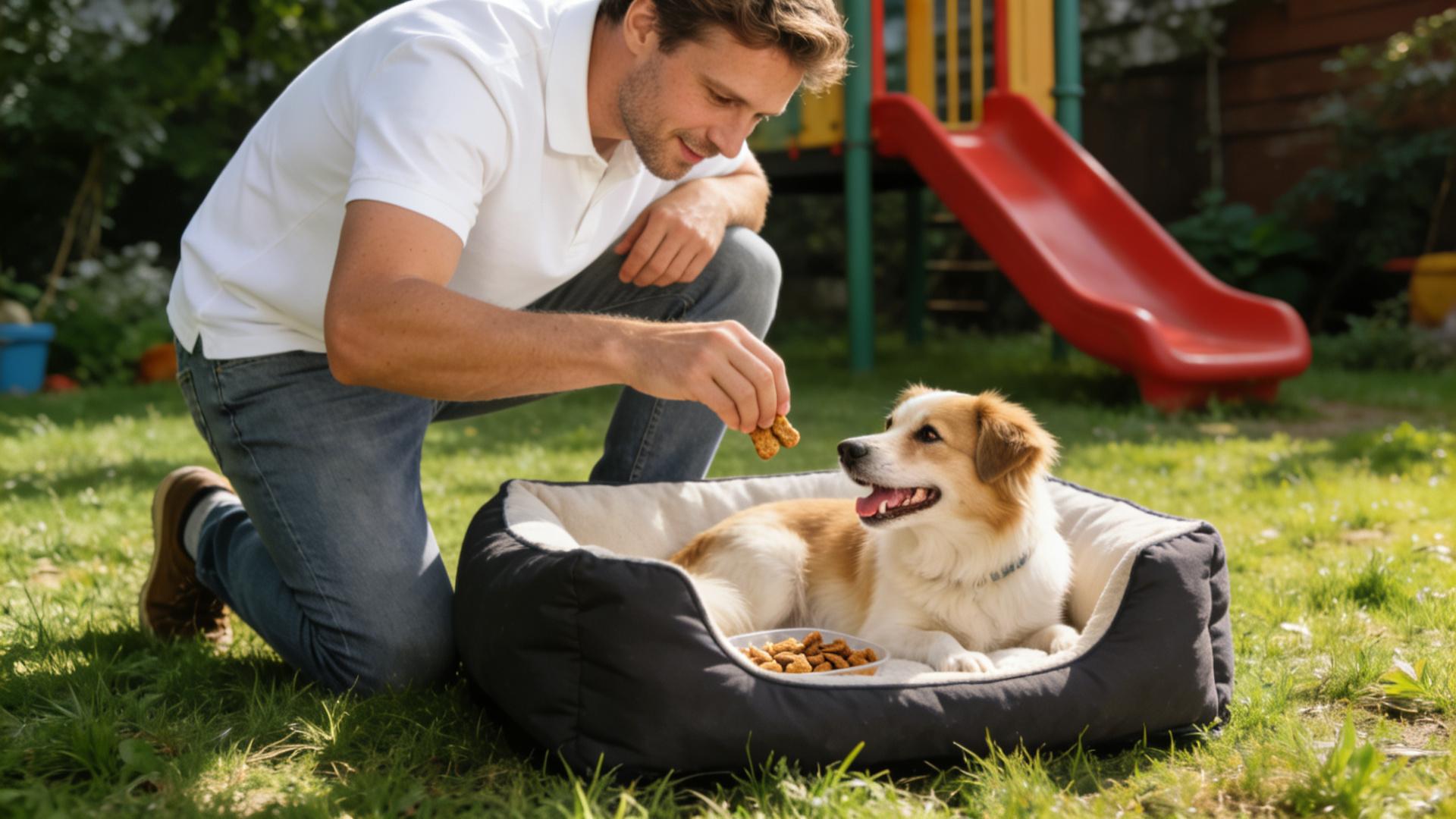
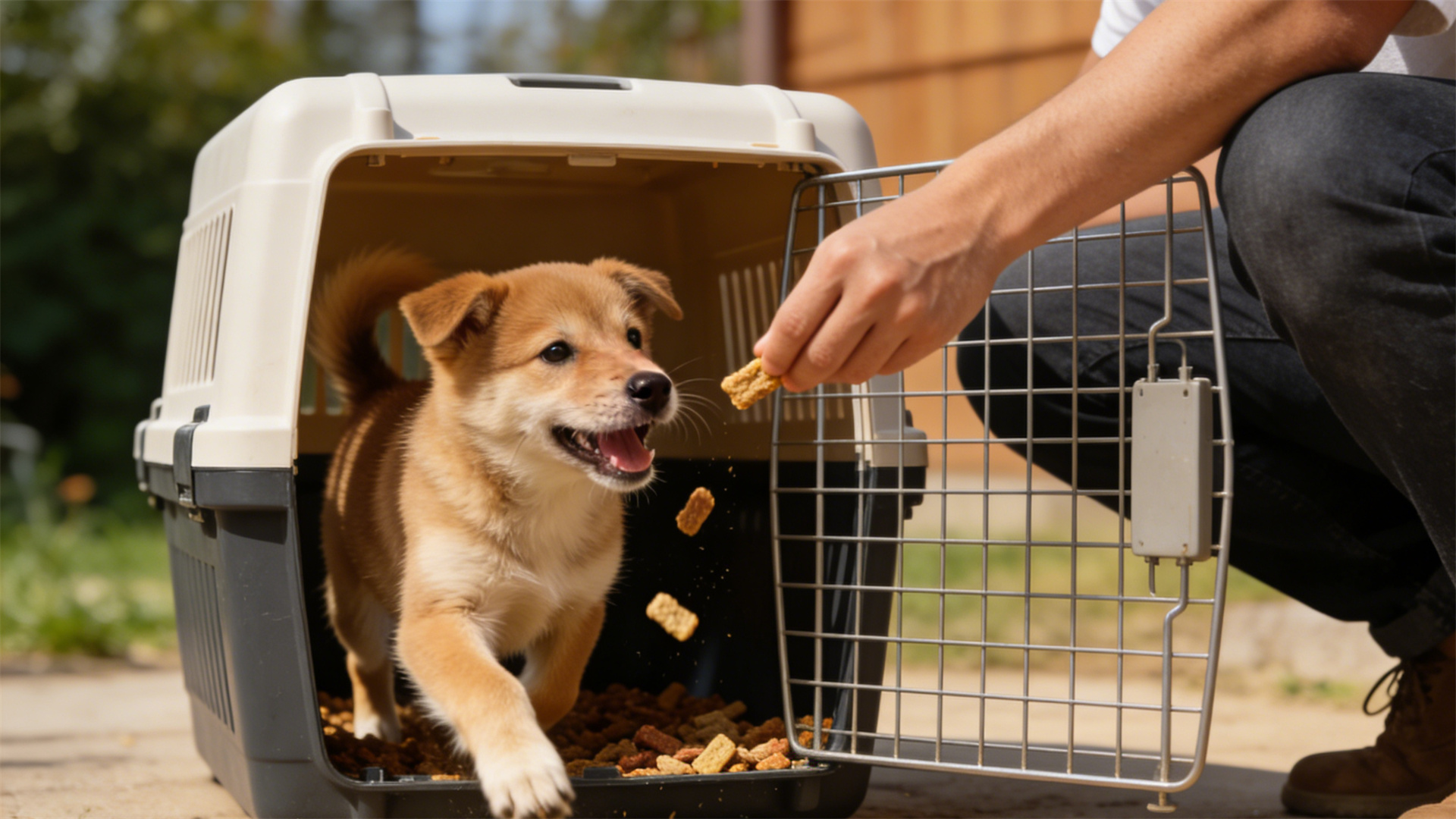
- Treat Scattering: Toss delicious treats near the crate, then just inside the door, and finally all the way to the back. Let your puppy go in and out freely. - Mealtime Magic: Feed your puppy its regular meals at the crate entrance. With each meal, place the bowl a little further inside. If the pup is comfortable, soon you'll be placing the bowl all the way in the back. - Verbal Cue: As your puppy enters, use a cheerful, consistent phrase like "Go to your house!" or "Kennel up!" This links the action with a positive command.
The goal here is simple: the crate predicts good things. No door closing, no fuss.
✨ Making the Crate Irresistible: The Power of "Crate-Only" Goodies
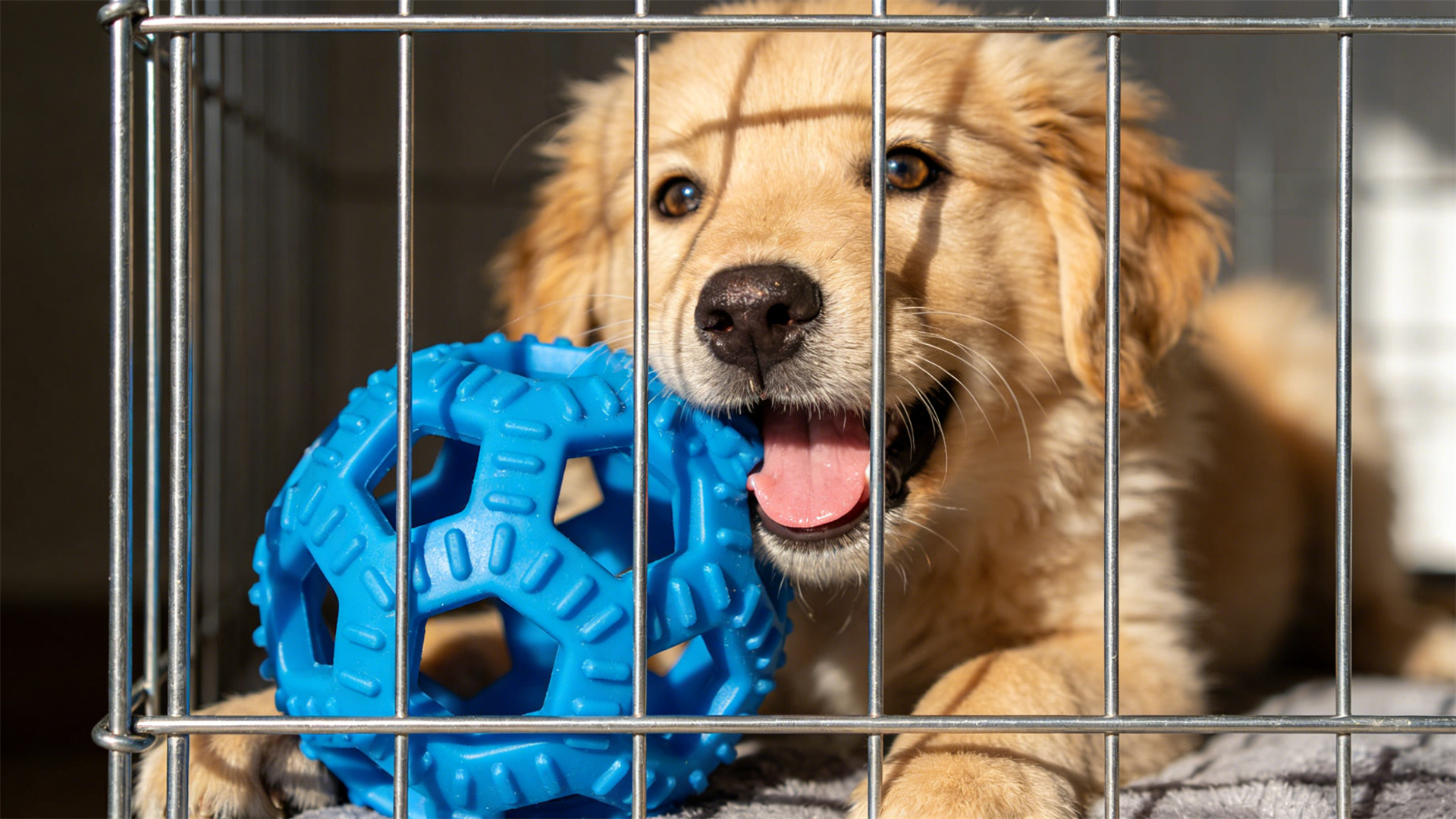
To make this safe house crate truly special, you need to leverage exclusivity. Designate certain ultra-tempting treats and toys that your puppy only gets inside the crate. This could be a Kong stuffed with a mix of kibble, peanut butter (xylitol-free), and frozen banana, or a special chew it adores.
Building Duration with the Door Open
Once your pup is happily running in for treats, encourage it to stay. Give it the "crate-only" toy, sit nearby, and let it enjoy. Calm praise is key here—excessive, excited praise might make it come running out. You want to reinforce calm behavior. Start with just a few minutes of relaxed chewing or napping with the door wide open.
🚪 Introducing the Door and Short Confinements
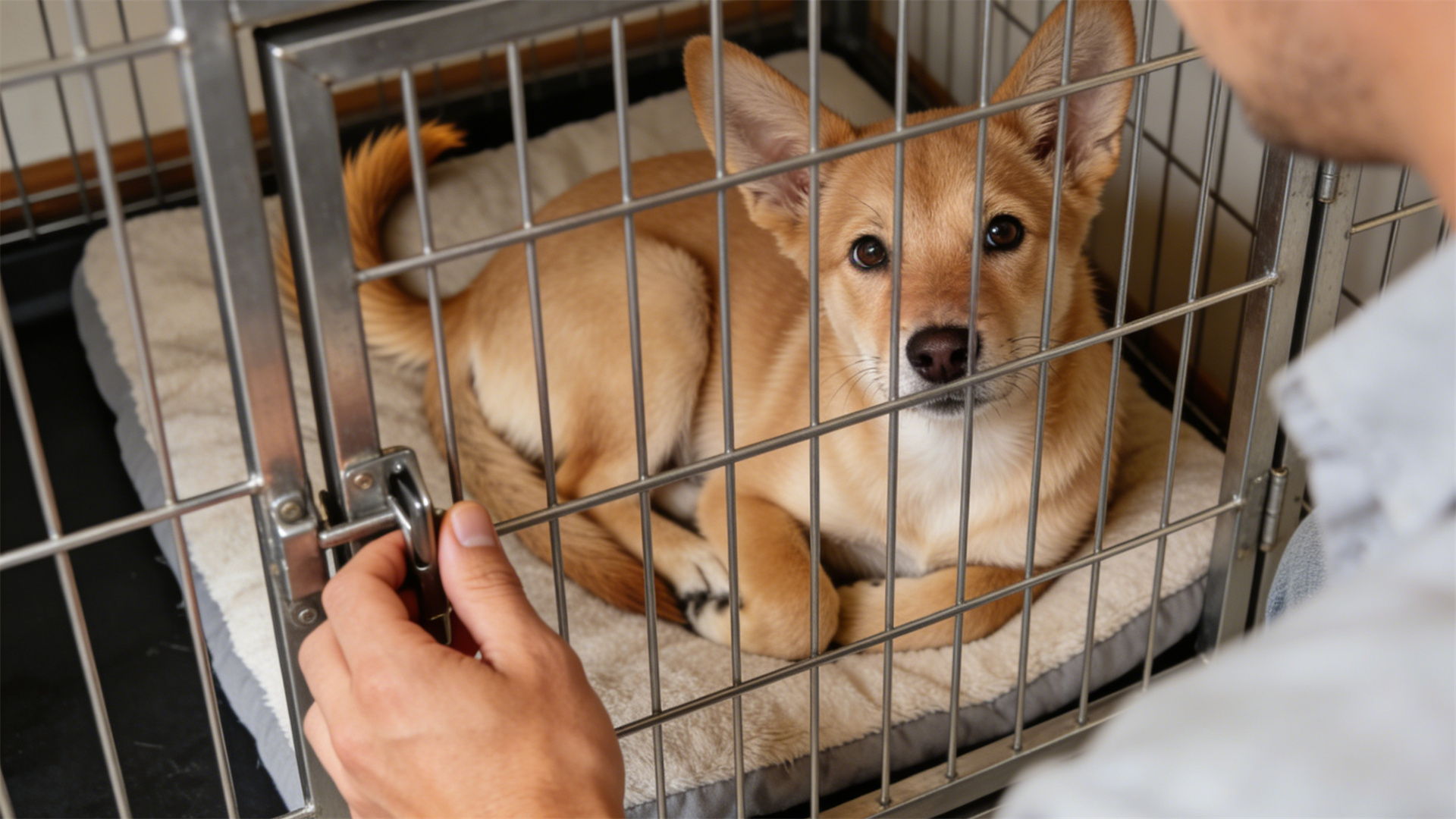
This is the most critical phase of dog crate training. The rule is: **Progress must be slower than you think.** Rushing creates setbacks.
1. The First Close: Wait until your puppy is happily settled inside with a chew. Calmly close the door, immediately slide a high-value treat through the wires, then open the door. The closure lasts one second. Repeat this many times over different sessions. 2. Increasing Seconds: Gradually increase the time the door is closed. Close, treat, wait 3 seconds, treat, open. Close, treat, wait 5 seconds, treat, open. Build up to 30 seconds, then a minute, while continuously rewarding calm behavior. 3. The Golden Rule: Always release your puppy before it whines or fusses. You want it to learn that quiet behavior, not complaining, makes the door open. 4. Incorporating Real Use: Start using the crate for nap times (puppies need 18-20 hours of sleep!) and brief periods of quiet time while you are home. This prevents the crate from becoming solely a "you're leaving" signal.
⚠️ Troubleshooting Common Setbacks: Whining, Barking & Accidents
Even with perfect steps, hiccups happen. Here’s how to navigate them.
Decoding the Whine
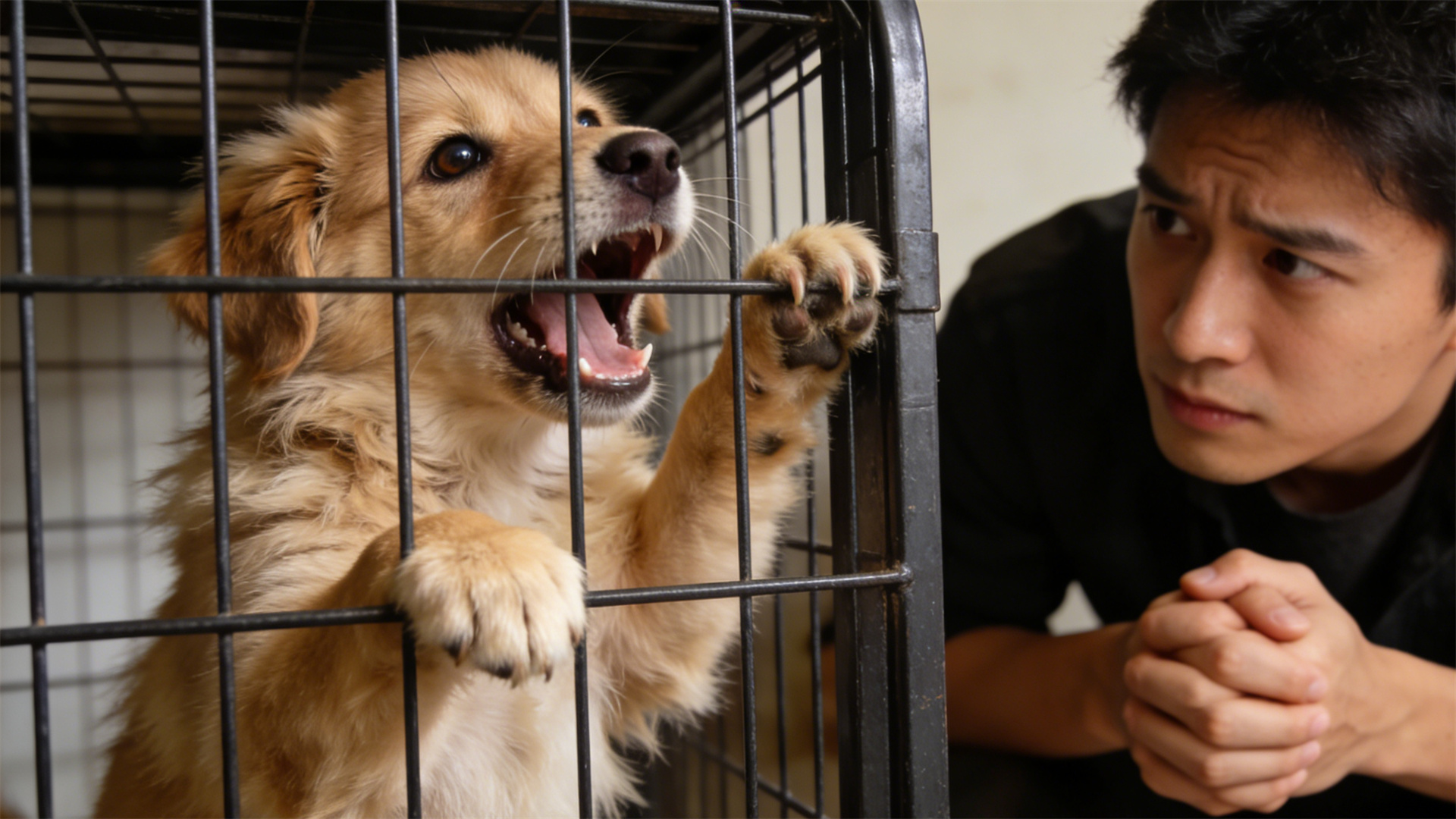
- Protest Whining: This is often demand-based. If you're sure your puppy doesn't need to eliminate, ignore it completely. The instant the whining stops, even for a breath, praise and release. This teaches that silence is rewarded. - Distress Whining/Crying: This is panicked, constant, and may involve pacing. This means you've moved too fast. Go back a few steps in training to rebuild positive feelings. Never let a puppy "cry it out" from genuine distress.
**Special Reminder:** NEVER use the crate as punishment. It must remain a safe haven, not a time-out corner. If you're dealing with challenges like puppy chewing or house training, address those separately. For more on canine den instincts, consider this reputable external resource.
Accidents in the Crate
This usually indicates the crate is too large, the puppy was left in too long for its bladder capacity, or it may have a medical issue. Re-evaluate crate size with a divider, ensure you're following an appropriate crate training schedule for its age, and consult your vet if it persists.
🎉 Conclusion: From Fear to Favorite Safe House
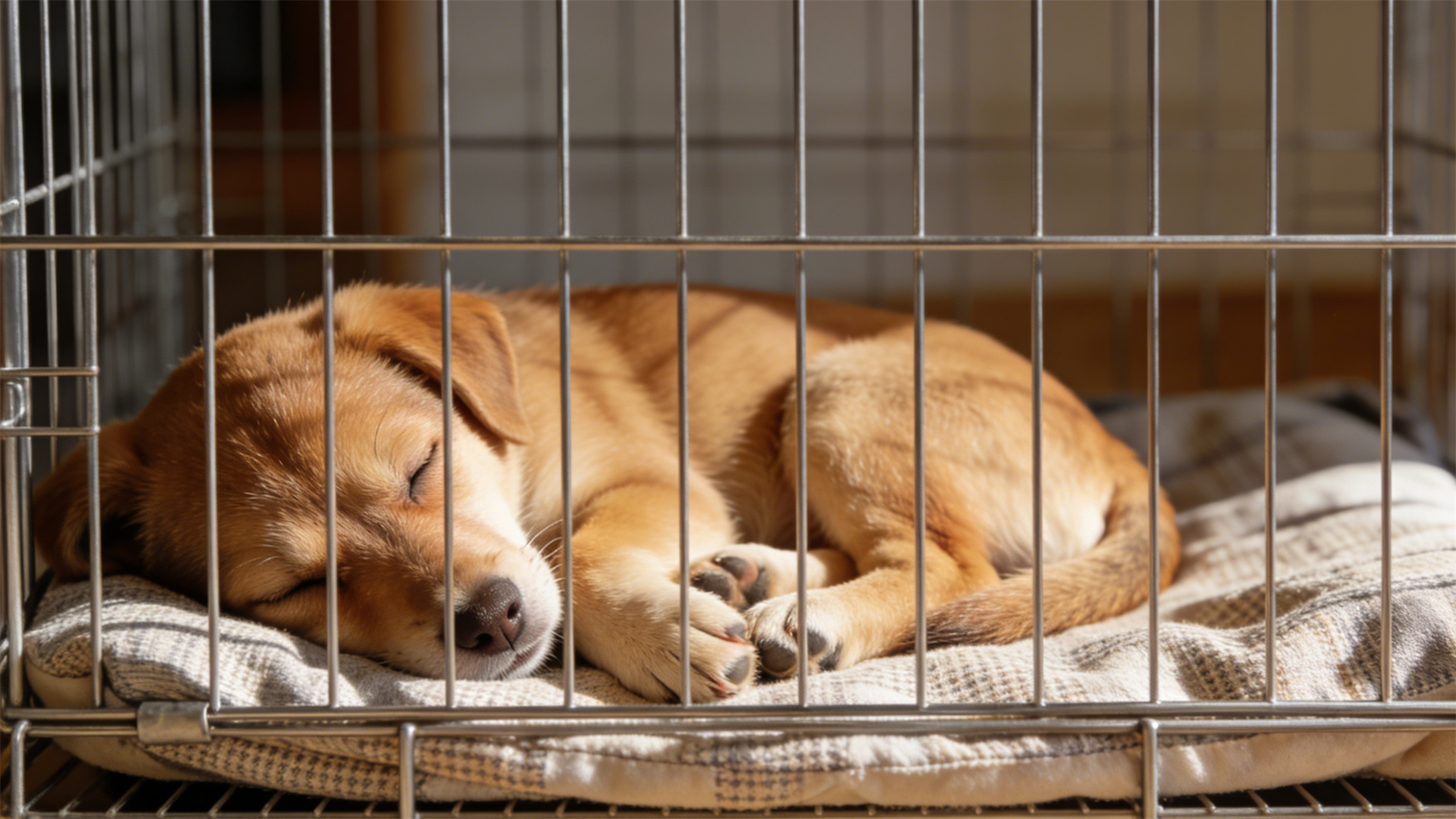
The journey of crate training for puppies is a profound exercise in building trust. By consistently pairing the dog crate with everything your puppy loves—food, toys, safety, and calm praise—you are not just teaching it to tolerate confinement; you are gifting it a lifelong safe space for puppyhood and beyond. Patience and consistency are your most valuable tools. One day soon, you'll glance over and see your pup voluntarily curled up in its crate, sighing contentedly in its personal safe house. That is the ultimate sign of success.