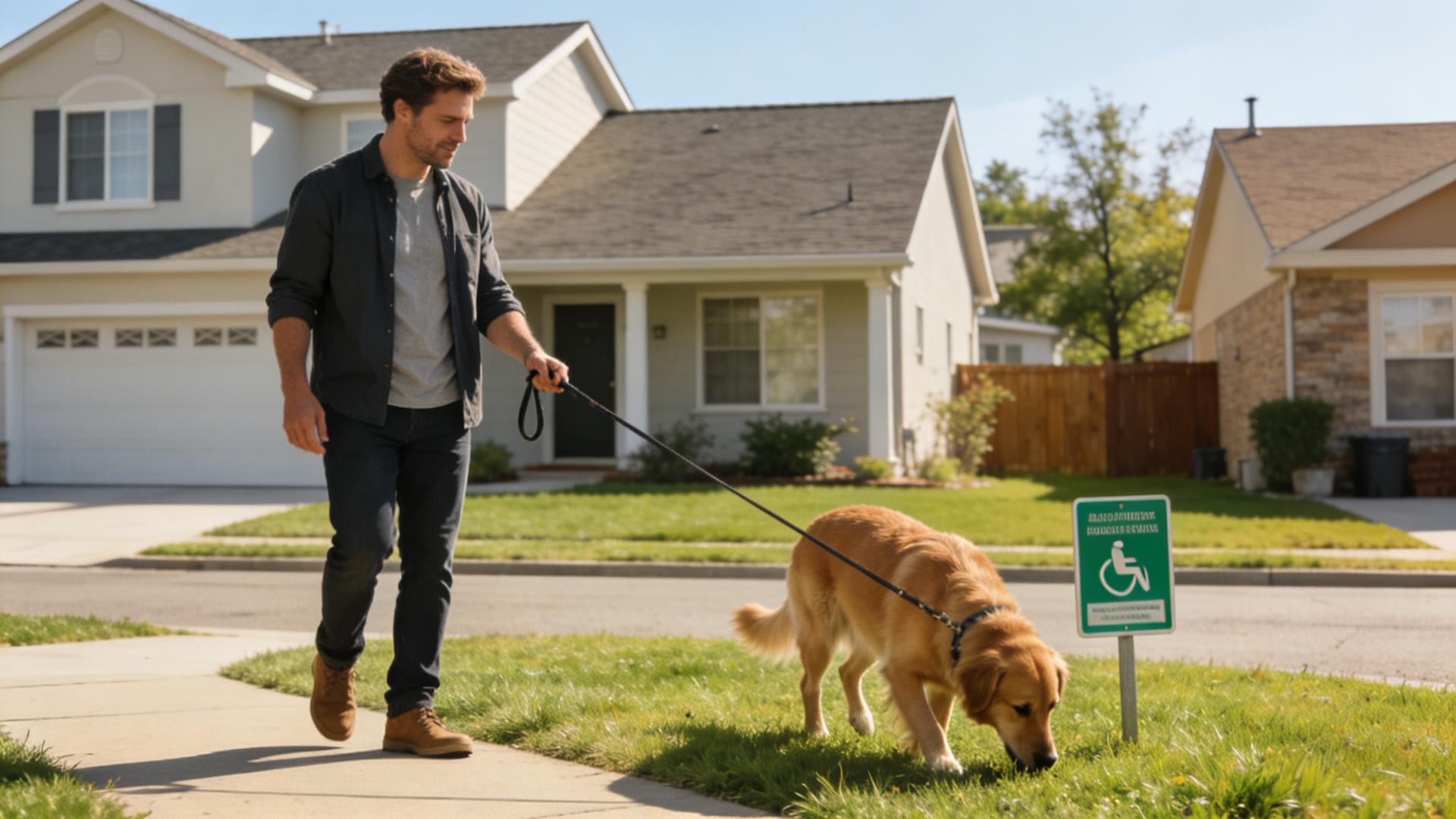
Imagine your dog, joyfully bounding through a field, yet still responding instantly to your recall command. This isn't a distant dream—it's the powerful reality of long rope dog training. For countless dog owners and trainers, the leap from on-leash obedience to reliable off-leash freedom feels like a perilous cliff. The long line, or long rope, is your essential safety bridge. This comprehensive guide will walk you through transforming any secure space into a dynamic classroom for semi-free dog training, where controlled freedom builds unshakeable trust and flawless response.
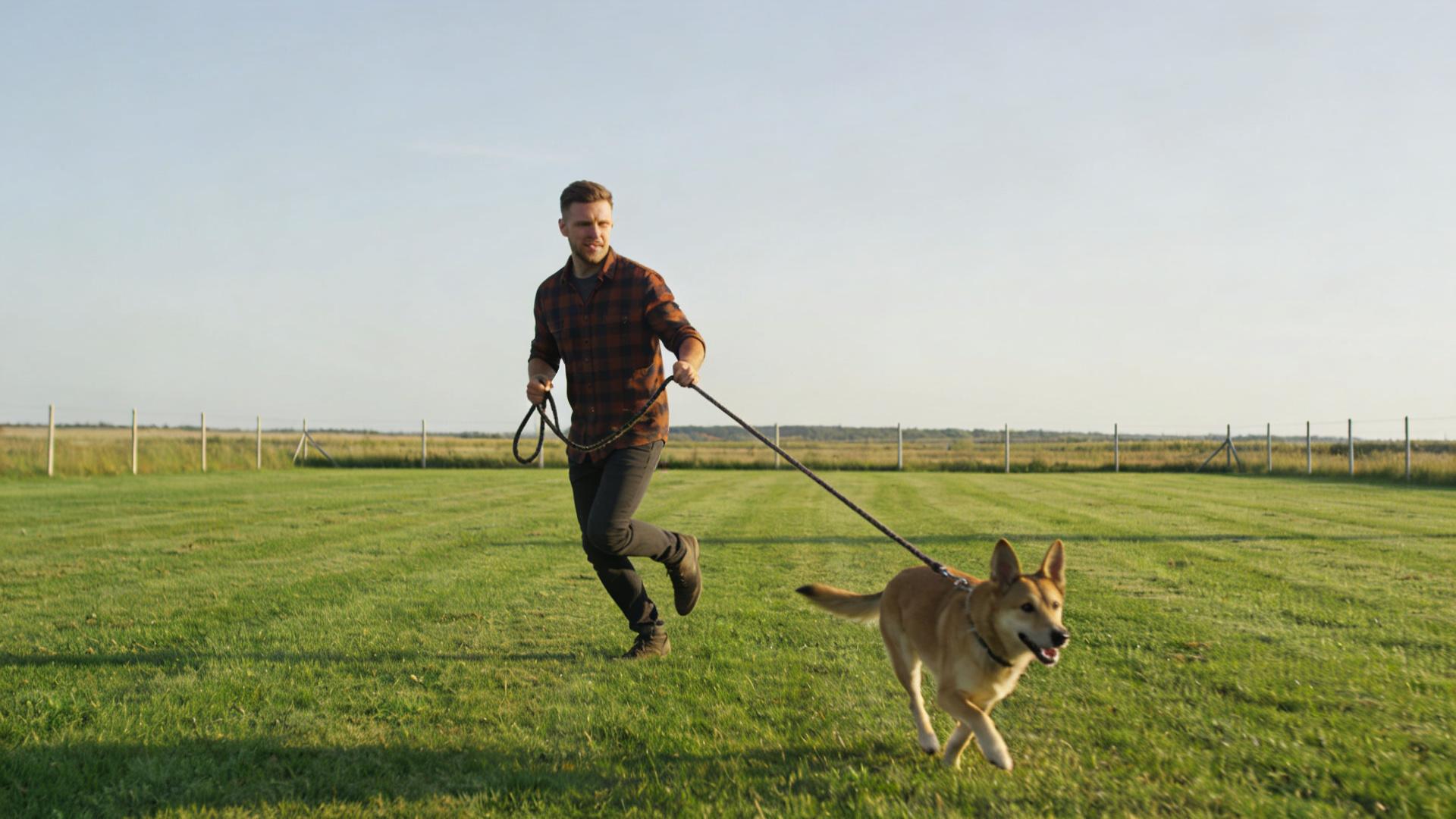
🐾 Why Long Rope Training? The Philosophy of Controlled Freedom
The core of long line dog training is granting choices within boundaries. Unlike a short 6-foot leash, a long rope (typically 15-50 feet) gives your dog the sensory and physical experience of relative freedom. They can sniff, explore, and run. However, it simultaneously provides you with a gentle, physical means of communication and a failsafe to prevent and manage mistakes. This method is the critical intermediate stage that most dogs need to generalize commands at a distance before true off-leash privileges are earned.
Key Benefits of This Method
Enhanced Reliability: Dogs learn to obey commands despite distractions and distance, not just when they're at your heel.
Safety First: It’s the ultimate tool for safe area dog training, allowing practice in parks, fields, or large backyards without risk of bolting.
Builds Confidence: Both handler and dog gain confidence. You learn to read your dog's body language at a distance, and your dog learns the boundaries of their new freedom.
Proofs Critical Skills: It is exceptionally effective for long line recall training, "leave it," and emergency stops.
🛠️ Gearing Up: Choosing Your Tools for Success
Not all long lines are created equal. Your equipment choice directly impacts safety and effectiveness.
The Long Line: Your Primary Tool
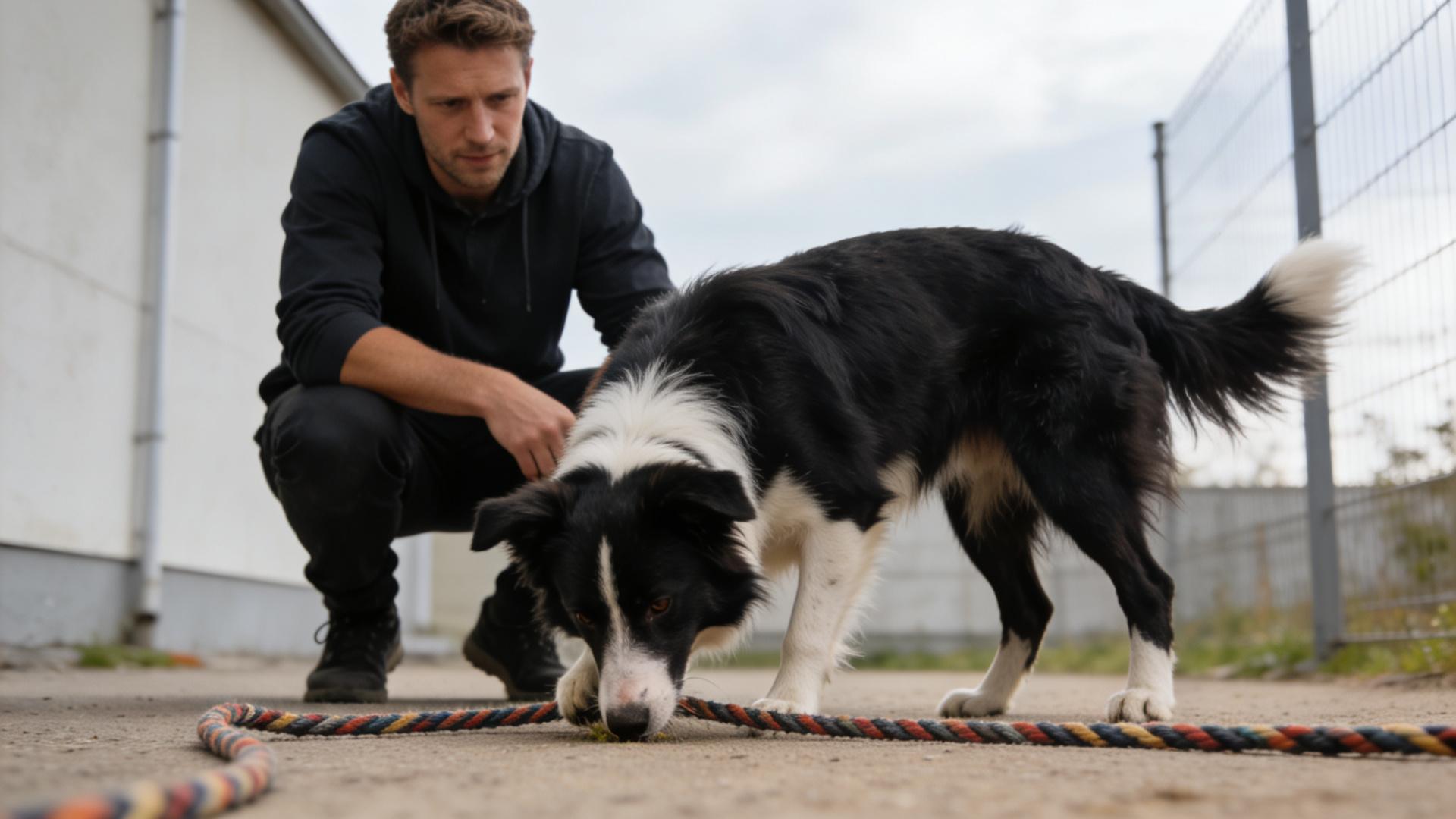
Opt for a biothane or nylon long line (10m/30ft is a versatile starting length). These materials are easy to grip, don't absorb water, and are gentle on your hands. Critical Avoidance: Steer clear of retractable leashes. They teach constant pressure, can snap, cause severe friction burns, and do not allow for clean, deliberate communication. This is a key distinction in the long line vs retractable leash debate.
Essential Accessories
A Well-Fitted Harness: Always attach the long line to a back-clip harness, never a flat collar. This prevents neck injury if the dog hits the end of the line.
Gloves: Cycling or gardening gloves protect your hands from rope burn.
Treat Pouch: Keep high-value rewards instantly accessible for marking and reinforcing desired behavior.
📍 Step One: Establishing Your Secure Dog Training Area
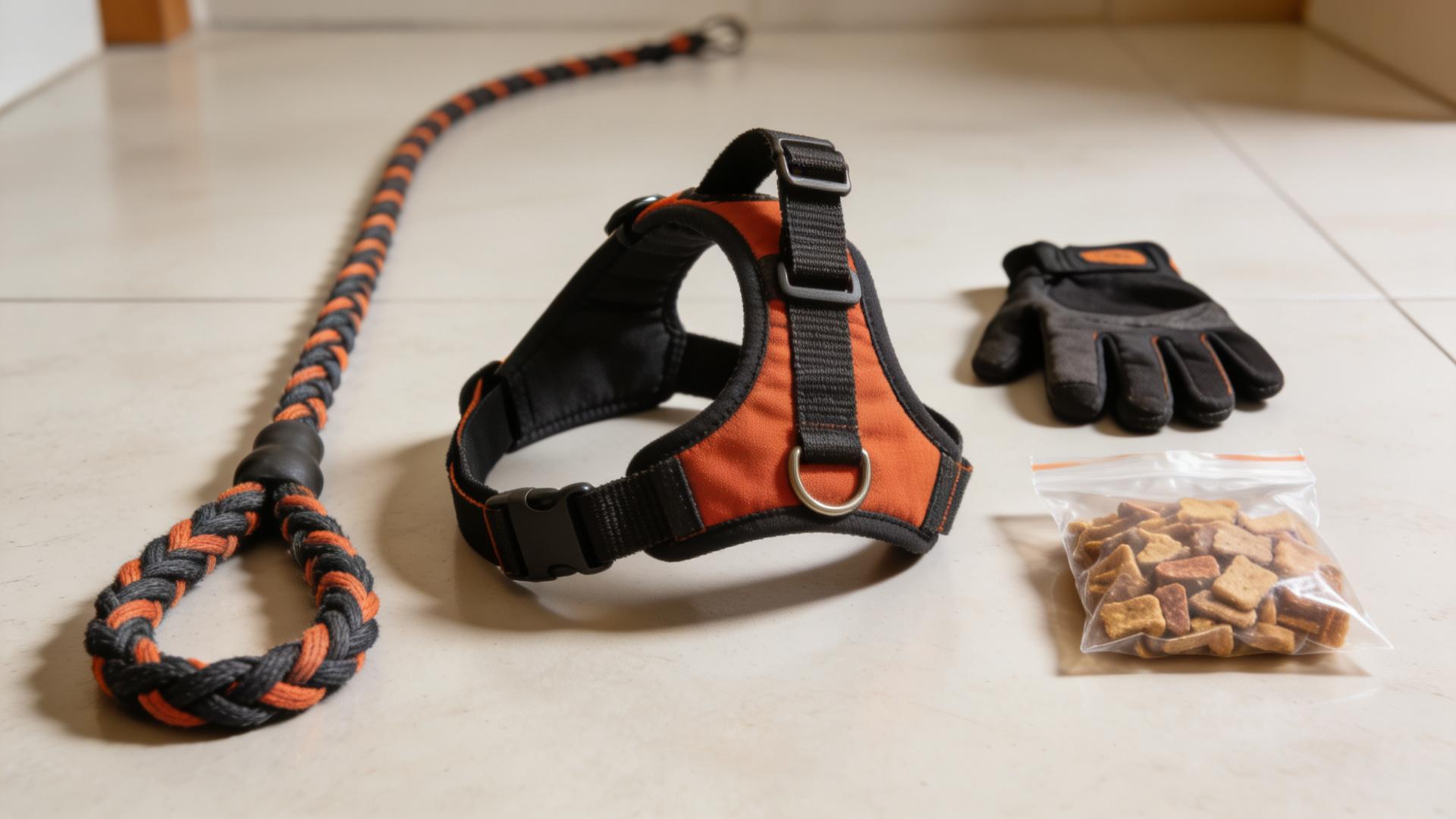
Safe off leash training begins long before you unclip the short leash. The environment is your first concern.
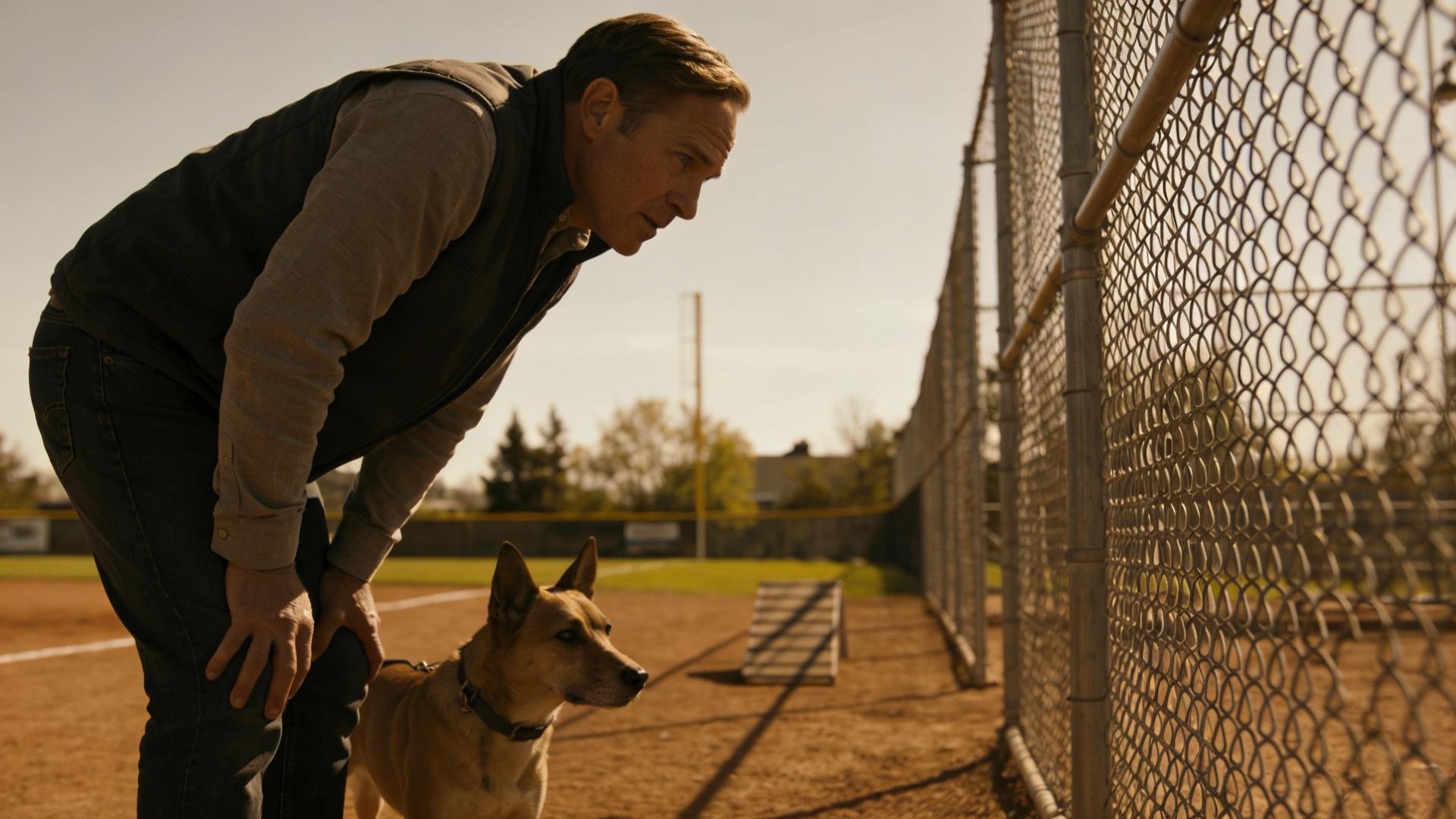
1. Scout the Location: Choose a large, open area with clear visual boundaries—a fenced baseball diamond, a quiet corner of a large park, or a secured field. This is about establishing a safe perimeter for dog training.
2. Check for Hazards: Scan for debris, holes, broken glass, or other animals. Ensure the area is legally available for dog use.
3. Start Small: Begin your session in the center of the space. As your dog's proficiency improves, you can train closer to the edges, simulating more real-world distractions.
🚀 Step Two: The Phased Training Protocol
Phase 1: Acclimation & Management (The First 15 Minutes)
Let your dog drag the line freely in your secure dog training area. Supervise closely to prevent tangling. This allows them to get used to the weight and sensation without pressure. Practice simple, known commands (like "sit," "down") with the line on but not being held. Reward generously.
Phase 2: Introducing Light Pressure & Recall Foundation
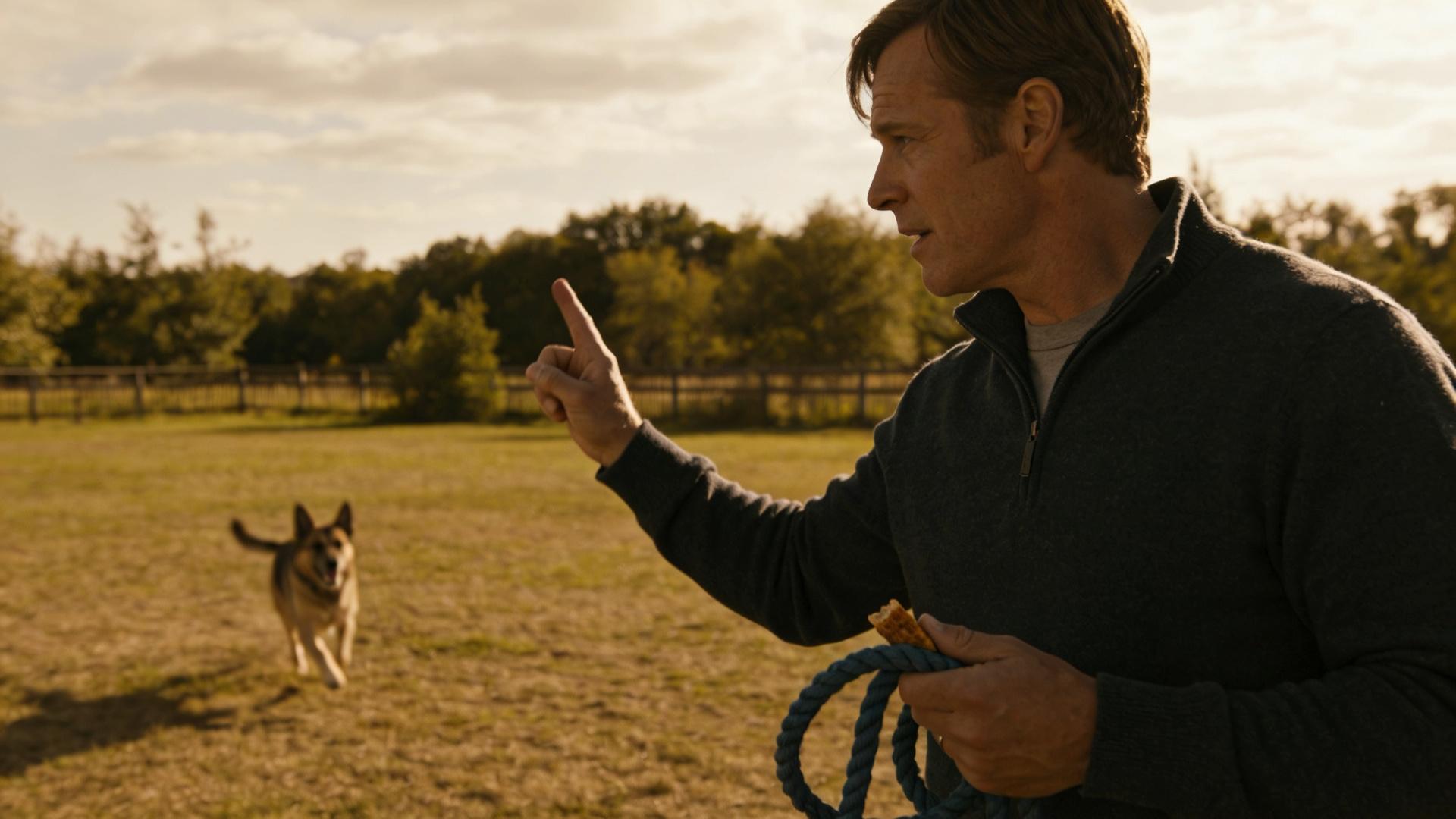
Now, pick up the line. Allow your dog to explore. The moment they turn to look at you or naturally move toward you, say your marker word ("Yes!"), apply gentle pressure on the line to guide them in, and reward lavishly. This teaches that checking in and coming to you is highly profitable. This is the foundation of teaching recall with a long training leash.
Phase 3: Practicing "Controlled Freedom" Commands
The Recall ("Come!"): With your dog distracted at a distance, give a clear, cheerful recall command. If they respond immediately, reward with a party! If they hesitate, use a gentle, pulsing guidance on the line to help them make the right choice, then reward.
The Emergency Stop ("Leave it!" or "Stop!"): While your dog is moving away, give your stop command. If they comply, reward instantly. If not, a gentle, definitive pressure on the line halts their movement. Guide them back to the stop position and reward. This builds a lifesaving skill.
⚠️ Navigating Challenges: Pro Tips for Common Issues
The Line Gets Tangled: Stay calm. Use a cheerful voice to call your dog to you and untangle. Consider a shorter line initially. This is part of training dogs with long lines in a secure space.
The Dog Hits the End at Full Speed: This is why the harness is non-negotiable. Use a longer line to give more room, and be more proactive with your commands before they reach the boundary.
Lack of Engagement: Increase the value of your rewards. Use real meat, cheese, or a favorite toy. Make yourself the most exciting thing in the safe zone.
Special Reminder: The Golden Rule of Pressure
Pressure on the long line should always be informational, not punitive. Apply gentle tension to guide, and the instant the dog moves in the right direction, release the pressure. This clear communication is what teaches them to make good choices independently.
🎯 Your Call to Action: Begin the Journey to Reliable Freedom
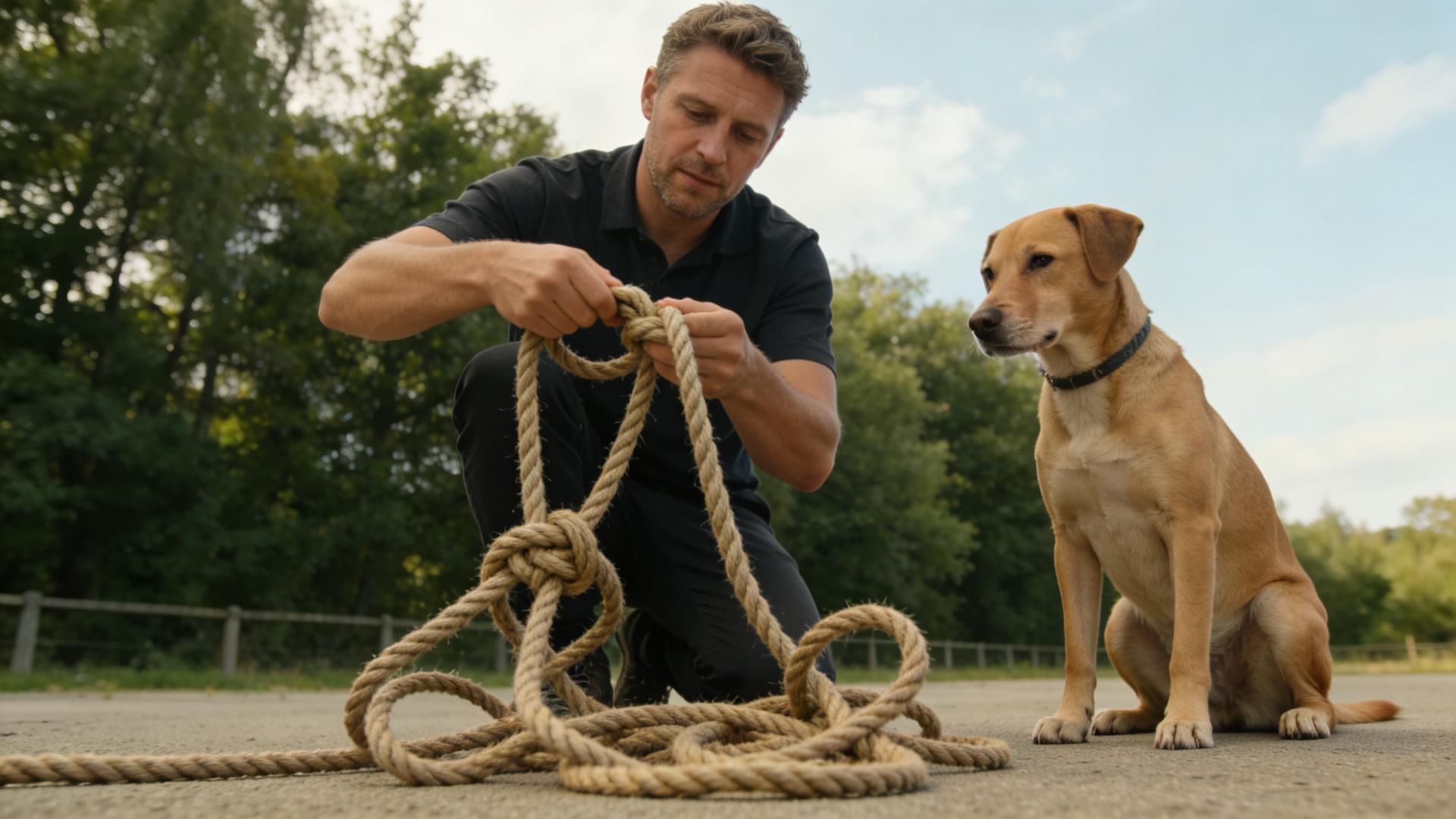
Long rope dog training is more than a technique; it's a relationship-deepening journey. It provides the structure for dog training freedom within limits, transforming anxiety into confidence for both you and your canine partner.
Ready to see the transformation? This weekend, gather your long line, harness, and high-value treats. Find your safe area, and begin with just Phase 1. Observe how your dog interacts with this new level of semi-free state. Celebrate the small victories.